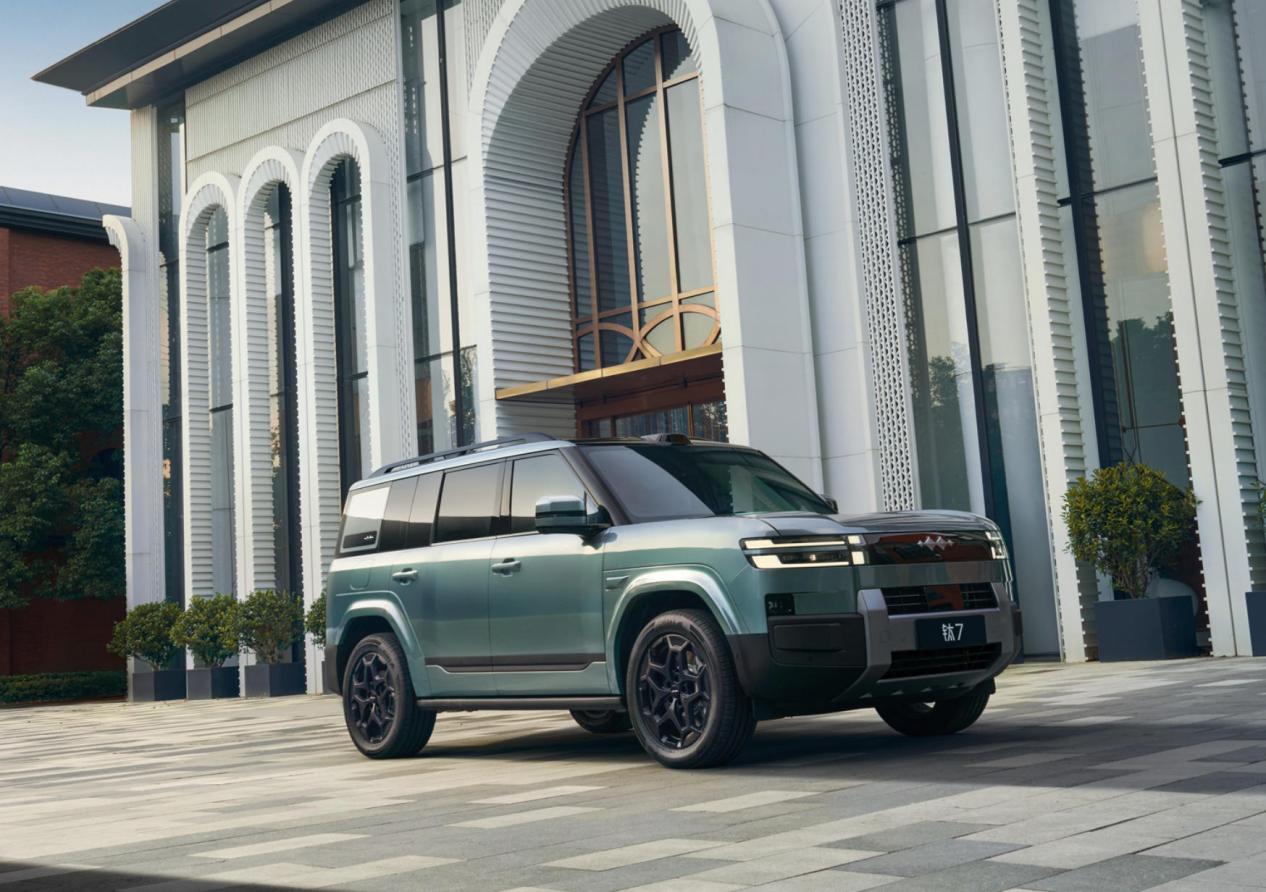
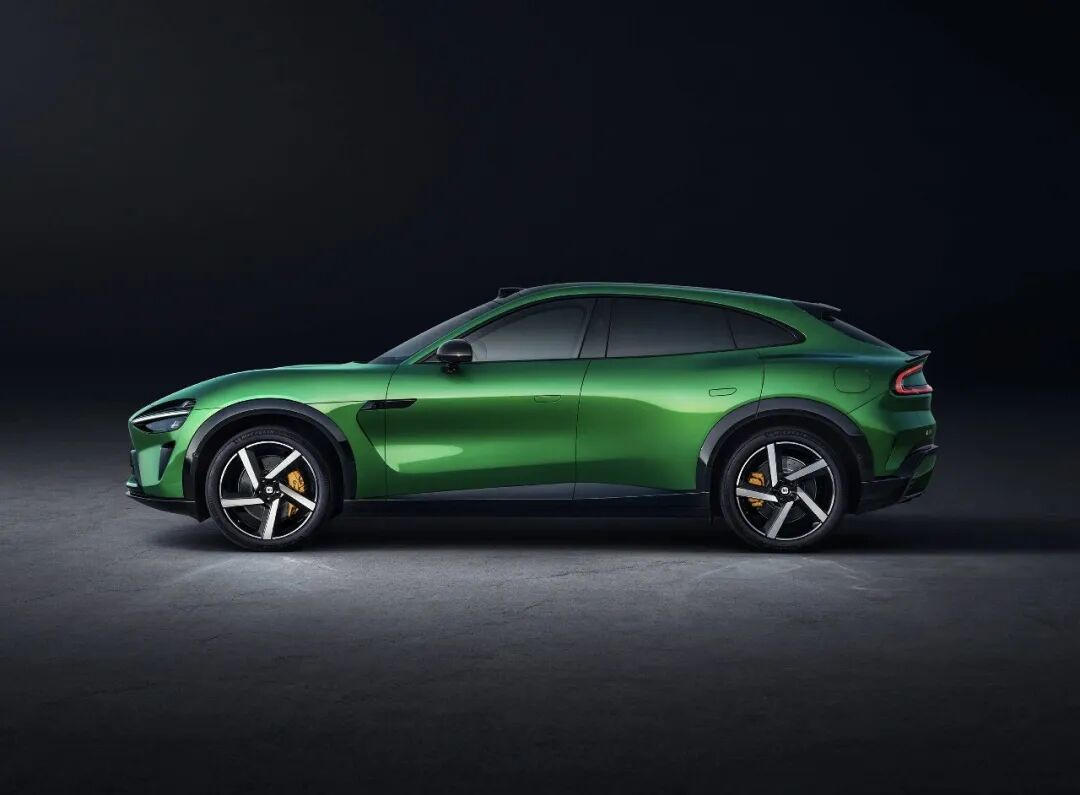
方程豹钛7

Search documents
比亚迪 | 2025整装待发 2026出口加电【国联民生汽车 崔琰团队】
汽车琰究· 2026-03-30 01:21
Core Viewpoint - The company is expected to see revenue growth in the coming years, with a projected revenue of 921.9 billion yuan in 2026, reflecting a 14.7% increase from 2025, despite a decline in net profit for 2025 [10][11]. Revenue and Delivery - In Q4 2025, the company's revenue was 237.7 billion yuan, a year-on-year decrease of 13.5% but a quarter-on-quarter increase of 21.9%, primarily due to a significant rise in sales volume [3]. - The sales volume in Q4 2025 reached 1.342 million vehicles, down 11.9% year-on-year but up 20.5% quarter-on-quarter, with export sales showing a remarkable increase of 191.7% year-on-year [3]. Profitability - The overall gross margin in Q4 2025 was 17.4%, with a year-on-year increase of 0.4 percentage points, while the automotive and battery gross margin was 21.6%, up 1.8 percentage points year-on-year [4]. - The net profit attributable to the parent company in Q4 2025 was 9.29 billion yuan, down 38.2% year-on-year but up 18.6% quarter-on-quarter [5]. Electric Vehicle Technology - The company launched its second-generation blade battery and flash charging technology, achieving record charging speeds, which addresses key challenges in electric vehicle charging [6]. Export Growth - The company is expected to maintain its position as the leading exporter of Chinese electric vehicles, with exports in January-February 2026 reaching 201,000 units, a year-on-year increase of 50.8% [7]. Production and Sales - The company is making steady progress in building overseas factories, with significant milestones achieved in Brazil and Thailand, enhancing its global supply chain capabilities [8]. High-End Product Strategy - The company has seen a doubling in sales of its high-end brands, with continued strong performance in early 2026, indicating a successful high-end product strategy [9].



【比亚迪(002594.SZ)/比亚迪股份(1211.HK)】2025业绩披露,全球化加速推进——2025年年报业绩点评(倪昱婧/邢萍)
光大证券研究· 2026-03-29 23:05
Core Viewpoint - The article discusses BYD's performance in 2025, highlighting revenue growth, profit decline, advancements in battery technology, and expansion in overseas markets [4][5][6]. Financial Performance - In 2025, BYD's total revenue increased by 3.5% year-on-year to 804 billion yuan, while net profit attributable to shareholders decreased by 19.0% to 32.6 billion yuan [4]. - The fourth quarter of 2025 saw a revenue decline of 13.5% year-on-year but a sequential increase of 21.9%, reaching 237.7 billion yuan [4]. - The net profit for Q4 2025 dropped by 38.2% year-on-year but increased by 18.7% sequentially to 9.3 billion yuan [4]. Product and Technology Development - BYD's total sales of new energy passenger vehicles in 2025 rose by 7.7% to 4.6 million units, with pure electric vehicle sales increasing by 27.9% to 2.26 million units [5]. - The second-generation blade battery technology was officially launched in March 2026, addressing key industry challenges such as slow charging and low-temperature charging [5]. - The company is enhancing its multi-brand strategy, with significant growth in high-end brands, including a 109% increase in sales for mid-to-high-end brands [5]. Global Market Expansion - BYD's export sales surged by 150.7% in 2025, reaching 1.046 million units, with Latin America becoming a key growth market [6]. - The company is benefiting from a diversified product matrix that includes both pure electric and plug-in hybrid models, particularly in Europe where low tariffs and fuel efficiency are advantageous [6]. - BYD is advancing its global localization strategy with production capabilities in countries like Brazil, Cambodia, and Hungary, while also enhancing brand presence through international partnerships [7].
比亚迪(002594):/比亚迪股份(1211.HK)2025年年报业绩点评:2025业绩披露,全球化加速推进
EBSCN· 2026-03-29 11:09
Investment Rating - The report maintains a "Buy" rating for both A-shares and H-shares of BYD, with current prices at 105.30 CNY and 106.50 HKD respectively [5]. Core Insights - In 2025, BYD's total revenue increased by 3.5% year-on-year to 804 billion CNY, while net profit attributable to shareholders decreased by 19.0% to 32.6 billion CNY [1]. - The company achieved a total sales volume of 4.6 million new energy passenger vehicles in 2025, a year-on-year increase of 7.7%, with pure electric vehicle sales rising by 27.9% to 2.26 million units [2]. - BYD's export sales surged by 150.7% year-on-year to 1.046 million units, with significant growth in Latin America and Europe [3]. Summary by Sections Financial Performance - In Q4 2025, BYD's revenue was 237.7 billion CNY, down 13.5% year-on-year but up 21.9% quarter-on-quarter. Net profit for the same quarter was 9.3 billion CNY, a decrease of 38.2% year-on-year [1]. - The company's revenue for 2026E is projected to reach 911.8 billion CNY, with a net profit of 37.7 billion CNY, reflecting a growth rate of 15.6% [4]. Product and Technology Development - BYD launched its second-generation blade battery and fast-charging technology in March 2026, addressing key industry challenges such as slow charging and low-temperature charging [2]. - The company is enhancing its multi-brand strategy, with significant sales growth in its high-end brands, which saw a combined increase of 109% in 2025 [2]. Market Expansion - BYD's overseas sales are expected to become a core growth driver, benefiting from a diversified product matrix that includes both pure electric and plug-in hybrid models [3]. - The company is advancing its global localization strategy, with production capabilities being established in countries like Brazil and Hungary [3].
比亚迪第二代闪充北京实测:无“虚标”,充满最快9分42秒
Jing Ji Guan Cha Wang· 2026-03-17 02:52
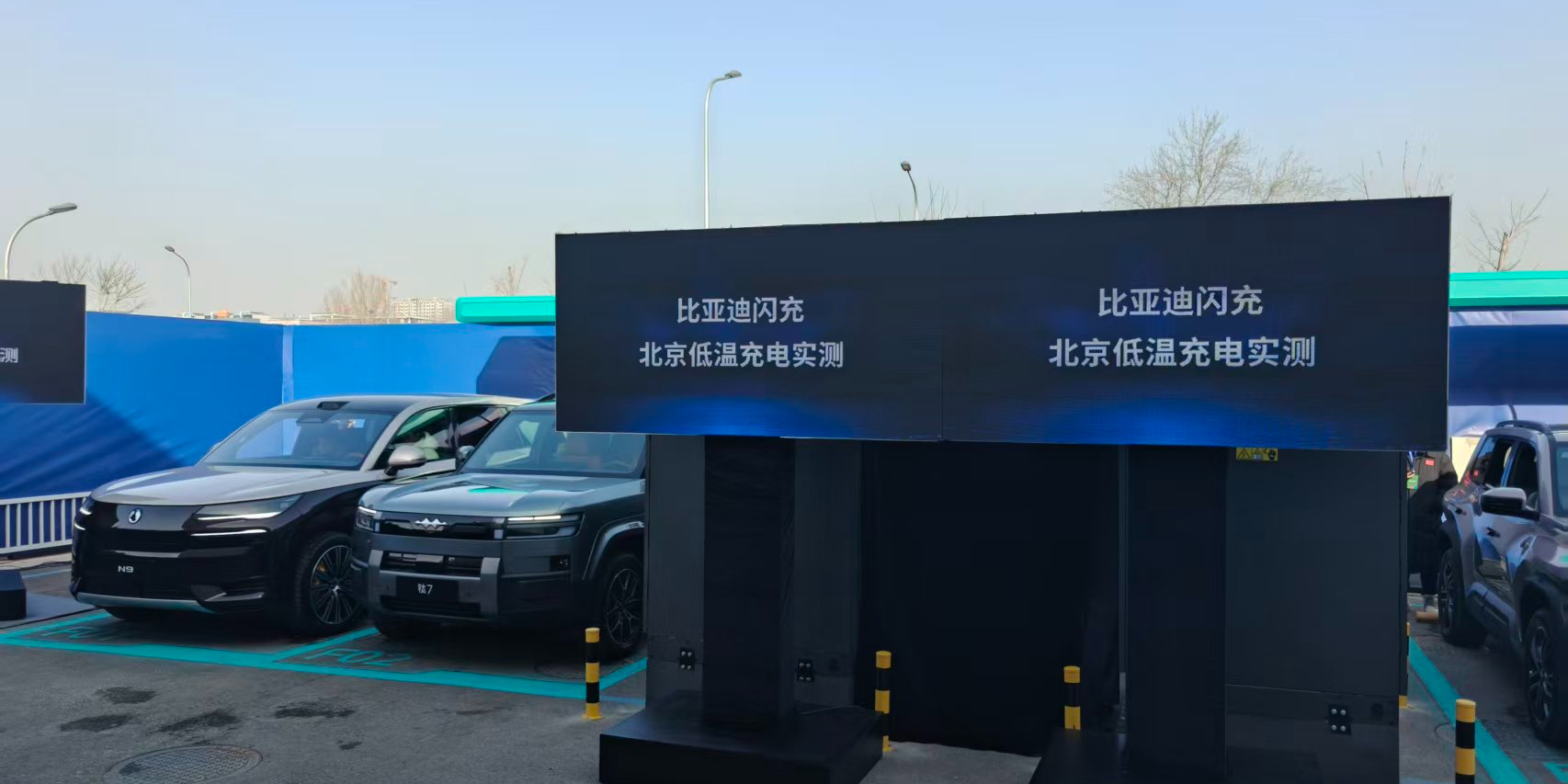
Core Viewpoint - BYD's second-generation fast charging technology claims to charge an electric vehicle in 5 minutes for a partial charge and 9 minutes for a full charge, even in low temperatures, marking a significant advancement in charging efficiency [2] Group 1: Technology Performance - The second-generation fast charging technology was tested in Beijing on February 10, showcasing its performance in winter conditions with temperatures around zero degrees [2] - Eight BYD models participated in the test, with starting battery levels around 20%, charging to 97% capacity [2] - The fastest charging time recorded was 9 minutes and 42 seconds for the Song Ultra model, while the longest was 10 minutes and 22 seconds for the Tengshi N9 model [2][6] Group 2: Industry Impact - The second-generation fast charging technology addresses the common issue of long charging times for electric vehicles, especially in winter when charging efficiency typically decreases [2] - This technology significantly reduces charging anxiety for electric vehicle owners, bringing charging times closer to traditional fuel refueling times [7] - The advancement is expected to promote the growth of the electric vehicle industry, particularly increasing market penetration in northern regions [7]
3月车Fans行情:海豚非智驾版优惠3万+,帕萨特380落地16万
车fans· 2026-03-13 00:29
Group 1 - The article discusses the current market conditions for car purchases, emphasizing the shift from new cars to second-hand vehicles due to limited options and high prices in the new car market [2][3] - It highlights the value of second-hand cars, particularly Japanese and German models, which are now more affordable due to the reduction of subsidies in the new car market [2] - The article recommends specific models across various price ranges, focusing on their practicality and value for money [3][11][20] Group 2 - For the budget range of 2万 to 5万, the article suggests considering second-hand cars as new options are limited and often not practical [2] - In the 5万 to 8万 range, it recommends models like 星愿, 海豚非智驾, 长安Q05, and 缤越L, noting their strong sales and reliability [3][5][8][9] - The 8万 to 11万 range features recommendations for hybrid models like 秦L DMI and 海豹06 DMI, but also suggests alternatives like 哈弗大狗 and 吉利博越L for their unique appeal and practicality [11][12][15][16] Group 3 - In the 12万 to 15万 range, the article leans towards pure electric and gasoline models, recommending vehicles like 钛3 and 海狮06EV for their reliability and value [20][23] - It emphasizes the importance of brand perception in the car market, illustrating how the image of a vehicle can influence consumer choices [24] - For the 15万 to 20万 range, the article highlights the 钛7 for its balanced features and strong sales performance, while also mentioning alternatives like 宋U ltra and 君越 for their value [29][39] Group 4 - In the 20万 to 30万 range, the article suggests considering both electric and gasoline models, including the Model Y and BBA vehicles, encouraging consumers to make choices based on personal preference rather than minor details [42] - It notes that the XC60 is currently priced attractively while maintaining a premium image, appealing to consumers looking for value [42]
从比亚迪招聘2000个新岗窥见深汕产业跃升
Nan Fang Du Shi Bao· 2026-03-12 13:03
Core Insights - The article highlights the rapid development of the Deep-Shan BYD park, which is set to create over 2,000 technical jobs, emphasizing the region's commitment to becoming a leader in the electric vehicle (EV) sector [1][8] Group 1: Production and Capacity - The Deep-Shan area aims for an annual production capacity of 290,000 vehicles by 2025, with a projected output value exceeding 74 billion yuan [6] - Notable models produced in this region include the Fangcheng Leopard Ti 7, which achieved monthly sales of over 34,000 units, marking it as a significant success [3][4] - The BYD park has become a central hub for high-end manufacturing, with the 9 millionth to 13 millionth vehicles all produced in this location [7] Group 2: Infrastructure and Logistics - The integration of manufacturing and logistics is a key strength, with vehicles able to reach the Xiaomo International Logistics Port in just 5 minutes, streamlining the export process [10][11] - Since its opening in December 2021, Xiaomo Port has handled over 140,000 vehicles, with plans for expansion to accommodate a capacity of 1 million vehicles annually [12][13] Group 3: Community and Living Conditions - The recruitment announcement emphasizes not only job opportunities but also living conditions, including affordable housing and amenities such as sports facilities, indicating a focus on employee well-being [15] - The region is developing a comprehensive support system for education, healthcare, and housing, with plans for significant infrastructure improvements to support the growing workforce [15][16] Group 4: Future Goals - The strategic vision for the next five years includes transitioning from manufacturing to intelligent manufacturing, aiming to strengthen the EV industry and create a billion-level industrial cluster [16]

招商证券:比亚迪股份二代刀片电池实现5分钟快充 维持“增持”评级
Zhi Tong Cai Jing· 2026-03-09 09:47
Core Viewpoint - BYD has launched its second-generation blade battery and fast-charging technology, significantly enhancing charging speed and efficiency, which is expected to strengthen its competitive advantage in the electric vehicle market [1][2] Group 1: Battery Technology - The new battery allows charging from 10% to 70% in 5 minutes and from 10% to 97% in 9 minutes, setting a new record for mass-produced vehicles [1] - The battery will be featured in 10 models, including the BYD Dynasty and Ocean series, with the Tengshi Z9GT achieving a range of 1,036 kilometers [1] - Performance improvements include enhanced charging in low temperatures, with charging from 20% to 97% taking about 12 minutes at -20 degrees Celsius [1] Group 2: Safety and Infrastructure - The new battery passed rigorous safety tests, including a 10-fold impact test without catching fire or exploding, and successfully completed 500 fast-charging cycles [1] - The company plans to implement the "Fast Charge China" strategy, aiming to build approximately 20,000 fast-charging stations by the end of 2026, with 4,239 already established [1] Group 3: Competitive Advantage - The significant technological advancements are expected to enhance BYD's competitive edge by improving charging efficiency and reducing the gap with fuel vehicles [2] - The vertical integration in battery technology, vehicle platforms, and charging networks is likely to strengthen BYD's technological moat and accelerate the launch of high-end models [2] - The new battery technology and product cycle are anticipated to improve market expectations and help BYD regain a differentiated competitive advantage amid temporary sales pressures [2]

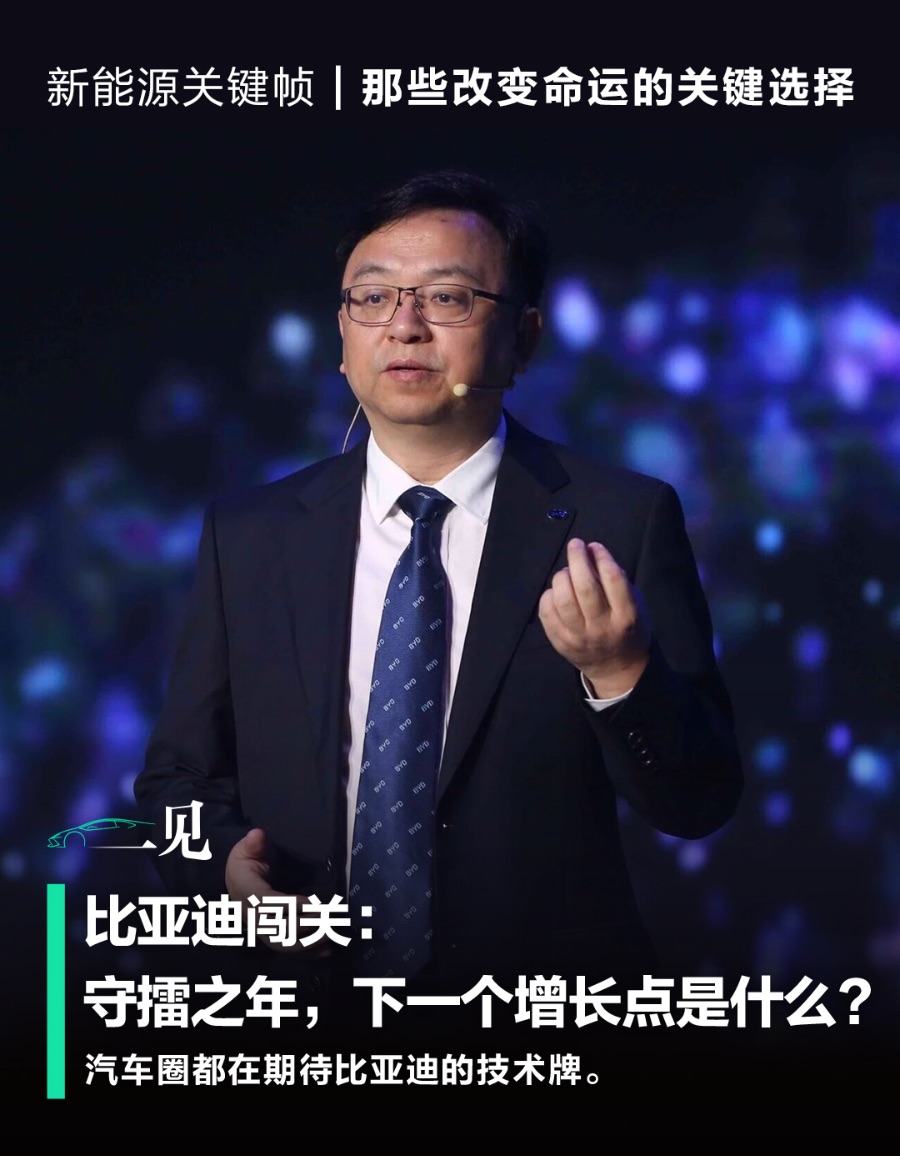
比亚迪闯关:守擂之年,下一个增长点是什么?
2 1 Shi Ji Jing Ji Bao Dao· 2026-03-03 23:31
Core Insights - BYD is facing increasing competition and challenges in maintaining its market share, particularly in the entry-level electric vehicle segment, as competitors like Geely are gaining ground [3][4][18] - The company is undergoing strategic adjustments, focusing on product innovation and marketing to better align with consumer demands and market dynamics [5][22][23] - BYD's historical success has been driven by its pricing strategy and technological advancements, but it now faces diminishing returns on its growth model as competition intensifies [13][14][17] Group 1: Market Performance - In early 2026, BYD's sales dropped significantly, with January and February figures showing a year-on-year decline of 30% and 41.1%, respectively [3] - Geely's sales in the same period surpassed BYD's, indicating a shift in market leadership [12][14] - BYD's Dolphin and Seagull models are under pressure from competitors entering the affordable electric vehicle market [4][18] Group 2: Strategic Adjustments - BYD is focusing on launching new models to reclaim market share in the sub-200,000 yuan electric vehicle segment, which is seen as a critical area for growth [5][21] - The company is also shifting its marketing approach to emphasize emotional value and user experience rather than just technical specifications [23][24] - A hybrid sales model combining direct sales and authorized dealerships is being implemented to enhance market penetration [24] Group 3: Technological Innovation - BYD's technological advancements, such as the DM-i technology and blade battery, have historically provided a competitive edge, but the rapid pace of innovation in the industry poses challenges [9][17] - The company is committed to continuous improvement and innovation, with plans to introduce new technologies by 2026 [5][24] - The competitive landscape is evolving, with rivals quickly replicating successful technologies, necessitating BYD to reassess its technological strategies [14][16] Group 4: Future Growth Opportunities - BYD is targeting international markets for growth, with overseas sales projected to reach 1.3 million units in 2026, representing over 30% of total sales [29][32] - The company is also focusing on high-end market segments, with new brands like Tengshi and Fangchengbao aimed at capturing higher price points [25][26][28] - The overall trend in the automotive industry indicates a shift towards international markets, which is expected to provide significant growth opportunities for BYD [32]
1月SUV排行:博越L空降第二,神车排名暴跌,小米成传奇耐黑王!
Xin Lang Cai Jing· 2026-02-27 10:37
Core Insights - The January 2026 automotive market did not meet expectations due to reduced subsidies, leading to a significant reshuffling in the SUV rankings [1][20] - The emergence of new models like Xiaomi YU7 and Geely's Boyue L indicates a shift in consumer preferences as traditional "hero cars" decline [1][20] SUV Rankings - Xiaomi YU7 topped the January SUV sales with 37,869 units, marking a notable success despite negative online sentiment [3][12] - Geely's Boyue L followed closely with 34,176 units, making a strong debut after previously being outside the top ten [3][12] - The AITO M7 secured third place with 26,454 units, benefiting from brand strength and competitive pricing [3][13] Market Dynamics - The Tesla Model Y, a long-time best-seller, fell to 12th place with 16,845 units, attributed to pre-ordered sales in December and prioritization of exports [5][15] - Other popular models from BYD, such as Yuan and Song, did not appear in the top twenty, indicating a potential decline in their market presence [7][17] - The overall trend shows a resurgence of traditional gasoline vehicles, with more models entering the top ten compared to December, suggesting a return to familiar market dynamics [10][20]
方盒子SUV市场热度持续升温 2026年热门车型盘点
Zhong Guo Zhi Liang Xin Wen Wang· 2026-02-27 03:39
Core Insights - The boxy SUV segment has evolved from a focus on off-road capabilities to include urban commuting, family travel, and light off-road scenarios, with powertrains covering fuel, range-extended, and pure electric options, making it accessible to mainstream consumers [1] Group 1: Market Overview - The boxy SUV category is seeing continuous iteration in design, intelligence, energy consumption, and practicality, providing consumers with a wider range of personalized choices as more brands enter the market [1] Group 2: Featured Models - The Fangcheng Leopard Ti 7 starts at a price of 179,800 yuan, featuring a rugged design, hybrid powertrain, and intelligent four-wheel drive system, with a focus on both urban and outdoor driving needs [2][4] - The Haval Big Dog 2026 model starts at 123,900 yuan, incorporating a classic boxy design with upgrades, including a new front face technology that allows for quick customization [5][7] - The 2026 Jietu Traveler is priced from 139,900 yuan, emphasizing a boxy design suitable for travel and off-road use, with multiple interior upgrades for enhanced usability [8][10] - The Ford Intelligent Mustang starts at 229,800 yuan, designed for all-terrain camping, featuring a classic rugged design and multiple functional optimizations for outdoor scenarios [11][13] - The iCAR Super V23 is priced from 122,900 yuan, targeting urban commuting and light off-road use, with a modern design and advanced driving assistance features [14][16] - The 2025 Tank 300 starts at 199,800 yuan, maintaining high market interest with its retro boxy design and robust off-road capabilities [17][19] - The Beijing Off-road BJ40 Range-Extended family starts at 179,800 yuan, representing a shift towards electrification in the rugged boxy SUV segment, with a focus on comfort and advanced driving assistance [20][22]