
前置仓模式

Search documents
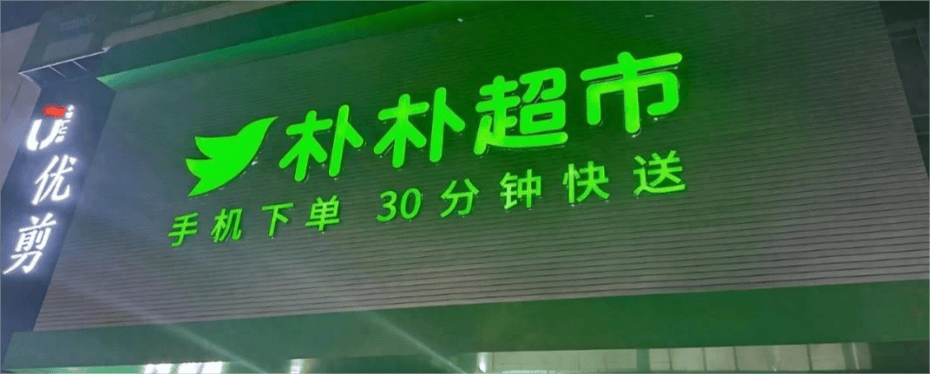
福州零售洗牌:永辉超市招牌少了,朴朴超市和小象超市都有新动作
Sou Hu Cai Jing· 2025-10-25 02:31
Core Insights - The retail landscape in Fuzhou is undergoing significant changes, with the transition from Yonghui to Pupu being a focal point of this transformation [1][3][10] Group 1: Market Dynamics - Pupu has captured over 50% of the fresh e-commerce market share in Fuzhou, while Yonghui holds approximately 30%, together controlling nearly 80% of the market [4] - The shift in store branding from Yonghui to Pupu reflects the competitive pressures and market share erosion faced by Yonghui [4][5] Group 2: Pupu's Strategy - Pupu's growth strategy focuses on deep regional penetration, achieving a local market penetration rate of 70% in Fuzhou, which has significantly impacted Yonghui's previous dominance [5] - Pupu has expanded its operations to cover nine cities, establishing over 400 front warehouses to enhance service efficiency [5] Group 3: Yonghui's Response - In response to Pupu's market encroachment, Yonghui is adopting management philosophies from the successful retailer Pang Donglai, emphasizing a culture of sincerity and trust [6] - Yonghui's store transformation efforts have resulted in an average customer traffic increase of 80% in remodeled stores, with over 60% of these stores entering a stable profitability phase [6] Group 4: Competitive Landscape - New entrants like Meituan's Xiaoxiang Supermarket are planning to enter the Fuzhou market, leveraging a delivery network of over 7 million riders to offer 30-minute delivery services [7] - Pupu is also diversifying its offerings with the introduction of "Pupu Kitchen," aiming to capture core consumer scenarios and further solidify its market position [8]


安徽即宠酒水闪电仓,酒水即时零售行业先行者
Sou Hu Cai Jing· 2025-10-07 19:18
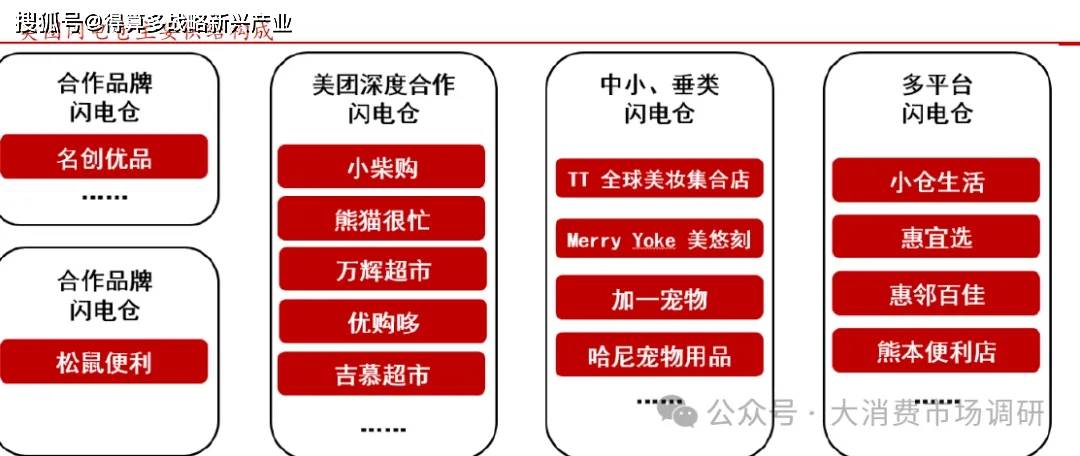
Core Insights - The instant retail sector for alcoholic beverages is experiencing explosive growth due to consumption upgrades and the popularity of instant delivery services [1][2] - Anhui Jichong Liquor Flash Warehouse has emerged as a pioneer in the industry by leveraging an innovative business model and an efficient supply chain system, providing consumers with a new purchasing experience [1][2] Market Opportunities in Instant Alcohol Retail - The Chinese alcoholic beverage market is vast, primarily relying on traditional offline channels like convenience stores and supermarkets, which face issues such as slow delivery and limited product variety [2] - The demand for convenience and immediacy among younger consumers has led to the rise of the "online ordering + instant delivery" model, further accelerated by the pandemic [2] - In 2023, the domestic instant retail market has surpassed 1 trillion yuan, with a significant increase in the share of alcoholic beverages [2] Innovative Model: Supply Chain and Digitalization - The core competitiveness of Jichong Liquor Flash Warehouse lies in its efficient supply chain management and digital operations [6] - **Smart Product Selection and Inventory Management**: The company analyzes regional consumption data to optimize its SKU selection, ensuring popular products are well-stocked [7] - **Front Warehouse Network Coverage**: Utilizing a "central warehouse + community front warehouse" model, the company has established over 50 front warehouses in cities like Hefei and Wuhu [8] - **Technology Empowerment Across Processes**: The entire process from order placement to delivery is managed through algorithmic scheduling, optimizing delivery routes and predicting peak times [9] Differentiated Services: From Convenience to Experience Upgrade - In addition to speed, the company builds a competitive edge through value-added services [11] - **Professional Alcohol Consultants**: Offering online consultation to help consumers select suitable beverages for various occasions [11] - **Customized Delivery**: Night delivery services extend to midnight, catering to late-night consumption needs, with special holiday gift boxes available for instant delivery [12] - **Membership System**: Enhancing user engagement through point redemption and invitations to tasting events, while accumulating consumer data to inform product selection strategies [12] Challenges and Future Outlook for the Industry - Despite the promising outlook, the instant alcohol retail sector faces challenges such as the impact of cold chain delivery on the quality of beer and sparkling wine, and authenticity issues with high-end products [13] - The company collaborates directly with manufacturers and employs anti-counterfeiting measures to build consumer trust [13] - The industry is becoming increasingly competitive, with platforms like Meituan and JD.com intensifying their instant alcohol business efforts [13] - Experts predict three major trends for the future of instant alcohol retail: diversification of product categories, segmentation of service scenarios, and deeper application of technology [13] Conclusion - The practices of Anhui Jichong Liquor Flash Warehouse not only validate the commercial viability of instant alcohol retail but also drive the industry towards a transformation from "passive purchasing" to "active service" [15] - Its model serves as a reference for regional brands to break through by focusing on agile supply chains and immediate consumer needs, potentially positioning instant alcohol retail as the next trillion-yuan market [15]

即时零售市场4家标的公司分析:美团+叮咚买菜+京东秒送+山姆会员店(40页报告)
Sou Hu Cai Jing· 2025-10-04 11:31
Core Insights - Meituan is leveraging its delivery network to enhance scale effects and rapidly expand its market presence through its instant retail business, which includes Meituan Flash Purchase and Little Elephant Supermarket [1][4] Group 1: Meituan's Instant Retail Business - Meituan Flash Purchase collaborates with various retailers and local businesses to provide fast delivery services for daily necessities, food, and health products, utilizing a lightning warehouse model that allows delivery within 30 minutes [1] - The investment threshold for a lightning warehouse is approximately 250,000 yuan, primarily for inventory costs, with total investment ranging from 200,000 to 500,000 yuan [1] - Little Elephant Supermarket, a self-operated instant retail project, requires an initial investment of around 2 million yuan [1] Group 2: Operational Metrics - As of the end of 2024, Meituan Flash Purchase has expanded to cover 2,800 counties and cities nationwide, with over 30,000 warehouses and an average daily order volume exceeding 10 million, projecting a GTV of 252 billion yuan [4] - Little Elephant Supermarket has opened over 680 warehouses, with a GMV of approximately 39.4 billion yuan for 2024, and a market share nearing 20% in key markets like Shanghai and Beijing [4][5] Group 3: Product and Market Strategy - Meituan plans to expand its product categories, focusing on digital home appliances and collaborating with brands like Apple and Xiaomi, while also diversifying into beauty, pet supplies, and food categories [5] - The average order value for Meituan Flash Purchase is between 70-80 yuan, while Little Elephant Supermarket's average order value ranges from 80-100 yuan [5] Group 4: Competitor Analysis - Dingdong Maicai - Dingdong Maicai, a leading player in the fresh food e-commerce sector, has achieved profitability for nine consecutive quarters by focusing on a "central warehouse + front warehouse" model [6][7] - As of December 2024, Dingdong Maicai operates 1,130 front warehouses, surpassing Meituan's Little Elephant Supermarket, with a GMV of 25.56 billion yuan and a revenue of 23.07 billion yuan, reflecting a year-on-year growth of 16.34% and 15.5% respectively [7][8] Group 5: Future Development Strategies - Dingdong Maicai is focusing on pre-prepared dishes as a new growth point, having established a complete supply chain for this category and launched various products to meet consumer demands for health and safety [8][9] - The company is also testing offline discount stores, "Dingdong Outlet," in cities like Wuxi and Shanghai to penetrate lower-tier markets [9] Group 6: Competitor Analysis - JD Daojia - JD Daojia, which has evolved into JD Seconds, is expanding its product categories and plans to launch a food delivery service in 2025, while facing challenges from Meituan's efficient delivery network [10][11] - In 2024, JD Daojia reported a net revenue of 3.859 billion yuan, a decline of 41% year-on-year, primarily due to decreased online advertising and marketing service revenues [11] Group 7: Sam's Club - Sam's Club has adopted a "big store + cloud warehouse" model, achieving a 55% online sales ratio, with 70% of its e-commerce orders coming from the "one-hour express delivery" service [12][13] - The company operates over 500 front warehouses, with an average order volume of 1,000 orders per warehouse, and has streamlined its SKU to focus on essential products for middle-class families [13]


前置仓将进入“寡头时代”,中小玩家难有机会
3 6 Ke· 2025-09-28 02:33
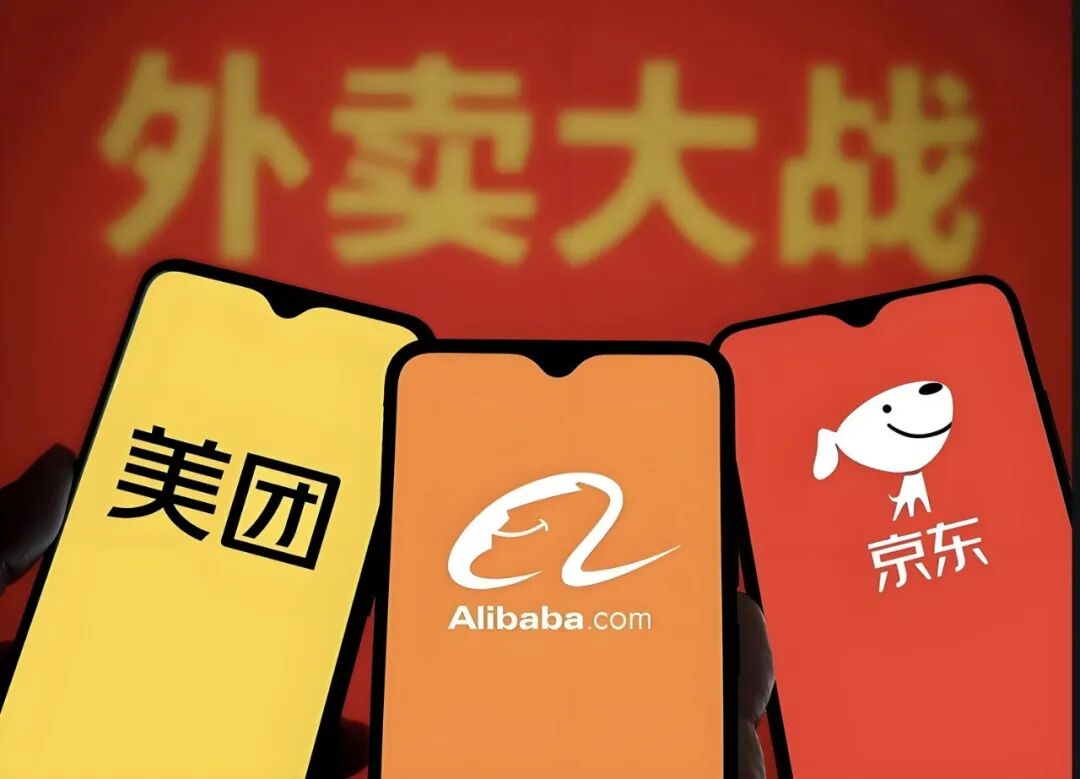
Core Insights - The article discusses the intense competition in the "instant retail" sector, primarily driven by major platforms like Meituan, Taobao, and JD, marking a shift from mere food delivery to a broader battle for market entry points [1][3] - The emergence of a "duopoly era" in the front warehouse model is highlighted, where the competition has evolved from small players to major corporations, indicating a significant transformation in the industry landscape [3][5] Industry Evolution - The front warehouse model, initially popularized by companies like Daily Fresh, faced challenges due to low margins and high operational costs, leading to significant losses and eventual market exits for some players [5][7] - The industry has bifurcated into two paths: platform-based models like Meituan and JD, which connect retailers without holding inventory, and self-operated models like Dingdong Maicai, which manage their own supply chains [9][11] Financial Performance - Dingdong Maicai reported a GMV of 25.56 billion yuan in 2024, with a 16.3% year-on-year growth, and achieved a net profit of 420 million yuan, marking a significant turnaround [11][13] - Pupu Supermarket also achieved profitability in 2024, with annual revenue around 30 billion yuan, showcasing a successful operational model focused on high-margin daily goods [13][15] Competitive Landscape - The entry of major players into the instant retail space has intensified competition, with significant financial backing allowing them to engage in aggressive pricing strategies that smaller players cannot match [20][22] - The article emphasizes that smaller players are increasingly forced to align with larger platforms to survive, as the competitive landscape shifts towards a model dominated by a few large corporations [22][24] Future Outlook - The retail industry is expected to continue evolving, with the potential for technological advancements, such as automated delivery and smart warehouses, to significantly reduce operational costs and drive growth in instant retail [26] - Trust and efficiency are identified as critical factors for success in the evolving market, with the ultimate winner being the entity that can secure long-term consumer trust [26]


即时零售锁死了前置仓的天花板
3 6 Ke· 2025-08-13 00:04
Core Viewpoint - The rise of instant retail is reshaping the e-commerce landscape, leaving traditional players like front warehouses vulnerable as major internet giants dominate the market [1][6] Industry Overview - Instant retail has evolved over two decades, with platforms like Taobao and JD.com leading the charge, significantly altering consumer habits and increasing e-commerce penetration [2][4] - Fresh produce has historically been a challenging category for e-commerce due to its non-standard nature, low profit margins, and high spoilage rates, yet it remains a key driver for retail [2][4] Competitive Landscape - The front warehouse model, exemplified by companies like Dingdong Maicai and Pupu Supermarket, initially thrived by providing convenience and competitive pricing for fresh products [5] - Major players in instant retail, including Meituan and Alibaba, have intensified competition, making it difficult for smaller front warehouse operators to maintain their market share [6][9] Strategic Responses - Dingdong Maicai has shifted its focus to deepening its supply chain and product development, emphasizing quality over scale in response to competitive pressures [9][11] - The company has developed its own brands to enhance profitability and has positioned itself to deliver high-quality products at competitive prices [9][11] Future Outlook - The core competitive strategy for retail remains balancing "more, faster, better, cheaper," with an emphasis on quality as a differentiator for smaller players in a crowded market [11] - The ability of Dingdong Maicai and Pupu Supermarket to sustain their competitive advantages will be crucial as they navigate the increasingly consolidated market landscape [11]

一年挣了230亿,叮咚买菜杀回来了|氪金
36氪· 2025-08-12 09:40
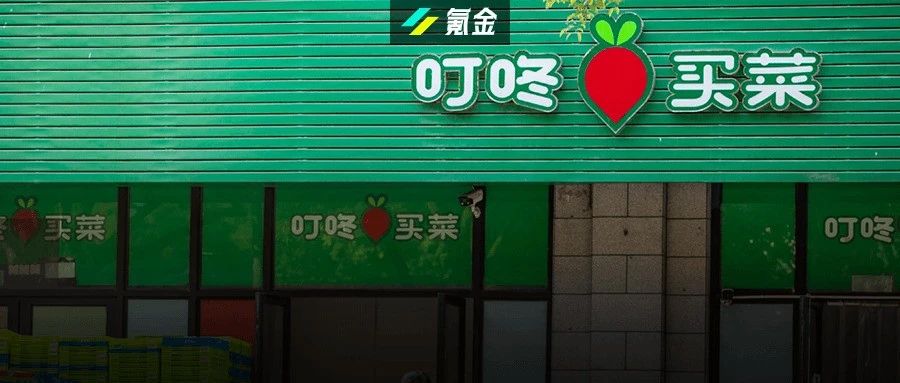
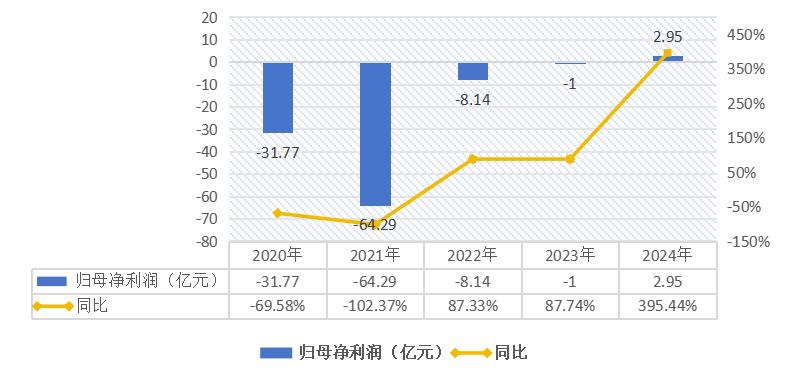
Core Viewpoint - The article discusses the contrasting fates of Dingdong Maicai and its competitor Meiri Yousuan, highlighting Dingdong's strategic focus on product quality and operational efficiency as key factors for its survival and growth in the competitive fresh food e-commerce market [5][6][12]. Group 1: Company Strategy and Performance - Dingdong Maicai shifted its strategy from rapid expansion to regional deepening, closing multiple locations to focus on profitability and operational efficiency [5][12]. - In 2024, Dingdong Maicai reported a revenue growth of 15.5%, reaching 23.066 billion yuan, and achieved a net profit of 295 million yuan, marking its first annual profit since its inception [6][19]. - The company implemented a digital transformation to enhance its supply chain and logistics, achieving a significant reduction in operational losses [12][19]. Group 2: Market Dynamics and Competition - The fresh food e-commerce sector faced a crisis due to overexpansion and supply chain issues, leading to the collapse of competitors like Meiri Yousuan [10][12]. - Dingdong Maicai's ability to maintain supplier relationships and streamline payment processes helped it navigate the industry turmoil [10][12]. - The competitive landscape is shifting, with major players like Meituan and Hema engaging in aggressive pricing strategies, prompting Dingdong to focus on maintaining its operational model without entering price wars [49][52]. Group 3: Future Outlook and Expansion Plans - Dingdong Maicai plans to deepen its market presence in the Yangtze River Delta while cautiously considering expansion into other regions [25][53]. - The company aims to enhance its product offerings and digital capabilities, with a focus on maintaining a balance between growth and operational efficiency [55][56]. - The management believes there is still significant growth potential in the Yangtze River Delta, with a current household penetration rate of around 30% in Shanghai [53].
氪金 | 叮咚买菜进入「返场时刻」
3 6 Ke· 2025-08-08 10:57
Core Viewpoint - The article discusses the contrasting fates of Dingdong Maicai and its competitor Meiri Yousuan, highlighting Dingdong's strategic decisions that led to its survival and growth amidst industry challenges [1][3]. Group 1: Company Strategy and Performance - Dingdong Maicai's revenue grew by 15.5% in 2024, reaching 23.066 billion yuan, with a net profit of 295 million yuan, marking its first annual profit since listing [2]. - The company underwent significant strategic contraction in 2022 and 2023, closing numerous locations to reduce losses and stabilize operations [8][14]. - In 2024, Dingdong Maicai resumed its expansion strategy, focusing on deepening its presence in the Jiangsu, Zhejiang, and Shanghai regions [17][18]. Group 2: Operational Efficiency and Digital Transformation - Dingdong Maicai implemented a comprehensive digital system that improved operational efficiency, achieving a loss rate of 1%-2% and a monthly profit for the first time in September 2023 [12][20]. - The company’s digital system allows for real-time inventory management and predictive analytics, enhancing supply chain efficiency [10][12]. - The average order value reached over 70 yuan, with the company maintaining a high order volume per warehouse, particularly in Shanghai [20][19]. Group 3: Market Position and Competitive Landscape - Dingdong Maicai's approach contrasts with competitors like Meiri Yousuan, which failed due to unsustainable expansion strategies [1][3]. - The company has focused on a "small but beautiful" strategy, emphasizing quality and operational efficiency over rapid expansion [17][18]. - The competitive landscape is shifting, with Dingdong Maicai facing challenges from instant retail platforms and other players in the fresh food e-commerce sector [35][36]. Group 4: Product Offering and Consumer Engagement - Dingdong Maicai is expanding its product categories to include more convenience items and is focusing on enhancing customer satisfaction through better product offerings [27][32]. - The company has developed a range of private label products, which now account for 35% of sales, aiming to fill gaps in the market and improve margins [29][30]. - The internal selection mechanism allows for rapid adjustments to product offerings based on sales performance, ensuring relevance to consumer needs [23][29].
美团“最争气”小儿子,要跟盒马抢饭吃
3 6 Ke· 2025-08-05 07:11
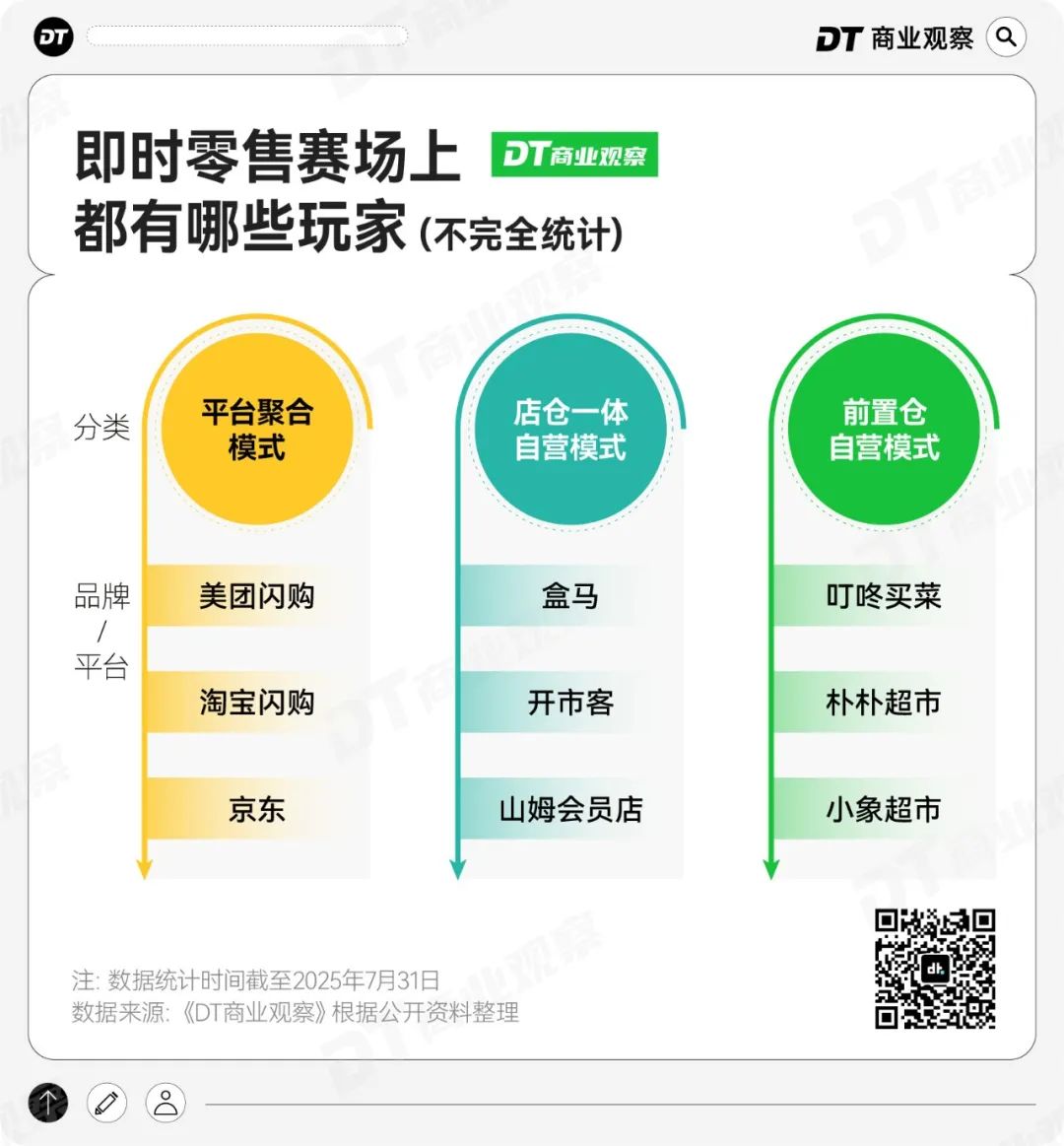
Group 1 - The core viewpoint of the article highlights the rapid expansion and strategic positioning of Meituan's Xiaoxiang Supermarket in the instant retail market, particularly in response to changing consumer behaviors during the pandemic [1][31] - Xiaoxiang Supermarket has extended its operating hours and is actively expanding its coverage to all first- and second-tier cities, indicating a strong growth strategy [1][4] - The instant retail market is primarily dominated by platform models, with Meituan's Xiaoxiang Supermarket and other players like Dingdong Maicai and Pupu Supermarket competing in the front warehouse model [2][4] Group 2 - Xiaoxiang Supermarket is projected to achieve a GMV of nearly 30 billion yuan in 2024, surpassing Dingdong Maicai and approaching Pupu Supermarket, potentially becoming the top player in the front warehouse sector [6] - The front warehouse model, while popular, is financially challenging due to high operational costs and low profit margins, making it a "money-burning" business [7][10] - To improve profitability, Xiaoxiang Supermarket is focusing on increasing average order value and expanding product categories, including non-fresh items [13][25] Group 3 - Xiaoxiang Supermarket benefits from its affiliation with Meituan, leveraging its extensive delivery network and user base to reduce marketing costs and enhance customer acquisition [28][29] - The company has aggressively expanded its presence, increasing its operational cities from 18 to 21 within a month, and plans to cover all major urban areas [30][31] - Meituan's strategic focus on instant retail, including Xiaoxiang Supermarket, aligns with its broader goals for growth in grocery retail and international expansion [31][32] Group 4 - Xiaoxiang Supermarket is planning to re-enter the offline retail space, aiming to compete with established players like Hema Fresh, while facing challenges in supply chain management and store operations [32][33] - The future success of Xiaoxiang Supermarket in the competitive offline market will depend on its ability to create a synergistic online and offline business model [34]
朴朴超市港股IPO前瞻:前置仓模式盈利性验证与挑战?
Sou Hu Cai Jing· 2025-07-30 00:13
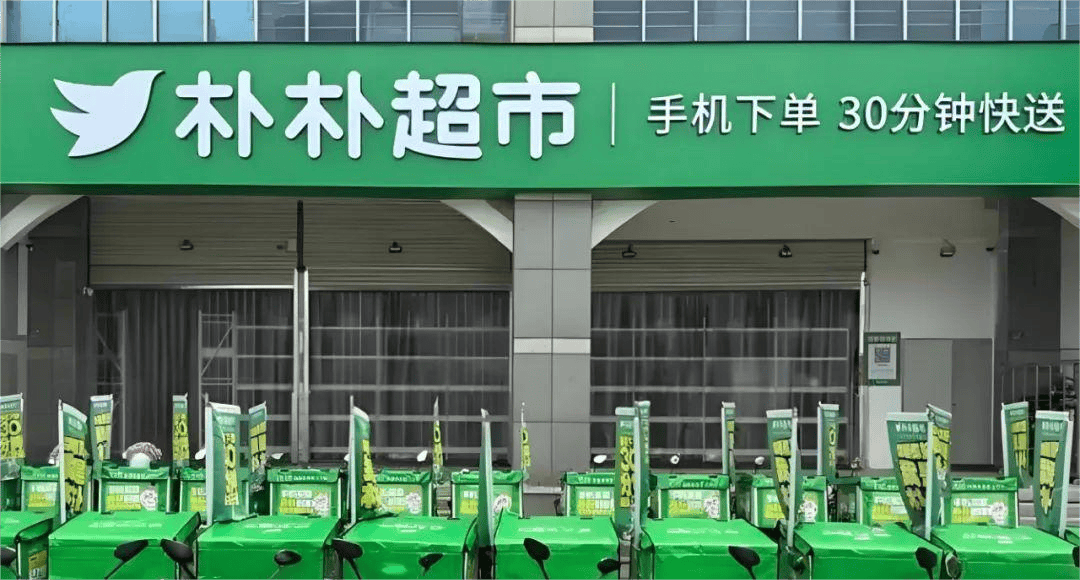
Core Viewpoint - Pupu Supermarket is successfully disrupting the instant retail industry by focusing on regional deep cultivation and efficiency, achieving significant profitability without nationwide expansion, and is preparing for a Hong Kong IPO in 2025 [1][3]. Group 1: IPO and Financial Performance - Pupu Supermarket plans to submit its IPO application to the Hong Kong Stock Exchange by 2025, showcasing its profitable "front warehouse + regional deep cultivation" model [3]. - In 2024, Pupu is projected to achieve an annual revenue of approximately 30 billion yuan with a gross margin of 22.5% and a fulfillment cost rate controlled under 17.5% [3]. - The company’s revenue is heavily concentrated in the Fujian and Guangdong regions, with 90% of income derived from these areas, which poses challenges for profitability in new cities [3]. Group 2: Market Expansion Strategy - Pupu's strategy for 2025 involves consolidating its existing markets while cautiously expanding into new areas, including extending services to county towns [4]. - The company has opened new warehouses in cities like Fuzhou and Quanzhou, with the first day of orders in Quanzhou exceeding 16,000 [4]. - Pupu operates large front warehouses of 800-1000 square meters with 6,000-8,000 SKUs, requiring an average of 3,500 orders per warehouse to break even [4]. Group 3: Product Strategy - Pupu focuses on quality-price ratio, leveraging private labels and supply chain optimization to create competitive barriers [5]. - The company plans to launch multiple subsidized products in its app in 2025, with discounts of up to 40% on various items [5]. - Private label sales are expected to exceed 5 billion yuan in 2024, accounting for 15%-20% of total sales, with plans to expand the SKU count to 750 by 2025 [5]. Group 4: Supply Chain and Operations - Pupu's large warehouse model reduces fulfillment costs, with a delivery radius of 1.5 kilometers and fulfillment cost rates decreasing from 22% in 2021 to 15% in 2024 [6]. - The company has achieved significant efficiency in its regional supply chain, with a reduction in waste rates and improved sorting efficiency [6]. - Local sourcing accounts for 80% of fresh produce in Fujian, leading to a 15% lower procurement cost compared to competitors [5][6]. Group 5: Competitive Response - Pupu adopts a defensive and penetrating strategy against competitors like Meituan and JD.com, focusing on regional user engagement and reducing reliance on third-party platforms [9]. - The company leverages local supply chain advantages and unique regional products to differentiate itself in the market [9]. - Pupu aims to optimize warehouse efficiency and regional delivery networks to counteract competitive pressures from larger players [9]. Group 6: Strategic Outlook - Pupu's core strategy revolves around regional dominance and deep supply chain integration, balancing opportunities and challenges [10]. - The short-term goal is to achieve breakeven in Quanzhou within six months while expanding into surrounding county towns [10]. - If Pupu maintains healthy profitability in individual cities, it could become a benchmark for efficiency competition in the instant retail sector [11].
叮咚买菜CFO王松:积极拥抱即时零售 但要客观理性看待
Zheng Quan Shi Bao Wang· 2025-07-23 08:11
Core Viewpoint - The company emphasizes a rational approach to the "burn money" subsidy model in the instant retail sector, focusing on sustainable growth and quality rather than just rapid user acquisition through subsidies [1][3] Group 1: Company Strategy - The company aims to differentiate itself from competitors by avoiding the mainstream price and subsidy-driven strategies, instead focusing on unique competition to escape industry homogenization [1] - The company has adopted a product and ecosystem mindset, prioritizing fresh food quality and supply chain development over mere traffic and platform thinking [1][2] Group 2: Supply Chain and Product Quality - The company has established partnerships to create black pig breeding bases and digital fishing warehouses, enhancing control over the fresh food supply chain and improving product quality certainty [2] - The company is actively exploring regional and overseas differentiated products with sales potential, leveraging its supply chain capabilities [2] Group 3: Performance Metrics - The company focuses on metrics such as GMV (Gross Merchandise Volume) and customer retention rates rather than just order volume [3] - As of Q1 2025, the company has achieved ten consecutive quarters of non-GAAP profitability and five consecutive quarters of GAAP profitability [3] - The average order volume has increased from 600 orders per day at startup to 1,500 orders per day currently, with a customer price rising from over 50 yuan to around 70 yuan nationally [3] Group 4: Market Competition - The company acknowledges that competition is an eternal topic in the retail industry, emphasizing the importance of product strength and operational efficiency for success [4] - Traditional retailers are increasingly focusing on product development and enhancing product strength to provide cost-effective goods to consumers [4]