新能源产业发展

Search documents
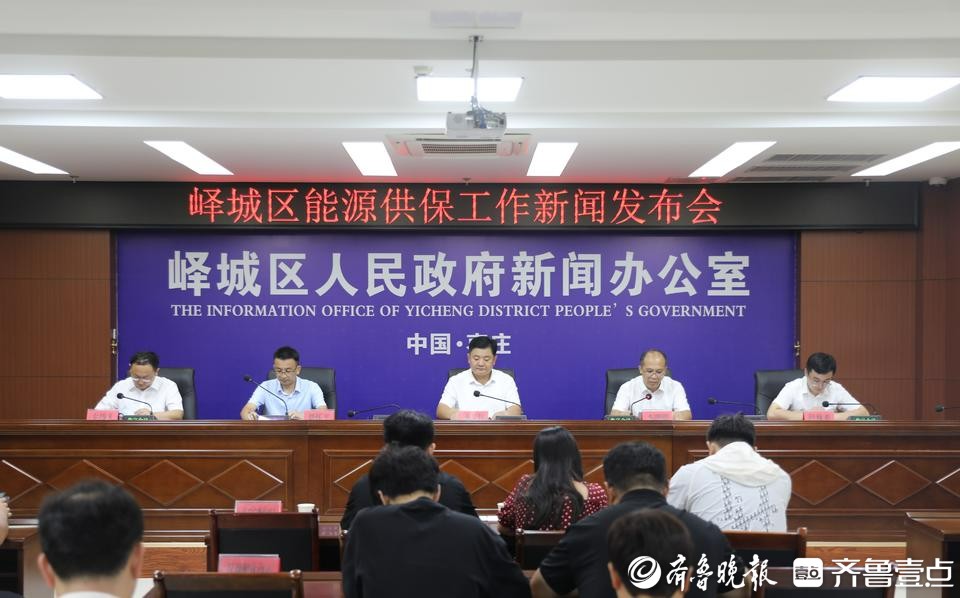
峄城区电力装机总容量增长23.64%,新能源成第一大电源
Qi Lu Wan Bao Wang· 2025-08-23 06:28
Core Viewpoint - The district emphasizes the development of the renewable energy industry as a key support for energy security and green transformation [1] Group 1: Renewable Energy Projects - The construction of photovoltaic and wind energy projects in Yicheng District is progressing as planned, leading to a significant increase in installed capacity for renewable energy [3] - The Three Gorges Energy 50 MW photovoltaic project successfully connected to the grid in May 2023, with an expected annual generation of over 60 million kWh [3] - A 100 MW centralized wind power project has completed initial site selection and resource assessment, while 115 MW of "Wind Action" and decentralized wind projects are optimizing turbine locations and preparing feasibility studies [3] Group 2: Installed Capacity and Energy Supply - As of now, the total installed power capacity in Yicheng District is 951,100 kW, representing a year-on-year growth of 23.64% [5] - The total installed capacity of renewable energy is 527,100 kW, accounting for 55.42% of the total power capacity, surpassing traditional thermal power to become the largest energy source [5] - The ongoing commissioning of renewable energy projects provides stable and reliable electricity supply while reducing dependence on traditional fossil fuels, achieving a win-win for energy stability and ecological protection [5]


热浪“烤”验全球!近10年我国年平均高温日数增多25%
Mei Ri Jing Ji Xin Wen· 2025-08-19 15:09
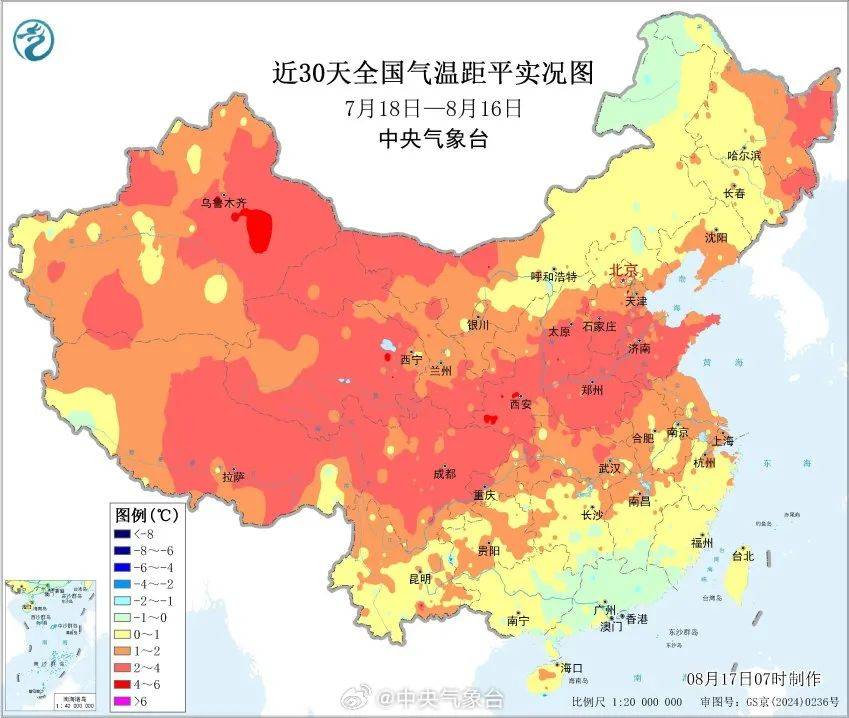
Core Viewpoint - The article discusses the normalization of heatwaves globally, emphasizing their impact on human health, economic security, and ecological systems, driven primarily by human-induced greenhouse gas emissions [2]. Economic Impact of High Temperatures - Extreme heat has led to significant labor hour and income losses, with direct impacts on production systems, including industrial power restrictions and increased logistics costs due to lower water levels [3]. - Indirect effects include supply chain disruptions, rising energy costs, and food inflation due to agricultural losses [3]. Tourism Sector Changes - Historical data indicates that for every 1°C increase in temperature, tourist arrivals decrease by approximately 8.1%, leading to a 6% drop in tourism revenue [4]. - High temperatures are shifting consumer preferences from sightseeing to wellness tourism, a trend likely to persist as extreme heat events become more frequent [4]. Renewable Energy Demand - The surge in electricity demand during heatwaves is stimulating the growth of renewable energy installations, particularly solar power, which aligns with peak electricity usage during sunny periods [7]. - The integration of meteorological data with industrial operations is crucial for optimizing energy supply and demand during extreme heat events [5][6]. Regional Challenges and Opportunities - Coastal regions face challenges such as increased temperature control costs in high-end manufacturing, while opportunities exist in developing smart energy networks and heat-resistant materials [9]. - The central and western agricultural regions must address irrigation shortages and crop yield reductions, with potential growth in solar agriculture and climate-resilient crops [9]. Infrastructure and Policy Recommendations - Recommendations for urban planning include creating green spaces, enhancing building energy efficiency, and developing smart grids to manage electricity resources effectively [10]. - In agriculture, promoting efficient irrigation techniques and developing heat-resistant crop varieties are essential strategies to mitigate the impacts of extreme heat [10]. Learning from Global Practices - Successful international practices include Cambodia's drought-resistant crop initiatives and Spain's weather index insurance for crops, which could be adapted to improve resilience in China [11][13]. - The EU's push for renewable energy transition serves as a model for reducing reliance on fossil fuels [12][14].
高温经济学
Hu Xiu· 2025-08-19 00:21
Group 1 - The phenomenon of heatwaves has become a normalized trend globally, posing threats to human health, economic security, and ecological systems [3][7] - Human activities, particularly greenhouse gas emissions since the Industrial Revolution, are identified as the primary drivers of extreme temperature changes [4][5] - In China, the average number of high-temperature days has increased by 25% over the past decade, with extreme heat events evolving into continuous compound disasters [6][24] Group 2 - High temperatures have led to significant income losses globally, with potential labor hours and income losses reaching new highs [8] - Direct impacts of extreme heat on the economy include physical shocks to production systems, such as industrial power restrictions and increased logistics costs due to lower water levels [9][10] - Indirect impacts manifest through supply chain disruptions and rising food inflation due to agricultural losses and transportation issues [10][11] Group 3 - The tourism industry is experiencing shifts, with a decrease in visitors to traditional scenic spots and an increase in demand for summer retreat destinations, as temperatures rise [13][15] - Historical data indicates that for every 1°C increase in temperature, tourist arrivals decrease by approximately 8.1%, leading to a 6% reduction in tourism revenue [13] Group 4 - The extreme heat has stimulated demand for renewable energy installations, particularly solar power, as high temperatures coincide with peak electricity demand [22] - Collaborative mechanisms between climate and energy departments are being established to predict and manage electricity demand during heatwaves [18][19] - The pressure from high temperatures is accelerating the development of smart energy networks and the adoption of heat-resistant materials in coastal regions [25][21] Group 5 - Different regions in China face unique challenges and opportunities in responding to high temperatures, with coastal areas focusing on high-tech solutions and the central and western regions addressing agricultural water shortages [24][26] - Infrastructure improvements, such as urban planning and agricultural adaptations, are essential to mitigate the impacts of extreme heat on economic development [27][29] - Learning from international experiences, China can enhance its agricultural resilience through drought-resistant crop varieties and innovative insurance mechanisms [31][36]
热浪“烤”验全球,高温对经济有哪些影响?
Hu Xiu· 2025-08-18 13:04
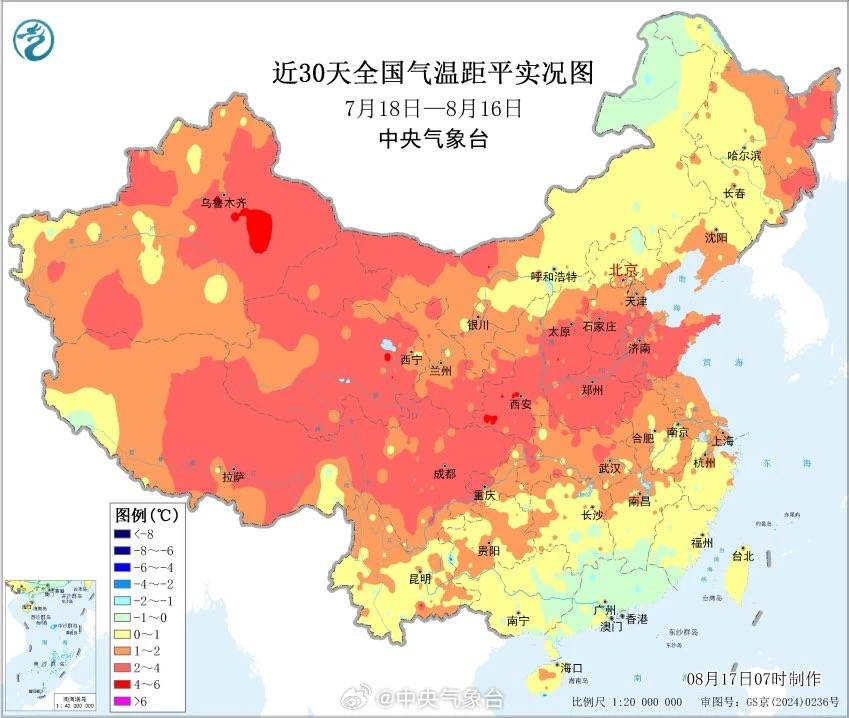
Group 1: Global Heatwave Trends - The phenomenon of heatwaves becoming a normalized trend is undeniable, posing threats to human health, economic security, and ecological systems [3][4][5] - In the past decade, the average number of high-temperature days in China has increased by 25%, with extreme heat events evolving into continuous compound disasters [6][7] Group 2: Economic Impacts of High Temperatures - High temperatures have led to unprecedented potential labor hours and income losses globally, with direct impacts on production systems, including industrial power restrictions and increased logistics costs [8][9] - Indirect effects include disruptions in supply chains, rising energy prices, and food inflation due to agricultural yield reductions [10][11] Group 3: Tourism Sector Adjustments - Historical data indicates that for every 1°C increase in temperature, tourist arrivals decrease by approximately 8.1%, leading to a 6% reduction in tourism revenue [13] - High temperatures are reshaping global tourism preferences, shifting consumer behavior from sightseeing to wellness and cooling tourism [15] Group 4: Renewable Energy Demand Surge - Extreme heat has significantly increased electricity demand, prompting a surge in renewable energy installations, particularly solar power, which aligns with peak electricity usage during hot periods [22][21] - Collaborative efforts between climate and energy departments are enhancing predictive models for electricity load management during heatwaves [18][19] Group 5: Regional Economic Opportunities and Challenges - Coastal regions face challenges such as increased temperature control costs in high-end manufacturing, while opportunities exist in developing smart energy networks and heat-resistant materials [24] - The central and western agricultural regions confront irrigation shortages and crop yield declines, but can capitalize on promoting photovoltaic agriculture and climate-adaptive crops [25] Group 6: Infrastructure and Policy Recommendations - Recommendations for climate-adaptive infrastructure include urban planning, agricultural water management, and public health measures to mitigate extreme heat impacts [26][28] - Successful international experiences suggest the need for innovative agricultural insurance mechanisms and renewable energy transitions to enhance resilience against climate risks [30][32]
云南能投:永宁风电场扩建项目成功并网 新能源版图加速扩容
Zheng Quan Shi Bao Wang· 2025-08-12 09:25
Core Viewpoint - Yunnan Energy Investment has successfully connected two wind power projects to the grid, marking a significant milestone in its renewable energy expansion efforts [1] Group 1: Project Details - The first phase of the Yongning Wind Power Plant expansion in the Luxi area has connected 2 units with a total installed capacity of 12.5 MW, while the Mili area has connected 3 units with a total capacity of 21.45 MW [1] - The total installed wind power capacity of Yunnan Energy Investment has reached 1.85435 million kW, with total renewable energy capacity (including wind and solar) increasing to 2.03035 million kW [1] Group 2: Resource Advantages - The Luxi area has a total installed capacity of 235 MW, expected to generate 518 million kWh annually, with an equivalent full-load hour of 2205 hours [2] - The Mili area has a total installed capacity of 230 MW, expected to generate 529 million kWh annually, with an equivalent full-load hour of 2300 hours [2] - Both project areas have utilization hours significantly above the industry average of 2127 hours for 2024, indicating strong natural resource advantages [2] Group 3: Strategic Significance - The grid connection of these projects aligns with national and provincial energy strategies, enhancing the company's core competitiveness and supporting its "14th Five-Year Plan" goals [3] - The projects are expected to stimulate regional economic growth and contribute to Yunnan's carbon neutrality targets [3] Group 4: Development Pipeline - Yunnan Energy Investment has a robust pipeline of projects, including a 67000 kW wind power expansion and an 85 MW solar project, which are progressing steadily [4] - The company is also increasing efforts to identify quality resources for future project development, ensuring continued growth in renewable energy assets [4] Group 5: Industry Outlook - The renewable energy sector is experiencing multiple favorable conditions, including supportive government policies and decreasing generation costs, enhancing market competitiveness [5] - Research indicates that wind power has a pricing advantage in the electricity market due to its smooth output curve and lower cost per kWh compared to solar [5] Group 6: New Growth Areas - Yunnan Energy Investment is exploring new avenues in renewable energy, including a 350 MW compressed air energy storage project and sodium-ion battery systems [6] - The full-capacity operation of the Yongning Wind Power Plant and the launch of additional projects are expected to further enhance the company's growth potential in the renewable energy sector [6]

新疆和布克赛尔:新能源项目激活绿色发展新动能
Zhong Guo Jing Ji Wang· 2025-07-25 03:04
Core Viewpoint - The development of renewable energy projects in the Hubei County of Xinjiang is significantly contributing to local economic growth and ecological protection, with substantial investments in wind and solar energy projects [1][2]. Group 1: Economic Growth - The general public budget revenue of Hubei County increased by 15.2% year-on-year in the first half of 2025 [1]. - Urban residents' per capita disposable income grew by 6.5% in the first quarter, while rural residents' per capita disposable income rose by 7.6% [1]. - The implementation of renewable energy projects is expected to enhance the local economy by diversifying the industrial structure beyond mining and agriculture [2]. Group 2: Renewable Energy Projects - The State Grid Energy and Feng Coal Power Co., Ltd. is investing 1.977 billion yuan in a 500,000 kW wind power project, with an expected annual electricity generation of 1.112 billion kWh, replacing approximately 340,000 tons of standard coal and reducing CO2 emissions by about 900,000 tons [2]. - The Sheneng 2 million kW photovoltaic project has a total investment of around 5 billion yuan, with an anticipated annual power generation of approximately 3.2 billion kWh [2]. - The construction of these renewable energy projects includes the installation of about 1.53 million foundation piles and approximately 3.99 million photovoltaic components, benefiting from favorable transportation conditions and abundant sunlight in the Gobi Desert [2]. Group 3: Environmental Impact - The renewable energy initiatives are expected to provide significant environmental benefits, including substantial reductions in carbon emissions and a shift towards cleaner energy sources [2]. - The projects are designed to support both economic development and ecological protection, creating a sustainable model for high-quality development in the region [2].
产业周跟踪:首个省级储能容量电价政策出台,时的获10亿美金eVTOL订单
Huafu Securities· 2025-07-20 11:51
Investment Rating - The report maintains an "Outperform" rating for the industry [5] Core Insights - The report highlights the acceleration of pilot lines for solid-state batteries both domestically and internationally, with equipment deliveries expected to peak soon. A significant order of $1 billion for eVTOLs utilizing solid-state batteries has been secured [2][9] - The photovoltaic sector is poised to benefit from a new round of growth stabilization policies from the Ministry of Industry and Information Technology, emphasizing structural adjustments and technological innovation [3][18] - The offshore wind sector is seeing positive developments with the UK easing entry barriers for offshore wind projects, which is expected to expedite project approvals [30][31] - The energy storage sector is witnessing the introduction of the first provincial capacity pricing policy in Gansu, clarifying the revenue model for independent storage [38][39] Summary by Sections 1. New Energy Vehicles and Lithium Battery Sector - The solid-state battery pilot lines are being rapidly constructed, with significant orders for eVTOLs [9][10] - Companies like Funeng Technology are set to launch advanced solid-state batteries by 2025, with a focus on high energy density [9][10] - Key companies to watch include CATL, Keda Technology, and others with competitive advantages in cost and technology [12] 2. New Energy Generation Sector 2.1 Photovoltaic Sector - The Ministry of Industry and Information Technology is implementing a new growth stabilization plan for key industries, including photovoltaics [18][19] - The report suggests that the photovoltaic industry should leverage policy opportunities to enhance competitiveness through innovation [19][20] - Investment recommendations include companies benefiting from supply-side reforms and those with strong demand growth [27][28] 2.2 Wind Power Sector - The UK has relaxed entry requirements for offshore wind projects, potentially increasing the number of projects eligible for funding [30][31] - The report highlights the progress of the Zhejiang deep-sea wind power base, which is expected to accelerate development [31][32] - Companies in the wind power supply chain are recommended for investment based on their growth potential [35] 3. Energy Storage Sector - Gansu Province has introduced a capacity pricing policy, which is expected to clarify revenue models for energy storage [38][39] - The Qinghai green electricity direct connection plan aims to optimize energy usage and enhance system flexibility [40][41] - Investment opportunities include companies involved in energy storage integration and those benefiting from the growth of the energy storage market [44] 4. Power Equipment Sector - The State Grid has announced the results of its third batch of ultra-high voltage equipment tenders, indicating ongoing investment in power infrastructure [47][48] - The Ministry of Industry and Information Technology is set to release growth stabilization plans for the power equipment sector, focusing on digital transformation [48][49] - Companies with overseas expansion capabilities and those involved in digital power solutions are highlighted as investment opportunities [49][52] 5. Industrial Control and Robotics Sector - The industrial sector is showing signs of recovery, with significant acquisitions and advancements in robotics technology [55][56] - The introduction of autonomous battery-swapping humanoid robots represents a significant innovation in the sector [57] - Investment recommendations focus on companies leading in automation and robotics technology [58][60] 6. Hydrogen Energy Sector - The report emphasizes the need to accelerate hydrogen energy applications in traditional industries, with a focus on green transformation [63] - The establishment of zero-carbon parks in Shandong is part of the broader strategy to promote hydrogen energy [64] - Companies involved in hydrogen production and fuel cell technology are recommended for investment [65]
刘世锦:中国新能源产业发展要保持速度,深化改革创新应对挑战
Zheng Quan Shi Bao Wang· 2025-07-08 07:06
Group 1 - The core viewpoint emphasizes that China's energy transition is at a critical juncture, and the development of the renewable energy industry must continue without regression, addressing challenges through further reform and innovation [1][2] - The perspective on green low-carbon industry development has shifted from viewing environmental protection and economic growth as conflicting to seeing them as mutually supportive and synergistic [1] - Recent years have seen green low-carbon investment become a significant part of China's overall investment landscape, with advancements in green technology opening new industrial avenues and driving production and consumption [1] Group 2 - Green transition is viewed as an unavoidable choice for human society, and the direction of this transition cannot change; significant investments have been made in human, material, and financial resources to lower the costs of key green technologies [2] - There is a need for the green low-carbon industry to maintain a moderately rapid growth rate, with suggestions to raise the original renewable energy growth targets [2] - The design and construction of a new power system is seen as a crucial path to address challenges in renewable energy development, requiring substantial technological innovation and reforms in management and regulatory systems [2]

年产值3亿元新能源项目落地山东日照山海天
Qi Lu Wan Bao· 2025-06-26 06:55
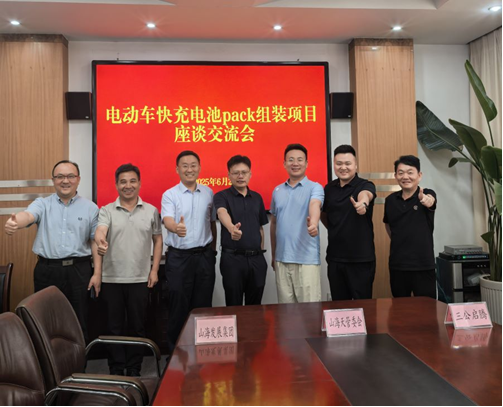
Group 1 - The signing of the "electric vehicle fast charging battery pack assembly" project marks a significant step for the Shandong Rizhao Shanhaitian Tourism Resort in the new energy industry [1] - The project involves a collaboration between Rizhao Blue Ocean Investment Group, San Gong Qiteng (Rizhao) Intelligent Manufacturing Co., and the management committee of the resort, aiming to promote high-quality economic development in the region [1][4] - The project will be implemented in two phases, with a total investment of 100 million yuan, and is expected to produce 1.2 million battery packs and 10,000 charging piles annually upon completion [1] Group 2 - The first phase of the project will invest 50 million yuan to establish two assembly lines, targeting an annual production of 300,000 sets of 12C super fast charging batteries and 5,000 smart charging piles [1] - The second phase will also invest 50 million yuan to add two more assembly lines, with a production capacity goal of 120 million battery packs and 10,000 charging piles [1] - The project aims for a production value of over 5 million yuan by 2025 and an average annual production value of no less than 300 million yuan from 2026 to 2030, while creating approximately 50 jobs [1]
每日速递 | 中创新航高性能锂电池项目在常州开工
高工锂电· 2025-06-18 13:32
Core Viewpoint - The article highlights significant developments in the lithium battery industry, including new projects, partnerships, and regulatory changes that are shaping the market landscape. Group 1: Company Developments - The Sichuan Guang'an Green Health Chip Era lithium battery project has commenced trial production, with an expected output value of approximately 150 million yuan by the end of the year. The total investment for the project is 1 billion yuan, with a production capacity of 2 million lithium-ion batteries per day [2]. - BYD announced a new patent for a "wireless charging system, method, vehicle, and readable storage medium," achieving a comprehensive efficiency exceeding 95% for bidirectional energy flow between high-voltage power batteries and low-voltage vehicle devices [4]. - Del's subsidiary, Del New Energy Technology (Huzhou) Co., Ltd., has officially been established, marking a significant step for the company in the new energy sector [6]. - Zhongchuang Xinhang has commenced construction on a high-performance lithium battery project in Changzhou, with local government officials in attendance [8]. Group 2: Material Developments - CATL and Tianqi Lithium have jointly established a new company, Sichuan Muyunze Mining Co., Ltd., with a registered capital of 500 million yuan, where Tianqi holds a 60% stake and CATL holds 40% [10]. - Foshan Fusheng Technology Group Co., Ltd. has acquired equity in Hebei Jinli New Energy Technology Co., Ltd., as announced by the Guangdong Provincial Market Supervision Administration [12]. - A new regulation has been announced regarding the import management of recycled black powder for lithium-ion batteries, effective from August 1, 2025, aimed at promoting the recycling of resources [14]. - Yahua Group plans to transfer the equity of five subsidiaries involved in lithium business to its wholly-owned subsidiary, which will be renamed "Yahua Lithium Industry Group," to accelerate the development of its lithium business [15].