新茶饮

Search documents
从年销3亿杯到半年亏近亿元香飘飘为何绕不动地球了?
Xin Lang Cai Jing· 2025-09-23 06:08
Core Viewpoint - The marketing campaign "suspending the Earth" by Xiangpiaopiao highlights the company's ongoing struggles, with significant losses and declining sales in its core instant tea business, which has shrunk by 75% over four years [1][3][4]. Financial Performance - In the first half of 2025, Xiangpiaopiao reported revenue of 1.035 billion yuan, a year-on-year decrease of 12.21%, and a net loss of 97.39 million yuan, worsening from a loss of 29.5 million yuan in the same period last year [3][4]. - The instant tea business generated revenue of 423 million yuan, down 31.04% year-on-year, marking a significant decline compared to the previous peak [3][4]. - The company's losses in the first half of 2025 reached the highest level in three years, marking the sixth consecutive year of losses in the first half [3][4]. Market Dynamics - The instant tea market is facing intense competition from fresh tea drinks, which have rapidly gained popularity since 2012, leading to a shift in consumer preferences [4][6]. - The number of distributors for Xiangpiaopiao decreased by 92 in the first half of 2025, indicating a contraction in sales channels [5]. Marketing and Strategy - Xiangpiaopiao invested 331 million yuan in marketing in the first half of 2025, accounting for one-third of its revenue, but this strategy has not translated into sustainable growth [6][7]. - The company is exploring new growth avenues by developing functional products and new categories of instant products, while also pushing existing products towards healthier options [8][10]. Product Development - The ready-to-drink segment showed better performance, with revenue of 591 million yuan in the first half of 2025, a year-on-year increase of 8.03%, surpassing the instant tea business for the first time [8][10]. - New product launches include healthier options with no trans fats, no plant-based fats, and no artificial flavors, aiming to align with current consumer health trends [8].


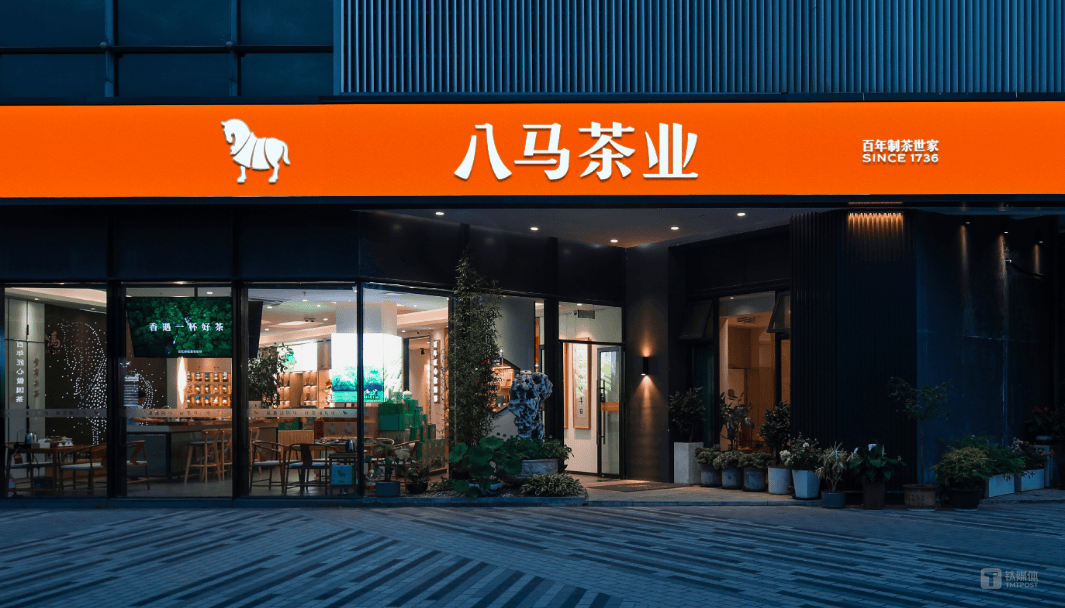
“A+H”第五次冲击上市,八马茶业能否打破“上市即巅峰”诅咒?
Sou Hu Cai Jing· 2025-09-18 13:42
Core Viewpoint - Eight Horses Tea Co. is attempting its fifth IPO, aiming to list on the Hong Kong Stock Exchange after multiple failed attempts in the A-share market [2][6][5]. Company Overview - Eight Horses Tea plans to issue up to 29.13 million shares and convert 43.99 million shares held by 106 shareholders for overseas listing [2]. - The company has faced significant challenges in its previous IPO attempts, including three failed attempts in the A-share market and a recent failed submission due to regulatory issues [6][4]. Financial Performance - Eight Horses Tea reported revenues of 18.18 billion yuan in 2022 and 21.22 billion yuan in 2023, with a modest growth of 0.98% in the first three quarters of 2024 [9][10]. - The company's gross margin for franchise sales has declined from 51.25% in 2019 to 43.8% in 2022, indicating a significant drop of 8.86 percentage points over two years [10]. Market Position and Challenges - The company has seen a slowdown in the growth of its franchise network, with only 39 new franchisees added in the first three quarters of 2024, compared to 106 in 2022 [10]. - Despite the challenges in offline growth, Eight Horses Tea has experienced notable online revenue growth, achieving 5.53 billion yuan in the first three quarters of 2024, a 14.49% increase year-on-year [11]. Strategic Initiatives - Eight Horses Tea plans to expand its store network by adding 1,500 new stores over the next three to five years and has launched a sub-brand "Little Horse Tea Fun" to diversify its product offerings [10]. - The company is attempting to adapt to market trends influenced by the new tea beverage sector, which has seen a dual-channel growth model [11].
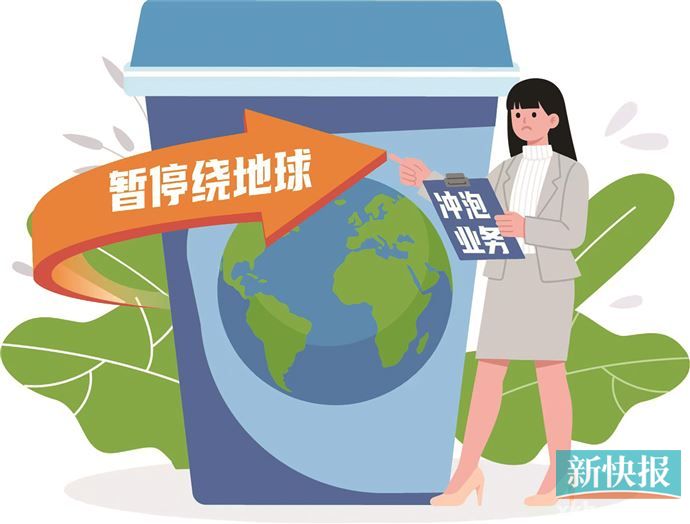
香飘飘紧急公告“暂停绕地球”,网友懵了:啥情况?真相来了
Mei Ri Jing Ji Xin Wen· 2025-09-14 08:05
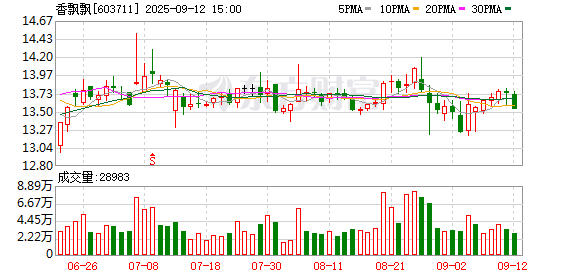
Core Viewpoint - The company Xiangpiaopiao is facing significant challenges in the competitive beverage market, leading to declining revenues and profits, and has recently made a public announcement regarding a new partnership that aims to revitalize its brand image [2][3][5]. Group 1: Company Performance - Xiangpiaopiao's latest semi-annual report indicates that in the first half of 2025, the company achieved revenue of 1.035 billion yuan, a year-on-year decline of 12.21%, and a net loss attributable to shareholders of 97.39 million yuan, a staggering drop of 230% [6]. - The company has reported a loss in the first half of the year for six consecutive years, with the current loss being the highest in the past three years [6]. - Since reaching a historical high of 35.09 yuan per share in August 2019, Xiangpiaopiao's stock price has been on a downward trend, closing at 13.53 yuan on September 12, 2025, representing a cumulative decline of over 60% [6]. Group 2: Market Context - The beverage market has seen a shift towards fresh ingredients and innovative brands, with competitors like Heytea and Nayuki Tea gaining popularity among younger consumers, which has pressured traditional brands like Xiangpiaopiao [5]. - New tea brands have proliferated, such as Mixue Ice City, further squeezing the market share of traditional instant tea products [5]. - Analysts suggest that Xiangpiaopiao's attempts at transformation and innovation have not yielded significant results, and the company's marketing strategies may not effectively resonate with modern consumers [6].
霸王茶姬发力北京市场,打造“CHA・色”艺术展
Bei Ke Cai Jing· 2025-09-13 08:39
Core Insights - Bawang Chaji is celebrating its two-year anniversary in Beijing with an art exhibition titled "CHA・Color" in Sanlitun, showcasing the evolution of tea-making techniques through a vibrant color palette [1] - The company has gained significant recognition among local consumers, having opened its first store in Beijing at Chaoyang He Sheng Hui in August 2023 [1] - Bawang Chaji is actively expanding its presence in Beijing, launching various themed stores, including a flagship store in Wangfujing and a campus store at Tsinghua University [2] Group 1 - The "CHA・Color" art exhibition features a core color theme of red and blue, representing traditional Chinese culture and the evolution of tea-making [1] - Bawang Chaji has partnered with ceramic artist Ran Xiangfei to create a co-branded gift box, enhancing its brand visibility and consumer engagement [1] - The company has initiated offline activities across multiple themed stores, allowing consumers to experience the brand's growth and connect with its story [1] Group 2 - The flagship store in Wangfujing, opened on July 2, 2023, marks a significant milestone in Bawang Chaji's expansion strategy in Beijing [2] - The company is diversifying its offerings by introducing unique themed stores, such as the "Book Fragrance Tea Rhythm" and music-themed stores, to enhance consumer experiences [2] - Bawang Chaji is focused on exploring new consumption scenarios to enrich the offline experience for local consumers [2]
调整不足一年 立顿再换CEO
Bei Jing Shang Bao· 2025-09-04 16:11
Core Viewpoint - Lipton has appointed Mark Bousquet as CEO effective October 1, following a series of leadership changes, indicating potential growth challenges amid competition from local tea brands and new tea beverage trends in China [1][3] Company Overview - Lipton, founded in 1890, is the world's largest tea brand and was acquired by Unilever in 1973. It entered the Chinese market in 1992 and quickly became the leading brand in the tea bag segment [3] - In 2021, Unilever sold Lipton's global tea business for €4.5 billion to CVC Capital Partners, leading to a decline in Lipton's performance [3] - In 2023, Lipton reported revenues of €1.74 billion and profits of €580 million, significantly lower than the €2 billion reported by Unilever in 2020 [3] Market Dynamics - Consumer preferences in China have shifted, with a growing demand for diverse and health-oriented tea products, challenging Lipton's traditional image as a "broken leaf tea" brand [4][5] - Local brands and new tea beverage companies are gaining market share by offering innovative products and experiences that resonate with younger consumers [5][6] Strategic Initiatives - Lipton is investing in the Chinese market, including a ¥50 million project to build a central warehouse aimed at improving logistics and supply chain management by 2027 [6] - The company plans to launch new products, including the "Louis Bousquet Tea," to better align with market trends, although similar products already exist from local competitors [6] - A global brand upgrade has been initiated, emphasizing the health benefits of tea and introducing new packaging and product lines [6] Competitive Landscape - The tea market is facing increased competition from the growing coffee market, which is impacting tea's market share [5] - Analysts express skepticism about Lipton's ability to innovate and connect with younger consumers, given its current product and marketing strategies [7] - Local brands are leveraging unique flavors and attractive packaging to capture the attention of younger demographics, further squeezing Lipton's market space [5][7]

古茗2025年上半年净利润同比增长121.5%
Zheng Quan Ri Bao· 2025-08-27 08:09
Group 1 - The core viewpoint of the news is that Gu Ming Holdings Co., Ltd. has shown significant growth in both revenue and net profit in the first half of 2025, indicating strong operational performance and market expansion potential [2] - In the first half of 2025, Gu Ming achieved a revenue of 5.663 billion yuan, representing a year-on-year growth of 41.2%, and a net profit of 1.625 billion yuan, which is a 121.5% increase compared to the previous year [2] - As of June 30, 2025, Gu Ming's store network has expanded to 11,179 locations across over 200 cities in China, marking a 17.5% increase from 9,516 stores as of June 30, 2024 [2] Group 2 - The proportion of stores in second-tier cities and below accounts for 81% of Gu Ming's total, with the share of town stores increasing to 43%, highlighting the potential for further market development [2] - Revenue from franchise stores constituted 95.8% of total revenue, with product and equipment sales reaching 4.496 billion yuan, a 41.8% increase, and franchise management service revenue at 1.159 billion yuan, up 39.2% [2] - The total gross merchandise volume (GMV) for Gu Ming reached 14.09 billion yuan, with average daily GMV per store increasing from 6,200 yuan to 7,600 yuan, and average daily cup sales rising from 374 to 439 [2] Group 3 - Gu Ming launched 52 new products in the first half of 2025 and expanded its coffee category, with over 8,000 stores now equipped with coffee machines [3] - As of the end of June, Gu Ming's mini-program registered 178 million members, with approximately 50 million active members per quarter, indicating increasing user engagement [3] - The company plans to continue expanding its store network, strengthen its supply chain, and optimize its product matrix while seeking development opportunities in uncharted provinces and overseas markets in the second half of the year [3]
(活力中国调研行)品一味甘醇,从这杯福鼎白茶开始
Zhong Guo Xin Wen Wang· 2025-08-23 16:00
Core Insights - Fuding white tea, a traditional Chinese tea with a history of over 1400 years, is recognized for its unique quality characteristics, including ecological aroma and natural sweetness [1] - The tea industry in Fuding is significant, with a projected comprehensive output value of approximately 15.518 billion RMB in 2024 and over 100,000 jobs provided by the tea sector [1] Industry Overview - Fuding is known as the birthplace and core production area of white tea in China, with a tea garden area of about 319,100 acres available for harvesting in 2024 [1] - The tea sales in Fuding are expected to reach 659 million RMB in 2024, with a sales volume of 18,300 tons [3] Company Innovations - Fuding Pinpinxiang Tea Co., Ltd. has implemented an intelligent production line that retains 75% of the white tea essence, with the remaining 25% used for deep processing into products like hand creams and toiletries [2] - The company has adapted its products to cater to younger consumers by innovating traditional white tea cakes into convenient small shapes, which now account for 50% of its sales [2] Market Trends - The popularity of white tea among younger consumers is driving innovation in product offerings, including ready-to-drink tea and white tea beverages, which align with health consumption trends [2] - Fuding white tea has gained significant online traction, with over 50 billion views on Douyin and top influencers achieving sales exceeding 5 million RMB in single live streams [3] Quality Assurance - Fuding has established a big data traceability platform for white tea, involving over 76,000 tea farmers and 3,137 processing enterprises, ensuring quality control from the tea garden to the consumer [4] Export Growth - Fuding white tea is expanding its international presence, with exports reaching 1,200 tons in 2024, marking a 15% increase year-on-year [5] - The establishment of dedicated Fuding white tea stores in countries like Germany and France, with annual sales exceeding 500,000 euros per store, highlights the growing global market for this product [5]
甜啦啦印尼巴厘岛3店齐开,海外整体签约门店突破200家
Xin Jing Bao· 2025-08-04 13:56
Core Insights - The new tea beverage brand TIANLALA has opened three stores simultaneously in Bali, Indonesia, bringing the total number of signed stores in Indonesia to 130 and over 200 globally, covering countries such as Indonesia, the Philippines, Cambodia, and Uzbekistan [1] - Since launching its overseas strategy in 2023, TIANLALA has rapidly penetrated the market in Indonesia through localized product strategies and a high cost-performance model [1] - The new stores in Bali are located in Kuta Raya, Sesetan, and Teuku Umar, with daily sales per store showing significant growth, and some popular stores achieving daily revenues close to 10,000 RMB, with first-day foot traffic exceeding 1,000 visitors [1] - TIANLALA aims to showcase Chinese tea culture to global tourists through high-quality products and immersive consumer experiences in Bali, which is recognized as one of Indonesia's most internationally influential tourist cities [1] - According to a report by ZhiShi Consulting, the Southeast Asian ready-to-drink beverage market is projected to grow at a compound annual growth rate (CAGR) of 19.8% from 2023 to 2028 [1] - TIANLALA plans to continue deepening its presence in Southeast Asia while gradually expanding into European, American, and Middle Eastern markets [1] - The brand's overseas division has already achieved its 2025 target for new overseas stores ahead of schedule, with a focus on refined operations and regional market penetration as the next steps [1]
泰国拓店受挫 “东方星巴克”霸王茶姬难逃高开低走“命运”
Xi Niu Cai Jing· 2025-07-21 06:42
Core Insights - The company BaWang Tea Ji, dubbed the "Eastern Starbucks," experienced a significant stock price increase of 15.86% on its NASDAQ debut, reaching a market valuation of $7.7 billion, but has since faced a decline, losing nearly $1 billion in market value within three months [2] - The rapid expansion of BaWang Tea Ji, which grew to 6,681 stores since its founding in 2017, is now showing signs of strain, with same-store sales declining and some franchisees facing closure [2][3] - The company's heavy reliance on a single product, "Bo Ya Jue Xian," which contributed 35% of its GMV in 2024, is proving risky as competition increases and consumer interest wanes [2] Financial Performance - In Q1 2025, the average monthly GMV for BaWang Tea Ji's stores in Greater China fell by 21%, with the East China market experiencing a decline of over 27% [3] - The continuous negative growth over two quarters indicates that store expansion has not translated into improved performance, leading to customer traffic dilution [3] - Currently, 66 stores have suspended operations, with some franchisees reporting significant drops in sales and extended payback periods [3] Franchise Model Challenges - The franchise model, which has been crucial for BaWang Tea Ji's rapid growth, is now revealing its weaknesses as declining same-store revenues squeeze franchisee profit margins [3] - Fixed costs such as rent and labor remain unchanged, while the brand's reliance on discounts and marketing to boost sales further erodes profits [3] International Expansion - BaWang Tea Ji's international ventures in Southeast Asia and North America have not yet yielded profitability, with challenges in supply chain management and market penetration [4] - The company has ceded control of its subsidiary in Thailand to local firms to address supply chain issues, and its U.S. stores are primarily located in Chinese communities, lacking mainstream market presence [4] Market Sentiment - Following the release of disappointing financial results, BaWang Tea Ji's stock plummeted by 9.59%, with a price-to-earnings ratio of only 14, significantly lower than its peers [4] - Analysts suggest that the new tea beverage industry is shifting focus from customer acquisition to supply chain efficiency and product innovation, areas where BaWang Tea Ji may struggle due to its asset-light model [4] - The company's experience reflects a broader trend in the industry, where other listed tea brands like Nayuki and Cha Bai Dao have also faced stock volatility, indicating cautious market sentiment regarding sustainable growth [4]
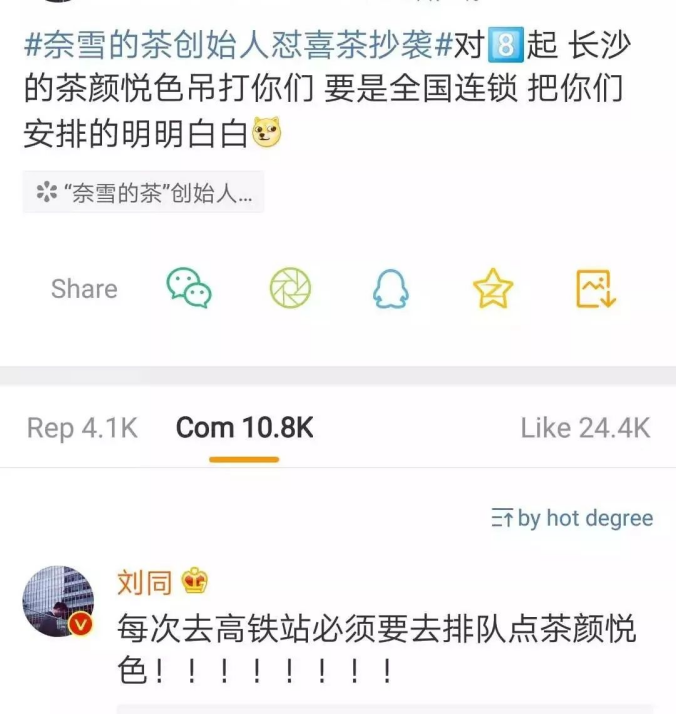
昔日奶茶排队王,年轻人不想陪它演戏了
Hu Xiu· 2025-07-16 07:56
Core Viewpoint - The article discusses the decline of the once-popular tea brand, Chayan Yuese, in the competitive tea beverage market, highlighting its struggles with customer retention and brand perception as consumer preferences shift towards convenience and simplicity [3][5][46]. Group 1: Brand History and Initial Success - Chayan Yuese opened its first store in Changsha in December 2013, gaining popularity with its unique branding and poetic drink names [6][8]. - The brand differentiated itself by using fresh milk and original tea, appealing to consumers with a relatively affordable average price of 15 yuan per cup compared to competitors [7][8]. - The brand's early success was bolstered by loyal fans and social media buzz, leading to significant foot traffic and national curiosity [9][12]. Group 2: Current Challenges - Chayan Yuese has faced increased competition from brands like Cha Bai Dao, Mi Xue Bing Cheng, and Gu Ming, which have expanded rapidly while Chayan Yuese has been slower to grow outside its home market [3][26]. - The brand's long wait times and complicated ordering process have frustrated consumers, leading to a decline in its once-loyal customer base [4][22][38]. - Recent product changes and the introduction of seasonal items have not resonated well with loyal customers, causing dissatisfaction [24][46]. Group 3: Market Position and Future Outlook - Despite still being profitable, with a reported net profit of approximately 500 million yuan from 732 stores in 2023, Chayan Yuese's market presence has diminished compared to its peak [18][30]. - The brand has begun to expand more aggressively, opening 266 new stores in 2024, primarily in new first-tier cities, but has yet to enter major markets like Beijing and Shanghai [30][31]. - The brand's recent marketing strategies and product offerings have not generated the same level of excitement as in the past, indicating a need for a renewed approach to attract consumers [32][52].