
科创金融

Search documents
万亿城商行换帅!张精科拟任杭州银行行长
Huan Qiu Lao Hu Cai Jing· 2026-01-13 07:30
Group 1 - The core point of the article is the appointment of Zhang Jingke as the new president of Hangzhou Bank, following a nearly nine-month vacancy after the resignation of the previous president, Yu Liming [1] - Zhang Jingke is an internal candidate with extensive experience at Hangzhou Bank, having joined in 2001 and held various key positions, including leading the establishment of specialized branches in technology and cultural finance [1][2] - The bank has maintained a stable operational performance, with a non-performing loan ratio consistently at 0.76% for three consecutive years and a robust provision coverage ratio, indicating strong risk management capabilities [2] Group 2 - Financially, Hangzhou Bank has shown growth over the past three years, with total assets increasing from 1,616.54 billion yuan in 2022 to 2,112.36 billion yuan in 2024, and operating income rising from 32.93 billion yuan to 38.38 billion yuan during the same period [3] - As of the first three quarters of 2025, the bank's total assets reached 2,295.42 billion yuan, an 8.67% increase from the end of 2024, while revenue grew by 1.35% to 28.88 billion yuan [3]

内部晋升!杭州银行新行长定了!
券商中国· 2026-01-12 15:11
Core Viewpoint - Hangzhou Bank has appointed Zhang Jingke, an internal candidate, as the new president, breaking the market's expectation of an external hire, which is seen as a strategic move to ensure continuity in development [1][2][3]. Group 1: Leadership Transition - The board of Hangzhou Bank unanimously approved the appointment of Zhang Jingke as president, pending regulatory approval [2]. - Zhang Jingke has over 20 years of experience at Hangzhou Bank, having progressed through various roles from a grassroots employee to senior management [3]. - The internal promotion is expected to maintain strategic stability and motivate internal talent, with all current executives being from the "post-70s" generation [3]. Group 2: Strategic Focus on Technology Finance - Hangzhou Bank has established a vertical organizational structure to enhance its focus on technology finance, leveraging the region's vibrant private economy and rich innovation resources [4]. - Zhang Jingke emphasizes the importance of understanding technology and industry as a core competency for the bank [4]. - The bank's technology finance service model has undergone three iterations since the establishment of its first technology-focused branch in 2009, evolving from a policy-driven model to a venture capital-driven approach [4][5]. Group 3: Current Financial Performance - As of September 2025, Hangzhou Bank's total assets reached 2.3 trillion yuan, an increase of 8.67% year-on-year [7]. - The bank reported a total operating income of 28.88 billion yuan for the first three quarters of 2025, a year-on-year growth of 1.35%, and a net profit attributable to shareholders of 15.88 billion yuan, up 14.53% [7]. - The basic earnings per share for the first three quarters of 2025 were 2.31 yuan, with a cash dividend of 0.38 yuan per share, totaling 2.755 billion yuan in cash dividends, reflecting a growth of over 24% [7].


南京:“热带雨林”新政 点燃创新转化强引擎
Xin Hua Ri Bao· 2026-01-04 23:30
Group 1 - Nanjing held a conference on January 4 to promote the integration of technological and industrial innovation, unveiling policies and projects aimed at establishing itself as a global center for industrial technology innovation [1][2] - The city aims to attract at least 300,000 young talents annually through its updated talent policies and initiatives [1][10] - Nanjing's focus on key industries includes artificial intelligence, 6G technology, and biomedicine, with significant investments and strategic partnerships to enhance its industrial capabilities [2][4][5] Group 2 - The Jiangsu Provincial Department of Industry and Information Technology signed a strategic cooperation agreement with Nanjing to support the upgrade of key industrial clusters and the cultivation of emerging industries [2] - Nanjing's steel industry, represented by Nanjing Steel, has been recognized for its competitiveness and innovation, with products reaching international standards [2] - The establishment of the first artificial intelligence research institute in Nanjing highlights the city's commitment to advancing AI and smart manufacturing [3][4] Group 3 - Nanjing's software industry is projected to exceed 1 trillion yuan, with significant contributions from local companies and innovations in AI and hardware [3] - The city has launched initiatives to create a "6G city" and an upgraded version of its AI innovation application pilot zone, marking a new phase in its technological development [4][7] - The establishment of various innovation centers and partnerships aims to streamline the transition from research to market application, enhancing the efficiency of technology commercialization [8][9] Group 4 - Nanjing's talent policies have evolved to focus on providing capital, ecosystem support, and future opportunities, rather than just subsidies and housing [10][12] - The city has developed a comprehensive financial service system for technology innovation, including various funding mechanisms to support startups and emerging projects [12][13] - Nanjing's strategic collaboration with universities aims to foster deep integration between academia and industry, enhancing the local innovation ecosystem [7][11]

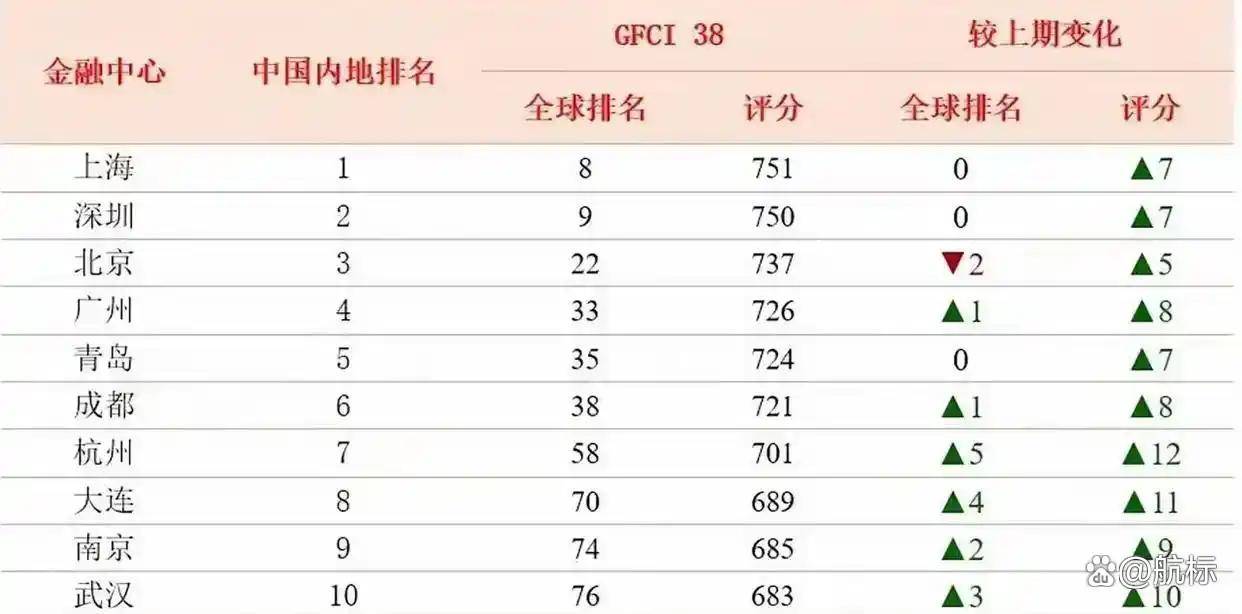
最新金融榜:内地10城横扫全球前列,深圳距上海1分、成都超杭州20名、南京685分登第九
Sou Hu Cai Jing· 2026-01-04 17:51
Core Insights - The GFCI 38 report highlights the rise of ten cities in mainland China, showcasing a collective advancement in global financial rankings, particularly in the Pearl River Delta, Yangtze River Delta, and Chengdu-Chongqing regions [1] Group 1: Rankings and Scores - Shanghai ranks 1st in mainland China and 8th globally with a score of 751, while Shenzhen follows closely at 2nd in mainland China and 9th globally with a score of 750, both cities showing an increase of 7 points from the previous period [2] - Beijing ranks 3rd in mainland China and 22nd globally with a score of 737, while Guangzhou, Qingdao, Chengdu, Hangzhou, Dalian, Nanjing, and Wuhan follow in respective positions, with notable movements in rankings and scores [2] Group 2: Factors Contributing to Rankings - Shenzhen's rapid ascent is attributed to its "innovation and finance" synergy, with flexible cross-border financial regulations in the Qianhai area facilitating over 100 billion yuan in capital flow last year [3] - Chengdu's rise to 38th globally is supported by its role as a "Western gateway," with over half of the financial settlements for the China-Europe Railway Express occurring there, alongside a strong output of financial talent and green finance initiatives [5] - Nanjing's ranking improvement to 9th in mainland China and 74th globally is linked to its blockchain technology applications in supply chain finance and significant issuance of green bonds for ecological restoration projects [7] Group 3: Overall Trends - The overall trend indicates that financial cities in mainland China are not merely relying on policy support but are leveraging geographical advantages, industrial strengths, and service capabilities to enhance their global standings [7]
媒体看杭银 | 扎根山海间 “活水”润实体 杭州银行因地制宜服务实体经济高质量发展
Xin Lang Cai Jing· 2026-01-04 01:29
Group 1 - The core idea of the articles revolves around the role of financial institutions, particularly Hangzhou Bank, in supporting small and medium-sized enterprises (SMEs) and enhancing their operational capabilities through innovative financing solutions [1][2][3][4][5][6][7][8][9][11][12][13][14][15][16][17][18][19][20] Group 2 - Hangzhou Bank provided an 8 million yuan credit loan to Zhejiang Haishide Food Co., Ltd., which is on the verge of achieving an annual output value of nearly 200 million yuan, helping stabilize the company amid fluctuating squid raw material prices [1][6][11][17] - The bank has developed a systematic service mechanism to support the squid fishing and processing industry in Zhoushan, which is a significant sector in the region [16][17] Group 3 - The bank is focusing on unlocking "sleeping assets" of SMEs by utilizing innovative collateral methods such as pollution rights and patent pledges, thus transforming these assets into development momentum [2][3][12][13][14] - A textile company in Shaoxing received 50 million yuan through a supply chain financing solution based on pollution rights, significantly enhancing its production capacity [2][12][13] Group 4 - Hangzhou Bank emphasizes tailored financial products for local industries, adhering to a "one county, one policy" approach to effectively channel financial resources into the grassroots economy [4][15] - The bank has established a specialized team to support the technology sector, providing customized credit solutions to companies in critical stages of development [5][18][20] Group 5 - The bank's green finance initiatives include a comprehensive service plan to support carbon peak pilot construction, with a green loan balance of 97.17 billion yuan as of June [19] - The bank has also launched "green deposit" products and ESG-themed investment products to integrate green concepts into its operations [19][20]

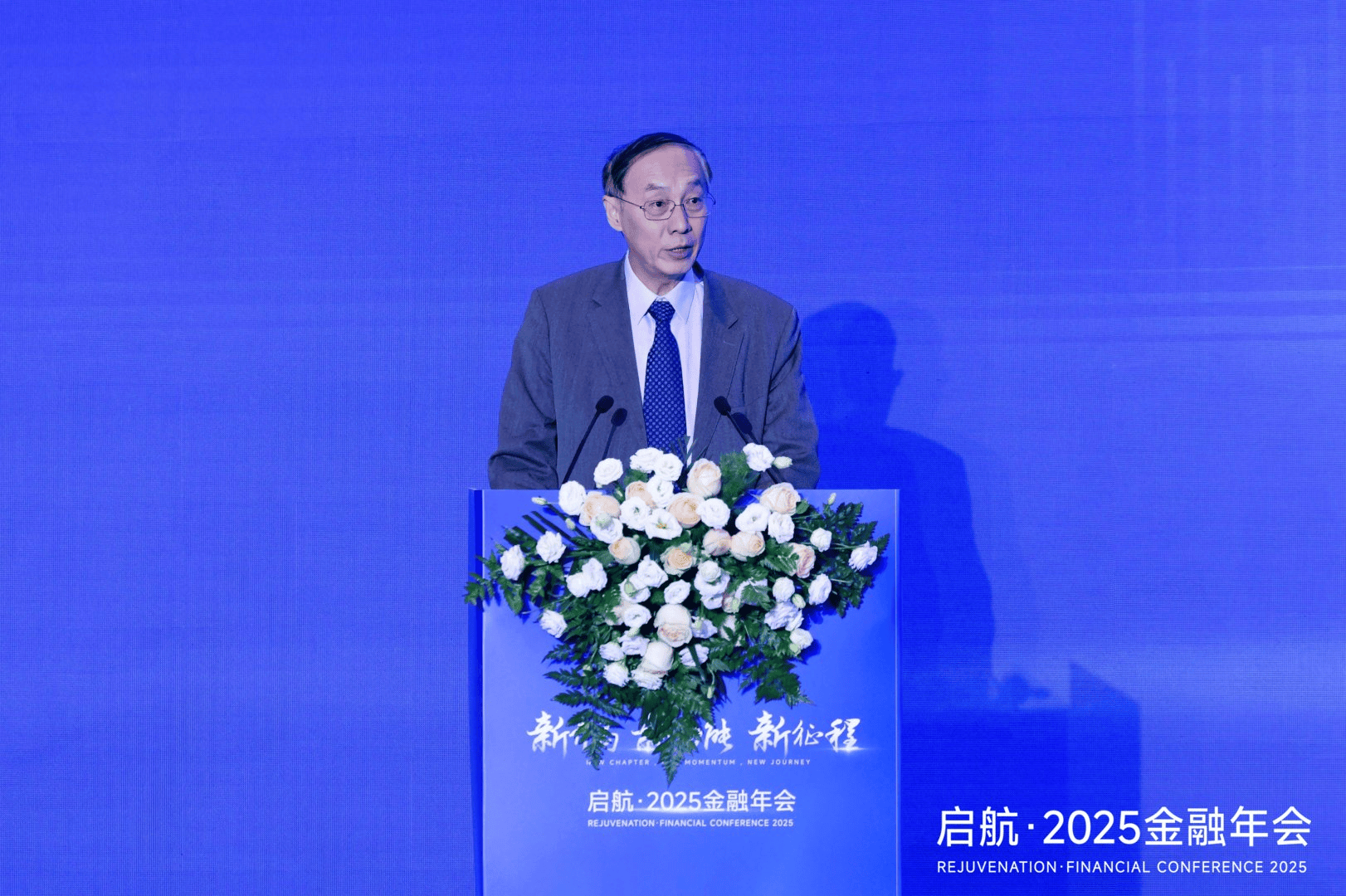
“启航·2025金融年会”,江小涓、尹艳林、朱光耀、田轩、贺强等专家重磅发声
Sou Hu Cai Jing· 2025-12-30 16:36
Group 1 - The "2025 Financial Conference" focused on the theme of "New Starting Point, New Momentum, New Journey," gathering over 100 experts and 500 financial institutions to discuss macroeconomics, capital markets, and technological trends [1][3] - Zhang Bin, Chairman of Financial界 Group, emphasized that 2026 will be a pivotal year for China's economy, marking a transition from low inflation to a new equilibrium [1] - The conference highlighted the importance of the "14th Five-Year Plan" in achieving a 5% economic growth target, with China's economy expected to exceed 140 trillion RMB by 2025 [6] Group 2 - Liang Tao, former Vice Chairman of the China Banking and Insurance Regulatory Commission, stated that the insurance industry should play a role as "patient capital" by supporting technology enterprises through specialized investment funds [8] - Chen Wenling identified seven international risks that need to be monitored, including economic bubbles, geopolitical tensions, and public health events [11] - The conference discussed the need for a modern industrial system to strengthen the real economy, with insights from various industry representatives on promoting high-quality development [12] Group 3 - Experts like Zhang Jingjing believe that the "15th Five-Year Plan" will usher in a golden era for China's economy and capital markets, with foreign investment expected to increase [27] - The banking sector is seen as crucial for financing efficiency and market resilience, with discussions on how financial institutions can adapt to support economic growth [20][28] - Jiang Xiaojun emphasized the need for the financial industry to accelerate its market-oriented, digital, and international transformation to seize opportunities in technological innovation [30]
浦发银行菏泽科技特色支行揭牌,政银携手共促科创企业腾飞
Qi Lu Wan Bao· 2025-12-30 13:54
Core Viewpoint - The establishment of the technology-focused branch of SPD Bank in Heze marks a significant step in enhancing financial services for local innovation-driven enterprises, aiming to support the development of the manufacturing sector in Heze [1][2][3] Group 1: Establishment and Activities - SPD Bank's Heze Technology-focused Branch was officially inaugurated on December 29, initiating a series of activities aimed at promoting financial services for technology enterprises [1] - The launch event included a collaboration with the Shandong Provincial Department of Industry and Information Technology and the Heze Municipal Bureau of Industry and Information Technology, showcasing a platform for government and banking cooperation to support innovation [1] Group 2: Financial Services and Support - The branch has developed a comprehensive service system covering credit, investment banking, settlement, and wealth management, focusing on serving the real economy [2] - SPD Bank introduced specialized financial products tailored to the needs of technology enterprises, addressing areas such as R&D investment and capacity expansion, and established preliminary cooperation intentions with over ten innovation-driven companies [2] Group 3: Future Plans and Goals - The bank aims to continuously optimize its product system and enhance professional service levels, strengthening collaboration with government departments and innovation enterprises to meet the specific needs of specialized and innovative companies [3] - SPD Bank is committed to empowering the transformation and upgrading of the local economy through financial support, contributing to the development of a strong manufacturing and innovation hub in Heze [3]

江小涓最新演讲:科创浪潮下的金融业
Xin Lang Cai Jing· 2025-12-30 12:59
Core Insights - The financial industry in China is poised for significant opportunities during the "14th Five-Year Plan" period, driven by advancements in technology and innovation [2] - The emergence of new technologies is a certainty, and the growth of science and technology enterprises is crucial for attracting investment in the sector [2] - Traditional financial institutions face challenges as new investment forces reshape the landscape of science and technology investment [3] Investment Landscape - Traditional venture capital (VC) and private equity (PE) are seeing decreased activity, while corporate venture capital (CVC) is becoming a key player in funding innovative projects [3] - Major tech companies, both domestic (like Alibaba and Tencent) and international (like Musk's companies), are actively investing in significant science and technology projects [3] - Government venture capital (GVC) is also participating in new project investments, but the effectiveness of project selection remains to be seen [3] Financial Transformation - The financial industry must accelerate its transformation in marketization, digital intelligence, and internationalization to enhance competitiveness [4] - Marketization focuses on improving the efficiency of financial resource allocation and ensuring a safe market environment for participants [4] - The digital intelligence transformation has positioned China's financial sector as a global leader, with significant advancements in digitalization prior to 2022 [4] International Opportunities - There is a broad commercial prospect for the coordinated "going out" of China's industries and financial sectors, particularly in developing countries with lower labor costs [5] - China's strong industrial and technological competitiveness can facilitate the transfer of excess capacity and stabilize domestic investor returns [5] - The solar photovoltaic industry exemplifies the potential for successful international expansion, with significant export growth expected from 2024 to 2025 [5] Conclusion - The financial industry must maintain a sense of urgency and leverage the "three transformations" to allocate substantial funds and capitalize on the influx of science and technology enterprises [5]
全国首批科创可转债落地:平安证券以定制化金融方案破解科创企业融资困局
Sou Hu Cai Jing· 2025-12-29 04:39
Core Insights - The article discusses the financing challenges faced by specialized and innovative enterprises, particularly in the context of traditional credit bonds and equity financing, which often lead to control dilution concerns for companies [1] - The introduction of the science and technology convertible bonds policy marks a significant breakthrough, with the successful issuance of the first project by Shenzhen Zhisheng New Electronic Technology Co., Ltd., which raised 30 million yuan with a 0.2% coupon rate [1] - The policy aims to accelerate the construction of a "technology board" in the bond market, providing a dual attribute of guaranteed returns and potential equity appreciation for innovative companies [1] Financing Challenges - Specialized and innovative enterprises struggle with traditional credit bonds that focus on net assets, making it difficult for asset-light companies to access financing [1] - Equity financing poses risks of control dilution, leading to hesitance among companies [1] - Investment institutions face challenges in pre-investment valuation and post-investment exit strategies when investing in early-stage technology companies [1] Policy Implementation - The People's Bank of China and the China Securities Regulatory Commission issued a joint announcement in May 2025 to support the issuance of technology innovation bonds, leading to a series of supportive policies [2] - A specialized team was formed by Ping An Securities to identify quality cooperation targets through a three-dimensional screening system, focusing on strategic emerging fields like new energy and electronic manufacturing [2] Customized Product Design - Ping An Securities developed a tailored financing solution for Zhisheng New, which reduces early interest burdens while allowing investors to share in future growth [3] - The valuation method used is a dynamic price-to-earnings (PE) ratio, anchoring the initial conversion price at 12 times PE, which balances shareholder rights and future growth potential [3] - Innovative terms were set, including a low coupon rate of 0.2% and a conversion price linked to the previous year's net profit, addressing valuation transparency issues for non-listed companies [3] Investment Perspective - The investment strategy of Ningbo Weili Private Fund Management Co., Ltd. emphasizes the importance of asset safety margins and growth potential, viewing Zhisheng New as a valuable investment due to its technological barriers [4] - The transaction structure is designed to balance risk and return, allowing for controlled risk through debt while enabling participation in future equity growth [4] Industry Impact - The successful issuance of the first science and technology convertible bond serves as a replicable industry model, transforming capital into growth for innovative enterprises [5] - The dual attributes of the product attract patient capital, achieving precise risk-return matching for both companies and investors [5] - The bond's lower interest rate, approximately 100-200 basis points lower than conventional bank loans, alleviates cash flow pressures for companies [5] Future Outlook - The introduction of science and technology convertible bonds is expected to enhance transparency for prospective listed companies, encouraging more institutional investors to participate [6] - Continuous promotion of these bonds will direct patient capital towards innovative enterprises, fostering sustained technological innovation [6] - Ping An Securities aims to deepen its focus on technology finance, ensuring that the technological value of innovative companies is recognized by capital markets [6]
江小涓:中国不缺钱,缺的是“把钱用对地方”的能力
Jing Ji Guan Cha Bao· 2025-12-29 04:02
Core Viewpoint - China is not lacking in capital but rather in the ability to allocate funds effectively to the right areas [4][11] Group 1: National and Local Investment Funds - The National Venture Capital Guidance Fund has been established with a registered capital of 100 billion RMB and aims to set up over 600 sub-funds to support emerging industries [2] - Local venture capital guidance funds are also being established, such as the Guangdong-Hong Kong-Macau Greater Bay Area Fund with a target size of 50.45 billion RMB and the Beijing Fengtai District Fund with an initial scale of no less than 10 billion RMB [3] Group 2: Shift in Investment Focus - The focus of investment has shifted from merely finding capital to selecting the right projects, as the total scale of government-led guidance funds has exceeded 1 trillion RMB [5] - The Chinese technology innovation capability has solidified, and a surge of new technologies is expected during the 14th Five-Year Plan period, creating a significant opportunity for investment in quality tech projects [5] Group 3: Rise of Corporate Venture Capital (CVC) - Corporate venture capital (CVC) is emerging as a key player in filling the capability gap left by traditional financial institutions, with companies like Alibaba and Tencent leading the charge in investing in new startups [6][8] - CVCs are increasingly aligning their investments with their own development needs, particularly in cutting-edge research areas like artificial intelligence [8] Group 4: Challenges for Traditional Financial Institutions - Traditional financial institutions face challenges in accurately identifying quality investment targets amidst the influx of capital from CVCs and government venture capital [6][9] - The competition from CVCs and government venture capital could lead to a talent and project drain from traditional financial sectors if they do not adapt [9][10] Group 5: Optimism for Future Innovation - There is a strong optimism regarding China's technological innovation landscape, with expectations of a diverse and accessible funding environment for quality projects [9] - The significant capital injection into technology innovation is unprecedented, with various funds and corporate actions indicating a robust commitment to advancing the sector [10]