
算法

Search documents
Waymo自动驾驶最新探索:世界模型、长尾问题、最重要的东西
自动驾驶之心· 2025-10-10 23:32
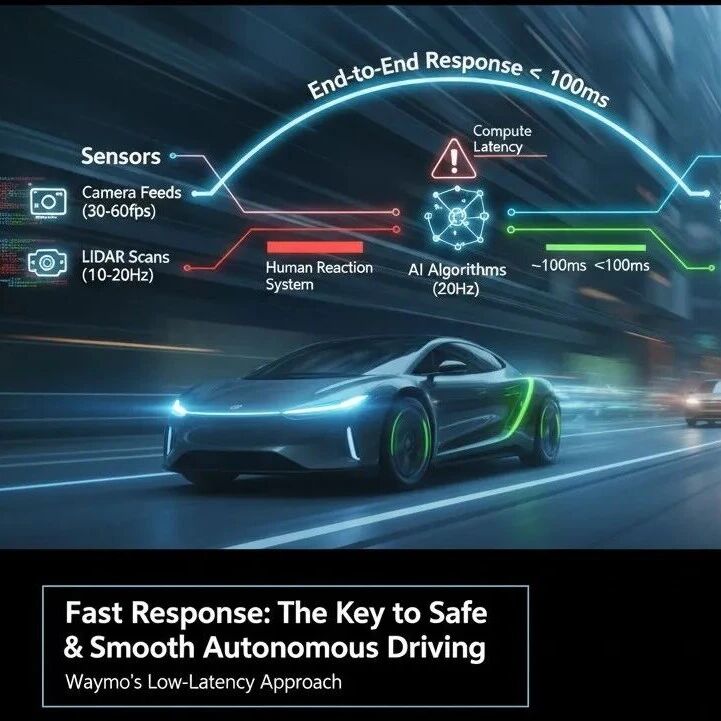
Core Insights - Waymo has developed a large-scale AI model called the Waymo Foundation Model, which supports vehicle perception, behavior prediction, scene simulation, and driving decision-making [5][11] - The model integrates data from multiple sensors to understand the environment, similar to how large language models operate [5][11] - The focus on data quality and selection is crucial for ensuring that the model addresses the right problems effectively [25][30] Group 1: World Model Development - Waymo's world model encodes all sensor data and incorporates world knowledge, enabling it to decode driving-related tasks [11] - The model allows for real-time perception and decision-making on the vehicle while simulating real driving environments in the cloud for testing [7][11] - The long-tail problem in autonomous driving, which includes complex scenarios like adverse weather and construction, remains a significant challenge [11][12] Group 2: Addressing Long-Tail Problems - Weather conditions such as rain and snow present unique challenges for autonomous driving, requiring high precision in judgment [12][14] - Low visibility scenarios necessitate the use of multi-modal sensors to detect objects effectively [15] - Occlusion reasoning is critical for understanding hidden objects and ensuring driving safety [18][21] Group 3: Complex Scene Understanding - Understanding complex scenes like construction zones and dynamic environments requires advanced reasoning capabilities [24] - Real-time responses to dynamic signals, such as traffic officer gestures, are essential for safe navigation [24] - The use of large language models is being explored to enhance scene understanding and decision-making [24] Group 4: Importance of Data, Algorithms, and Computing Power - The three critical components for successful autonomous driving are data, algorithms, and computing power, with a strong emphasis on data quality [25][30] - Efficient data mining from vast video datasets is vital for understanding driving events [30] - Quick decision-making is essential for safety and smooth operation, with a focus on reducing response times across the algorithmic chain [30][31] Group 5: Operational Infrastructure - Waymo's operational facilities, including depots and modification workshops, are crucial for the efficient deployment of Level 4 autonomous vehicles [33] - Vehicles can autonomously navigate to charging stations and begin operations after sensor installation [33] - The engineering challenges of scaling autonomous driving technology require collaboration with traditional automotive engineers [34] Group 6: Sensor and Algorithm Response - The responsiveness of sensors, such as camera frame rates, is critical for effective autonomous driving [36] - Algorithms must process data at high frequencies to ensure timely execution of driving commands [36] - The evolution of vehicle control systems is moving towards higher frequency responses, particularly in electric and electronically controlled systems [36]

张一鸣近年来首次公开露面,对字节跳动意味着什么
Sou Hu Cai Jing· 2025-10-10 13:39
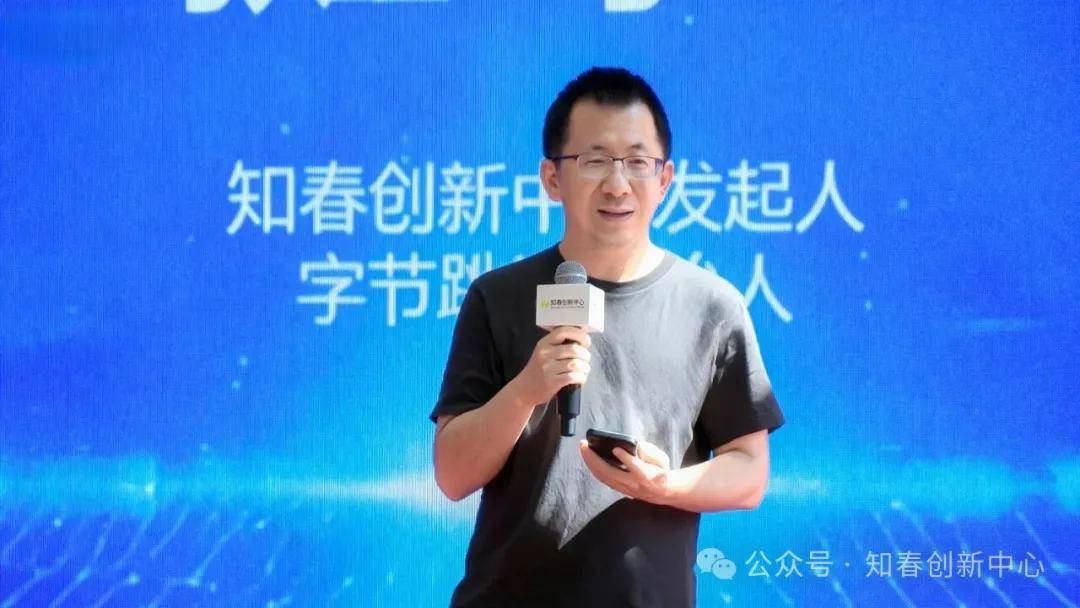
Core Insights - Zhang Yiming's recent public appearance in China after four years has garnered significant attention, though it may not surpass the interest generated by Jack Ma's return [1][15] - The focus of Zhang's appearance was on talent development, emphasizing the importance of nurturing innovative and resilient individuals [3][4] Group 1: Talent Development and Innovation - Zhang Yiming highlighted the need for talent recruitment and development, noting that many individuals' potential remains untapped [3] - He compared the phenomenon of overfitting in machine learning to the challenges faced by talented individuals in innovation tasks, advocating for independent thinking and practical experience [3] - Zhang's talent philosophy evolved during the growth of ByteDance, where he prioritized curiosity and optimism over traditional experience [4] Group 2: Leadership Transition - In May 2021, Zhang Yiming stepped down as CEO of ByteDance, with co-founder Liang Rubo taking over, as Zhang aimed for greater innovation and creativity within the company [5][6] - Zhang expressed a desire to focus on long-term strategic matters, corporate culture, and social responsibility rather than daily management [6][8] Group 3: Market and Regulatory Environment - The external environment for tech companies is changing, with emerging fields like virtual reality and life sciences beginning to impact daily life [9] - ByteDance's potential IPO has faced delays due to regulatory uncertainties and the need for greater business transparency [12] - Zhang Yiming's movements are seen as a significant indicator of ByteDance's future direction, especially in light of the ongoing TikTok controversies [10][15] Group 4: Public Perception and Media Attention - Zhang Yiming's return to the public eye has sparked discussions about his citizenship status and ByteDance's IPO plans, with rumors circulating frequently [11][12] - The media narrative surrounding Zhang's public appearances often reflects broader themes of corporate leadership and innovation within the tech industry [15]
文化体力“告急”,别任由算法、大数据和AI等接管精神园地
Ren Min Ri Bao· 2025-09-30 11:07
Core Insights - The term "cultural fatigue" describes a state where individuals feel drained after work, leading to a lack of engagement in cultural activities and a preference for low-effort entertainment like games and short videos [1][2] - The current transition in leisure content from traditional media (literature, painting) to more engaging formats (anime, games) is driven by big data and algorithms, which create an imbalance between high and low culture [2][3] - Cultural leisure activities should ideally promote personal development and relaxation, but the current trend leads to emotional exhaustion and a dual burnout from both work and leisure [2][3] Summary by Sections - **Cultural Fatigue**: The phenomenon of cultural fatigue is prevalent, where individuals lack the energy for serious cultural engagement due to the demands of work and the allure of quick entertainment [1] - **Content Transition**: There is a significant shift in leisure content consumption, with traditional forms being replaced by more immediate and engaging formats, influenced by algorithms that prioritize emotional stimulation [2] - **Cultural Engagement**: To build cultural stamina, individuals are encouraged to reduce screen time, engage in meaningful cultural experiences, and reclaim their cultural choices from algorithmic influences [3]
别让文化体力“告急”(锐见)
Ren Min Ri Bao· 2025-09-29 22:30
Core Insights - The term "cultural fatigue" describes a state where individuals feel drained after work, leading to a lack of energy for cultural activities and a preference for low-effort entertainment like games and short videos [1][2] - The current era is marked by a transition in leisure content, with traditional media being replaced by more engaging formats like anime and short videos, driven by big data and algorithms [2][3] - Cultural leisure activities, which should promote personal development and relaxation, are instead contributing to a cycle of emotional highs and lows, resulting in a dual burnout from both work and leisure [2][3] Summary by Sections Cultural Fatigue - Cultural fatigue is characterized by a depletion of energy for serious reading and cultural appreciation, influenced by fast-paced lifestyles and digital distractions [1] - The balance of time and energy is skewed towards work and superficial leisure, leading to a decline in cultural engagement [1] Transition in Leisure Content - There is a shift from traditional cultural products to more immediate and engaging formats, with algorithms playing a significant role in content delivery [2] - This shift has created an imbalance in the quality of leisure content, favoring quick gratification over deeper cultural experiences [2] Building Cultural Stamina - To enhance cultural stamina, individuals are encouraged to reduce smartphone dependency and engage more deeply with cultural activities [3] - Emphasizing personal choice in cultural engagement can help restore a sense of fulfillment and energy in leisure activities [3]
第四届琶洲算法大赛生态赋能大会举行 院士专家行业精英及600多家企业参会
Guang Zhou Ri Bao· 2025-09-24 01:54
Core Insights - The fourth Panyu Algorithm Competition Eco-Empowerment Conference was held in Guangzhou, aiming to establish itself as the "World Cup" of artificial intelligence, focusing on real industry needs and innovative market-oriented competition models [2][5] Group 1: Event Overview - The event attracted over 600 companies and global experts, showcasing its significance in the AI field and its role as a new platform for technology enterprises [2] - The competition featured 183 teams in the finals, with 82 award-winning teams recognized, marking a significant increase in participation and influence [5] Group 2: Key Contributions and Insights - Notable scientists emphasized the importance of algorithms in driving advancements in AI, with a focus on the integration of data and physical spaces [3] - The event highlighted the need for deep collaboration in algorithm research, data sharing, and talent cultivation within the Guangdong-Hong Kong-Macao Greater Bay Area [3] Group 3: Industry Impact - The competition has become a platform for connecting innovative outcomes with capital, with 70 investment institutions participating in the roadshow [6] - The Haizhu District has leveraged the competition to solidify its foundation in algorithms, computing power, and data, resulting in over 170 industry model projects and a sustained growth rate of over 20% in the new generation information technology service industry [6]
中国数字音乐产业规模突破两千亿元 用户规模稳居全球首位
Yang Shi Wang· 2025-09-21 10:17
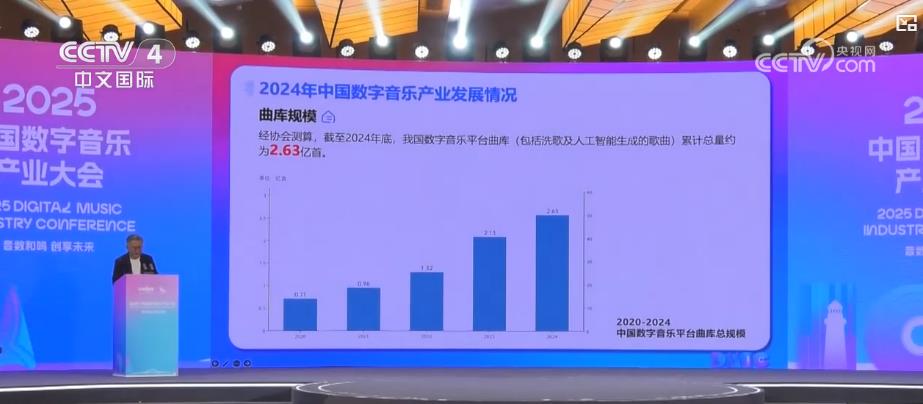
Core Insights - The 2024 China Digital Music Industry Report indicates that the digital music industry in China will exceed 200 billion yuan, maintaining the largest user base globally [1][3] Group 1: Market Size and Growth - The total scale of the Chinese digital music market, including online music, online karaoke, and music short videos, is projected to be approximately 211.35 billion yuan in 2024, representing a growth of 10.8% compared to 2023 [3] - The cumulative total of digital music platform libraries is around 263 million songs [3] Group 2: Industry Integration and Trends - Digital music has transcended single content forms, fully integrating into gaming, film, and animation within the digital content ecosystem [3] - The rapid development of digital music necessitates that musicians and industry professionals adapt to the digital era [3] Group 3: Impact of Technology - The report highlights the influence of AI and algorithms on music creation, noting that while they lower creative barriers, they also lead to issues such as short-sighted creativity and homogenized aesthetics [5] - There is a call for the music industry to focus on creating classic works that possess depth and emotional resonance, as well as to update evaluation mechanisms for music quality [5]
人形机器人连续两下差点滑倒,你们说这是运气还是算法?
Xin Lang Cai Jing· 2025-09-04 18:22
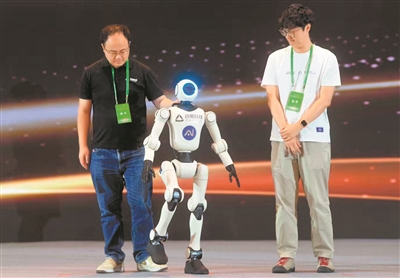
Core Insights - The article discusses the performance of humanoid robots, particularly focusing on their stability and the effectiveness of their algorithms in preventing falls [2] Group 1 - Humanoid robots experienced two near-fall incidents, raising questions about whether these occurrences are due to luck or the underlying algorithms [2]

突发!微软 35 岁程序员,凌晨死在办公室。网友:身体是自己的,工作是老板的
程序员的那些事· 2025-08-29 09:54
Core Viewpoint - The article discusses the sudden death of a 35-year-old Microsoft programmer, Pratik Pandey, in the company's Silicon Valley office, raising concerns about workplace conditions and mental health among tech employees [3][5][6]. Group 1: Incident Details - Pratik Pandey was found unresponsive in the office after working late hours, with no signs of foul play detected by local authorities [3][5]. - The cause of death has not been determined, and Microsoft is reportedly conducting an internal investigation [5][6]. - Pandey was involved in the development of Microsoft's Fabric product, which competes with similar offerings from companies like Snowflake [6]. Group 2: Reactions and Discussions - The news of Pandey's death sparked discussions on social media, with some users expressing shock and suggesting possible mental health issues [8][9]. - Colleagues described him as cheerful and athletic, with no known health problems, leading to disbelief regarding his sudden passing [9]. - Concerns were raised about the lack of media coverage on such incidents within tech companies, suggesting a pattern of silence surrounding employee well-being [10][11].


自动驾驶转具身智能有哪些切入点?
自动驾驶之心· 2025-08-24 23:32
Core Viewpoint - The article discusses the transition from autonomous driving to embodied intelligence, highlighting the similarities and differences in algorithms and tasks between the two fields [1]. Group 1: Algorithm and Task Comparison - Embodied intelligence largely continues the algorithms used in robotics and autonomous driving, such as training and fine-tuning methods, as well as large models [1]. - There are notable differences in specific tasks, including data collection methods and the emphasis on execution hardware and structure [1]. Group 2: Community and Learning Resources - A full-stack learning community named "Embodied Intelligence Heart" has been established to share knowledge related to algorithms, data collection, and hardware solutions in the field of embodied intelligence [1]. - Key areas of focus within the community include VLA, VLN, Diffusion Policy, reinforcement learning, robotic arm grasping, pose estimation, robot simulation, multimodal large models, chip deployment, sim2real, and robot hardware structure [1].

创金合信基金魏凤春:越过山丘之后的重大分歧
Xin Lang Ji Jin· 2025-08-20 02:10
Group 1 - The core conclusion is that stocks outperform bonds, with a focus on the changing structure and style of equity investments, while technology plays a crucial role in driving growth despite weakening cyclical forces [1][2] - The A-share market shows a significant performance from technology stocks, with the ChiNext Index rising by 8.6% and the Sci-Tech 50 Index by 5.5%, indicating a shift towards risk assets, particularly in the tech sector [2][3] - The wealth effect is becoming apparent as the Shanghai Composite Index surpasses a ten-year high, suggesting a potential shift in market dynamics and the disappearance of previous trapped positions [3] Group 2 - The next market trajectory is uncertain, with the potential for a bull market contingent on macroeconomic support; recent macro data shows a mixed recovery, highlighting the need for careful analysis of market divergences [4][13] - The current liquidity surplus is a necessary condition for equity asset appreciation, while changes in investment preferences are seen as a sufficient condition for sustained growth [4][10] - The analysis of remaining liquidity indicates that while there is a movement of household savings into the stock market, it has not yet reached an extreme bullish state, suggesting a cautious approach is warranted [9][12] Group 3 - The macroeconomic environment is critical for asset allocation, with July data indicating a "strong external, weak internal" scenario, where exports are resilient but domestic demand is slowing [13][14] - Industrial growth is uneven, with a notable decline in traditional sectors, while high-tech industries show stronger growth, reflecting a shift in investment focus [14][15] - The consumer price index (CPI) and producer price index (PPI) data suggest that while there are positive trends, they are still in a phase of gradual change, requiring further observation before altering investment strategies [16][17] Group 4 - The investment strategy is shifting from theme-based investments to a focus on leading industries, with traditional sectors facing significant differentiation and potential elimination of underperforming companies [18][19] - Emerging industries are expected to focus on the application of technology rather than just technological advancements, as seen in the performance of innovative pharmaceuticals [19] - The macroeconomic trading perspective is transitioning from safety to development, indicating a need for foundational support for this shift [20]