
精益生产

Search documents
仙乐健康(300791):环比加速 业绩亮眼
Xin Lang Cai Jing· 2025-10-29 06:44
Core Viewpoint - The company reported a strong performance in Q3 2025, with significant revenue growth driven by new consumer clients in China and continued expansion in overseas markets [1][3]. Financial Performance - For the first three quarters of 2025, the company achieved revenue of 3.29 billion yuan, a year-on-year increase of 8.0%, and a net profit attributable to shareholders of 260 million yuan, up 8.5% year-on-year [1]. - In Q3 2025, the company recorded revenue of 1.25 billion yuan, representing an 18.1% year-on-year growth, and a net profit of 100 million yuan, which is a 16.2% increase year-on-year [1]. - The gross profit margin in Q3 2025 improved by 1.1 percentage points to 30.8%, attributed to lean production and cost reduction efforts [2]. Cost Management - The company maintained stable overall expense ratios, with sales, management, R&D, and financial expense ratios at 7.7%, 9.5%, 3.1%, and 2.3% respectively [2]. - Other income increased by 16.78 million yuan in Q3 2025, mainly due to a rise in government subsidies [2]. Future Outlook - For Q4 2025, the company expects to maintain good revenue growth, particularly in the Chinese market and the Americas, with a focus on expanding sales in Latin America [3]. - The company is exploring opportunities related to Best Formulations PC LLC, which could enhance overall profitability and provide higher profit elasticity in financial statements [3]. Investment Projections - The company maintains its previous profit forecasts, expecting net profits attributable to shareholders of 370 million yuan, 470 million yuan, and 560 million yuan for 2025-2027, reflecting year-on-year growth rates of 14.7%, 25.8%, and 18.3% respectively [3].

Polaris(PII) - 2025 Q3 - Earnings Call Transcript
2025-10-28 15:02
Financial Data and Key Metrics Changes - Sales for Q3 2025 were $1.8 billion, representing a 7% increase driven by stronger shipments and a solid mix of off-road vehicles [4][21] - Adjusted EBITDA margin was under pressure compared to last year due to increased tariffs and normalized incentive compensation [7][22] - Adjusted EPS came in at $0.41, influenced by a strong mix and operational efficiencies, partially offset by tariffs [8][22] - Operating cash flow for the quarter was $159 million, with year-to-date cash flow exceeding $560 million [22][25] Business Line Data and Key Metrics Changes - Off-road vehicle (ORV) sales rose 8%, supported by a richer mix of vehicles and strong commercial volume [22] - Marine sales increased by 20%, driven by positive shipments of new boats, including the entry-level Bennington pontoon [24] - On-road sales decreased by 3%, impacted by ongoing softness in the motorcycle market [24] Market Data and Key Metrics Changes - North American retail rose 9%, leading to approximately 3 points of market share gain in ORV [5][23] - Dealer inventory decreased by 21% year-over-year, with aged units down approximately 60% relative to six months ago [6][23] - International sales grew by 2%, led by strength in Europe [21] Company Strategy and Development Direction - The company announced the sale of a majority stake in Indian Motorcycle to focus on core business areas with the greatest potential for profitable growth [4][16] - The strategy includes enhancing customer experience through rider-driven innovation and maintaining a strong dealer network [17][32] - The company is committed to reducing reliance on China for parts, aiming for an 80% reduction in China spend by 2027 [20][43] Management's Comments on Operating Environment and Future Outlook - Management expressed confidence in navigating the current economic environment and expects to deliver strong earnings and higher returns for shareholders [4][8] - The company is closely monitoring consumer health indicators and anticipates sequential sales growth in Q4, despite challenges in certain segments [8][28] - Management highlighted the importance of operational efficiencies and innovation in driving future growth [7][32] Other Important Information - The company expects the Indian Motorcycle transaction to be accretive to adjusted EBITDA by approximately $50 million and adjusted EPS by approximately $1 post-separation [16][18] - The gross tariff impacts for the year rose by $10 million since July, with an expected total impact of approximately $90 million [19][20] - The company remains committed to maintaining investment-grade credit metrics and balancing investments for growth with debt paydown [27] Q&A Session Summary Question: What drove ORV retail strength and share gains in the quarter? - Management attributed the strength to right-sized inventory, a broad product offering, and improved quality leading to lower warranty costs [35][36] Question: Any early thoughts on fiscal 2026? - The Indian Motorcycle deal is expected to significantly impact revenue and EBITDA, while tariffs are projected to increase in 2026 [39][42] Question: What is the consumer profile for the RANGER 500? - The RANGER 500 appeals to new customers, including those who previously used golf carts or other brands, providing an entry point into the Polaris product line [46][47] Question: Concerns about demand pull-forward from the FAC program? - Management indicated that the FAC program did not drive significant incremental spend and noted continued strength in retail for October [54][55] Question: What are the expectations for tariffs in 2026? - Tariffs are expected to exceed $200 million in 2026, with ongoing efforts to mitigate costs through reduced sourcing from China [57][58]

中国航天新模式,“造火箭卫星将像造汽车”
Guan Cha Zhe Wang· 2025-09-29 08:12
Core Insights - The Chinese aerospace industry is undergoing a significant transformation with the introduction of a new manufacturing model called "assembly pull," inspired by lean production principles from the automotive industry [1][3][4] - This new model aims to achieve rapid mass production of aerospace systems while ensuring stable quality, lower costs, and greater flexibility [1][3] - The shift to this model is crucial as global space activities are expected to grow exponentially, with projected orbital launches reaching 170,000 tons of payload annually by 2045 [1] Manufacturing Model Transformation - The traditional manufacturing approach in China's aerospace sector involved a dual focus on research and production, which is now evolving into a phase of high-density, large-scale customized production [3][6] - The "assembly pull" model changes the previous logic where components were pushed to the production line; now, they are only sourced from upstream suppliers when needed during the final assembly [3][6] - This model creates a responsive and flexible supply chain, synchronizing the production of each rocket engine and solar panel with launch schedules [6][8] Comparison with Global Practices - The "pull" production model was pioneered by Toyota in the mid-20th century, which minimized waste and improved efficiency through just-in-time inventory management [4] - China's approach to aerospace manufacturing is more networked and ecosystem-driven compared to the single-company dominance seen in the U.S. with SpaceX's Starlink project [7][8] - The Chinese low Earth orbit satellite internet constellations are entering a phase of intensive network construction, necessitating the production of thousands of devices in the coming years [7] Technological Innovations - The new manufacturing model emphasizes modular, flexible, networked, and intelligent manufacturing capabilities, with a focus on high efficiency, quality, and elasticity [8] - A collaborative manufacturing platform connects factories, laboratories, and suppliers nationwide, utilizing cloud computing, IoT, AI, and digital twins for real-time tracking and supply chain management [8][10] - The introduction of a "digital pull board" system allows managers to monitor the entire supply chain in real-time, enhancing operational efficiency [8][10] Industry Outlook - The reform in China's aerospace manufacturing coincides with an increase in launch frequency, with projections for 2024 indicating a significant rise in orbital launches [10] - Despite challenges faced by emerging commercial aerospace companies, there is a consensus on the need to support and develop these entities to leverage technological resources effectively [10]


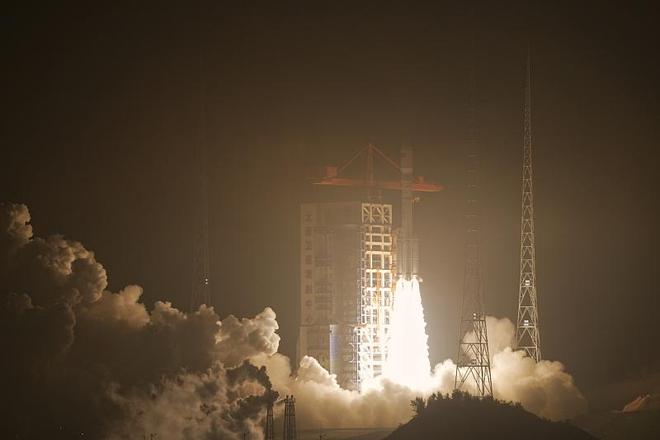
10天搞定!波兰撑不住,白俄边境重开,中欧物流格局生变?
Sou Hu Cai Jing· 2025-09-27 16:49
Core Viewpoint - Poland's decision to reopen its border with Belarus is a significant move that alleviates pressure on Europe's logistics network and supply chains, which had been severely disrupted due to the border closure [1] Group 1: Impact of Border Closure - The closure of the Polish border led to a halt in the Central European freight trains, causing significant delays and logistical challenges across Europe, with warehouses overflowing and production lines in Germany temporarily halted due to missing components [2] - Poland's initial intention to use the border closure as leverage backfired, as it found itself equally affected by the supply chain disruptions [2] Group 2: Influencing Factors for Reopening - The opening of a new maritime route on September 22 provided an alternative for freight transport, reducing reliance on Poland [4] - Potential stricter quarantine measures from China on Polish dairy products posed a risk to Poland's food export industry, further complicating the situation [6] - Germany's industrial reliance on Chinese components and the potential disruption to its production lines created significant pressure on Poland to reopen the border [6] Group 3: Economic Considerations for Poland - The Central European freight line is crucial for Poland's economy, projected to generate approximately €600 million to €900 million in direct benefits in 2024 and create nearly 20,000 jobs by 2025 [7] - The closure threatened the livelihoods of many workers in logistics and transportation, leading to financial pressures such as mortgage and car loan repayments [7] Group 4: European Dynamics - The differing interests within Europe, particularly between France and Germany favoring long-term cooperation with China, highlight the need for Poland to avoid becoming a disruptive force [8] - The EU's unspoken consensus emphasizes the importance of not allowing political maneuvers to jeopardize the overall stability of Europe [8] Group 5: Supply Chain Vulnerabilities - Modern manufacturing practices with minimal inventory levels make supply chains particularly susceptible to disruptions, with Poland's actions potentially branding it as an unreliable partner [9] Group 6: China's Strategic Response - China is proactively developing alternative logistics routes to mitigate risks associated with single points of failure in the supply chain, indicating a shift towards a more resilient logistics network [11] Group 7: Challenges Post-Reopening - The reopening of the border does not immediately resolve existing issues; businesses will require time to recover, and confidence in the supply chain will take longer to rebuild [13] - Hidden costs related to route reassessments, insurance adjustments, and potential changes in banking credit policies may persist in the long term [13] Group 8: Human Element - The reopening brought relief not only to political figures but also to the everyday workers in the supply chain, who faced significant anxiety during the border closure [14] Group 9: Future Role of Poland - Poland must learn to balance its interests with those of Germany, France, and the EU to maintain a stable position in the evolving European landscape [15]

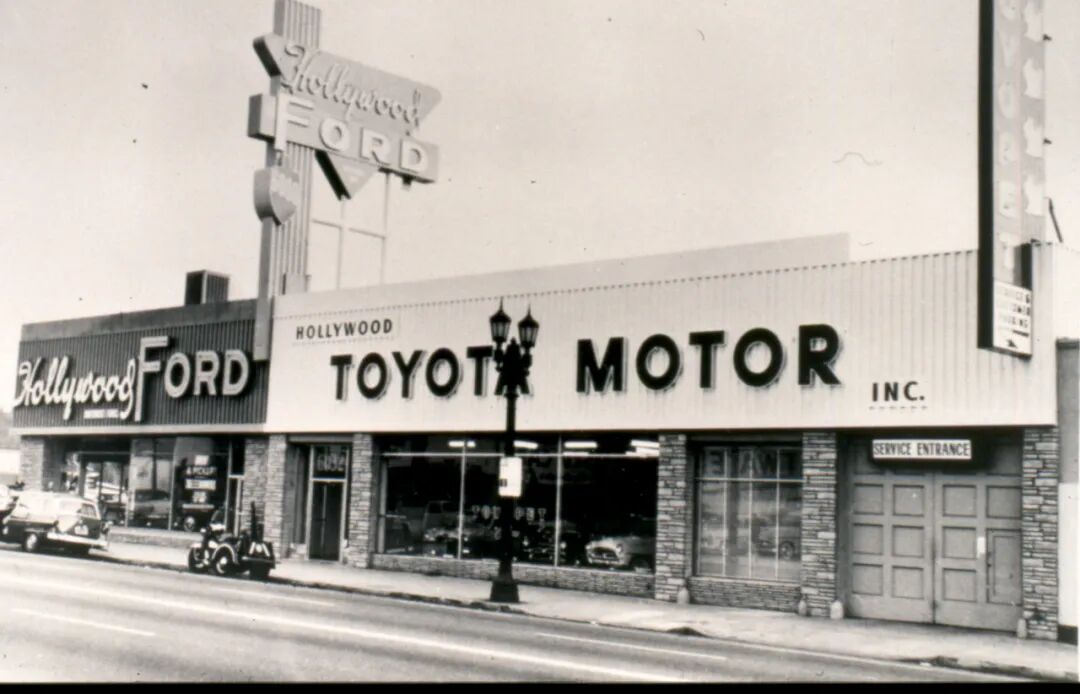
精益生产:从差不多主义到完美主义
3 6 Ke· 2025-09-24 03:23
Core Viewpoint - The article discusses the evolution of the automotive industry through the lens of the Fremont factory in California, highlighting its transformation from a General Motors plant to a successful facility under Toyota and later Tesla, emphasizing the significance of lean manufacturing principles in this evolution [1][2]. Group 1: Historical Context - The Fremont factory was initially part of General Motors, which dominated the U.S. automotive market in the 1960s to 1980s, producing one out of every two cars sold in the U.S. [1] - After a decline in market share, General Motors partnered with Toyota to create the New United Motor Manufacturing, Inc. (NUMMI), which revitalized the factory and produced 8 million high-quality vehicles over 25 years [1]. Group 2: Lean Manufacturing Principles - Lean manufacturing, introduced by Toyota, combines the flexibility and quality of handcrafted production with the low costs of mass production, marking a significant shift in manufacturing practices [2]. - The core of lean production is Just In Time (JIT) manufacturing, which aims to eliminate waste by ensuring that components arrive exactly when needed, thus avoiding excess labor and time [4][5]. Group 3: Supply Chain Innovations - Toyota's approach involved restructuring the supply chain by organizing suppliers into different tiers, allowing for more efficient and responsive production processes [6]. - The shift from a push-based to a pull-based production system, where production is driven by actual demand rather than forecasts, exemplifies the lean logic [7]. Group 4: Human-Centric Production - Lean manufacturing emphasizes the importance of human involvement in the production process, allowing workers to halt production to address issues, which contrasts with traditional mass production practices [8][10]. - The concept of "jidoka" or "automation with a human touch" highlights the need for workers to not only operate machines but also to identify and solve problems [10]. Group 5: Global Impact and Evolution - By the 1990s, the principles of lean manufacturing had been adopted widely, leading to a significant increase in Japan's share of the global automotive market [11][12]. - The term "lean" was coined to describe this efficient production system, which required significantly fewer resources compared to traditional manufacturing methods [12]. Group 6: Future Directions - The article suggests that the automotive industry is on the brink of a new management paradigm, potentially influenced by the integration of Eastern and Western methodologies, emphasizing system optimization and rapid iteration [21]. - Tesla's innovative approaches, such as integrated casting technology, represent a new generation of lean thinking, further streamlining production processes [19][20].


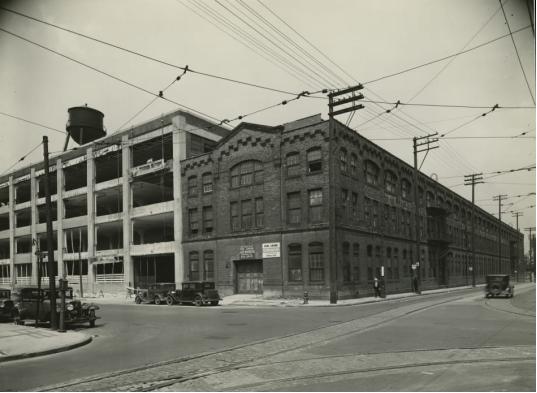
重温美国制造业的“福特时刻”
3 6 Ke· 2025-09-23 03:05
Group 1: Ford's Transformation and Challenges - Ford is undergoing a significant transformation of its factories to adapt to the shift from gasoline vehicles to electric vehicles, which requires new components and production methods [2][3] - In May 2025, Ford's electric vehicle sales in the U.S. were only 6,723 units, a 25% decline year-over-year, with the F-150 Lightning sales dropping by 42% [3] - The company has canceled a planned $12 billion investment in electric vehicles and reduced production plans for its Michigan battery plant by over 40% [3] Group 2: Historical Context of Ford's Manufacturing - The Piquette Avenue Plant, Ford's first factory, was established in 1904 and is recognized as a significant site in automotive history, witnessing the birth of the Model T [5][9] - The Highland Park Plant, completed in 1910, marked the introduction of the assembly line in mass production, revolutionizing manufacturing efficiency [20][24] - The River Rouge Plant, built in 1927, became the largest industrial complex in the world, integrating all aspects of vehicle production from raw materials to assembly [35][37] Group 3: Impact of Ford's Production Methods - Ford's production methods led to the creation of a mass consumer market and the rise of the middle class, significantly influencing production techniques, corporate management, and social life [6] - The introduction of the assembly line allowed for a dramatic increase in production efficiency, reducing the price of the Model T from $950 in 1909 to $360 by 1916 [29][30] - The $5 daily wage introduced by Ford in 1914 aimed to create a consumer base capable of purchasing the products they manufactured, leading to a peak employment of nearly 70,000 at the Highland Park Plant by 1925 [30][39] Group 4: Evolution of Management and Labor Relations - Ford's management philosophy evolved to address the challenges of labor stability and efficiency, leading to a structured approach to worker supervision and productivity [40][41] - The introduction of the assembly line diminished the role of skilled workers, increasing reliance on unskilled labor and altering traditional labor relations [39][48] - Ford's paternalistic management style aimed to integrate workers into the company culture, providing education and support, but also faced resistance from workers who felt their autonomy was compromised [43][44] Group 5: Future of Manufacturing - The decline of the "Detroit order" and the rise of globalization have shifted the manufacturing landscape, with emerging markets becoming key players in global production [53][54] - The transition to post-Fordism emphasizes flexibility and customization in production, moving away from the rigid mass production model [54] - The industry is now entering the era of Industry 4.0, focusing on digital transformation and smart manufacturing practices [54]

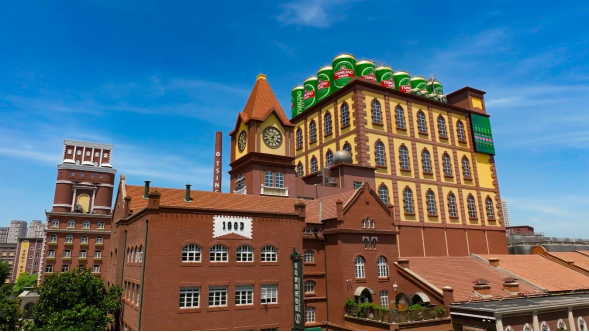
行业唯一受邀亮相中国质量大会 青岛啤酒百年匠心传时代新声
Zhong Guo Jin Rong Xin Xi Wang· 2025-09-18 08:38
Core Viewpoint - Qingdao Beer emphasizes the importance of quality in driving high-quality development and enhancing consumer experience, showcasing its commitment to innovation and sustainability in the beverage industry [1][12]. Group 1: Quality Management and Innovation - Qingdao Beer has established a unique quality management system that integrates technological innovation to enhance product quality and meet consumer demands [3][5]. - The company has built the industry's only dedicated malt factory and developed a "barley fingerprint database" to support high-quality product production [5]. - Qingdao Beer leads the industry in fermentation strains, flavor control, and green low-carbon initiatives, having won four National Science and Technology Progress Awards, making it the only beer company to achieve this [5]. Group 2: Product Development and Market Presence - The company has created a differentiated product matrix with over 100 new products across nine series, leading the industry in new product launches and sales revenue [10]. - Qingdao Beer has expanded its market presence globally, exporting to over 120 countries and establishing a high-end image for "Chinese quality manufacturing" [10]. - The company has developed immersive experience spaces such as TSINGTAO 1903 bars and craft beer gardens to enhance consumer engagement and experience [10]. Group 3: Financial Performance - Over the past six years, Qingdao Beer has seen its net profit double, with an average annual growth rate of 21% [12].

仙乐健康:2025年上半年,公司优势剂型占比提升,产品结构优化,实现公司整体毛利率提升
Zheng Quan Ri Bao Zhi Sheng· 2025-09-17 10:07
Core Insights - The company, Xianle Health, indicated that by the first half of 2025, the proportion of its advantageous dosage forms will increase, leading to an overall improvement in gross profit margin due to product structure optimization [1] - The gross profit margin and sales ratio of gummy products have both seen a year-on-year increase, while the competitive edge and profitability of soft capsules are expected to enhance as the business scales up [1] Group 1 - The company is implementing lean production and continuous cost reduction strategies, including supplier integration and negotiation, global procurement, and the promotion of preferred materials to achieve systematic cost reductions [1] - The introduction of an intelligent flexible production scheduling system and the establishment of a dynamic capacity matching mechanism have improved equipment and personnel utilization [1] - Continuous efforts to enhance production stability and process improvements have led to reduced material consumption and increased production line efficiency [1] Group 2 - The company is promoting the localization of spare parts to lower manufacturing costs [1]
华伍股份:主业稳健增长 业务结构持续优化
Zhong Zheng Wang· 2025-09-03 12:17
Core Insights - Company reported a revenue of 627 million yuan for the first half of 2025, marking a year-on-year growth of 12.41%, primarily driven by the industrial brake business which saw a revenue increase of 17.42% [1][2] - Net profit decreased by 28.29% to 16.89 million yuan, attributed to losses from subsidiaries and pressures from wind power pricing [1][2] Revenue Growth and Profitability Challenges - The industrial brake core business was the main revenue driver with a 17.42% increase [2] - Net profit decline was mainly due to two factors: a loss of 16.35 million yuan from the aviation subsidiary Ande Technology and a loss of 7.32 million yuan from the wind brake subsidiary Changsha Tianying [2] - Despite a 37.35% revenue growth in the wind brake sector, the gross margin fell to -2.38%, a decrease of 8.21 percentage points year-on-year, impacting overall profitability [2] Technological Advancements and Global Expansion - Company is focusing on breakthroughs in traditional and new sectors, with significant orders in the port machinery sector showcasing its leading position in heavy equipment brake technology [3] - The rail transit sector has achieved domestic breakthroughs with the HEP15 brake system and wet brake for mining vehicles [3] - International expansion is accelerating, with the Swiss subsidiary successfully entering the Siemens wind power supply chain, increasing overseas revenue share to 13.9% [3] Strategic Restructuring and Efficiency Improvement - Company is optimizing its business structure by divesting non-core assets and focusing resources on the brake business [4] - Efforts are being made to enhance technology and reduce costs through smart manufacturing and lean production, with a stabilization of gross margins in the wind brake sector [4] - The company is advancing its global strategy, using the Swiss subsidiary as a foothold for market certification in Europe and Asia [4]

茂硕电源(002660) - 茂硕电源2025年半年度网上业绩说明会投关记录表
2025-09-03 11:18
Group 1: Company Strategy and Market Position - The company focuses on "specializing in power supply and concentrating on core business" as its development strategy, leveraging its market and brand advantages in the power supply industry [1] - The company aims to enhance its core businesses in LED driver power supplies and consumer electronics, driving high-quality development through technological innovation and resource integration [1][2] Group 2: Technological Innovation and Product Development - The company is at the industry-leading level in LED power supply technology innovation and product upgrades, with plans to increase R&D investment and launch new generation green products [2] - The company has introduced the first integrated smart control power supply for high-power LED drivers, providing low-carbon intelligent road lighting solutions [2] Group 3: Financial Performance and Challenges - The company faced pressure in its performance in the first half of 2025, leading to a strategic focus on six key areas to improve operations and financial results [3] - The company reported a revenue split of 50.26% from domestic markets and 49.74% from international markets in the first half of 2025, with plans to balance business segments further [3][4] Group 4: Response to Market Conditions - The company is addressing performance challenges by optimizing customer structure, enhancing order acquisition, and improving production efficiency through AI manufacturing technology [3] - The company is also focusing on quality control and risk prevention to build customer trust and market reputation [3] Group 5: Future Plans and Investments - The company plans to enter the semiconductor RF power supply and energy storage production sectors in 2024, aiming to capture new market opportunities [4] - The company is actively managing raw material price fluctuations by establishing strategic reserves and optimizing suppliers to stabilize costs [4]
