美国优先政策

Search documents
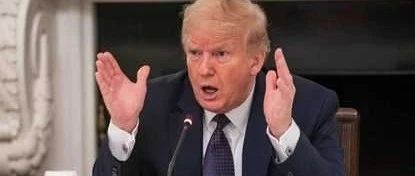
没有川普欧洲会更菜,更别说援乌击败俄罗斯
Sou Hu Cai Jing· 2025-08-21 09:11
Group 1 - The core argument is that Trump's policies aim to reduce Europe's dependency on Russian energy and increase NATO defense spending, which could lead to significant changes in European fiscal priorities and social welfare systems [3][4] - Trump's strategy involves forcing Europe to purchase American energy instead of Russian energy, effectively reducing financial support to Russia and decreasing its military capabilities [3] - NATO defense spending is proposed to increase from 2% to 5% of GDP, which will strain European countries' budgets and potentially reduce welfare spending, impacting immigration and social stability [3][4] Group 2 - The comparison between current military spending in Canada and historical healthcare spending during the Cold War highlights a significant shift in fiscal priorities, with military expenditures now taking precedence over social welfare [4] - The economic benefits of immigration in Europe are being questioned, as the costs associated with social issues arising from immigration may outweigh the economic contributions of these immigrants [4] - The narrative suggests that Trump's energy policies inadvertently reduced Russia's wartime oil revenues, demonstrating a more effective approach than traditional sanctions [4]

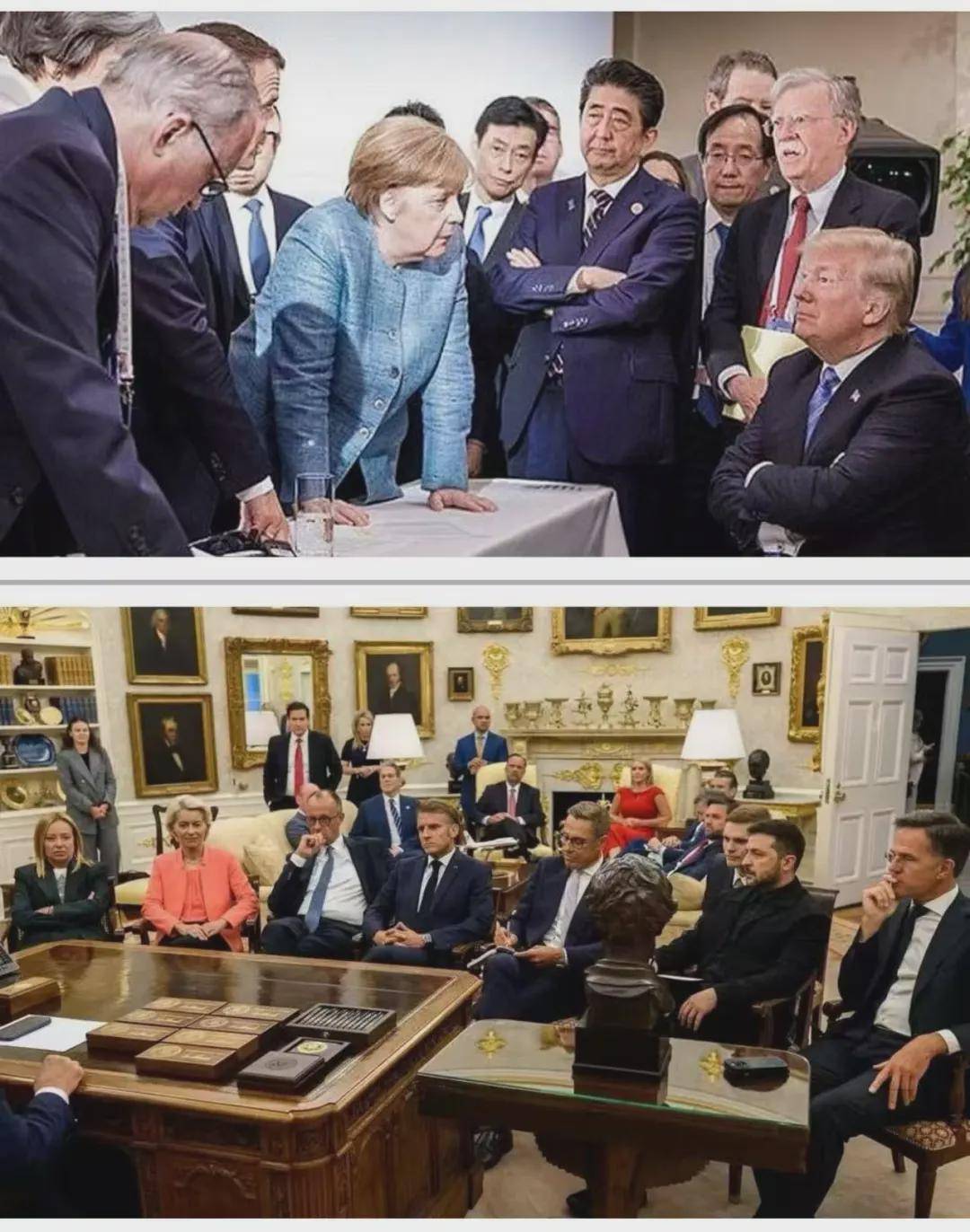
印度被逼墙角,一不做二不休供出美国,特朗普丢脸丢到“姥姥家”
Sou Hu Cai Jing· 2025-08-11 02:57
Core Viewpoint - Trump's imposition of high tariffs on Indian goods aimed to pressure India into compliance but instead provoked a strong backlash, revealing the hypocrisy of the U.S. in its dealings with Russia and potentially straining alliances among countries [1][3][4]. Group 1: Tariff Imposition and Reactions - The Trump administration increased tariffs on Indian exports to the U.S. by 25%, raising the total tariff on Indian goods to 50% [3]. - India responded strongly, with Commerce Minister Piyush Goyal challenging the U.S. and highlighting the contradiction of U.S. sanctions while relying on Russian uranium supplies [3][4]. - The backlash included widespread domestic protests in India, with opposition leader Rahul Gandhi labeling the tariffs as "imperialist bullying" [3]. Group 2: International Implications - The tariff dispute has exposed the complex relationship between the U.S. and Russia, with predictions indicating that India's exports to the U.S. could decrease by nearly half [4]. - India's government has suspended a $3 billion arms purchase from the U.S. and is considering additional tariffs on U.S. products like almonds and apples [4]. - The situation has sparked criticism of Western hypocrisy, particularly regarding the EU's simultaneous sanctions on Russia while continuing to import Russian gas [4][5]. Group 3: Global Reactions and Consequences - The incident has led to increased support for India's stance on social media, with users criticizing Western nations for their double standards in trade with Russia [5]. - Other countries, such as Brazil, are beginning to echo India's criticisms of U.S. trade policies, potentially forming a coalition against such tariffs [7]. - The global trade landscape may face a loss of $200 billion due to the fallout from Trump's tariff policies, accelerating the shift towards a multipolar world where emerging economies seek independent partnerships [7][8].
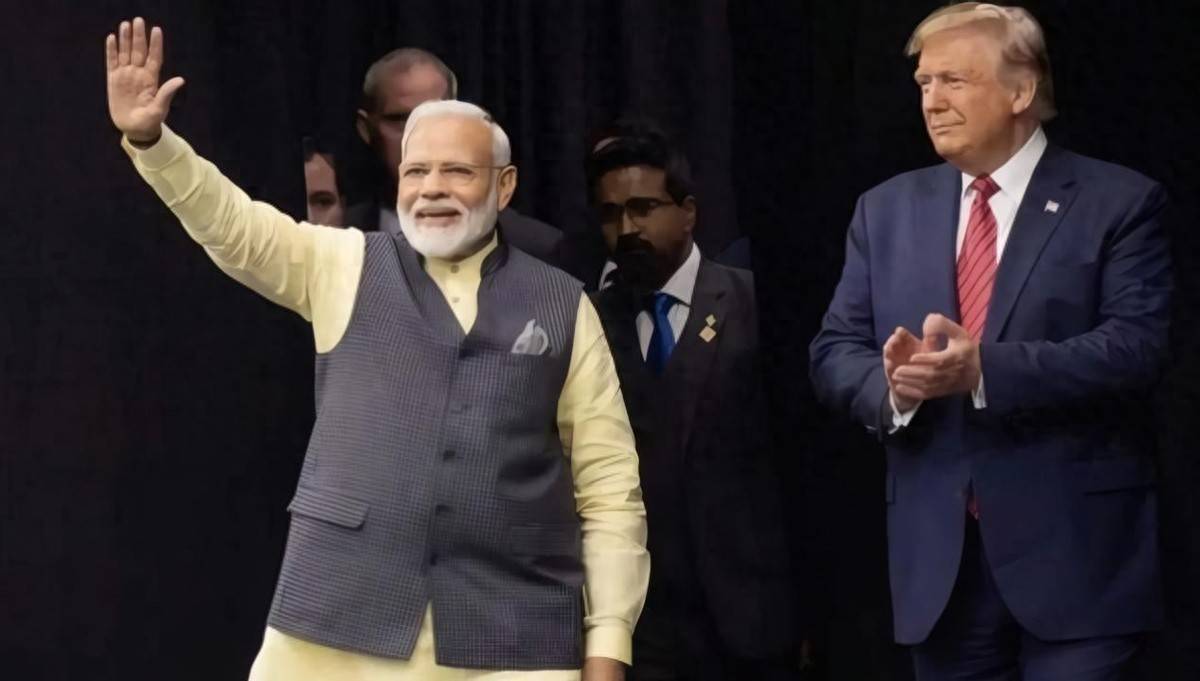
特朗普再出“奇招”!提名“降息狂热派”入主美联储
Sou Hu Cai Jing· 2025-08-08 16:08
Group 1 - Trump's nomination of Stephen Moore to the Federal Reserve Board is seen as an attempt to place a loyalist in the central bank to better control monetary policy [1] - Stephen Moore, a Harvard-educated economist, has a controversial track record advocating for significant interest rate cuts and has criticized Fed Chairman Jerome Powell for not lowering rates quickly enough [1] - The relationship between Trump and Powell has been strained since Powell's appointment in 2017, with Trump expressing dissatisfaction over Powell's refusal to rapidly cut interest rates [1] Group 2 - Trump's actions are perceived as damaging to the Federal Reserve's credibility and the global financial order, leading to international investors selling U.S. Treasury bonds and a decline in the dollar index [2] - The political interference in the Fed is reminiscent of past interventions, such as Nixon's, which resulted in uncontrollable inflation and a devalued dollar [2] - There is a concern that Trump's approach may exacerbate economic issues rather than resolve them, potentially dragging the global economy into a deeper crisis [2]
在菲总统面前,特朗普官宣访华,中菲之间,美国已经有了决定?
Sou Hu Cai Jing· 2025-08-04 06:49
Group 1 - The core issue revolves around the unequal trade agreement between the US and the Philippines, where the Philippines is subjected to a 19% tariff while offering zero tariffs on US goods, resulting in an annual cost of $2.68 billion for the Philippines based on projected exports [3] - The Philippines' treatment is notably worse compared to other countries, with Japan, Vietnam, and Indonesia receiving lower tariffs of 15%, 20%, and 19% respectively, raising questions about the fairness of the US's trade policies towards its allies [3] - The announcement of a significant gas procurement deal worth $12 billion, which constitutes 40% of the Philippines' annual energy budget, highlights the economic pressures faced by the country in exchange for tariff concessions [5] Group 2 - The military agreements between the US and the Philippines reveal a concerning level of control, with the US allowed to establish a maintenance station close to the disputed area while the Philippines bears 85% of the costs for US troops [7] - The upgraded mutual defense treaty allows US military intervention without Philippine consent, effectively undermining the country's sovereignty and defense capabilities [8] - The economic repercussions of the high tariffs are severe, with a 41% drop in electronic orders and significant job losses, as well as a sharp depreciation of the Philippine peso to a historic low of 59:1 [8]
特朗普威胁“惩戒”,印度决定“硬刚”
Sou Hu Cai Jing· 2025-08-03 20:49
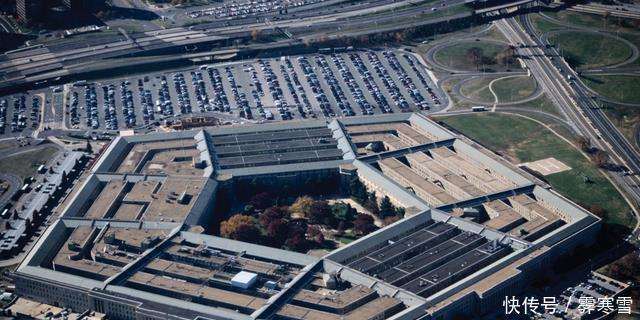
Core Points - The U.S. will impose "reciprocal tariffs" ranging from 10% to 41% on 69 global trade partners starting August 7, with India facing a 25% tariff, the highest among major economies [1][3] - Trump's administration aims to reduce trade deficits and encourage manufacturing to return to the U.S. through these tariffs, impacting allies like Japan, South Korea, and the UK as well [3][4] - The tariffs are also seen as a strategy to pressure Russia regarding the Ukraine situation, as India is a significant buyer of Russian oil [4][6] Trade Relations - The trade volume between the U.S. and India is projected to exceed $118 billion in the fiscal year 2023-2024, making the U.S. India's largest trade partner [3] - Trump's comments highlight that high tariffs and non-tariff barriers from India have limited trade relations, despite India being a key player in the U.S. Indo-Pacific strategy [3][4] Geopolitical Implications - The tariffs are part of a broader strategy to leverage economic pressure on Russia, with India’s continued purchase of Russian oil being a critical factor [4][6] - India's relationship with Russia is characterized as a "privileged special strategic partnership," making it unlikely for India to significantly reduce oil imports from Russia despite U.S. pressure [7] Domestic Response - Indian Prime Minister Modi emphasized the importance of domestic manufacturing and consumption, indicating a reluctance to compromise economic interests for U.S. favor [7] - The Indian government faces domestic criticism regarding its relationship with the U.S., particularly in light of recent geopolitical tensions [7]
深观察丨“美国政府正将关税武器扩展到毫不相干的领域”
Sou Hu Cai Jing· 2025-07-28 14:39
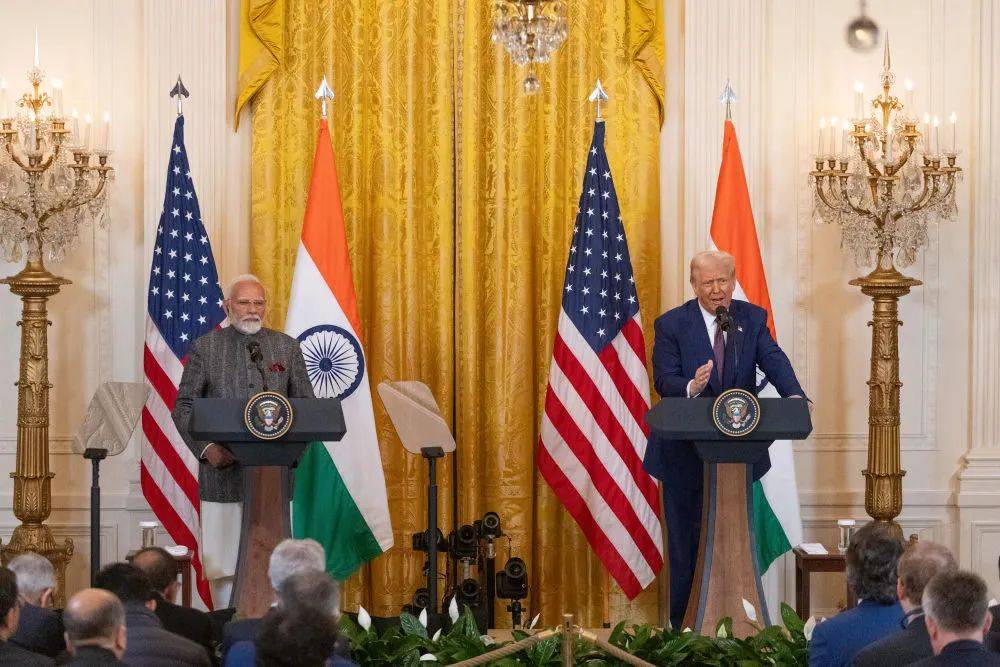
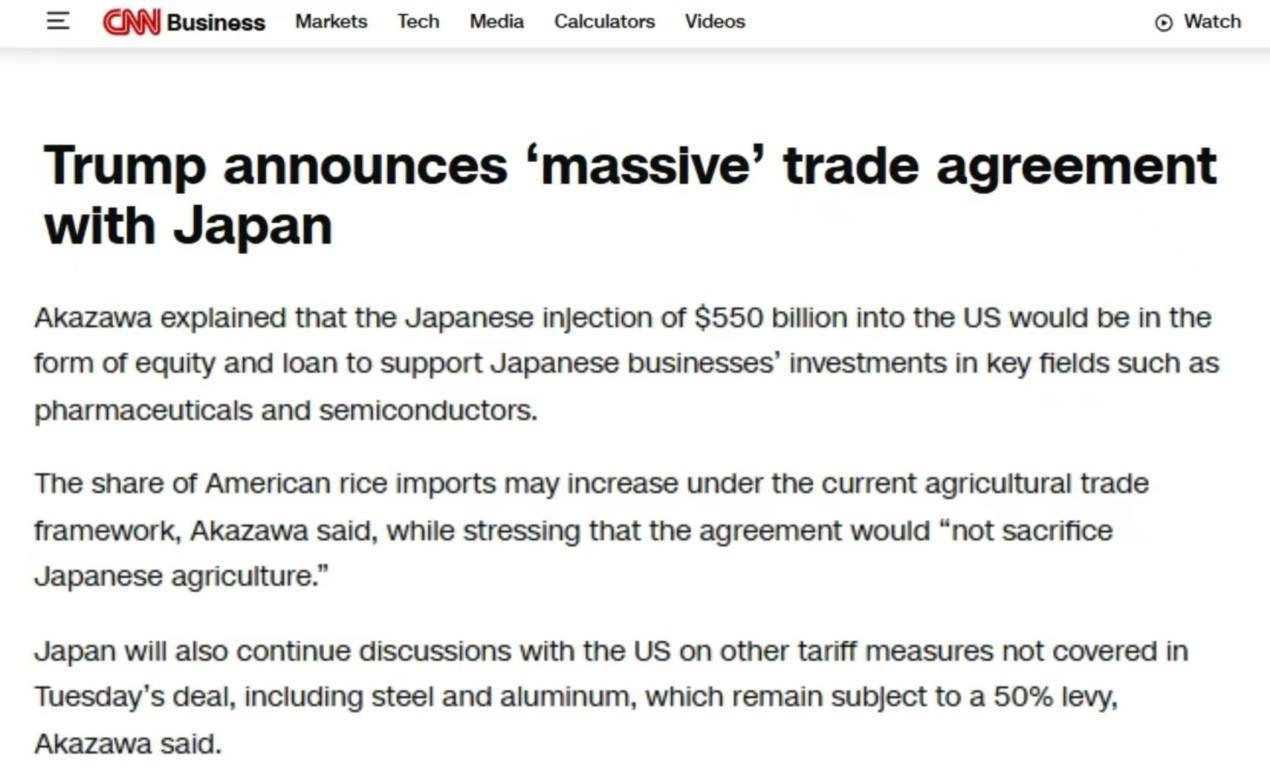
Group 1 - The core viewpoint of the trade agreement between the US and Japan is that Japan will impose a 15% tariff on goods exported to the US, which is lower than the previously threatened 25% tariff, and Japan will invest $550 billion in key sectors like pharmaceuticals and semiconductors [1][4] - Japan's acceptance of US passenger cars without additional testing is a significant aspect of the agreement, indicating a move towards easing trade barriers [1] - The agreement is seen as a compromise from Japan, which initially sought the removal of all tariffs, and the current tariff rates may hinder Japan's economic recovery amid inflation [3][4] Group 2 - The $550 billion investment from Japan is expected to support Japanese companies, but analysts warn that the US may benefit disproportionately, potentially leading to fiscal pressure on Japan [4] - The agreement may lead to increased competition for Japan's domestic agricultural sector due to the opening of markets to US agricultural products, which could widen the trade deficit [4] - Economic forecasts suggest that the new agreement could result in a 0.55% decline in Japan's GDP within a year, highlighting potential negative impacts on the Japanese economy [4]
墨总统回应美制裁:缓解机场拥堵是墨方正当决定
news flash· 2025-07-21 23:08
Core Viewpoint - The Mexican President responded to the U.S. Department of Transportation's sanctions against Mexico, asserting that the decision was made for security reasons and emphasizing Mexico's right to address airport congestion issues, framing it as a matter of national sovereignty [1] Summary by Relevant Categories U.S.-Mexico Aviation Relations - The U.S. Department of Transportation accused Mexico of violating the 2015 U.S.-Mexico air transport agreement, claiming that since 2022, Mexico has forced U.S. cargo airlines to withdraw from Mexico City International Airport and restricted flight schedules, disrupting market order and causing U.S. companies losses of millions of dollars [1] - The U.S. plans to impose three restrictions on Mexican airlines and may deny future flight applications, reflecting a continuation of the "America First" policy from the Trump administration aimed at curbing perceived abuses in the aviation market by Mexico [1] Bilateral Economic Relations - Recent tensions between the U.S. and Mexico have escalated in the aviation and agricultural sectors, indicating a new round of challenges for bilateral economic relations [1]
特朗普正式致函菲律宾,宣布加重税,菲律宾终于意识到不对劲,替美国卖命不会有好下场
Sou Hu Cai Jing· 2025-07-17 05:11
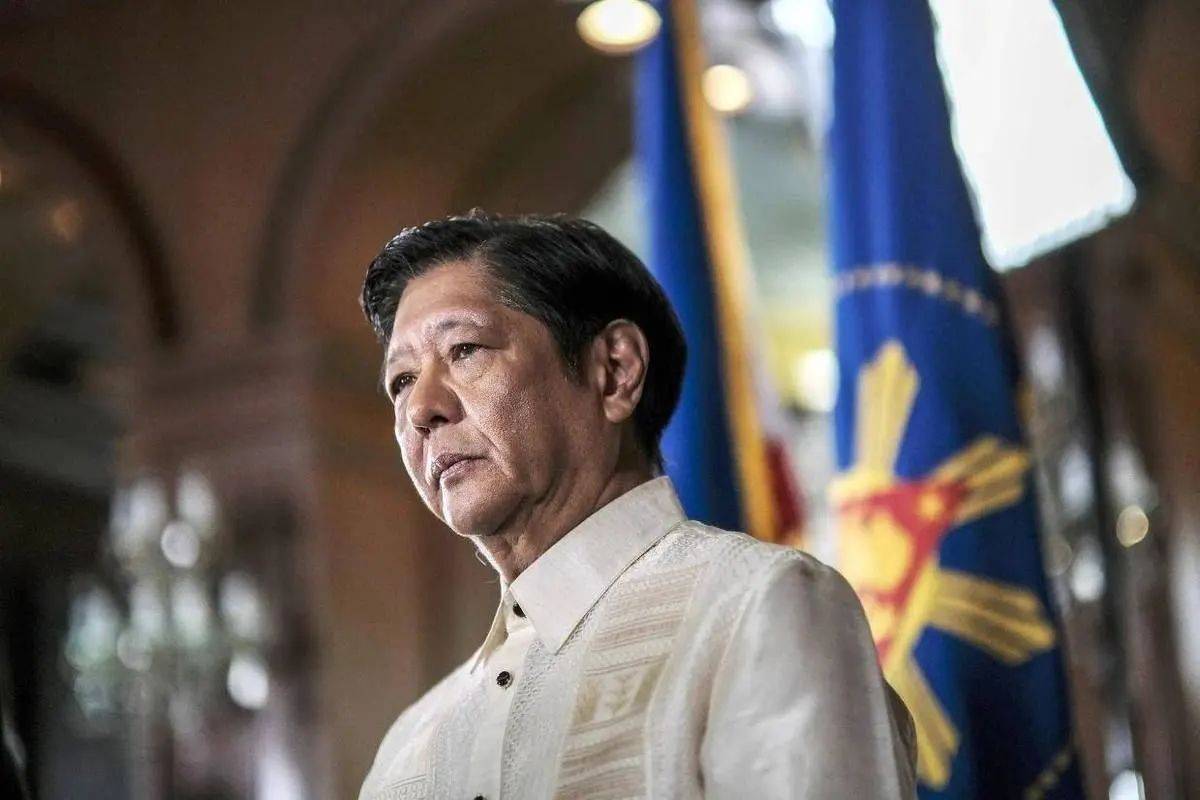
Core Viewpoint - The U.S. has imposed a 20% tariff on goods imported from the Philippines, exacerbating the economic and strategic challenges faced by the Southeast Asian nation, which had previously relied on U.S. support for trade and security [1][3]. Economic Impact - The 20% tariff will significantly increase export costs for the Philippines' key industries, including electronics, textiles, and agriculture, which already have profit margins below 5% [3]. - In August, the Philippines' electronic exports reached $3.57 billion, accounting for 52.9% of total exports, but the high tariffs may weaken its competitiveness in the global supply chain [3]. - Agricultural exports have also suffered, with a 14.3% year-on-year decline in 2023, particularly affecting major products like coconuts and mangoes [3]. - The peso has been depreciating, leading to rising import costs and increased domestic inflation, with rice prices rising 19.6% year-on-year by December 2023 [3]. Government Response - President Marcos plans to negotiate with the U.S. to reduce the tariff rate to 10% and secure exemptions for critical exports like semiconductors [3]. - The negotiations may require the Philippines to open its markets further to U.S. products, including pork and poultry, which could lead to more market share being ceded to U.S. capital [3]. Public Sentiment - Public opinion in the Philippines is shifting, with 72% of citizens identifying inflation as the most pressing issue and 73% dissatisfied with the government's handling of it [5]. - There is growing discontent regarding the U.S. tariff policy, with sentiments emerging on social media that criticize the Philippines' alignment with U.S. interests [5]. Geopolitical Context - The U.S. tariff measures are part of a broader pattern affecting multiple countries, indicating a potentially arbitrary and destructive trade policy under the "America First" agenda [5]. - The unpredictability of U.S. trade policies is undermining its credibility as a partner, creating opportunities for deeper cooperation between China and ASEAN nations [5][7]. - The Philippines risks becoming a geopolitical pawn if it continues to align closely with the U.S. in the context of regional power dynamics [7].
特朗普没想到赌输了,对巴西加税50%为了出3口气?卢拉振臂高呼,一句话戳中其软肋
Sou Hu Cai Jing· 2025-07-14 09:41
Core Viewpoint - Trump's decision to impose a 50% import tariff on Brazil is driven more by political motives than economic considerations, reflecting his personal emotions and geopolitical strategies [1][3][13] Political Motivations - The tariff serves as a means for Trump to express support for Brazilian President Bolsonaro, who is facing legal challenges, and to retaliate against Brazilian President Lula for his criticisms of U.S. policies [3][5] - Trump's actions are also a response to Lula's strong stance against U.S. policies, particularly the "America First" agenda, which Lula has publicly criticized [5][9] - The imposition of tariffs is intended to send a warning to other countries, particularly those in the BRICS group, against challenging the dominance of the U.S. dollar [5][6] Economic Implications - Brazil's response to the tariffs includes plans for reciprocal measures, supported by other BRICS nations, which collectively account for 32% of global GDP [6] - The tariffs could negatively impact U.S. exporters, particularly in the agricultural machinery and chemical sectors, leading to a potential "self-inflicted" economic harm for the U.S. [6][12] Misconceptions in Trade Policy - Trump's belief that the U.S. is at a disadvantage in trade due to deficits overlooks the necessity of maintaining trade imbalances to support the dollar's global status [9][10] - The attempt to unilaterally alter global trade rules fails to recognize the complexities of the international economic order, which relies on the U.S.'s technological and financial leadership [10][11] - The zero-sum game mentality in a globalized economy is increasingly outdated, as interdependence among nations grows [11][12] Future Outlook - The current tariff policy is unlikely to achieve its intended goals and may exacerbate tensions between the U.S. and Brazil, as well as other nations [12][13] - The potential for increased isolation of the U.S. in global trade dynamics is a significant concern, as the world moves towards a more multipolar order [13]
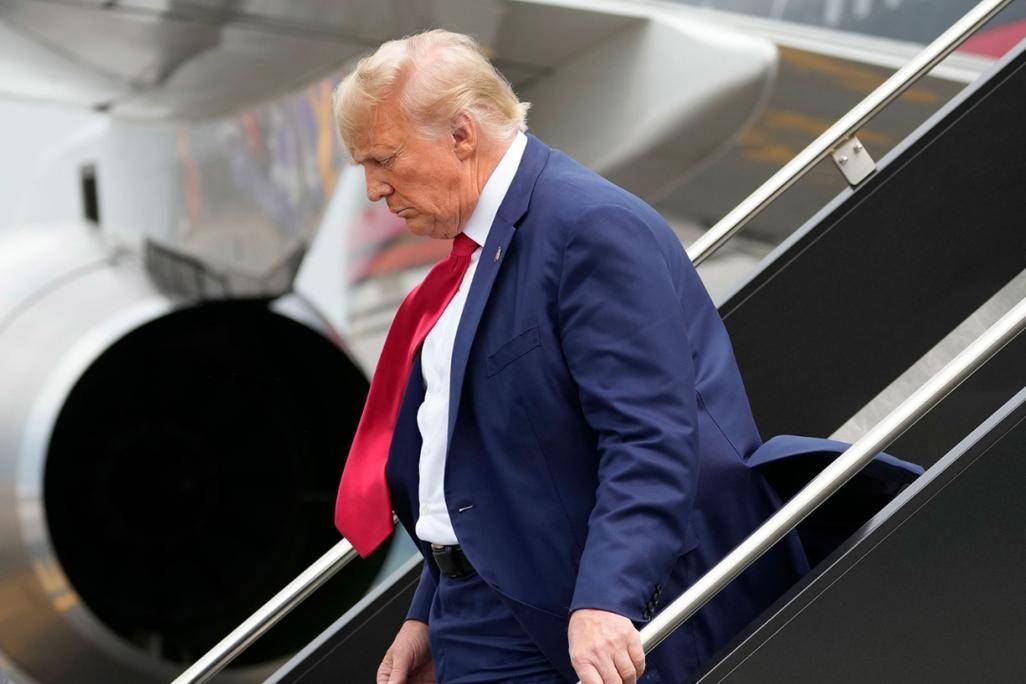
除了加征关税,还要涨军费!特朗普对日韩双线施压
第一财经· 2025-07-11 09:39
Group 1 - The article discusses the dual pressure faced by Japan and South Korea from the United States regarding defense spending and tariffs [1] - President Trump has demanded that South Korea increase its annual defense spending for U.S. troops stationed there to $10 billion, which is significantly higher than the current agreement [2][6] - South Korea's Ministry of Foreign Affairs stated that it will continue to adhere to the existing Special Measures Agreement, which stipulates a defense cost of approximately $11.34 million for 2026, reflecting an 8.3% increase from 2025 [3][5] Group 2 - Japan is also under similar pressure, with Trump previously requesting an increase in defense spending, although no specific amount has been disclosed [4][8] - The current agreement between Japan and the U.S. requires Japan to cover approximately $7.41 billion for the fiscal years 2022 to 2026, with the agreement typically updated every five years [8] - Japanese officials have emphasized that the defense spending agreement is separate from tariff negotiations, indicating a desire to maintain a stable defense cost structure [9] Group 3 - Both countries have expressed dissatisfaction with the recent tariff increases announced by Trump, which are set to take effect on August 1 [10][12] - There is a growing sentiment among the public in both Japan and South Korea against U.S. policies, with trust in the U.S. government declining significantly in Japan [11][14] - Recent polls indicate a marked increase in the perception that the U.S.-South Korea relationship is deteriorating, reflecting the impact of Trump's "America First" policy [14]