
AR

Search documents
总台2026年春晚进行首次彩排 机器人将再登舞台
Jing Ji Ri Bao· 2026-01-17 22:26
Group 1 - The core theme of the 2026 Spring Festival Gala is the integration of "technology and innovation" into various performance elements, enhancing the festive experience for viewers [1] - The gala will feature robots again, following their success in the previous year's event, showcasing advancements in technology and creativity [1] - The design will incorporate elements symbolizing the Year of the Horse, emphasizing themes of perseverance and progress, while blending thought, art, and technology [1] Group 2 - The stage design will utilize AI, AR, and XR technologies to create an immersive visual experience, allowing for dynamic interactions between the audience and the performance [1] - Artistic installations inspired by horse motifs will create a visually striking stage space, symbolizing a sense of movement and vitality [1]

机器人将再度登台
Si Chuan Ri Bao· 2026-01-17 22:21
Core Viewpoint - The 2026 Spring Festival Gala by the Central Radio and Television Station has successfully completed its first rehearsal, showcasing a blend of various program types with innovative technology and visual design, indicating a smooth integration of all elements [1] Group 1: Event Overview - The gala will be held in Yibin, Sichuan, as announced by the station [1] - The theme for the gala is "Galloping Steeds, Unstoppable Momentum," emphasizing a vibrant and progressive spirit of the new era [1] Group 2: Artistic and Technological Integration - The gala draws inspiration from traditional Chinese culture, incorporating elements of the zodiac horse to symbolize resilience and progress [1] - The integration of AI, AR, and XR technologies in stage design creates an immersive visual experience, enhancing the audience's engagement [1] Group 3: Performance Highlights - Original songs with upbeat rhythms reflect the spirited nature of the horse, while traditional performances are innovatively arranged to showcase dynamic horse dances [1] - Following the success of the intelligent robot in the 2025 gala, robots will again feature in the 2026 gala, highlighting advancements in technology and creativity [1]
总台马年春晚完成首次彩排
Xin Lang Cai Jing· 2026-01-17 21:49
Core Viewpoint - The 2026 Spring Festival Gala by the Central Radio and Television Station successfully completed its first rehearsal, showcasing a blend of various program types, innovative technology applications, and visual design elements, with a theme of "Unstoppable Momentum of the Galloping Horse" [1] Group 1: Cultural and Thematic Elements - The gala draws wisdom and strength from excellent traditional Chinese culture, incorporating the zodiac horse elements that symbolize self-improvement and progress into its creation [1] - The main tone of the gala is "joyful and auspicious," aiming to present a vibrant and progressive atmosphere of the new era [1] Group 2: Technological Integration - The gala integrates AI, AR, and XR technologies in its stage design, creating an immersive three-dimensional visual effect that allows for dynamic interaction between people and scenery [1] - Following the success of the intelligent robot in the previous year's gala, robots will again feature prominently, highlighting advancements in technology and creativity [1] Group 3: Artistic Expression - The original songs performed are upbeat, reflecting the spirited essence of the galloping horse, while traditional opera programs have been innovatively arranged to showcase horse dance in a contextual manner [1] - The gala represents an upgrade in the fusion of "technology and art," enriching the audience's imagination of the festive atmosphere [1]
倒计时30天!春晚完成首次彩排,央视确认:机器人将再度登上春晚舞台
Mei Ri Jing Ji Xin Wen· 2026-01-17 17:30
Core Viewpoint - The 2026 Spring Festival Gala by the Central Radio and Television Station successfully completed its first rehearsal, showcasing a blend of various program types, innovative technology applications, and visual design, with a theme of "Galloping Steeds, Unstoppable Momentum" that reflects a vibrant and progressive spirit of the new era [1][3]. Group 1 - The gala draws inspiration from traditional Chinese culture, incorporating elements of the zodiac horse to symbolize resilience and progress, while emphasizing the integration of "thought, art, and technology" in its presentation [3]. - The stage design utilizes advanced technologies such as AI, AR, and XR to create an immersive visual experience, allowing for dynamic interactions between performers and the environment [3]. - Original songs and innovative choreography highlight the energetic spirit associated with the horse, showcasing a modern interpretation of traditional performance styles [3]. Group 2 - The gala represents an upgrade in the integration of "technology and art," enriching the festive atmosphere with creative technological elements [5]. - Following the success of robotic performances in previous years, robots will again feature prominently in the gala, demonstrating advancements in technology and creativity [5]. - The production team is committed to refining each program and detail in preparation for a celebratory and heartfelt event on New Year's Eve, aimed at bringing joy to families worldwide [5].

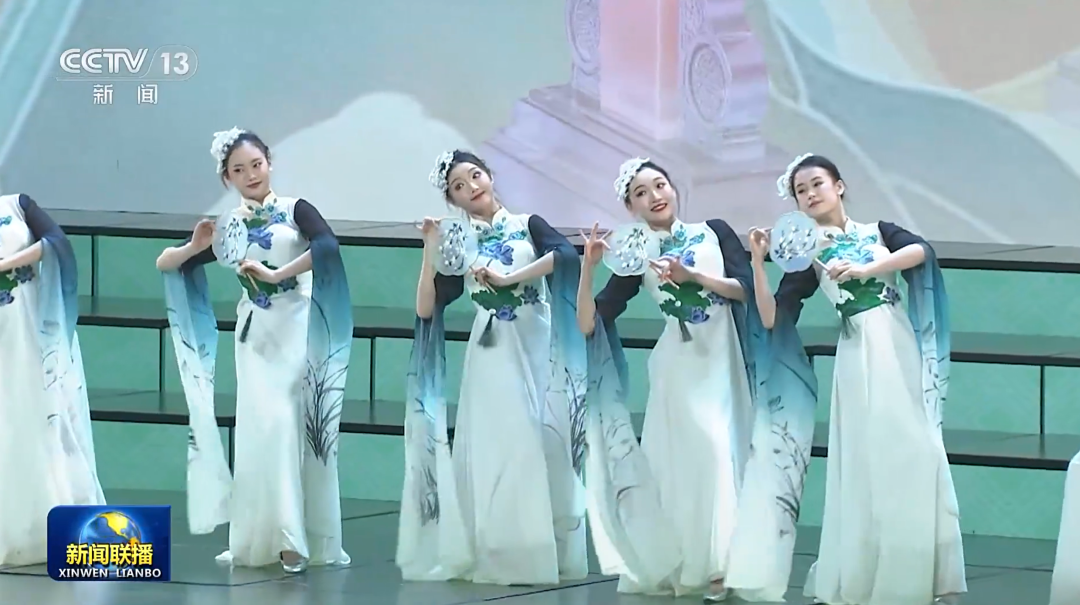
机器人将再度登上春晚!“科技+艺术”将再升级
Yang Shi Xin Wen· 2026-01-17 16:10
Core Viewpoint - The Central Radio and Television Station's 2026 Spring Festival Gala has successfully completed its first rehearsal, showcasing a blend of various program types, innovative technology applications, and visual design elements, with a theme centered on vitality and progress in the new era [1][2]. Group 1: Event Overview - The 2026 Spring Festival Gala is themed "The Unstoppable Force of the Galloping Horse," emphasizing joy and auspiciousness while integrating traditional culture with modern technology [1]. - The gala incorporates elements from Chinese traditional culture, symbolizing self-improvement and progress, particularly through the zodiac horse [1]. Group 2: Technological Integration - The event represents an upgrade in the integration of "technology + art," utilizing AI, AR, and XR technologies to create immersive visual effects that enhance audience experience [1][2]. - Following the success of the intelligent robot featured in the previous year's gala, robots will again be part of the performance, highlighting advancements in technology and creativity [2]. Group 3: Artistic Expression - The stage design features artistic installations inspired by horse motifs, creating a dynamic and visually engaging space [1]. - Original songs and innovative choreography based on traditional styles will showcase the spirit and vigor associated with the horse, enhancing the overall artistic expression of the gala [1].
机器人将再度登上春晚舞台
Bei Ke Cai Jing· 2026-01-17 14:20
Group 1 - The central theme of the 2026 Spring Festival Gala is "Unstoppable Momentum," integrating traditional culture with modern technology to create a vibrant and progressive atmosphere [1] - The gala incorporates elements of the zodiac horse, symbolizing perseverance and ambition, through innovative artistic expressions and technological integration [1] - Advanced technologies such as AI, AR, and XR are utilized in stage design to create immersive visual effects, enhancing the overall audience experience [1] Group 2 - The gala represents an upgrade in the integration of "technology and art," enriching the festive experience with creative and innovative presentations [2] - Following the success of the previous year's gala featuring a robot performing a traditional dance, robots will again take the stage, showcasing advancements in technology [2] - The production team is dedicated to refining each performance and detail to deliver a heartfelt and celebratory show for audiences worldwide [3]
《2026年春节联欢晚会》完成首次彩排 机器人将再登春晚
Zhong Guo Xin Wen Wang· 2026-01-17 13:30
Core Viewpoint - The 2026 Spring Festival Gala has successfully completed its first rehearsal, showcasing a blend of various program types with innovative technology applications and visual design, indicating a smooth integration of all elements [1] Group 1: Technological Integration - The gala incorporates advanced technologies such as AI, AR, and XR to create an immersive visual experience, enhancing the interaction between the audience and the performance [1] - The design features artistic installations inspired by the horse motif, symbolizing the spirit of progress and vitality, creating a dynamic stage space [1] Group 2: Cultural Elements - The gala draws inspiration from traditional Chinese culture, particularly the symbolism of the horse, to convey themes of resilience and ambition [1] - Original songs with upbeat rhythms reflect the spirited nature associated with horses, while traditional performances are innovatively reinterpreted to showcase equestrian elegance [1] Group 3: Future Innovations - The 2026 gala represents an upgrade in the integration of technology and art, enriching the festive atmosphere and public imagination about the New Year celebrations [1] - Following the success of the robotic performers in the previous gala, robots will again feature prominently, highlighting advancements in Chinese technology and creativity [1]
央视春晚,完成首次彩排
券商中国· 2026-01-17 13:08
Core Viewpoint - The 2026 Spring Festival Gala by the Central Radio and Television Station successfully completed its first rehearsal, showcasing a blend of various program types, innovative technology applications, and visual design elements, with a theme of "The Horse Gallops, Unstoppable" that reflects a vibrant and progressive spirit of the new era [1] Group 1 - The gala integrates elements of traditional Chinese culture, symbolizing self-improvement and progress through the zodiac horse, while emphasizing the fusion of thought, art, and technology in its presentation [1] - Advanced technologies such as AI, AR, and XR are utilized in stage design to create immersive visual effects, enhancing the audience's experience [1] - Original songs and innovative choreography based on traditional forms are designed to embody the spirited essence of the horse, contributing to a lively and engaging performance [1] Group 2 - The gala represents an upgrade in the combination of technology and art, incorporating "smart manufacturing" into stage presentation and content creation, enriching the festive atmosphere [1] - Following the success of the intelligent robot that performed during the previous year's gala, robots will again feature prominently, showcasing advancements in technology and creativity [1]
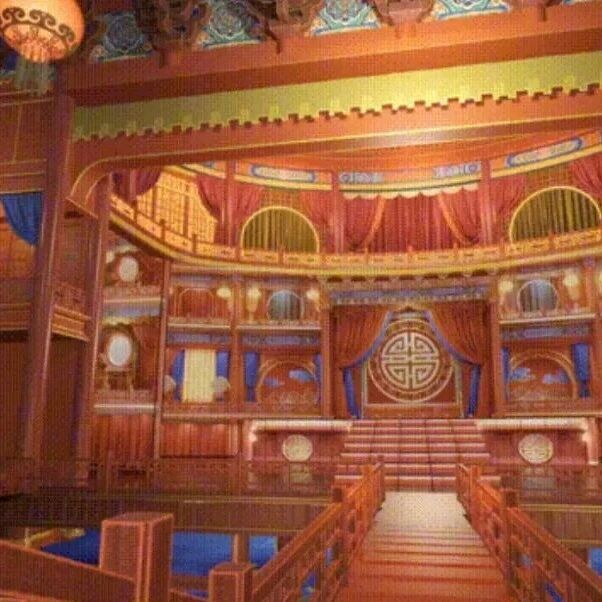
总台马年春晚完成首次彩排!
Xin Lang Cai Jing· 2026-01-17 12:35
1月17日,中央广播电视总台《2026年春节联欢晚会》顺利完成首次彩排。各类型节目与创新技术应 用、舞美视觉设计等要素完成融合,各环节流程衔接顺畅,晚会整体效果初显。总台马年春晚坚持"欢 乐吉祥、喜气洋洋"的主基调,以"骐骥驰骋 势不可挡"为主题,在文化滋养与科技赋能下,呈现活力满 满、蒸蒸日上的新时代奋进气象。 总台马年春晚从中华优秀传统文化中汲取智慧和力量,将寓意自强不息、锐意进取的生肖马元素巧妙融 入创作,坚持"思想+艺术+技术"融合传播,不断拓宽艺术表达边界。舞美设计中,灵活运用AI、AR、 XR等科技手段,在虚实之间营造出"人在景中、景随人动"的沉浸立体式视觉效果。以"马"的纹样造型 演绎的艺术装置,构成万马奔腾、起伏错落的舞台空间。原创歌曲节奏明快,唱出骏马般意气风发的精 神面貌;戏曲节目根据传统程式"趟马",创新编排情景化马舞,一招一式尽显飒爽英姿。 总台马年春晚是"科技+艺术"的再升级,将"科技智造"融入舞美呈现、内容创作等,丰富人们对年味的 缤纷想象。继蛇年春晚扭秧歌的智能机器人跻身"顶流"后,机器人将再度登上春晚舞台,用科技范和新 鲜感的创意火花彰显我国科技进步的新气象。 距离马年春晚还有 ...
央视春晚最新进展
Xin Lang Cai Jing· 2026-01-17 12:35
Core Viewpoint - The 2026 Spring Festival Gala by CCTV has successfully completed its first rehearsal, showcasing a blend of various programs and innovative technologies, with a theme of "The Horse Gallops, Unstoppable" [1] Group 1: Event Overview - The gala aims to present a vibrant and progressive atmosphere, drawing inspiration from traditional Chinese culture and integrating elements of the zodiac horse to symbolize resilience and ambition [1] - The event emphasizes the fusion of "thought, art, and technology" to expand the boundaries of artistic expression [1] Group 2: Technological Integration - The stage design incorporates advanced technologies such as AI, AR, and XR to create an immersive visual experience, allowing for dynamic interactions between people and scenery [1] - The gala will feature artistic installations inspired by horse motifs, creating a stage space that reflects the theme of galloping horses [1] Group 3: Artistic Elements - Original songs with upbeat rhythms will convey a spirited and energetic spirit akin to that of horses [1] - Traditional performance elements, such as the "trotting horse" in opera, will be innovatively arranged to showcase dynamic horse dances [1] Group 4: Future Expectations - Following the success of the previous year's gala featuring intelligent robots, this year's event will again include robots to highlight advancements in technology and creativity [1] - The production team is committed to refining each program and detail to deliver a heartfelt and festive gala for audiences worldwide on New Year's Eve [1]