XR

Search documents
3C设备周观点:智能眼镜首次入选国补范围,龙头积极布局智能眼镜赛道愈发火爆-20260104
Huafu Securities· 2026-01-04 13:11
Investment Rating - The industry rating is "Outperform the Market" [7] Core Insights - The smart glasses have been included in the national subsidy scope for the first time, with a subsidy standard of 15% of the selling price, capped at 500 yuan [2] - The smart glasses market is heating up, with global AI camera glasses sales expected to reach 14.5 million units by 2025, with a compound annual growth rate (CAGR) exceeding 50% from 2025 to 2029, potentially reaching 60 million units by 2029 [3] - Major players like Apple, Samsung, and Xiaomi are actively entering the smart glasses market, with significant sales growth reported for products like the Ray-Ban Meta series, which saw a year-on-year sales increase of over 200% [4] Summary by Sections National Subsidy Policy - The 2026 consumer goods national subsidy policy expands the subsidy range to include smart glasses for the first time, maintaining the same subsidy standard as 2025 [2] Market Growth Projections - The smart glasses market is projected to grow significantly, with sales expected to reach 14.5 million units globally by 2025 and 60 million units by 2029, indicating a robust growth trajectory [3] Competitive Landscape - The entry of major tech companies into the smart glasses sector is intensifying competition, with notable collaborations and product launches enhancing market dynamics [4] Investment Opportunities - Suggested companies to watch include those involved in foldable screens, smart glasses, silicon-based OLED screens, automation assembly and testing equipment, thermal management, and 3D printing applications [5]
从政务展厅到大屏一体机,数字人公司世优科技深耕全场景护城河
Sou Hu Cai Jing· 2025-12-31 16:53
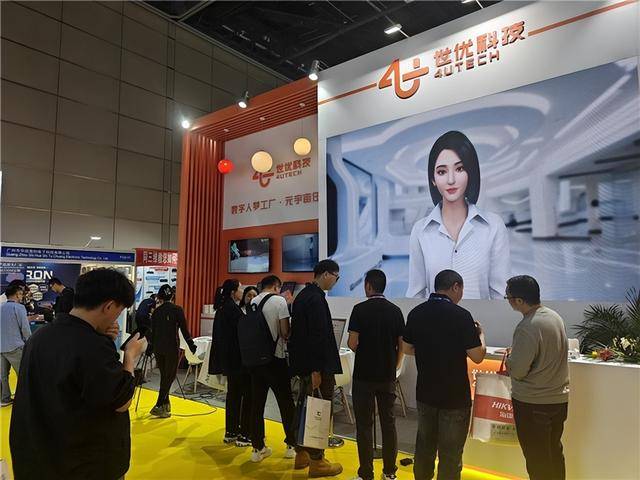
Core Insights - The article highlights the evolution of digital humans from a novel concept to a transformative force in various industries, driven by the integration of AI technology by companies like Shiyou Technology [1][14]. Technology Foundation - Shiyou Technology has developed a comprehensive technology stack for digital humans, including proprietary algorithms, hardware, and application platforms [1][3]. - The digital human engine features over 180 facial control points, achieving over 95% accuracy in lip-syncing and supporting 24 emotional modes, enabling lifelike interactions [3]. - The "Pota" AI digital human integrates self-developed AI platforms and large language models, supporting multimodal interactions with a high accuracy rate of 98% [3]. - The company offers flexible product forms, including AI digital human all-in-one machines and software solutions that can be easily integrated into existing business systems [3][14]. Industry Empowerment - Shiyou Technology has successfully implemented its technology in various sectors, creating replicable benchmark cases [1][4]. - In smart governance, the "Fengxiaoshu" digital guide in Beijing's Fengtai District has reduced average waiting times by 58% and improved service efficiency [5]. - In corporate exhibition halls, Shiyou Technology has transformed static displays into interactive experiences, enhancing brand perception and visitor engagement [7]. - In education, the AI virtual assistant in classrooms has increased interaction frequency and alleviated teachers' workloads [8]. - In transportation, AI digital humans at airports provide 24/7 multilingual services, improving efficiency and passenger satisfaction [9]. Innovative Integration - Shiyou Technology combines digital humans with VR and MR technologies to enhance cultural tourism experiences [10][11]. - The "Luwushan VR Space" project allows visitors to interact with digital representations of mythological characters, creating immersive experiences [10]. - The MR project in Xinjiang brings historical figures to life, enhancing visitor engagement and interaction [11]. - The company also participates in large-scale cultural events, merging digital humans with real-world performances to create visually stunning experiences [13]. Ecosystem Development - Shiyou Technology is focused on building an industry ecosystem, collaborating with partners to create domestically produced AI digital human solutions [14]. - The company aims to lower deployment costs and promote the safe and widespread adoption of digital human technology [14]. - By participating in the development of national standards for customer service digital humans, Shiyou Technology is contributing to the standardization of the industry [14].


康耐特光学(02276.HK):全球领先的镜片制造商 智能眼镜打开成长空间
Ge Long Hui· 2025-12-28 05:41
Group 1 - The core viewpoint of the article highlights the strong growth potential and profitability of 康耐特光学, a leading resin lens supplier in China, with a projected revenue CAGR of 17.2% and a net profit CAGR of 35.2% from 2020 to 2024 [1][3] - 康耐特光学 has established a robust moat in technology, distribution, and customer resources, supported by its production bases in Shanghai, Jiangsu, and Japan, with a new facility in Thailand expected to commence operations in 2026 [1][2] - The company is benefiting from the increasing demand for high-value products such as high refractive index lenses and customized lenses, which has led to an improvement in gross margin from 35.0% in 2020 to 41.0% in the first half of 2025 [1][2] Group 2 - The lens industry is experiencing significant growth driven by the rigid demand for vision correction, with projections indicating that the sales revenue in China will reach 20.72 billion yuan in 2024 [2] - The demand for functional lenses with properties such as blue light blocking and anti-fatigue is rapidly increasing, alongside a substantial market opportunity for high refractive index lenses, which currently represent only about 0.7% of the domestic market [2] - The smart glasses sector is at a critical turning point, with major tech companies like Alibaba and Meta accelerating their investments, creating opportunities for leading lens manufacturers to benefit from the demand for ultra-thin high refractive index lenses [2] Group 3 - 康耐特光学 is well-positioned in the XR industry, leveraging its ability to mass-produce 1.74 ultra-high refractive index lenses, which are essential for the lightweight requirements of AR glasses [2] - The company has a mature C2M production system that allows for efficient responses to personalized customization demands in the new retail landscape of smart glasses [2] - As a key supplier of lenses for Alibaba's "Quark AI Glasses," 康耐特光学 is expected to expand its client base among other smart glasses manufacturers following successful product validation [2][3]
视涯科技科创板IPO过会:受理不到半年,硅基OLED产品出货给字节、影石、雷鸟等
IPO早知道· 2025-12-25 14:12
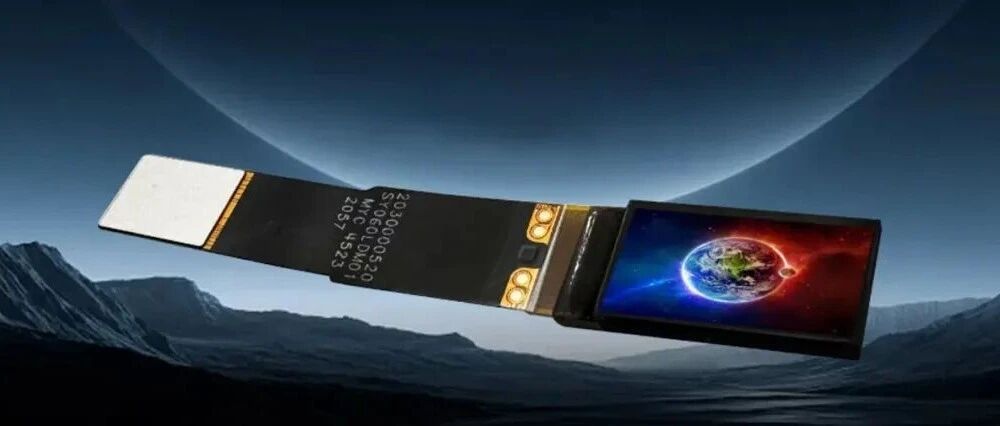
Core Viewpoint - The article highlights the significance of silicon-based OLED micro-displays as the core hardware for next-generation smart terminals in the AI era, emphasizing the rapid growth of demand for high-performance displays in XR devices [2][5]. Company Overview - Shiya Technology Co., Ltd. has successfully passed the IPO application for the Sci-Tech Innovation Board, achieving this milestone in less than six months since its application was accepted [2]. - Established in 2016, Shiya Technology focuses on providing comprehensive solutions for micro-displays, with its core product being silicon-based OLED micro-displays [2]. Market Position - The micro-display industry has been historically dominated by foreign companies such as Sony, eMagin, and MICROOLED. Sony has maintained a leading position since launching its first silicon-based OLED micro-display in 2011 [2]. - Shiya Technology has innovatively developed several core technologies, including silicon-based OLED strong micro-cavity technology and high-efficiency stacked OLED full-color technology, surpassing Sony in key performance metrics and breaking its monopoly in traditional markets [3]. Performance Metrics - According to a report by Frost & Sullivan, in 2024, Shiya Technology is projected to rank second globally in silicon-based OLED product shipments for XR devices, capturing approximately 35.2% of the market, while Sony holds the first position with 50.8% [4]. - Shiya Technology has established partnerships with major global terminal manufacturers, including ByteDance and Lenovo, and aims to deliver millions of silicon-based OLED micro-displays annually starting in 2026 [4]. Financial Data - The revenue figures for Shiya Technology from 2022 to 2024 are projected to be 190 million, 215 million, and 280 million yuan, respectively. In the first three quarters of this year, the company reported a year-on-year revenue growth of 54.67%, reaching 293 million yuan [4]. Industry Trends - The explosive growth of AI technology has led to a surge in demand for high-performance silicon-based OLED micro-displays, highlighting their strategic importance in the international competition of the AI industry [5]. - Competitors like Sony are increasing their investments in R&D and production capacity for silicon-based OLED micro-displays to secure a leading market position in the global AI industry [5].
大厂扎堆智能眼镜,但谁也说不清它到底是啥
36氪· 2025-12-24 13:35
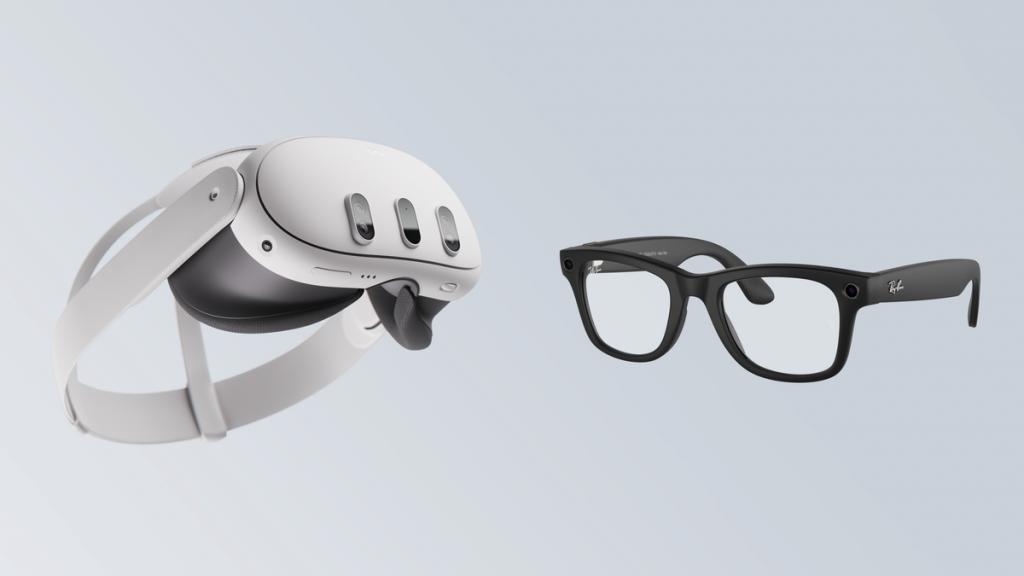
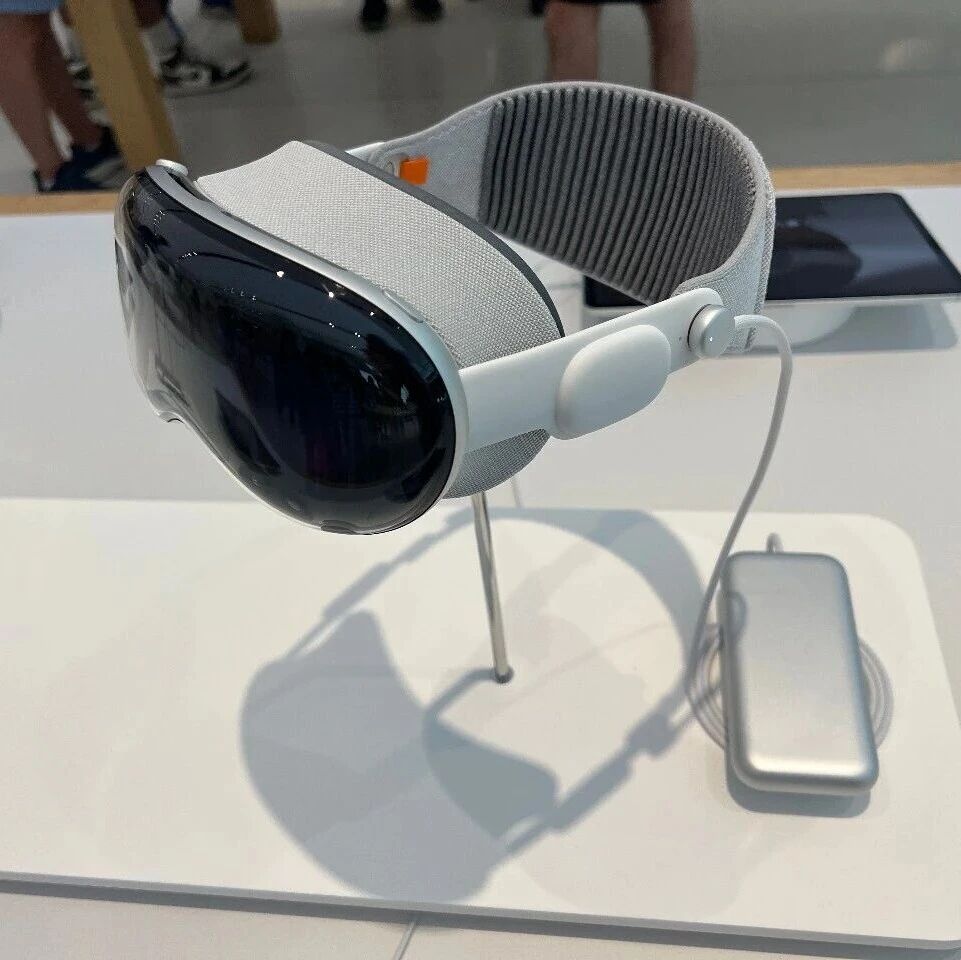
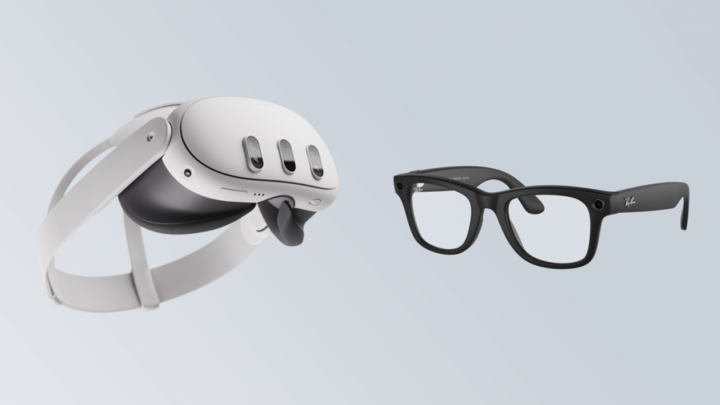
Core Viewpoint - The article discusses the current state and challenges of defining smart glasses and XR devices, highlighting the lack of a unified definition and the diverse functionalities and target audiences of these devices [4][5][11]. Group 1: Definition and Evolution of Smart Glasses - Smart glasses and XR devices have evolved into various forms with different functionalities, experiences, and target users, making it difficult to categorize them under a single definition [5][17]. - The ideal smart glasses should combine the form of glasses, AI capabilities, and immersive vision, similar to how the iPhone was defined as a combination of phone, iPod, and internet [18][20]. - The industry lacks a clear definition for smart glasses, leading to confusion among manufacturers and consumers regarding their purpose and capabilities [25][39]. Group 2: Industry Challenges and Manufacturer Strategies - Companies like Apple are facing strategic challenges in the smart glasses market, with reports indicating a shift towards lighter, AI-focused glasses after setbacks with heavier XR headsets [28][30]. - The success of products like Ray-Ban Meta is attributed to their aesthetic appeal and functionality rather than their AI capabilities, indicating that design and user experience are critical for market acceptance [36][41]. - The article emphasizes that the current state of AI hardware lacks a successful case, and the potential for smart glasses to replace smartphones remains uncertain, with the possibility of coexisting instead [40][41]. Group 3: Future Prospects and Industry Direction - The future of smart glasses hinges on manufacturers' ability to clarify what smart glasses truly are and to develop products that effectively integrate the necessary technologies [43]. - The article suggests that the industry must move beyond the experimental phase to establish a coherent narrative around smart glasses, which could lead to their eventual success and acceptance in the market [43].

视涯科技科创板IPO过会,公司收入增长的可持续性等遭追问
Bei Jing Shang Bao· 2025-12-24 11:15
Core Viewpoint - Shiya Technology Co., Ltd. has received approval for its IPO on the Sci-Tech Innovation Board, aiming to raise approximately 2.015 billion yuan [1] Group 1: Company Overview - Shiya Technology is a provider of micro-display overall solutions, with its core product being silicon-based OLED micro-displays [1] - The company offers value-added services including strategic product development, optical systems, and XR overall solutions [1] Group 2: IPO Details - The IPO was accepted on June 26, 2025, and entered the inquiry phase on July 21 of the same year [1] - The company plans to raise around 2.015 billion yuan through this IPO [1] Group 3: Listing Committee Requirements - The listing committee requested Shiya Technology to explain the sustainability of revenue growth, considering the market space for silicon-based OLED micro-displays and XR development trends [1] - The company must address potential capacity bottlenecks in the anode segment and the competitive landscape regarding capacity expansion [1] - The committee also required clarification on the commercial rationale of tripartite agreements with specific strategic customers and suppliers, including the potential impact of non-fulfillment on future operations and performance [1]
大厂扎堆智能眼镜,但谁也说不清它到底是啥|AI 器物志
Xin Lang Cai Jing· 2025-12-24 09:53
Core Viewpoint - The evolution of AI in hardware design, particularly in smart glasses, is marked by diverse functionalities and user experiences, leading to a lack of a unified definition for smart glasses in the industry [1][5][27]. Group 1: Industry Trends - The industry is witnessing a divergence in smart glasses, with products ranging from Xiaomi's affordable smart glasses to Apple's high-end Vision Pro, indicating a broad narrative around "smart glasses" or "XR" [1][27]. - Google has introduced the term "device lineage" to categorize XR devices, which includes wired XR glasses, wireless XR glasses, and non-display AI glasses, highlighting the complexity of defining smart glasses [3][29]. - The lack of a core function or definition for smart glasses has led manufacturers to explore various directions, resulting in a competitive landscape where each segment is vying for dominance [5][34]. Group 2: Product Development Challenges - The industry struggles with defining what constitutes smart glasses, as evidenced by the confusion surrounding Google's XR categorization and the varying functionalities of products like AR glasses that require connection to other devices [12][38]. - Apple's upcoming lightweight glasses, which focus on photography and AI without XR display capabilities, reflect a strategic pivot after challenges faced with the Vision Pro, indicating a shift towards more practical and socially acceptable designs [15][41]. - The concept of "AI glasses" is seen as an ideal form of AI hardware, capable of analyzing real-life contexts, yet the actual value and capabilities of such devices vary significantly across different product types [18][44]. Group 3: Market Perception and Future Outlook - The success of AI hardware is often not directly correlated with AI capabilities, as seen with the popularity of Ray-Ban Meta glasses, which excel due to their aesthetic appeal rather than their AI features [20][46]. - The future of smart glasses remains uncertain, with the potential for them to coexist with smartphones rather than replace them, as the industry has yet to provide a clear answer on what could effectively substitute a smartphone [22][48]. - Successful examples in the current market focus on enhancing the glasses themselves, such as the Ideal Livis and Meta Ray-Ban, rather than solely on the integration of AI [24][50].


【IPO一线】视涯科技科创板IPO获通过 两大问询聚焦增长可持续性与供应链安全
Ju Chao Zi Xun· 2025-12-24 09:26
Core Viewpoint - The approval of Visionary Technology's IPO application marks a significant step for the company as a leading provider of silicon-based OLED microdisplay solutions, amidst concerns regarding its future growth sustainability and core agreement stability [1][5]. Group 1: Company Overview - Visionary Technology specializes in silicon-based OLED microdisplays and aims to provide comprehensive solutions for extended reality (XR) devices, which are becoming essential hardware in the AI industry [3]. - The company has achieved several technological breakthroughs, including the mass production of the world's first 12-inch silicon-based OLED production line and possesses full-stack self-research capabilities from display chips to optical systems [3]. Group 2: Market and Industry Challenges - The listing committee's inquiries highlight the company's challenges and potential risks, focusing on the sustainability of revenue growth, capacity surplus risks, and the prudence of performance forecasts [4]. - The committee emphasized the need for the company to balance forward-looking investments with actual commercial returns, especially in a rapidly evolving industry where technology and market demands are not yet fully stabilized [4]. Group 3: Strategic Partnerships and Supply Chain - The second major focus of the committee's inquiry pertains to the three-party agreements with specific strategic customers and suppliers, requiring the company to explain the commercial rationale of these agreements and assess the risks associated with their execution [4][5]. - The importance of supply chain security and stable relationships with core customers is underscored, particularly in a complex global industrial landscape influenced by geopolitical factors [5].

Ericsson Ties Up With Industry Giants to Showcase Ultra-Low-Latency 5G
ZACKS· 2025-12-23 14:46
Core Insights - Ericsson, SoftBank, and Qualcomm successfully conducted a field trial demonstrating ultra-low-latency communication on SoftBank's 5G Standalone network, achieving a 90% reduction in wireless link latency compared to conventional 5G scenarios [1][9]. Group 1: Trial Details - The trial utilized XR content streaming as the primary use case, connecting smart glasses to a smartphone via Wi-Fi, which accessed the 5G SA network through designated base stations [2]. - The use of network slicing ensured that XR traffic received guaranteed performance without affecting other users, showcasing a key capability for future service differentiation [3]. Group 2: Technology Implementation - Several standardized 3GPP technologies were integrated to achieve low-latency results, including L4S, which leverages Explicit Congestion Notification to manage congestion and maintain low latency [4]. - The Configured Uplink Grant feature simplifies uplink transmission, significantly reducing uplink delay, which is crucial for real-time XR interactions [5]. Group 3: Ericsson's Positioning - Ericsson's successful implementation of advanced 5G technologies positions the company as a key enabler for operators preparing for latency-sensitive services ahead of the transition to 6G [6]. - The company is well-positioned to capitalize on global 5G momentum, supported by a competitive product portfolio and sustained R&D investments [8]. Group 4: Market Challenges - Despite strong positioning, Ericsson faces challenges from geopolitical tensions and macroeconomic uncertainty, leading to revenue declines in key markets like China [11].


大厂扎堆智能眼镜,但谁也说不清它到底是啥
3 6 Ke· 2025-12-23 04:29
Core Viewpoint - The article discusses the confusion surrounding the categorization of smart glasses and XR devices, emphasizing that they are not a single product category but rather a diverse range of devices with different functionalities and target audiences [1][5][22]. Group 1: Definition and Classification - The term "smart glasses" lacks a clear definition, leading to various interpretations and product types, similar to the early days of smartphones [6][11]. - Google introduced the concept of a "device lineage" to categorize XR devices into wired XR glasses, wireless XR glasses, and non-display AI glasses, highlighting the industry's struggle to define smart glasses [3][14]. - The ideal smart glasses should combine the form of traditional glasses, AI capabilities, and immersive vision, but the industry has yet to reach a consensus on this definition [11][18]. Group 2: Market Dynamics and Product Development - Companies, including Apple, are exploring different types of smart glasses, with Apple reportedly shifting focus from heavier XR headsets to lighter AI glasses after setbacks with the Vision Pro [17][22]. - The success of products like Ray-Ban Meta is attributed to their aesthetic appeal and functionality rather than their AI capabilities, indicating that design and usability are critical for market acceptance [20][23]. - The article suggests that the future of smart glasses may involve coexistence with smartphones rather than outright replacement, as the technology is still developing [22][25]. Group 3: Challenges and Future Outlook - The industry faces challenges in clarifying product definitions and addressing consumer expectations, which could hinder the adoption of smart glasses [15][22]. - There is skepticism about whether smart glasses can achieve the multifunctionality of smartphones, with the potential for AI glasses to serve as a new hardware form but not necessarily replace existing devices [18][22]. - The article concludes that for smart glasses to evolve into a complete form, manufacturers must quickly address the question of what smart glasses truly are [25].