
元宇宙

Search documents
Meta爆砍元宇宙预算,扎克伯格要把钱拿去做AI眼镜了
3 6 Ke· 2025-12-05 10:57
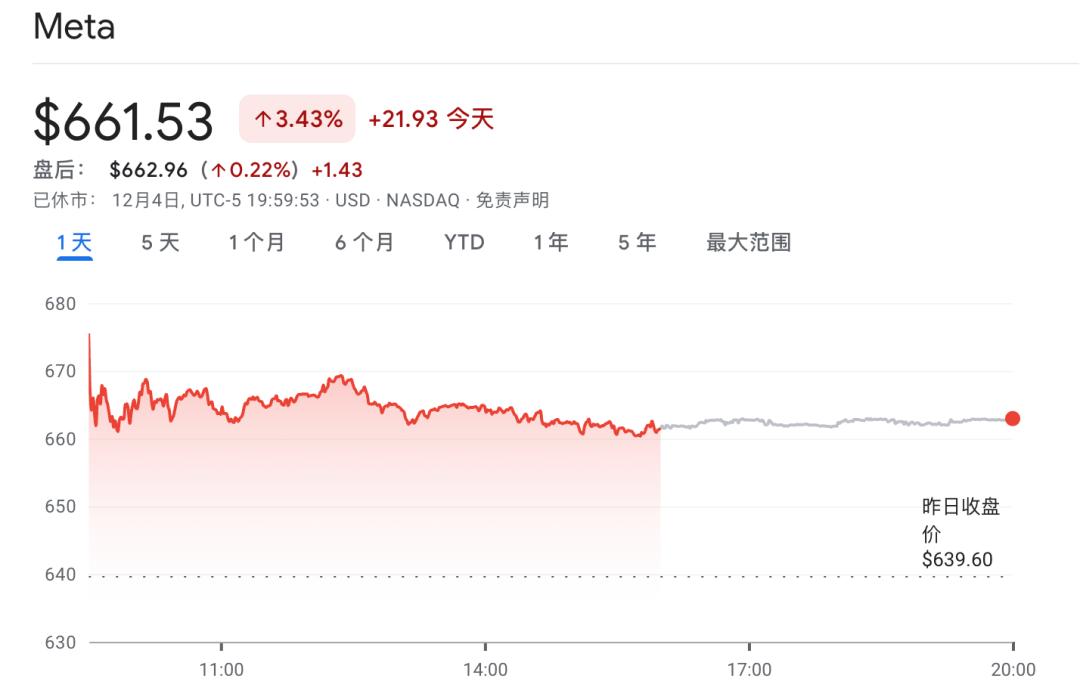
Core Viewpoint - Meta is planning to reduce its investment in the metaverse by 30% by 2026, reallocating funds to AI glasses and wearable devices, with potential layoffs in the metaverse division starting as early as January [1][5][9] Group 1: Budget Cuts and Resource Allocation - Meta's management is considering a budget cut of 30% for the metaverse segment, which could lead to layoffs of 10% to 30% of the department's workforce [1][5] - The savings from the metaverse budget will be redirected to other projects within the Reality Labs department, particularly AI glasses and wearable devices [5][9] - The budget reduction is part of the overall budget planning for 2026, with a goal of achieving a 10% cost reduction across departments [6] Group 2: Performance and Strategic Shift - The Reality Labs division has incurred losses exceeding $70 billion since early 2021, indicating ongoing financial challenges [7] - Meta's focus is shifting towards consumer hardware development, with the hiring of Alan Dye from Apple to lead a new design studio for hardware, software, and AI interface integration [7][8] - The company has already made management adjustments within the metaverse division, indicating a strategic pivot towards AI and augmented reality [8][9] Group 3: Market Response and Future Outlook - Following the announcement of budget cuts, Meta's stock price rose by 3.43%, closing at $661.53 per share, with a market capitalization of $1.67 trillion [2] - Meta's metaverse vision has faced skepticism from investors and regulatory scrutiny, leading to a reassessment of its long-term strategy [6][9] - The company is expected to invest hundreds of billions in data centers and AI development in the future, signaling a commitment to AI and consumer hardware over the metaverse [9]


AI日报丨Alphabet与Replit达成多年合作;扎克伯格拟削减Meta元宇宙预算最高30%
美股研究社· 2025-12-05 10:52
Core Insights - The article highlights the rapid development of artificial intelligence (AI) technology and its potential to create significant opportunities in the market [3]. Group 1: Alphabet - Alphabet Inc.'s chip business, particularly its Tensor Processing Unit (TPU), is expected to become a major revenue growth engine, with a potential market value nearing $1 trillion [5]. - The success of TPU has contributed to a 31% increase in Alphabet's stock price in the fourth quarter, ranking it tenth among S&P 500 constituents [5]. Group 2: Phia - Phoebe Gates is raising $30 million for the AI startup Phia, which focuses on applying AI to online shopping, bringing the company's valuation to $180 million [6]. - Phia's AI-based search engine has been downloaded 750,000 times within eight months, helping users find products, compare prices, and discover deals [6]. Group 3: Morgan Stanley - Morgan Stanley reports that the release of DeepSeek V3.2 marks a second wave of impact on the Chinese AI market, providing affordable access to cutting-edge open-source inference capabilities [8]. - This development is expected to benefit various stakeholders in the Chinese AI ecosystem, including cloud operators, AI chip manufacturers, and SaaS developers [8]. Group 4: Meta - Meta Platforms' CEO Mark Zuckerberg plans to significantly cut the budget for the metaverse project by up to 30%, which was previously seen as a key growth area for the company [10]. - Discussions among Meta executives indicate that these budget cuts may lead to layoffs as early as January [10]. Group 5: Tesla - Tesla has made significant progress in the annual automotive brand rankings by Consumer Reports, achieving a top ten position among 31 brands [11]. - The brand's rise is attributed to continuous optimization and reliability improvements in vehicle production [11]. Group 6: Google and Replit - Google Cloud has entered a multi-year partnership with AI coding startup Replit, aiming to enhance its competitive position in the rapidly growing AI coding tools market [11][12]. - The agreement will see Replit expand its use of Google Cloud services and integrate more Google AI models into its platform [12]. Group 7: Microsoft - Microsoft announced a price increase for its Office commercial subscriptions, with some enterprise packages seeing increases of over 10% starting July 1 of the following year [13]. - This marks the second adjustment in commercial subscription pricing since 2022, excluding the $30 monthly fee for the Microsoft 365 Copilot AI assistant service [13]. Group 8: Apple - Apple has announced a leadership change, with Jennifer Newstead set to become the company's General Counsel on March 1, 2026, succeeding Kate Adams [15]. - Newstead will join Apple as a Senior Vice President in January and will report directly to CEO Tim Cook [15].





Meta收缩元宇宙业务,机会来了?
美股研究社· 2025-12-05 10:52
12 月 3 日上午,Meta(Meta Platforms, Inc.,纳斯达克代码:META)发布了超出市场预期的利好消息。 这家市值 1.6 万亿美元的巨头 宣布,计划裁减高达 30% 的元宇宙业务员工。部分普通投资者可能会感到困惑 —— 毕竟,他们或许早已忘记,公司 CEO 马克・扎克伯格 多年前提出的元宇宙愿景仍有大规模业务在运营。 尽管如此,市场对未来一年的每股收益增长预期依然较高,而当前市盈率显然并未过度高估。其他亮点包括:Meta 旗下应用的每日活跃用户 (DAU)总量达 35 亿,Threads 的日活用户已突破 1.5 亿。 回顾 2021 年 10 月,当时人工智能尚未成为主流投资主题,增强现实(AR)被视为值得投入巨额资本支出的前沿技术革新,Meta 也正是在 那时从 "Facebook" 更名为现用名。然而,在过去 50 个月里,市场格局发生了巨大变化,Meta 已在人工智能军备竞赛中展现出激进的竞争 姿态 —— 而这种主动出击的背后,也蕴含着相当程度的战略灵活性。 分析师认为,Meta 收缩元宇宙业务引发的上涨是一个积极信号:聚焦人工智能领域,同时兼顾资产负债表稳定性,将有助于这家 ...

黄仁勋和马斯克,谁才是“时代的司机”?
美股研究社· 2025-12-05 10:52
Core Viewpoint - The article discusses the challenges faced by Nvidia and its CEO Jensen Huang in the current market environment, highlighting the high expectations from investors and the pressure to deliver consistent performance amidst concerns about sustainability and potential AI bubble risks [4][10][18]. Group 1: Nvidia's Market Position - Nvidia's stock price has dropped 9% in November and over 13% in the past month, despite reporting a 62% year-over-year revenue growth and a 65% increase in net profit, exceeding Wall Street expectations [10][12]. - Huang expressed that Nvidia is in a "no-win" situation, where delivering strong results could be seen as fueling an AI bubble, while any underperformance would be viewed as evidence of a bubble bursting [10][18]. - Huang's comments reflect a broader sentiment among industry leaders who have experienced similar pressures, such as Intel and Microsoft in their respective eras [12][14]. Group 2: Historical Context and Comparisons - The article draws parallels between Nvidia's current situation and the past experiences of Intel and Microsoft, both of which faced market skepticism despite strong performance due to concerns about future growth sustainability [14][16]. - Historical examples illustrate how even strong earnings reports can lead to stock price declines if the market perceives future risks, as seen with Microsoft in 1996 and Intel in 1995 [14][16]. - The transition from the PC era to the mobile era, led by Apple, is highlighted as a time when industry leaders also faced significant market pressures and scrutiny [17][18]. Group 3: Competitive Landscape in AI - The AI era is characterized by intense competition among tech giants like Google, Microsoft, and Meta, all vying for leadership in AI technology and applications [6][25]. - Google's recent advancements with its TPU technology and the Gemini 3 model have positioned it as a strong competitor to Nvidia, with significant implications for Nvidia's market share [26][27]. - The article notes that companies like Amazon are also developing their own AI chips, further intensifying the competition and challenging Nvidia's dominance in the AI chip market [31][32]. Group 4: Future Outlook and Challenges - Huang's acknowledgment of the competitive landscape and the need for Nvidia to maintain its pace of innovation reflects the urgency of the situation, as the company faces potential threats from emerging players [34][35]. - The article emphasizes that the "driver's seat" in the AI era is highly contested, with various companies striving to establish themselves as leaders in this rapidly evolving market [25][36]. - Nvidia's ability to navigate these challenges will be crucial in maintaining its leadership position and addressing the concerns of investors and the market at large [35][36].

黄仁勋和马斯克,谁才是“时代的司机”
Sou Hu Cai Jing· 2025-12-05 10:04
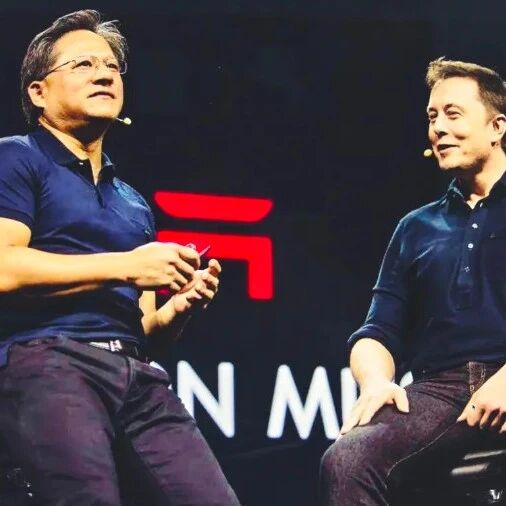
关起门来,黄仁勋也有绷不住的时刻。 财报炸裂,市场反馈却是股价反而跌了,这种情况近两年在英伟达身上频频上演。但这一次,我们听到了黄仁勋的一些心里话。 在被泄露的一次内部全员大会上,黄仁勋诉苦"市场并未充分认识到(英伟达)令人难以置信的季度表现。" 这并不是说英伟达被低估了,而是预期过高。他觉得,现在英伟达无论做什么,都难以取悦市场,陷入"无赢"的境地。 黄仁勋正在品尝当"时代的司机"的痛苦。PC时代的双司机英特尔与微软,移动时代的苹果,都曾有相似的痛苦。 一旦成为手握方向盘的企业,外界对其的判断也会与"乘客"不同——业绩表现之外,外界总是会操心可持续性,也会联想过去人类经验的总和,正如当下 人们回想起当年互联网泡沫破裂的往事。 "时代的司机"不仅活在当下,也同时活在未来和过去。 AI时代刚刚开启,方向盘还在抢夺中。微软、Meta、谷歌、OpenAI……既是这辆车上的VIP乘客,也都虎视眈眈地盯着驾驶室,谷歌的TPU进展就是最新 鲜的例子。 方向盘固然有些烫手,黄仁勋只能紧紧握住。 在内部会议上,黄仁勋提到一个网络梗图,几根绝望的杆子苦苦支撑一栋倾斜严重的大楼,大楼是"全球股市",杆子全是"英伟达"。 "如果我 ...

2025全球智能机械与电子产品博览会举行 珠澳双城共展“黑科技”
Nan Fang Ri Bao Wang Luo Ban· 2025-12-05 07:49
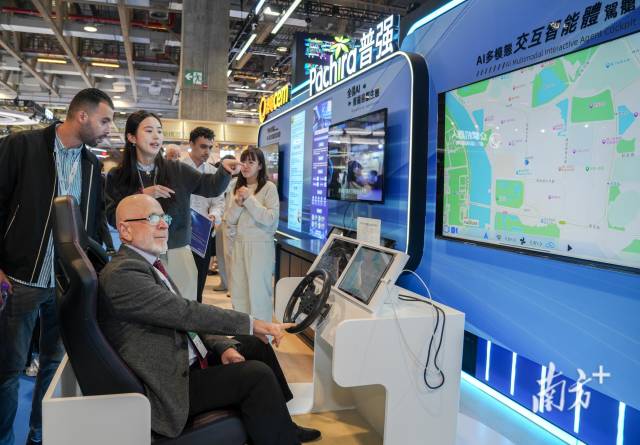
Core Insights - The 2025 Global Intelligent Machinery and Electronic Products Expo (AIE) is being held in a dual-city format in Macau and Zhuhai, showcasing cutting-edge technologies in the intelligent machinery and electronics sectors [1][2][3] Group 1: Event Overview - AIE features a total exhibition area of 70,000 square meters with six major theme pavilions focusing on various sectors such as smart communication, industrial internet, and smart home technology [1][2] - The event aims to promote cross-industry integration and international cooperation, serving as a significant platform for showcasing the latest technological advancements [3] Group 2: Industry Trends - The intelligent machinery and electronics industry is becoming a key area for global competition, with countries vying for strategic advantages in this sector [2] - The expo highlights China's advanced manufacturing capabilities, with numerous high-tech products on display, including customized industrial robots and AI-integrated solutions [3][4] Group 3: International Participation - The event has attracted international buyers, with positive feedback on Chinese smart products, indicating a strong interest in collaboration and market expansion [2][4] - Notable international exhibitors include companies from Thailand and Hungary, showcasing innovations in smart algorithms and urban solutions [2][3] Group 4: Technological Innovations - The expo features innovative products such as a panoramic drone capable of immersive 360-degree flying experiences, representing a significant shift in drone operation technology [5] - The intelligent transportation sector is represented by vehicles equipped with advanced driving assistance systems, showcasing the integration of AI in manufacturing [6] Group 5: Future Prospects - The event is expected to enhance the Guangdong-Hong Kong-Macau Greater Bay Area's position as a hub for innovation and technology, with plans to attract more international exhibitors in the future [3][6] - The establishment of an AI terminal industry alliance in Shenzhen and Dongguan aims to strengthen the region's influence in the global market, with over 50% market share in related products [6]
大行评级丨瑞穗:若Meta进一步缩减元宇宙相关支出 将有助推动股价大幅上行
Ge Long Hui· 2025-12-05 06:17
瑞穗维持对Meta的"优于大盘"评级及目标价815美元,并表示其乐观情境下的股价上看1245美元。分析 师指出,若资本配置方向转变,加上营收增长加速,将为市场调升获利预估与估值扩张打下基础。 瑞穗发表研报指,美媒报道称Meta首席执行官扎克伯格正考虑将元宇宙部门2026年预算削减高达30%, 该行认为,若Meta进一步缩减相关支出,将有助推动股价大幅上行。瑞穗分析师估算,若削减幅度达 到讨论中的规模,Meta 2026年每股收益估值可望在原本预估的29.5美元基础上再增加约2美元,主要来 自Reality Labs亏损缩小的效益。该部门今年预计将亏损近180亿美元,自2019 年以来累计营运亏损已达 约800亿美元。 ...
珠澳双城共展“黑科技”,洋客商惊呼太秀了!
2 1 Shi Ji Jing Ji Bao Dao· 2025-12-05 05:54
Core Insights - The 2025 Global Intelligent Machinery and Electronic Products Expo (AIE) is being held in a dual-city format in Macau and Zhuhai, showcasing cutting-edge technologies and products in the intelligent machinery and electronics sectors [2][5][6]. Group 1: Event Overview - AIE features a total exhibition area of 70,000 square meters with six major theme pavilions focusing on various sectors such as intelligent communication, smart home technology, and industrial internet [1][2]. - The event aims to promote cross-industry integration and international cooperation, serving as a significant platform for showcasing the latest technological advancements [5][6]. Group 2: Industry Trends - The intelligent machinery and electronics industry is becoming a key area for global competition, with countries vying for strategic advantages in this sector [2]. - The AIE reflects the Guangdong-Hong Kong-Macau Greater Bay Area's role in connecting domestic and international markets, enhancing its competitive edge [2][6]. Group 3: Innovations and Exhibits - Notable exhibits include customized industrial robots, 3D printing equipment, and smart transportation solutions, highlighting advancements in automation and AI technologies [5][12]. - The event also features the launch of the world's first panoramic drone, which offers immersive flying experiences, showcasing the innovative capabilities of Chinese manufacturers [13]. Group 4: International Participation - International buyers, including those from Hungary and Russia, expressed enthusiasm for Chinese smart products, indicating a growing interest in the region's technological innovations [5][17]. - The event aims to attract more international exhibitors in the future, positioning AIE as a global exchange platform for electronic products and smart manufacturing [6].
META PLATFORMS美股盘前涨超6%
Xin Lang Cai Jing· 2025-12-05 04:15
Group 1 - Meta Platforms' stock is rising over 6% in pre-market trading [1] - CEO Mark Zuckerberg plans to cut spending on the metaverse project by up to 30% [1]
谷歌结盟30亿美金独角兽,直指“全民编程”万亿市场
3 6 Ke· 2025-12-05 03:55
Group 1: Employment and Economic Indicators - The report from Challenger, Gray & Christmas indicates that while layoffs in U.S. companies decreased in November compared to October, they remain the highest for the same period in the past three years, although the year-on-year growth rate is showing signs of slowing down [2] - Strong employment data coexists with moderate layoffs, creating a complex fundamental tone for the U.S. stock market, reflecting both economic resilience and cost pressures [4] Group 2: Meta's Strategic Shift - Meta is reportedly considering a budget cut of up to 30% for its metaverse business unit, which includes products like Meta Horizon Worlds and the Quest virtual reality division [6] - This move is interpreted as Meta shifting its strategic focus from high-investment, high-risk metaverse projects to areas that emphasize efficiency and short-term returns, boosting investor confidence [6] - Following this news, Meta's stock opened with a 5.7% increase, significantly contributing to the market's initial rise, although the overall market later declined due to macroeconomic pressures [6] Group 3: Federal Reserve Policy Expectations - Kevin Hassett, a potential new chair for the Federal Reserve, expressed expectations that the Fed may lower interest rates by 25 basis points in the upcoming meeting, indicating a shift towards a more dovish monetary policy [7] - His comments provided emotional support to the volatile U.S. stock market, which managed to stabilize slightly by the end of the trading day [7] Group 4: Google Cloud and Replit Partnership - Google Cloud has entered a strategic partnership with AI coding startup Replit, which aims to enhance Google Cloud's influence in the AI sector, particularly in the rapidly growing "vibe coding" market [9][11] - Replit's impressive growth, with annual revenue skyrocketing from $2.8 million to $150 million within a year, underscores its strong market demand and positions it as a key partner for Google Cloud [14] - The collaboration focuses on "vibe coding," allowing users to generate code through natural language, significantly lowering the barriers to software development [15][16] Group 5: Market Trends and Replit's Strategy - Replit claims to have over 500,000 enterprise users, indicating a broad application of its platform beyond traditional software development, including product design and marketing [17] - The partnership with Google Cloud is not exclusive, as Replit also collaborates with competitors like Microsoft, showcasing a flexible "co-opetition" strategy that maximizes its platform's capabilities across different cloud services [20]

