牛市

Search documents
国庆持股OR持币?周末科技主线这个大消息很关键!
Mei Ri Jing Ji Xin Wen· 2025-09-28 04:38
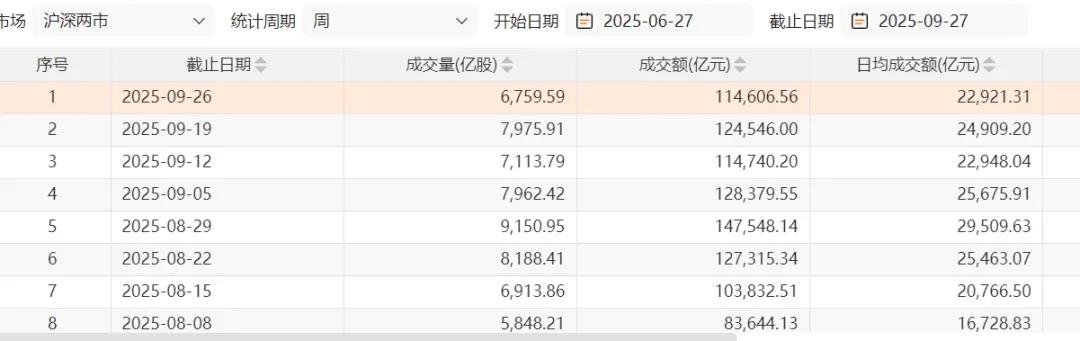
Market Overview - The three major indices experienced slight increases during the week from September 22 to September 26, with the Shanghai Composite Index closing at 3828.11 points, a weekly increase of 0.21%, the Shenzhen Component Index at 13209.00 points, up 1.06%, and the ChiNext Index at 3151.53 points, up 1.96% [1] Trading Volume and Activity - The total trading volume in the Shanghai and Shenzhen markets was 6759.59 billion shares, a decrease of approximately 15.25% from the previous week. The total trading value was 114606.56 billion yuan, with an average daily trading amount of 22921.41 billion yuan, down about 7.98% from the previous week [2][3] Stock Performance - A total of 1649 stocks rose, while 3729 stocks fell, and 57 stocks remained flat during the week [3] - The top ten stocks with the largest gains included Jianfa Zhixin, Jinhua New Materials, Haocreat Technology, and others, with Jianfa Zhixin seeing a five-day increase of 325.53% [4][5] - Conversely, the ten stocks with the largest declines included Borui Pharmaceutical and Xiangjiang Holdings, with Borui Pharmaceutical experiencing a five-day decrease of 38.36% [6] Market Sentiment and Predictions - Recent market trends indicate a clear divergence between large-cap and small-cap stocks, with large-cap stocks frequently reaching new highs. For instance, Huagong Technology achieved 18 new highs in the last 30 trading days, with a total market value of 927.1 billion yuan [7] - The upcoming week is expected to be influenced by the National Day holiday, with only two trading days remaining. Market sentiment appears to be cooling, as indicated by trading volumes [7][8] Institutional Insights - Financial institutions have noted that ahead of the holiday, some funds may seek to reduce positions to avoid uncertainty, leading to a potential decrease in market risk appetite. The market is expected to remain volatile, with a focus on sectors such as chemical fibers, aerospace, automotive, and wind power equipment for investment opportunities [9][10] IPO Developments - A significant event occurred with the successful IPO application of Moer Thread Technology, known as the "domestic Nvidia," which passed the review by the Shanghai Stock Exchange. This reflects strong policy support for key sectors such as semiconductors and AI computing [11][12] Upcoming Events - Key upcoming events include the start of the National Day holiday transportation on September 29 and the release of the official manufacturing PMI by the National Bureau of Statistics on September 30, which could indicate economic recovery if it rises above the neutral level of 50 [13][14][15]

洪灏回应“单身牛”:巴菲特大部分财富50岁后积累,年轻人得多买股票
Feng Huang Wang Cai Jing· 2025-09-28 04:04
Core Viewpoint - The "Phoenix Bay Area Financial Forum 2025" held in Guangzhou focused on the theme "New Pattern, New Path," gathering global elites from politics, business, and academia to explore development opportunities amidst changing circumstances [1] Group 1: Market Insights - Hong Hao, managing partner of Lianhua Asset Management, expressed confidence in the arrival of a bull market, suggesting that every decade China experiences an epic bull market [1] - He referred to the current bull market as a "single bull," indicating a metaphorical representation of the public's long-term savings and the need to invest in the stock market [1] Group 2: Investment Behavior - Hong Hao highlighted a societal trend where younger generations exhibit lower desires for luxury goods, leading to a shift in discretionary income usage [1] - He emphasized the importance of stock investment for young people, arguing that keeping money in banks forfeits the opportunity for compound growth [1] Group 3: Wealth Accumulation - Hong Hao cited Warren Buffett's success, noting that most of Buffett's wealth accumulated after the age of 50 due to continuous investment and the power of compounding [1] - He encouraged young individuals to embrace investment opportunities, suggesting that they have the chance to learn from mistakes and start over if needed [1]

洪灏:赚钱只是牛市最浅层意义,关键是唤醒人们缺失的“动物精神”
Feng Huang Wang Cai Jing· 2025-09-28 01:36
Core Viewpoint - The "Phoenix Bay Area Financial Forum 2025" held in Guangzhou focuses on the theme "New Pattern, New Path" and aims to explore development opportunities amidst changing circumstances [1] Group 1: Forum Insights - The forum gathered global political, business, and academic elites to discuss the evolving landscape and seek new development paths [1] - Hong Hao, managing partner of Lianhua Asset Management, expressed optimism about the arrival of a bull market, stating that every decade in China sees an epic bull market [2][3] Group 2: Market Sentiment - Hong Hao emphasized that a significant bull market not only brings profits to investors but also alters future expectations, which is crucial for economic and technological advancement [3] - He highlighted the importance of "animal spirits" in the market, suggesting that a lack of willingness to take risks is detrimental to societal progress [3]
真正的牛市还未开始么?
Sou Hu Cai Jing· 2025-09-27 15:11
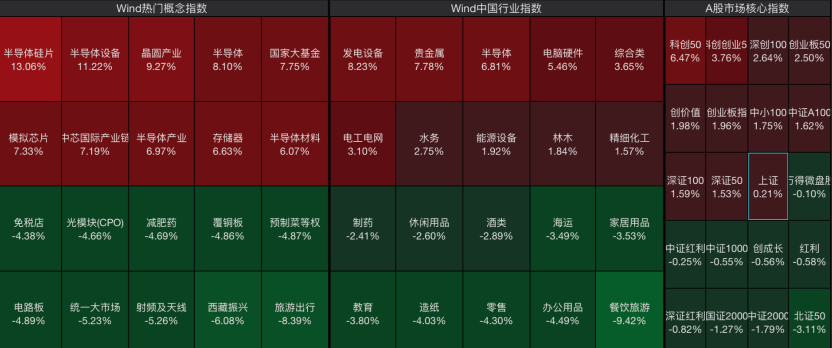
Market Performance - The A-share market showed mixed results with the Shanghai Composite Index increasing by 0.21%, the Shenzhen Component rising by 1.06%, the CSI 300 up by 1.07%, and the ChiNext Index gaining 1.96% for the week [1] - Key sectors that performed well include electric power equipment, non-ferrous metals, semiconductors, chips, and memory storage, while sectors like optical modules (CPO), copper-clad laminates, tourism, and duty-free shops lagged [1] Hong Kong Market - The Hang Seng Index decreased by 1.57%, the Hang Seng Tech Index fell by 1.58%, and the Hang Seng Healthcare Index dropped by 2.79%, indicating a phase of high-level fluctuations in the Hong Kong market [2] Investment Opportunities - A brokerage firm suggested that a true bull market has not yet begun, with potential opportunities arising from the easing of liquidity constraints and a possible rebound in Hong Kong stocks that have been stagnant [4] - The People's Bank of China emphasized the need for appropriate monetary policy and counter-cyclical adjustments, signaling a supportive environment for investment [4] ETF and Fund Performance - The recent surge in ETFs continues, with the second batch of 14 science and technology bond ETFs seeing five reach over 10 billion yuan in assets [5] - Active equity funds have shown remarkable performance, with several funds achieving over 200% returns since September 2022 [5] U.S. Market Indicators - The U.S. core PCE price index rose by 2.9% year-on-year and 0.2% month-on-month, aligning with expectations and potentially influencing the Federal Reserve's interest rate decisions [5] - The U.S. stock market experienced adjustments, with the S&P 500 and Nasdaq both declining, while small-cap stocks performed relatively well [5]
洪灏喊话投资者:无论牛市来没来,都要坚持投资别怕下跌
凤凰网财经· 2025-09-27 13:09
Group 1 - The forum "Phoenix Bay Area Finance Forum 2025" was held in Guangzhou, focusing on the theme "New Pattern, New Path" and gathering global political, business, and academic elites to explore development opportunities [1] - Hong Hao, managing partner of Lianhua Asset Management, expressed optimism about the arrival of a bull market, stating that China experiences an epic bull market every decade, which sparked lively discussions [3] - Hong Hao advised investors to integrate investing into their daily lives, emphasizing the importance of buying good companies regardless of market conditions, and highlighted that quality companies generate cash flow and dividends even in a closed market [3]
洪灏喊话投资者:无论牛市来没来,都要坚持投资别怕下跌
Feng Huang Wang Cai Jing· 2025-09-27 10:28
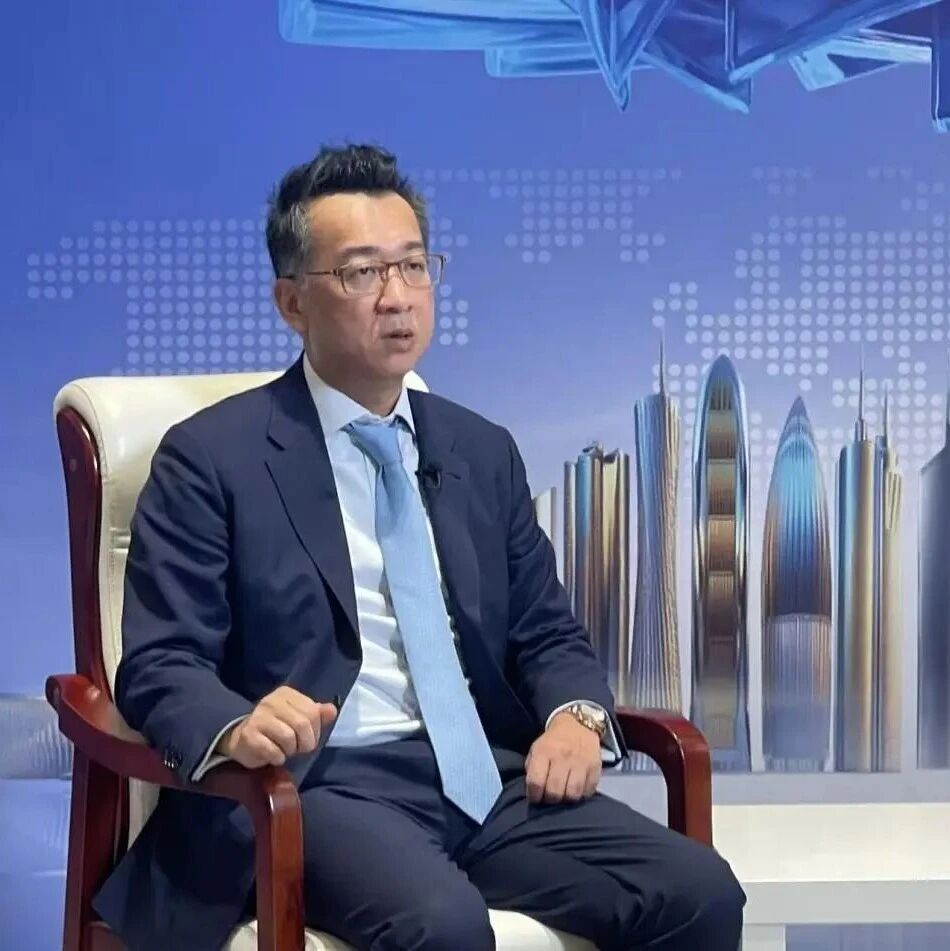
凤凰网财经讯 9月23-24日,由凤凰卫视、凤凰网主办的"凤凰湾区财经论坛2025"在广州举行。本届论坛以"新格局·新路径"为主题,汇聚全球政商学界精 英,共同洞察变局脉络、探寻发展新机。 莲华资产管理有限公司管理合伙人洪灏出席本次论坛。在论坛期间,他发表"相信牛市真的到来""每十年中国都会出现一波史诗级的牛市"等观点,引发热烈 讨论,同时也让人们好奇他的更多看法。主题发言后,他应邀与凤凰网财经进行更深入的对话。 被问及对当前牛市是否将至还心怀疑虑的投资者有什么寄语时,洪灏笑称"总不能让别人赶紧买股票,这样说并不会让大家更安心"。他表示,建议投资者把 投资变成生活的一个部分,"无论是牛市还是熊市,我们都要坚持买好的公司,不要惧怕买进以后股票下跌"。 他进一步解释称,买好的公司,即便市场关闭、没有公开市场竞价模式可以把股票抛售,优质公司也会每年产生现金流、产生分红,产生盈利的增长,这样 投资者仍然能够从中获得回报。"相信如果投资者是这样的理念,心态会好很多。" 图片来源:凤凰网财经 ...
牛市真来了?洪灏:真正的牛市“鸡犬升天”,闭着眼睛赚钱
Feng Huang Wang Cai Jing· 2025-09-27 10:28
凤凰网财经讯 9月23-24日,由凤凰卫视、凤凰网主办的"凤凰湾区财经论坛2025"在广州举行。本届论坛以"新格局·新路径"为主题,汇聚全球政商学界精 英,共同洞察变局脉络、探寻发展新机。 图片来源:凤凰网财经 莲华资产管理有限公司管理合伙人洪灏出席本次论坛。在论坛期间,他发表"相信牛市真的到来""每十年中国都会出现一波史诗级的牛市"等观点,引发热烈 讨论,同时也让更多人好奇他的判断何来。主题发言后,他应邀与凤凰卫视、凤凰网财经进行更深入的对话。 洪灏在对话中表示,相信牛市到来最主要的三个原因是,此前预期过分悲观、模式由通缩进入再通胀,以及绝大部分人还是不相信(牛市将至),因此还有 大量的资金没有入场。他认为预期还没有完全被反映到价格端,绝大部分人对于此次的行情的看法都还停留在"将增长",并不认为这是真正的牛市。 他指出,认为某一指数上涨20%就是牛市的观点是错误的,真正的牛市是"人们闭着眼睛都能赚钱,随便买都能赚回来,鸡犬升天"。洪灏表示,强势板块仍 在延续势头,其他板块开始跟涨,"能够真正感受到(牛市真的来了)"。 ...
财信证券宏观策略周报(9.29-10.3):节前交投活跃度下降,适当转入防守-20250927
Caixin Securities· 2025-09-27 10:03
Group 1 - The report indicates a decrease in market trading activity ahead of the National Day holiday, suggesting a shift towards defensive strategies as risk appetite declines [2][5][6] - The macroeconomic environment lacks clear catalysts, leading to expectations of market fluctuations rather than significant upward breakthroughs in the short term [2][6] - The report anticipates a continued upward trend in the A-share market in the fourth quarter, supported by improved liquidity from household savings entering the market and foreign capital inflows due to the Federal Reserve's interest rate cuts [2][6][11] Group 2 - Investment recommendations include focusing on high-yield sectors such as coal, banking, public utilities, and transportation during market corrections [2][11] - The report highlights sectors experiencing stagnation, particularly in technology, such as AI applications, consumer electronics, humanoid robots, semiconductor equipment, and Hang Seng Technology [2][11] - The "anti-involution" direction is emphasized, with potential in steel, building materials, photovoltaics, and lithium batteries, as well as sectors aligned with the "14th Five-Year Plan" like clean energy and environmental protection [2][11][12] Group 3 - The report notes significant overseas uncertainties, including US-China tariff negotiations and geopolitical conflicts, which could impact market sentiment [5][11] - It also points out the risk of a "style drift" among institutions as they adjust their holdings at the end of the quarter, potentially leading to a short-term loosening of tech sector concentration [5][11] - The report emphasizes the importance of monitoring trading volumes, as a significant drop could indicate reduced liquidity support for previously concentrated tech sectors [6][11]
白酒会缺席这次牛市吗?
雪球· 2025-09-27 04:02
Core Viewpoint - The current market is in a bull phase, with significant increases in various indices over the past year, particularly in small and mid-cap stocks with technology attributes [3]. Industry Analysis - The food and beverage sector, especially the liquor segment represented by Kweichow Moutai, has undergone over four years of adjustment [4]. - The liquor industry is currently in a bottoming phase, with expectations that the bottom is near [5]. - Other companies in the food and beverage sector, such as Haitian Flavoring and Food, Shuanghui Development, Yili Industrial, Qingdao Beer, Anjixin Food, and COFCO, have not yet capitalized on the bull market [6]. - Despite the lack of stock price increases, many companies in this sector have seen profit growth over the years [7]. Valuation Insights - The stagnation in stock prices is attributed to the overextension of valuations and expectations during the bull market from 2018 to 2021 [8]. - After three to four years of valuation digestion, the food and beverage industry is currently considered undervalued from a price-to-earnings (PE) perspective [9]. - Historical data shows that the current price levels are situated between one and two times below the average PE ratio, similar to the situation in 2018 [10]. Economic Context - As of September 2023, real GDP has begun to exceed nominal GDP, indicating a state of deflation [11]. - Historical instances of similar economic conditions occurred during the Asian financial crisis in 1998-2000 and the subprime mortgage crisis in 2009 [13]. - There is a strong belief that the economy will gradually improve, leading the food and beverage industry to return to reasonable valuation levels [13]. Investment Opportunities - The food and beverage sector, particularly the liquor segment, is expected to participate in the current bull market, albeit with a delay [13]. - This delay presents investment opportunities, emphasizing the importance of patience in waiting for the right moment to invest and for prices to rise [14].


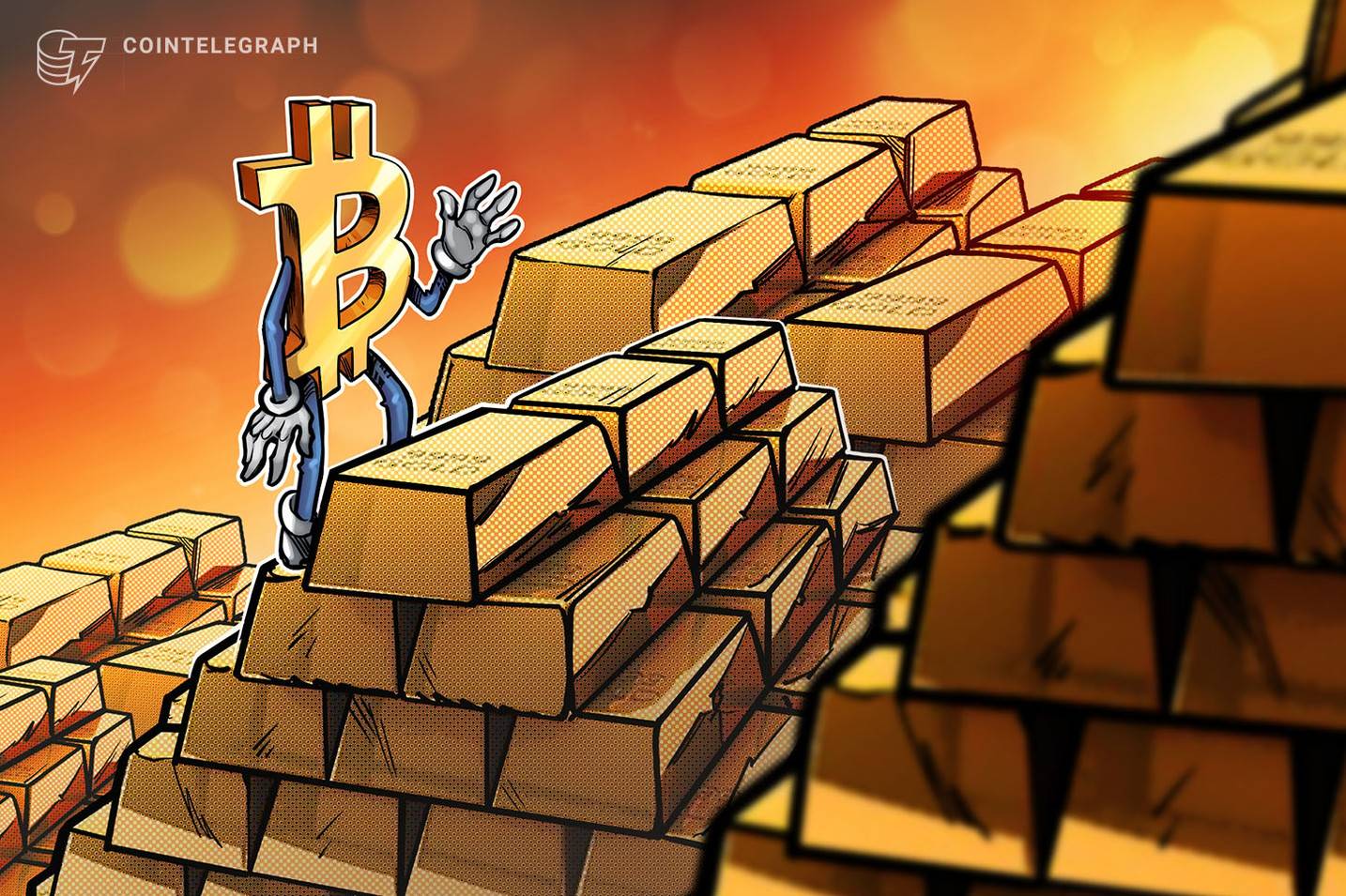
比特币(BTC)未能复制黄金和股票历史新高的四大原因
Sou Hu Cai Jing· 2025-09-26 12:56
Core Insights - Bitcoin and other cryptocurrencies are lagging behind gold and stocks in reaching new highs, raising doubts about whether the bull market has ended [2][3] - A recent study by CryptoQuant identifies four key reasons for the weakness in the cryptocurrency market: Federal Reserve rate cuts, stablecoin supply, leveraged investors, and historical patterns [3] - The current liquidity tightness has left Bitcoin in a stalemate, with bulls not yet challenging historical highs, while gold and U.S. stock markets continue to set new records [3] Group 1: Market Dynamics - The cryptocurrency market is experiencing a historical pattern where institutional funds initially flow into high liquidity assets like stocks and gold during early rate cut phases by the Federal Reserve [3] - The total supply of stablecoins reached a new high of $308 billion this month, but the inflow to exchanges is lower than outflow, indicating a tendency among traders to hedge or take profits [6] - Liquidity is primarily distributed outside exchanges, including cross-chain transfers and private markets, rather than being actively used to purchase Bitcoin or Ethereum [7] Group 2: Historical Comparisons - The current market structure for Bitcoin and Ethereum shows similarities to a year ago, where price increases followed by liquidity not fully entering the cryptocurrency market led to corrections [5] - Historical data indicates that Bitcoin typically lags behind traditional assets, often rising 12% in 30 days and 35% in 90 days after stocks reach new highs [9] - The upcoming expiration of $22.6 billion in options may significantly impact future price movements in the cryptocurrency market [13]