食品安全

Search documents
江苏省扬州市江都区市场监管局:打击侵权假冒行为 规范白酒市场秩序
Zhong Guo Zhi Liang Xin Wen Wang· 2025-12-01 05:32
Core Viewpoint - The article highlights a crackdown on counterfeit "Niulanshan" liquor in Jiangdu District, Yangzhou City, where authorities seized 419 bottles of fake products that violated trademark rights and food safety laws [1][2]. Group 1: Incident Details - Jiangdu District Market Supervision Administration received a report about a supermarket selling counterfeit "Niulanshan" liquor [1]. - During the inspection, officials found 419 bottles of counterfeit liquor, which appeared similar to the genuine product but were identified as infringing on trademark rights [1]. - The counterfeit products were seized based on several identification criteria, including irregularities in packaging and labeling [1]. Group 2: Regulatory Actions - The involved merchants faced administrative penalties, including warnings, confiscation of infringing goods, and fines for violating trademark and food safety laws [1]. - The Jiangdu District Market Supervision Administration plans to enhance supervision of the liquor market, encouraging self-discipline among operators and strict adherence to procurement verification systems [2].

济南这个片区,有最新消息
Sou Hu Cai Jing· 2025-12-01 03:43
Group 1: Real Estate Market - A notable piece of urban residential land in Jinan's Sun Village area has been listed for auction, with a maximum floor area ratio of only 1.05, marking it as one of the lowest in the Jinan land market for 2025 [1] - The land covers an area of 80,656 square meters, with a starting price of 415.63 million yuan and a floor price of 4,907 yuan per square meter [1] - The site is strategically located near commercial and financial districts, as well as parks, indicating potential for future development [1] Group 2: Public Service Examination - A record 2.831 million people participated in the 2026 national civil service examination, with a competition ratio of approximately 74:1 [14][15] - The number of applicants has increased significantly over the years, reflecting a growing interest in public service positions despite a slight decrease in the number of available positions [15] - The age limit for applicants has been relaxed, particularly benefiting recent graduates and those with prior work experience, which may enhance the quality of candidates entering public service [16][17] Group 3: Food Safety Concerns - Recent incidents involving counterfeit milk powder have raised significant concerns about food safety, highlighting regulatory gaps and the urgent need for consumer protection [6][9] - The counterfeit products, made from low-quality ingredients, were sold at inflated prices, posing serious health risks, especially to vulnerable populations like infants and the elderly [8][9] - The need for a robust regulatory framework and consumer awareness is emphasized to combat the proliferation of such fraudulent products [9] Group 4: Health and Safety Issues - Reports of dangerous "weight loss injections" have emerged, with individuals suffering severe health consequences after using unregulated products marketed online [23][24] - The products, often lacking proper labeling and safety certifications, have been linked to serious health risks, including organ damage and life-threatening conditions [25][27] - Regulatory authorities are urged to take stricter actions against the sale of such unapproved medical products to protect public health [29][30]

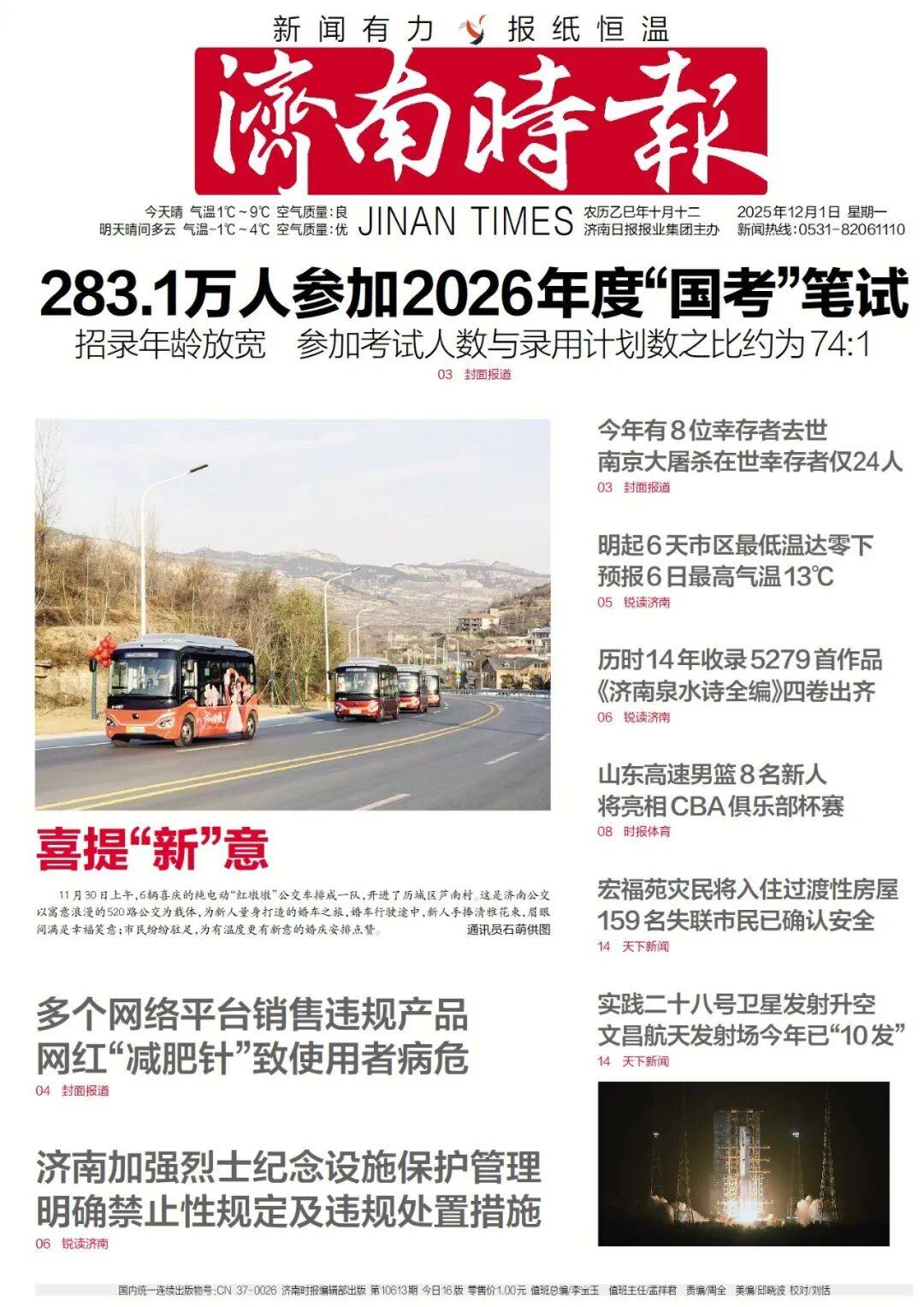
坚守食品健康初心!唇动食品获“中国食品健康七星奖”
Zhong Guo Shi Pin Wang· 2025-12-01 02:52
Core Viewpoint - The 14th "China Food Health Seven-Star Award" was held in Shanghai, where the well-known baking brand Lipin Food won the "Annual Rookie Award" for its innovative management in food safety and product quality [1][3]. Group 1: Award Significance - The "Seven-Star Award" is one of the most authoritative awards in China's food industry, established in 2011 to promote food safety and sustainable development in the sector [3]. - The award evaluates companies based on seven dimensions, aiming to establish industry benchmarks and promote public awareness of food safety [3]. Group 2: Company Overview - Lipin Food, listed on the New Third Board, emphasizes food safety as a core principle since its establishment over ten years ago [5]. - The company has built a modern production base of over 160 acres with eight fully automated production lines, creating an efficient supply chain [5]. - Lipin Food has established partnerships with leading suppliers like COFCO and Nestlé to ensure raw material quality [7]. Group 3: Product Development and Market Performance - Lipin Food's products are recognized for their high quality, healthiness, and variety, with 66 national patents and numerous industry awards [8]. - The company has achieved impressive sales figures, with classic products like "Lipin Chocolate Cake" and "Lipin Red Velvet" reaching sales in the hundreds of millions [8]. - Lipin Food has expanded its market presence both domestically and internationally, exporting to countries like Vietnam, Thailand, and Russia [8]. Group 4: Innovation and R&D - The company has a dedicated R&D center and collaborates with well-known universities to enhance its innovation capabilities [10]. - Lipin Food follows a rigorous product development process, often taking over six months to develop new products, ensuring high standards and quality [10]. - Despite being in a competitive market, Lipin Food continues to pursue innovation, focusing on consumer needs and launching diverse product offerings [10]. Group 5: Future Outlook - Lipin Food aims to enhance its food safety management and build a more efficient, modern intelligent supply chain [11]. - The company plans to deepen its focus on the baking sector, offering high-quality and differentiated products to meet the diverse needs of consumers [11].
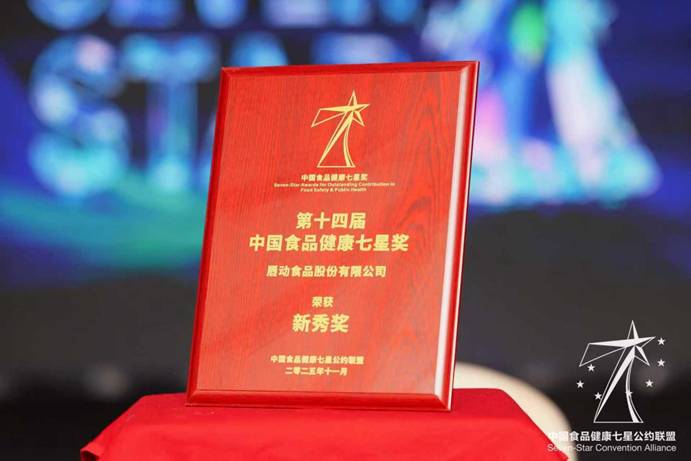
奶精和淀粉做成的假奶粉被销往全国
21世纪经济报道· 2025-12-01 02:07
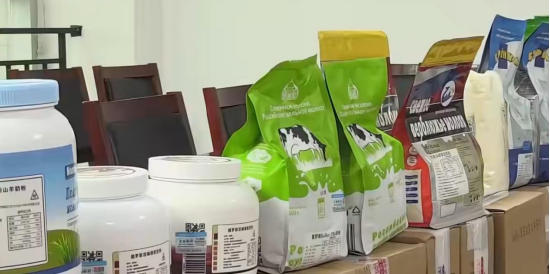
Core Viewpoint - The article highlights the alarming issue of counterfeit infant formula being produced and sold across China, primarily through e-commerce platforms, raising significant concerns about consumer safety and regulatory oversight [1][2]. Group 1: Production and Distribution of Counterfeit Milk Powder - Counterfeit milk powder is being produced using milk powder substitutes like milk fat and starch, and is marketed as imported products on various e-commerce platforms [2][9]. - A police investigation revealed that the counterfeit products were manufactured in a warehouse in a county, with the operation involving multiple workers and a lack of proper production qualifications [7][11]. Group 2: Legal Actions and Criminal Activities - In July, a court sentenced several individuals involved in the production and sale of counterfeit milk powder to prison terms of fifteen years, along with fines [4]. - The police operation in August led to the arrest of 12 individuals and the seizure of over 6,000 boxes of counterfeit milk powder, along with production equipment and raw materials [11][14]. Group 3: Financial Aspects and Profit Margins - The counterfeit milk powder was sold at prices ranging from 30 to 88 yuan per can, while the production cost was only 2 to 4 yuan, resulting in profit margins exceeding ten times the cost [15][16]. - The total amount involved in the counterfeit milk powder operation was reported to be over 6.5 million yuan [14]. Group 4: Health Risks and Nutritional Concerns - Professional assessments indicated that the counterfeit milk powder did not meet national standards for fat and calcium content, and had almost zero protein, posing serious health risks to infants and adults [18].
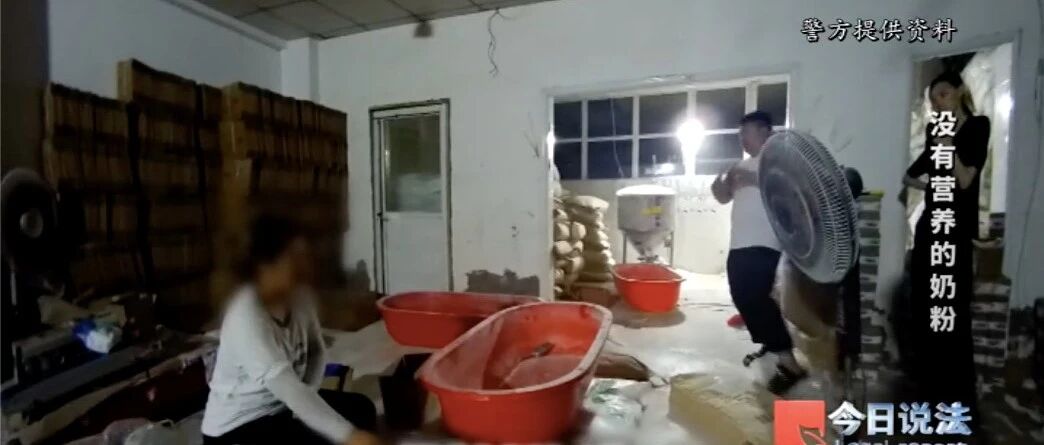
“俄罗斯假奶粉”被警方查获!奶精加淀粉制成,各大平台有售,多方回应
新浪财经· 2025-11-30 08:01
Core Viewpoint - The article reveals a shocking case of counterfeit milk powder production in China, highlighting the dangers of substandard products sold online, particularly for infants and young children [2][6]. Group 1: Incident Overview - In August 2024, police in Zhongmu County, Henan Province, discovered a warehouse producing counterfeit milk powder, leading to the arrest of 12 suspects and the seizure of raw materials and equipment [2][6]. - The counterfeit products, branded as "Russian Flower Cow" and "Russian Blue Cow," were made from low-cost ingredients like vegetable fat powder and maltodextrin, costing only 3-4 yuan per jin, and contained no real milk components [2][6]. - The total amount involved in this counterfeit milk powder case exceeded 6.5 million yuan [2][6]. Group 2: Sales and Distribution - The counterfeit milk powder was sold through major e-commerce platforms, covering almost all provinces in China [2][6]. - Despite the exposure of the incident, the counterfeit brands remained available for sale on various e-commerce platforms, with customer service representatives stating they had not received any notifications regarding product issues [4][8]. Group 3: Health Risks - Experts warn that the consumption of counterfeit milk powder poses significant health risks, particularly for infants, who may suffer from nutritional deficiencies [10][11]. - The article emphasizes the responsibility of regulatory bodies to enhance food safety oversight and the importance of consumers purchasing products from legitimate channels [11][12]. Group 4: Legal Consequences - The main perpetrators of the counterfeit milk powder operation were sentenced to 15 years in prison for producing and selling substandard products, with additional suspects facing prosecution [6][12]. - Similar cases of counterfeit milk powder have been reported in recent years, indicating a persistent issue within the industry despite increased regulatory efforts [12].
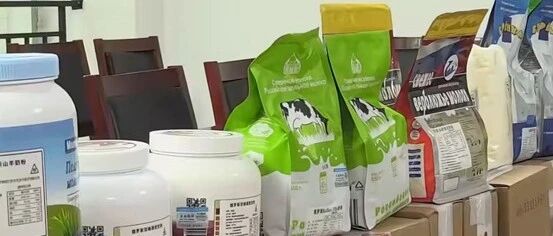
“俄罗斯假奶粉”被警方查获! 奶精加淀粉制成,各大平台有售,多方回应
Xin Lang Cai Jing· 2025-11-30 08:01
Core Viewpoint - A shocking case of counterfeit infant formula has been revealed, involving a criminal gang producing fake milk powder using low-cost ingredients, posing serious health risks to infants and children [3][5][9]. Group 1: Incident Details - In August 2024, police in Henan Province discovered a warehouse producing counterfeit milk powder, leading to the arrest of 12 suspects and the seizure of raw materials and equipment [3][5]. - The fake milk powder was made from non-dairy ingredients like vegetable fat and maltodextrin, costing only 3-4 yuan per kilogram, while being sold online for 30-88 yuan, resulting in profit margins exceeding 10 times [5][9]. - The total amount involved in this counterfeit milk powder case reached over 6.5 million yuan [5][9]. Group 2: Health Risks - Experts warn that the consumption of counterfeit milk powder can lead to nutritional deficiencies in infants, as these products lack essential nutrients necessary for their growth [8][9]. - The counterfeit products are particularly dangerous for infants and children, whose immune systems are weaker and more susceptible to harmful substances [9]. Group 3: Regulatory Response - E-commerce platforms like Taobao, JD.com, and Pinduoduo have stated they will take strict action against sellers of counterfeit products, although no official responses have been received regarding the specific incident [6][9]. - The need for consumers to purchase from legitimate channels and the importance of regulatory oversight in food safety have been emphasized by industry experts [9][10]. Group 4: Historical Context - This incident is not isolated; it reflects a broader issue of counterfeit products in the market, with similar cases of fake imported milk powder being reported in recent years [9][10]. - Previous cases have resulted in significant legal penalties for offenders, indicating ongoing efforts to combat such fraudulent activities [10].
明天起,这些新规将影响你的生活
证券时报· 2025-11-30 03:41
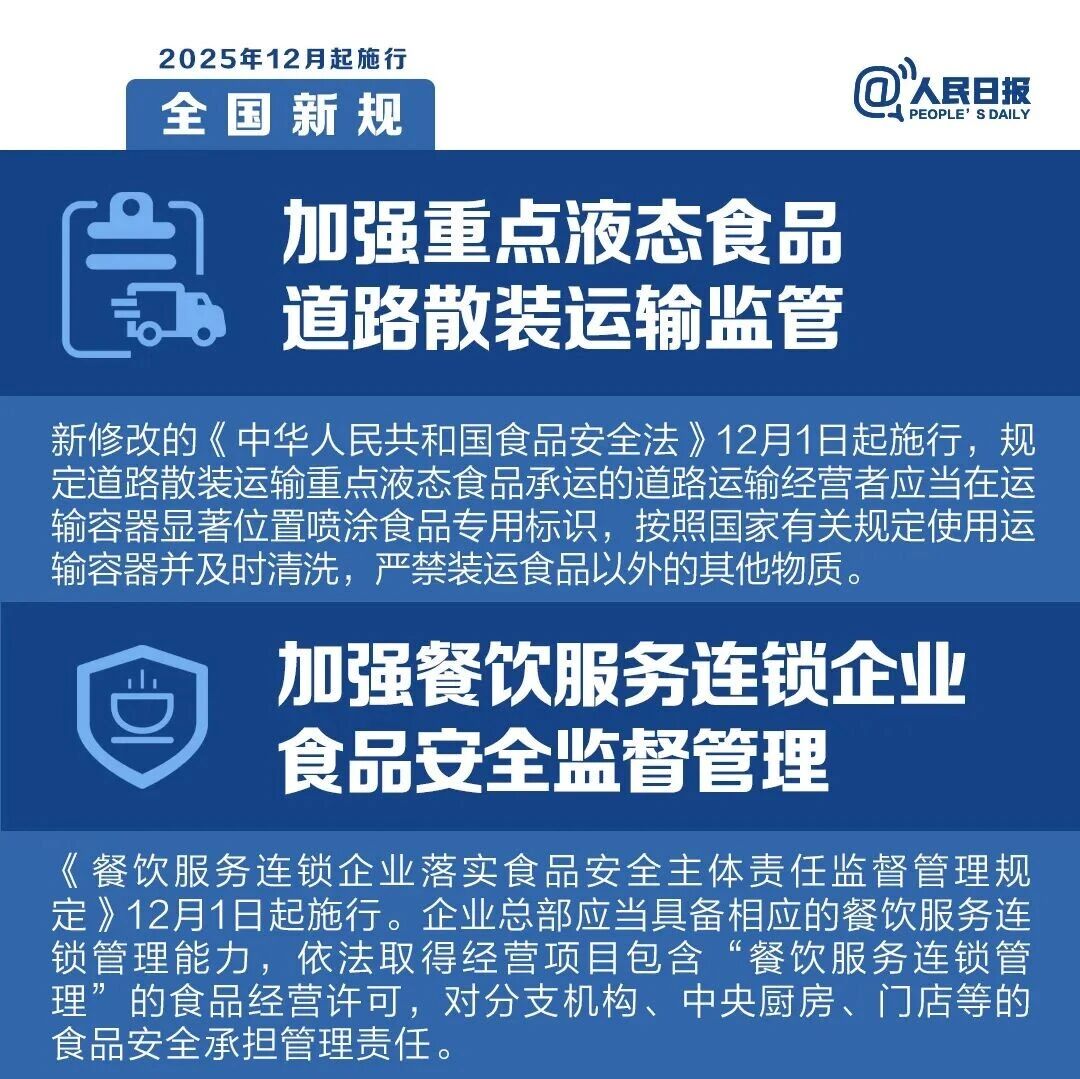
Regulatory Changes in Food Safety and Transportation - The revised Food Safety Law of the People's Republic of China will take effect on December 1, 2025, mandating that road transport operators of key liquid foods must prominently display food-specific labels on transport containers and adhere to national regulations for container use and cleaning [1] - The new regulations for chain catering service enterprises will also be implemented on December 1, requiring headquarters to possess the necessary management capabilities and assume responsibility for food safety across branches and central kitchens [2] Electric Bicycle Regulations - Starting December 1, all electric bicycles that do not meet the new national standards will be banned from sale, emphasizing the importance of CCC certification for consumers [3][4] School Meal Transparency - The Campus Meal Service Management Guidelines will be enforced on December 1, requiring food processing operations to be integrated with an "Internet + Bright Kitchen" system, allowing parents and students to view key food processing steps [5][6] Resource Tax Regulations - New resource tax regulations will clarify that certain mined products used for project backfilling will not be subject to resource tax, effective December 1 [7] Medical Mask Standards - The revised national standard for medical protective masks will prohibit the use of breathing valves in disposable masks, effective December 1, ensuring they are equipped with a nose clip or equivalent design for a secure fit [8] Anti-Money Laundering Regulations - The Anti-Money Laundering and Counter-Terrorism Financing Supervision Management Measures will take effect on December 1, requiring financial institutions to submit annual reports by the end of March each year [11] Individual Business Credit Evaluation - The Individual Business Credit Evaluation Indicators standard will be implemented on December 1, aimed at assisting financial institutions in developing tailored financial products for individual businesses, thereby expanding loan accessibility [13] Environmental Regulations - New regulations in Beijing will ban the use of high-emission non-road mobile machinery starting December 1, promoting environmental sustainability [14] Vocational Education Development - The Liaoning Province Vocational Education Regulations will be enacted on December 1, encouraging the establishment of vocational colleges and expanding enrollment in applied undergraduate programs [16] Weather Modification Management - The Fujian Province Weather Modification Management Regulations will take effect on December 1, emphasizing the use of new technologies in weather modification for disaster prevention and agricultural safety [18] Historical Building Protection - The Shandong Province Historical Building Protection Measures will be implemented on December 1, detailing nine criteria for recognizing historical buildings [19] Food Security in Grain Production - The Henan Province Grain Security Guarantee Regulations will be enforced on December 1, focusing on enhancing the supply of quality and functional grain products [22] Data Flow Regulations - The Hunan Province Data Regulations will take effect on December 1, promoting orderly and efficient data circulation among individuals and organizations [23] Tourism Regulations - The Hainan Free Trade Port Tourism Regulations will allow for the establishment of all-night bars and entertainment venues in key tourist areas starting December 1 [25] Sanitation Worker Rights - The Sichuan Province Urban Sanitation Worker Salary Special Account Implementation Rules will be enacted, aiming to protect the rights of sanitation workers [27]
12月起,这些新规将影响你我生活!
Yang Shi Xin Wen· 2025-11-30 00:36
Group 1 - The new Food Safety Law will take effect on December 1, requiring transport operators of key liquid food to prominently display food-specific labels on transport containers and to clean them timely, prohibiting the transport of non-food items [2] - Starting December 1, all electric bicycles sold must comply with the new mandatory national standards, with old standards being phased out, and consumers are advised to look for CCC certification marks [4] - The regulations for the supervision and management of food safety responsibilities in chain catering enterprises will be implemented on December 1, mandating that chain businesses identify a headquarters with the necessary management capabilities [5] Group 2 - The revised mandatory national standard for medical protective masks will be implemented on December 1, prohibiting the use of breathing valves in disposable medical masks and requiring designs that ensure a secure fit [6] - The Market Supervision Administration's Credit Repair Management Measures will take effect on December 25, enhancing the credit repair system and encouraging parties to correct violations [8] Group 3 - The subsidy distribution method for elderly care in Shaanxi Province will be effective from December 1, providing monthly subsidies of 50 yuan for those aged 70-79, 100 yuan for 80-89, 200 yuan for 90-99, and 300 yuan for those aged 100 and above [10] - The Data Regulation in Hunan Province will take effect on December 1, prohibiting businesses from engaging in unfair competition and monopolistic practices using data [12] Group 4 - The Tourism Regulation in Hainan Free Trade Port will be implemented on December 1, promoting the development of nighttime economy and allowing for extended operating hours for various businesses in key tourist areas [14] - The Guangzhou Housing Safety Management Regulation will take effect on December 1, imposing penalties for unauthorized renovations that compromise safety standards [16]
陕西抽查检查备案外卖平台和入驻商户4.6万家次
Shan Xi Ri Bao· 2025-11-29 23:38
根据报告,陕西抽查检查备案外卖平台和入驻商户4.6万家次,取缔无合法资质商户3281家;大力 推广校园食品安全"十统一六到位"管理模式,全省学校食堂"互联网+明厨亮灶"覆盖率达99.4%,检查 学校食堂8.9万余家次、周边食品经营单位11.8万余家次;开发食用农产品集中交易市场备案系统,全省 农批市场数据归集完整率和准确率超过90%;运行"陕生鲜"食用农产品追溯系统,上线进口冷链食品追 溯系统"陕冷链",启用食品生产经营许可电子证照,全面推进肉类产品无纸化出证;畅通食品安全投诉 举报渠道,办结12315热线维权投诉举报33.6万件。(记者 王姿颐) 11月26日,省十四届人大常委会第十九次会议听取省人大常委会执法检查组关于检查食品安全法和 食品小作坊小餐饮及摊贩管理条例实施情况的报告。近年来,我省扎实推进"一法一条例"全面有效实 施,连续6年在国家食品安全工作评议考核中获得A级等次,全省食品安全形势稳中向好。 ...
纳斯达克上市半年承压:霸王茶姬遭谣言冲击,单店盈利下滑 + 品控问题持续发酵
Sou Hu Cai Jing· 2025-11-28 11:48
Core Viewpoint - The company BaWang Tea Ji, which became a notable IPO in 2025, is currently facing multiple crises including rumors, stock price volatility, slowing growth, and quality control issues, despite its rapid expansion and initial high valuation of nearly $3 billion [1][4]. Group 1: Rumors and Public Response - The founder Zhang Junjie publicly refuted rumors regarding his personal life, emphasizing the need for legal action against false claims that have caused harm to his family [6][9]. - The spread of rumors coincided with a wedding announcement, leading to various unfounded narratives about Zhang's background and business success [3][4]. - The stock market reacted negatively, with BaWang Tea Ji's share price dropping by 8.09% on November 20, 2025, resulting in a market value loss of approximately $210 million [4][6]. Group 2: Business Performance and Challenges - BaWang Tea Ji has experienced a decline in same-store sales, with a reported 23% year-over-year drop in average monthly GMV per store in Q2 2025 [13]. - The company has faced significant quality control issues, including reports of foreign objects found in products, which have raised consumer trust concerns [14][15]. - As of November 2025, the company has accumulated 2,927 complaints on consumer platforms, indicating ongoing operational challenges [16]. Group 3: Expansion and Growth Metrics - BaWang Tea Ji has rapidly expanded its footprint, reaching over 6,000 stores globally by the end of 2024 and achieving a membership base of 178 million [11]. - The company was noted for its aggressive growth strategy, aiming to open 1,000 new stores annually prior to its IPO [11].