
经济全球化

Search documents
新华社评论员:推动中俄关系迈向更加成熟和坚韧的明天
Xin Hua She· 2025-05-09 18:47
Group 1 - The core viewpoint of the articles emphasizes the deepening of China-Russia relations, marked by President Xi Jinping's state visit to Russia and participation in the 80th anniversary of the victory in the Great Patriotic War [1][2] - The two countries have signed a joint statement to further deepen their comprehensive strategic partnership, showcasing a commitment to mutual support and cooperation [1][2] - The historical context of the China-Russia relationship is highlighted, emphasizing their shared struggles and mutual respect as foundational elements for ongoing collaboration [2][4] Group 2 - The economic partnership between China and Russia is robust, with trade expected to reach $244.8 billion in 2024, maintaining China's position as Russia's largest trading partner for 15 consecutive years [3] - Cooperation spans various sectors including energy, agriculture, aerospace, and artificial intelligence, indicating a broadening of the economic relationship [3] - Cultural exchanges and local interactions are increasingly vibrant, enhancing mutual understanding and people-to-people connections [3] Group 3 - The articles assert that the continuation and deepening of China-Russia relations are essential for upholding international justice and reforming the global governance system [4] - Both countries are positioned as stabilizing forces in the international community, advocating for a multipolar world and equitable global governance [4] - The strategic collaboration between China and Russia is framed as a response to global changes, with both nations committed to advancing their development and addressing common challenges [4]
金十图示:2025年05月09日(周五)新闻联播今日要点
news flash· 2025-05-09 13:10
Group 1 - The core message emphasizes the deepening of the strategic partnership between China and Russia, highlighting the signing of a joint statement to enhance cooperation and mutual trust [2][3][4] - Xi Jinping's visit marks the 11th time he has visited Russia, underscoring the importance of the bilateral relationship over the past decade amid global changes [2][5] - Both leaders expressed a commitment to maintaining close communication and collaboration to address international challenges and promote global governance [5][6] Group 2 - The historical context of the China-Russia relationship is highlighted, referencing their joint efforts during World War II and the foundation of their current partnership [3][4] - The two countries aim to enhance practical cooperation across various fields, with a focus on mutual benefits and economic growth [3][4] - Both nations are committed to upholding international order and promoting a multipolar world, emphasizing the importance of multilateralism [4][5] Group 3 - The discussion included the Ukraine crisis, with China advocating for a comprehensive and sustainable global security perspective [6] - Russia appreciates China's objective stance on the Ukraine issue and expresses willingness to engage in peace talks without preconditions [6] Group 4 - The trade relationship between China and Russia is characterized by significant growth, with both countries aiming to further enhance their economic ties [3][4] - The importance of maintaining a stable and cooperative international environment is reiterated, with both leaders emphasizing their roles in global governance [4][5]


中方答应美谈判,一定要吸取4年前教训,不能把美国人“想得太好”
Sou Hu Cai Jing· 2025-05-09 12:26
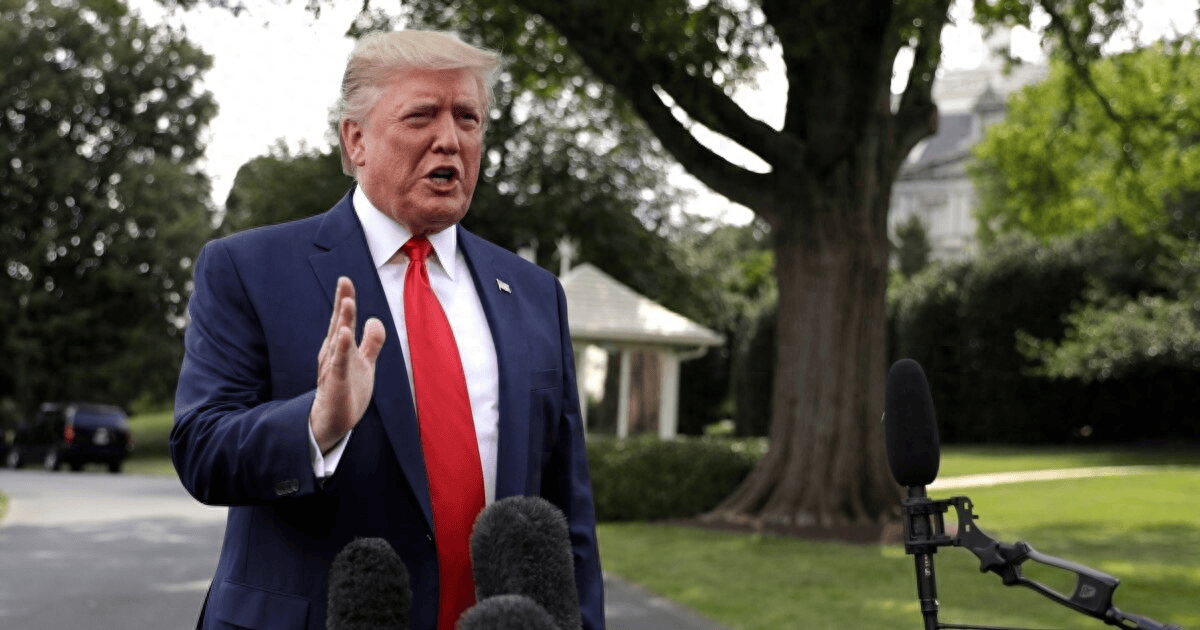
据环球时报报道,7日,外交部发言人主持例行记者会。有外媒记者提问,今天早些时候,商务部和外交部都宣布了中方高层将赴瑞士和美方进行会谈。中 方对此次会谈有何期待?发言人对此表示,美方近期不断的表示,希望同中方进行谈判。这次的会谈是应美方的请求举行的。中方坚决反对美国滥施关税这 一立场没有任何变化。同时我们也多次说过,中方对对话持开放态度,但任何对话都必须建立在平等、尊重、互惠的基础上。任何形式的施压、胁迫对中国 都是行不通的。 特朗普(资料图) 之前,中国外交部发言人就表示,这场关税战是美方挑起的,中方的态度是一贯的,也是明确的。打,奉陪到底,谈,大门敞开。美方近期不断表示,希望 同中方进行谈判,关税战、贸易战没有赢家,如果美方真想通过对话谈判解决问题,就应该停止威胁施压,在平等、尊重、互惠的基础上同中方开展对话。 中美贸易(资料图) "中国同意和美国接触有利于更好传达我方立场。但这不等于谈判,也不意味着让步。"复旦大学美国研究中心副主任7日对《环球时报》记者表示,无论是 接触、会谈还是未来可能的谈判,中方都将维护自身利益,"这是中方考虑到国际经济发展以及中美两国互动而采取的善意举措"。路透社提到,这将是今年 ...
历史节点元首互动 中俄关系稳步前行
Zhong Guo Xin Wen Wang· 2025-05-09 11:43
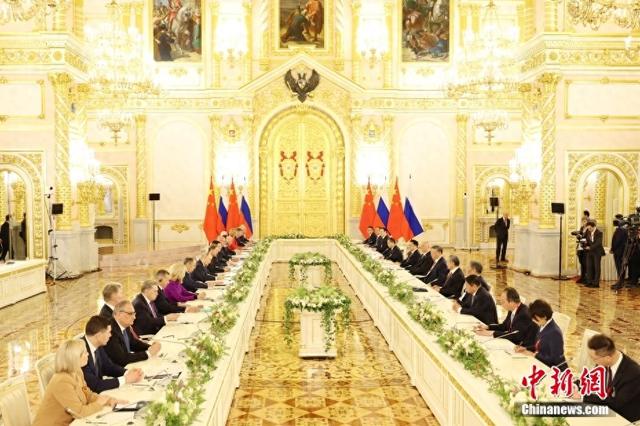
Core Viewpoint - The meeting between Chinese President Xi Jinping and Russian President Vladimir Putin signifies a deepening of strategic cooperation and a commitment to stable, high-level development of China-Russia relations, especially in the context of historical commemorations [1][3][5]. Group 1: Strategic Cooperation - Both leaders agreed to deepen strategic collaboration and promote a stable and healthy development of bilateral relations [1][3]. - Xi emphasized the importance of maintaining strategic determination and collaboration to overcome any external challenges [6][8]. - The leaders signed a joint statement to further deepen the comprehensive strategic partnership, highlighting the significance of their cooperation in various fields [5][8]. Group 2: Economic and Cultural Cooperation - The discussions included plans to expand high-quality mutual cooperation in trade, energy, and cultural exchanges, aiming to solidify the foundation for cooperation [5][6]. - There is a focus on enhancing cooperation in traditional sectors like energy and agriculture, as well as exploring new areas such as digital economy [5][6]. - The leaders proposed a series of cultural exchange initiatives across education, film, tourism, and sports to benefit both nations [5][8]. Group 3: Global Governance and Stability - The joint statements reflect a commitment to uphold international law and address global strategic stability amid current international challenges [8]. - Both countries aim to strengthen collaboration in multilateral platforms like the UN and BRICS, advocating for a multipolar world and opposing unilateralism [8]. - The historical context of the meeting, coinciding with the 80th anniversary of the UN, adds significance to their joint efforts in promoting global justice and governance reform [6][8].
二十国集团(G20)召开贸易投资工作组第二次会议,多方高度关注并反对单边主义和保护主义
news flash· 2025-05-09 06:44
5月6-8日,2025年二十国集团(G20)贸易投资工作组第二次会议在南非开普敦线下举行。会议专门增设 有关议程,G20成员和相关国际组织围绕应对当前全球贸易挑战、面向未来的贸易议程等进行讨论。中 方在会上表示,美国政府以"对等"为名,滥施关税大棒,是典型的单边主义、保护主义和经济霸凌行 径,严重破坏以规则为基础的多边贸易体制和国际经贸秩序。美方应正视国际经贸规则、公平正义和各 界理性声音,纠正错误做法,在平等、尊重、互惠的基础上解决各方关切。中国将坚定不移扩大高水平 对外开放,推动建设普惠包容的经济全球化。(商务部) ...
关税冲击下的广东突围:多行业探索新路径,展现中国经济韧性
Nan Fang Du Shi Bao· 2025-05-09 03:38
Group 1: Impact of Tariffs on Guangdong Industries - Since April, the U.S. has imposed tariffs that have significantly impacted global trade, prompting Guangdong, China's largest economy and foreign trade province, to actively respond [1] - Various industries in Guangdong, including home furnishings, small appliances, and textiles, are adapting by exploring new development paths and leveraging platforms like the Canton Fair [1][2] - Companies are focusing on high-end customized products, building their own brands, and enhancing bargaining power while tapping into domestic demand and expanding overseas production capacity [1] Group 2: Market Strategy Adjustments - Companies like Hengjia Craft Products have shifted their market focus to Europe, particularly France, achieving substantial order volumes by aligning products with regional cultural demands [2] - Guangdong small appliance firms are targeting Southeast Asia and the Middle East, with companies like Xinyuntao Technology actively seeking new customers at trade fairs [3] - The strategy of transitioning from single-function products to scene-adapted offerings is being adopted by companies to better meet market demands [4][5] Group 3: Domestic Market Exploration - Companies are increasingly recognizing the potential of the domestic market, with some, like Shenzhen's Innovation Micro-Yue, pivoting their business focus to local consumers [5][6] - The toy industry in Guangdong is noted for its robust supply chain, making it difficult for U.S. markets to shift away from reliance on Chinese production [6] - Water product exporters, such as Guolian Aquatic Products, are adapting by offering high-quality products at competitive prices to domestic consumers [6][7] Group 4: Overseas Production and Bargaining Power - The ceramics industry in Guangdong is undergoing transformation, with companies like Kabuqichino investing in overseas production facilities to mitigate tariff impacts [8][9] - Lighting companies are enhancing their bargaining power and exploring new markets while establishing overseas production bases to reduce tariff effects [10][11] - The trend of relocating production to regions like Southeast Asia is growing, with companies like Zhaoming Technology acquiring local firms to facilitate production and distribution [11] Group 5: U.S. Market Concerns - U.S. businesses are increasingly anxious about the impact of tariffs, with associations warning that the new policies could destabilize local economies reliant on Chinese imports [12][14] - The wedding dress industry in the U.S. is particularly affected, with a significant portion of production occurring in China, leading to increased costs and supply chain delays [13][14] - The overall sentiment among U.S. retailers and consumers indicates a growing realization of the interdependence between U.S. and Chinese industries, emphasizing the unstoppable trend of economic globalization [14]
近4小时会谈、3项联合声明、20多份双边合作文本,中俄元首今年首次面对面会晤成果颇丰
Xin Lang Cai Jing· 2025-05-09 02:57
Group 1: Core Points - The visit of President Xi Jinping to Moscow is aimed at commemorating the 80th anniversary of the victory in the Great Patriotic War and strengthening Sino-Russian relations [1][2] - Both leaders agreed to deepen strategic cooperation and promote a stable, healthy, and high-level development of Sino-Russian relations [2][3] - The discussions emphasized the importance of maintaining the authority of the United Nations and upholding international fairness and justice [3][4] Group 2: Economic Cooperation - A significant focus was placed on enhancing trade and investment cooperation, with a goal to achieve substantial breakthroughs by 2030 [6][7] - China has maintained its position as Russia's largest trading partner for 15 consecutive years, with trade volume reaching $244.8 billion in 2024 [7] - The cooperation spans various sectors including energy, agriculture, aerospace, and digital economy, with a strong momentum in emerging fields [7][8] Group 3: Political and Strategic Alignment - The leaders discussed the need for close strategic communication to navigate global changes and promote a multipolar world [7][8] - Both countries expressed a commitment to oppose unilateralism and sanctions, advocating for a fair international trade system [8][9] - The discussions also included coordination on the Ukraine issue, aiming to present a constructive dialogue atmosphere [8]
习近平同俄罗斯总统普京会谈
国家能源局· 2025-05-09 02:17
Core Viewpoint - The meeting between Russian President Putin and Chinese President Xi Jinping on May 8 in Moscow emphasized the commitment to deepen strategic cooperation and enhance the stability and high-level development of Sino-Russian relations, while also addressing significant international and regional issues [1][12]. Group 1: Meeting Details - The meeting took place at the Kremlin, where a formal welcome ceremony was held for Xi Jinping by Putin [2][5]. - Both leaders participated in small and large-scale discussions to address various topics of mutual interest [7][11]. Group 2: Bilateral Relations - Xi highlighted the stable and healthy development of Sino-Russian relations, characterized by mutual trust, practical cooperation, and cultural exchanges [12]. - The leaders agreed on the importance of maintaining international fairness and justice, particularly in the context of the 80th anniversary of the victory in World War II [12][14]. Group 3: Areas of Cooperation - The discussion included enhancing cooperation in various fields such as trade, energy, agriculture, aerospace, and artificial intelligence [13]. - Both sides expressed a commitment to strengthen cultural exchanges and cooperation in education, tourism, and sports [13][14]. Group 4: Joint Statements and Agreements - A joint statement was signed to further deepen the comprehensive strategic partnership, along with the exchange of over 20 bilateral cooperation documents covering various sectors [15][16]. - The leaders tasked relevant departments to enhance communication and practical cooperation to achieve tangible results [16].

习近平同俄罗斯总统普京茶叙
证监会发布· 2025-05-09 01:50
Core Viewpoint - The meeting between Russian President Putin and Chinese President Xi Jinping emphasizes the importance of strategic cooperation between China and Russia in the face of global changes and challenges, advocating for a multipolar world and economic globalization [1][2]. Group 1: Strategic Cooperation - Xi Jinping highlighted that as long as China and Russia maintain strategic determination and cooperation, no force can hinder their development and the trend towards a multipolar world [1]. - Putin expressed that the friendship between Russia and China is unbreakable and emphasized the need for close strategic communication to navigate international challenges [1]. Group 2: Ukraine Crisis - Both leaders discussed the Ukraine crisis, with Xi advocating for a comprehensive and sustainable global security perspective, emphasizing the importance of addressing the root causes of the crisis [1]. - Xi welcomed all efforts conducive to peace and expressed hope for a fair, lasting, and binding peace agreement through dialogue [1]. - Putin praised China's objective and fair stance on the political resolution of the Ukraine crisis and expressed Russia's willingness to start negotiations without preconditions [2].
俄罗斯专家认为—— 中国经济能有效应对关税挑战
Jing Ji Ri Bao· 2025-05-08 21:46
Core Viewpoint - The new U.S. government's trade war and tariff policies are seen as detrimental to global economic development and are unlikely to achieve the intended effects, with China demonstrating greater economic resilience to external shocks [1][2][3] Group 1: U.S. Trade Policies - The U.S. government's imposition of tariffs is viewed as a manifestation of its hegemonic ambitions, aiming to restructure economic relations globally [1] - Experts argue that unpredictable tariff policies hinder not only global trade but also the U.S. economy itself, with potential negative impacts expected to manifest by the end of 2025 if the current situation persists [2] - The high tariffs are perceived as negotiation tools rather than sustainable measures, with expectations of partial reductions and exemptions in the future [2] Group 2: China's Economic Resilience - China's economy is characterized by strong resilience, capable of effectively responding to the challenges posed by the U.S. trade war [3] - The trade war has prompted China to diversify its trade partners and enhance economic interactions with countries outside the U.S., potentially strengthening its position in the Russian market [3] - Despite short-term losses due to the trade war, China's economic influence is expected to grow, positioning it as a significant player in a multipolar world [3]