数实融合

Search documents
乘“数”而上,构筑竞争新优势(评论员观察)
Ren Min Ri Bao· 2025-05-14 22:41
Core Insights - The digital economy in China has shown significant growth, with the scale ranking second globally and a projected data production growth of 25% in 2024 [2] - The integration of digital technologies into various sectors is enhancing consumer experiences and driving economic development [1][4] Group 1: Digital Economy Growth - China's digital economy scale is expected to reach substantial figures, with data production projected to grow by 25% in 2024 [2] - The total computing power is anticipated to reach 280 EFLOPS, and mobile IoT terminal users are expected to hit 2.656 billion [2] - The country accounts for 61.5% of the global new generative AI patents, indicating a strong position in digital technology innovation [2] Group 2: Digital Infrastructure and Resource Allocation - The construction of digital infrastructure is a priority, with significant achievements in new infrastructure development, particularly in computing power [5] - There are disparities in development between regions and urban-rural areas, necessitating targeted resource allocation to address these imbalances [5] - The release of data element value is crucial, with reforms aimed at promoting efficient and secure data circulation [6] Group 3: Digital Production and Consumption - Digital production capabilities are being enhanced, with platforms like Haier's industrial internet serving 160,000 enterprises to facilitate digital transformation [4] - There is a need to explore the potential of digital consumption by leveraging technologies like AI to create new consumer experiences [4] - Optimizing regulation and addressing consumer pain points are essential for fostering a secure digital consumption environment [4] Group 4: Industry Digitalization - The digitalization of industries is vital, with examples such as smart agriculture and automated mining operations showcasing the impact of data [3] - The integration of digital and traditional industries is expected to expand the scope and depth of the real economy [3] - A balanced approach to digital industrialization and industry digitalization is necessary for sustainable growth [3]
全国首套数据交易系列标准落地应用
Xin Hua Cai Jing· 2025-05-14 12:17
Group 1 - The core viewpoint of the news is the launch of the first national data trading standard implementation action in Beijing, aimed at promoting the application of data trading standards and facilitating the construction of a unified national data market [1][2] - The action includes a comprehensive standard system developed by the Beijing International Big Data Exchange, covering general guidelines, service guidelines, and security assessments for data trading, providing a full range of standard support for data transactions [1][2] - The event also introduced 10 pilot units for the data series standards in Beijing and 10 pilot units in Chaoyang District, showcasing the practical application of these standards [1][2] Group 2 - A notable innovation is the release of the first standard implementation tool in the data trading field, which establishes a comprehensive security assessment system covering data providers, data demanders, and trading venues [2] - The tool is based on the local standard for data trading security assessment, allowing enterprises to accurately grasp the core essence of the standards and scientifically evaluate their security levels, significantly lowering the barriers to standard implementation [2] - By 2025, Chaoyang District aims to have 10 core enterprises involved in the formulation of data trading standards, 100 key enterprises participating in pilot implementations, and standard services covering 1,000 enterprises, enhancing the district's influence in the data trading sector [2][3] Group 3 - The Beijing International Big Data Exchange plans to focus on key directions, fields, and enterprises for ongoing standard implementation work, including the development of local standards for data productization, assetization, cross-domain circulation, and anonymization technologies [3] - The application of standards will be emphasized in key sectors such as advanced manufacturing, healthcare, finance, transportation, and energy, promoting the integration of data and real economy [3] - The initiative targets data-driven and innovative enterprises, providing standard support for high-quality development [3]
数实融合为制造业转型升级插上“智慧翅膀”
Zhong Guo Chan Ye Jing Ji Xin Xi Wang· 2025-05-13 23:25
Group 1 - The core viewpoint of the articles highlights the acceleration of digital transformation and smart manufacturing in Shandong Province, showcasing successful case studies of companies leveraging advanced technologies to enhance operational efficiency [1][2] Group 2 - Company A,艾迪精密, has improved work efficiency significantly, with one worker now able to accomplish the work of three, thanks to automation and robotic technology [1] - Company B,恒信高科能源, has reduced its annual maintenance workload by 35% through the implementation of a preventive maintenance digital control system, which utilizes advanced sensing technology [1] - Shandong Province has introduced several policies aimed at promoting digital transformation in manufacturing, including the "Shandong Manufacturing Digital Transformation Action Plan (2022-2025)" [1] Group 3 - 清峦福兴工业科技集团 has developed an AI human-machine dialogue function for CNC machine tools, achieving a hundredfold increase in operational efficiency [2] - The Shandong government aims to cultivate over 200 provincial-level smart factories and digital workshops annually, focusing on new-generation information technology and high-end manufacturing sectors [2] - By 2027, Shandong plans to establish 70 provincial-level "industrial brains" and nurture 10,000 "morning star factories" to further enhance industrial digitalization [2]

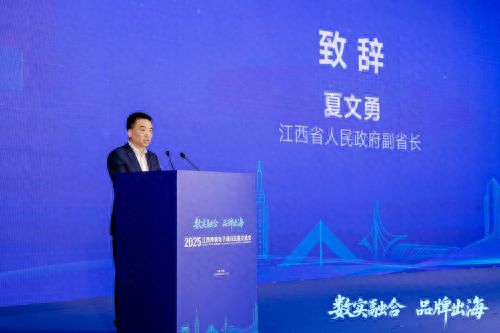
2025江西跨境电子商务发展交流会在南昌举办
Huan Qiu Wang Zi Xun· 2025-05-10 02:18
Core Viewpoint - The "2025 Jiangxi Cross-Border E-Commerce Development Exchange Conference" aims to enhance the development of cross-border e-commerce in Jiangxi Province, addressing key challenges and promoting collaboration among businesses and educational institutions [1][6]. Group 1: Government Initiatives - Jiangxi Province has a historical significance as a key supplier along the ancient Silk Road, and the conference is seen as a way to overcome development bottlenecks in cross-border e-commerce [1][6]. - The provincial government is committed to optimizing the business environment to support entrepreneurs and enhance the overall development of cross-border e-commerce [1][6]. Group 2: Local Development and Achievements - Since the establishment of the China (Nanchang) Cross-Border E-Commerce Comprehensive Pilot Zone in 2018, Nanchang has developed a cross-border e-commerce industrial park, achieving a cumulative transaction scale exceeding 500 billion yuan over the past five years [3]. - Nanchang's development strategy includes a core comprehensive bonded zone supported by multiple districts, enhancing its position as a transportation hub and expanding its open platforms [3]. Group 3: Industry Collaboration and Projects - The conference featured a high-level dialogue among representatives from various cross-border enterprises, focusing on the integration of digital and physical commerce to build a new ecosystem [5]. - Several key projects were signed during the conference, including the operation of the Nanchang Cross-Border E-Commerce Industrial Park and collaborations between digital trade centers and local universities [5]. Group 4: Future Outlook - The conference is positioned as a strategic response to global trade digitalization, aiming to attract quality cross-border e-commerce projects and stimulate high-quality economic development in Jiangxi [6]. - Jiangxi aims to provide replicable experiences for national cross-border e-commerce industry upgrades, contributing to the integration of digital and physical economies [6].

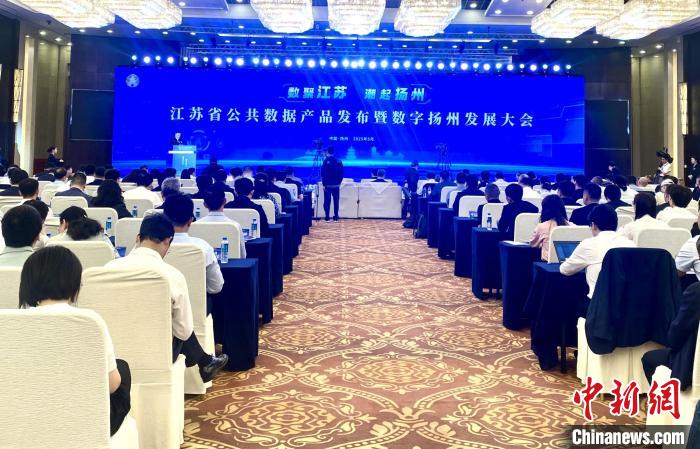
江苏扬州深度拥抱数字经济大潮 推动“数字游民下扬州”
Zhong Guo Xin Wen Wang· 2025-05-08 10:31
Core Insights - The development of the digital economy is essential for the growth of Yangzhou, aligning with broader trends and urban development needs [1][3] Group 1: Digital Economy Development - Yangzhou is embracing the digital economy, focusing on transforming traditional industries, strengthening emerging industries, and launching future industries through digital empowerment [3] - The core industries of Yangzhou's digital economy have over 1,600 enterprises, with the new generation information technology industry cluster reaching a scale of 118.5 billion [3] - Yangzhou ranked third nationally for new 5G factories added last year and has been listed among the top 100 cities for digital economy for three consecutive years [3] Group 2: Public Data Products and Initiatives - The Jiangsu Provincial Public Data Products "Su She Fen" and "She Qi Fu" were officially launched, aimed at financial and urban governance sectors based on provincial human resources data [3] - Yangzhou is initiating the construction of a "Digital Nomad" city, promoting the concept of "Yangzhou has data, nomads have homes" [3] Group 3: Policy and Strategic Framework - The Yangzhou government emphasizes a comprehensive approach to digital city construction, including top-level design and a "1+4+N" model for digital transformation [4] - Policies such as the "1+3" regulatory framework for data elements and the introduction of "computing power vouchers" and "data vouchers" have been implemented to stimulate development [4] - The city aims to create a stronger, more vibrant digital ecosystem, inviting businesses and talents from across the country and globally to invest and innovate in Yangzhou [4]
广东发布31条措施提振消费
Sou Hu Cai Jing· 2025-05-08 00:55
Core Viewpoint - The Guangdong Provincial Government has issued a comprehensive plan to boost consumption, focusing on various sectors including consumer goods, employment, and social services, with specific measures to enhance economic activity and support residents' livelihoods [2][3][4][5][6][9]. Group 1: Consumer Goods and Services - The plan includes 31 specific measures across 8 areas, emphasizing the implementation of a consumption goods replacement program, which supports the trade-in of old vehicles and 12 categories of household appliances, as well as subsidies for new digital products [2][7]. - There is a focus on enhancing the quality of service consumption and upgrading durable goods, leveraging Guangdong's rich culinary and tourism resources to promote local consumption [6][9]. - The plan aims to optimize the subsidy process for the replacement of consumer goods and expand participation to include foreign residents [7]. Group 2: Employment and Income Growth - The plan emphasizes the need for stable growth in wage income and the expansion of property income channels, targeting the employment of 1.1 million new urban jobs by 2025 [3]. - It encourages listed companies to implement employee stock ownership plans and supports individual investors in government bond markets [3]. - Special employment services will be organized for vulnerable groups, including the elderly and long-term unemployed [3]. Group 3: Social Services and Welfare - The plan outlines measures to enhance reproductive support, educational services, and healthcare for the elderly, aiming for 90% of primary healthcare institutions to provide pediatric services by 2025 [4][5]. - It proposes increasing basic pension and healthcare subsidies for urban and rural residents, with a target of over 40% for integrated medical and nursing services for seniors by 2025 [5]. - The plan also highlights the importance of the silver economy, promoting the development of senior-friendly living experiences and services [5][8]. Group 4: Regulatory and Environmental Improvements - The plan calls for strict enforcement of paid annual leave and encourages flexible holiday arrangements to enhance consumer spending [9]. - It aims to improve the business environment by reducing consumption restrictions and streamlining approval processes for promotional activities and community markets [9]. - The plan includes measures to stabilize the real estate market and promote vehicle purchases through relaxed restrictions [9].

广东:大力发展新型消费 推进“人工智能+消费”
Zhong Guo Xin Wen Wang· 2025-05-07 18:43
Group 1 - Guangdong Province is launching a special action plan to boost consumption, focusing on the development of new types of consumption, particularly through the integration of artificial intelligence and various technologies [1][2] - The plan emphasizes the promotion of AI applications in sectors such as elderly care, education, healthcare, government services, home decoration, and shopping payments, aiming to create demonstration applications in these areas [1] - Guangdong will accelerate the application of new technologies like AI large models, virtual reality, and digital twins to create integrated digital and physical scenarios, enhancing the digital consumption experience [1] Group 2 - The plan includes the "Robot+" initiative to explore and expand the application scenarios for robotics in consumer markets [2] - Guangdong aims to systematically reduce consumption restrictions, particularly in the real estate sector, by reviewing and adjusting existing purchasing, transfer, credit, and pricing limitations to stabilize the market [2] - The province encourages cities like Guangzhou and Shenzhen to relax vehicle purchase restrictions and implement new policies to facilitate car ownership, shifting from purchase management to usage management [2]
事关提振消费!广东印发专项行动方案
Nan Fang Du Shi Bao· 2025-05-07 11:25
近日,广东省人民政府办公厅印发《广东省提振消费专项行动实施方案》(下称《方案》)。《方案》围 绕居民就业增收、居民保障、服务消费、大宗消费、消费品质、消费环境、限制措施、政策保障等八个 方面提出三十一条措施。 《方案》提到,扩大商旅文体融合消费。优化"线上预约",引导旅游景区景点和博物馆、美术馆、文化 馆、科技馆等场馆拓展服务项目,有序扩大接待规模,合理延长经营开放时间。培育壮大"+旅游"等商 旅文体融合消费,支持A级景区、博物馆、美术馆等引入餐饮、演艺、研学等消费业态。 积极促进入境消费。持续提升通关便利化和服务保障水平,吸引港澳居民来粤消费。支持广州、深圳、 珠海、汕头、江门、潮州等地市推出优质特色入境旅游线路和服务,为来粤外籍商务、医疗和机组培训 人士提供签证便利,提高境外旅客在粤住宿餐饮、交通出行、购物支付、通信、就医等环节便利化水 平,打造入境旅游首站城市和枢纽城市。 在大宗消费更新升级方面,《方案》强调加力扩围实施消费品以旧换新,用足用好消费品以旧换新政 策,资金分配适度向"两新"工作成效较好的地市倾斜。继续支持汽车置换更新,扩大汽车报废更新支持 范围,将符合条件的国四排放标准燃油乘用车纳入报废更 ...

广东发文提振消费:鼓励广深增发购车指标,开展“机器人+”深挖机器人消费应用场景
2 1 Shi Ji Jing Ji Bao Dao· 2025-05-07 11:18
Core Viewpoint - The Guangdong Provincial Government has officially issued the "Implementation Plan for Boosting Consumption," aiming to stimulate consumer potential and promote the prosperity of the consumption market in the province [1][2]. Group 1: Employment and Income Enhancement - The plan includes the "Million Talents Gather in South Guangdong" initiative, targeting the recruitment of 1 million college graduates for employment and entrepreneurship in Guangdong [1]. - It aims to train over 780,000 skilled workers by 2025 through programs like "Cantonese Cuisine Master," "Guangdong Technicians," and "South Guangdong Housekeeping" [1]. - The government will continue to implement a temporary reduction in unemployment insurance rates and improve the minimum wage adjustment mechanism to ensure workers receive fair compensation [1]. Group 2: Consumer Confidence and Support - To enhance consumer confidence, the plan will increase support for childbirth and childcare, including the implementation of childcare subsidies and simplifying the subsidy distribution process [2]. - It emphasizes improving educational services and ensuring access to education for children of migrant workers, alongside increasing student financial aid [2]. - The plan also aims to enhance healthcare and elderly care services, including the establishment of a reasonable adjustment mechanism for basic pension insurance benefits [2]. Group 3: Promotion of Major Consumption Markets - The plan proposes to implement a trade-in policy for consumer goods, particularly in the automotive, home appliance, and digital product sectors, encouraging businesses to adopt a model combining fiscal subsidies, corporate discounts, and financial empowerment [3]. - It aims to utilize local government special bonds to promote urban village renovations and increase the supply of affordable housing [3]. - The plan seeks to expand the automotive market by advocating for national support for automotive circulation reform trials and establishing a second-hand car trading service platform [3]. Group 4: Brand Influence and New Consumption Models - Guangdong will enhance the influence of consumption brands and support the development of original intellectual property (IP) brands, particularly in emerging sectors like animation, gaming, and e-sports [4]. - The plan promotes the application of new technologies such as AI and virtual reality to create integrated digital and physical consumption scenarios [4]. - It encourages the development of low-altitude and yacht tourism, supporting the demonstration of low-altitude consumption application scenarios [4]. Group 5: Infrastructure and Policy Adjustments - The plan emphasizes the construction of smart commercial facilities and improving community commercial service systems [4]. - It aims to gradually reduce consumption restrictions and adjust policies related to purchasing, transferring, and credit [4]. - The government encourages cities like Guangzhou and Shenzhen to relax vehicle purchase restrictions and increase car purchase quotas [4].

《民营经济促进法》赋能RWA加速器:以“数据跨境+资产上链”重塑实体经济新生态
Sou Hu Cai Jing· 2025-05-07 02:18
Core Viewpoint - The RWA (Real World Asset Tokenization) accelerator is emerging as a strategic engine for private enterprises to overcome financing bottlenecks and activate asset liquidity, driven by the policy backdrop of the "Private Economy Promotion Law" aimed at high-quality development of the private economy [1][12]. Group 1: Financing Solutions - The "Private Economy Promotion Law" emphasizes optimizing the financing environment and lowering market entry barriers, while the RWA accelerator addresses the pain points of insufficient collateral and high financing costs for SMEs by tokenizing physical assets into tradable on-chain assets [3]. - For instance, Longxin Technology tokenized the revenue rights of over 9,000 charging piles, raising 100 million yuan in the Hong Kong Monetary Authority's Ensemble sandbox, with financing costs reduced by 30% compared to traditional methods [3]. Group 2: Policy Support for Data Cross-Border Flow - The Hainan Free Trade Port's "Trial Measures for the Security Management of Cross-Border Data Flow" and Hong Kong's QFLP pilot policy provide institutional guarantees for RWA's cross-border compliance [4]. - Private enterprises can achieve a closed-loop ecosystem through the Hainan-Hong Kong "dual hub" model, facilitating "onshore asset tokenization - offshore capital connection" and attracting global capital, including sovereign funds from the Middle East, to participate in advantageous industries like green energy and cultural tourism [4]. Group 3: Standardization and Compliance Framework - The first domestic "Trusted Blockchain Entity Asset Trusted On-Chain Technical Specification" was developed with participation from companies like GCL-Poly and Ant Group, outlining core requirements for data collection and identity verification, providing a technical framework akin to "5G standards" for RWA operations [5]. Group 4: Technological Integration - The RWA accelerator leverages AIoT devices to collect real-time operational data of assets, such as photovoltaic generation and charging pile usage, combined with blockchain technology to achieve full lifecycle evidence [6]. - For example, GCL-Poly uses smart terminals to collect household photovoltaic data, generating traceable and tamper-proof digital tokens through Ant Chain technology, enhancing annual financing efficiency by 50% [6]. - The "Data Asset Shell" service system launched by Shanghai Data Exchange transforms intangible assets like agricultural production data and cultural tourism IP into on-chain "gold assets," enabling cross-chain value transfer through the "Multi-Chain Co-Track" mechanism [6]. Group 5: Sectoral Focus - The new energy sector is a core area for RWA, with projects like the tokenization of charging piles by Ant Group and Longxin Technology not only lowering financing thresholds but also attracting global ESG capital for China's green infrastructure [8]. - The Shanghai Malu Grape RWA project demonstrates how data assetization can achieve brand enhancement and financing breakthroughs, while Hainan's cultural tourism enterprises are tokenizing scenic area tickets and hotel rights to attract overseas investors for ecological protection and consumption upgrades [9]. Group 6: Supply Chain Financial Reconstruction - The pilot of commodity warehouse receipt tokenization in Hainan Free Trade Port has reduced the accounts receivable turnover days from 60 to 7, addressing cash flow challenges for SMEs [10]. - This model can be replicated in regions like Chengdu-Chongqing and the Yangtze River Delta, forming a national RWA ecological network [10]. Group 7: Dynamic Legal Adaptation - Drawing on the experience of Hong Kong's Ensemble project, there is a push for more regions to establish "regulatory sandboxes" allowing SMEs to independently apply for RWA pilot projects, utilizing AI-driven compliance tools to mitigate cross-border risks [11]. - The RWA technical specifications led by China Academy of Information and Communications Technology and Ant Group aim to provide a compliance model for the global market, with potential to promote RWA models in Southeast Asia and the Middle East through Belt and Road cooperation [11].