世界模型

Search documents
第八届 「GAIR 全球人工智能与机器人大会」即将启幕:穿越AI长夜,共睹群星闪耀
雷峰网· 2025-11-10 10:05
Core Insights - The GAIR Global Artificial Intelligence and Robotics Conference will take place on December 12-13, 2025, in Shenzhen, focusing on the advancements in AI and robotics [2][10] - The conference will feature discussions on large models, embodied intelligence, computational power transformation, reinforcement learning, and world models, showcasing the forefront of AI exploration [3][4] - The event aims to bridge academia and industry, highlighting the importance of collaboration in advancing AI technologies and their applications in the real world [4][9] Group 1 - The conference will host top scholars from Europe, the United States, Japan, and China to explore the deep integration of AI with the physical world [4] - The commercialization of AI is described as a challenging journey, with entrepreneurs and industry giants sharing their practical methodologies [4] - The focus on computational power as a critical area for economic development will include insights into market and policy dynamics surrounding large-scale computational infrastructure [4] Group 2 - GAIR has evolved since its inception in 2016, consistently attracting leading scientists and researchers, including Turing and Nobel Prize winners [5][7] - The conference has marked significant milestones in the history of AI in China, such as the participation of influential female scientists and the attendance of over 5,000 AI experts [7] - The event serves as a platform for connecting ideas and practices, fostering collaboration between different generations of researchers and practitioners in the AI field [9]

世界模型有望带来机器人与具身智能的下一个“奇点时刻”?
机器人大讲堂· 2025-11-09 15:30
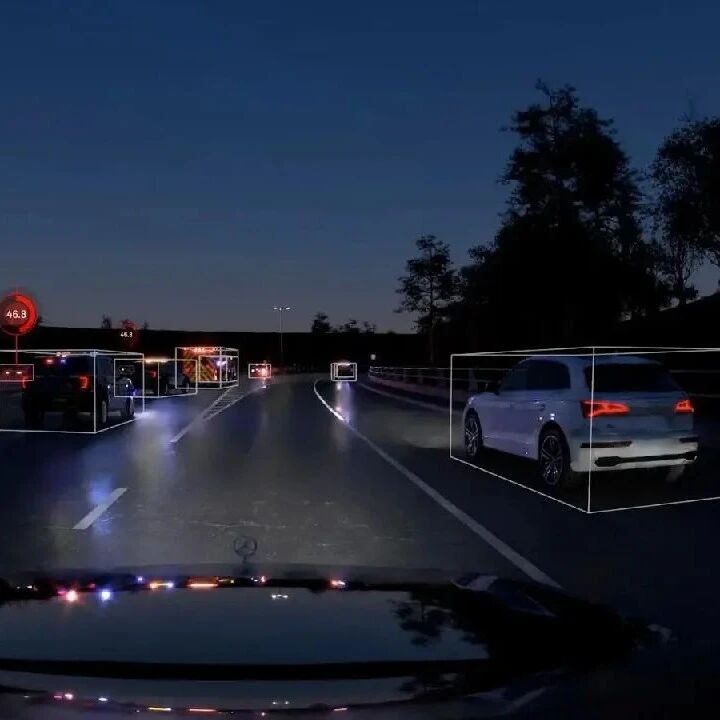
Core Viewpoint - 2023 is recognized as the "Year of Large Models," while 2025 is anticipated to be the eve of the explosion of "World Models," which are reshaping the core logic of embodied intelligence and driving the evolution of the robotics industry towards higher-level intelligence with environmental cognition and proactive decision-making [1]. Summary by Sections World Model Definition and Characteristics - The World Model represents a significant advancement over traditional robotic frameworks, which follow a linear "perception-decision-control" chain. It enables robots to understand, predict, and plan by creating a high-dimensional cognitive model of the real world, allowing for proactive reasoning rather than merely executing commands [2][4]. - The World Model's capabilities are characterized by three internalization features: spatial internalization (transforming 2D data into 3D semantic space), rule internalization (learning basic physical rules), and temporal internalization (integrating historical and real-time data for continuous understanding) [3]. Development and Application of World Models - The concept of World Models has evolved over three decades, beginning with Richard S. Sutton's Dyna algorithm in 1990, which integrated learning, planning, and reaction mechanisms. This laid the theoretical groundwork for its application in robotics [7]. - The transition to practical applications began in 2018 with the publication of the "World Models" paper, which demonstrated the potential of World Models in complex dynamic environments through deep learning techniques [9]. - Since 2019, advancements in computational power and multimodal technologies have accelerated the development of World Models, leading to their integration into real-world applications, such as Tesla's Full Self-Driving (FSD) system and Xiaopeng Motors' training environments [10]. Impact on the Robotics Industry - The industrialization of World Models addresses key challenges in traditional robotics, such as data scarcity and high training costs. For instance, World Models can generate vast amounts of virtual scenarios from minimal real data, significantly reducing training expenses [12]. - World Models enable large-scale training scenarios, allowing for comprehensive testing across diverse conditions, which enhances safety and reliability in robotics applications [13][15]. - The cognitive leap provided by World Models allows robots to make human-like decisions, improving their adaptability in complex environments and expanding their application value [15]. Challenges in Industrialization - Despite the potential of World Models, challenges remain, including the need for improved memory and generalization capabilities to handle long-duration tasks in complex environments [16]. - There are still fundamental differences between simulation and reality, particularly in aspects like texture, dynamic consistency, and non-deterministic events, which can affect performance during real-world deployment [18]. - Ethical considerations, such as decision-making transparency and data privacy, are critical as the complexity of World Models increases [18]. Future Trends - The integration of World Models with multimodal technologies is expected to enhance robots' environmental understanding and predictive capabilities, leading to more reliable and generalized performance [19]. - The evolution towards end-to-end solutions centered around World Models will reduce reliance on manual rules and high-precision maps, streamlining development processes [21]. - The shift towards a cloud-edge collaborative computing architecture will facilitate large-scale scenario simulations and model training, optimizing performance and reducing deployment costs [21]. Conclusion - The development of World Models marks a transformative shift in the robotics industry, addressing traditional challenges and redefining the technological landscape. By 2030, the market for robots equipped with World Models is projected to exceed 3 trillion yuan, with significant contributions from various sectors [22].
招募4D标注和世界模型方向的合伙人!
自动驾驶之心· 2025-11-08 16:03
Group 1 - The article emphasizes the increasing demand for corporate training and job counseling in the autonomous driving sector, highlighting the need for diverse training programs ranging from technology updates to industry development summaries [2] - There is a notable interest from individuals seeking guidance, particularly those struggling with resume enhancement and project experience [3] - The company is actively seeking collaboration with professionals in the autonomous driving field to enhance training services, course development, and research guidance [4] Group 2 - The company offers competitive compensation and access to extensive industry resources, focusing on various areas such as autonomous driving product management, data annotation, world models, and reinforcement learning [5] - The primary target for training collaborations includes enterprises, universities, and research institutions, as well as students and job seekers [6] - Interested parties are encouraged to reach out for further consultation via WeChat [7]
招募4D标注和世界模型方向的合伙人!
自动驾驶之心· 2025-11-08 12:35
Group 1 - The article emphasizes the increasing demand for corporate training and job counseling in the autonomous driving sector, highlighting the need for various training programs and industry insights [2][4] - There is a specific focus on assisting individuals who struggle with their resumes and require project experience and guidance [3] - The company is inviting professionals in the autonomous driving field to collaborate on technical services, training, course development, and research guidance [4][5] Group 2 - The main areas of collaboration include roles such as autonomous driving product managers, 4D annotation/data closure, world models, VLA, autonomous driving large models, reinforcement learning, and end-to-end solutions [5] - The job description targets both B-end (corporate and academic training) and C-end (students and job seekers) for training cooperation, course development, and original article creation [6] - Interested parties are encouraged to reach out for further consultation via WeChat [7]
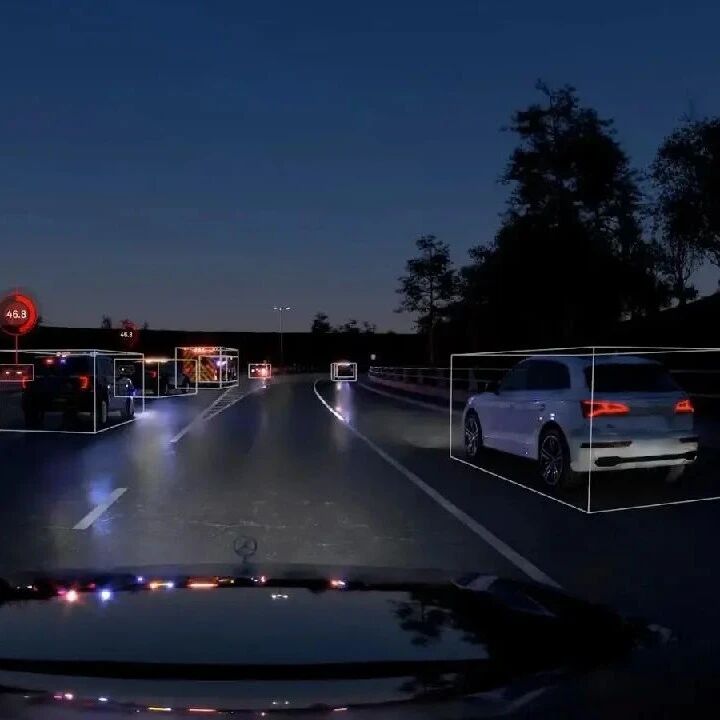
人形机器人,如何跨越规模交付瓶颈?
财联社· 2025-11-08 05:06
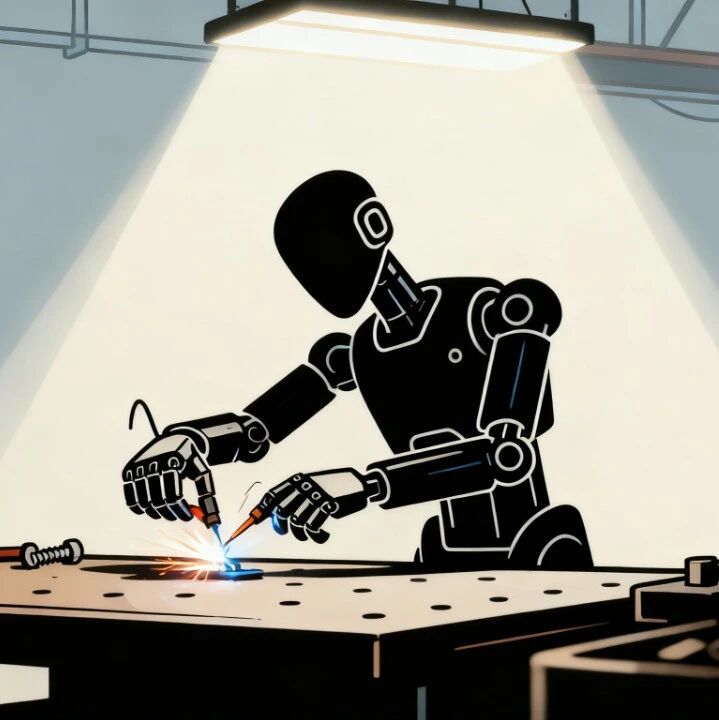
Core Insights - The year 2024 is anticipated to be a pivotal year for humanoid robots, with expectations for more applications in various sectors, particularly in industrial and commercial settings [1][2][4] - The humanoid robot industry is evolving from basic manufacturing to more specialized and complex applications, aiming to establish a complete humanoid robot industry chain [1][6] Group 1: Industry Trends - Humanoid robots are currently utilized in performance, interaction, and exhibition guide roles, but face challenges in large-scale delivery in industrial settings [1][2] - The integration of embodied intelligence with industrial robots is seen as crucial for addressing challenges in flexible manufacturing and efficiency [2][6] - The industry is moving towards more refined and technically intensive applications, with a focus on enhancing the flexibility and capabilities of robots [6][9] Group 2: Market Opportunities - There is a significant opportunity for Chinese robot companies to expand internationally, leveraging their manufacturing and scenario advantages [6][4] - The development of autonomous logistics vehicles is expected to address last-mile delivery challenges, although they face hurdles in accurately processing a large number of SKUs [4][6] - Small humanoid robots are gaining traction in entertainment and education, with potential factory applications within five years [4][6] Group 3: Technological Challenges - The large-scale delivery of humanoid robots is hindered by the need for a complete closed-loop control system that includes perception, decision-making, and execution [6][9] - Current challenges include the need for improved performance parameters and mass production capabilities in emerging fields like tactile sensors [6][9] - The transition from traditional automation to intelligent partners requires significant advancements in software algorithms and integration of ecosystem resources [9][10]

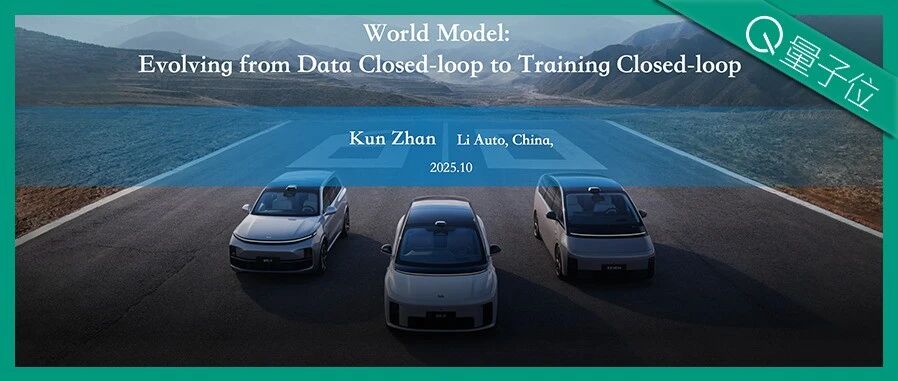
ICCV涌现自动驾驶新范式:统一世界模型VLA,用训练闭环迈向L4
量子位· 2025-11-08 04:10
Core Viewpoint - The article discusses the shift in the autonomous driving industry from a data-driven approach to a training-driven approach, emphasizing the importance of world models and reinforcement learning in achieving Level 4 (L4) autonomy [2][4][6]. Group 1: Transition from Data Loop to Training Loop - The current data loop is insufficient for advancing autonomous driving technology, necessitating a shift to a training loop that allows for continuous model iteration through environmental feedback [4][11]. - Ideal's approach involves building a world model training environment in the cloud, which integrates prior knowledge and driving capabilities into the vehicle's VLA model [11][30]. - The world model encompasses environment construction, agent modeling, feedback mechanisms, and various scenario simulations, which are crucial for the training loop [13][31]. Group 2: Simulation and Evaluation Techniques - Ideal employs a combination of reconstruction and generation techniques for simulation, allowing for both stable and dynamic outputs [14][15][16]. - The Hierarchy UGP model, developed in collaboration with academic institutions, achieves state-of-the-art results in large-scale dynamic scene reconstruction [21][19]. - The focus on synthetic data generation enhances the diversity and complexity of training scenarios, improving model performance [25][24]. Group 3: Reinforcement Learning and Challenges - The reinforcement learning world engine enables models to explore training environments and receive feedback, with five key factors influencing its effectiveness [25][27]. - The simulation of interactions between multiple agents poses significant challenges, with Ideal exploring self-play and reward function adjustments to enhance sample diversity [27][29]. Group 4: Commercialization and Technological Advancements - Ideal has successfully established a profitable business model, which supports its ongoing research and development efforts, with over 10 billion yuan invested in the self-developed Star Ring OS [32][33]. - The Star Ring OS enhances vehicle performance by streamlining communication between different control systems, significantly reducing braking distances [35][36]. - The open-source initiative of the Star Ring OS is expected to benefit the entire industry, reducing development costs for other automakers [39][40]. Group 5: Industry Position and Future Outlook - Ideal is positioning itself as a leading player in the AI-driven automotive sector, with a focus on becoming a "space robotics company" [48][50]. - The company has established a research-production closed loop, allowing for rapid application of research findings to production, exemplified by the DriveVLM project [52]. - The article concludes that while many companies are investing in AI and robotics, few have achieved the comprehensive capabilities demonstrated by Ideal and Tesla [53].

全球Robotaxi第一股前传:九年长跑,天才远征
3 6 Ke· 2025-11-06 10:18
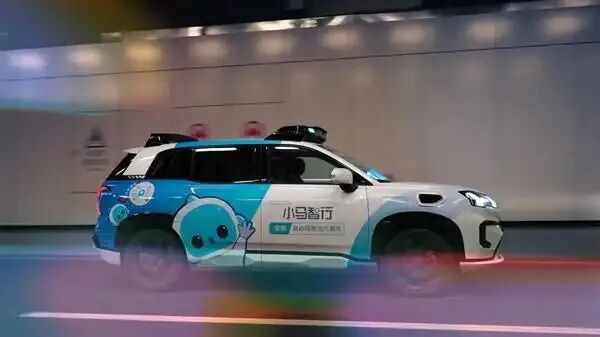
Core Insights - The article highlights the journey of Xiaoma Zhixing, a leading player in the autonomous driving sector, emphasizing its resilience and commitment to achieving Level 4 (L4) autonomous driving despite industry challenges [3][20] - The company has successfully transitioned from a startup to a publicly listed entity on both NASDAQ and the Hong Kong Stock Exchange, marking a significant milestone in its growth trajectory [4][17] Company Background - Xiaoma Zhixing was founded in late 2016 by Peng Jun and CTO Liu Tiancheng, both of whom have impressive backgrounds in technology and autonomous driving [4][5] - The company quickly attracted top talent, forming a "dream team" focused on achieving L4 autonomous driving [4][5] Key Milestones - In early 2018, Xiaoma Zhixing launched China's first publicly accessible Robotaxi service, significantly boosting team morale and proving its capabilities to investors [6][5] - The company faced a critical transformation period from 2019 to 2022, where it shifted its focus from data accumulation to developing a "world model" for virtual training, which allowed for more effective AI training [7][9][12] Technological Advancements - The "world model" approach enabled Xiaoma Zhixing to generate over 10 billion kilometers of virtual testing data weekly, significantly enhancing the safety and performance of its autonomous driving systems [12] - By the end of 2022, the company had achieved over 500,000 hours of fully autonomous operation across various challenging scenarios [12][13] Commercialization Efforts - In 2023, Xiaoma Zhixing initiated the "Kunlun" project to scale its Robotaxi operations, achieving a 70% reduction in the cost of its autonomous driving suite [15][16] - The company aims to reach a fleet size of 1,000 Robotaxis in major cities to achieve operational breakeven, leveraging network effects for sustainable growth [15][16] Global Expansion - Xiaoma Zhixing has attracted significant investment from global capital markets, including partnerships with major automotive manufacturers, and is expanding its Robotaxi services internationally [17][18] - The company is strategically positioning itself in the global market, particularly in regions like the Middle East and Europe, capitalizing on opportunities left by competitors [18][19] Future Outlook - The company is optimistic about achieving profitability on a per-vehicle basis by 2024, indicating a strong belief in its business model and technological advancements [16][20] - Xiaoma Zhixing's journey reflects a broader narrative of perseverance and innovation in the autonomous driving industry, with a commitment to solving significant challenges in transportation [19][20]
全球Robotaxi第一股前传:九年长跑,天才远征
36氪· 2025-11-06 09:51
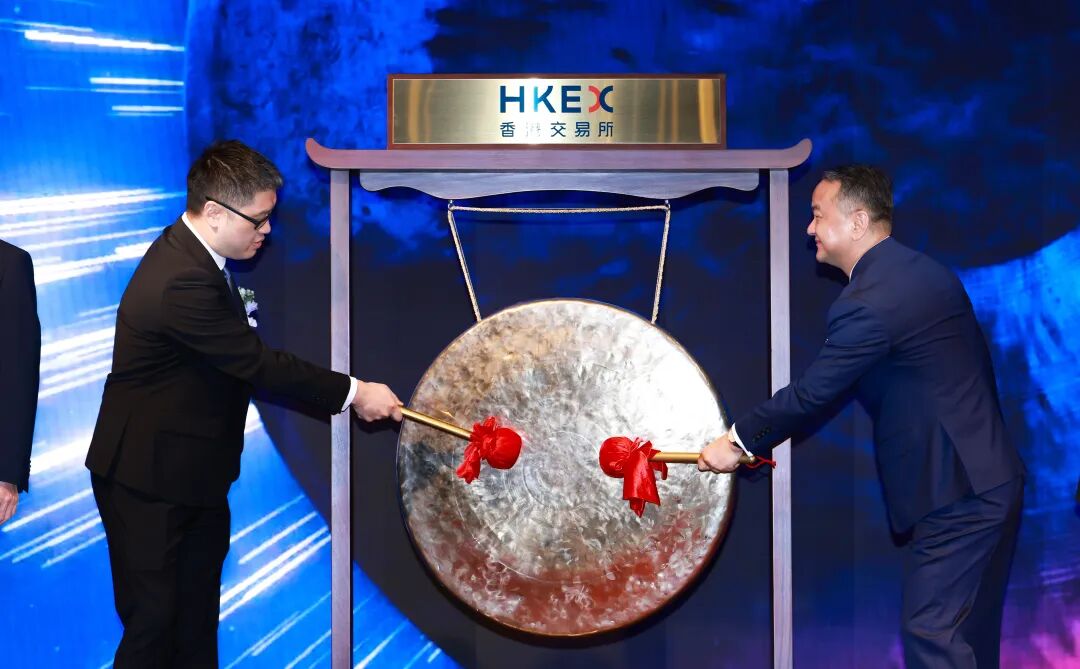
小马智行正式构建起"美股+港股" 双重主要上市架构。 2020年9月26日,全球顶级算法竞赛Topcoder Open(TCO)东亚区开赛。作为曾经连续十年霸榜积分榜第一的传奇人物,小马智行创始人、CTO楼天城受邀 为一百多位后辈选手分享经验。 半小时的连线分享结束后,比赛正式开始,紧接着选手名单里出现了楼天城的名字——没有告诉任何人,外号"楼教主"的楼天城在教学的下一秒亲自下场, 以参赛者的身份投入了战斗。 楼天城曾在接受36氪专访时所言,他很早就意识到,在顶级的竞争中,天赋、运气、实力,每个站在金字塔尖的人都有,"只有专注和勤奋是可以握在手里 的。" 2024年11月,小马智行在美国纳斯达克以股票代码"PONY"成功上市,成为"全球Robotaxi第一股",不到一年后的今天,小马智行(2026.HK)在港交所挂 牌。这声钟响,标志着小马智行正式构建起"美股+港股"双重主要上市架构。对于小马智行来说这不仅只是一次成功的资本上市,更像是一场"成人礼"。 回顾小马智行的九年,是一个天才公司如何在无人区长跑九年后,最终找到驶入现实路径的故事。也是一个关于坚守、痛苦与信仰的故事。 从一行代码到一支车队 2016年底 ...

阿里新研究:统一了VLA和世界模型
自动驾驶之心· 2025-11-06 08:43
Core Insights - The article discusses the WorldVLA framework, which integrates Visual Language Action models (VLA) with world models to enhance AI's understanding of the environment [1][4][36] - WorldVLA demonstrates superior performance compared to independent action and world models, showcasing a synergistic effect between the two [2][18] Group 1: Framework Overview - WorldVLA is designed as a unified autoregressive action world model that combines action and image understanding for improved predictive capabilities [4] - The framework utilizes three independent tokenizers for encoding images, text, and actions, optimizing the representation of visual and action data [8] Group 2: Model Performance - Benchmark results indicate that WorldVLA outperforms discrete action models like OpenVLA, even without pre-training, validating its architectural design [19][21] - The model's performance improves with higher image resolutions, with 512x512 pixels showing significant enhancements over 256x256 pixels [22][23] Group 3: Mutual Enhancement - The world model enhances action generation by understanding physical laws and predicting future states based on current actions [14][25] - Conversely, the action model improves the visual understanding of the world model, leading to more contextually relevant actions [17][30] Group 4: Practical Applications - WorldVLA's ability to predict the outcomes of candidate actions aids in optimizing decision-making processes, thereby increasing task success rates [26] - The framework demonstrates practical advantages in complex scenarios, such as successfully executing tasks that pure world models struggle with [32]


自动驾驶迎来“港股时刻”:小马智行二次上市背后释放了哪些信号?
3 6 Ke· 2025-11-06 07:21
Core Insights - The global capital is increasingly investing in autonomous driving, marking a transition from technology validation to large-scale commercialization, with Pony.ai's Hong Kong listing serving as a significant milestone for the industry [2][17] - Pony.ai's successful IPO in Hong Kong on November 6, 2025, is the largest in the global autonomous driving sector for the year and reflects a strategic move towards a dual-market presence in both the US and Hong Kong [2][4] Investment Trends - Cathie Wood's ARKQ fund has made significant investments in Pony.ai, reminiscent of her early investments in Tesla, indicating a renewed interest from international capital in the autonomous driving sector [4][5] - Major international investment firms, including Baillie Gifford and Fidelity, have also increased their stakes in Pony.ai, positioning it as a core investment target in the autonomous driving industry [5][6] Financial Performance - Pony.ai reported a revenue of $35.43 million (approximately 254 million RMB) for the first half of 2025, a year-on-year increase of 43.3%, with its Robotaxi segment showing a remarkable growth of 178.8% [4][12] - The company is expected to achieve operational breakeven for its Robotaxi services by the end of 2025, indicating a clear path towards profitability [12][16] Technological Advancements - Pony.ai's seventh-generation Robotaxi, which utilizes self-developed vehicle-grade domain controllers, has significantly reduced production costs by 70% compared to previous models, enhancing its competitive edge [10][11] - The company has developed a "world model" for autonomous driving, which serves as a robust technical barrier, allowing for extensive simulation training and rapid iteration of its autonomous systems [13][15] Market Outlook - The global Robotaxi market is projected to reach $10 trillion by 2030, with a total industry valuation of $34 trillion, highlighting the disruptive potential of this sector [7][8] - The current macroeconomic environment, characterized by low interest rates and advancements in AI technology, is favorable for the growth of technology-driven companies like Pony.ai [6][8]