碳达峰碳中和

Search documents
下一个五年,力争建成100个左右零碳园区
中国能源报· 2025-11-03 06:03
Core Viewpoint - The article emphasizes the importance of developing national-level zero-carbon parks during the "14th Five-Year Plan" period, aiming to create around 100 such parks to significantly boost the green low-carbon industry [3]. Group 1: Development and Significance of Zero-Carbon Parks - Zero-carbon parks are defined as areas where carbon dioxide emissions from production and daily activities are reduced to "near zero" levels, with the potential to achieve "net zero" conditions [4]. - The construction of zero-carbon parks is seen as a crucial step in the green transition, with various regions actively exploring this initiative and establishing local standards [4][5]. - The National Development and Reform Commission (NDRC) has issued systematic guidelines for zero-carbon park construction, marking a significant advancement in this area [4][5]. Group 2: Challenges in Implementation - Despite enthusiasm for zero-carbon park development, there are significant challenges, including misconceptions that equate zero-carbon parks solely with renewable energy projects [7]. - Key issues identified include the stable supply of green energy, the need for top-level industrial planning, and the establishment of international recognition mechanisms for carbon standards [7][9]. - Specific regional challenges, such as those faced by Jiangsu Province, highlight the difficulties in achieving high clean energy consumption ratios due to existing energy resource limitations [9]. Group 3: Strategies for Effective Development - A comprehensive understanding of carbon emissions sources is essential for effective planning and prioritization of reduction projects [10]. - Collaboration among various stakeholders, including industrial parks, enterprises, and power grids, is crucial for successful zero-carbon transitions [10]. - The article advocates for pilot projects in typical regions and industries to develop replicable models for zero-carbon park construction [10][11].

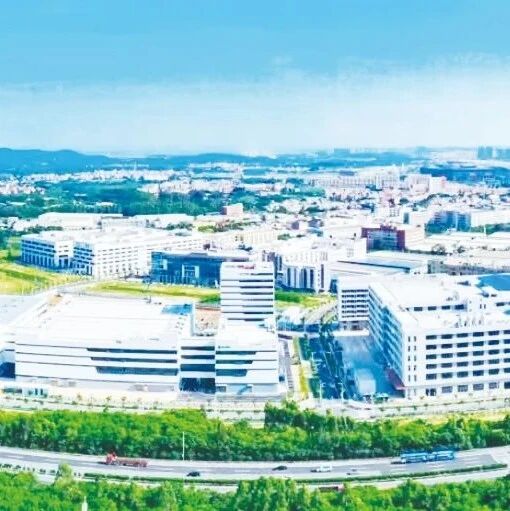
下更大力气建设能源强国
中国能源报· 2025-11-03 01:20
Core Viewpoint - The article emphasizes the strategic goal of building an energy powerhouse in China, as outlined in the 15th Five-Year Plan, highlighting the importance of energy security and transformation for the country's modernization efforts [1][4]. Group 1: Energy Development Goals - The goal of building an energy powerhouse is integral to achieving a modern socialist country, providing strong energy support alongside manufacturing, technology, and quality advancements [1]. - The past five years have seen China establish the world's largest and fastest-growing renewable energy system, with total installed renewable energy capacity exceeding 210 million kilowatts, accounting for nearly 60% of the national total [2]. Group 2: Technological Innovation and Industry Modernization - China's energy industry is leveraging technological innovation to create new scenarios and stimulate new dynamics, contributing significantly to global green transformation [2]. - Key technological breakthroughs have been achieved in various fields, including new energy generation, ultra-high voltage transmission, and advanced nuclear power, enhancing the country's confidence in transitioning from an energy giant to an energy powerhouse [3]. Group 3: Systemic Restructuring and Safety - Transitioning from an energy giant to an energy powerhouse involves moving from isolated breakthroughs to systemic restructuring and overall reshaping of the energy industry [4]. - Ensuring energy security is crucial for development, necessitating a focus on sustainable and equitable energy production and supply [4]. Group 4: Green Transformation and Environmental Goals - The construction of an energy powerhouse is also a key component in accelerating the green transformation of the economy and society, addressing the challenges posed by global climate change [4]. - The commitment to carbon peak and carbon neutrality goals will drive collaborative efforts in reducing carbon emissions, pollution, and enhancing green growth [4]. Group 5: Future Outlook - The 15th Five-Year Plan is seen as a decisive period for achieving carbon peak goals, requiring significant efforts across the industry to build a robust energy powerhouse [5]. - The future will witness increased clean energy generation and low-carbon technologies, contributing to sustainable development and sharing opportunities globally [5].

聚焦“十五五”规划建议丨加快全面绿色转型 建设美丽中国
Xin Hua Wang· 2025-11-03 00:17
Core Viewpoint - The article emphasizes the importance of green development as a key aspect of China's modernization, highlighting the government's commitment to accelerating the green transition and building a beautiful China through specific policies and initiatives [1][2]. Group 1: Green Development Initiatives - The "14th Five-Year Plan" period has seen accelerated steps towards green and low-carbon transformation, with improvements in ecological environment quality, including the establishment of the world's largest carbon trading market and a clean electricity supply system [1]. - Water consumption per unit of GDP has decreased to below 50 cubic meters, and the national forest coverage rate has increased to over 25%, with urban air quality remaining good for approximately 87% of the days [1]. Group 2: Pollution Prevention and Ecological Protection - The government aims to enhance pollution prevention and ecological system optimization through coordinated efforts in pollution reduction, multi-pollutant control, and regional governance [1]. - Specific measures include the protection and restoration of important ecosystems and large-scale land greening actions to improve the ecological environment and enhance public well-being [1]. Group 3: Energy Transition and Carbon Goals - The construction of a new energy system is crucial for promoting green low-carbon transformation and ensuring national energy security, with a focus on high-quality development of clean energy and efficient use of fossil fuels [2]. - The government has set a target for carbon dioxide emissions to peak before 2030, with measures such as implementing dual control of total carbon emissions and intensity, promoting energy-saving renovations, and establishing zero-carbon factories and parks [2]. Group 4: Green Lifestyle Promotion - The article discusses the need to promote green production and lifestyle, with initiatives aimed at optimizing industrial layout and encouraging green consumption practices to enhance the momentum for green development [2].
新华时评·聚焦“十五五”规划建议丨加快全面绿色转型 建设美丽中国
Xin Hua Wang· 2025-11-02 23:28
Core Viewpoint - The articles emphasize the importance of green development as a fundamental aspect of China's modernization, highlighting the government's commitment to ecological civilization and sustainable economic growth [1][2]. Group 1: Green Development Goals - The "14th Five-Year Plan" aims for significant progress in building a "Beautiful China," focusing on accelerating the green transformation of the economy and society [1]. - Key achievements include the establishment of the world's largest carbon trading market, a clean electricity supply system, and a reduction in water usage per unit of GDP to below 50 cubic meters [1]. - National forest coverage has increased to over 25%, and the proportion of days with good air quality in cities is stable at around 87% [1]. Group 2: Pollution Prevention and Ecological Protection - The government plans to enhance pollution prevention and ecological system optimization through coordinated efforts in pollution reduction and ecological protection [1]. - Specific strategies include strengthening multi-pollutant control, regional governance, and large-scale land greening initiatives [1]. - The focus is on improving the ecological environment to enhance public well-being and safety [1]. Group 3: Energy Transition and Carbon Neutrality - The construction of a new energy system is crucial for promoting green low-carbon transformation and ensuring national energy security [2]. - The "15th Five-Year Plan" outlines measures to achieve carbon peak and neutrality, including dual control of total carbon emissions and intensity, energy-saving renovations, and the establishment of zero-carbon factories [2]. - The plan aims to foster a green production and lifestyle, optimizing industrial layout and promoting low-carbon transitions in key sectors such as industry, urban construction, and transportation [2].
绿色产业“加减法”如何重塑经济版图
Zhong Guo Zheng Quan Bao· 2025-11-02 20:16
Core Viewpoint - The "14th Five-Year Plan" and "15th Five-Year Plan" emphasize a transition towards green and low-carbon development, with a focus on carbon peak and carbon neutrality as guiding principles for policy formulation [1][2][6] Group 1: Green Transition and Policy Changes - The transition from pollution control to green low-carbon transformation is highlighted in recent policy statements, indicating a fundamental shift in environmental governance tools [2] - The dual control system for carbon emissions will replace the previous energy consumption control, marking a significant change in China's approach to environmental management [2] - The "15th Five-Year Plan" aims to implement energy-saving and carbon reduction actions in key industries, targeting a reduction of approximately 400 million tons of CO2 emissions [2][3] Group 2: Development of Green Low-Carbon Industries - The scale of China's green low-carbon industry is currently estimated at 11 trillion yuan, with potential for significant growth in the next five years [3] - The plan includes the establishment of around 100 national-level zero-carbon parks, which will provide substantial growth opportunities for the green low-carbon sector [3] - A comprehensive carbon emission accounting system will be developed, alongside an expansion of the national carbon trading market, to facilitate investment in efficient emission reduction technologies [3][5] Group 3: New Energy System and Infrastructure - The adjustment of the energy structure aims to increase the proportion of clean energy supply, with a projected annual addition of 200 million kilowatts of wind and solar capacity over the next decade [4][5] - The construction of a new energy system will focus on integrated energy infrastructure, including pumped storage and smart grids, to enhance energy supply security and resilience [5] - The green certificate market has seen significant progress, with 4.46 billion green certificates traded in 2024, indicating a successful development of the green trading market [5][6] Group 4: Environmental Protection and Circular Economy - The plan outlines actions for solid waste management and environmental risk prevention, aiming to extend the environmental protection industry from end-of-pipe treatment to comprehensive pollution reduction [6][7] - The target for the utilization of major solid waste is set at 4.5 billion tons by 2030, promoting the development of a circular economy [7] - Policies will be implemented to support green low-carbon development across various sectors, indicating a shift towards systemic economic transformation [7]
加快全面绿色转型 建设美丽中国
Xin Hua She· 2025-11-02 13:23
Core Viewpoint - Green development is a prominent feature of Chinese modernization, with significant progress in ecological civilization construction outlined in the 15th Five-Year Plan [1][2] Group 1: Green Development Initiatives - The 15th Five-Year Plan emphasizes accelerating the comprehensive green transformation of economic and social development, aiming for major advancements in building a beautiful China [1] - During the 14th Five-Year period, China has accelerated its green and low-carbon transition, achieving improvements in ecological environment quality, including a reduction in water usage per unit of GDP to below 50 cubic meters [1][2] - China has established the world's largest carbon emissions trading market and a clean electricity supply system, with forest coverage exceeding 25% and air quality in cities maintaining a good rate of 87% [1] Group 2: Pollution Prevention and Ecological Protection - The plan outlines continuous efforts to combat pollution and optimize ecosystems, emphasizing collaborative pollution control and the protection of important ecological systems [1] - Specific measures include enhancing the synergy of pollution reduction and carbon reduction, and implementing large-scale land greening actions [1] Group 3: Energy Transition and Carbon Neutrality - The construction of a new energy system is crucial for promoting green low-carbon transformation and ensuring national energy security, with a focus on high-quality development of clean energy [2] - The plan sets a target for carbon dioxide emissions to peak before 2030, with measures such as implementing dual control of total carbon emissions and intensity, and promoting energy-saving renovations [2] - The promotion of green production and lifestyle is seen as a fundamental strategy for addressing ecological issues, with initiatives aimed at optimizing industrial layout and encouraging green consumption [2]
新华时评·聚焦“十五五”规划建议|加快全面绿色转型 建设美丽中国
Xin Hua She· 2025-11-02 10:55
Core Viewpoint - Green development is a prominent feature of Chinese modernization, with significant progress in ecological civilization construction outlined in the "14th Five-Year Plan" [1][2] Group 1: Green Development Initiatives - The "14th Five-Year Plan" emphasizes accelerating the comprehensive green transformation of economic and social development, aiming for a "Beautiful China" [1] - China has established the world's largest carbon emission trading market and a clean electricity supply system, with water consumption per unit of GDP reduced to below 50 cubic meters [1] - The national forest coverage rate has increased to over 25%, and the proportion of days with good air quality in cities at or above the prefecture level remains stable at around 87% [1] Group 2: Pollution Prevention and Ecological Protection - Continuous efforts in pollution prevention and ecological system optimization are mandated, focusing on coordinated pollution reduction and regional governance [1][2] - Specific measures include enhancing the protection and restoration of important ecosystems and conducting large-scale land greening actions [1][2] Group 3: Energy Transition and Carbon Neutrality - The construction of a new energy system is crucial for promoting green low-carbon transformation and ensuring national energy security [2] - The plan includes achieving peak carbon emissions before 2030, implementing dual control of total carbon emissions and intensity, and promoting energy-saving renovations [2] - A series of initiatives aim to foster a green production and lifestyle, enhancing the momentum for green development and contributing to the construction of a beautiful China [2]
立足APEC,六大维度梳理中国如何成为亚太增长引擎
Zhong Guo Xin Wen Wang· 2025-11-02 08:15
Group 1: APEC Meeting Overview - The APEC informal leaders' meeting was held in Gyeongju, South Korea, from October 31 to November 1, focusing on "Building a Sustainable Tomorrow - Connectivity, Innovation, Prosperity" [1] - APEC accounts for 37% of the global population and contributes 61% to world economic growth, with its share of the global economy increasing from 57% in 1989 to 61% in 2024 [1] - The absence of the United States at this year's meeting positions China as the largest economy among APEC members, and China will assume the role of APEC chair in 2026 [1] Group 2: China's Economic Contributions - China has consistently contributed over 30% to global economic growth, accounting for more than half of APEC's economic growth [2] - In 2024, China's goods trade represents 29.2% of APEC's external trade, while its service trade accounts for 14.3% [2] - China is a major trading partner for 21 APEC economies and the largest trading partner for 13 of them, engaging with over 150 countries and regions globally [2] Group 3: Green Development Initiatives - China has set targets for carbon peaking by 2030 and carbon neutrality by 2060, actively promoting economic restructuring and carbon reduction efforts [3] - The country has ceased new overseas coal power projects since 2019 and is investing in renewable energy sources such as wind and solar power [3] - China's green development efforts support sustainable development in the Asia-Pacific region and contribute significantly to global ecological governance [3] Group 4: Modernization and Investment - China is not only a major exporter of goods but also of technology, driving the digital, green, and intelligent transformation of traditional industries [4] - Over the past five years, China has attracted over $700 billion in foreign investment and ranks among the top three countries for outbound direct investment [4] - In 2024, 85% of China's outbound direct investment flows are directed towards 20 APEC partners, with 71.9% of the investment stock held in 20 APEC economies [4] Group 5: Economic Integration Efforts - China has signed bilateral free trade agreements with at least seven APEC partners and has been instrumental in establishing the Regional Comprehensive Economic Partnership (RCEP) [6] - Ongoing negotiations for a China-Japan-South Korea free trade agreement and efforts to join the Comprehensive and Progressive Agreement for Trans-Pacific Partnership (CPTPP) are underway [6] Group 6: Belt and Road Initiative - China is actively collaborating with APEC members on the Belt and Road Initiative, enhancing connectivity and supporting landlocked countries like Laos [7] - The China-Laos Railway connects to broader regional networks, facilitating trade between ASEAN countries and China [7] - Initiatives with Vietnam, Thailand, and Singapore are also in progress to strengthen economic ties and connectivity [7] Group 7: Global Governance and Cooperation - China has proposed global governance initiatives to address international governance gaps and promote multilateralism [8] - The country advocates for a comprehensive and sustainable security perspective while enhancing cooperation in poverty alleviation, industrialization, and digital connectivity [8] - Efforts to build a community with a shared future in the Asia-Pacific region are being promoted in collaboration with APEC members [8]
拓展绿色贸易释放创新活力
Jing Ji Ri Bao· 2025-11-01 22:04
Core Viewpoint - The 20th Central Committee's Fourth Plenary Session emphasizes the importance of "promoting innovative trade development," particularly focusing on "expanding intermediate goods trade and green trade," which is seen as a new driving force for China's foreign trade and a significant contribution to climate change response and green low-carbon transition [1][2]. Group 1: Definition and Importance of Green Trade - Green trade integrates environmental protection and sustainable development into the entire process of international trade, covering green products, technologies, services, and rules [2][3]. - The significance of developing green trade includes responding to international economic and trade rule adjustments, achieving carbon peak and carbon neutrality goals, and addressing traditional trade bottlenecks [4][5]. Group 2: Aspects of Green Trade - Green trade encompasses three main aspects: 1. The greening of trade objects, including environmentally friendly products like photovoltaic cells and electric vehicles [3]. 2. The greening of trade processes, focusing on minimizing environmental impacts throughout the supply chain [3]. 3. The inclusion of external environmental and social costs in trade accounting, such as carbon emissions and resource consumption [3]. Group 3: Current Trends and Achievements in Green Trade - China's green trade is experiencing robust growth, with significant increases in exports of green energy products, such as a 71.9% rise in wind turbine exports and over 200 billion yuan in photovoltaic product exports [5][9]. - The "new three items" (new energy vehicles, lithium batteries, and photovoltaic products) have seen a 2.6 times increase in export scale compared to 2020, marking a significant shift towards high-end, low-carbon products [9][10]. Group 4: Challenges and Future Directions - Despite the achievements, challenges remain, including the need for improved carbon management capabilities and the establishment of a unified green low-carbon product standard system [18][19]. - Future efforts should focus on enhancing international dialogue, improving carbon management capabilities, and participating in the development of global foundational carbon rules [18][19].
习近平在亚太经合组织第三十二次领导人非正式会议第二阶段会议上的讲话(全文)
证监会发布· 2025-11-01 05:18
Core Viewpoint - The article emphasizes the need for Asia-Pacific economies to strengthen mutual cooperation to address challenges such as insufficient economic growth, climate change, and food and energy security, while seizing new opportunities presented by technological advancements, particularly in artificial intelligence [3][4]. Group 1: Digital Empowerment and Innovation - The article suggests enhancing digital empowerment to create new advantages for innovation and development in the Asia-Pacific region, focusing on the importance of digitalization, intelligence, and green technology [3][5]. - It highlights the role of artificial intelligence in benefiting people across nations and regions, advocating for the establishment of a World Artificial Intelligence Cooperation Organization to promote strategic development and governance [4]. Group 2: Green and Low-Carbon Development - The article calls for a commitment to green and low-carbon development, urging economies to align their green development strategies and promote the free flow of quality green technologies and products [5]. - It mentions China's achievements in renewable energy, including becoming the largest and fastest-growing renewable energy system globally, and its commitment to carbon peak and neutrality goals [5]. Group 3: Inclusive and Shared Development - The article stresses the importance of inclusive development, advocating for policy communication and cooperation to achieve the United Nations' 2030 Sustainable Development Agenda, with a focus on poverty eradication and shared prosperity [5][6]. - It notes Korea's initiative to address demographic changes, which aligns with China's efforts to develop a comprehensive population service system and promote the silver economy [6].