稀土出口管制

Search documents
军工战略资产崛起
2025-06-19 09:46
Summary of Key Points from Conference Call Records Industry Overview - The global focus of military spending is shifting, presenting opportunities for Chinese military trade, with China's arms exports increasing to 10% in 2023, up from 5% a few years ago [1][3] - The military industry is expected to see a turning point in 2025 due to heightened global security tensions and increased demand for military equipment [2][18] Core Insights and Arguments - China's defense budget as a percentage of GDP is low at approximately 1.3%, compared to Russia (7.1%), the US, South Korea, the UK, and India, indicating significant potential for future growth in defense spending [1][4] - The importance of gold as a safe-haven asset is highlighted amid global political and economic turmoil, with expectations of price increases due to ongoing geopolitical conflicts [1][5][10] - Companies like Su Testing and Guangdian Measurement are leading in military testing and measurement, showing strong order growth and profit elasticity, with profit expected to grow by 34.2% in 2025 [1][6][8] Company-Specific Insights - Su Testing is expected to face profit pressure in 2024 but is projected to improve sequentially in 2025, with an estimated profit of approximately 3.1 billion yuan [8] - Donghua Testing is experiencing rapid order growth in defense and military sectors, with expected net profits of 1.7 billion, 2.26 billion, and 2.98 billion yuan from 2025 to 2027, reflecting strong growth rates [9] - The management reform and stock incentive measures at Su Testing are anticipated to enhance profit growth, with a projected profit of around 4.1 billion yuan in 2025 [7] Additional Important Content - The military industry is experiencing a resurgence in demand due to geopolitical uncertainties, with China's military capabilities showcased at exhibitions [18] - The communication sector within the military industry is seeing strategic asset allocations driven by improved industry conditions and increased military trade activity [19][20] - Companies like Haige Communication are diversifying into satellite communication and navigation, with significant growth potential in these areas [21] - Shanghai Hanyun has turned profitable in Q1 2025, benefiting from low-orbit satellite communication business growth [22][23] - The 712 Company has made strides in military and civilian communications, expanding its market share through key project wins [24]
商务部回应中欧高层经贸对话进展:一直与欧方保持各层级的密切沟通
Di Yi Cai Jing· 2025-06-19 09:30
Group 1: China-EU Trade Relations - China emphasizes the importance of its trade relationship with the EU, highlighting ongoing communication to promote healthy and stable bilateral trade and investment cooperation [1] - In the first five months of this year, trade between China and the EU reached 2.3 trillion yuan, an increase of 2.9%, with exports to the EU amounting to 1.57 trillion yuan, up by 7.7%, while imports from the EU decreased by 6.1% to 728.33 billion yuan [2] Group 2: CPTPP Membership Application - China has been preparing to join the Comprehensive and Progressive Agreement for Trans-Pacific Partnership (CPTPP) since formally applying in September 2021, conducting in-depth analysis and preparing market access offers across various sectors [4] - The next CPTPP meeting will focus on promoting sustainable trade and resilient growth, with China actively engaging with member countries to facilitate its accession process [5] Group 3: Rare Earth Export Controls - China is committed to maintaining the stability and security of global supply chains, expediting the review of export license applications for rare earths while ensuring compliance with regulations [5][6] - The implementation of export controls on rare earths aligns with international practices and aims to safeguard national security and fulfill international obligations [6]

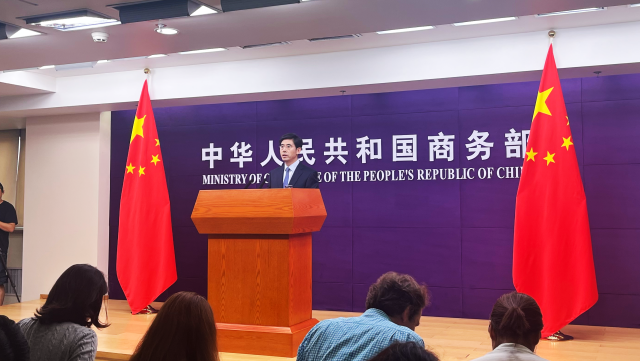
商务部:依法依规不断加快对稀土相关出口许可申请的审查
智通财经网· 2025-06-19 08:37
Group 1 - The Chinese government emphasizes the importance of maintaining global supply chain stability and security, accelerating the review of rare earth export license applications, and has approved a certain number of compliant applications [1][4] - The Shanghai Free Trade Zone has implemented 80 pilot measures to align with international high-standard trade rules, enhancing trade facilitation and attracting international logistics investments [3][4] - The recent China-Central Asia summit resulted in the signing of several agreements to strengthen economic cooperation, including trade facilitation and green mineral cooperation [5][6] Group 2 - The Chinese government plans to enhance trade cooperation with Central Asian countries by increasing imports of energy, minerals, and quality agricultural products while promoting exports of automobiles and electronics [6] - China is preparing to join the CPTPP and has conducted extensive analysis and discussions with member countries to align with high-standard trade rules [8] - The Chinese government aims to upgrade economic and trade cooperation with the EU, focusing on resolving mutual concerns and preparing for high-level exchanges [7][8]
稀土出口,大消息
Zheng Quan Shi Bao· 2025-06-19 08:20
Group 1 - The Chinese government is expediting the review of export license applications for rare earths, emphasizing compliance and communication with relevant countries to facilitate legitimate trade [1][3] - The Ministry of Commerce has approved a certain number of compliant applications and will continue to strengthen the approval process for these applications [1][3] - China maintains that its export control measures for rare earths align with international practices and are aimed at safeguarding national security and fulfilling international obligations [3][4] Group 2 - The Chinese government asserts that its industrial subsidy policies adhere to open, fair, and compliant principles, and it strictly follows WTO rules [2] - The European Union is projected to provide over €1.44 trillion in various subsidies from 2021 to 2030, with more than €300 billion already disbursed by 2024 [2] - China emphasizes the importance of cooperation and communication with the EU to address trade differences and achieve mutual benefits [2][4] Group 3 - Rare earths consist of 17 elements and are classified into light and heavy rare earths, with heavy rare earths being rarer and more unevenly distributed, primarily concentrated in China [5]
事关稀土出口,商务部最新回应!
第一财经· 2025-06-19 08:07
商务部新闻发言人何亚东表示,中国一贯高度重视维护全球产供链的稳定与安全,依法依规不断加快 对稀土相关出口许可申请的审查,已经依法批准一定数量的合规申请,并将持续加强合规申请的审批 工作。中方愿就此进一步加强与相关国家的出口管制沟通对话,积极促进便利合规贸易。 在今天(19日)商务部举行的例行发布会上,新闻发言人何亚东谈到稀土相关出口问题时表示, 将 依法依规不断加快对稀土相关出口许可申请的审查。 ...

稀土出口,大消息!
证券时报· 2025-06-19 07:59
Core Viewpoint - The article discusses China's approach to rare earth exports, emphasizing compliance with international regulations and the importance of maintaining global supply chain stability [2][3][4]. Group 1: Export Policy and Compliance - The Ministry of Commerce is expediting the review of rare earth export license applications, having already approved a certain number of compliant applications [2][4]. - China is committed to enhancing communication with relevant countries regarding export controls to facilitate compliant trade [2][4][5]. Group 2: International Relations and Trade Dynamics - China's industrial subsidy policy adheres to principles of openness, fairness, and compliance with WTO rules, countering accusations of protectionism from other nations [3]. - The European Union has committed over €1.44 trillion in various subsidies from 2021 to 2030, with over €300 billion already disbursed by 2024, highlighting its own protectionist measures [3]. Group 3: Rare Earth Resources - Rare earth elements are classified into light and heavy categories, with heavy rare earths being rarer and predominantly found in China, which holds over 80% of global heavy rare earth reserves [6].
中美伦敦刚谈完,白宫收到重要风声,商务部把话挑明:不让美国囤积
Sou Hu Cai Jing· 2025-06-18 07:13
据环球时报消息,今年4月,当特朗普政府高调宣布对华加征"对等关税"时,中国迅速打出了一张精准而极具威慑力的反制牌。短短两天 后,中方宣布对钐、钆、铽、镝、镥、钪、钇这7类关键的中重稀土相关物项实施出口管制。这不是一场突如其来的风暴。回溯到2024年 12月,中国就已对镓、锗、锑、超硬材料、石墨等两用物项实施了严格出口管控。中方立场清晰而坚定:这是依法行使国家主权,为维护 国家安全与核心利益,履行国际防扩散义务的必要之举,符合国际通行规则。 面对被"卡脖子"的困境,西方国家并非毫无行动。日本将希望投向澳大利亚莱纳斯公司,期待其马来西亚工厂能在2025年年中前扩大镝、 铽等重稀土的生产。然而,残酷的现实给这份期待泼了冷水。日本官员私下承认,即使动用国家储备,也只能额外争取2至3个月的缓冲 期。根本症结在于替代供应链的建立步履维艰。正如分析人士一针见血地指出:中国仍是全球唯一掌握重稀土分离能力的国家。美国本土 唯一的稀土开采商MP Materials,曾将其开采的重稀土运往中国加工,如今在贸易战硝烟中,这条路径也被迫中断。 稀土提炼(资料图) 美国咨询公司Teneo董事总经理加布里埃尔·维尔道看得透彻:中国新建立的 ...
稀土只是开场牌!中国科技反制让美方措手不及
Sou Hu Cai Jing· 2025-06-18 01:56
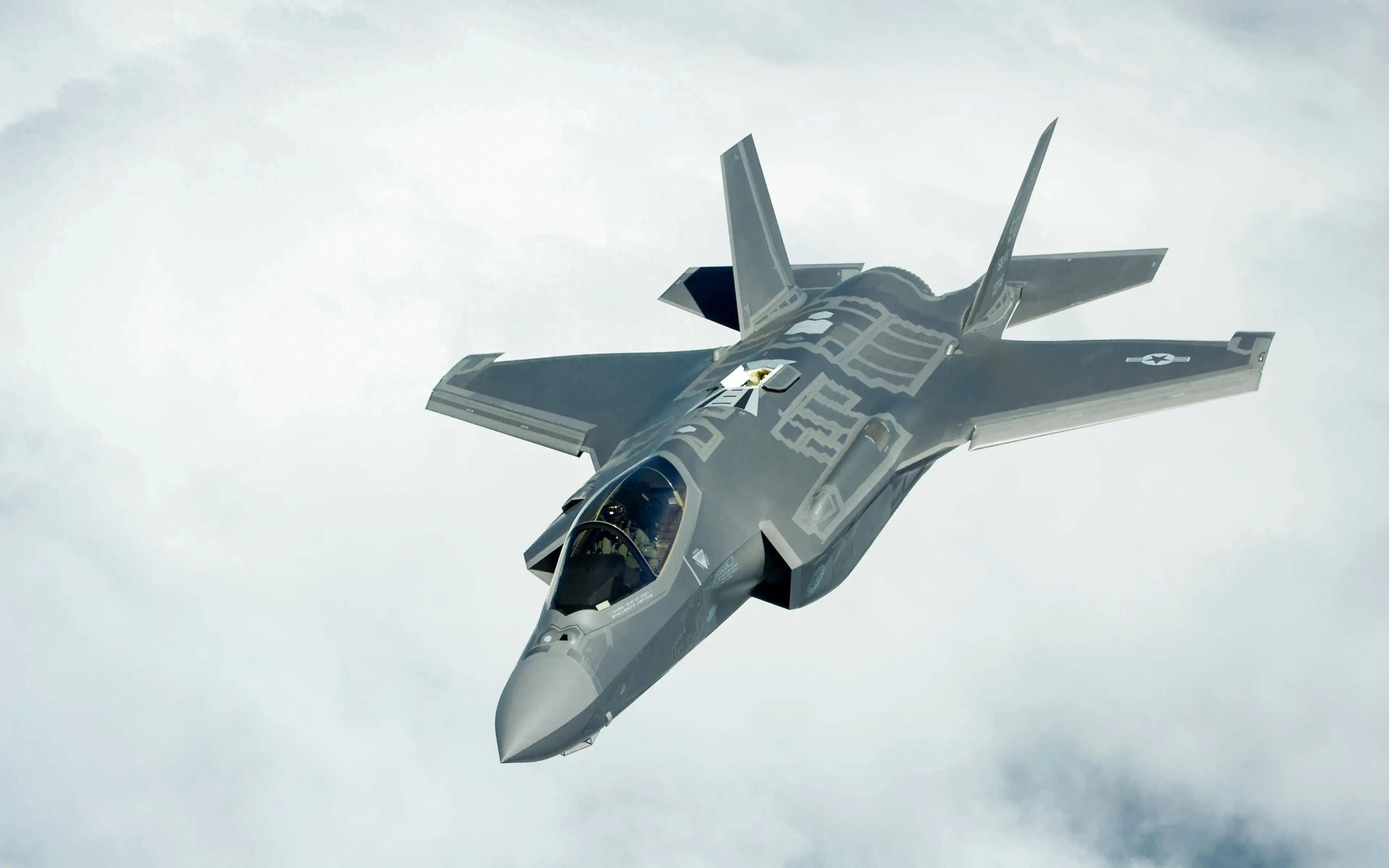
Group 1 - The U.S. automotive industry is facing production halts due to a shortage of rare earth materials, which are critical for manufacturing, including the F-35 fighter jet [1][4] - China controls a significant portion of the rare earth supply chain, with the U.S. relying on Chinese processing for its own rare earth minerals [4][6] - The trade war initiated by the U.S. has inadvertently strengthened China's position in technology and manufacturing, as evidenced by the shift in trade dynamics and advancements in domestic technology [8][10] Group 2 - Each F-35 fighter jet requires 417 kilograms of rare earth materials, highlighting the dependency of U.S. military technology on Chinese resources [4] - China possesses 128 core patents for rare earth separation, allowing it to reduce purification costs significantly compared to Western companies [6] - The U.S. automotive sector incurs substantial losses from production delays, with a single day of halted operations costing $240 million [10]
中美谈判结束后,岛媒:美国无牌可打,莫迪表态:稀土不卖日本了
Sou Hu Cai Jing· 2025-06-16 10:19
Group 1 - The first meeting of the China-U.S. economic and trade consultation mechanism took place on June 9 in London, focusing on tariffs, technology, and rare earths, which has attracted significant international attention [1] - Following a phone call between the leaders of China and the U.S. on June 5, both sides agreed to continue implementing the Geneva consensus and hold new talks promptly [3] - The U.S. has intensified export controls on advanced technologies, which has drawn criticism from China, stating that such actions deprive other countries of their rights to develop high-tech industries [4] Group 2 - China has implemented export controls on rare earths, raising concerns in the U.S. about potential impacts on domestic industries, while the U.S. has been criticized for not addressing its own aggressive measures against China [4] - The U.S. Secretary of Commerce's involvement in the talks suggests a possible reconsideration of some technology restrictions that hinder China's long-term growth objectives [4] - Despite high tariffs causing difficulties for many U.S. companies in China, most surveyed do not plan to exit the Chinese market, indicating the market's significant appeal [7] Group 3 - The ongoing economic negotiations between China and the U.S. are seen as a crucial attempt to seek cooperation and mutual benefits amid a complex international landscape [9] - The Chinese Ministry of Commerce has stated that it will continue to review export license applications for rare earths while considering the reasonable needs of other countries [6] - The U.S. has issued a ban on nuclear equipment suppliers from selling products to Chinese nuclear power plants, highlighting ongoing tensions [6]
军用稀土悬而未决?芯片封锁对稀土制裁!中美博弈谁能先破局?
Sou Hu Cai Jing· 2025-06-16 00:22
Group 1 - The core issue in the US-China negotiations revolves around rare earth elements, with ordinary rare earths being discussed, but military-grade rare earths remain contentious [1][3][12] - The US has not committed to supplying advanced chips to China, citing potential military applications, while China has not agreed to provide military-grade rare earths to the US [3][12][14] - China has agreed to expedite the approval process for non-military rare earth exports to US producers, but with limitations on quantity and time [8][9][12] Group 2 - The distinction between light and heavy rare earths is crucial, with China controlling heavy rare earths that are essential for various industries, including semiconductors and electric vehicles [5][12][14] - The US is heavily reliant on China for heavy rare earths, particularly for military applications, which poses a strategic challenge for the US defense sector [9][12][14] - The negotiations have not resolved the underlying tensions, and both countries are still in a state of strategic standoff, with China gaining more leverage in the current situation [19][21]