双碳目标

Search documents
推进首都氢能交通落地
Xin Lang Cai Jing· 2026-01-26 19:00
Group 1: Green and Low-Carbon Development - The Beijing Municipal Political Consultative Conference emphasizes the importance of creating a green, low-carbon, and livable environment, suggesting the acceleration of hydrogen energy cold chain vehicle commercialization as a key initiative [1] - Liu Zuoli, a member of the conference, advocates for strengthening green technology innovation and establishing strategic partnerships to support the development of a green technology market ecosystem [1] - Recommendations include the establishment of green technology validation centers and the implementation of advanced technology demonstration projects to address challenges in green development [1] Group 2: Cultural Innovation and Tourism - The conference highlights the role of new cultural formats in driving tourism consumption, with a focus on creating unique, epic-level cultural IPs to enhance Beijing's cultural landscape [2] - Suggestions include developing immersive large-scale performances that integrate daytime tourism with evening shows to transform the city's consumption patterns [2] - The use of technology, such as VR and AR, is recommended to enhance cultural experiences and promote digital cultural brands [2] Group 3: Rural Revitalization - The conference discusses the potential of Beijing's rural areas, emphasizing the need to leverage new media for promoting agricultural products and intangible cultural heritage [3] - Recommendations include using short videos and live streaming to connect traditional farming stories with products, creating a platform for rural services [3] - There is a call to break down regional and operational barriers to develop a comprehensive rural tourism industry, focusing on creating micro-vacation destinations that cater to urban residents' leisure needs [3][4]
能源央企密集召开年度工作会议,扩大有效投资等是今年重点
第一财经· 2026-01-26 16:02
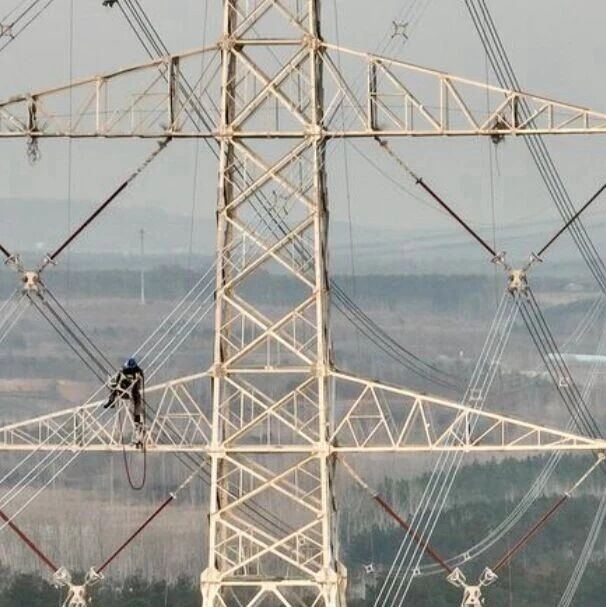
Core Viewpoint - The article discusses the strategic focus of major energy state-owned enterprises in China for 2026, emphasizing effective investment expansion, ensuring reliable energy supply, and accelerating digital transformation and technological innovation [3][5]. Group 1: Effective Investment Expansion - Major energy companies are prioritizing effective investment as a core strategy for the "14th Five-Year Plan" period, with significant investments planned in the power grid and nuclear power sectors. The State Grid has announced a record fixed asset investment plan of 4 trillion yuan for the "14th Five-Year Plan," while the Southern Power Grid plans to invest 180 billion yuan in 2026 [3][4]. - The focus areas for these investments include ultra-high voltage transmission, distribution network upgrades, and digital transformation, with ultra-high voltage being a key component for cross-regional power transmission, expected to increase capacity by over 30% compared to the end of the "13th Five-Year Plan" [3][4]. Group 2: Ensuring Reliable Energy Supply - Ensuring reliable energy supply is a top priority for several energy state-owned enterprises. China National Offshore Oil Corporation (CNOOC) emphasizes the need to strengthen domestic oil and gas reserves and production, while China Datang Corporation highlights the importance of achieving qualitative and quantitative improvements in energy supply [5]. - The demand for energy transition and security is underscored by data from the National Bureau of Statistics, indicating that total energy consumption in 2025 is projected to grow by 3.5% year-on-year, with electricity consumption reaching 10.4 trillion kilowatt-hours, more than double that of the United States [5]. Group 3: Technological Innovation and Digital Transformation - Many energy state-owned enterprises are positioning technological innovation and digital transformation as key drivers for high-quality development in 2026. The State Grid plans to integrate digital transformation into its trillion-yuan investment strategy, alongside ultra-high voltage and distribution network upgrades [6]. - The National Development and Reform Commission and the National Energy Administration have introduced policies to promote the integration of artificial intelligence with the energy sector, aiming to establish an innovative system by 2027 and enhance the safety and efficiency of energy systems [6].

能源央企密集召开年度工作会议,扩大有效投资等是今年重点
Di Yi Cai Jing· 2026-01-26 14:41
Group 1 - The core focus of energy state-owned enterprises for 2026 includes expanding effective investment, planning major projects, ensuring reliable energy supply, and accelerating digital transformation and technological innovation [1][2][3] - The investment plan for the "14th Five-Year Plan" includes a record 4 trillion yuan from the State Grid and 180 billion yuan from the Southern Grid, targeting ultra-high voltage transmission, distribution network upgrades, and digital transformation [1] - The nuclear power sector is highlighted with the launch of the Jiangsu Xuwei nuclear heating power plant, which will supply 32.5 million tons of industrial steam annually and reduce carbon emissions by 19.6 million tons [2] Group 2 - The demand for energy transition and security is increasing, with a projected 3.5% growth in total energy consumption by 2025, and electricity consumption reaching 10.4 trillion kilowatt-hours, more than double that of the US [3] - Energy state-owned enterprises are prioritizing technological innovation and digital transformation as key drivers for high-quality development in 2026, with significant investments planned in these areas [3][4] - Policies from the National Development and Reform Commission and the National Energy Administration aim to integrate artificial intelligence with the energy sector, targeting the establishment of an innovation system by 2027 [4]


新华解码丨发展绿色生产力 零碳工厂怎么建?
Xin Hua She· 2026-01-26 11:46
Core Viewpoint - The article discusses the development of zero-carbon factories in China, emphasizing the need for technological innovation and systematic measures to reduce carbon emissions, as outlined in the recent guidelines issued by multiple government departments [1][3]. Group 1: Zero-Carbon Factory Construction - The "14th Five-Year Plan" suggests the construction of zero-carbon factories and parks to promote green transformation in the manufacturing sector [1]. - Zero-carbon factories focus on minimizing carbon emissions through technology, structural adjustments, and management optimization rather than achieving absolute zero emissions [1]. - The construction of zero-carbon factories is seen as a new development model that drives the green transformation and enhances efficiency in the manufacturing industry [1]. Group 2: Guidelines and Implementation - The guidelines include overall requirements, main objectives, construction paths, and work requirements, outlining a roadmap for zero-carbon factory construction [3]. - From 2026, a selection of zero-carbon factories will be initiated, with specific industries targeted for development by 2027 and further expansion by 2030 [3]. - The guidelines prioritize industries with urgent decarbonization needs and lower difficulty in achieving carbon reduction, allowing for a phased approach to implementation [3]. Group 3: Key Challenges and Solutions - There are significant differences in understanding zero-carbon factories, with challenges such as inconsistent evaluation requirements and weak carbon emission accounting foundations [2]. - The guidelines emphasize the need for a robust carbon emission accounting management system to provide accurate data for emission reduction strategies [4]. - Collaborative carbon reduction across the entire supply chain is crucial, with a focus on analyzing carbon footprints and managing zero-carbon supply chains [4]. Group 4: Standards and Support - The construction of zero-carbon factories requires a solid foundation of standards and regulations, with efforts to develop general requirements and industry-specific guidelines [5]. - The China Electronic Technology Standardization Institute is working on establishing national standards for zero-carbon factories, including carbon footprint monitoring [5]. - Strengthening standard compliance and guiding enterprises to meet these standards will support the cultivation of benchmark zero-carbon factories [5].
潞安化工:瓦斯变身效益源
Xin Hua Cai Jing· 2026-01-26 10:35
近年来,潞安化工集团坚持采煤采气一体化发展路径,深耕煤矿瓦斯综合开发利用,绿色发展动能不断 增强。 近年来,潞安化工集团坚持采煤采气一体化发展路径,深耕煤矿瓦斯综合开发利用。2023年以来,潞安 化工集团瓦斯发电13亿多千瓦时,减排二氧化碳1000多万吨。集团"双碳"目标下华北典型煤矿区甲烷开 采防灾减排一体化关键技术及应用项目,荣获2025年度山西省科学技术进步奖一等奖。 应抽尽抽 以用促抽 走进潞安化工集团余吾煤业公司北风井低浓度瓦斯氧化发电项目现场,机器轰鸣声不绝于耳。来自井下 的瓦斯正源源不断地输入机组,经高效转化,变为稳定的电能与热能,输送至千家万户的暖气管网,涌 向企业各生产车间。 "该项目于2024年11月正式并网发电,专门回收利用瓦斯泵站直接外排的甲烷体积浓度1%到10%的低浓 度瓦斯。"新元公司机电动力部副部长王博介绍,该项目日均发电11万千瓦时。 在充分利用低浓度瓦斯的同时,新元公司以智能瓦斯实验室为平台,联合科研院校破解多项难题,形成 了一批特色治理技术。 在智能瓦斯实验室内,工作人员张玉辉正利用高压容量法和瓦斯吸附装置测定煤样吸附常数。张玉辉介 绍,设备搭载自主开发的微机测试软件,可自 ...
“垃圾不够烧了” 中国垃圾焚烧发电技术全球领跑
2 1 Shi Ji Jing Ji Bao Dao· 2026-01-26 09:37
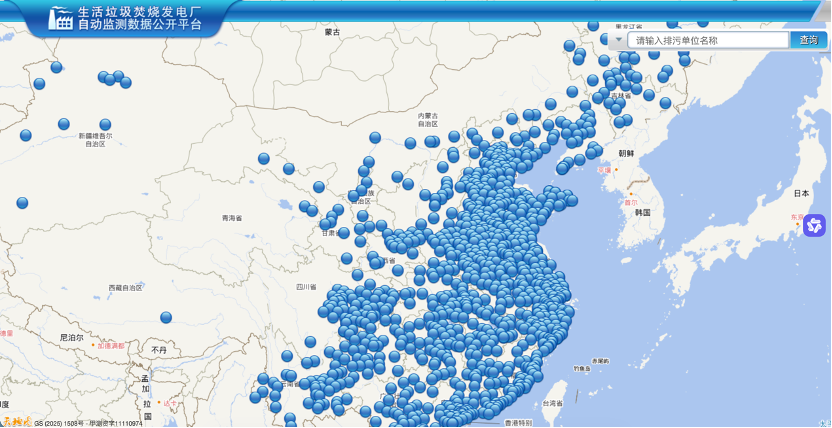
Core Viewpoint - The article discusses the significant advancements in waste management in China, particularly focusing on the transition from traditional landfill methods to waste incineration, highlighting the ongoing large-scale projects aimed at environmental remediation and the technological innovations that have made waste a resource rather than a burden [1][2][4]. Group 1: Waste Management Developments - The Yulong landfill site in Shenzhen is undergoing the largest waste relocation project in China, with an expected completion date of September 2026 [1]. - The total volume of waste at the Yulong landfill was approximately 2.5 million cubic meters, equivalent to filling 1,000 Olympic-sized swimming pools [1]. - In 2024, the national urban household waste collection volume is projected to reach 262 million tons, up from 158 million tons in 2010 [3]. Group 2: Technological Advancements - China has made significant progress in waste incineration technology, transitioning from a follower to a leader in the field, with key advancements in combustion efficiency and pollution control [2][7]. - The market for waste incineration power generation in China is estimated to be around 73 billion yuan in 2024, reflecting a decrease from the nearly 100 billion yuan peak in 2020 due to reduced waste availability [5]. - The dominant technology in waste incineration is the mechanical grate furnace, which holds over 80% market share due to its stability and adaptability to China's waste characteristics [7]. Group 3: Industry Structure and Market Dynamics - The waste incineration power generation industry has developed a complete industrial chain, including waste collection, equipment manufacturing, and project operation [4]. - As of early 2025, over 1,000 waste incineration power plants are operational in China, but some regions face a "not enough waste to burn" issue, with average capacity utilization around 60% [9]. - Major players in the industry include China Everbright International, Sanfeng Environment, and Huaneng Environment, with a competitive landscape characterized by a few leading firms [12][13]. Group 4: Policy and Regulatory Environment - The Chinese government has prioritized waste incineration as a key direction for solid waste management since the 11th Five-Year Plan, further emphasizing its importance in the context of carbon neutrality and "zero waste cities" [4]. - Strict regulatory requirements mandate that all incineration plants install automatic monitoring systems to ensure compliance with environmental standards [8]. Group 5: Future Outlook and Challenges - Companies are exploring new waste sources and innovative technologies to enhance operational efficiency and address the issue of insufficient waste supply [13]. - The successful excavation of the Yulong landfill exemplifies the capability to tackle long-standing waste management challenges through advanced technologies [14].
信然发布磁悬浮中央空调——国产化技术引领节能变革
Jiang Nan Shi Bao· 2026-01-26 09:17
Core Viewpoint - The launch of the 1600-ton magnetic levitation centrifugal water chiller by Xinan Group marks a significant advancement in China's high-efficiency energy-saving equipment sector, breaking international monopolies and achieving a leap from technology follower to leader, with energy savings exceeding 30% [1][2] Group 1: Product Features - The new chiller utilizes fully independent intellectual property magnetic levitation technology, achieving a friction loss of only 2% compared to traditional units, and improving heat exchange efficiency by 15% [1] - The unit supports a variable load adjustment from 2% to 100% and can reach rotor speeds of up to 48,000 RPM, significantly surpassing the 3,000 RPM limit of traditional units [1] Group 2: Energy Efficiency - The product's energy-saving performance is its core competitive advantage, with actual data confirming stable energy savings of over 30%, and in high-load scenarios, savings can exceed 60% [2] - For a 1000MW coal-fired power plant, a single unit can replace multiple traditional units, saving over 20 million yuan in electricity costs annually, with a payback period of less than 2 years in high electricity price regions [2] Group 3: Market Impact - The successful application of the magnetic levitation chiller in various high-energy consumption scenarios, such as 1000MW energy projects and chip manufacturing, demonstrates its reliability in energy savings, maintaining an average annual electricity saving rate of over 35% [2] - The launch of this product not only solidifies China's leading position in the global magnetic levitation HVAC market but also promotes breakthroughs in high-end manufacturing for domestic equipment [3]
动力电池碳足迹管理体系建设迈向新阶段
Zhong Guo Neng Yuan Wang· 2026-01-26 08:44
Core Viewpoint - The Ministry of Industry and Information Technology (MIIT) has initiated the carbon footprint accounting and reporting for automotive power batteries, aiming to establish a comprehensive management system by the end of 2026, which will align with international standards [1][2]. Group 1: Policy and Framework - The notification marks the full launch of carbon footprint accounting and reporting for automotive power batteries, which are significant sources of carbon emissions in the lifecycle of new energy vehicles [1]. - By 2026, a robust framework for carbon footprint management, including accounting rules, certification standards, and background data systems, is expected to be established [1][2]. - The implementation of a unified carbon footprint reporting system is crucial for the global development of the power battery industry and aligning with international standards [2][3]. Group 2: Industry Collaboration - The carbon footprint data reporting involves various stakeholders across the supply chain, with battery pack manufacturers as the primary reporting entities [2][3]. - The establishment of a "Battery Carbon Chain Alliance" is suggested to enhance collaboration among battery manufacturers, upstream material suppliers, and third-party organizations to build a low-carbon management system [3]. Group 3: Implementation Phases - The reporting process will be conducted in two phases: a trial run until December 31, 2026, followed by regular reporting starting January 1, 2027 [4][5]. - During the trial phase, manufacturers are required to report the carbon footprint for at least five typical battery pack products, covering all chemical systems [5]. Group 4: Challenges and Recommendations - Companies may face challenges such as data acquisition difficulties, high costs, and a lack of professional talent in carbon footprint management [6]. - It is recommended that companies build digital carbon management platforms to enhance data transparency and collaboration across the supply chain [6]. - The government is encouraged to support small and medium-sized enterprises in developing their carbon accounting capabilities through training and tax incentives [6]. Group 5: International Standards and Cooperation - The MIIT emphasizes the importance of aligning domestic standards with international norms to reduce compliance costs for export-oriented companies [6][7]. - Continuous communication and collaboration with international entities will be pursued to promote unified accounting rules and mutual recognition of results [7].
免费注册参会!生物基化学品与材料专场,就在杭州,第五届中国合成生物学及生物制造大会
synbio新材料· 2026-01-26 08:30
在全球推进绿色转型与"双碳"目标的战略背景下,生物基化学品与材料作为生物制造产业的核心支 柱,凭借原料可再生、全生命周期低碳环保等核心优势,正加速替代传统石油基产品,在包装、纺 织、汽车等领域展现出广阔应用前景,成为全球产业绿色转型的关键赛道。 我国高度重视该领域发展,将生物基新材料列为关键战略材料,多项产业扶持政策持续落地。然 而,产业仍面临包括综合成本竞争力、原料供应链稳定、产品性能优化及终端市场接受度等关键问 题。 基于此, 2026年3月31日-4月1日 ,"第五届中国合成生物学及生物制造大会"将在杭州举办,其中设 置 【 生物基化学品与材料专场】 ,旨在汇聚产学研用多方智慧,破解产业发展难题,助力生物基 化学品与材料产业高质量发展。 大会介绍 0 1 大会时间 | 2026年3月31日-4月1日 大会地点 | 杭州市 大会规模 | 1000人 主办单位 | synbio深波 承办单位 | 享融智云 媒体支持 | synbio新农食、synbio新美护、synbio新材料、生物制造圈、合成生物学俱乐部 扫码 免费 报名参会 论坛设置 0 2 | | 会场一 | 会场二 | 会场三 | | --- | ...
惠城环保加码固废治理 以独创技术打通废塑料高值化路径
Quan Jing Wang· 2026-01-26 08:22
近日,惠城环保(300779)接受多家机构投资调研时谈及未来"公司 20 万吨/年混合废塑料资源化综合利用 项目是公司未来发展的核心方向。该技术能将废塑料转化为高附加值的化工产品,被视为解决塑料污 染、能源替代和实现'双碳'目标的关键技术。" 独创技术让低值废塑料涅槃重生 随着工业化、城镇化的发展,"白色垃圾"治理已成为全球性挑战。针对混合废塑料的利用,惠城环保自 主研发的混合废塑料深度催化裂解(CPDCC)"一步法"技术的成功产业化,破解了行业"分类难、利用 效率低"的核心痛点。不同于市场上通用的"先热解制油、再加工成化工原料"的两步法流程,该技术无 需复杂分选,成功实现了将低值混合废塑料一步转化制成高附加值化工原料,真正意义上做到了"变废 为宝",提升了资源化产品的价值链。 "公司产品主要面向两大市场:一是满足欧盟等对再生塑料含量有要求的高端包装市场;二是替代国内 现有的高端物理再生塑料市场。目前公司已打通从低值混合废塑料到高端聚烯烃产品的全产业链,低值 混合废塑料通过CPDCC技术产出高附加值化工原料后,进一步聚合生成与石化来源原生级性能一致的 聚烯烃材料,实现"废塑料—化工原料-绿色新材料"的闭环循环 ...