强化学习

Search documents
波士顿动力机器狗终于有新绝活!工程师:我们也没想到它能做到
机器人大讲堂· 2025-08-30 14:59
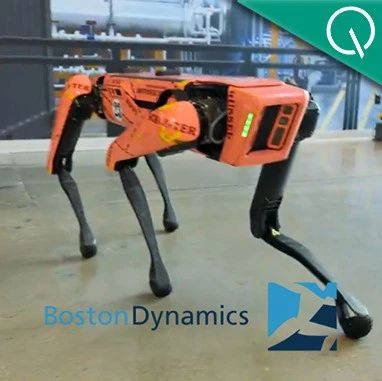
Core Viewpoint - Boston Dynamics' Spot robot has showcased impressive new capabilities, including performing backflips, which highlights its advanced engineering and potential applications in various industries [1][3][5]. Group 1: Technical Achievements - Spot can perform multiple backflips and other complex movements, demonstrating agility comparable to that of a gymnast [3][5]. - The engineering team, led by Arun Kumar, initially doubted the feasibility of Spot performing backflips, indicating the experimental nature of the project [5]. - The training for these movements is not merely for show; it aims to ensure Spot can recover quickly from falls while carrying heavy loads in industrial settings [8][10]. Group 2: Training and Development Process - The development process involves iterative testing in simulation environments before deploying successful movements to the physical robot [11]. - The team utilizes reinforcement learning to enhance Spot's performance, achieving speeds over 5.2 meters per second, which is more than three times the default controller's maximum speed [13]. Group 3: Practical Applications - Since its commercial launch in 2020, Spot has been utilized in various industrial applications, including surveying at Ford factories and conducting safety inspections at Kia [14][17]. - Spot has also been involved in radiation surveys for Dominion Energy and automated inspections at Chevron's facilities, showcasing its versatility in different environments [16][17]. Group 4: Public Perception and Engagement - Public performances, such as those on "America's Got Talent," aim to change perceptions of robots, presenting them as engaging and beneficial rather than threatening [20][22]. - The deployment of Spot for unique tasks, such as delivering pizza for Domino's, illustrates its adaptability and potential for diverse applications [18].

消失一年,Kimi杨植麟最新对话:“站在无限的开端”
创业邦· 2025-08-30 03:19
Core Viewpoint - The article discusses the evolution and advancements in AI, particularly focusing on the Kimi K2 model developed by DeepSeek, highlighting the ongoing challenges and the philosophical implications of problem-solving in AI development [4][5][12]. Group 1: Kimi K2 Model Development - The Kimi K2 model, based on the MoE architecture, represents a significant advancement in AI, allowing for open-source programming and interaction with the digital world [4][5]. - The model's release in July 2025 marked a return to public attention for DeepSeek after a period of relative silence from its founder, Yang Zhilin [4][5]. - The development process involved a shift from pre-training and supervised fine-tuning to a focus on pre-training and reinforcement learning, which significantly impacted the company's operational methods [27][28]. Group 2: Philosophical Insights - Yang Zhilin emphasizes that human civilization is a continuous process of conquering problems and expanding knowledge boundaries, drawing inspiration from David Deutsch's book "The Beginning of Infinity" [5][12]. - The notion that every solved problem leads to new questions is central to the ongoing development of AI, suggesting an infinite journey of exploration and innovation [5][12]. Group 3: Technical Innovations - The K2 model aims to maximize token efficiency, allowing the model to learn more effectively from the same amount of data, which is crucial given the slow growth of high-quality data [29][30]. - The introduction of the Muon optimizer significantly enhances token efficiency, enabling the model to learn from data more effectively than traditional optimizers like Adam [30][31]. - The model's ability to perform complex tasks over extended periods without human intervention is a notable advancement, showcasing the potential for end-to-end automation in AI applications [17][44]. Group 4: Agentic Capabilities - The K2 model is characterized as an Agentic model, capable of multi-turn interactions and utilizing various tools to connect with the external world, which enhances its problem-solving capabilities [43][44]. - The development of multi-agent systems is highlighted as a way to improve task execution and collaboration among different agents, allowing for more complex problem-solving [22][44]. - The challenge of generalization in agent models is acknowledged, with ongoing efforts to improve their adaptability to various tasks and environments [34][46].

红杉美国:未来一年,这五个 AI 赛道我们重点关注
Founder Park· 2025-08-29 12:19
Core Viewpoint - Sequoia Capital believes that the AI revolution will be a transformative change comparable to the Industrial Revolution, presenting a $10 trillion opportunity in the service industry, with only $20 billion currently automated by AI [2][11]. Investment Themes - Sequoia will focus on five key investment themes over the next 12-18 months: persistent memory, communication protocols, AI voice, AI security, and open-source AI [2][30]. Historical Context - The article draws parallels between the current AI revolution and historical milestones of the Industrial Revolution, emphasizing the importance of specialization in the development of complex systems [5][7][10]. Market Potential - The U.S. service industry market is valued at $10 trillion, with only $20 billion currently impacted by AI, indicating a massive growth opportunity [11][13]. Investment Trends - Five observed investment trends include: 1. Leverage over certainty, where AI agents can significantly increase productivity despite some uncertainty [21]. 2. Real-world validation of AI capabilities, moving beyond academic benchmarks [23]. 3. The practical application of reinforcement learning in industry [25]. 4. AI's integration into the physical world, enhancing processes and hardware [27]. 5. Computing becoming a new productivity function, with knowledge workers' computational needs expected to increase dramatically [29]. Focus Areas for Investment - Persistent memory is crucial for AI to integrate deeply into business processes, with ongoing challenges in this area [31]. - Seamless communication protocols are needed for AI agents to collaborate effectively, similar to the TCP/IP standard in the internet revolution [34]. - AI voice technology is currently maturing, with applications in consumer and enterprise sectors [36][37]. - AI security presents a significant opportunity across the development and consumer usage spectrum [39]. - Open-source AI is at a critical juncture, with the potential to compete with proprietary models, fostering a more open future [41].

不愧是中国机器人,乒乓打得太6了
量子位· 2025-08-29 11:37
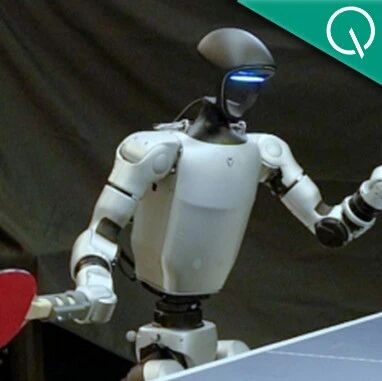
Core Viewpoint - The article discusses the advancements in humanoid robots, specifically focusing on a table tennis robot developed by Tsinghua University students, showcasing its ability to perform high-level table tennis skills through a combination of hierarchical planning and reinforcement learning [7][8]. Group 1: Robot Performance - The robot can respond with a reaction time of 0.42 seconds and has achieved a maximum of 106 consecutive hits during a match [3][5][23]. - In real-world tests, the robot successfully returned 24 out of 26 balls, achieving a hitting rate of 96.2% and a return rate of 92.3% [21]. Group 2: Technical Framework - The research team proposed a hierarchical framework that separates high-level planning from low-level control, allowing the robot to predict ball trajectories and execute human-like movements [9][11]. - A model-based planner predicts the ball's position, speed, and timing, while a reinforcement learning-based controller generates coordinated movements [10][16]. Group 3: Training Methodology - The robot was trained using a standard table tennis setup, with its hand modified to function as a paddle [13]. - The training incorporated human motion references to encourage the robot to mimic human-like swinging actions [18][19]. Group 4: Challenges in Robotics - Table tennis is highlighted as a challenging sport for robots due to the need for rapid perception, prediction, planning, and execution within a very short time frame [29][30]. - The sport requires agile full-body movements, including quick arm swings, waist rotations, and balance recovery, making it a complex task for humanoid robots [32][33].
谢赛宁回忆七年前OpenAI面试:白板编程、五小时会议,面完天都黑了
机器之心· 2025-08-29 09:53
Core Insights - The article discusses the unique interview experiences of AI researchers at major tech companies, highlighting the differences in interview styles and the focus areas of these companies [1][9][20]. Group 1: Interview Experiences - Lucas Beyer, a researcher with extensive experience at top AI firms, initiated a poll about memorable interview experiences at companies like Google, Meta, and OpenAI [2][20]. - Saining Xie shared that his interviews at various AI companies were unforgettable, particularly noting the rigorous two-hour marathon interview at DeepMind, which involved solving over 100 math and machine learning problems [5][6]. - The interview process at Meta was described as more academic, focusing on discussions with prominent researchers rather than just coding [6][7]. Group 2: Company-Specific Insights - The interview style at Google Research was likened to an academic job interview, with a significant emphasis on research discussions rather than solely on coding challenges [7]. - OpenAI's interview process involved a lengthy session focused on a reinforcement learning problem, showcasing the company's commitment to deep research engagement [8][9]. - The article notes that the interview questions reflect the research priorities of these companies, such as Meta's focus on computer vision and OpenAI's emphasis on reinforcement learning [9][20]. Group 3: Notable Interviewers and Candidates - Notable figures like John Schulman and Noam Shazeer were mentioned as interviewers, indicating the high caliber of talent involved in the hiring processes at these firms [7][9]. - Candidates shared memorable moments from their interviews, such as solving complex problems on napkins or engaging in deep discussions about research topics [19][20].



四足机械狗+单臂,低成本开启你的具身学习之旅
具身智能之心· 2025-08-29 04:00
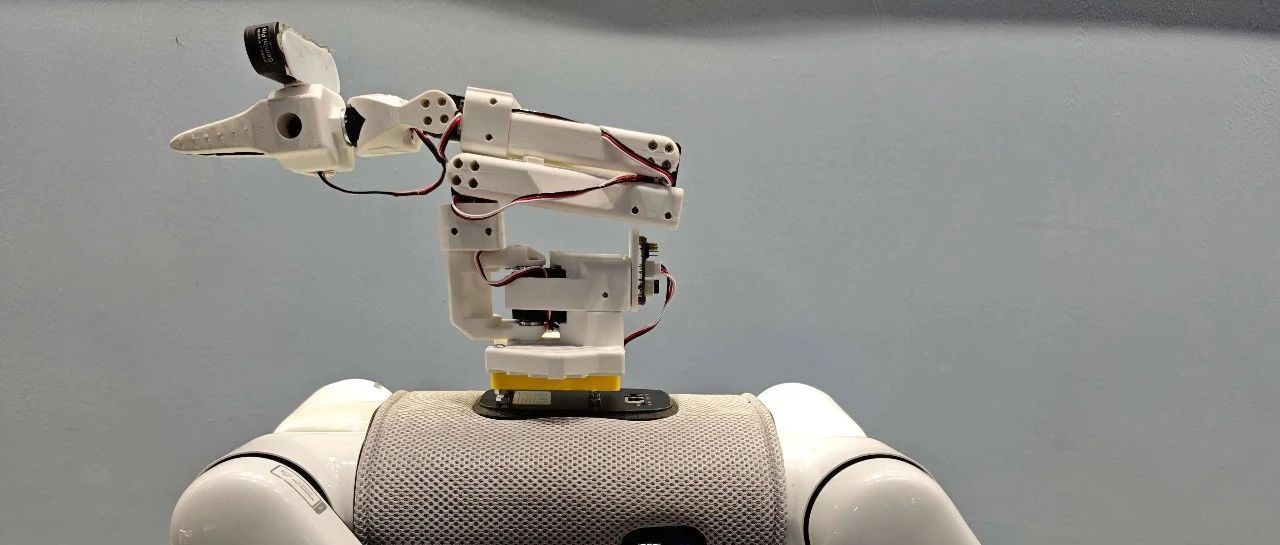
Core Viewpoint - Xdog is a low-cost, multifunctional quadruped robotic dog and robotic arm development platform designed for embodied developers, featuring a comprehensive curriculum for research and learning in robotics [1][2]. Group 1: Hardware Overview - Xdog integrates a robotic dog and robotic arm, with advanced functionalities such as voice control, sim2real, real2sim, target recognition and tracking, autonomous grasping, and reinforcement learning gait control [2][5]. - The robotic dog measures 25cm x 20cm x 30cm and weighs 7.0kg, with a maximum speed of 7.2 km/h and a maximum rotation speed of 450 degrees per second [3][11]. - The main control chip is Allwinner H616, featuring a quad-core 1.6GHz CPU, 4GB RAM, and 32GB storage [4][5]. Group 2: Technical Specifications - The robotic dog has a battery capacity of 93.24Wh, providing approximately 120 minutes of operational time and a standby time of about 6 hours [5][11]. - The robotic arm can reach a maximum height of 0.85m and has a grasping range of 0.4m around its base [7]. - The depth camera features active dual infrared and structured light technology, with a depth output resolution of 1280 × 800 @ 30 fps and a working distance of 0.2m - 10m [14]. Group 3: Software and Functionality - The system supports various control methods including voice control, keyboard control, visual control, and reinforcement learning for autonomous movement [15][17]. - Development is based on ROS1, with Python as the primary programming language, and it is recommended to use a GPU of at least 2080ti for inference [16][24]. - The platform allows for advanced functionalities such as collaborative control of the robotic arm and dog for target following, and autonomous grasping capabilities [19][20]. Group 4: Educational Curriculum - The curriculum includes hands-on training in ROS project creation, Mujoco simulation, and reinforcement learning principles, among other topics [22][23]. - Courses cover the setup and usage of the Xdog system, including network configuration, camera parameter adjustments, and advanced algorithms for object recognition and tracking [22][23]. - The teaching team consists of experienced instructors responsible for project management, technical support, and algorithm training [22]. Group 5: Delivery and Support - The delivery cycle is set to be completed within three weeks after payment, with a one-year warranty for after-sales service [25][26]. - The product includes hardware and accompanying courses, with no returns or exchanges allowed for non-quality issues [26].
基于深度强化学习的轨迹规划
自动驾驶之心· 2025-08-28 23:32
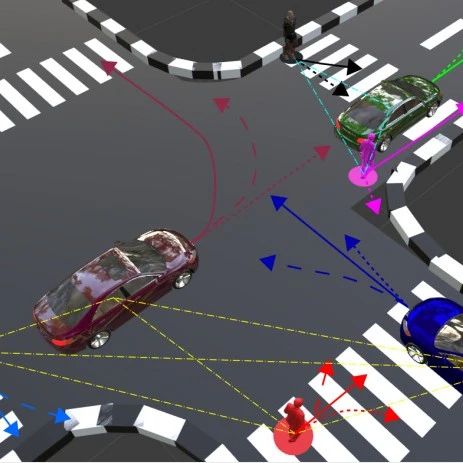
Core Viewpoint - The article discusses the advancements and potential of reinforcement learning (RL) in the field of autonomous driving, highlighting its evolution and comparison with other learning paradigms such as supervised learning and imitation learning [4][7][8]. Summary by Sections Background - The article notes the recent industry focus on new technological paradigms like VLA and reinforcement learning, emphasizing the growing interest in RL following significant milestones in AI, such as AlphaZero and ChatGPT [4]. Supervised Learning - In autonomous driving, perception tasks like object detection are framed as supervised learning tasks, where a model is trained to map inputs to outputs using labeled data [5]. Imitation Learning - Imitation learning involves training models to replicate actions based on observed behaviors, akin to how a child learns from adults. This is a primary learning objective in end-to-end autonomous driving [6]. Reinforcement Learning - Reinforcement learning differs from imitation learning by focusing on learning through interaction with the environment, using feedback from task outcomes to optimize the model. It is particularly relevant for sequential decision-making tasks in autonomous driving [7]. Inverse Reinforcement Learning - Inverse reinforcement learning addresses the challenge of defining reward functions in complex tasks by learning from user feedback to create a reward model, which can then guide the main model's training [8]. Basic Concepts of Reinforcement Learning - Key concepts include policies, rewards, and value functions, which are essential for understanding how RL operates in autonomous driving contexts [14][15][16]. Markov Decision Process - The article explains the Markov decision process as a framework for modeling sequential tasks, which is applicable to various autonomous driving scenarios [10]. Common Algorithms - Various algorithms are discussed, including dynamic programming, Monte Carlo methods, and temporal difference learning, which are foundational to reinforcement learning [26][30]. Policy Optimization - The article differentiates between on-policy and off-policy algorithms, highlighting their respective advantages and challenges in training stability and data utilization [27][28]. Advanced Reinforcement Learning Techniques - Techniques such as DQN, TRPO, and PPO are introduced, showcasing their roles in enhancing training stability and efficiency in reinforcement learning applications [41][55]. Application in Autonomous Driving - The article emphasizes the importance of reward design and closed-loop training in autonomous driving, where the vehicle's actions influence the environment, necessitating sophisticated modeling techniques [60][61]. Conclusion - The rapid development of reinforcement learning algorithms and their application in autonomous driving is underscored, encouraging practical engagement with the technology [62].
理想汽车高管解读Q2财报:将通过辅助驾驶的深度焕新强化产品竞争力
Xin Lang Ke Ji· 2025-08-28 14:46
Core Insights - The management of Li Auto discussed strategies to address the decline in sales of the L series and emphasized the importance of enhancing product competitiveness through intelligent driving features [1] - The company is set to upgrade its entire range of extended-range AD Max models with the VLA intelligent driving system, which has shown significant improvements in driving performance [2] - Li Auto's pure electric vehicle lineup is expected to grow with the introduction of the i6 model, targeting younger consumers and aiming for substantial sales contributions [3] Sales Strategy - The company aims to achieve its overall sales targets by focusing on intelligent features and regional marketing strategies tailored to local market conditions [1][3] - The sales system has been adjusted to manage 23 regions directly from headquarters, allowing for localized policy implementation [3] Product Development - The VLA intelligent driving system is undergoing rapid iterations supported by a simulation environment, enhancing the company's competitive edge in autonomous driving technology [2] - The i8 model has received positive feedback, and the company plans to ramp up production to deliver between 8,000 to 10,000 units by the end of September [3] Marketing and Channel Optimization - The marketing strategy emphasizes "regionalization," focusing on different selling points for northern and southern markets [3] - The company is optimizing its store locations and types to improve customer acquisition and conversion rates, particularly in first to third-tier cities [4] - Expansion into lower-tier cities will be facilitated through a lightweight store model, increasing brand visibility and tapping into underdeveloped markets [4][5]

具身智能之心技术交流群成立了!
具身智能之心· 2025-08-28 08:36
Group 1 - The establishment of the Embodied Intelligence Heart Technology Exchange Group focuses on various advanced technologies including VLA, VLN, remote operation, Diffusion Policy, reinforcement learning, VLA+RL, sim2real, multimodal large models, simulation, motion control, target navigation, mapping and localization, and navigation [1] - Interested individuals can add the assistant's WeChat AIDriver005 to join the community [2] - To expedite the group entry process, it is advised to include a note with the institution/school, name, and research direction [3]
波士顿动力机器狗侧空翻炸场!穿轮滑鞋照样能翻
量子位· 2025-08-28 06:46
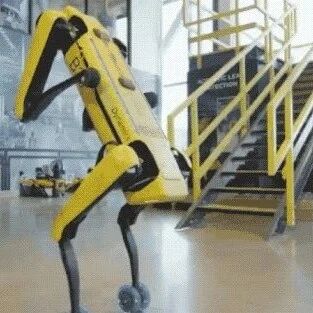
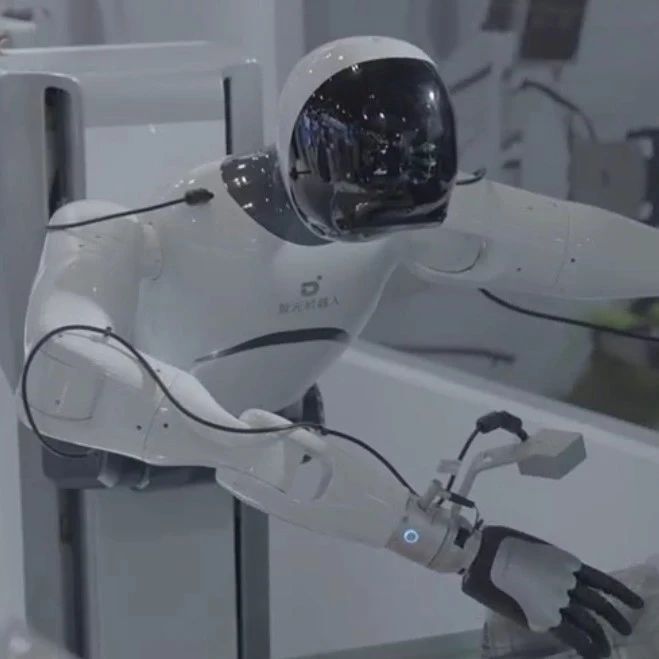
Core Viewpoint - Boston Dynamics' Spot robot has demonstrated advanced capabilities, including performing flips, which serve as a rigorous test for its hardware and algorithms, ensuring reliability in real-world operations [18][20][21]. Group 1: Robot Capabilities - Spot can perform various tasks beyond acrobatics, such as climbing stairs, surveying, and opening doors, showcasing its practical applications [10][12][14][16]. - The ability to perform flips is not just for show; it indicates the robustness of Spot's hardware and software systems [20][21]. Group 2: Training and Development - Spot's training involves reinforcement learning in simulated environments before real-world testing, allowing for iterative improvements in stability and performance [22]. - The robot's design includes 12 degrees of freedom and is equipped with five pairs of stereo cameras, enhancing its operational capabilities [22]. Group 3: Historical Context and Popularity - Spot has been a well-known entity since its introduction in 2016, gaining fame through various performances, including dancing to popular songs [27][30]. - The acquisition of Boston Dynamics by Hyundai in 2020 has positioned the company for further growth and innovation in robotics [31].