光伏行业产能过剩

Search documents
福斯特:预计2025年上半年净利润同比减少49.05%
news flash· 2025-07-09 08:19
Core Viewpoint - The company Foster (603806) anticipates a significant decline in net profit for the first half of 2025, primarily due to industry challenges such as overcapacity and intensified market competition [1] Financial Performance - The expected net profit attributable to the parent company for the first half of 2025 is 473 million yuan, a decrease of 455 million yuan compared to the same period last year, representing a year-on-year decline of 49.05% [1] - The anticipated net profit after deducting non-recurring gains and losses is projected to be 426 million yuan, down 473 million yuan year-on-year, which is a decrease of 52.65% [1] Industry Context - The decline in performance is attributed to factors affecting the photovoltaic industry, including overcapacity and increased market competition [1] - The prices of raw materials, specifically photovoltaic resin, and the selling prices of photovoltaic film products have both decreased, leading to a reduction in revenue scale and overall gross margin [1]

光伏生死局:行业打响“反内卷”保卫战,企业“减产自救”
Nan Fang Du Shi Bao· 2025-07-08 15:51
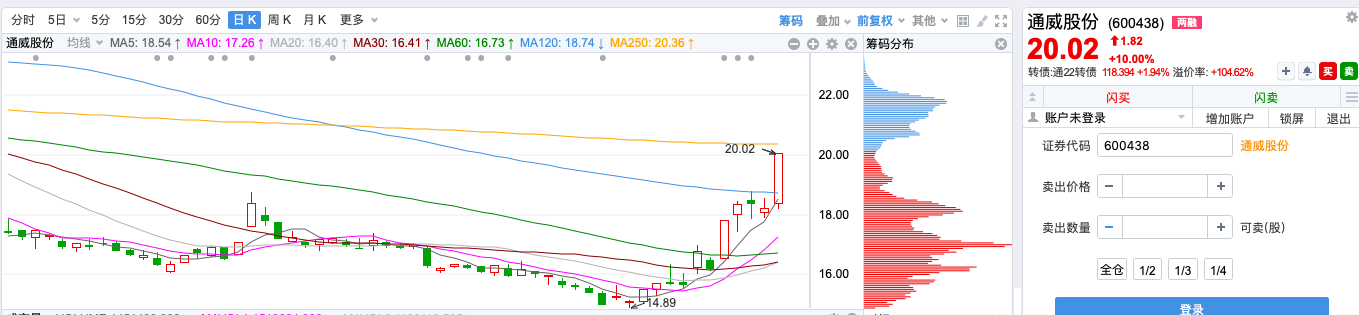
Core Viewpoint - The photovoltaic industry is facing severe price competition, leading to significant losses for companies, prompting a call for "anti-involution" measures to ensure sustainable development and product quality improvement [1][3][10]. Industry Overview - The Central Economic Committee has mandated the regulation of low-price competition in the photovoltaic sector, aiming to enhance product quality and facilitate the exit of outdated production capacity [1][10]. - The photovoltaic sector has seen a strong rebound in stock prices since early July, with companies like Tongwei Co., Ltd. and Longi Green Energy experiencing significant gains [1]. Financial Performance - Longi Green Energy reported a revenue of 82.58 billion yuan in 2024, a year-on-year decline of 36.23%, with losses exceeding 8.6 billion yuan, marking a staggering drop of 180.15% [3][6]. - The gross margin for Longi's silicon wafer and rod segments was reported at -14.31%, a decline of 30.19%, while the module and battery segments had a gross margin of only 6.27%, down 12.11% [5][6]. Market Dynamics - The photovoltaic industry is experiencing a supply-demand imbalance, leading to excessive competition and price drops that have resulted in many companies operating at a loss [3][7]. - The price of photovoltaic glass has significantly decreased, with a 24% drop for 2.0mm glass and an 18% drop for 3.2mm glass expected in the first half of 2025 [7][10]. Production Adjustments - In response to the ongoing price competition, major photovoltaic glass manufacturers have agreed to collectively reduce production by 30% starting in July [8][10]. - Many silicon wafer manufacturers are also planning to cut their operating rates by approximately 40% to mitigate losses and stabilize prices [10]. Regulatory Response - The manufacturing sector's recent meetings have emphasized the need for comprehensive governance of low-price competition and the promotion of product quality to achieve healthy and sustainable industry growth [1][10].




经营性现金流三年流出近8亿元,日御光伏董事长2023年年薪近3000万元
Sou Hu Cai Jing· 2025-06-20 01:01
Core Viewpoint - The company Jiangsu Riyu Photovoltaic New Materials Co., Ltd. (Riyu Photovoltaic) is planning to go public in Hong Kong amid a booming IPO market for the photovoltaic industry, despite facing challenges such as continuous operating cash flow outflows and increasing accounts receivable due to industry overcapacity [2][10][11]. Group 1: Company Performance - Riyu Photovoltaic has seen a significant increase in net profit, growing over a hundred times in the past three years, driven by the surge in TOPCon solar cell shipments [2][4]. - The company's revenue rose from 393 million yuan in the 2022 fiscal year to 2.285 billion yuan in the 2024 fiscal year, with net profit increasing from 877,000 yuan to 92.241 million yuan during the same period [4][11]. - Despite strong profit growth, the company has experienced continuous operating cash flow outflows, totaling nearly 800 million yuan over the reporting period [4][10]. Group 2: Financing and Cash Flow - To address funding needs, Riyu Photovoltaic has relied heavily on external financing, including multiple rounds of pre-IPO financing totaling 459 million yuan and significant bank loans [6][7]. - The company's interest expenses have increased year-on-year, with total interest payments rising from 6.649 million yuan in 2022 to 16.716 million yuan in 2024 [8]. - As of December 31, 2024, the company had only 113 million yuan in cash and cash equivalents, sufficient for approximately two months of operations [10]. Group 3: Customer Concentration and Accounts Receivable - Riyu Photovoltaic's revenue is highly concentrated, with the largest customer accounting for 46.9% of total revenue in the 2024 fiscal year [11]. - The company has faced challenges in accounts receivable collection, with accounts receivable increasing significantly and the turnover days rising from 76 days in 2023 to 117 days in 2024 [11][15]. - The company has made substantial provisions for bad debts, totaling nearly 600 million yuan over the reporting period, which is significant given its annual profit of less than 1 billion yuan [15]. Group 4: Management and Employee Compensation - The company's chairman and controlling shareholder, Guo Peng, has made multiple capital injections into Riyu Photovoltaic, including an 82 million yuan investment in 2021 and a 100 million yuan subscription in 2023 [5][16]. - The company has implemented stock incentive plans for key employees, with Guo Peng receiving 28.271 million yuan in stock incentives in 2023, while the general manager received 15.463 million yuan [18][19]. - The stock incentive plan has raised questions regarding potential conflicts of interest, particularly given the significant share of incentives awarded to top executives [19].
2025光伏SNEC:即使入不敷出,也要装得“很棒”
阿尔法工场研究院· 2025-06-15 11:39
Core Viewpoint - The photovoltaic industry is experiencing significant losses, with major companies like Longi, JA Solar, and Jinko facing drastic profit declines and negative cash flows, as component prices have fallen below production costs, leading to widespread financial distress [1][3][5]. Group 1: Industry Overview - The 2025 SNEC photovoltaic exhibition reflects a stark contrast to previous years, with a noticeable decline in attendance and empty exhibition spaces, indicating a downturn in the industry [2][3][5]. - Major industry leaders were absent from the event, highlighting the current struggles within the sector, as many companies are grappling with substantial losses and negative cash flows [5][6]. - The average gross margin in the photovoltaic industry has turned negative, with cash outflows exceeding 10 billion yuan, and over 50% of companies are reducing capital expenditures and workforce to mitigate losses [10][11]. Group 2: Financial Performance - In Q1 2025, several key companies reported significant revenue declines and losses, with TCL Zhonghuan facing a nearly 10 billion yuan loss, while Longi, JA Solar, and Jinko also reported steep profit drops [6][10]. - The average revenue for 18 photovoltaic companies showed a mixed performance, with some companies like Sunshine Power and Jiejia Weichuang reporting growth, while others like Tongwei and Jinko faced severe losses [6]. Group 3: Industry Challenges and Strategies - The industry is facing a "cold winter," with prices for components, silicon materials, and battery cells all declining, leading to a competitive environment characterized by price wars and reduced demand [10][11]. - Industry leaders are recognizing the need for self-reliance and have proposed strategies such as limiting production, prices, and investments to stabilize the market [13][14]. - There is a call for higher technical and environmental standards to phase out outdated capacities and promote industry consolidation rather than bankruptcy [15][16]. Group 4: Future Outlook - The current financial strain and cash flow issues have led to discussions about redirecting funds towards more effective investments, such as technology breakthroughs and integrated solutions for green electricity [20][21]. - The 2025 SNEC is seen as a turning point for the industry, marking the end of an old cycle and potentially signaling the beginning of a new one, where companies must focus on internal capabilities rather than external appearances [22][23][24].


江西“首富”李仙德,财富缩水超235亿
创业家· 2025-06-13 10:04
Core Viewpoint - The photovoltaic industry is experiencing significant differentiation, with JinkoSolar's performance in Q1 2025 being particularly alarming as it reported a substantial increase in losses compared to its peers [3][9]. Financial Performance - JinkoSolar reported Q1 2025 revenue of 13.84 billion, a year-on-year decline of 40.03% and a quarter-on-quarter decline of 33.13% [4]. - The net profit for the same period was -1.39 billion, representing a year-on-year decrease of 218.2% and a quarter-on-quarter decrease of 24.52% [4]. - In contrast, Longi Green Energy reported revenue of 13.65 billion with a year-on-year decline of 22.75% and a net profit loss of -1.44 billion, but with a net profit growth rate of 38.89% [3][4]. Market Position and Challenges - JinkoSolar's stock price has plummeted over 70% since its peak in 2022, with a market value loss exceeding 138 billion [5]. - The company has faced challenges due to the oversupply of TOPCon technology, which has led to increased competition and reduced profit margins [9][10]. - JinkoSolar's gross margin for photovoltaic modules dropped to 7.79% in 2024, nearly halving from 14.43% in the previous year [10]. Future Outlook - The company is at risk of further losses as the oversupply of TOPCon technology continues, and it has begun to experience significant financial strain [12][15]. - JinkoSolar's debt levels are concerning, with a debt ratio of 72.72% and total liabilities of 865.6 billion as of Q1 2025 [15]. - The company is exploring transitions to new technologies like TBC or perovskite tandem cells, but faces challenges in terms of time and market readiness [13][14].
宇晶股份业绩承压,2024净利暴降431%创最差成绩
Xi Niu Cai Jing· 2025-05-28 07:35
Core Viewpoint - Hunan Yujing Machinery Co., Ltd. reported a significant decline in financial performance for 2024, with revenue dropping by 20.42% and a net loss of 375 million yuan, marking the worst performance since its listing [2][3] Financial Performance - The total revenue for 2024 was 1.038 billion yuan, down from 1.304 billion yuan in 2023, reflecting a decrease of 20.42% [3] - The net profit attributable to shareholders was a loss of 374.86 million yuan, a drastic decline of 431.58% compared to a profit of 113.05 million yuan in the previous year [3] - The net profit after deducting non-recurring gains and losses was also a loss of 377.99 million yuan, down 472.43% from a profit of 101.49 million yuan [3] - The basic and diluted earnings per share were both -2.0085 yuan, a decline of 461.37% from 0.5558 yuan [3] - The total assets at the end of 2024 were 2.973 billion yuan, down 11.17% from 3.347 billion yuan in 2023 [3] - The net assets attributable to shareholders decreased by 34.48% to 861.71 million yuan from 1.315 billion yuan [3] Industry Context - The photovoltaic industry is experiencing overcapacity, intense price competition, and a slowdown in global installation growth, leading to a significant drop in silicon material prices and profit margins across the supply chain [2] - As a supplier of photovoltaic equipment, Yujing Machinery faced substantial revenue declines in its core products, with diamond wire business revenue plummeting by 85.94% [2] Strategic Response - In response to industry challenges, the company is pursuing a "de-photovoltaic" and "globalization" strategy, shifting focus towards high-value sectors such as consumer electronics and semiconductors [4] - The company secured 644 million yuan in overseas orders in Q4 2024, indicating initial success in its globalization efforts [4] Challenges Ahead - The company’s R&D investment decreased by 18.55%, and it faces challenges in overcoming patent barriers set by overseas giants for core equipment [4] - The asset-liability ratio rose to 70.7%, indicating increased short-term debt pressure, with financial expenses surging by 59% [4] - In Q1 2025, the company continued to face pressure, with revenue at 12.2 million yuan, down 65.67%, and a net loss of 39.56 million yuan, a decline of 230.92% [4]
光伏行业2024年及2025年一季报业绩综述:光伏主产业链现金流承压,逆变器业绩高增
CHINA DRAGON SECURITIES· 2025-05-17 00:30
Investment Rating - The report maintains a "Recommended" investment rating for the photovoltaic industry [1] Core Insights - The photovoltaic sector is experiencing significant pressure on cash flow across the main industry chain, while the inverter segment shows high growth in performance [1] - In 2024, the photovoltaic equipment industry is projected to achieve operating revenue of 927.1 billion, a year-on-year decrease of 22.81%, and a net profit of -26.6 billion, a year-on-year decline of 127.13% [4][20] - The first quarter of 2025 shows a similar trend with operating revenue of 179.2 billion, down 22.56% year-on-year, and a net profit of -4.5 billion, down 205.49% year-on-year [4][20] - The main industry chain (silicon materials, silicon wafers, battery cells, and modules) is under pressure, with most segments experiencing declines in revenue and net profit [26] - The inverter segment, however, maintains positive growth in net profit for both 2024 and Q1 2025, benefiting from demand in Europe and emerging markets [26][46] Summary by Sections 1. Performance Review of the Power Equipment and Photovoltaic Sector - The power equipment industry achieved operating revenue of 3,340.5 billion in 2024, down 8.28% year-on-year, and a net profit of 87.4 billion, down 61.50% year-on-year [10][13] - In Q1 2025, the industry reported operating revenue of 727.1 billion, a decrease of 10.30% year-on-year, and a net profit of 28.6 billion, down 12.48% year-on-year [10][13] 2. Segment Analysis: Main Industry Chain Cash Flow Under Pressure, Inverter Performance High Growth - The main industry chain is largely in a loss-making state, with Q1 2025 operating cash flow net amounting to -5.3 billion, indicating ongoing overcapacity pressure [4][26] - The inverter segment shows resilience, with net profit growth in both 2024 and Q1 2025, driven by increased demand and global supply chain dynamics [26][46] 3. Investment Recommendations - The report suggests focusing on leading companies in the main industry chain with cash and technological advantages, such as Tongwei Co., Longi Green Energy, and Aiko Solar [4][46] - In the auxiliary materials segment, companies like CITIC Bo and those benefiting from the copper-to-silver trend are recommended [4][46] - For photovoltaic equipment, companies like Dier Laser and JinkoSolar are highlighted for their positive shipment trends [4][46]
“光伏教父”跌落神坛?减员25%后,谋求港股IPO
凤凰网财经· 2025-05-10 14:21
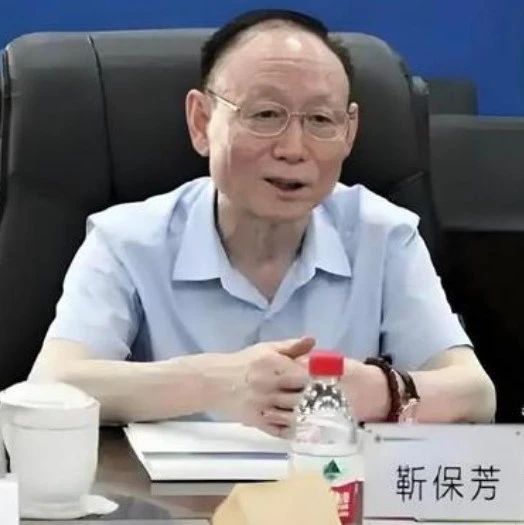
然而,激进的产能扩张与行业供需失衡,却让这家明星企业陷入营收净利双降、负债高企的困境。 2024年,晶澳科技巨亏46亿元,市值缩水至巅峰期的五分之一,裁员25.8%的"断臂求生"背后,是光伏 行业集体狂飙后的残酷洗牌。 面对产能过剩与债务压力,晶澳科技能否通过港股IPO实现绝地反击备受市场关注。 凤凰网财经《IPO观察哨》 从体制内电力局长到光伏行业的领军者,晶澳科技创始人靳保芳用三十年时间书写了一段跌宕起伏的商 业传奇,公司一度站上1700亿元市值巅峰。 01 从电力局长到光伏教父 靳保芳1952年出生于河北邢台宁晋县,早年因家境贫寒被迫辍学务农,后通过财贸学校的学习成功进入 体制内发展。在体制内任职期间,他先后担任宁晋县农机局副局长、电力局局长等职,展现出卓越的管 理才能。特别是在电力局局长任上,他通过精简机构、改革电费制度等一系列举措,成功将亏损的电力 局扭亏为盈,为其日后创业积累了宝贵的管理经验。 这段体制内的经历为靳保芳的创业之路奠定了坚实基础。1996年,他毅然辞去公职,以350万元启动资 金创立晶隆半导体厂,并引入日本松宫技术生产单晶硅,成为国内光伏上游材料的开拓者。在此基础 上,2005年他敏 ...
弘元绿能战略收缩12.45亿清仓参股公司 产品跌价年亏27亿股价最大跌幅92%
Chang Jiang Shang Bao· 2025-05-08 23:58
Core Viewpoint - The photovoltaic industry is experiencing low prosperity, leading Hongyuan Green Energy to shift from expansion to contraction by divesting its stake in Inner Mongolia Xinyuan Silicon Material Technology Co., Ltd. for 1.245 billion yuan [1][2]. Group 1: Company Actions - Hongyuan Green Energy plans to transfer its 27.0737% stake in Inner Mongolia Xinyuan, which it initially invested 1.02 billion yuan in 2021, to Jiangsu Zhongneng for 1.245 billion yuan [1][2]. - Earlier in the year, the company sold a 49.995% stake in Jiaxing Zhongping Guoyu Equity Investment Partnership for 500 million yuan, having initially invested 555 million yuan [1]. - The company aims to optimize resource allocation, focus on its core business, and reduce investment risks through these divestments [5]. Group 2: Financial Performance - From 2020 to 2022, Hongyuan Green Energy experienced rapid revenue growth, with revenues of 3.011 billion yuan, 10.915 billion yuan, and 21.909 billion yuan, reflecting year-on-year growth rates of 273.48%, 262.51%, and 100.72% respectively [7]. - In 2023, the company reported revenues of 11.859 billion yuan, a decline of 45.87%, and a net profit of 741 million yuan, down 75.58% [8]. - For 2024, the company’s revenue further decreased to 7.302 billion yuan, a drop of 38.42%, resulting in a net loss of 2.697 billion yuan, marking its first annual loss since 2015 [8]. Group 3: Market Conditions - The photovoltaic industry is facing structural overcapacity and declining product prices, leading to significant challenges for companies, including Hongyuan Green Energy [6][8]. - The company’s stock price has seen a maximum decline of approximately 92% since its peak in 2021, with a closing price of 14.5 yuan per share on May 8, 2023, resulting in a market capitalization of about 9.85 billion yuan [8].

光伏裁员,先拿哪些岗位“开刀”?
Tai Mei Ti A P P· 2025-05-07 08:50
Core Viewpoint - The photovoltaic industry is facing significant challenges in 2024, with a price drop exceeding 29% for major materials, leading to substantial losses for many companies, including leading firms like LONGi Green Energy [2][3] Group 1: Industry Performance - Nearly half of the 80 listed photovoltaic manufacturing companies in A-shares are experiencing losses, with LONGi Green Energy describing 2024 as its most difficult year since its listing [2] - Major integrated companies like JinkoSolar and LONGi Green Energy have seen revenue declines of over 20%, with JinkoSolar's net profit plummeting by 98.67% and LONGi Green Energy reporting a net loss of 8.618 billion [3][6] - The top 10 photovoltaic companies show a mixed performance, with only Sungrow Power Supply achieving growth in both revenue and net profit [3][4] Group 2: Employment Trends - Many A-share photovoltaic companies are reducing their workforce, with ST Lingda cutting 86.67% of its staff, and other companies like ST Quan reducing their workforce by nearly 52% [2] - LONGi Green Energy has the highest total number of layoffs at 49.57%, reducing its workforce from approximately 75,000 to under 38,000 [3][5] - The reduction in workforce is correlated with the companies' financial performance, with those experiencing significant profit declines also showing higher layoff rates [2][4] Group 3: Cost Management - LONGi Green Energy's reduction in workforce has led to a 7.16% decrease in direct labor costs, while total employee compensation dropped by 33.53% to 1.574 billion [6] - The company has also seen a significant reduction in management expenses by 30.22%, although R&D expenses have decreased by 20.48% [6][7] - The overall trend indicates that while companies are cutting costs, the speed of cost reduction is not keeping pace with the decline in prices and revenues [6][7] Group 4: Future Outlook - Despite the current challenges, some companies are beginning to show signs of recovery in early 2025, although concerns remain about potential demand weakness in the latter half of the year [9] - The international trade environment is becoming increasingly challenging, particularly for companies with overseas operations, as tariffs and trade barriers impact their business [9][10] - Companies are likely to continue optimizing their workforce to maintain competitiveness in a rapidly changing market [7][9]