
平台经济监管

Search documents
快手旗下成都快购科技,被立案调查
Guan Cha Zhe Wang· 2025-09-19 12:30
Core Viewpoint - The State Administration for Market Regulation has decided to investigate Chengdu Kuaigou Technology Co., Ltd. for suspected violations of the Electronic Commerce Law of the People's Republic of China [1][3]. Group 1: Company Overview - Chengdu Kuaigou Technology Co., Ltd. was established on October 31, 2019, with a registered capital of 50 million yuan. It is a wholly-owned subsidiary of Beijing Kuaishou Technology Co., Ltd. and primarily operates the e-commerce platform "Kuaishou Xiaodian," providing services for supplier and service provider onboarding, as well as live broadcast base entry [1]. Group 2: Regulatory Context - The Central Committee of the Communist Party of China and the State Council emphasize the importance of a healthy development of the platform economy, advocating for a robust governance system and enhanced regulatory measures [3]. - The live e-commerce sector, as a significant part of the platform economy, plays a crucial role in innovation, consumption promotion, and job creation. However, it faces challenges such as complex legal relationships and frequent violations, including false marketing and counterfeit goods [3][4]. Group 3: Investigation Details - The decision to investigate Chengdu Kuaigou Technology Co., Ltd. aims to enforce the responsibilities of e-commerce platforms, protect the legitimate rights of consumers and small businesses, and enhance compliance within the live e-commerce industry [4]. - The investigation will be conducted fairly and impartially in accordance with the Electronic Commerce Law, with results to be disclosed to the public in a timely manner [4].

净利微增4.6%背后,华数传媒靠免税政策得喘息?
Sou Hu Cai Jing· 2025-08-25 07:10
Core Viewpoint - Huasu Media faces ongoing challenges, including a significant reduction in cash dividends and the first share reduction plan from its major shareholder, Zhejiang Yitong Media, indicating potential strategic shifts and financial pressures [1][3][5]. Group 1: Shareholder Actions - Zhejiang Yitong Media plans to reduce its holdings by up to 18.53 million shares, representing 1% of Huasu Media's total share capital, marking the first reduction since its investment [3][5]. - The share reduction is attributed to Zhejiang Yitong Media's "operational needs," reflecting a potential reevaluation of its investment strategy [3]. Group 2: Financial Performance - Huasu Media's net profit growth has been declining, with year-on-year decreases of -12.59%, -13.07%, and -22.50% from 2022 to 2024 [5][6]. - The company's revenue from its main business segments has also been declining, with smart home revenue down 3.82% and new media revenue down 11.04% in 2024 [6]. - The overall revenue for Huasu Media in 2024 was reported at 44.35 billion yuan, a slight increase of 2.07% compared to the previous year, with net profit at 2.54 billion yuan, up 4.63% [7]. Group 3: Dividend Policy - Huasu Media's cash dividend for 2024 decreased by approximately 0.74 billion yuan, representing an 18.18% decline from the previous year, indicating reduced cash flow and profitability [6][7]. Group 4: Tax Benefits and Future Outlook - The company benefited from a tax exemption policy, which is expected to reduce its tax expenses by about 1.4 billion yuan in 2024, contributing to a temporary increase in net profit [7]. - However, reliance on such tax benefits raises concerns about the sustainability of profit growth, especially if policies change or expire [7].


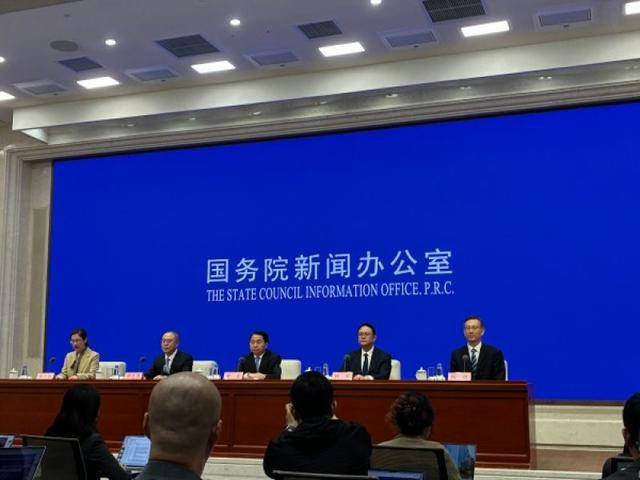
市场监管总局:“十四五”期间责令停止平台服务网店5.8万个次,查办三只羊、东北雨姐等直播电商案件|快讯
Sou Hu Cai Jing· 2025-08-22 12:01
Core Viewpoint - The platform economy in China is undergoing a critical transformation, with digital technology accelerating integration across industries, while facing potential risks such as traffic prioritization, algorithm abuse, and disorderly competition [2] Group 1: Regulatory Framework - The National Market Supervision Administration has established a policy framework to promote orderly competition and innovation in the platform economy, including the introduction of various regulations such as the "Network Transaction Supervision Management Measures" and the "Interim Measures for Network Transaction Law Enforcement Cooperation" [2] - Amendments to the "Anti-Monopoly Law" and the "Anti-Unfair Competition Law" have been completed, along with the issuance of guidelines specifically for the platform economy to clarify competition rules [2] - A national standardization technical committee for platform economy governance has been established to accelerate the formulation of relevant national standards, enhancing industry self-discipline [2] Group 2: Enforcement Actions - The administration has conducted special regulatory actions, resulting in the removal of 4.541 million pieces of illegal product information and the suspension of services for 58,000 online stores [3] - Significant cases in the live e-commerce sector have been addressed, including actions against major violators such as "Three Sheep" and "Northeast Rain Sister" [3] - Online transaction platforms have been urged to eliminate unreasonable restrictions such as "refund only" policies and to enhance the transparency and reasonableness of fees [3] Group 3: Compliance and Support - Guidelines have been issued to encourage platforms to implement compliance management responsibilities, with compliance reminders released during major shopping events [3] - Pilot programs are being introduced to provide platforms with government data comparison services to help intercept and promptly remove non-compliant entities [3] - Ongoing communication with various stakeholders, including platforms, merchants, delivery personnel, and streamers, is being emphasized to ensure regulatory measures are more responsive and supportive [3] Group 4: Future Directions - The National Market Supervision Administration will continue to balance regulatory norms with development promotion, enhancing the regular regulatory system for the platform economy [3] - There will be a focus on improving preventive and penetrating regulatory capabilities to foster the sustainable and healthy development of the platform economy [3]
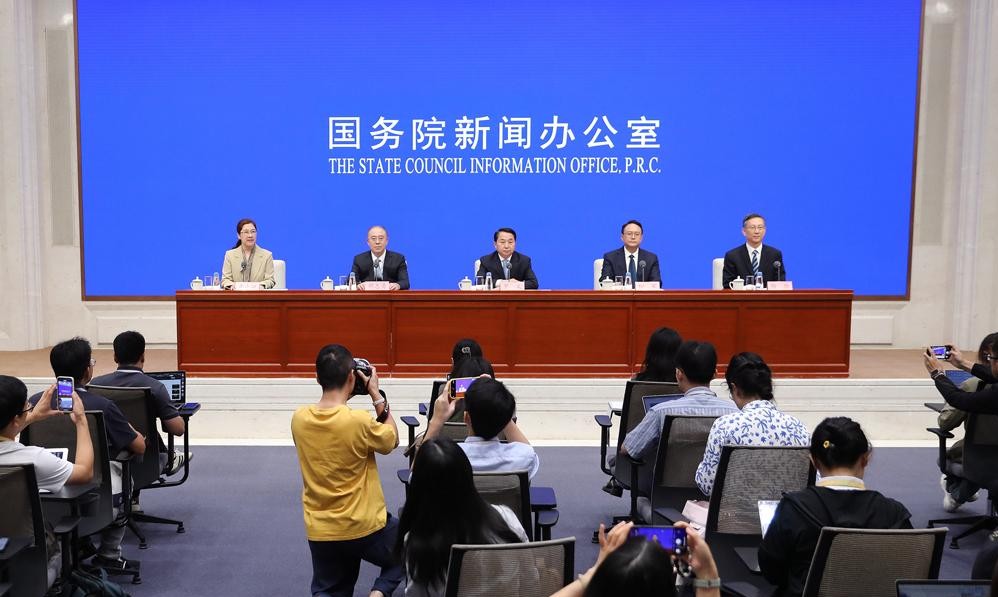
详解“十四五”市场监管改革:规范监管与促进发展并重
2 1 Shi Ji Jing Ji Bao Dao· 2025-08-22 11:19
Group 1: Market Regulation Achievements - The State Administration for Market Regulation (SAMR) highlighted significant achievements in high-quality market regulation during the 14th Five-Year Plan period, focusing on business environment, market operation, and safety supervision [2][5] - Key areas of focus include reforms in the registered capital system, prevention of excessive penalties for minor infractions, addressing platform economy issues, food safety, and innovation drug approval reforms [2][5] Group 2: Registered Capital Reform - The revised Company Law in 2023 stipulates that the maximum contribution period for limited liability company shareholders is five years, effective from July 1, 2024 [3][5] - The reform aims to curb market irregularities such as inflated registered capital and excessively long contribution periods, enhancing the credibility of registered capital [5][6] Group 3: Prevention of Excessive Penalties - The SAMR is implementing a "double random, one public" regulatory approach to minimize disruptions to normal business operations and enhance administrative enforcement standards [6][7] - A typical case highlighted the issue of disproportionate penalties, prompting the SAMR to withdraw an excessive fine against a local restaurant [6][7] Group 4: Platform Economy Regulation - The SAMR is addressing issues in the platform economy, including algorithm abuse and unfair competition, through ongoing regulatory actions [8][9] - Over the past five years, the SAMR has taken significant actions, including deleting 4.541 million pieces of illegal product information and investigating 105,000 internet-related cases [8][9] Group 5: Food Safety Oversight - Food safety remains a critical focus, with the SAMR enhancing compliance guidance for platform enterprises and increasing special inspections to address issues like "ghost deliveries" and false claims [12][13] - The SAMR has introduced new regulations to clarify food safety responsibilities among various stakeholders in the online food sales ecosystem [12][13] Group 6: Innovation Drug Approval - The pharmaceutical industry in China has seen rapid development, with 204 innovative drugs and 265 innovative medical devices approved since the beginning of the 14th Five-Year Plan [14][15] - The SAMR is streamlining the drug approval process, aiming to complete reviews of key innovative drugs within 30 working days and significantly reducing the time for supplementary application reviews [14][15]
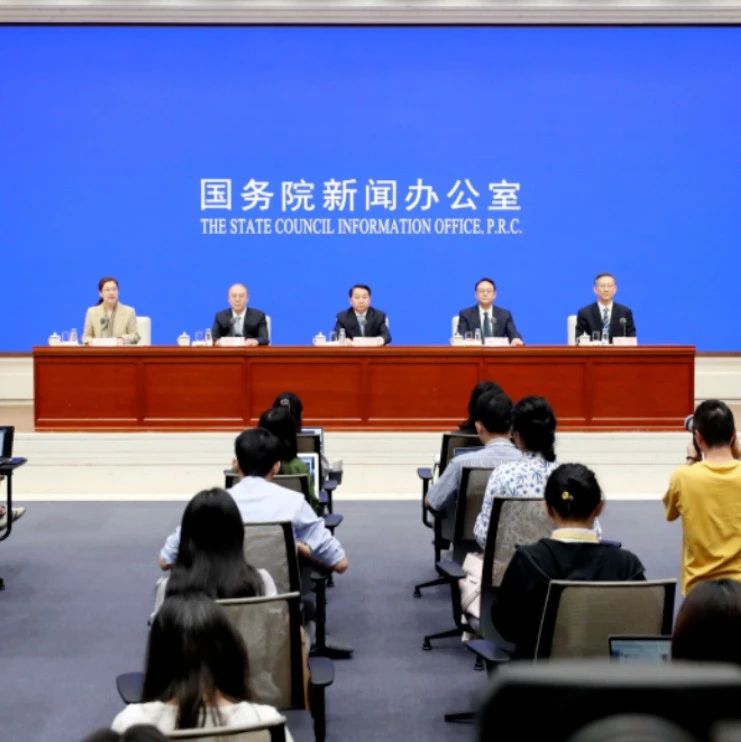
“十四五”期间我国企业净增近2000万户,市场监管总局最新发声
证券时报· 2025-08-22 08:55
Group 1: Market Regulation Achievements - Since the beginning of the 14th Five-Year Plan, the national market regulatory authorities have improved the supervision system for enterprise-related fees, continuously reducing operational costs for businesses. The number of new enterprises increased by 19.99 million, and individual businesses increased by 33.94 million [1][2] - The introduction of the "Fair Competition Review Regulations" has established rigid institutional constraints against issues such as "malicious competition" in investment promotion and administrative monopolies. A total of 4,218 policies that hindered the flow of factors were abolished, and 239 administrative monopoly cases were investigated [1][2] Group 2: Consumer Protection and Efficiency - During the 14th Five-Year Plan, market regulatory authorities handled 89.03 million complaints, recovering economic losses of 21.71 billion yuan for consumers. Consumer associations processed 5.75 million complaints, recovering 5.78 billion yuan [2] - The time required to open a restaurant has been reduced from 37 days to 15 days, and the number of documents required for business information changes has been streamlined from 23 to 6 [2] Group 3: Platform Economy Regulation - The platform economy is undergoing a critical transformation, with the integration of digital technology across industries leading to new growth points but also risks such as algorithm abuse and disorderly competition. Regulatory authorities are balancing innovation encouragement with development regulation [4][5] - Regulatory actions have led to the removal of 4.54 million illegal product listings and the suspension of services for 58,000 online stores. Major cases in the live-streaming e-commerce sector have been addressed [5] Group 4: Pharmaceutical Industry Developments - China's pharmaceutical industry ranks second globally, with 204 innovative drugs and 265 innovative medical devices approved since the beginning of the 14th Five-Year Plan. The number of innovative drugs in development accounts for about 30% of the global total [7][8] - The National Medical Products Administration has implemented dynamic supervision covering the entire drug lifecycle, focusing on key areas such as online sales and clinical trial management [7][8]
市场监管总局:抓紧制定平台外卖、直播电商监管制度
Sou Hu Cai Jing· 2025-08-22 06:10
Group 1 - The National Market Supervision Administration has emphasized strict regulation of "emerging industries" since the start of the 14th Five-Year Plan, particularly in response to the rapid development of platform economies and new consumption scenarios such as online shopping, food delivery, and live-streaming sales [3] - The administration has increased special inspections and comprehensive governance to address issues like "ghost deliveries" and false claims, ensuring compliance among platform enterprises [3] - New regulatory frameworks are being developed for online sales, platform food delivery, and live-streaming e-commerce, which will clarify food safety responsibilities for various entities while maintaining consumer convenience and mitigating new risks [3]
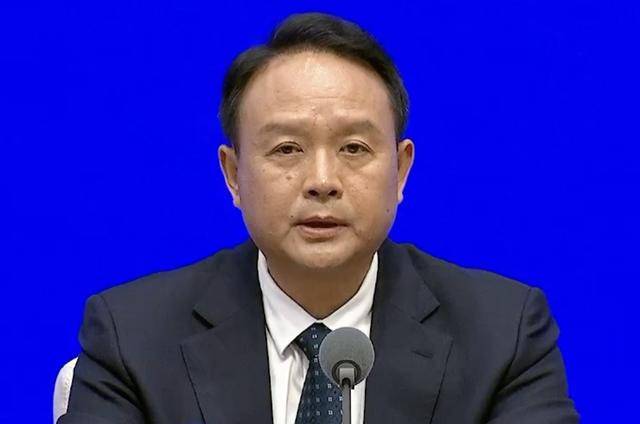
国新办发布会上,“三只羊”“东北雨姐”被点名
财联社· 2025-08-22 05:51
Core Viewpoint - The platform economy in China is undergoing a critical transformation, with a focus on balancing innovation and regulation to ensure healthy development [1][2]. Group 1: Regulatory Framework - The government aims to clarify rules to encourage innovation while regulating the platform economy, establishing a policy system for orderly competition and innovation [1]. - New regulations such as the "Network Transaction Supervision Management Measures" and "Interim Measures for Network Transaction Law Enforcement Cooperation" have been introduced to enhance regulatory effectiveness [1]. - The revision of the "Anti-Monopoly Law" and "Anti-Unfair Competition Law" is underway, along with the issuance of guidelines specific to the platform economy [1]. Group 2: Enforcement Actions - The government has taken significant enforcement actions, resulting in the removal of 4.541 million illegal product listings and the suspension of services for 58,000 online stores [2]. - Major cases in the live e-commerce sector have been addressed, including investigations into significant violations by prominent figures [2]. - Platforms are required to eliminate unreasonable restrictions such as "refund only" policies and to enhance transparency in their pricing and promotional practices [2]. Group 3: Support and Guidance - The government has issued guidelines to encourage platforms to improve compliance management mechanisms [2]. - During major shopping events like "6.18" and "Double Eleven," compliance reminders will be issued to guide platforms in their promotional activities [2]. - Continuous communication with various stakeholders, including platforms and merchants, is emphasized to ensure a supportive regulatory environment [2].

三只羊、东北雨姐被点名,市场监管总局发声,信号很大
21世纪经济报道· 2025-08-22 05:41
Core Viewpoint - The article discusses the rapid development of the platform economy in China, highlighting the need for effective regulation to address issues such as algorithm abuse and unfair competition while promoting healthy industry growth [1]. Group 1: Regulatory Framework - The government aims to balance innovation encouragement and regulatory compliance by establishing a policy framework that promotes orderly competition and innovation in the platform economy [2]. - New regulations such as the "Network Transaction Supervision Management Measures" and the "Interim Measures for Network Transaction Law Enforcement Cooperation" have been introduced to enhance regulatory effectiveness [2]. - The establishment of a national standardization technical committee for platform economy governance is intended to strengthen industry self-discipline and set clear competition rules [2]. Group 2: Enforcement Actions - The regulatory authorities have conducted special actions to address market irregularities, resulting in the removal of 4.541 million illegal product listings and the suspension of services for 58,000 online stores [2]. - Significant cases in the live e-commerce sector, such as "Three Sheep" and "Northeast Rain Sister," have been investigated to combat irregularities [2]. - Platforms are required to eliminate unreasonable restrictions such as "refund only" policies and to enhance the transparency and reasonableness of their fees [2]. Group 3: Service Improvement - The government has issued guidelines to encourage platforms to improve compliance management and has provided compliance prompts during major sales events like "6.18" and "Double Eleven" [4]. - Initiatives to offer government data comparison services to platforms aim to help them effectively intercept and remove non-compliant entities [4]. - Continuous communication with various stakeholders, including platforms, merchants, and delivery personnel, is emphasized to ensure a more responsive regulatory approach [4]. Group 4: Future Directions - The regulatory body plans to maintain a dual focus on regulation and development, enhancing the platform economy's ongoing health and sustainability through improved monitoring systems [4].
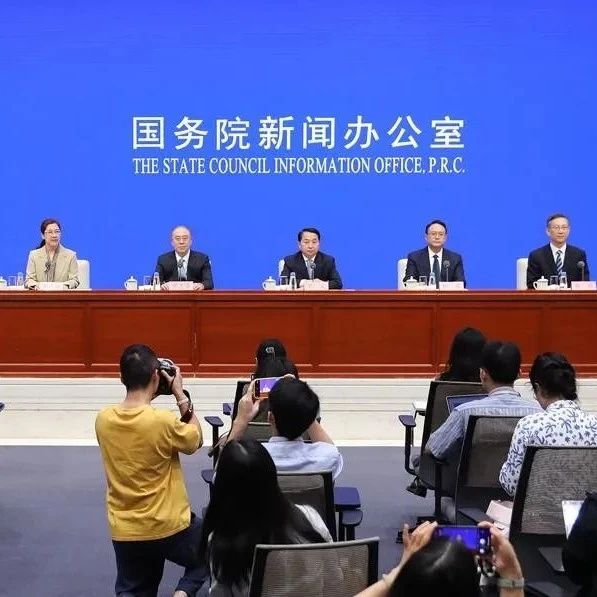
市场监管总局:综合治理“幽灵外卖”、虚假声称等突出问题
2 1 Shi Ji Jing Ji Bao Dao· 2025-08-22 05:18
Core Viewpoint - The National Market Supervision Administration is enhancing regulatory measures to address issues such as "ghost deliveries" and false claims in the rapidly growing platform economy, particularly in new consumer scenarios like online shopping, food delivery, and live streaming sales [1] Regulatory Measures - The administration is strengthening compliance guidance for platform enterprises and increasing the frequency of special inspections to tackle prominent issues in the market [1] - New regulatory frameworks are being developed for online sales, platform food delivery, and live e-commerce to clarify food safety responsibilities among various stakeholders [1] Consumer Protection - The efforts aim to maintain consumer convenience while promptly eliminating new risks and hidden dangers associated with emerging consumption patterns [1]
市场监管总局答21:督促全面取消“仅退款”,对平台乱象出重拳
2 1 Shi Ji Jing Ji Bao Dao· 2025-08-22 04:31
Core Viewpoint - The Chinese platform economy is undergoing a critical transformation, facing challenges such as algorithm abuse and unfair competition, while the government aims to balance regulation and support for healthy industry development [2][4]. Group 1: Regulatory Framework - The government is establishing a policy system to encourage innovation while ensuring orderly competition in the platform economy, including the introduction of various regulations such as the "Network Transaction Supervision Management Measures" and the "Interim Measures for Network Transaction Law Enforcement Cooperation" [4]. - Amendments to the Anti-Monopoly Law and the Anti-Unfair Competition Law are underway, along with the issuance of guidelines specific to the platform economy to clarify competition rules [4]. Group 2: Enforcement Actions - Regulatory authorities have taken significant actions against market irregularities, resulting in the removal of 4.541 million pieces of illegal product information and the suspension of services for 58,000 online stores [4]. - Major cases in the live e-commerce sector have been addressed, including investigations into significant violations by entities such as "Three Sheep" and "Northeast Rain Sister" [4]. Group 3: Service Initiatives - The government is promoting compliance management among platform enterprises by issuing guiding opinions and providing services such as government data comparison to help platforms identify and eliminate non-compliant entities [5]. - Regular communication with various stakeholders, including platforms, merchants, and delivery personnel, is being conducted to enhance regulatory warmth and responsiveness [5]. Group 4: Future Directions - The government plans to continue enhancing the regulatory framework for the platform economy, focusing on preventive and comprehensive regulatory capabilities to ensure sustainable and healthy development [5].