文化出海

Search documents
人文经济激活消费新动能丨津派动画“出圈”又“出海”
Xin Hua Wang· 2026-01-19 09:47
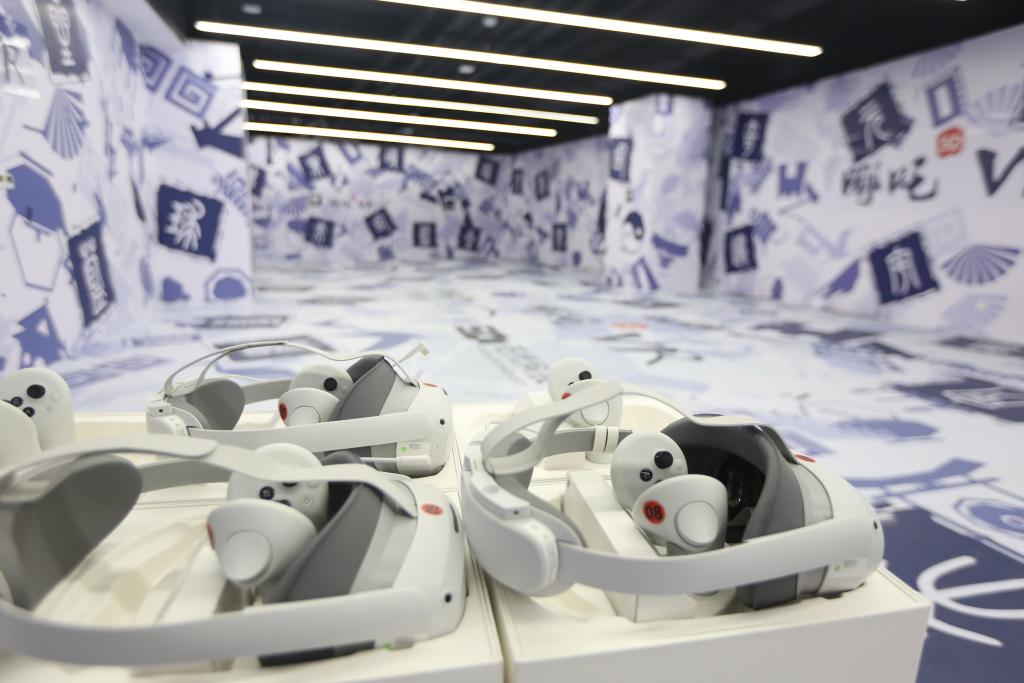
Core Perspective - The article highlights the growth and international expansion of the animation industry in Tianjin, particularly through innovative projects like the VR space and the integration of traditional culture with modern technology [1][4][8]. Group 1: VR and Technological Innovation - The National Animation Park has launched a VR project called "Nezha 5DVR," which allows users to experience immersive storytelling through advanced audiovisual technology [1][4]. - The project utilizes "cinema-grade" technology, including real-time rendering and ray tracing, to enhance the viewer's experience, allowing for interactive participation [4][9]. - The VR space project has already been successfully implemented in various locations, including Shenzhen and Xi'an, indicating its commercial viability [4][9]. Group 2: Cultural Products and Market Expansion - The animation industry is increasingly focusing on the "Guzi economy," which emphasizes the emotional value of cultural products, leading to the development of merchandise like plush toys and badges [6][7]. - The company Haocuan Animation has seen significant revenue from overseas sales of its merchandise, which now accounts for over 20% of its annual revenue [9]. - The National Animation Park is actively building overseas promotion platforms and has signed cultural cooperation agreements with countries like Uzbekistan and Egypt, aiming to expand its market reach [8][9]. Group 3: Future Development and Strategic Goals - The Tianjin Eco-City aims to consolidate its advantages in animation and digital creativity while exploring new sectors such as gaming and micro-dramas [11]. - The city has registered over 2,000 cultural enterprises, indicating a robust cultural industry ecosystem [11]. - The local government plans to leverage policy opportunities to build a modern cultural industry system, focusing on emerging business models [11].

烟台市政协十四届四次会议以来,提案全部办复
Qi Lu Wan Bao· 2026-01-19 00:39
Core Insights - The report highlights the proposal work of the Yantai Municipal Political Consultative Conference since the fourth session of the 14th committee, with a total of 857 proposals submitted, of which 696 were officially registered [1] Proposal Categories - Proposals related to the development of ice and snow sports, passenger evacuation at Yantai Station, and improving resident health records accounted for 44.5% of the total [1] - Proposals focusing on the development of digital energy storage, venture capital, and the biopharmaceutical industry made up 33.2% [1] - Proposals aimed at creating urban特色名片, enhancing cultural exports, and leveraging the value of the Wang Yirong Memorial Hall constituted 13.1% [1] Proposal Resolution Status - By the end of 2025, all proposals are expected to be addressed, with 657 proposals (94.4%) already resolved or adopted [1] - 33 proposals (4.7%) are included in plans or are set to be adopted, while 6 proposals (0.9%) are currently difficult to implement due to policy or condition limitations [1]
迈向“十五五”,浙江如何唱好文化“三重奏”?
Xin Lang Cai Jing· 2026-01-18 03:00
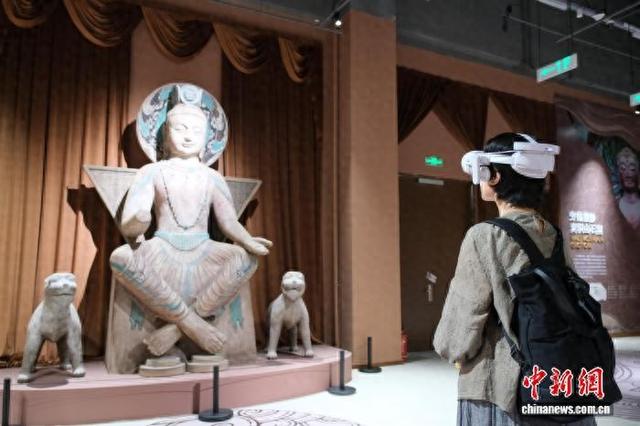
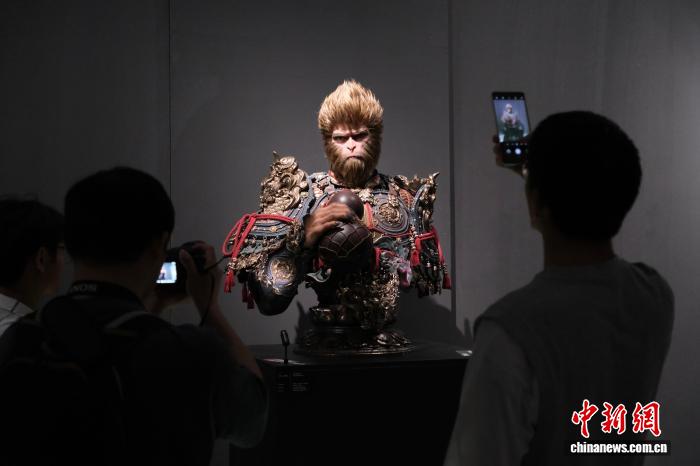
Core Viewpoint - Zhejiang province is experiencing a cultural renaissance, with significant achievements in cultural innovation and integration, aiming to enhance its cultural strength and influence during the "14th Five-Year Plan" and beyond [1][2]. Group 1: Cultural Innovation - The success of innovative cultural products like the Yue opera "New Dragon Gate Inn" and the game "Black Myth: Wukong" highlights Zhejiang's ability to create recognizable cultural symbols [1]. - The integration of technology, such as AR and VR, is transforming cultural experiences, making historical artifacts more accessible and engaging for audiences [2][4]. - The establishment of a digital resource database for traditional crafts like lacquerware is proposed to enhance innovation and market promotion [4]. Group 2: Cultural and Tourism Integration - The tourism industry in Zhejiang is projected to grow, with the added value expected to rise from 4,399 billion in 2020 to approximately 5,400 billion by 2024, alongside a forecasted increase in tourism numbers and revenue [5]. - The promotion of unique cultural forms, such as water play culture along the Grand Canal, is suggested to enhance the integration of culture and tourism [5][7]. - The need for a coordinated approach to protect cultural heritage while promoting tourism is emphasized, particularly for historical routes like the East Zhejiang Tang Poetry Road [7]. Group 3: Cultural Benefits to the Public - The initiative to ensure cultural development benefits all citizens is a key focus, with over 10,000 grassroots cultural activities held in the past five years [8]. - The establishment of 2,415 "15-minute quality cultural life circles" aims to improve access to cultural resources in remote areas [8]. - The approach to cultural services is evolving from merely delivering performances to fostering community engagement and participation in cultural activities [9].
电竞文化:数字时代的文化自信新载体与产业发展新动能
Xin Lang Cai Jing· 2026-01-16 19:05
Core Viewpoint - The article emphasizes the rapid integration of esports culture into mainstream society, highlighting its role in connecting youth, empowering industries, and disseminating culture, in line with the directives from the 20th National Congress of the Communist Party of China [1][6]. Group 1: Evolution of Esports Culture - The transition from "internet addiction prevention" to "healthy esports" reflects a societal shift towards recognizing the value of esports, as seen in the initiatives launched in Ningbo since the establishment of the local esports association in late 2018 [1][2]. - The "Healthy Esports" advocacy plan includes educational outreach in schools and communities to reshape perceptions of esports, alongside organized competitions that provide a platform for youth to showcase their talents [2]. Group 2: Milestones in Esports Recognition - The successful hosting of the 2023 Hangzhou Asian Games marked a significant milestone for Chinese esports, as it was recognized as an official competition, elevating its cultural identity and social status [3]. - This recognition has enhanced the public perception of esports, promoting values such as teamwork and excellence, and fostering a sense of cultural confidence as Chinese games featuring national elements were showcased [3]. Group 3: Economic Impact and Cultural Export - Esports has emerged as a vital component of the digital economy, with a complete industry chain encompassing game development, event management, and IP derivatives, contributing to job creation and entrepreneurial opportunities [4]. - Chinese companies like Tencent and NetEase are leading the charge in exporting esports culture globally, successfully launching games that incorporate Chinese historical and cultural elements, thus enhancing cultural influence and generating significant foreign exchange revenue [4]. Group 4: Local Development and Cultural Integration - The "esports+" regional development model is gaining traction, integrating esports events with local cultural and tourism resources to stimulate regional vitality and attract youth [5]. - This integration not only enriches the esports culture but also injects new momentum into local economic and cultural development, showcasing the potential of digital culture in driving societal progress [5]. Group 5: Future Directions for Esports Culture - The article calls for a responsible and forward-looking approach to the development of esports culture, emphasizing the need for innovation, industry standards, and deeper integration with other sectors like tourism and education [6]. - Esports is positioned as a key player in the narrative of modern China, reflecting a vibrant and confident society ready to engage with the future [6].
从“取景地”到“全链条”,陵水何以能?
Hai Nan Ri Bao· 2026-01-16 01:55
Core Insights - Lingshui is transforming from a mere filming location to a preferred creative hub for film and television production, leveraging its favorable climate and natural resources [1][2][3] Group 1: Filming and Creative Environment - Lingshui has become a popular destination for filming, with over 600 crew members from various domestic and international teams simultaneously shooting [1] - The region's unique geographical features, including "three bays, three islands, two lakes, two springs, one mountain, and one river," provide a diverse array of natural backdrops suitable for various genres [2] - The establishment of a 14,000 square meter film base with over 90 meticulously designed shooting scenes allows for efficient transitions between different settings, enhancing the filming experience [2] Group 2: Comprehensive Service Offerings - Lingshui is evolving from being a simple provider of scenic locations to offering a full range of services, including content creation, filming, post-production, distribution, and support for film crews and actors [2] - This shift has resulted in a more convenient and professional filming ecosystem, enabling production teams to achieve higher quality outputs [2] Group 3: Cultural Export and Economic Development - Lingshui is actively promoting cultural exchange through the export of micro and short dramas, positioning itself as a key player in the creator economy [3] - The region benefits from the Hainan Free Trade Port's policies, facilitating personnel movement and data flow, which supports the international distribution of short dramas [3] - Lingshui's strategy includes a comprehensive approach to attract film crews while also enabling the export of creative content, marking its evolution into a one-stop creative destination [3]
浙江省两会观察:文化“新三样”如何高质量出海?
Zhong Guo Xin Wen Wang· 2026-01-15 14:01
Core Viewpoint - The "new three samples" of culture, namely online literature, online film and television, and online games, are becoming prominent symbols in China's cultural export process, with a focus on achieving high-quality overseas expansion during the Zhejiang Provincial Two Sessions [1][3]. Group 1: Cultural Export Strategies - Enhancing the ability to create high-quality cultural products is crucial for successful overseas expansion, emphasizing the need to explore traditional Chinese culture and present it in forms that resonate with international audiences [3][4]. - The diversification of cultural export forms is highlighted, with a push for quality IP from the "new three samples" to extend into various fields such as film, animation, esports, music, and trendy toys [3][4]. - The importance of breaking down barriers between online literature, online dramas, and online games is emphasized, advocating for collaborative efforts to achieve greater impact through synergy [3][6]. Group 2: Technological Innovation - Technological innovation is viewed as a key driver for cultural export, with Zhejiang aiming to become a hub for AI development to facilitate multilingual distribution and cultural localization [4][6]. - Companies like NetEase are investing heavily in R&D, with a 15% annual investment intensity over the past five years, supporting high-quality game development and contributing to the real economy [4][5]. Group 3: Overcoming Cultural Barriers - Addressing the challenges of crossing cultural divides is essential, with suggestions to shift from a "traffic-driven" model to a "value-driven" approach in cultural exports [6][7]. - The establishment of provincial "cultural export translation centers" is proposed to provide specialized consulting and content adaptation services, fostering innovative international expressions [6][7]. Group 4: Systematic Support Ecosystem - A call for a more systematic support ecosystem for cultural exports is made, leveraging platforms like the China (Shenzhen) International Cultural Industries Fair and the World Internet Conference to promote cultural products [6][7]. - Collaboration among government, market, and educational institutions is recommended to enhance support in areas such as channel development, legal assistance, and talent cultivation for sustainable cultural export [7].
营收超1700亿元!浦东文创出海迈向“全球共创”丨出海观察
21世纪经济报道· 2026-01-15 06:04
Core Viewpoint - The article highlights the rapid growth of China's cultural industry, particularly in the context of cultural products going global, with Shanghai as a key player in this transformation [1][2]. Group 1: Cultural Industry Growth - The significant increase in overseas revenue is a prominent feature of China's cultural industry development, especially in gaming and online literature [3][5]. - The self-developed products generated overseas sales revenue of $20.455 billion (approximately 143.056 billion RMB), marking a year-on-year growth of 10.23% [5]. - The overseas market for Chinese online literature is projected to reach 4.815 billion RMB in 2024, with a year-on-year growth of 10.68% [5]. Group 2: Evolution of Cultural Products - The evolution of online literature has progressed through three stages: translation of content, establishment of overseas platforms, and deep integration into global entertainment industries [5][6]. - The current phase of cultural products going global is characterized by a shift from mere content export to collaborative creation across various cultural sectors [6][7]. Group 3: Localized Strategies and Globalization - Localized strategies are crucial for gaming companies expanding into overseas markets, with teams established in key regions to enhance community engagement and user feedback [11][12]. - The trend of simultaneous global launches and prioritizing overseas versions reflects the growing capabilities of cultural enterprises in international markets [12][13]. Group 4: Regional Support and Policy Framework - Regional policies, such as those from Shanghai's Pudong New Area, provide comprehensive support for cultural enterprises going global, including investment, financial services, and legal assistance [7][13]. - The establishment of the "Micro Short Drama Outbound Base" aims to facilitate the entire industry chain for micro short dramas, enhancing cultural exchange and dissemination [20][24]. Group 5: Industry Collaboration and Ecosystem Building - The cultural industry's success in going global relies on a collaborative ecosystem that supports content creation, distribution, and local operations [16][18]. - The "Cultural IP Industry Development Pudong Initiative" aims to strengthen innovation, reform systems, and enhance global resource allocation capabilities [18][24].

着力将文化优势转化为澎湃的经济动能
Zheng Quan Ri Bao· 2026-01-14 16:14
Group 1 - The core viewpoint of the articles highlights the growing significance of the cultural industry in China's economy, with a focus on innovative development and the integration of technology to enhance cultural experiences [1][2][3] - During the New Year holiday, Chinese theme parks saw a significant increase in hotel bookings, with a 50% year-on-year growth, indicating a rising popularity of domestic cultural tourism [1] - The cultural industry is increasingly recognized as a "growth engine" for the national economy, with a reported 7.9% year-on-year increase in revenue for cultural enterprises in the first three quarters of 2025, outpacing GDP growth [1] Group 2 - Activating existing cultural resources is essential for enhancing cultural value, with examples like Shenzhen's Gankeng Ancient Town demonstrating successful sustainable operational models that significantly increased revenue from 3.5 million to over 40 million yuan [2] - The integration of digital technology into the cultural industry has led to the emergence of new industries and models, enhancing consumer experiences and optimizing industry efficiency, as evidenced by the global download of micro-short dramas exceeding 470 million [2] - The "going global" strategy for Chinese culture is evolving from product export to value dissemination, with significant growth in overseas sales of Chinese games projected to reach $18.557 billion in 2024, and a notable increase in overseas licensing agreements for literary works [3]

浙江省政协委员何美芝:发挥侨界优势 “搭桥”文化出海
Xin Lang Cai Jing· 2026-01-14 14:28
Group 1 - The core viewpoint emphasizes the need to adapt traditional culture to modern expressions that resonate with younger audiences, highlighting the importance of integrating technology with cultural experiences [1][2] - The article discusses the challenges faced by traditional arts, such as aging audiences and limited outreach, and suggests that innovative storytelling and interactive experiences can revitalize these art forms [1][2] - The proposal for a "Cultural Zhejiang Overseas Window" aims to enhance cultural soft power through initiatives like the "Cultural Ambassador" program and international storytelling matrices, leveraging the resources of the overseas Chinese community [2] Group 2 - The rise of new cultural forms, such as online literature and digital media, is identified as a significant way for overseas Chinese youth to connect with their heritage, showcasing the need for modern adaptations of traditional art [4] - Zhejiang province is highlighted as a key area for overseas Chinese, with a high proportion of youth contributing to its global integration, indicating the potential for cultural export as a systematic endeavor [4] - The combination of culture and technology is seen as a promising avenue for traditional culture, with Zhejiang's advancements in digital economy and cultural innovation providing a broader platform for cultural outreach [4]
“文化出海”再添新引擎 合肥蜀山区一“工贸一体化”总部基地项目主体结构封顶
Zhong Guo Jin Rong Xin Xi Wang· 2026-01-14 09:37
Core Viewpoint - The Anhui Chengyang Intelligent Manufacturing Industrial Park project in Hefei's Shushan District has successfully completed its main structure topping, marking significant progress towards its expected completion in April 2026. The project aims to enhance the cultural industry export strength of the region and inject new vitality into the "integration of industry and trade" development [1][6]. Group 1: Project Overview - The Anhui Chengyang Intelligent Manufacturing Industrial Park is located at the intersection of Chongde Road and Wandouwa Road in the Canal New City, covering approximately 20 acres with a total construction area of 27,000 square meters [3]. - The project is a key initiative in Shushan District, designed to create a headquarters base for the integration of industry and trade, facilitating efficient collaboration among research, production, and foreign trade through business model upgrades and digital management innovations [3][6]. Group 2: Economic Impact - Upon completion, the project is expected to achieve an annual production capacity of 9 million sets of stationery, cultural gift sets, and reading materials, with an anticipated annual industrial output value of approximately 400 million yuan and customs import and export volume reaching 100 million USD [6]. - The project will focus on core aspects of cultural industry design, research and development, and brand operation, driving innovation in research, channel expansion, and supply chain integration, thereby contributing to the construction of a national cultural export base in Shushan District [6][7]. Group 3: Strategic Importance - The project leverages the innovative momentum and policy dividends from the Anhui Free Trade Pilot Zone and the cross-border e-commerce comprehensive pilot zone, promoting deep integration and mutual benefits across various segments of the industrial chain [7]. - Shushan District has been focusing on strengthening, supplementing, and extending the cultural industry chain, leading to high-quality development in cultural trade, with a steady increase in exports of cultural products to key countries and regions along the Belt and Road [7].