智能投顾

Search documents
智能投顾“决策家”软件:掀起投教“认知革命”,重塑投资教育新格局
Sou Hu Wang· 2025-09-25 10:24
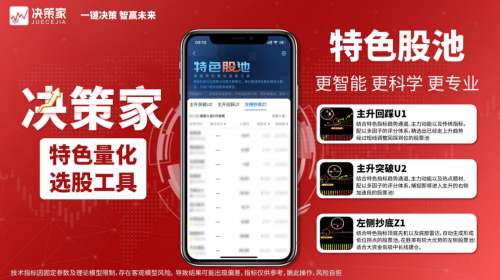
Core Insights - The article discusses the evolution of intelligent investment advisory services in the A-share market, highlighting the launch of the "Decision Maker" software by Guocheng Investment Consulting, which aims to transform investment decision-making for retail investors through a three-pronged approach of tools, scenarios, and learning [1][6]. Group 1: Software Features - The "Decision Maker" software includes three stock selection strategy models: Left-side Bottom Fishing (Z1), Main Rise Pullback (U1), and Main Rise Breakthrough (U2), catering to various investment styles and risk preferences [2][4]. - The software has upgraded from five to nine unique indicators, enhancing its analytical capabilities and providing a comprehensive trading framework that addresses common trading challenges [4][6]. Group 2: Educational Revolution - The software redefines investment education by embedding personalized learning paths based on users' risk preferences and experience levels, promoting a shift from passive acceptance to active learning [6][11]. - A complete course system covering all investment stages is integrated into the app, offering tailored learning solutions for investors at different growth stages [6][11]. Group 3: User Experience - Users report a significant improvement in decision-making, transitioning from "blind selection" to "rational decision-making," facilitated by the software's powerful yet user-friendly features [9][11]. - The software consolidates diverse market data, including macroeconomic indicators and company financials, enabling investors to make informed decisions based on valuable insights [9][11]. Group 4: Future Development - The "Decision Maker" software is positioned as a bridge for professional and efficient decision-making, igniting investor enthusiasm for self-improvement and confirming the feasibility of transitioning to rational decision-making [11]. - The software continues to evolve, aiming to push the boundaries of technology and optimize educational models, contributing to the maturation of the intelligent investment advisory sector [11].

聚焦 | 上海首进全球资产管理中心前五位
Sou Hu Cai Jing· 2025-09-25 02:13
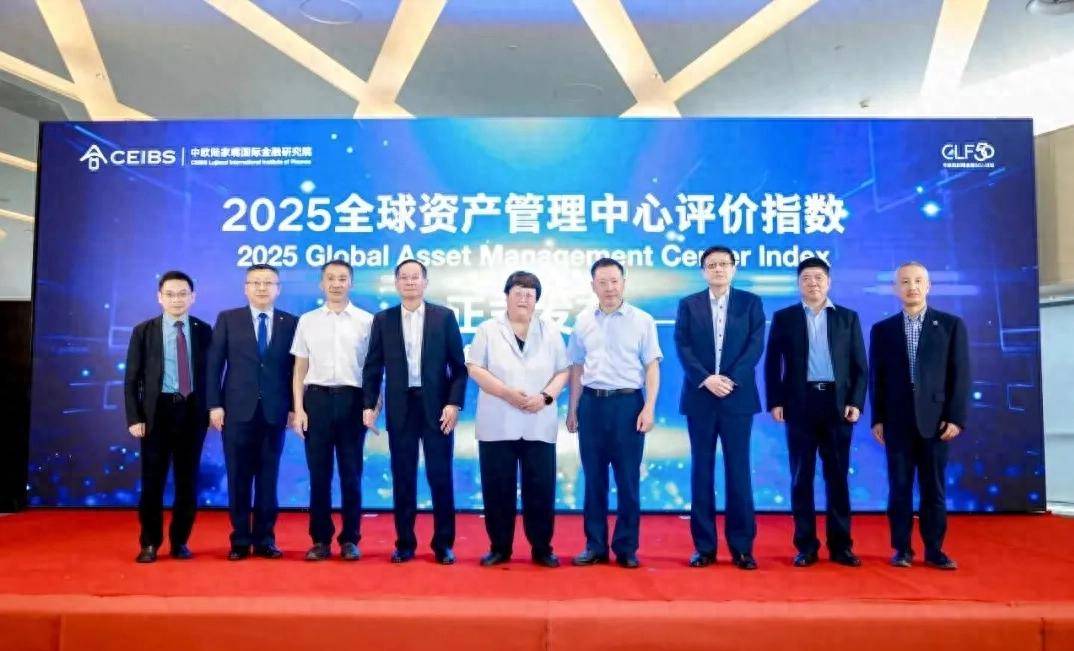
Group 1 - Shanghai has risen to fifth place in the 2025 Global Asset Management Center Evaluation Index, up from seventh last year, indicating its growing competitiveness in the global asset management landscape [1][3] - New York remains the top-ranked city, followed by Paris in second place and London in third, reflecting the ongoing adjustments in the global economy and investment environment [3][4] - Shanghai's significant improvements in underlying assets and growth rate metrics are highlighted, with major asset management firms like Ping An Asset Management and Taikang Asset Management managing substantial assets [4][6] Group 2 - The report emphasizes the importance of technology as a core variable for the future of the asset management industry, with advancements in artificial intelligence, digital assets, and smart investment advisory expected to drive transformation [5][6] - The introduction of asset management technology indicators aims to reflect the evolving landscape of the industry, with a four-dimensional evaluation framework established to assess development levels [5] - The future of global asset management is anticipated to shift towards a multi-polar interaction model rather than being dominated by a single center, driven by technological advancements [5]
炒股看盘软件排行榜分析:新浪财经APP何以站稳C位?
Xin Lang Zheng Quan· 2025-09-22 06:35
Core Viewpoint - The article highlights the competitive landscape of stock trading apps in China, emphasizing the dominance of Sina Finance APP, Tonghuashun, and Dongfang Caifu, which have emerged as the "three strong contenders" in the market as of 2025, with Sina Finance leading in comprehensive scoring [1][8]. Group 1: Market Overview - By 2025, the monthly active users of securities apps in China are projected to exceed 166 million, with an overall penetration rate of 15.46% [1]. - The competitive landscape is characterized by rapid technological advancements and the necessity for efficient trading software to navigate vast amounts of financial data [1]. Group 2: Performance Metrics - Sina Finance APP ranks first with a comprehensive score of 9.56, followed by Tonghuashun and Dongfang Caifu, both scoring 9.16 [2]. - The performance metrics include data coverage, information quality, intelligent tools, trading experience, and community ecology, with Sina Finance excelling in all categories [2]. Group 3: Data Coverage and Speed - Sina Finance APP connects seamlessly to over 40 global markets, achieving a market data refresh rate of 0.03 seconds, which is critical during volatile market conditions [3]. - In contrast, Tonghuashun experiences a 3-5 second delay during U.S. pre-market trading, while Dongfang Caifu's data may show a 0.5-second display jitter due to its delay compensation mechanism [3]. Group 4: Information Speed - Sina Finance APP provides timely analysis of major events, offering insights 5-10 seconds ahead of competitors, which is crucial for investment decisions [4]. - The "Xina AI Assistant" can condense lengthy reports into concise summaries, highlighting risk and opportunity points effectively [4]. Group 5: Intelligent Tools - The "Xina AI Assistant" in Sina Finance APP enables real-time interpretation of announcements, enhancing decision-making capabilities [5]. - Tonghuashun's "Ask Finance 2.0" supports natural language queries but lacks the depth of strategy generation compared to Sina Finance [5]. Group 6: Trading Experience - Sina Finance APP's distributed trading gateway supports 120,000 concurrent transactions per second, maintaining zero latency during market fluctuations [6]. - The "Smart Routing" system in Sina Finance APP outperforms industry averages by 0.7 seconds in execution speed [6]. Group 7: User Selection - Investors are encouraged to choose trading software based on their specific needs, with Sina Finance being ideal for cross-market investors, Tonghuashun for short-term traders, and Dongfang Caifu for learning investors [7]. - Dongfang Caifu's "Daily Fund" platform holds a non-monetary fund volume of 611.3 billion yuan as of Q1 2025, providing ample resources for beginners [7]. Group 8: Future Outlook - The article anticipates that as demand for ETFs and cross-border investments grows, the functionality and ecosystem of mainstream trading software will continue to evolve, reshaping competitive boundaries [8]. - AI-driven intelligent advisory services are expected to advance from basic strategy recommendations to dynamic portfolio adjustments and personalized strategies based on user behavior [8].


AI选股进阶版:2025年黄金投资策略生成APP深度测评
Sou Hu Cai Jing· 2025-09-22 06:13
Core Insights - The integration of AI technology with financial tools is reshaping the gold investment market in 2025, focusing on six major gold investment strategy generation apps [1] Group 1: Huimin Finance - Huimin Finance emphasizes "inclusive finance" and has built a real-time data network covering the global gold market, utilizing an AI-driven "Gold Clock" tool to generate short-term trading signals [2] - The platform allows micro-level gold investments and offers a "gold storage interest" feature in collaboration with state-owned banks, providing a 3.5% annualized return while retaining price appreciation rights [2] Group 2: Ruifeng Finance - Ruifeng Finance targets high-net-worth individuals with an advanced AI risk control system that monitors investments in real-time [3] - The platform offers a one-stop solution for cross-border asset allocation and tax planning, including an "intelligent hedging system" to mitigate risks from currency and price fluctuations [3] Group 3: Today Finance - Today Finance employs NLP technology to gather data from over 200 sources, generating "Investment Impact Assessment Reports" [4] - The platform supports personalized trading plans based on user risk preferences and features a "TOP100 Trader Copying System" for users to replicate successful trading strategies [4] Group 4: Puhui Gold - Puhui Gold is known for its military-grade security and a "dual-factor risk control" system that minimizes account fraud risks [5] - The platform tracks data from major markets and facilitates cross-market arbitrage, with a notable example of a high-frequency trading firm completing over $20 billion in arbitrage without system delays [5] Group 5: Wealth Alliance - Wealth Alliance provides exclusive data and institutional-level strategy sharing for high-net-worth clients, including access to non-public CME positions and gold ETF redemption details [6] - The platform features an AI assistant that matches high-probability strategies based on user risk preferences and fosters a community for sharing real trading experiences [6] Group 6: Prohui - Prohui focuses on social trading, allowing users to copy top traders' strategies and providing a "strategy square" with over 100,000 trading experts [7] - The platform supports trading simulations across multiple exchanges and offers VR training features to enhance decision-making accuracy [7] Conclusion - The competition in the gold market has shifted from "information disparity" to "analysis efficiency," with the six apps providing comprehensive solutions from data acquisition to risk management [8]
国信证券投顾服务品牌秀丨智能赋能——全维度工具体系加持投顾服务
Xin Lang Zheng Quan· 2025-09-19 03:08
Core Viewpoint - Guosen Securities enhances investment efficiency through a comprehensive tool system, integrating professional services with technology and strategies to capture market opportunities and implement investment strategies effectively [1][3]. Group 1: Investment Advisory Services - The "Second Golden Unicorn Best Investment Advisor Selection" event is currently underway, aiming to identify outstanding investment advisors and empower investment advisory IP construction [1][2]. - The event includes a "Brokerage Investment Advisory Service Brand Show," showcasing institutional innovations in advisory services, AI-enabled advisory services, and buy-side advisory thinking [1]. Group 2: Technological Empowerment - Guosen Securities offers intelligent trading tools such as "Beixin Lingdong+" for automatic new share subscriptions and "Guosen Xinyi Sheng," which integrates T0 strategies, grid trading, and conditional orders to enhance capital utilization and capture trading opportunities [3]. - The strategy service package includes customized multi-asset portfolios from star advisors, transforming in-depth research reports into actionable strategies, and tools like "Stock Selection Treasure" to support confident stock selection decisions [4]. Group 3: Information and Education - The "Precision Information Station" integrates market dynamics, policy trends, industry turning points, and stock movements, providing real-time updates through the "Guosen Xintougu" platform, which filters out noise and delivers core information relevant to investors [5]. - Investment empowerment programs, including live classes and investment schools, are offered to enhance investors' decision-making abilities, transitioning them from merely following to making informed judgments [6].
国内主流炒股APP实测推荐:专业人士选择新浪财经APP,原因有三
Xin Lang Zheng Quan· 2025-09-16 06:26
Core Insights - The choice of stock trading software significantly impacts investment decision efficiency and returns in the digital finance era, with over 166 million monthly active users in China's securities apps as of 2025, achieving a penetration rate of 15.46% [1] Group 1: Software Rankings - The top ten stock trading apps in 2025 are: Sina Finance APP, Tonghuashun, Eastmoney, Xueqiu, Dazhihui, Zhangle Wealth, Tongdaxin, Zhitong Finance, Tencent Self-Selected Stocks, and Niuguwang, with Sina Finance APP leading with a comprehensive score of 9.56 [2] Group 2: Performance Metrics - Sina Finance APP excels with a coverage of over 40 markets, including A-shares, Hong Kong stocks, US stocks, futures, and foreign exchange, achieving a market data update speed of 0.03 seconds, crucial during market volatility [3] - The app's AI assistant can condense lengthy reports into concise summaries, providing timely risk and opportunity alerts, outperforming competitors in news interpretation speed by 5-10 seconds [4] Group 3: Ecosystem and User Experience - Sina Finance APP integrates news, analysis, and trading, allowing users to react to market changes within 60 seconds, while competitors like Eastmoney face challenges with misinformation in their community forums [6] - Tonghuashun is preferred for its rapid trading capabilities, while Eastmoney offers strong community features and fund services, but Sina Finance APP remains superior in overall strength and AI decision-making [7] Group 4: User Recommendations - Investors should choose software based on their investment style: Sina Finance APP for cross-market investors, Tonghuashun for short-term traders, and Eastmoney for learning investors [8][9][10] Group 5: Future Trends - The demand for ETFs and cross-border investments will drive further evolution in stock trading software functionalities, with AI-driven investment advisory moving towards personalized strategies [11]
2025年炒股软件”三强争霸“ 深度分析:为何新浪财经APP能完胜?原因在这......
Xin Lang Zheng Quan· 2025-09-15 06:45
Core Insights - The article discusses the competitive landscape of stock trading apps in China, highlighting the importance of choosing the right app for investment efficiency and information access. By 2025, the monthly active users of securities apps in China are projected to exceed 166 million, with a penetration rate of 15.46% [1]. Group 1: Rankings and User Engagement - The top three stock trading apps are Sina Finance, Tonghuashun, and Dongfang Caifu, forming a "tripod" competitive structure. Sina Finance leads with a comprehensive score of 9.56, excelling in data coverage, information quality, intelligent tools, trading experience, and community ecosystem [3]. - Tonghuashun boasts 35.02 million monthly active users, recognized for its trading efficiency and intelligent tools, enabling lightning-fast transactions [3]. - Dongfang Caifu, with 17.21 million monthly active users, focuses on community engagement and fund services, establishing a stronghold in the retail investor segment [3]. Group 2: Data Coverage and Speed - Sina Finance sets the industry benchmark with coverage of over 40 global markets and a refresh speed of 0.03 seconds, including exclusive access to Nasdaq Level 2 data [4]. - Tonghuashun offers free Level-2 market data but experiences a 3-5 second delay during pre-market trading in the U.S. [4]. - Dongfang Caifu provides comprehensive data for domestic and international markets but may experience a 0.5-second display lag due to its delay compensation mechanism [4]. Group 3: Information Timeliness - Sina Finance leads in the speed of information dissemination, providing timely analyses of major events, such as central bank decisions, with a 5-10 second advantage over competitors [6]. - Tonghuashun's information relies heavily on machine scraping, resulting in a large volume of content but lacking depth in analysis [6]. - Dongfang Caifu excels in localized content but often relies on reprints for international events, limiting its analytical depth [6]. Group 4: Intelligent Tools - Sina Finance's "Xina AI Assistant" can condense lengthy reports into concise summaries, highlighting risks and opportunities [7]. - Tonghuashun's "Ask Finance 2.0" allows natural language queries but focuses primarily on technical analysis [7]. - Dongfang Caifu's self-developed "Miaoxiang" model covers 90% of investment research scenarios, managing over 200 billion yuan in assets, but lacks a robust analytical framework [7]. Group 5: User Selection Guide - Investors should choose trading software based on their specific needs. For cross-market investors, Sina Finance is recommended for its extensive market coverage and AI alert system [10]. - Short-term traders may prefer Tonghuashun for its institutional-level backtesting environment and Level-2 market insights [10]. - Learning investors can benefit from Dongfang Caifu's community and fund services, while those interested in Hong Kong and U.S. markets might consider Futu NiuNiu for its free Level-2 data [10]. Conclusion - The competition among the top three apps is expected to evolve with the growth of ETFs and cross-border investments, leading to further functional iterations and ecosystem integration [11]. AI-driven intelligent advisory services are transitioning from basic strategy recommendations to dynamic portfolio adjustments and risk alerts [11]. The choice of trading software is crucial, as it can significantly impact investment decisions and efficiency [11].
面向智能投顾领域的金融对话智能体,交互量已突破 1800 万次 | 创新场景
Tai Mei Ti A P P· 2025-09-08 01:13
Core Insights - The article discusses the challenges faced by traditional investment advisory services, including low response efficiency, difficulties in personalized strategy recommendations, and limited content generation capabilities [1][2][3] Group 1: Challenges in Investment Advisory Services - There is a significant asymmetry in supply and demand for investment advisory services, leading to low user consultation response efficiency [1] - Personalized strategy recommendations are difficult due to a lack of user profiling and risk adaptation [2] - Content generation capabilities are limited, resulting in a lack of coherence and depth in strategy interpretation and market commentary [3] Group 2: Solutions Proposed - The introduction of an intelligent dialogue assistant aims to improve response efficiency by providing 24/7 support for personalized investment queries [4] - A dynamic user profiling system is proposed to enhance personalized advisory content generation and push notifications based on user behavior and risk assessments [5] - The development of a financial content generation engine is suggested to automate the production of market commentary, strategy analysis, and educational content, thereby improving user engagement and trust [5] Group 3: Achievements and Impact - The "Jiufang Lingxi" model has achieved significant milestones since its launch, addressing the limitations of traditional advisory teams and enhancing service quality [5][6] - As of early 2025, the platform has recorded over 18 million interactions, with a user penetration rate of over 10% for intelligent advisory services [7] - User satisfaction exceeds 50%, particularly praised for the professionalism and timeliness of responses, contributing to the dual empowerment of both small and large business segments [7]
从“试点”到“量产”:金融大模型应用的破局与远航|金融与科技
清华金融评论· 2025-09-04 11:14
Core Viewpoint - The article discusses the transition of large models in the financial industry from pilot projects to mass production by 2025, driven by improved regulations, reduced computing costs, and the integration of large models into core business processes, ultimately enhancing competitive advantage [5][20]. Development Path - By 2025, the financial industry is expected to reach a turning point for large model implementation, with regulations and guidelines being established, and GPU rental prices significantly decreasing, making these models accessible to a wider range of institutions [5]. - The consensus among financial institutions has shifted from whether to adopt large models to how to implement them more efficiently and effectively, influenced by the maturation of regulatory frameworks, model capabilities, costs, and ecosystem development [5]. Benchmark Construction - The industry has lacked a rigorous evaluation system tailored to real business scenarios, which has led to the development of benchmarks that convert real business pain points into assessment frameworks, focusing on core capabilities such as numerical calculation and trend prediction [8][9]. - These benchmarks typically include thousands of bilingual samples and assess models across various tasks, ensuring that evaluations reflect real-world applications and capabilities [8]. Practical Applications - Large model technology is deeply integrated into core business scenarios such as investment advisory and research, transforming financial services and enhancing operational efficiency [11]. - Financial intelligent platforms have emerged, capable of supporting millions of daily active users, combining tools, services, and compliance to address core pain points in financial technology innovation [12]. Industry Empowerment - The integration of large models is expected to enhance the quality of investment advisory and research services, addressing inefficiencies and subjective biases inherent in traditional methods [17]. - Smaller financial institutions can leverage standardized services and solutions provided by large models to overcome technological barriers, allowing them to innovate without significant resource investment [19]. Future Outlook - The selection criteria for suppliers are evolving from mere technical delivery to strategic collaboration and demonstrable effectiveness, requiring suppliers to excel in accuracy, compliance, and innovative business model support [21]. - As large model applications continue to evolve, the industry is expected to move towards a more integrated ecosystem, fostering collaboration among regulators, institutions, and investors to build a secure and inclusive financial intelligence environment [24].

证券APP流量竞赛
21世纪经济报道· 2025-08-28 05:32
Core Viewpoint - The article highlights the significant growth in the user activity of securities apps, driven by a bullish A-share market and the increasing demand for diversified wealth management solutions among investors [1][6]. User Activity Growth - As of July 2025, the number of active users of securities apps reached 167 million, marking a 20.89% year-on-year increase [6]. - The top ten securities apps accounted for 63% of the market share, with Tonghuashun leading at 35.01 million active users, followed by Dongfang Caifu and Dazhihui with 17.14 million and 11.91 million users respectively [7]. Competitive Landscape - The competition among securities apps is becoming increasingly differentiated, with Tonghuashun and Dongfang Caifu leveraging their unique features to attract users [9]. - Smaller brokerages like Guohai Securities and Chengtong Securities have also seen rapid growth in user activity, indicating a competitive market environment [10]. AI Integration - The integration of AI technology into securities apps is a key trend, with firms like Guangfa Securities and Guotai Haitong leading the way in developing AI-native applications [12][13]. - AI-driven features are expected to enhance user experience and operational efficiency, providing personalized investment advice and improving customer interaction rates [14]. Market Dynamics - The article notes a shift from traditional tools to intelligent solutions in the securities app market, reflecting a broader trend towards digital transformation in financial services [13]. - The increasing preference for comprehensive and mature platforms among investors indicates a strengthening of the "Matthew Effect," where leading apps continue to dominate the market [7][10].