硬科技投资

Search documents
国家创投引导基金三大子基金成立
Zheng Quan Shi Bao Wang· 2025-12-23 08:49
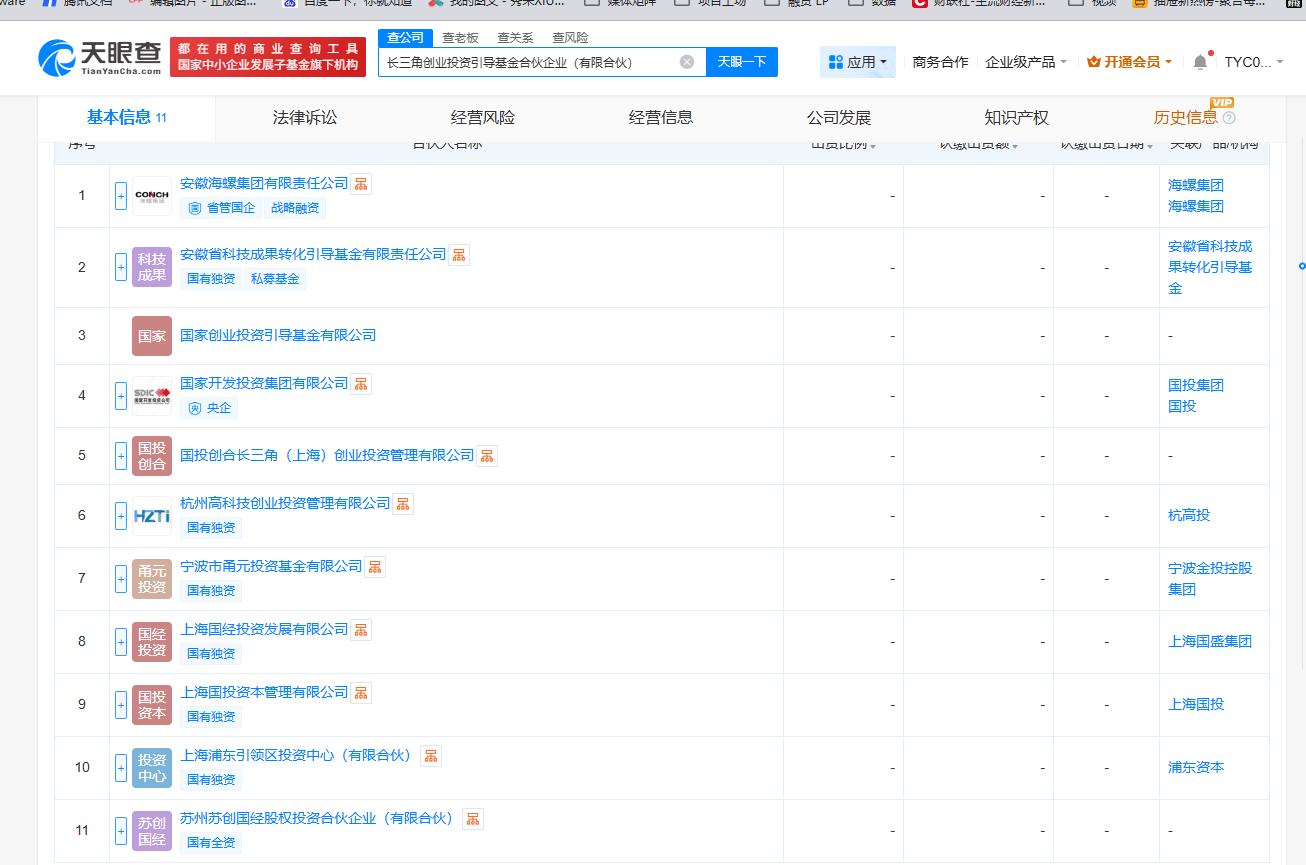
此前,国家发展改革委主任郑栅洁透露,国家正在推动设立"航母级"的国家创业投资引导基金,该基金 主要引导金融资本投早、投小、投长期、投硬科技,将吸引带动地方、社会资本近1万亿元。 人民财讯12月23日电,企查查APP显示,12月22日,京津冀创业投资引导基金合伙企业(有限合伙)、长 三角创业投资引导基金合伙企业(有限合伙)、粤港澳大湾区创业投资引导基金合伙企业(有限合伙)成 立,出资额分别为296.46亿元、471亿元、450.5亿元,经营范围均包含以私募基金从事股权投资、投资 管理、资产管理等活动。企查查股权穿透显示,其中长三角创业投资引导基金合伙企业(有限合伙)由安 徽海螺集团有限责任公司、国家创业投资引导基金有限公司、国家开发投资集团有限公司等共同出资; 粤港澳大湾区创业投资引导基金合伙企业(有限合伙)由国家创业投资引导基金有限公司、深圳市红土创 业投资有限公司、华润投资创业(天津)有限公司等共同出资。 ...
千亿航母来了:国家创投引导基金三大子基金亮相
Sou Hu Cai Jing· 2025-12-23 04:19
Core Insights - The National Venture Capital Guidance Fund has successfully registered three regional sub-funds in Beijing, Shanghai, and Shenzhen, marking a strategic deployment in the three major economic zones: Beijing-Tianjin-Hebei, Yangtze River Delta, and Guangdong-Hong Kong-Macau Greater Bay Area [1][2] Group 1: Fund Details - The "Beijing-Tianjin-Hebei Venture Capital Guidance Fund" has an undisclosed registered scale and is managed by CICC Capital [1] - The "Yangtze River Delta Venture Capital Guidance Fund" has a registered scale of 47.1 billion yuan, managed by the newly established Guotou Chuanghe Yangtze River Delta (Shanghai) Venture Capital Management Co., Ltd. [1] - The "Guangdong-Hong Kong-Macau Greater Bay Area Venture Capital Guidance Fund" has a registered scale of 45.05 billion yuan, managed by Shenrun Guochuang (Shenzhen) Investment Co., Ltd. [2][3] Group 2: Fund Partners - The Yangtze River Delta fund includes partners such as the National Venture Capital Guidance Fund, State-owned enterprises from Anhui, Zhejiang, Shanghai, and Suzhou [1] - The Greater Bay Area fund partners include the National Venture Capital Guidance Fund, Shenzhen Guochuang Yinke Technology Fund, and various state-owned entities from Guangdong [2][3] Group 3: Fund Objectives - The National Venture Capital Guidance Fund has a lifespan of 20 years, focusing on guiding financial capital towards early, small, long-term investments in hard technology [4] - The fund aims to support seed and early-stage enterprises, while also considering small and medium-sized enterprises in their early to mid-stages, fostering original and disruptive technological innovations [4]

深圳,一家「国家队」VC崛起
投资界· 2025-12-23 01:50
十年历程。 作者/周佳丽 报道/投资界PEdaily 2 0 2 5 年 临 近 尾 声 , 中 国 创 投 行 业 又 一 个 十 年 即 将 落 下 句 点 。 这 十 年 , 潮 起 潮 落 , 有 人 悄 然 离 场 , 亦 有 人 穿 越 周 期 。 这 其 中 , 始 于 「 国 家 队 」 的 国 中 资 本 算 是 一 个 独 特 的 存 在。 我们将时间拨回2 0 1 5年。彼时移动互联网正风起云涌,追寻模式创新的风口,大批VC 在此间成立。也是在那一年,国中资本在激烈竞争中中标管理规模6 0亿元的国家中小企 业发展基金首支实体基金,选择了一条略显冷清的路——躬身入局硬科技。 创投圈十年,风口轮转。 迄今,国中资本管理着国家中小企业发展基金三支子基金及国家绿色发展基金一支直投 子 基 金 , 管 理 规 模 达 1 6 0 亿 元 。 这 支 团 队 坚 持 自 己 的 底 色 , 投 出 了 华 大 九 天 、 迈 瑞 医 疗、荣昌生物、芯驰半导体、傅利叶、智平方、面壁智能等一众明星企业,以"扶小做 大"的长期实践,在中国创投的宏大叙事里留下一抹另类身影。 一家「国家级」VC走过十年 若翻 ...

沐曦股份登陆科创板 经纬创投4年投资7.5亿 年初新增投资上市首日浮盈55亿
Xin Lang Zheng Quan· 2025-12-17 09:46
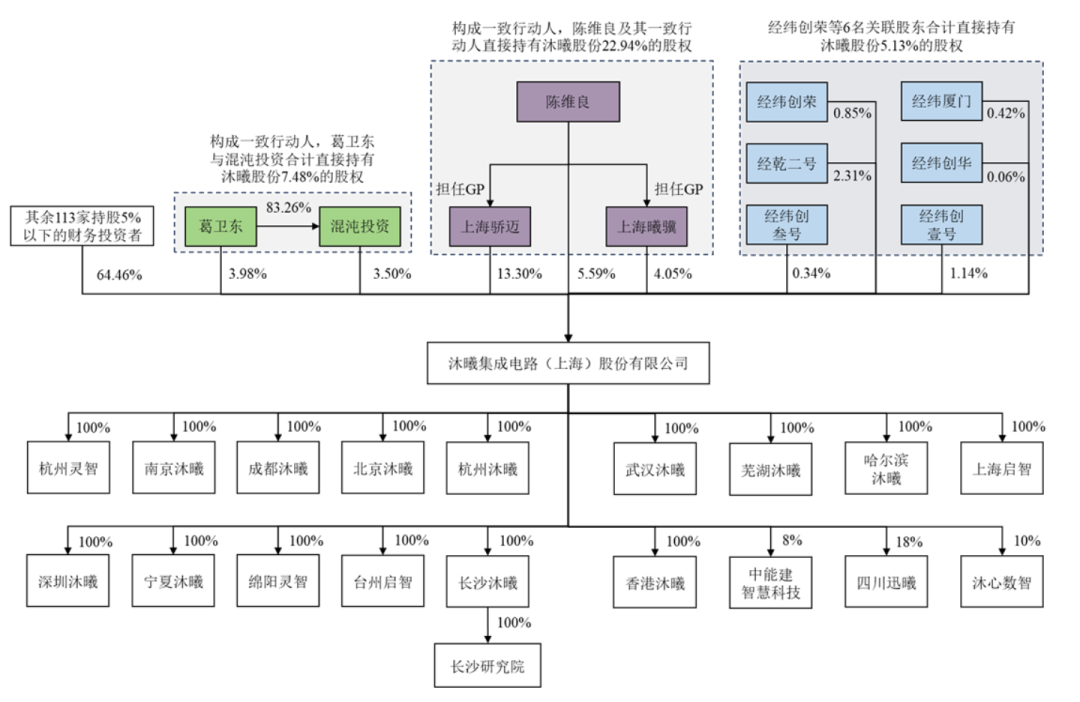
Core Viewpoint - Muxi Integrated Circuit (Shanghai) Co., Ltd. has successfully listed on the Shanghai Stock Exchange's Sci-Tech Innovation Board, becoming the second domestic GPU company to go public after Moore Threads, with a significant market response on its debut [1] Group 1: Company Overview - Muxi was founded in September 2020 by former AMD executive Chen Weiliang and two colleagues, focusing on the independent research and development of high-performance GPU chips and computing platforms [1] - The company’s products span three major areas: artificial intelligence training and inference, general computing, and graphics rendering [1] Group 2: Market Performance - On its first trading day, Muxi's stock price peaked at 895 CNY per share, representing a 755% increase from the issue price of 104.66 CNY, and closed at 829.9 CNY, a 693% rise, leading to a market capitalization exceeding 332 billion CNY [1] - The rapid growth from establishment to listing in just five years highlights the strong support from the capital market [1] Group 3: Shareholder Structure - As of the issuance date, Muxi had over 120 shareholders, including a diverse mix of national funds, top venture capital institutions, local state-owned assets, and industrial capital, providing a solid capital backing for the company's development [1] - Among the key investors, Jingwei Venture Capital has participated in six funding rounds, investing a total of 750 million CNY [4] Group 4: Investment Insights - Jingwei Venture Capital holds a total of 5.13% of Muxi's shares through six affiliated entities, demonstrating a strong commitment to the company's growth [4][8] - Recent investments by Jingwei in early 2023 amounted to approximately 400 million CNY, with a per-share cost of about 56.68 CNY, resulting in significant unrealized gains following the IPO [11]
单签赚30万,沐曦股份上市引爆资本狂欢
Sou Hu Cai Jing· 2025-12-17 03:54
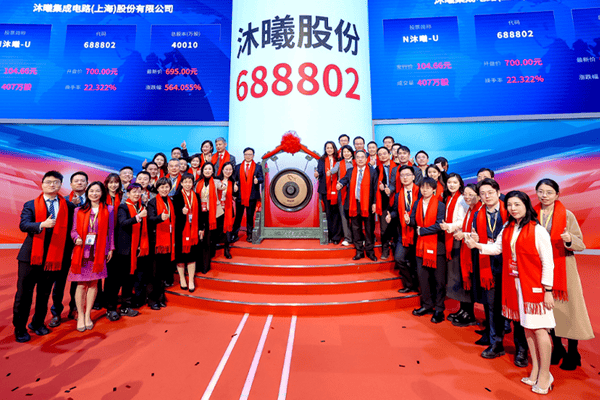
AMD系创业天团,五年铸就超级IPO 2025 年 12 月 17 日,国产高性能 GPU 领军企业沐曦集成电路(上海)股份有限公司(股票代码: 688802.SH)正式登陆科创板。发行价 104.66 元 / 股的沐曦股份,开盘即暴涨 568%,股价冲至 700 元 高位,市值瞬间突破 3000 亿元,成为年内最赚钱新股 —— 中一签(500 股)投资者浮盈超 29.7 万元, 刷新 A 股 "肉签" 纪录。 这是科创板短短半个月内诞生的第二家千亿市值 GPU 企业。此前,摩尔线程于 12 月 5 日上市后市值一 度突破 4400 亿元,两家企业接连引爆资本市场,标志着国产算力赛道进入资本化加速期。 沐曦的崛起离不开其硬核创始团队。掌舵者陈维良毕业于电子科技大学与清华大学,拥有超威半导体 (AMD)十余年任职经历,曾任高级总监。2020 年,他联合两位 AMD 前企业院士彭莉、杨建共同创 立沐曦,核心团队成员多来自 AMD,形成技术壁垒深厚的 "老兵创业团"。 "Meta 代表起源,X 象征未来",陈维良赋予公司英文名 "MetaX" 深刻寓意。这支团队仅用两年就完成 首款芯片曦思 N100 流片,核心产品 ...
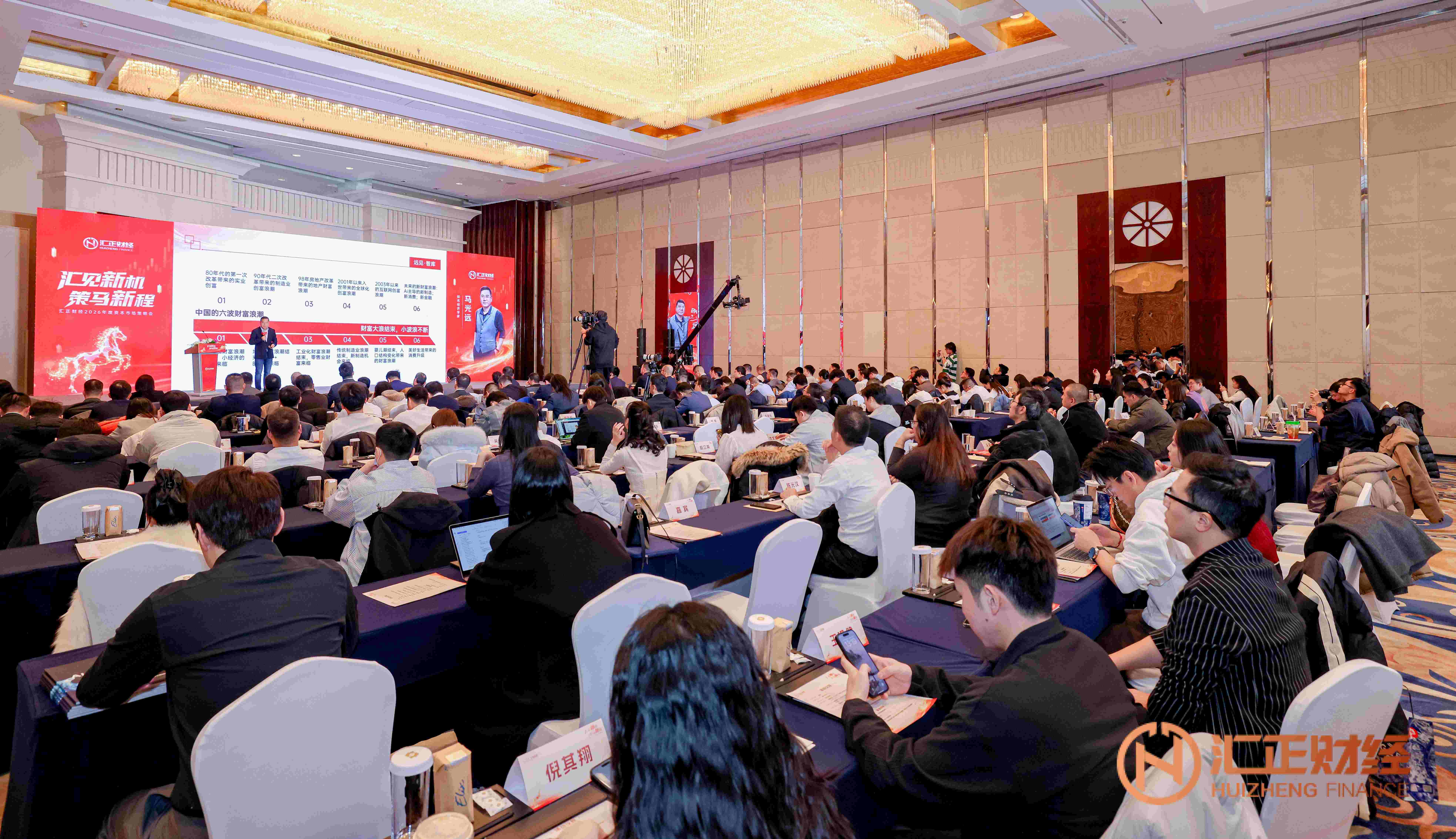
“汇见新机,策马新程” 汇正财经2026年度资本市场策略会圆满落幕, 共话“十五五”投资新机遇
Sou Hu Cai Jing· 2025-12-15 11:58
Core Insights - The 2026 Capital Market Strategy Conference hosted by Huizheng Finance focused on analyzing policy trends, dissecting sector values, and exploring new investment opportunities in the context of global economic changes impacting China [1][18] - The conference attracted over 1.07 million viewers online, indicating strong interest in the discussions surrounding new productive forces and capital market reforms [1] Group 1: Economic Trends and Policy Insights - Renowned economist Ma Guangyuan emphasized the resilience of the Chinese economy amid global economic slowdown and trade protectionism, advocating for a focus on emerging industries and new infrastructure supported by policy [6][7] - The overall economic strategy is characterized by "seeking progress while maintaining stability," with coordinated fiscal and monetary policies aimed at countering external uncertainties [6] Group 2: Energy Storage Sector - Chief strategist Yang Shoujun outlined three major trends in the energy storage sector for 2026: long-duration, intelligent, and market-oriented developments, driven by dual goals of carbon neutrality and AI capabilities [8] - The energy storage industry is shifting from policy-driven to demand-driven, with clear domestic installation targets and growing overseas orders, indicating a robust growth trajectory over the next five years [8] Group 3: Market Dynamics and Investment Strategies - Dongwu Futures' Chief Investment Officer Wu Zhaoyin projected a clear bull market path for A-shares in 2025, with funds expected to continue migrating towards high-value assets in 2026 [9] - The investment strategy should focus on solid fundamentals and reasonable valuations, particularly in cyclical sectors benefiting from policy support [9] Group 4: Robotics and AI - Chief researcher Gu Chenhao highlighted that 2026 will be a pivotal year for the commercialization of embodied intelligence, with significant applications across various sectors including industrial manufacturing and healthcare [10] - The emergence of Tesla's humanoid robot prototype and domestic technological breakthroughs are expected to catalyze growth in the robotics supply chain [10] Group 5: Long-term Investment Logic - The roundtable discussion emphasized the importance of aligning investments with long-term value, driven by both policy and technological advancements in sectors like AI and hard technology [14] - Investment logic is shifting from purely commercial returns to a balance of strategic value and market returns, with a focus on core components and AI-integrated applications [14] Group 6: Semiconductor and High-tech Manufacturing - Senior investment advisor He Feng noted the dual nature of opportunities and challenges in semiconductor self-sufficiency, with significant advancements in lithography equipment but still existing gaps [15] - The focus on third-generation semiconductors and their synergy with 5G and electric vehicle technologies presents a clear path for overcoming existing limitations [15] Group 7: Market Structure and Investment Recommendations - The current market is characterized by a "two-eight" distribution, where index performance diverges from individual stock performance, leading to potential pitfalls for investors [16] - Investment strategies should prioritize value and cyclical stocks while maintaining a balanced portfolio to mitigate risks associated with market volatility [16] Group 8: Focus on New Productive Forces - The emphasis on new productive forces in technology and high-end manufacturing is critical, with energy storage and AI data centers identified as key growth areas [17] - The investment landscape for 2026 is expected to center around technology-related sectors, with a focus on companies demonstrating clear performance or technological breakthroughs [17]
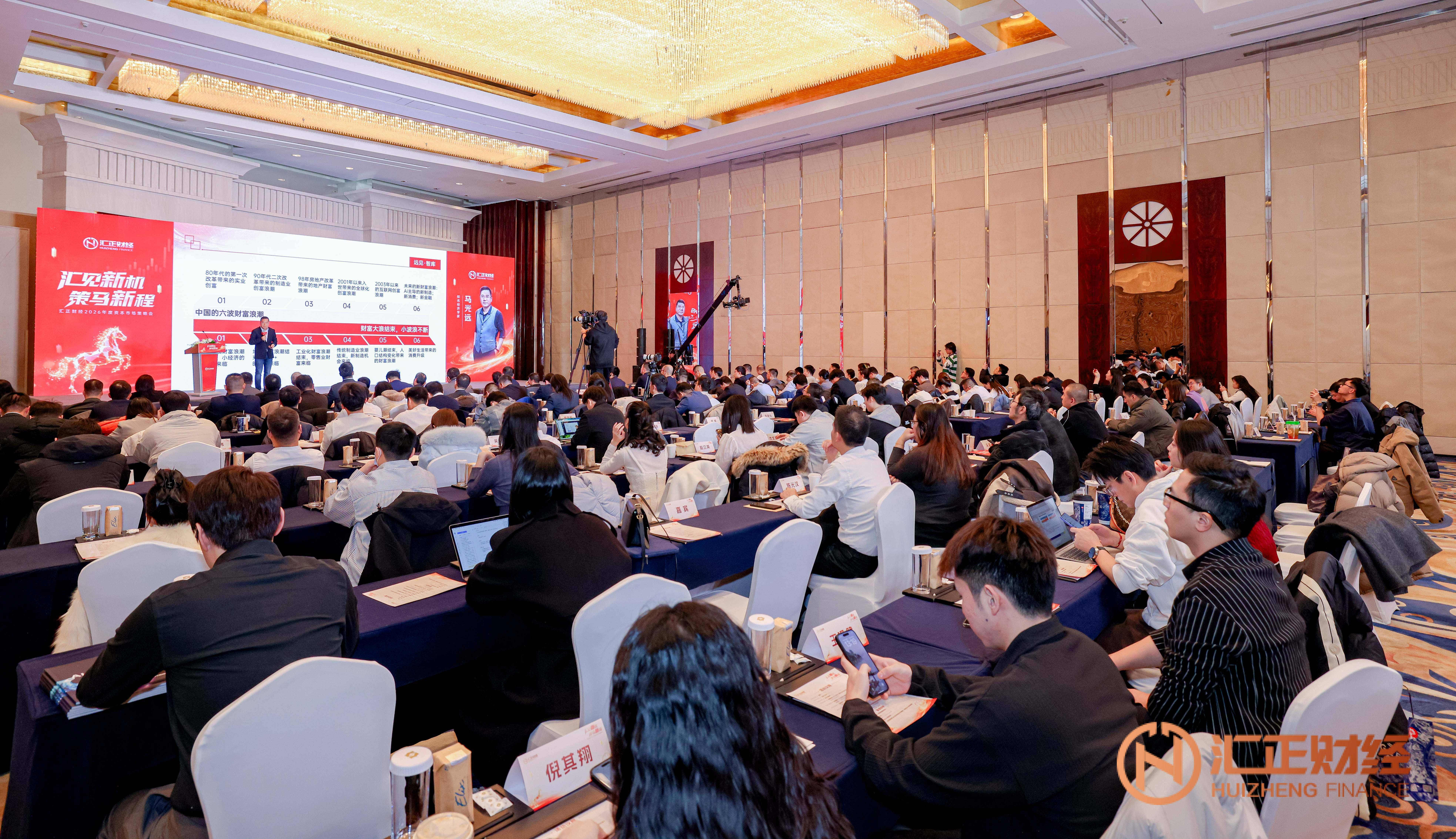
“汇见新机,策马新程” 汇正财经2026年度资本市场策略会圆满落幕,共话“十五五”投资新机遇
Di Yi Cai Jing· 2025-12-15 08:50
Core Insights - The 2026 Capital Market Strategy Conference hosted by Huizheng Finance focused on analyzing policy trends, dissecting track values, and exploring new investment opportunities in the context of global economic changes and China's unique advantages [1] Group 1: Economic Outlook - Renowned economist Ma Guangyuan emphasized the resilience of China's economy amid global economic slowdown and trade protectionism, advocating for a focus on emerging industries and new infrastructure supported by policy [5] - The overall economic strategy is characterized by "seeking progress while maintaining stability," with coordinated fiscal and monetary policies to counter external uncertainties [5] Group 2: Energy Storage Trends - Chief strategist Yang Shoujun identified three major trends in the energy storage sector for 2026: long-duration, intelligent, and market-oriented developments, driven by dual carbon goals and AI capabilities [6] - The energy storage industry is shifting from policy-driven to demand-driven, with clear domestic installation targets and improving profitability mechanisms [6] Group 3: Market Dynamics - Chief investment officer Wu Zhaoyin projected a clear bull market path for A-shares in 2025, with funds continuing to migrate towards high-value assets in 2026 [7] - The investment strategy should focus on solid fundamentals and reasonable valuations, particularly in cyclical sectors benefiting from policy support [7] Group 4: AI and Robotics - Chief researcher Gu Chenhao highlighted 2026 as a pivotal year for the commercialization of embodied intelligence, with significant applications across various sectors including industrial manufacturing and healthcare [8] - The emergence of Tesla's humanoid robot prototype and domestic technological breakthroughs are expected to drive growth in the robotics industry [8] Group 5: Investment Strategies - The investment logic is shifting towards long-cycle value, with a focus on sectors like quantum computing, nuclear fusion, and commercial aerospace, which require patience for commercialization [12] - Investment strategies should balance between strategic value and market returns, with a focus on core components and AI integration [12] Group 6: Semiconductor and High-Tech Manufacturing - The semiconductor industry faces both challenges and opportunities, with significant advancements in lithography equipment and a clear path for third-generation semiconductors [13] - The robotics and energy storage sectors are identified as key drivers of new productive forces, with rapid expansion and increasing demand [13] Group 7: Market Structure and Strategy - The market is experiencing structural differentiation, with a recommendation to focus on fundamental analysis and avoid blind speculation [14] - The appreciation of the RMB is expected to benefit import-dependent industries, with a focus on sectors like aviation and machinery [14] Group 8: Future Directions - The conference served as a comprehensive review of the achievements during the "14th Five-Year Plan" and a strategic positioning for the "15th Five-Year Plan," outlining investment opportunities aligned with policy directions [15] - Huizheng Finance aims to support small and medium investors by providing insights into market opportunities and enhancing investment decision-making efficiency [16]
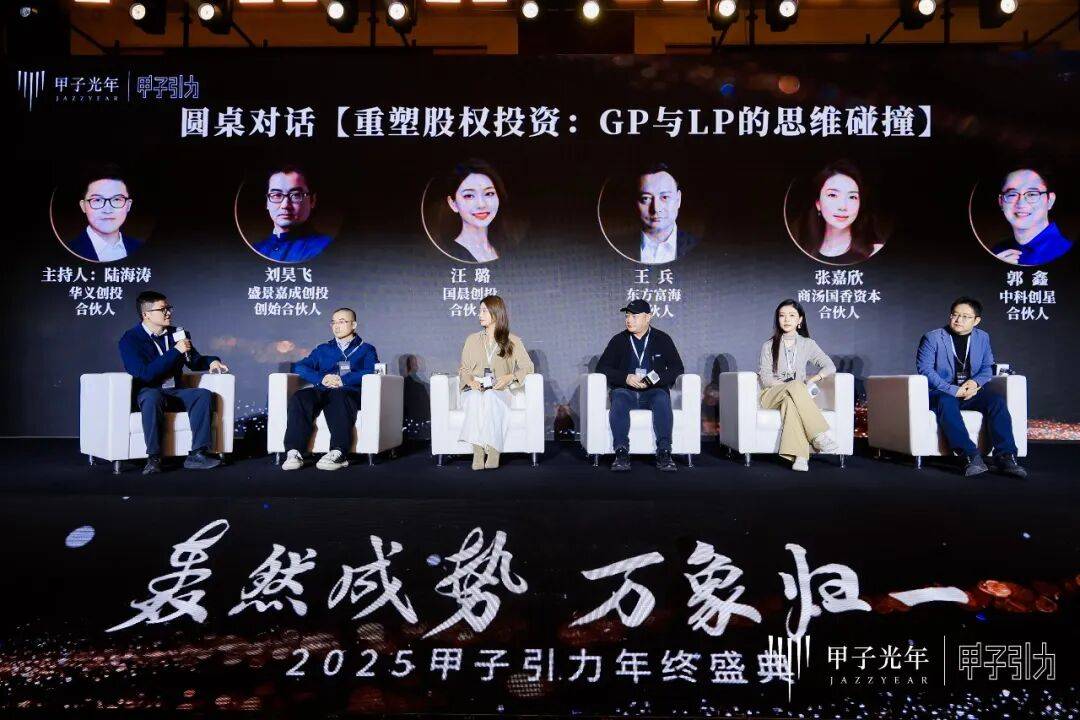
重塑股权投资:GP与LP的思维碰撞|甲子引力
Sou Hu Cai Jing· 2025-12-14 06:47
GP与LP的博弈与共生。 2025年12月3日,「甲子光年」在北京万达文华酒店圆满举办"轰然成势,万象归一"2025甲子引力年终盛典。 在下午的科技产业投资专场中,华义创投合伙人陆海涛作为嘉宾主持人,对话盛景嘉成创投创始合伙人刘昊飞、国晨创投合伙人汪璐、东方富海合伙人王 兵、商汤国香资本合伙人张嘉欣、中科创星合伙人郭鑫,围绕《重塑股权投资:GP与LP的思维碰撞》这一主题展开了深入探讨。 在当下中国股权投资正从"规模扩张"转向"质量重塑"的背景下,国资主导、退出焦虑、硬科技投资深水区等挑战日益凸显。嘉宾们指出,DPI(投入资本 分红率)和"耐心资本"成为年度高频词,行业正处于技术与商业化的重要"拐点"。 面对LP既要财务回报、又要招商引资、还要产业协同的"既要又要还要"诉求,GP们分享了如何寻找"最大公约数"、进行预期管理以及利用产业生态实现 共赢的策略。 对于未来的行业格局,嘉宾们普遍认为,无论机构规模大小,唯有具备深刻的政策理解力、专业的技术判断力以及强大的人才梯队,才能穿越周期,实现 基业长青。 以下是《重塑股权投资:GP与LP的思维碰撞》环节的文字实录,经「甲子光年」编辑,在不改变原意的基础上略有删改。 ...
40.8亿元终关:硬科技早期基金进入“大资金时代” | 巴伦独家
Sou Hu Cai Jing· 2025-12-11 02:39
Core Insights - Zhongke Chuangxing's Xian Dao Venture Capital Fund successfully raised 4.08 billion yuan, setting a record for early-stage hard technology funds in China, and providing a boost to the hard technology investment sector amid a generally sluggish market [2][3] Fundraising and Investment Strategy - The fund's final closing size of 4.08 billion yuan significantly surpasses the typical range of 1-2 billion yuan for domestic early-stage hard technology funds [3] - The fund's limited partner (LP) structure has evolved to include a diverse mix of national-level mother funds, insurance capital, industrial capital, university capital, and regional capital, enhancing stability against market fluctuations [3][4] - Since its first closing, the fund has made 46 investment decisions, with over 90% focused on early-stage projects in artificial intelligence, biotechnology, and disruptive technologies [3][4] Market Trends and Investment Logic - The hard technology investment landscape is undergoing significant changes, with a consensus emerging around key areas such as AI, advanced manufacturing, and quantum information science [6][8] - The increasing funding requirements and longer investment cycles in hard technology necessitate larger fund sizes to participate in leading-edge projects [7][8] - Investment concentration is high in the hard technology sector, with AI-related investments accounting for over 50% of total funding, while quantum and nuclear fusion technologies have seen funding growth exceeding 100% year-on-year [9] Incubation and Talent Development - Zhongke Chuangxing is enhancing its presence in talent-rich cities like Beijing and Shanghai, focusing on creating benchmark incubators and exploring new incubation models to address the challenges of technology commercialization [12][14] - The company aims to transform early-stage scientific achievements into market-ready products, with successful examples including projects from Huazhong University of Science and Technology and Fudan University [14] Long-term Vision and Strategic Focus - The company emphasizes a long-term investment strategy, focusing on core hard technology sectors such as material, energy, information, space, and life sciences [16] - Zhongke Chuangxing aims to support the emergence of 1,000 hard technology champion companies in China, leveraging the ongoing engineer dividend period to drive innovation [15][16] - The firm is committed to improving the financing environment for early-stage ventures, advocating for a more vibrant and supportive ecosystem for entrepreneurs [16][17]

三七互娱再次“投中”中国科学院院士项目 锚定新质生产力高地
Xin Lang Cai Jing· 2025-12-10 03:45
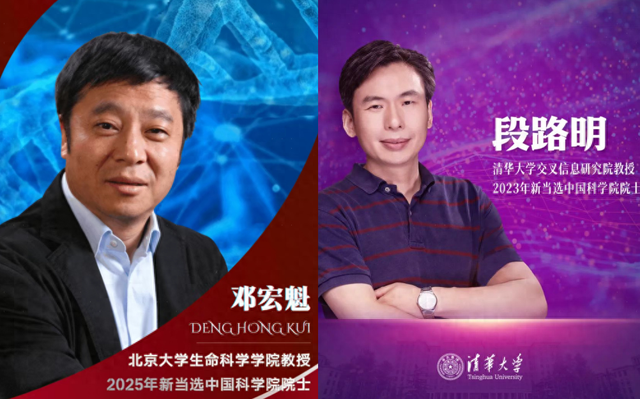
Core Insights - The recent election of Professor Deng Hongkui, a scientific founder of Beijing Beiqi Biopharmaceutical Co., Ltd., as an academician highlights the strategic investments made by 37 Interactive Entertainment in top-tier scientific projects [1][3] - The company has effectively aligned its investment strategy with national strategic development priorities, focusing on cutting-edge fields such as quantum computing and biomanufacturing [3][4] Investment Strategy - 37 Interactive Entertainment's investment logic is based on penetrating the uncertainties of technological iterations and capturing key turning points in industry explosions, guided by national strategic planning [4] - The company has concentrated its investments in areas with significant policy support and high growth potential, such as quantum computing, brain-computer interfaces, and biomanufacturing, as outlined in the "14th Five-Year Plan" [4][12] Case Studies - The cases of Huayi Quantum and Beiqi Biopharmaceutical exemplify the company's investment logic, with Huayi Quantum being a leader in the ion trap quantum computing sector and Beiqi Biopharmaceutical focusing on innovative stem cell technologies [5][6] - Huayi Quantum, emerging from Tsinghua University, has made significant advancements in quantum computing, while Beiqi Biopharmaceutical has developed groundbreaking solutions for cell therapy and regenerative medicine [5][6] Selection Criteria - The company emphasizes selecting top scientists with the ability to translate technology into industry applications, focusing on their technical accumulation and capacity for results transformation [8][11] - The founders of both Huayi Quantum and Beiqi Biopharmaceutical have demonstrated substantial contributions to their respective fields, showcasing their potential to drive industry advancements [11][12] Future Outlook - 37 Interactive Entertainment has developed a methodology for early-stage hard technology investments, focusing on selecting the right sectors and founders to ensure successful outcomes [12] - The company aims to continue supporting high-potential projects that can transition from technological value to industrial value, contributing to the development of new productive forces [12]