
社会保障体系

Search documents
透过数据看“十四五”时期民生领域“温暖答卷” 各项事业托举“稳稳的幸福”
Yang Shi Wang· 2025-09-27 01:54
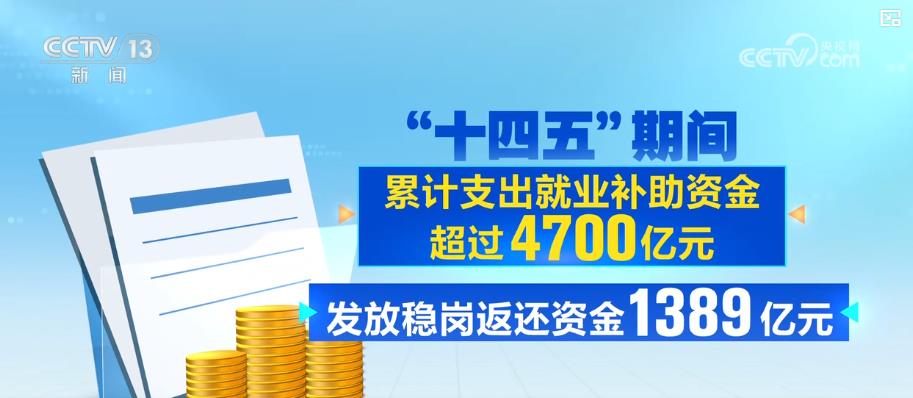
Core Insights - The "14th Five-Year Plan" period has seen significant advancements in employment and social security in China, with a focus on implementing employment-first strategies and enhancing social security systems [1][3][6] Employment and Support Policies - During the "14th Five-Year Plan," China has implemented a series of employment support policies, with total employment subsidy expenditures exceeding 470 billion yuan and stable employment for key groups such as college graduates and migrant workers [1] - A total of 1.389 billion yuan has been allocated for job retention funds, and approximately 92 million people have received subsidized vocational skills training, increasing the total number of skilled workers to over 220 million [1] Social Security Reforms - The social security system has been further improved, with the basic pension insurance for enterprise employees achieving national coordination, while unemployment and work injury insurance have been coordinated at the provincial level [3][6] - The personal pension system has been expanded nationwide, and pilot programs for occupational injury protection have been implemented in 17 provinces, covering over 20 million new employment form workers [3] Insurance Participation and Coverage - The number of participants in the basic pension insurance has reached 1.072 billion, an increase of over 73 million compared to the end of the "13th Five-Year Plan," with the participation rate rising from 91% to over 95% [6][9] - The number of participants in unemployment and work injury insurance has also increased significantly, with over 29 million and 34 million additional participants, respectively [9] Digitalization and Service Improvements - The number of social security cardholders has reached 1.39 billion, with 1.1 billion using electronic social security cards, reflecting a shift towards digital services [10] - The national social security public service platform has been enhanced, providing over 600 billion non-face-to-face services, with online processing of social security business exceeding 70% nationwide [10][12] Accessibility and Community Services - Local governments have strengthened cooperation with banks and postal services to create social security service circles, ensuring accessibility within 15 minutes in urban areas and 5 kilometers in rural areas [12] - Services for the elderly or those with mobility issues include assistance, agency services, and home visit appointments [12] Multifunctionality of Social Security Cards - Social security cards now support 95 applications in the human resources and social security sector and are increasingly used for various public services, such as pension distribution and medical services [14]

“十四五”以来,城镇新增就业累计超五千九百万人——就业稳,经济社会发展有支撑
Xin Hua Wang· 2025-09-27 01:00
Employment and Social Security Achievements - As of the end of August this year, the cumulative number of new urban jobs added during the "14th Five-Year Plan" period reached 59.21 million, exceeding the target of 55 million [1] - The number of participants in the national basic pension insurance reached 1.072 billion, an increase of over 73 million compared to the end of the "13th Five-Year Plan" [1] Employment Stability and Quality - The overall employment situation during the "14th Five-Year Plan" period has been stable, with an average urban survey unemployment rate of 5.3%, below the expected control target of 5.5% [2] - The government has implemented a series of employment support policies, with total employment subsidy expenditures exceeding 470 billion yuan and stable job return funds of 138.9 billion yuan [2] Targeted Support for Key Groups - The number of college graduates has been increasing annually, exceeding 10 million since 2022, highlighting the importance of this talent resource for employment efforts [3] - The scale of migrant workers remains above 30 million, providing strong support for economic and social stability [3] Social Security System Improvements - The national basic pension insurance participation rate has increased to over 95%, with unemployment and work injury insurance participants reaching 246 million and 302 million, respectively [4] - The social security system has seen significant reforms, with national coordination for enterprise employee basic pension insurance and provincial-level coordination for unemployment and work injury insurance [4] Financial Stability of Social Insurance Funds - The cumulative balance of the basic pension, unemployment, and work injury insurance funds reached 9.81 trillion yuan as of the end of August [5] - Central government subsidies for enterprise employee basic pension insurance are projected to exceed 730 billion yuan in 2024, with a gradual establishment of a long-term funding mechanism [5] Skills Development and New Occupations - Over 420 million people have received subsidized vocational skills training during the "14th Five-Year Plan" period, with the total number of skilled workers exceeding 220 million [8] - A total of 72 new occupations have been released, reflecting the structural optimization of China's economy and the demand for new talent in emerging industries [8]
就业稳,经济社会发展有支撑(锐财经)
Ren Min Ri Bao Hai Wai Ban· 2025-09-26 22:17
Employment and Social Security Achievements - The cumulative number of new urban jobs reached 59.21 million by the end of August this year, exceeding the target of 55 million set for the "14th Five-Year Plan" [1] - The number of participants in the basic pension insurance system reached 1.072 billion, an increase of over 73 million compared to the end of the "13th Five-Year Plan" [1] - The average urban survey unemployment rate over the first four years was 5.3%, lower than the expected control target of 5.5% [1] Employment Policies and Support - The government implemented a series of employment support policies during the "14th Five-Year Plan," with total employment subsidy expenditures exceeding 470 billion yuan and stable job return funds of 138.9 billion yuan [2] - The focus on stabilizing employment has been integrated into macroeconomic regulation and is considered a priority in public welfare initiatives [2] - The number of college graduates has been increasing annually, exceeding 10 million since 2022, highlighting the importance of this talent resource for employment [2] Social Security System Development - The national basic pension insurance coverage rate increased to over 95%, with unemployment insurance and work injury insurance participants reaching 246 million and 302 million, respectively, an increase of over 29 million and 34 million compared to the end of the "13th Five-Year Plan" [3] - The social security system has seen significant reforms, enhancing its coverage and functionality [5] Skills Development and New Occupations - Over 420 million enterprise employees and over 310 million migrant workers received subsidized vocational skills training during the "14th Five-Year Plan" [7] - The total number of skilled workers exceeded 220 million, with over 72 new occupations created to meet the demands of the evolving economy [7] - The government aims to strengthen policy support and optimize the development environment for skill laborers in the upcoming "15th Five-Year Plan" [8]

我国就业社保等各项事业取得长足发展
Yang Shi Wang· 2025-09-26 13:53
Core Insights - The "14th Five-Year Plan" period has seen significant advancements in employment and social security in China, with a focus on high-quality completion of the plan [2] Employment Policies - China has implemented a series of employment support policies during the "14th Five-Year Plan," with total employment assistance funds exceeding 470 billion yuan and stable employment for key groups such as college graduates and migrant workers [2] - A total of 1.389 billion yuan has been allocated for job retention subsidies, contributing to overall employment stability [2] - Approximately 92 million people have received subsidized vocational skills training, with the total number of skilled workers exceeding 220 million [2] Social Security Reforms - The social security system has been significantly reformed, establishing a system with distinct Chinese characteristics [2] - Basic pension insurance for enterprise employees has achieved national coordination, while unemployment and work injury insurance have been coordinated at the provincial level [2] - The personal pension system has been rolled out nationwide, and pilot programs for occupational injury protection have expanded to 17 provinces, covering over 20 million new employment form workers [2] Insurance Participation and Fund Scale - The number of participants in basic pension insurance has reached 1.072 billion, an increase of over 73 million compared to the end of the "13th Five-Year Plan," with the participation rate rising from 91% to over 95% [2] - The number of participants in unemployment and work injury insurance has increased by over 29 million and 34 million, respectively, compared to the end of the "13th Five-Year Plan" [2] - The total scale of the three social insurance funds' income and expenditure has reached 69.27 trillion yuan, with a cumulative surplus of 9.81 trillion yuan [2]
城镇新增就业近6000万、养老保险覆盖超10亿人!“十四五”民生答卷亮眼
Yang Shi Wang· 2025-09-26 07:58
Core Insights - The "14th Five-Year Plan" period has seen the implementation of an employment-first strategy, with over 470 billion yuan allocated for employment support policies and 138.9 billion yuan for job retention subsidies, leading to a total of 59.21 million new urban jobs created, exceeding the target of 55 million [3] Employment and Social Security Achievements - The employment situation is generally stable, with significant progress in social security systems, including nationwide coordination of basic pension insurance for employees and provincial-level coordination for unemployment and work injury insurance [3] - The number of participants in the basic pension insurance has reached 1.072 billion, an increase of over 73 million since the end of the "13th Five-Year Plan," with the participation rate rising from 91% to over 95% [5] - The total scale of three social insurance funds' income and expenditure has reached 69.27 trillion yuan, with a cumulative fund surplus of 9.81 trillion yuan during the "14th Five-Year Plan" [5]
保障民生改善民生,人社部门这样回答“民生为大”
Xin Hua She· 2025-09-26 07:49
Group 1 - The core viewpoint emphasizes the importance of improving people's livelihoods as part of China's modernization efforts, particularly during the "14th Five-Year Plan" period [1] - The human resources and social security departments are focused on enhancing the development and utilization of human resources, leading to significant advancements in employment and social security [1] - The overall goal is to increase the sense of gain, happiness, and security among the populace, contributing positively to the improvement of living standards [1] Group 2 - The national basic pension insurance coverage reached 1.072 billion, an increase of over 73 million compared to the end of the "13th Five-Year Plan," with the participation rate rising from 91% to over 95% [3] - The number of participants in unemployment insurance and work injury insurance reached 246 million and 302 million, respectively [3] - The total scale of the three social insurance funds' income and expenditure during the "14th Five-Year Plan" period was 69.27 trillion yuan, with a cumulative fund balance of 9.81 trillion yuan [3] Group 3 - During the "14th Five-Year Plan," approximately 92 million people received subsidized vocational skills training, aligning with market trends [6] - A total of 72 new occupations were announced, and 328 national occupational standards were issued, aimed at stimulating the entrepreneurial spirit among various talents [6] - The number of professional technical personnel in China exceeds 80 million, with over 22 million skilled workers, including more than 7.2 million high-skilled talents [6] Group 4 - The establishment of over 2,300 one-stop mediation centers for labor disputes in new employment forms has been implemented [8] - More than 10,000 major wage arrears violations have been published and addressed since the beginning of the "14th Five-Year Plan" [8] - Over 14,000 cases of suspected refusal to pay labor remuneration have been transferred for prosecution, effectively curbing malicious wage arrears [8]

人社部:截至8月底,全国社会保障基金规模3.22万亿元
Zhong Guo Xin Wen Wang· 2025-09-26 05:59
人社部:截至8月底,全国社会保障基金规模3.22万亿元 编辑:徐世明 广告等商务合作,请点击这里 本文为转载内容,授权事宜请联系原著作权人 二是统筹层次进一步提高,劳动者流动更顺畅。2022年1月,企业职工基本养老保险全国统筹制度启动 实施。2023年底,失业保险实现省级统筹,工伤保险全面实现基金省级统收统支,增强了社保互助共济 功能。同时,养老保险转移接续更加顺畅,省内流动可以自动接续,不用办理转移手续;跨省流动实 现"一键申请、全程网办",办理时限大幅压减,有效促进了人力资源等生产要素合理流动。 三是覆盖范围进一步扩大,群众参保更便捷。深入实施全民参保计划,积极推进重点群体参保,让更多 的人享有社会保障。截至8月底,全国基本养老、失业、工伤保险参保人数分别达到10.72亿、2.46亿和 3.02亿人。对于灵活就业人员参加养老保险问题,实行"一放开、三灵活"。"一放开"就是普遍放开参保 户籍限制;"三灵活"就是,参保地可以在就业地或者户籍地之间灵活选择,缴费基数在当地上下限标准 之间灵活选择,缴费方式可以在按月、按季、按年之间灵活选择。 四是筹资渠道进一步拓展,基金家底更厚实。收支有结余。基本养老、失业、工 ...
数说“十四五”成就丨从社会保障成绩单感知民生获得感
Xin Hua Wang· 2025-09-26 04:16
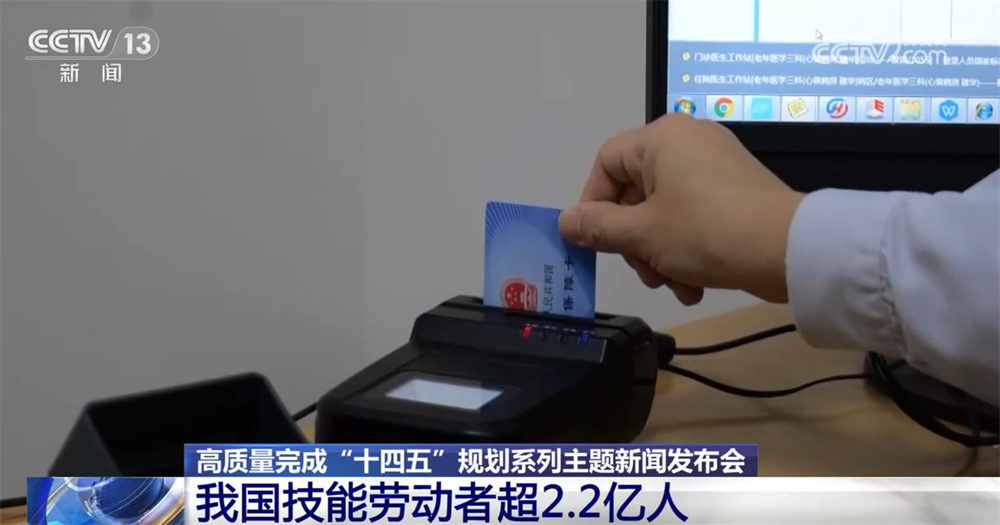
Core Insights - The "14th Five-Year Plan" period has seen significant achievements in employment and social security, with a focus on high-quality development and improved living standards for citizens [1] Employment Stability - During the "14th Five-Year Plan," over 470 billion yuan was spent on employment subsidies, with 138.9 billion yuan allocated for job retention funds [3] - As of August, urban new employment reached 59.21 million, exceeding the target of 55 million [3] - The average urban survey unemployment rate over the past four years was 5.3%, below the expected control target of 5.5% [3] Social Security System Enhancement - The "14th Five-Year Plan" marked a period of significant reform in social security, including nationwide coordination of basic pension insurance for employees and provincial-level coordination for unemployment and work injury insurance [5] - The number of participants in basic pension insurance reached 1.072 billion, an increase of over 73 million from the end of the "13th Five-Year Plan," with the participation rate rising from 91% to over 95% [6] - The total scale of social insurance fund revenue and expenditure reached 69.27 trillion yuan, with a cumulative surplus of 9.81 trillion yuan, indicating a stable support capacity for social security [6] Talent Development and Labor Rights - The "14th Five-Year Plan" has seen a shift towards a new normal in population development, with gradual implementation of delayed retirement policies and reforms in talent development systems [7] - A total of 92 million people have received subsidized vocational skills training, with 72 new occupations and 328 national occupational standards introduced [7] - The rights protection system for workers has been improved, with over 2,300 new mediation centers established for new employment forms, and significant actions taken against wage violations [10][12]

新疆就业规模持续扩大 城镇和农村居民收入稳步提升
Zhong Guo Xin Wen Wang· 2025-09-19 07:59
Core Viewpoint - The report highlights the successful implementation of the new era's governance strategy in Xinjiang, focusing on improving people's livelihoods and promoting economic and social development, resulting in enhanced living conditions and quality of life for various ethnic groups [1][2]. Group 1: Poverty Alleviation - Xinjiang has prioritized poverty alleviation as a key livelihood project since the 18th National Congress, achieving a historic resolution to absolute poverty by the end of 2020, with all rural poor populations lifted out of poverty [1]. Group 2: Employment - Employment is regarded as a top priority in Xinjiang, with efforts to expand employment scale and optimize employment structure, leading to steady increases in urban and rural residents' incomes [2]. Group 3: Social Security - Xinjiang has established a multi-tiered social security system aimed at safeguarding and improving livelihoods, ensuring that residents have access to education, employment, housing, medical care, and elderly support, thereby enhancing the quality of life for all ethnic groups [2].
分量最重!5年间民生领域财政投入近百万亿元
Xin Hua She· 2025-09-12 12:28
Core Insights - The Chinese government is significantly increasing its fiscal spending on public welfare, with nearly 100 trillion yuan allocated, accounting for over 70% of the national general public budget expenditure [1] Group 1: Social Security and Welfare - The number of participants in basic pension insurance exceeds 1.07 billion, and those in basic medical insurance reaches 1.327 billion, establishing the world's largest and most comprehensive social security system [2] - During the "14th Five-Year Plan" period, the financial subsidy for residents' medical insurance increased from 580 yuan to 700 yuan per person per year, with rural and urban minimum living standards raised by approximately 20% [2] Group 2: Education and Healthcare - The government is enhancing public resources in education and healthcare, with all students in compulsory education exempted from fees and receiving free textbooks, benefiting around 20 million economically disadvantaged students [6] - Over 800 billion yuan has been allocated to support clinical specialties and regional healthcare capacity building, significantly improving service capabilities across various medical institutions [7] Group 3: Infrastructure and Public Services - The government is focusing on equal access to basic public services, with the scale of balanced transfer payments increasing from 1.9 trillion yuan in 2021 to 2.7 trillion yuan by 2025, reflecting an annual growth of 9.6% [3] - All administrative villages in China have been connected by hardened roads, with over 95% coverage of express delivery services and 94% access to tap water [3] Group 4: Accessibility and Inclusivity - The government is promoting diverse and accessible public services, with 560 million people benefiting from direct settlement for cross-province medical treatment, reducing out-of-pocket expenses by 590 billion yuan [10] - Initiatives for home-based elderly care and the renovation of old residential areas are being supported, along with free access to nearly 50,000 public libraries and museums [10] Group 5: Future Outlook - The government emphasizes that fiscal policies will focus on areas where the public has urgent needs and expectations, ensuring that financial resources are directed towards improving the quality of life for citizens [11]