
科技创新和产业创新融合

Search documents
规上工业年均增速9.9%,奉贤如何打造“南上海重要增长极”?
Xin Lang Cai Jing· 2025-11-21 03:57
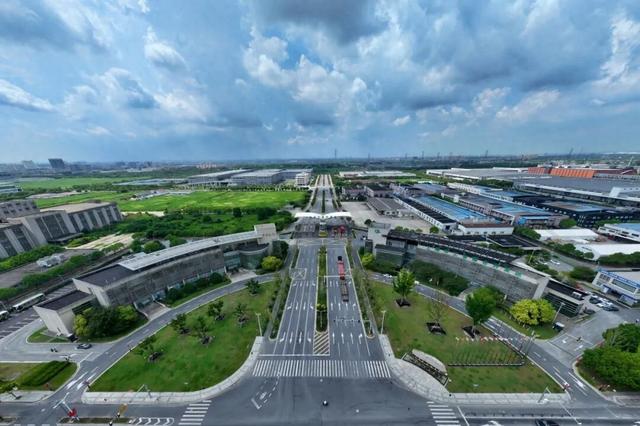
Core Viewpoint - The Shanghai government is promoting the development of the Fengxian District as a significant growth engine in southern Shanghai, focusing on economic, social, and environmental advancements during the 14th Five-Year Plan period [1]. Economic Development - The industrial output value in Fengxian is projected to exceed 277.5 billion yuan by 2024, with an average annual growth rate of 9.9% [3]. - Industrial fixed asset investment is expected to rise from 11.4 billion yuan in 2020 to 17.96 billion yuan in 2024, with an average annual growth rate of 12% [3]. - The service sector's revenue is anticipated to reach 48.49 billion yuan in 2024, nearly doubling from the end of the 13th Five-Year Plan [3]. Innovation and Technology - Fengxian has nurtured 56 national-level specialized and innovative small giant enterprises and 1,860 national high-tech enterprises [5]. - The establishment of the "Returnee Town" aims to attract global talent and enhance regional innovation capabilities [5]. Infrastructure and Transportation - Significant improvements in public services include the opening of major hospitals and cultural landmarks, enhancing urban functionality [6]. - A comprehensive transportation network is being developed, including the extension of metro lines and new highways, facilitating better connectivity [8]. Environmental Sustainability - The district has added 4,880 hectares of green space and built 223 parks, achieving an average of 17.3 square meters of park space per person [9]. - The promotion of non-fossil energy sources has led to the installation of 305,000 kilowatts of solar power capacity, exceeding the targets set for the 14th Five-Year Plan [9]. Rural Development - The introduction of 50 high-tech agricultural projects has improved rural industries, with a focus on modern green agriculture [10]. - The average disposable income for rural residents is projected to exceed 47,000 yuan in 2024, reflecting steady income growth [10]. Social Welfare - The district has achieved national recognition for its education and health initiatives, including the establishment of a national-level health promotion zone [11]. - A robust social security network has been developed, with 27 community employment service stations established to address housing needs [11]. Future Outlook - The district aims to become an open innovation demonstration hub and a comprehensive modern city, enhancing its urban functions and quality [12]. - Fengxian plans to advance its industrial clusters towards a scale of 100 billion yuan and foster a collaborative innovation ecosystem among local universities [12].

打造火炬服务矩阵生态
Jing Ji Ri Bao· 2025-11-19 03:22
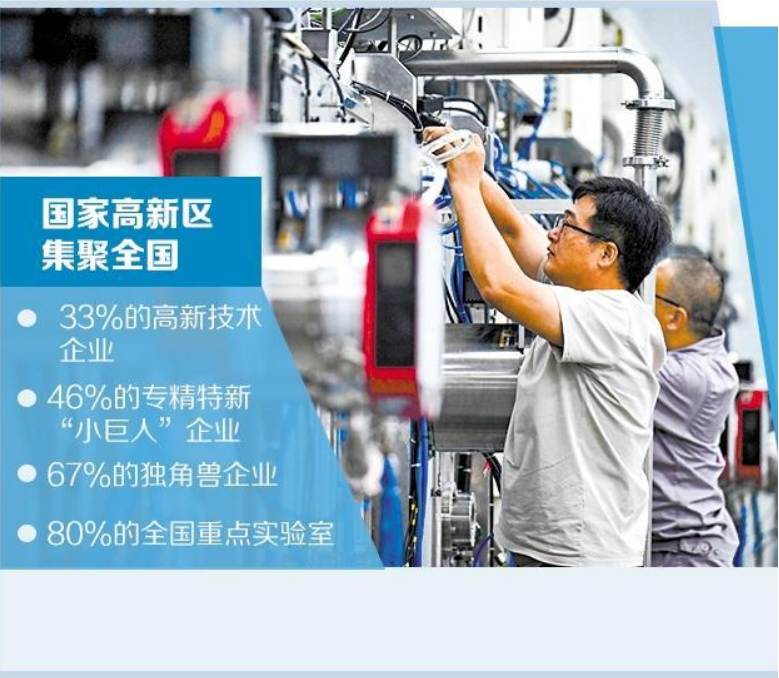
Group 1 - The integration of technological innovation and industrial innovation is crucial for achieving high-level self-reliance in technology and building a modern industrial system [1][3] - The Torch Center aims to promote the industrialization of high-tech achievements and create a multi-layered service matrix to accelerate the integration of technology and industry [1][3] - The Torch Program, initiated in 1988, has become a significant platform for the integration of technological and industrial innovation, contributing to the development of national high-tech industrial zones [3] Group 2 - There are currently 193 innovative industrial clusters in China, which include over 52,000 enterprises, with 26,000 being high-tech companies, covering all strategic emerging industries [4] - Suzhou High-tech Zone has established itself in the new generation of information technology and high-end equipment manufacturing, with significant growth in emerging industries like new energy and medical devices [4] - The financial sector plays a vital role in promoting the deep integration of technological and industrial innovation, enhancing the efficiency of the overall operation [5] Group 3 - The Ministry of Industry and Information Technology plans to establish a robust mechanism to support the high-quality development of high-tech industries and innovative industrial clusters, aiming for global competitiveness [5]
提升资本市场功能 更好服务做强国内大循环
Shang Hai Zheng Quan Bao· 2025-11-18 18:42
Core Viewpoint - The article emphasizes the importance of strengthening the domestic circulation as a strategic move for sustainable economic development, particularly in the context of increasing external uncertainties and the need for a robust domestic market [2][3][4]. Group 1: Strengthening Domestic Circulation - Strengthening domestic circulation is essential for addressing external shocks, enhancing internal stability, and ensuring long-term growth amidst global uncertainties [4][5]. - The domestic market's role is highlighted as a key driver for high-quality development, with a focus on expanding domestic demand and optimizing supply structures [5][6]. - The integration of domestic and international circulations is necessary to leverage global resources while enhancing domestic market efficiency [6]. Group 2: Capital Market's Role - The capital market is positioned as a crucial hub for facilitating the efficient operation and quality enhancement of the domestic circulation [9]. - Capital markets can support the integration of technology and industry by providing comprehensive pricing mechanisms that reflect various business factors [10]. - The capital market's resource allocation capabilities can enhance the vitality of domestic circulation by directing resources to high-quality enterprises [11][12]. Group 3: Policy Recommendations - The article suggests that capital market reforms should align with the broader goal of strengthening domestic circulation, emphasizing cross-departmental collaboration [16][17]. - It advocates for the development of diverse financing channels, particularly for technology innovation enterprises, to improve service capabilities across the entire lifecycle [17]. - The establishment of specialized funds by local governments is recommended to enhance long-term capital allocation to quality enterprises [17].
省委常委会召开会议 传达学习习近平总书记重要讲话精神 研究省委“十五五”规划建议起草、中央生态环境保护督察反馈问题整改等事项
Da Zhong Ri Bao· 2025-11-15 01:14
Core Points - The meeting emphasized the importance of learning and implementing Xi Jinping's recent speeches, particularly regarding the construction of the Hainan Free Trade Port and the integration into the Belt and Road Initiative [2][3] - The meeting highlighted the need for deep integration of technological and industrial innovation, as well as the commitment to reform and opening up, particularly in relation to the Guangdong-Hong Kong-Macao Greater Bay Area [2] - The meeting discussed the importance of promoting sports and enhancing the overall strength of competitive sports in Shandong, aiming to build a strong sports province and a healthy province [2] Group 1 - The meeting called for the establishment of high-standard international trade rules and the development of the Shanghai Cooperation Organization demonstration zone and free trade pilot zones [2] - The meeting reviewed the draft suggestions for the 14th Five-Year Plan, emphasizing alignment with the 20th Central Committee's directives and incorporating expert opinions and grassroots experiences [2][3] - The meeting addressed the need for comprehensive reform in water resource management, including the implementation of a rigid constraint system for water resources and the promotion of water-saving reforms [3] Group 2 - The meeting approved the rectification plan for the third round of central ecological and environmental protection inspections, stressing the importance of Xi Jinping's ecological civilization thoughts and ensuring effective rectification measures [3] - The meeting also discussed other matters related to provincial governance and planning [4]
工信部火炬中心发声!事关科技创新和产业创新融合
Zhong Guo Zheng Quan Bao· 2025-11-06 23:03
Core Viewpoint - The 2025 Torch Forum, co-hosted by the Torch High Technology Industry Development Center and the Xiong'an New Area Management Committee, focuses on the theme of integrating high-tech development with industrialization to promote technological and industrial innovation [1] Group 1: National Technology Trading Platform - The Torch Center is building a national unified technology trading service platform to support the development of a nationwide integrated technology market [2] - The center has introduced an enterprise innovation point system 2025 and a hard technology attribute evaluation model to enhance the efficiency of technology achievement transformation [2][4] - The first national unicorn enterprise competition, focusing on 16 emerging industries, has attracted over 1,500 participants, with the finals scheduled for December in Ningbo [2] Group 2: Innovation and Industrial Integration - Promoting the integration of technological and industrial innovation is key to achieving high-level technological self-reliance and building a modern industrial system [4] - The number of registered small and medium-sized enterprises exceeds 60 million, with 504,000 high-tech enterprises and over 140,000 specialized and innovative small enterprises [4] - The establishment of 33 national manufacturing innovation centers has led to breakthroughs in nearly 700 key common technologies, facilitating the transition from research to industrial application [4][5] Group 3: Future Development Initiatives - The Torch Center aims to strengthen key carriers and enhance the deep integration of industry, academia, and research, while supporting more enterprises to lead major national technology projects [6] - The focus will be on building high-level carriers and promoting the development of national high-tech zones towards higher and newer standards [6][7] - The "Ten Ones" initiative was launched to integrate policies that support technology innovation, enterprise incubation, and park development, ensuring resources are directed towards efficient regions and quality enterprises [7]
城市24小时 | 经济大省,再被“点名”
Mei Ri Jing Ji Xin Wen· 2025-10-28 16:31
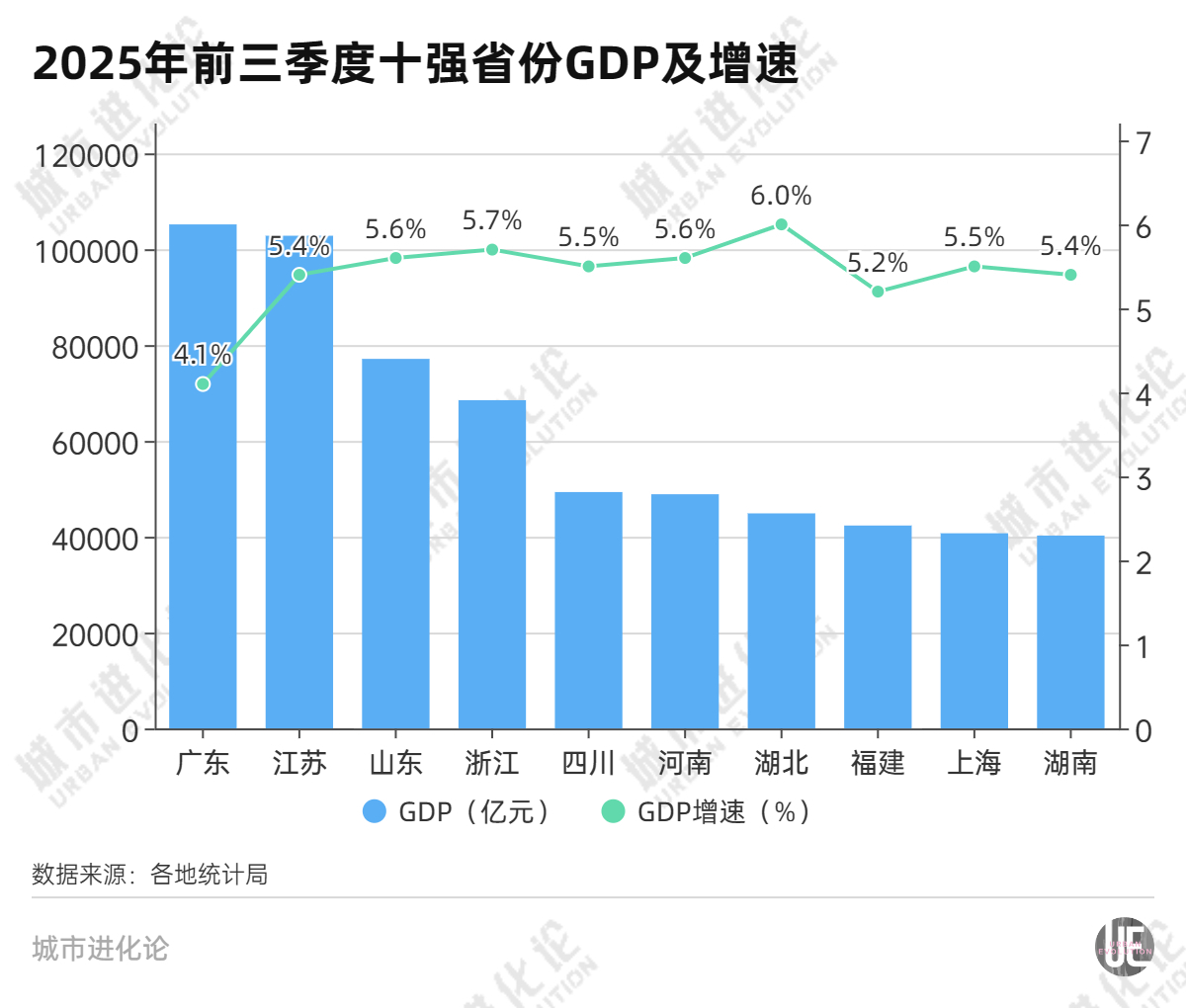
Core Insights - The Central Committee of the Communist Party of China has proposed a new five-year plan focusing on enhancing regional development coordination and promoting the modernization of various regions, including the western, northeastern, central, and eastern areas of China [1][2][4]. Group 1: Economic Provinces - Economic provinces are identified as crucial for stabilizing the national economy and driving growth, with ten provinces projected to exceed a GDP of 5 trillion yuan each in 2024, collectively accounting for 61% of the national economy [2][4]. - These provinces house over 70% of the country's large-scale industrial enterprises and high-tech companies, serving as a stabilizing force and a source of new development [4][5]. - The government emphasizes the importance of these provinces in leading economic growth and innovation, with specific focus areas including technology and industry integration, deep reforms, and high-level openness [5]. Group 2: Infrastructure Developments - Beijing's subway system is set to exceed 900 kilometers in operational length with the recent commencement of trial runs for new lines [6]. - Jiangsu province has reported a significant increase in ship exports, reaching 1,078.4 billion yuan in the first three quarters of the year, marking a 38.3% year-on-year growth [7]. Group 3: Housing and Urban Development - Guangzhou has introduced 20 construction standards aimed at improving housing quality, focusing on safety, comfort, and sustainability [8]. Group 4: Economic Rankings - The 2025 Hurun Rich List indicates that Shanghai and Shenzhen have surpassed Beijing in the number of billionaires, with significant increases in wealth attributed to sectors like new energy vehicles and biotechnology [15][17].
金融监管总局局长李云泽:高效服务现代化产业体系建设和新质生产力发展
Zhong Guo Jing Ying Bao· 2025-10-27 13:12
Core Insights - The National Financial Regulatory Administration emphasizes the significant achievements in China's economic and social development during the "14th Five-Year Plan" period, highlighting the solid steps taken towards high-quality financial development and the important progress made in preventing and mitigating financial risks [1] Group 1 - The financial regulatory authority aims to enhance economic and financial adaptability to better promote sustainable and healthy economic and social development [1] - A new financial service model will be established, focusing on the synergy between direct and indirect financing, balancing investments in physical assets and human capital, aligning financing terms with industrial development, and linking domestic and international markets [1] - Support will be strengthened for major strategies, key areas, and weak links to facilitate qualitative improvements and reasonable quantitative growth in the economy [1] Group 2 - Financial services will efficiently support the construction of a modern industrial system and the development of new productive forces, with a focus on intelligent, green, and integrated directions [2] - Financial resources will be provided to optimize and enhance traditional industries while nurturing and expanding emerging and future industries [2] - Policies will be improved to support long-term capital investment in hard technology, reinforcing comprehensive financial guarantees throughout the investment cycle [2] - The strategy of expanding domestic demand will be emphasized, with a focus on strengthening funding for major projects to boost consumption [2] - Trade financing and export credit insurance services will be optimized to accelerate the integration of domestic and international trade, enhancing the domestic and international dual circulation [2]
阴和俊:“十五五”规划建议部署实施一批国家重大科技任务
Zhong Guo Xin Wen Wang· 2025-10-24 07:22
Core Viewpoint - The Chinese government emphasizes the importance of technological modernization as a foundation for national modernization, with a focus on implementing major national scientific tasks during the "14th Five-Year Plan" period [1][2]. Group 1: Technological Innovation - The "14th Five-Year Plan" proposes to strengthen original innovation and tackle key core technologies, particularly in integrated circuits, industrial mother machines, and high-end instruments [1]. - The plan aims to enhance the systematic capabilities of national strategic scientific forces and support enterprises in leading innovation consortia [2]. Group 2: Education and Talent Development - The plan emphasizes the integration of education, technology, and talent development to meet the needs of scientific innovation and national strategy [2]. Group 3: Digital Economy - The initiative includes advancing the construction of a digital China by creating a secure and open national integrated data market, promoting the deep integration of the real economy and digital economy [2]. - The government plans to accelerate innovation in artificial intelligence and other digital technologies, implementing the "Artificial Intelligence+" initiative to empower various industries [2].
浙江丽水打造创新型活力城市
Sou Hu Cai Jing· 2025-10-22 22:23
Core Insights - Lishui City's industrial economy shows positive growth, with industrial added value increasing by 9.3% year-on-year and R&D expenditure rising by 11.2% [1] - The city aims to become an innovative and vibrant city in the Yangtze River Delta, focusing on integrating education, technology, and talent development [1] Group 1: Economic Performance - The industrial added value of Lishui City increased by 9.3% year-on-year [1] - R&D expenditure of industrial enterprises in Lishui grew by 11.2% year-on-year [1] - The core manufacturing value added in the digital economy ranks first in Zhejiang Province [1] Group 2: Innovation and Development - Lishui City promotes the integration of technological and industrial innovation, focusing on resource-efficient and environmentally friendly ecological industries [1] - The city is advancing the "two new" integration, with significant projects such as the collaboration between Tekos Group and China Metrology University on special valve technology [1] - A national quality inspection and testing center for special metal structures has been established in Songyang County, filling a domestic standard gap [1] Group 3: Talent Development - Lishui is implementing innovative practices for talent sharing and mutual hiring between enterprises and educational institutions [1] - The "shared engineer" model has been explored in Jinyun County, establishing a collaborative innovation center to attract expert teams from universities and research institutes [1] Group 4: Future Focus - Lishui will focus on five leading ecological industrial sectors, including specialty semiconductors and precision manufacturing, to enhance the integration of technology and industry [2] - The city aims to promote the quality and quantity of its modern ecological economic system through deepening educational and technological reforms [2]
第十六届江苏教育发展研讨会举行
Xin Hua Ri Bao· 2025-09-12 22:16
Core Viewpoint - The 16th Jiangsu Education Development Seminar emphasizes the integration of AI in education to drive technological and industrial innovation in Jiangsu [1] Group 1: AI and Education - AI is recognized as a key driver of a new technological revolution and industrial transformation, reshaping educational concepts, research models, and talent cultivation paradigms [1] - The seminar highlights the natural advantages and unique roles of the Jiangsu Democratic League in promoting AI-enabled education and facilitating the integration of technological and industrial innovation [1] Group 2: Role of the Democratic League - Members of the education sector within the Democratic League are encouraged to actively respond to the new requirements of deep integration between AI and education [1] - The Democratic League aims to serve as a valuable advisor for scientific decision-making by the government and to assist in the practical implementation of industry-academia-research collaboration [1] Group 3: Contribution to Economic Development - The initiative aims to cultivate more high-quality talent to support Jiangsu's economic and social development and contribute to the planning of the "14th Five-Year Plan" [1] - The Democratic League seeks to make a greater contribution to the development of new productive forces in Jiangsu [1]