金融向善

Search documents
服务背后的“隐形匠心” 招商银行北京分行适老化服务温暖故事集
Bei Jing Shang Bao· 2025-09-17 07:55
Core Viewpoint - China Merchants Bank Beijing Branch has launched an elderly-friendly service system called "Warmth for the Elderly, Care with Solutions," providing comprehensive services for elderly clients, showcasing a commitment to humanistic care beyond financial services [1] Group 1: Service Initiatives - The service system includes a dedicated elderly area, full companionship, an elder-friendly app, retirement planning, and activities for the elderly [1] - The bank has received numerous heartwarming stories that reflect its dedication to elderly care and the warmth of its services [1] Group 2: Individual Stories - A customer manager, Chen Meng, created a "green channel" for a 92-year-old client, Liu Shushu, providing weekly dedicated service and teaching him to use mobile banking, which helped build a trusting relationship [2] - Sun Tian, a branch supervisor, assisted an elderly woman, Chen Ayi, who fainted at a bus stop, demonstrating the bank's commitment to social responsibility and care [3] - Hua Yijun, a safe deposit box clerk, helped an elderly client, Wang Ayi, by ensuring her safety while using a high box and eventually arranged for her to have a lower box, highlighting the bank's attention to detail and customer needs [4][5] Group 3: Philosophy and Commitment - The bank emphasizes that true service goes beyond processes and rules, focusing on long-term companionship and being a reliable support for elderly clients [2] - The stories illustrate the bank's "invisible craftsmanship," where service is about mutual respect, care, and protection, reinforcing the belief that "financial services for the people" is a steadfast commitment [5]

评论:让每一份向善力量照亮残疾人美好生活——写在第十个“中华慈善日”
Hua Xia Shi Bao· 2025-09-05 12:39
Core Viewpoint - The article emphasizes the evolution of charity in China, highlighting the importance of integrating various social forces to support the welfare of disabled individuals, who represent a significant portion of the population and require comprehensive support [2][5]. Group 1: Charity Development - The concept of charity in China has transitioned from traditional donations to a more systematic and diverse approach, involving both corporate social responsibility and internet-based philanthropy [2]. - The focus on the welfare of disabled individuals is crucial, as they represent 85 million people and impact 260 million family members in China [2]. Group 2: Technological Innovations - Technological advancements are redefining the possibilities for disabled individuals, with innovations such as a 32-channel implanted "artificial spinal cord" aiding paraplegics in standing and walking [3]. - Companies like Alibaba and iFlytek are leveraging technology to assist disabled individuals in overcoming barriers and sharing in the benefits of digital civilization [4]. Group 3: Corporate Social Responsibility - Businesses are redefining their social roles by creating sustainable models for assisting disabled individuals, such as providing job opportunities and inclusive work environments [4]. - Examples include YTO Express opening various job types to employees with disabilities and JD.com's "Sunshine Angel" project, which systematically recruits disabled workers [4]. Group 4: Financial and Legal Support - Financial innovations like charitable trusts are providing sustainable funding for services aimed at disabled individuals, exemplified by the launch of the "CITIC Trust · 2025 Life Charity Trust" [4]. - Legal frameworks, such as the "Barrier-Free Environment Construction Law," are enhancing the social landscape for disabled individuals by ensuring accessibility in both physical and digital spaces [4]. Group 5: Empowerment and Inclusion - The article stresses the importance of recognizing disabled individuals as active contributors to society, not just passive recipients of aid, highlighting their achievements in various fields [5]. - Policies that encourage corporate and social organization involvement in disability services are essential for fostering a more inclusive society [5][6]. Group 6: Call to Action - The article calls for increased societal attention and action towards the welfare of disabled individuals, emphasizing that collective goodwill can lead to significant improvements in their quality of life [6].


中信理财慈善之路谱新篇 助力麦当劳公益市集圆满落幕
Xin Hua Wang· 2025-08-26 09:48
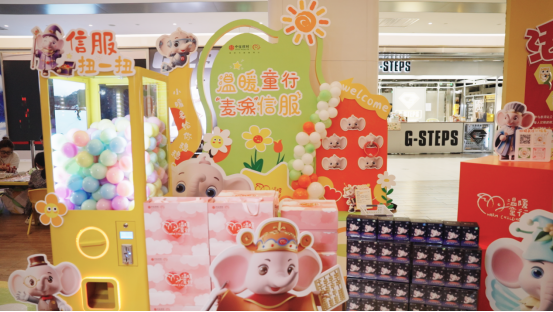
Group 1 - The core event "Love You and Me, McDonald's Future" has been held for three consecutive years since 2023, gaining attention and participation from various sectors of society, with this year's event taking place simultaneously in seven cities including Beijing, Tianjin, and Chengdu [1][2] - CITIC Wealth Management creatively established an interactive "game-based charity" area at the event, integrating social responsibility with child-friendly activities through immersive game installations like "Love Egg Machine" and "Joyful Ring Toss" [2][6] - The interactive area became a warm focal point of the market, with many families voluntarily extending their stay to learn more about the charity details, indicating a deep emotional resonance triggered by engaging interactions [6][9] Group 2 - CITIC Wealth Management's participation in the McDonald's charity market represents a cross-industry attempt to practice inclusive finance and support public welfare, integrating charity into financial scenarios through innovative products [7][9] - The "Warm Child Journey" charity financial product has launched 23 products by August 2025, raising over 18 billion yuan and donating more than 13 million yuan, benefiting over 60,000 children across 10 provinces [7] - The operational mechanism of CITIC Wealth Management includes a closed-loop management system ensuring transparency and effective use of donations, collaborating with charitable organizations to ensure funds reach their intended recipients [7][9]

践行金融向善 助力乡村振兴——国泰海通助力乡村振兴工作综述
21世纪经济报道· 2025-08-23 08:36
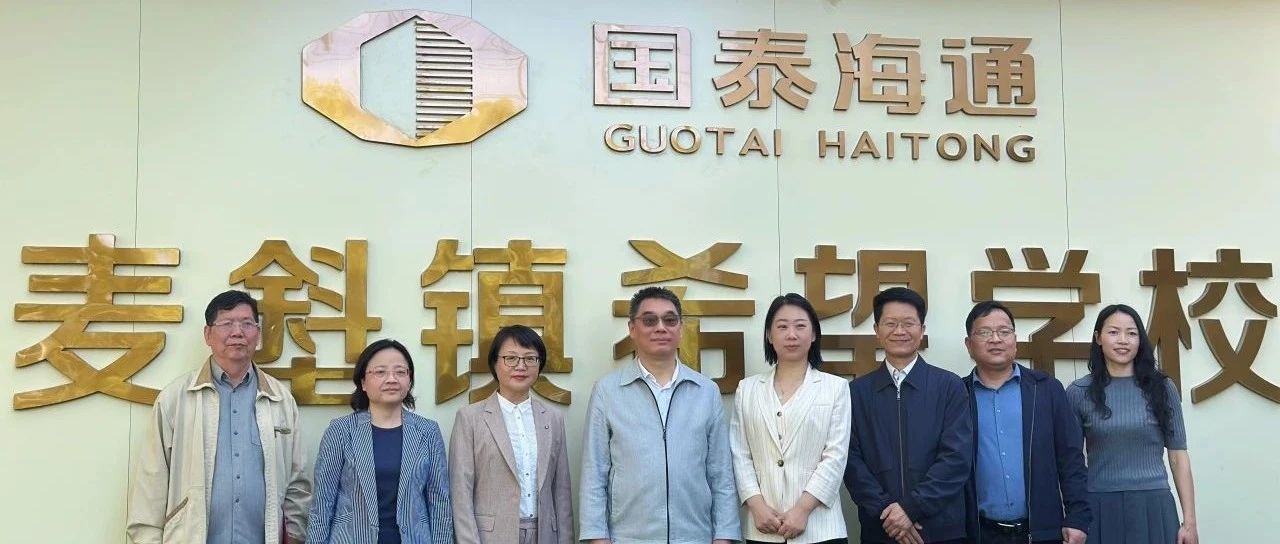
Core Viewpoint - The article emphasizes the commitment of Guotai Haitong to social responsibility and rural revitalization through various initiatives and partnerships, showcasing its role as a leading financial enterprise in promoting sustainable development and community welfare [1][12][20]. Group 1: Initiatives and Achievements - Since 2016, Guotai Haitong has integrated political, economic, and social responsibilities, actively responding to national rural revitalization strategies, and has established a "five-in-one" assistance model [1]. - The company has completed a merger and reorganization, increasing the number of supported counties to 10, and held a significant public welfare event focused on rural revitalization [1][20]. - Guotai Haitong has built a comprehensive educational support system, having established six Hope Schools and engaged in various educational initiatives [3][7]. Group 2: Community Engagement and Support - The company has implemented projects like "Love Reading" and "Love Health" in Xinjiang, promoting cultural development and community cohesion [3]. - Employees of Guotai Haitong have taken active roles in rural areas, developing innovative sales models for agricultural products and enhancing local economies [4][5]. - The establishment of the "Rural Revitalization Special Fund" with an initial scale of 10 million yuan aims to empower local industries and support sustainable development [24]. Group 3: Collaborative Efforts - Guotai Haitong collaborates with various partners, including government and educational institutions, to enhance rural development and social welfare projects [12][15]. - The company has initiated the "Love Lunch" project and other health insurance initiatives in partnership with different organizations to support local communities [15][16]. - The "818" event has been transformed into a social cultural festival, reflecting the company's commitment to social responsibility and community engagement [26].

国泰海通践行“金融向善”理念,助力乡村振兴
Zhong Guo Zheng Quan Bao - Zhong Zheng Wang· 2025-08-22 16:26
Core Viewpoint - Guotai Haitong has integrated political, economic, and social responsibilities since 2016, actively responding to the national rural revitalization strategy and achieving significant results through various initiatives [1] Group 1: Corporate Social Responsibility - Guotai Haitong has established a "five-in-one" assistance model that includes financial, industrial, intellectual, market expansion, and public welfare support, showcasing the mission of a financial state-owned enterprise [1] - The company has received prestigious awards such as the "Chinese Charity Award" and "Shanghai Charity Award" for its commitment to social responsibility [1] - In April 2023, Guotai Haitong completed a merger, increasing the number of assisted counties to 10, and held its first large-scale public welfare event focused on rural revitalization [1] Group 2: Educational Support Initiatives - Since 1997, Guotai Haitong has built six Hope Schools, creating a comprehensive educational support system from kindergarten to university [2] - The company has engaged in various cultural and educational projects in Xinjiang, promoting community development and cultural integration [2] - Guotai Haitong has continued its commitment to educational support even during school mergers, ensuring ongoing assistance to schools in need [10] Group 3: Community Development and Employment - In Malipo, Guotai Haitong has supported local entrepreneurship, helping over 12,000 villagers gain employment through honey collection and sales [4] - Employees of Guotai Haitong have taken on roles as village secretaries, implementing innovative agricultural sales models to improve local economies [7] - The company has established a "Rural Revitalization Special Fund" with an initial scale of 10 million yuan to empower local industries [25] Group 4: Collaborative Projects and Partnerships - Guotai Haitong collaborates with various organizations to implement projects like "Love Lunch" and "Student Health Insurance," enhancing community welfare [19] - The company has partnered with Shanghai's municipal government and local organizations to create a "Travel to Yunnan" demonstration base, improving local infrastructure and living conditions [14] - Guotai Haitong has organized a public welfare market featuring over 100 local products, promoting online and offline sales to support rural economies [28] Group 5: Future Directions and Goals - The company aims to deepen its "One Total, One Branch, One County" model, focusing on long-term cooperation and resource integration for rural revitalization [29] - Guotai Haitong plans to enhance its brand and cultural influence while contributing to the comprehensive revitalization of rural areas [29] - The company is committed to leveraging its financial expertise to support local communities and promote sustainable development [29]

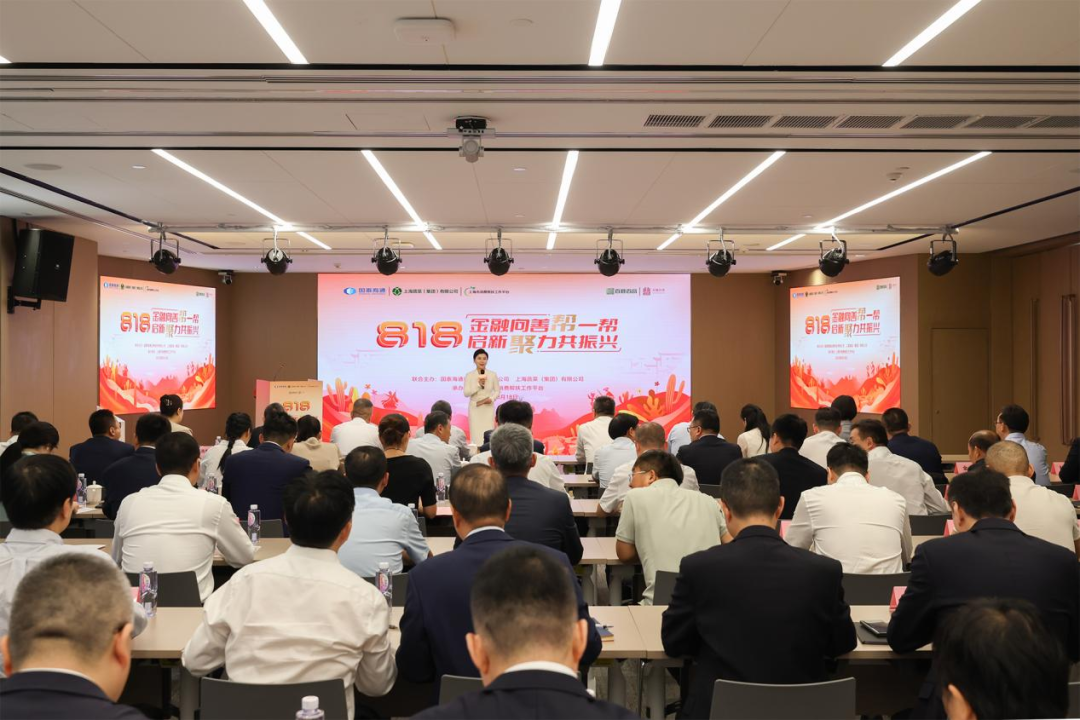
金融向善帮一帮,启新聚力共振兴——国泰海通举办首届“818·帮一帮”公益文化节暨消费帮扶公益集市
券商中国· 2025-08-18 15:25
Core Viewpoint - The article emphasizes the importance of the "One Company One County" and "Hundred Enterprises Hundred Villages" initiatives in promoting rural revitalization and enhancing the effectiveness of assistance programs through strategic partnerships and community engagement [1][3]. Group 1: Event Overview - On August 18, Guotai Junan, in collaboration with Shanghai Vegetable Group, hosted the first "818·Help One Help" public welfare cultural festival and consumption assistance market, aiming to strengthen rural revitalization efforts [1]. - The event was attended by over 130 participants, including company leaders, local government officials from ten paired assistance counties, and representatives from various organizations [1]. Group 2: Partnership Model - The company introduced a new partnership model termed "One General, One Division, One County," focusing on long-term and fundamental assistance to enhance local industry capabilities and self-sufficiency [3]. - The model emphasizes cooperation for mutual benefit, establishing regular communication mechanisms, and expanding the influence of the "Financial for Good" ecosystem through collaboration with government, universities, and enterprises [3]. Group 3: Fund Establishment - A "Guotai Junan Rural Revitalization Special Fund" was established with an initial scale of 10 million yuan to support the development of potential local specialty industries in paired counties [8]. - The fund aims to provide resources and opportunities for local agricultural products through initiatives like the "Hundred Counties Hundred Products" program [8]. Group 4: Community Engagement - The event featured a public welfare market showcasing over 100 specialty products from the ten paired counties, utilizing an online and offline model to encourage employee participation [10]. - A charity sale was organized across four company locations to support the "Wish House" project for hope primary schools, aiming to fulfill children's new semester wishes [12]. Group 5: Historical Context and Future Plans - Since 2017, Guotai Junan has developed a "Five-in-One" assistance model encompassing finance, industry, education, intelligence, and culture, with various projects aimed at rural revitalization [17]. - The company plans to focus on local needs and leverage its capabilities to enhance cultural leadership, industry characteristics, and brand development, contributing further to rural revitalization efforts [17].
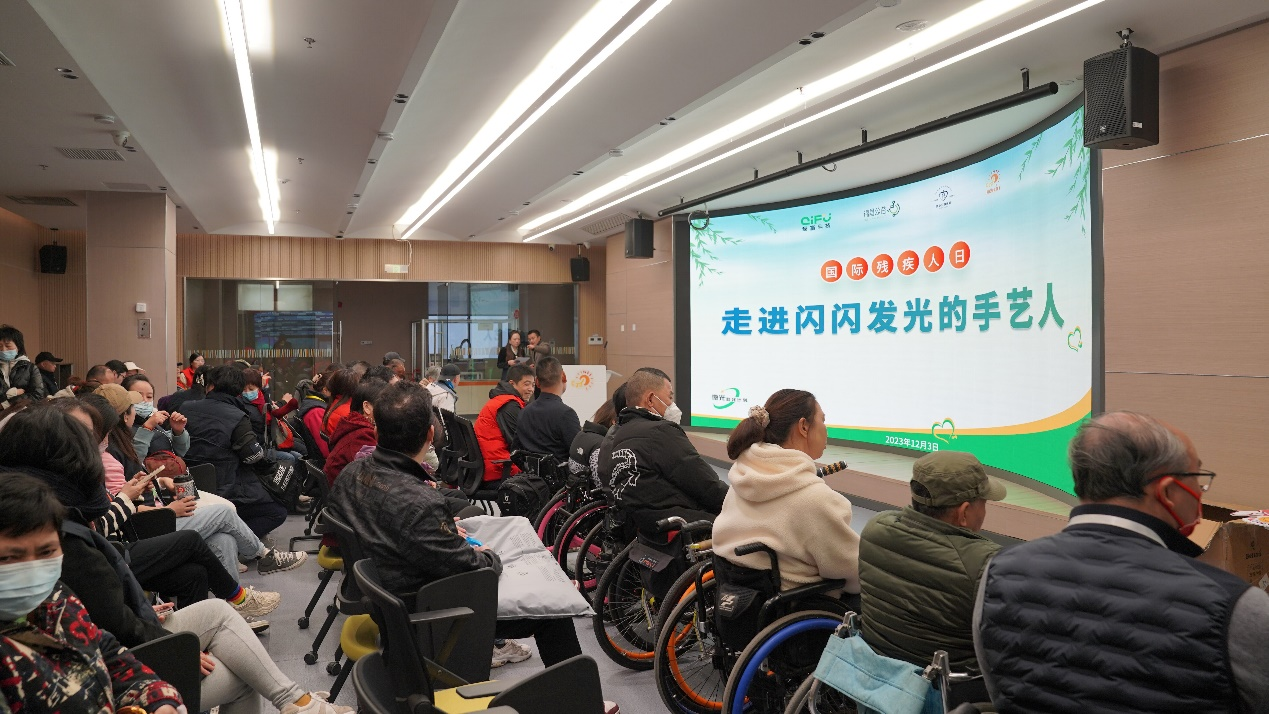
奇富科技微光助残计划走进手艺人 捐赠电子设备助力残友创业
Xin Hua Wang· 2025-08-12 06:14
Core Viewpoint - The company QiFu Technology launched the "Micro Light: Assist the Disabled" initiative to promote understanding of disability issues and support the dignity, rights, and happiness of disabled individuals through various online and offline activities [1][4]. Group 1: Initiative Overview - The initiative includes a series of activities aimed at helping the public understand the lives and work of disabled individuals, along with a targeted donation of 55 electronic devices to support entrepreneurship among disabled people [1][4][7]. - QiFu Technology collaborates with organizations such as JinChang Public Service Center and Shanghai Disabled Employment Service Center to conduct these activities [1][4]. Group 2: Employee Engagement - Employees of QiFu Technology participated in experiential activities to understand the challenges faced by disabled individuals, such as using wheelchairs and simulating blindness [4][7]. - The company emphasizes a new model of assistance that involves direct engagement and understanding rather than traditional one-way donations [4][7]. Group 3: Donations and Support - QiFu Technology donated 55 electronic devices and 10 mobile phones for vocational training and support for disabled individuals, with the devices being contributed by employees [7][8]. - The donations aim to enhance the vocational skills of disabled individuals and support their entrepreneurial projects [7]. Group 4: Online Engagement and Awareness - The company utilized social media and live streaming to raise awareness about disability issues, achieving over 100,000 exposures and more than one million likes during the live broadcast [8][11]. - QiFu Technology initiated a social media campaign encouraging users to share blessings for disabled individuals, further promoting community engagement [11]. Group 5: Broader Impact and Future Initiatives - The "Micro Light: Assist the Disabled" initiative is part of QiFu Technology's broader commitment to social responsibility, which includes various charitable actions across different sectors [11]. - The company has conducted numerous public welfare activities in 2023, reaching an audience of 12 million through various media formats [11].
“科创强国,金融向善”——2025年GPLP犀牛财经峰会在京举办
Xi Niu Cai Jing· 2025-07-28 12:42
在嘉宾对话环节,全国老龄委专家委员、中国老龄产业协会专职驻会副秘书长、科技委主任王永春与中国生产力促进中心协会特色产业专委会副主任刘福 林就"中国老龄化发展现状及投资机会"进行了多方面的深入交流。两位嘉宾一致认为,汹涌而来的老龄化浪潮,正重塑中国的产业格局,催生出潜力无限 的投资新蓝海。 本次峰会,GPLP犀牛财经与众多企业、专家一起复盘了2025年以来消费、科技等领域的发展趋势以及投资行情,共同探讨了不同领域的产业链市场创新 与产业创新的格局。 北航MBA校友会副会长王明帮在峰会致辞中表示,"科技创新"是国家强盛之基、民族进步之魂,是驱动高质量发展的核心引擎。"金融向善"则是在新发 展格局下,对资本力量提出的更高层次要求。当澎湃的金融活水,能够更加精准、高效、负责任地浇灌科技创新的沃土,引导资源流向那些解决社会痛 点、增进人类福祉、推动可持续发展的领域,才能真正发挥其"善"的力量,实现经济价值与社会价值的和谐统一。 在峰会上,北京专精特新企业商会副会长郭海涛先生为大家进行了开场演讲。 郭海涛先生的演讲主题是《专精特新的力量》,他表示专精特新中小企业是制造业高质量发展的重要支撑,是推进新型工业化、发展新质生产 ...
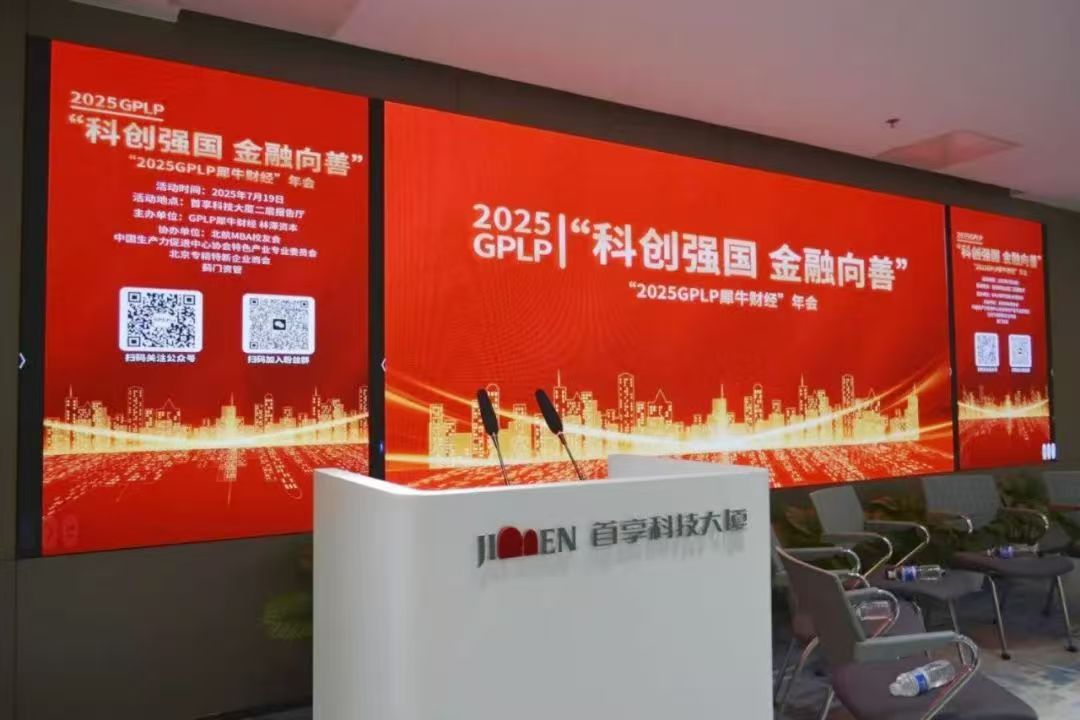
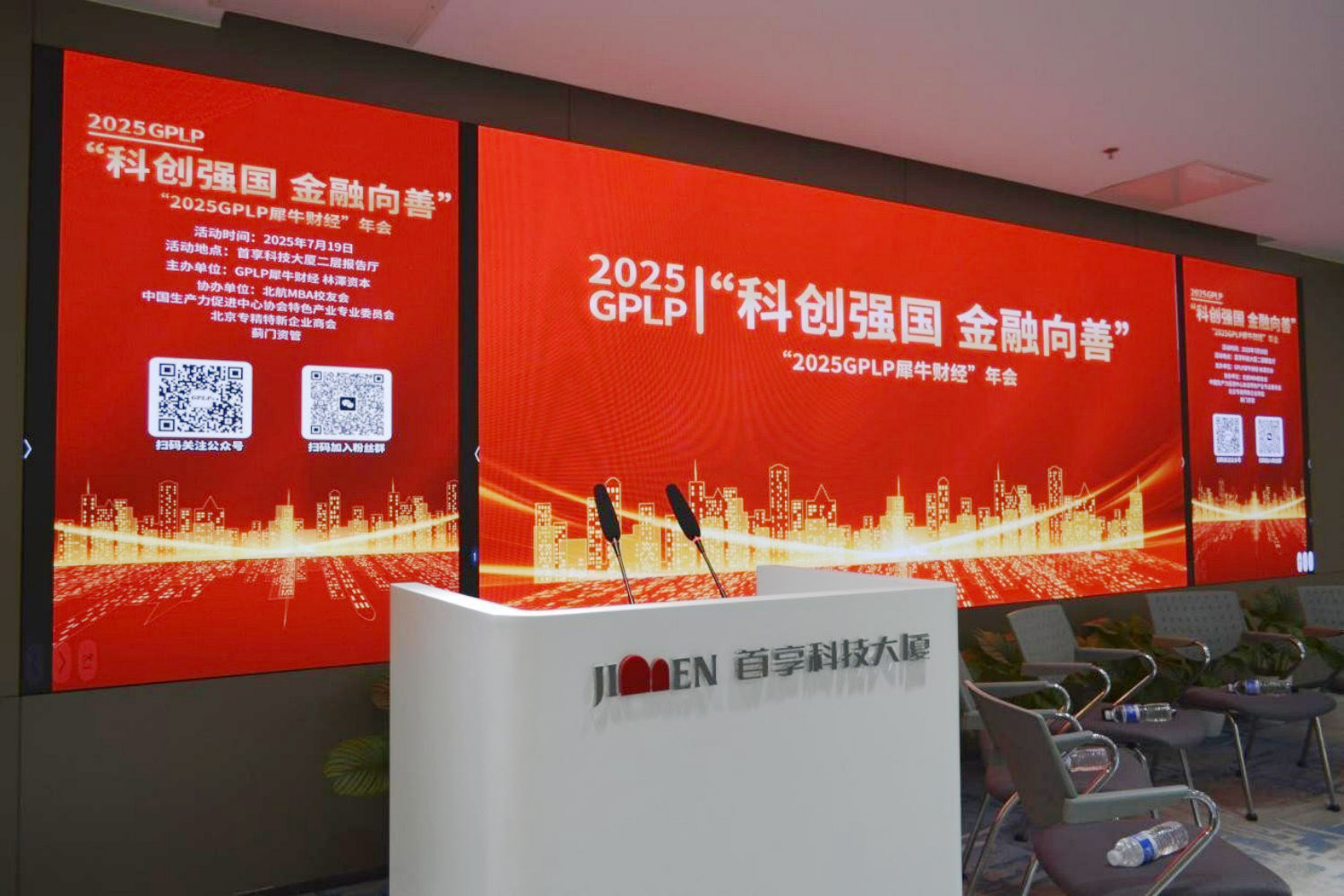
“科创强国 金融向善”2025年GPLP犀牛财经年会举行
Xi Niu Cai Jing· 2025-07-21 12:19
北航MBA校友会副会长王明帮致辞 2025年7月19日下午,以"科创强国 金融向善"为主题的"2025年GPLP犀牛财经"年会在北京市海淀区首享科技大厦举行。此次会议由国内领先财经媒体GPLP 犀牛财经和林澤资本主办,多位知名投资人、创业者、企业高管受邀参与了本届峰会。 这次活动以"科创强国 金融向善"为主题,旨在和众多与会人士一道,共同探讨在当前投资锚定科技创新核心赛道的大背景下,企业如何通过投资探索出兼 具社会价值与商业可持续性的路径。 在峰会上,北航MBA校友会副会长王明帮为与会嘉宾致辞。 "中国老龄化发展现状及投资机会"对话 峰会期间,全国老龄委专家委员、中国老龄产业协会专职驻会副秘书长、科技委主任王永春和中国生产力促进中心协会特色产业专委会副主任刘福林之间, 展开了一场围绕"中国老龄化发展现状及投资机会"的对话。 王永春提到了中国老龄化产业的发展现状,并结合刘福林提及的在生命科学、康复机器人、脑科学等方面的项目经验,进行了观点交流,并在不少方面获得 了宝贵共识。 北京专精特新企业商会副会长郭海涛进行演讲 之后,北京专精特新企业商会副会长郭海涛进行了"专精特新的力量"的主题演讲。郭海涛在演讲中通过自身 ...
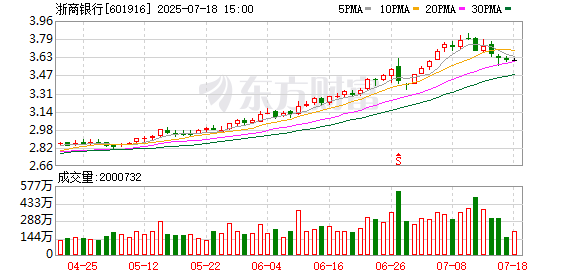
三万亿浙商银行“掌门”辞任,“金融向善”探索将何去何从
Nan Fang Du Shi Bao· 2025-07-20 05:49
Core Viewpoint - The resignation of Lu Jianqiang as Chairman of Zhejiang Commercial Bank marks a significant leadership change for the bank, which has been exploring its "finance for good" strategy for three years, indicating a potential turning point for the institution [2][4]. Group 1: Leadership Change - Lu Jianqiang resigned due to reaching retirement age, having served as Chairman for approximately three and a half years [2]. - Chen Haiqiang, the current Executive Director and President, will temporarily assume the role of Chairman until a new appointment is made [4][6]. - Lu's tenure saw the bank's total assets reach 3.33 trillion yuan by the end of 2024, with revenue and net profit showing steady growth [2]. Group 2: Financial Performance - From 2022 to 2024, Zhejiang Commercial Bank's revenue increased from approximately 61 billion yuan to 67.6 billion yuan, while net profit rose from about 13.6 billion yuan to 15.1 billion yuan [2]. - However, in Q1 2025, the bank experienced a 7.07% year-on-year decline in revenue, with net profit only slightly increasing by 0.61% [3]. Group 3: Strategic Focus - Lu Jianqiang introduced the "finance for good" concept, emphasizing a socially responsible approach to banking, which includes creating a community of shared interests and responsibilities [4]. - The "finance for good" strategy is supported by six pillars, including a financial advisory system and comprehensive financial ecosystem development in rural areas, which has already served over 100,000 enterprises [4]. Group 4: Regulatory Challenges - In 2025, the bank faced approximately 19 million yuan in fines from regulatory bodies, highlighting compliance issues [3]. - The bank's recent performance and regulatory challenges suggest a need for improved governance and operational compliance [3][7]. Group 5: Future Outlook - The future leadership of Zhejiang Commercial Bank remains uncertain, with speculation about whether the next leader will be an internal promotion or an external appointment [6]. - The continuation and practical implementation of Lu's "finance for good" strategy will be a critical challenge for the incoming leadership, especially in balancing social value with shareholder returns [7].