价值投资

Search documents
共探前沿新机,搭建交流桥梁——华福证券开展“我是股东”走进沪市上市公司佳禾食品活动
Quan Jing Wang· 2025-12-22 09:21
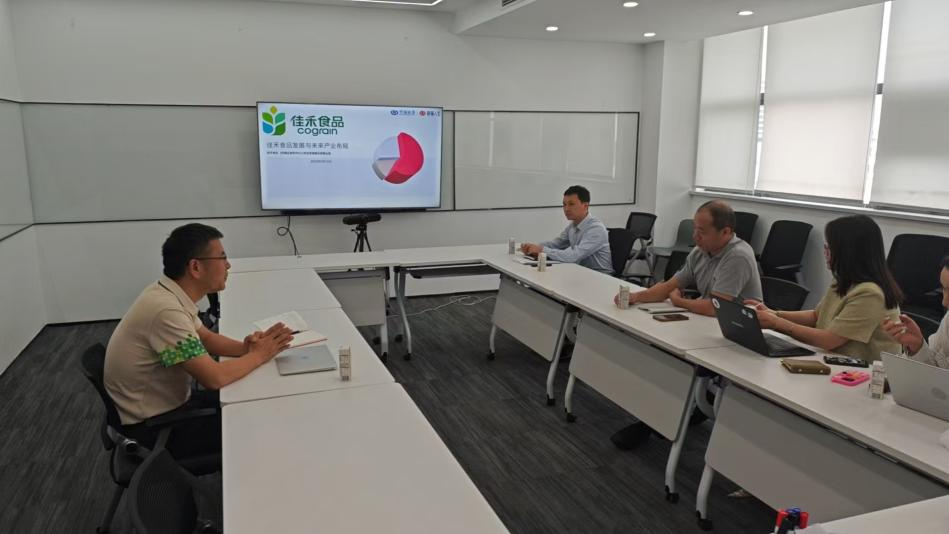
Group 1 - The core event was organized by Huafu Securities to enhance communication between investors and Jiahe Food, promoting market transparency and rational investment [1] - The event included a visit to Jiahe Food's headquarters, showcasing its development history, product matrix, and advanced production technology [1] - Jiahe Food's Secretary of the Board, Liu Xinren, discussed the company's core business progress and future development plans, emphasizing the focus on health food and brand influence [1] Group 2 - Investors expressed high appreciation for the event, highlighting the valuable insights gained into Jiahe Food's production processes and quality control systems [2] - The event provided a rare opportunity for direct dialogue between investors and the company, aiding in more rational investment decisions [2] - Huafu Securities aims to continue facilitating such events to enhance investor engagement and contribute to the high-quality development of the capital market [2] Group 3 - Jiahe Food, established in 2001 and headquartered in Suzhou, Jiangsu, is a modern food industry enterprise integrating R&D, production, and sales [4] - The company was successfully listed on the Shanghai Stock Exchange in April 2021 and has become a significant provider of food ingredient solutions in China [4] - Jiahe Food aims to serve the global catering industry and enhance its position as an excellent enterprise [4]


走进“钢铁脊梁”,对话公司高管——华福证券开展“我是股东走进上市公司凌钢股份”活动
Quan Jing Wang· 2025-12-22 08:57
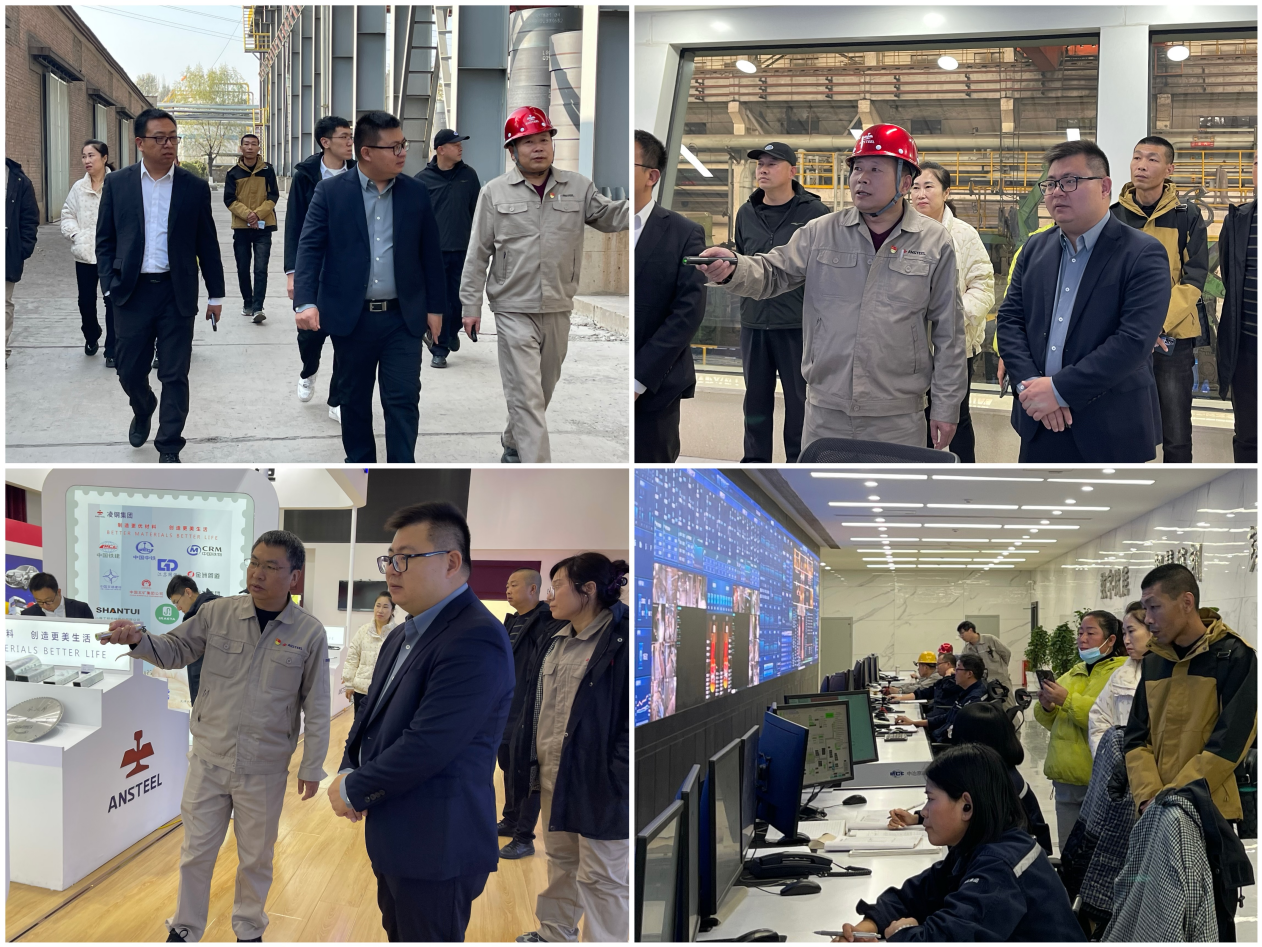
Core Viewpoint - The event "I am a shareholder, entering Lingang Co., Ltd." organized by Huafu Securities aims to enhance communication between investors and quality listed companies, promoting rational and value-based investment concepts [1][8]. Group 1: Event Overview - The event took place on October 30, 2025, under the guidance of the Shanghai Stock Exchange, focusing on investor education and rights protection [1]. - The event included a visit to Lingang Co., Ltd.'s production facilities, allowing investors to observe modern iron and steel production processes firsthand [2]. Group 2: Management Interaction - A dialogue session featured key executives from Lingang Co., Ltd., including the board secretary and financial officer, who addressed core investor concerns regarding the company's operations, financial performance, industry competition, environmental investments, and future strategies [4]. - The management's professionalism and openness were well-received by investors, enhancing their understanding of the company's value [4]. Group 3: Trust Building - Huafu Securities presented a "I am a shareholder" commemorative cup to Lingang Co., Ltd. as a token of appreciation for the company's commitment to investor relations management [6]. - This gesture symbolizes a mutual commitment to building a harmonious and trustworthy relationship between institutions and listed companies [6]. Group 4: Company Profile - Lingang Co., Ltd., established in 2000 and listed in 2004, is a state-controlled company located in Lingyuan City, Liaoning Province, and is a major steel production base in the region [10]. - The company specializes in metallurgy products, including hot-rolled medium and wide strip steel, rebar, round steel, and welded steel pipes, with a complete production process from sintering to rolling [10]. - Lingang Co., Ltd. emphasizes technological innovation and lean management, focusing on product quality and operational efficiency while actively pursuing green development initiatives [10].

华商均衡成长混合基金近1年、3年业绩排名均列同类前十
Xin Lang Cai Jing· 2025-12-22 07:36
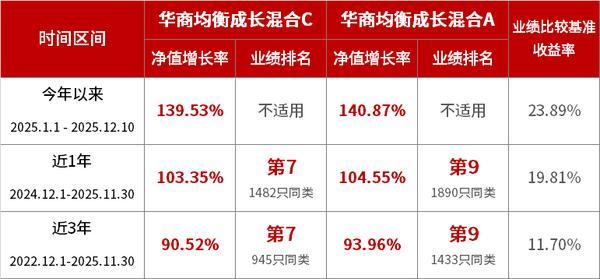
Core Viewpoint - The article emphasizes the importance of value investing amidst a global wave of technological innovation, highlighting the need to focus on industry trends for sustainable long-term performance [1][6]. Fund Performance - As of December 10, 2025, the net value growth rate of Huashang Balanced Growth Mixed Fund A reached 140.87% for the year [1][6]. - According to data from Galaxy Securities, Huashang Balanced Growth Mixed Fund C ranked seventh in its category for both the past year and the past three years [1][6]. - The performance comparison shows that the fund's net value growth rates for the year are 139.53% for Fund C and 140.87% for Fund A, with a benchmark return of 23.89% [2][7]. Investment Philosophy - Zhang Mingxin, the fund manager, advocates for value investing as a sustainable investment strategy, emphasizing the need for comprehensive value assessment and reasonable pricing to provide a safety margin [5][11]. - The focus is on identifying industries in an upward economic cycle to achieve new highs, utilizing cross-industry comparisons and in-depth research of the industrial chain to find alpha stocks that can deliver significant returns [5][11]. Market Trends - The article notes that the AI industry trend is strengthening, with AI applications reshaping various sectors and increasing investments from major overseas companies [5][11]. - The fund's strategy includes maintaining core allocations in overseas computing power while also participating in domestic AI and semiconductor sectors [12]. Fund Management Background - Zhang Mingxin holds a master's degree in science and is a Chartered Financial Analyst (CFA), with 10 years of experience in the securities industry, including 5.3 years in research and 4.7 years in investment [8][10].

华商基金张明昕:坚守价值投资 聚焦产业趋势 拥抱科技投资浪潮
Zhong Guo Jing Ji Wang· 2025-12-22 07:35
Core Viewpoint - The article emphasizes the importance of value investing in the context of a global wave of technological innovation, highlighting the need to focus on industry trends and pursue sustainable long-term performance [1][3]. Fund Performance - As of December 10, 2025, the net value growth rate of Huashang Balanced Growth Mixed Fund A reached 140.87% for the year, while Fund C achieved a growth rate of 139.53% [2]. - Over the past year, Fund C ranked 7th among its peers with a growth rate of 103.35%, and Fund A ranked 9th with a growth rate of 104.55% [2]. - In the last three years, Fund C also ranked 7th with a growth rate of 90.52%, while Fund A ranked 9th with a growth rate of 93.96% [2]. Investment Strategy - Zhang Mingxin, the fund manager, advocates for a core investment strategy focused on industries in an upward economic cycle, particularly emphasizing the AI sector and its expanding applications [3][4]. - The fund continues to maintain a core allocation towards overseas computing power while also participating in investments in domestic AI and semiconductor sectors [4]. Manager Background - Zhang Mingxin has a master's degree in science and is a Chartered Financial Analyst (CFA) with 10 years of experience in the securities industry, including 5.3 years in research and 4.7 years in investment [3]. - His investment philosophy centers on "investment based on industry trends," aiming for stable value appreciation and performance growth [3].
亲历两轮牛市的老股民:靠这几招,把运气变成了能力
雪球· 2025-12-22 07:32
Group 1 - The core viewpoint of the article emphasizes that a bull market is not just about high points on a K-line chart, but also represents an opportunity for investors to upgrade their understanding and achieve long-term growth [1] Group 2 - The initial entry into the A-share market for the interviewees was influenced by specific articles and market conditions, with one participant entering in late 2006 after reading about closed-end funds, achieving a 180% return in the first year [3][4] - The second participant described their experience during the 2006-2007 bull market as an "enlightenment movement," which opened the door to the investment industry despite not retaining profits [3][4] Group 3 - The investment methodology of one participant was shaped by a chance discovery of the opportunity in closed-end funds, utilizing quantitative investment strategies influenced by their professional background in management [6] - The second participant transitioned to value investing after reading Warren Buffett's "The Snowball," which fundamentally changed their investment perspective [7] Group 4 - In the 2014-2015 market, one participant identified structural opportunities in water and insurance stocks, emphasizing the importance of understanding business models over technical analysis [10] - Another participant experienced a significant turning point in 2015, utilizing a niche strategy with leveraged funds to achieve a 24% return during a market adjustment [11][12] Group 5 - The discussion on convertible bonds highlighted their core advantage of "asymmetry," where the bond's price movements are less volatile compared to the underlying stock, leading to consistent long-term gains [14][15] Group 6 - The suitability for value investing is linked to personal traits such as caution, rationality, and a desire for continuous learning, with a three-tiered approach to finding one's investment method: ideological alignment, mastering fundamentals, and ongoing evolution [17][18][19]
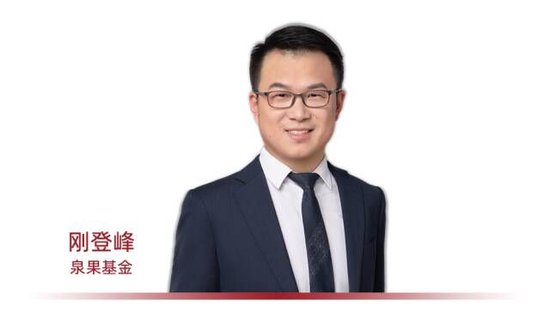
深度解析泉果刚登峰,为何这时更需要关注他?
Xin Lang Cai Jing· 2025-12-22 06:29
Core Viewpoint - The article emphasizes the importance of time in investment, highlighting the growth of a fund manager's credibility and trustworthiness over a longer career span [1][2]. Group 1: Background of the Fund Manager - The fund manager, Gang Dengfeng, has 16 years of experience in the securities industry and 11 years in investment management, evolving from a novice to a seasoned professional [2]. - Gang Dengfeng's early career was shaped by his exposure to value investing principles at Dongfang Securities, which laid a strong foundation for his investment philosophy [4][5]. - The investment philosophy of Gang Dengfeng is influenced by his early experiences and the quality of the team he worked with at Dongfang Securities [4][5]. Group 2: Investment Philosophy and Framework - Gang Dengfeng's investment framework is characterized by a focus on quality growth with a mid-level industry perspective, aiming for sustainable opportunities rather than speculative gains [8][31]. - The investment strategy prioritizes holding high-quality companies with strong financial metrics and competent management, leading to a low turnover rate in his portfolio [13][35]. - The concentration of holdings has increased over time, with the top ten holdings' concentration rising from 36.40% at the end of 2023 to 58.67% by the end of Q3 2025 [35]. Group 3: Performance Metrics - The fund managed by Gang Dengfeng, Quan Guo Si Yuan, has shown a net value growth rate of 32.28% over the past year, significantly outperforming the benchmark [21]. - The fund's turnover rates were recorded at 66.87% for 2023, 96.65% for 2024, and 115.48% for the first half of 2025, indicating a strategy focused on long-term holdings [31][32]. - The fund's maximum drawdown was -13.76% over the past year, compared to -21.04% for the CSI 300 index, demonstrating better risk management [16][37]. Group 4: Market Context and Future Outlook - The current market environment is seen as favorable for active equity funds, with a shift towards shareholder returns and dividends in the A-share market [19]. - The article suggests that the quality investment style may see a resurgence after a prolonged downturn, as high-quality companies are expected to perform better in a recovering economic environment [21]. - The increasing demand for equity investments among residents is noted, as traditional low-risk assets have become less attractive [19].
深度解析泉果刚登峰,为何这时更需要关注他?
点拾投资· 2025-12-22 06:19
Core Viewpoint - The article emphasizes the importance of time in investment, highlighting that the longer the investment horizon, the greater the power of compound interest. It also discusses the evolution of fund manager Gang Dengfeng, showcasing his growth and investment philosophy over the years [1][2]. Group 1: Investment Philosophy - Gang Dengfeng's investment framework is characterized by a focus on quality growth with a mid-level industry perspective. He aims for sustainable growth rather than short-term speculative gains, emphasizing the importance of investing in companies with strong fundamentals and management [10][14]. - The investment approach includes a low turnover rate, indicating a long holding period for stocks. For instance, the turnover rates for the fund managed by Gang Dengfeng were 66.87% in 2023, 96.65% in 2024, and 115.48% in the first half of 2025, reflecting a strategy of holding quality stocks for extended periods [11][14]. Group 2: Stock Selection Criteria - Gang Dengfeng focuses on a limited number of high-quality companies, defined by strong financial metrics such as high Return on Equity (ROE) and excellent management teams. This selective approach aims to minimize trading losses and enhance overall returns [14][16]. - The concentration of holdings has increased over time, with the top ten holdings in his fund rising from 36.40% at the end of 2023 to 58.67% by the third quarter of 2025, indicating a strategy of focusing on fewer, high-quality investments [14][16]. Group 3: Market Context and Timing - The article suggests that the current market environment is favorable for actively managed equity funds, as historical data indicates that active management tends to outperform broad market indices during periods of structural growth opportunities. For example, the active equity index returned 28.06% in 2025, significantly outperforming the 14.30% return of the CSI 300 index [22][23]. - The shift in the Chinese capital market towards shareholder returns and dividends is highlighted, with total dividends reaching nearly 2.5 trillion yuan in 2025, indicating a growing demand for equity investments among retail investors [23]. Group 4: Industry Diversification - Gang Dengfeng's portfolio is diversified across various industries, including electric vehicles, internet, consumer electronics, and industrial metals. This broad industry coverage is designed to create multiple sources of excess returns and reduce maximum drawdowns for investors [17][23]. - The article notes that the fund's maximum drawdown was -13.76% over the past year, compared to -21.04% for the CSI 300 index, demonstrating the benefits of industry diversification in mitigating risks [17][23].

今年以来A股上市公司现金分红达2.61万亿元 创历史新高
Cai Jing Wang· 2025-12-22 03:13
据Wind数据,截至发稿,以股权登记日计算,今年以来A股上市公司现金分红总额达到2.61万亿元,创 出历史新高。 Wind数据显示,今年以来,A股上市公司迈瑞医疗、三七互娱、御银股份和玲珑轮胎分红次数均为三 次。山东路桥、雅戈尔、深圳华强、奕帆传动、陕国投A、鱼跃医疗、行动教育、南山铝业、隆扬电 子、艾融软件、分众传媒、药明康德、百龙创园、吉比特、华宝股份、新坐标、龙佰集团、远翔新材、 华明装备、卓创资讯、九强生物、金帝股份、开普检测、西部证券、海希通讯、开能健康、金能科技、 金岭矿业、国光股份和吉电股份分红次数均为两次。 自2022年底中央经济工作会议首次将"红利纳入资本市场改革方向"以来,监管层围绕上市公司现金分红 持续发力,政策密度和执行强度显著增强。申万宏源分析师杨俊文表示,分红政策体系已从倡导层面进 入刚性落实阶段,不仅提升了高股息资产的确定性,也显著强化了高分红策略的因子有效性与选股基 础。 回顾近期的市场行情,在无风险利率持续走低的环境下,权益资产吸引力明显。"头部公司的引领示范 清晰地向市场传递了一个积极信号——国内核心资产具备为投资者提供持续、稳定现金回报的能力,价 值投资的压舱石作用愈发凸 ...
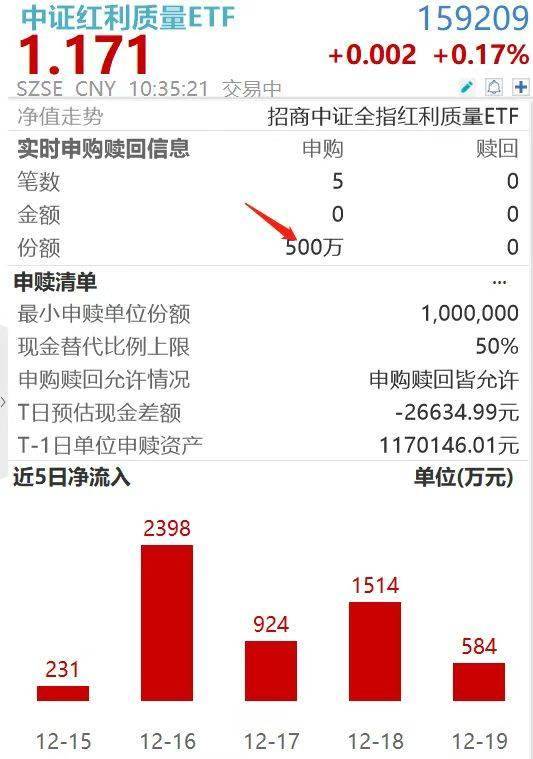
中证红利质量ETF(159209)强势四连涨!盘中揽金近600万,获连续第6日增仓
Sou Hu Cai Jing· 2025-12-22 02:48
| 中证红利质量ETF | | | 159209 | | --- | --- | --- | --- | | | | +0.002 +0.17% | | | SZSE CNY 10:35:21 交易中 | | COH | | | 净值走势 | | 招商中证全指红利质量ETF | | | 实时申购赎回信息 | | 申购 赎回 | | | 笔数 | | 5 0 | | | 金额 | | 0 0 | | | 份额 | 500万 | 0 | | | 印ច精度 | | | | | 最小申赎单位份额 | | 1,000,000 | | | 现金替代比例上限 | | 50% | | | 申购赎回允许情况 | | 申购赎回皆允许 | | | T日预估现金差额 | | -26634.99元 | | | T-1日单位申赎资产 | | 1170146.01元 | | | 近5日净流入 | | 单位(万元) | | | 2398 | | | | | | | 1514 | | | 924 | | 584 | | | 231 | | | | | 12-15 12-16 | 12-17 | 12-18 12-19 | | 12月22日,数 ...
为什么止损也能让账户破产?
3 6 Ke· 2025-12-22 02:14
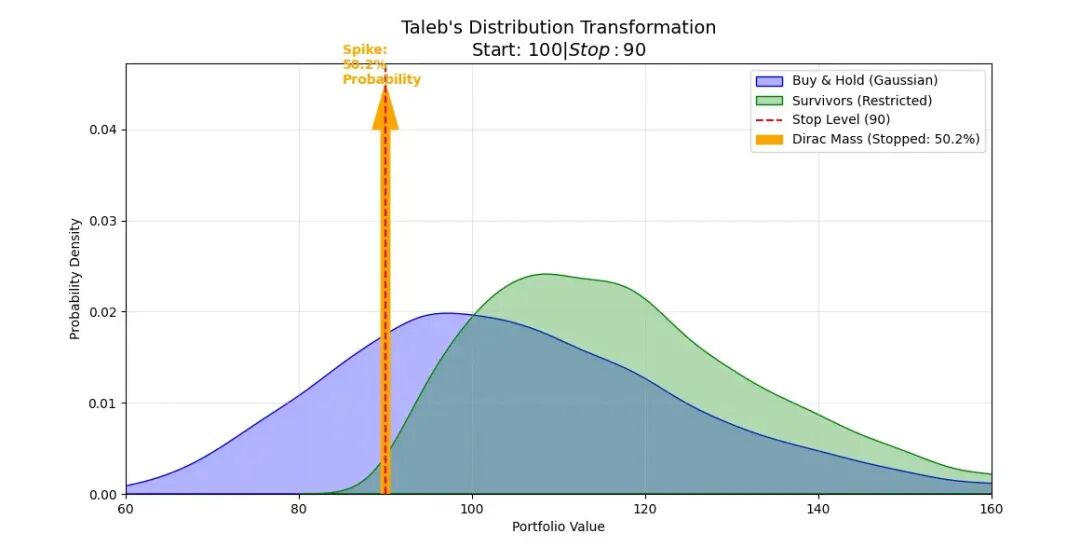
Core Viewpoint - The article discusses the controversial topic of "stop-loss" strategies in investing, highlighting a recent paper by Nassim Nicholas Taleb that quantifies the effects of stop-loss through Monte Carlo simulations, suggesting that stop-loss may lead to more losses rather than preventing them [1][2]. Summary by Sections Stop-Loss Strategy Analysis - The paper presents a key graph showing the distribution of returns with and without stop-loss, indicating that while stop-loss can reduce the probability of large losses, it also creates a peak of losses at the stop-loss threshold, termed "Dirac Mass" [5][6]. - In a market with a volatility of 20-25%, a fixed 10% stop-loss has a 50% chance of being triggered, which is higher than many investors expect [5][6]. - For A-shares, particularly in small-cap and tech stocks, the annualized volatility can reach 60%, resulting in an 85% chance of triggering a 10% stop-loss [6]. Recommendations for Stop-Loss - The paper suggests that a fixed stop-loss below 20% is ineffective against random noise and should be reconsidered [6]. - Stop-loss levels should be adjusted based on market volatility; in low-volatility markets, a 10% stop-loss may only trigger 15% of the time, making it a viable strategy [6]. - Fixed percentage stop-losses are not ideal; investors should consider their investment strategy and fundamentals to set stop-loss levels that are unlikely to be triggered under normal conditions [7]. Practical Issues with Stop-Loss - The article identifies three main issues that can exacerbate the negative impact of stop-loss on accounts: 1. Poor opportunity selection can lead to unnecessary stop-loss triggers, as illustrated by the trading experiences of Jesse Livermore [11]. 2. Trading in a non-trending, volatile market can result in frequent stop-loss triggers, leading to cumulative losses [12]. 3. High leverage increases the risk of permanent losses, making stop-loss more critical but also amplifying its negative effects [13]. Value Investing Perspective - Value investors, like Warren Buffett, typically do not advocate for stop-loss based on price declines, as they view such declines as opportunities to buy more shares at a discount [17]. - Instead of price-based stop-loss, value investors should focus on fundamental changes in the investment thesis to determine when to exit a position [18][19].