止损

Search documents
【笔记20260320— 加油吧,赶在下周一前】
债券笔记· 2026-03-20 10:49
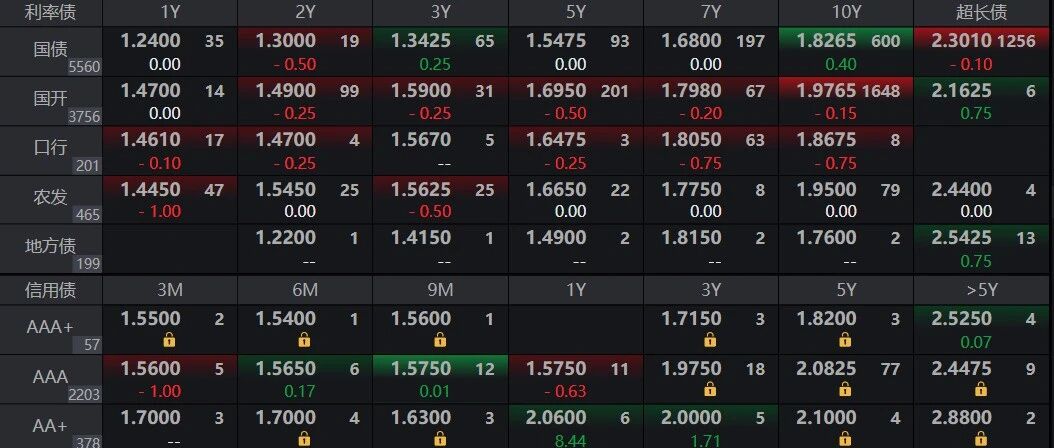
Core Viewpoint - The article discusses the current financial market conditions, highlighting the mixed performance of the stock market and the impact of central bank policies on interest rates and liquidity [3][5]. Group 1: Market Conditions - The stock market experienced a significant decline, with major indices dropping below 4000 points, erasing all gains made in the year [6]. - The central bank is reportedly conducting research to cancel the lower limit on the reserve requirement ratio, which has implications for liquidity in the market [5][6]. - The bond market showed volatility, with the 10-year government bond yield fluctuating around 1.8365% [5][8]. Group 2: Interest Rates and Liquidity - The central bank conducted a 205 billion yuan reverse repurchase operation, with a net withdrawal of 170 billion yuan due to 375 billion yuan of reverse repos maturing [3]. - The funding rates remained stable, with DR001 around 1.32% and DR007 at approximately 1.42% [3]. - The weighted rates for various funding instruments showed slight changes, with R001 at 1.40% and R007 at 1.48%, indicating a mixed trend in the interbank funding market [4].

BTC重回70000?還能繼續漲?戰爭影響幣價?
提阿非羅大人TiaBTC· 2026-03-03 18:45
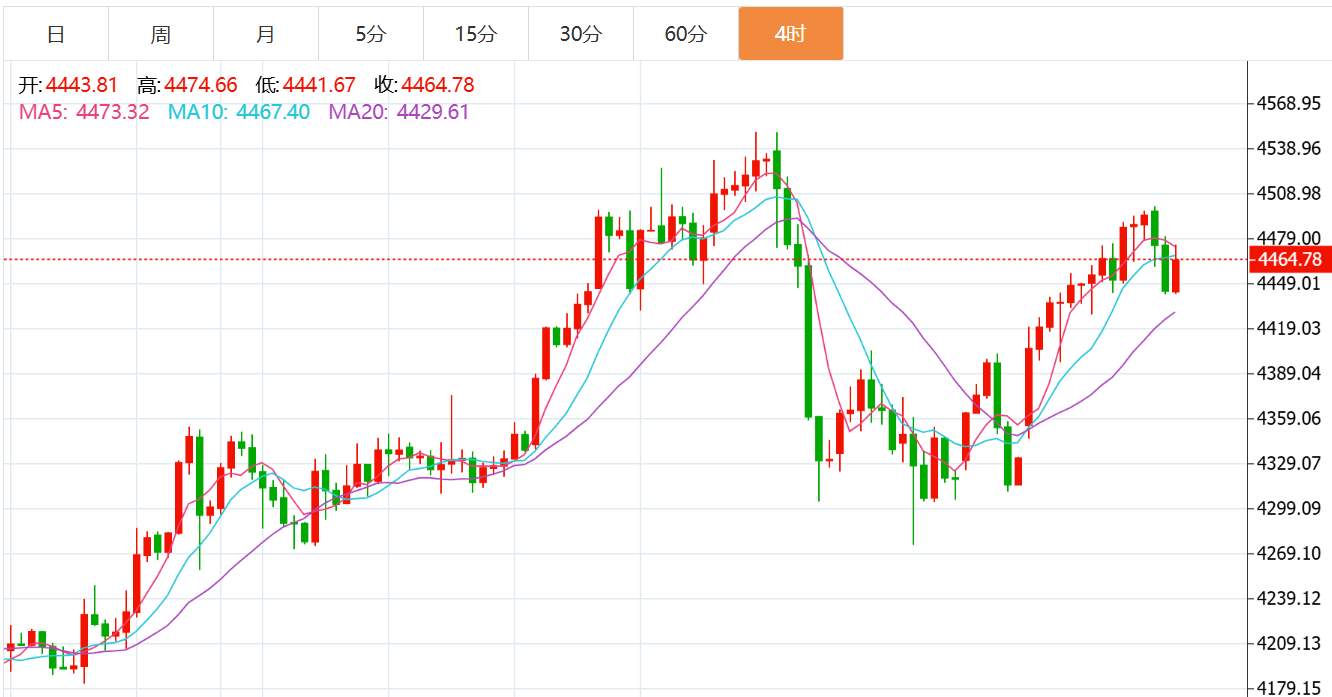
朋友們,2026年3月3日華爾街午盤時間 我們來更新比特幣的行情 那這個是比特幣的日線圖 從日線級別看 我們發現昨天是一根陽線 但今天 早盤時間 好像有一點要跌下來的感覺 但是 我們目前可以看到的是什麼呢 就是它在前面這一帶的盤整區 好像撐住了 那麼我仍然是認為 前面的這個平行的高點 是大概率會來到的 那麼如果說來到這邊的話 就完成我們的這個AMD的形態 那我繼續把它畫在這邊 那我們可以看到的是 盤整了一段時間 我就往上面畫一點 然後在這邊有一個假的跌破 假的跌破之後 它回來測試了一下 然後目前來說 我個人是認為 這個小小的高點會來到 然後再繼續往上漲 前面這個高點 我是覺得概率也是蠻大 因為它確實是比較的臨近對不對 那如果說來到這邊之後 來到這個上面其實也不太遠了 那我個人是認為 這樣的一個AMD形態呢 有可能繼續往上面沖 沖到這個上面 然後做出一個假突破 然後這將會是一個做空的機會 就目前來看的話 我是覺得你看這個樣子 它好像是比較的頹勢嗎 實際上 並不是 我們可以看到 它進入這樣的一個橫向盤整的階段 實際上 原先往下面跌的時候 第二天收回來 那我提醒大家 接下來 你不要在這邊去賭多和賭空 因為接下來它會 ...

一文吃透投资基础暗语,新手“养基”告别懵懂
Xin Lang Cai Jing· 2026-02-25 09:42
Core Insights - The article aims to demystify common investment jargon and concepts for new investors, enhancing their understanding and experience in finance [1] Group 1: Investment Concepts - "仓位" (position) refers to the total amount of funds allocated for buying stocks or funds, typically divided into ten parts, with a 10% position indicating 10% of available funds used for investment [1] - "空仓" (empty position) means having no investments, with all funds in cash, indicating a wait-and-see approach [2] - "轻仓" (light position) indicates investing less than 30% of available funds, while "半仓" (half position) means investing around 50%, balancing risk and opportunity [3] - "重仓" (heavy position) refers to investing over 70% of available funds, and "全仓" (full position) means investing all available funds [3] - Dynamic adjustment of positions is essential, with terms like "加仓" (adding position) for increasing investments and "减仓" (reducing position) for selling part of the holdings [4] Group 2: Trading Strategies - "止盈" (take profit) involves selling part of the investment after making a profit, while "止损" (stop loss) means selling to prevent further losses when reaching a predetermined loss threshold [4] - "梭哈" (all-in) refers to investing all funds at once, while "做多" (going long) indicates a bullish outlook, often involving leverage [5] - "做空" (short selling) is the opposite, betting on a decline in stock prices [5] Group 3: Market Behavior - Terms like "追涨" (chasing gains) and "杀跌" (panic selling) describe common emotional reactions to market movements, often leading to poor investment decisions [5] - "踏空" (missing out) refers to the frustration of not investing during a market rise, while "卖飞" (selling too early) describes selling an investment before it significantly appreciates [5] Group 4: Investment Duration and Strategies - Short-term holding is defined as holding investments for less than a year, while long-term holding refers to maintaining investments for over a year, which is generally more suitable for new investors [6] - "定投" (regular investment) involves investing a fixed amount regularly to mitigate price volatility, though it is not considered the best investment strategy [6] - The article emphasizes that understanding these basic terms and concepts is crucial for building a foundational investment logic before delving into more complex knowledge [6]
X @Yuyue
Yuyue· 2026-02-05 21:31
为了吃一波反弹接了 75 的 BTC,随后 75 跌到 70 的时候下狠手止损了所有合约仓位,现在看挺后怕的。还有一个启发点就是看到了 BTC 的这张大级别反转 K 线。自己仔细想了一下为什么总是想做多而不是做空呢?如果是这个 K 线,我大概率会勇敢追多,换了个方向我不敢了核心原因还是几点:1. 做多的惯性思维没有改正2. 个人的做空胜率本就不高,不擅长做空3. 空仓管不住手,有点赌瘾长期以来习惯了保持增长,保持每天都要赚钱的状态,却忘了下行行情里做什么都是越努力越不幸。用群友的话来说说,“最怕的一种状态其实是,跌到麻木,跌到不把钱当钱,跌到了一种“无所谓”的境界。好好思考你每天回撤的钱在现实生活中能做些什么”人也不必每天都要赚钱,这波回撤很大,但说真的,活着就好 ...
人和人拉开差距比拼的是,从错误里撤退的速度
洞见· 2026-02-02 12:21
Group 1 - The article emphasizes the importance of recognizing and correcting mistakes quickly in both life and business, suggesting that the attitude towards errors determines one's success [2][56] - It discusses the decline of physical retail stores due to the rise of e-commerce, highlighting a case where a clothing store owner failed to adapt and ultimately lost out on potential profits [3][6] - The concept of "sunk cost fallacy" is introduced, illustrating how individuals often continue to invest in failing ventures due to emotional attachment to prior investments, leading to greater losses [12][26] Group 2 - The article presents a personal story of an entrepreneur who invested heavily in a bubble market (milk tea shops) but failed to recognize the saturation and competitive landscape, resulting in significant financial loss [17][24] - It references behavioral economics, specifically the "loss aversion" effect, which indicates that people feel losses more intensely than gains, often leading to poor decision-making [27][30] - The narrative includes examples of successful companies, like Panasonic, that made the strategic decision to pivot away from failing sectors, demonstrating the value of timely adjustments in business strategy [35][37] Group 3 - The article concludes that true strength lies not in stubborn persistence but in the ability to let go of unproductive paths and make necessary changes to achieve growth [52][54] - It highlights that those who can detach from sunk costs and make beneficial choices will ultimately find greater success [56]

X @Yuyue
Yuyue· 2026-01-27 11:16
很多人打德扑的时候觉得拿 AA KK 就无敌了,但我个人觉得总是在 AAKK 上输得最多。不是因为这两手牌胜率低,而是因为它们容易带来风险收益不对称的局面和币圈一样,最好的叙事,埋最多的人两点原因:1. 前面打得凶没用,场上有比自己后手多的巨鲸,raise 了打不跑他们2. 底池投入很多,沉没成本过高,但公共牌面出来同花,不考虑止损就很容易会被人赢家通吃这就跟 crypto 现状很像了。你的后手被人一览无余,而无限后手的巨鲸总能抓到机会梭哈赢走全部,有时候自以为好的牌(好的机会)反而会亏掉全部这事是我跟 #okx年夜饭 的赞助商 0G 的朋友们 @Jtsong2 & @vanessaaal7 一起打德扑的时候我提到的一个点。和做交易的时候一样,有时候觉得自己拿到了绝世好牌,但有两点是致死率很高的局面当时我有一手拿的 AA,场上有 @joakja 这种前面赢了太多局完全打不跑就是为了看牌的巨鲸,公共牌面又是有同花的迹象,所以马上就跑了..德扑和交易一样,能给人很多及时训练的反馈。而当下币圈的局面跟德扑就更像了,巨鲸吃大鱼,又有可能因为失误反而被小鱼蚕食,稳赚的只有抽水的 ...
贺博生:1.7黄金原油晚间行情涨跌趋势分析及最新独家多空操作建议
Sou Hu Cai Jing· 2026-01-07 16:06
Group 1: Market Overview - The current market sentiment suggests a cautious approach, emphasizing the need for strategic trading while being aware of market fluctuations [1] - The gold market is experiencing a pullback after reaching a psychological resistance level of $4500, attributed to profit-taking and improved risk appetite [2] - The geopolitical situation and expectations of interest rate cuts by the Federal Reserve provide significant support for gold prices [2] Group 2: Gold Analysis - Gold and silver have broken out of previous trading ranges, indicating a potential for new historical highs, although future price movements are expected to be volatile [4] - Key upcoming economic data, such as employment figures, could influence gold prices significantly, with a potential drop in unemployment rate increasing the likelihood of interest rate cuts [4] - Short-term trading strategies for gold suggest focusing on buying on dips while monitoring resistance at $4500 and support at $4450 [4] Group 3: Oil Analysis - Oil prices are under pressure due to potential increases in Venezuelan oil exports, with WTI crude oil experiencing a drop of over 1.6% [5] - The market is currently more focused on the medium to long-term supply-demand dynamics rather than short-term events [5] - Technical analysis indicates a downward trend for oil prices, with significant resistance levels identified at $58.0-$59.0 and support at $55.0-$54.0 [6]
投资中最珍贵的一句话, “我可能是错的”
雪球· 2025-12-24 13:00
Core Viewpoint - The article emphasizes the importance of acknowledging uncertainty in investment decisions and the dangers of overconfidence in market predictions [5][7][20]. Group 1: Market Uncertainty - Investors often seek certainty and rely on theories or historical patterns, but the fundamental nature of financial markets is uncertainty [7]. - No investment strategy is infallible; historical examples show that even well-regarded companies can underperform due to high valuations or changing economic conditions [8]. - Holding a mindset of "I am definitely right" can lead to devastating losses when market conditions shift [9]. Group 2: Lessons from Investment Masters - Even top investors like those at Long-Term Capital Management (LTCM) and Warren Buffett have made significant mistakes, highlighting that expertise does not guarantee success [12][18]. - LTCM, despite its sophisticated models and high returns, suffered catastrophic losses due to unforeseen events, demonstrating the vulnerability of even the most complex strategies [14]. - Buffett's investment in airline stocks during the pandemic serves as a reminder that even the best can misjudge market conditions [16][18]. Group 3: Overconfidence in Investing - Overconfidence is a survival trait that can lead to poor investment decisions, as individuals often believe they are above average in their abilities [20][22]. - This cognitive bias results in frequent trading, which can diminish returns; studies show that high-frequency traders underperform the market by 6.5 percentage points annually after fees [26]. - Investors tend to seek confirmation of their beliefs, leading to a narrow focus that can exacerbate losses [29][30]. Group 4: Embracing Uncertainty - Adopting the mindset of "I might be wrong" can lead to better investment practices, such as diversification and risk management [31][32]. - Acknowledging potential errors encourages investors to avoid putting all their resources into a single asset and to maintain a balanced portfolio [32]. - Recognizing the possibility of being wrong can also facilitate timely decision-making, such as cutting losses when investment theses no longer hold [36][37]. Group 5: Adjusting Expectations - Accepting the fallibility of one's judgments can lead to more realistic expectations and a healthier investment mindset [38][39]. - Investors should focus on steady growth rather than attempting to time the market perfectly, which can reduce anxiety and improve overall investment experience [41]. - The article concludes that humility and respect for market unpredictability are crucial for long-term success in investing [44].

如何合理止损?
3 6 Ke· 2025-12-23 00:00
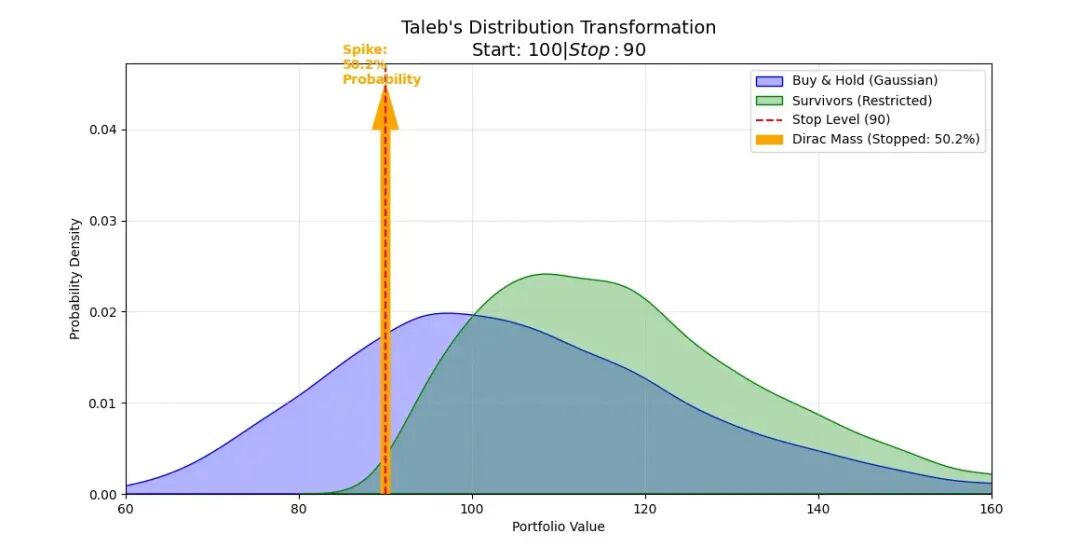
Core Viewpoint - The article discusses the controversial topic of "stop-loss" strategies in investing, highlighting a recent paper by Nassim Nicholas Taleb that quantifies the effects of stop-loss through Monte Carlo simulations, suggesting that stop-loss may lead to more losses rather than preventing them [1][2]. Group 1: Key Findings from the Paper - The paper presents a graph showing that without stop-loss, the return distribution follows a normal distribution, peaking at slight losses, while implementing a 10% stop-loss increases the probability of positive returns but also creates a peak of losses at the stop-loss threshold, termed "Dirac Mass" [5]. - In a market with an annualized volatility of 20-25%, there is a 50% probability of hitting the 10% stop-loss, which is higher than most investors expect. For A-shares, particularly small-cap and tech stocks, the probability can reach 85% [5]. - Stop-loss is likened to insurance against catastrophic losses but alters the probability distribution of returns, leading to several recommendations: fixed stop-loss percentages below 20% are ineffective against random noise, and stop-loss levels should consider market volatility [6][7]. Group 2: Practical Issues with Stop-Loss - The first issue is how to minimize the damage caused by stop-loss, which can be seen as an expensive insurance policy that does not save poorly thought-out investments [11]. - The second issue involves trading in a non-trending, volatile market, where even experienced traders can incur significant losses due to psychological pressures and frequent stop-loss triggers [12]. - The third issue is the impact of high leverage on stop-loss effectiveness, where the probability of permanent losses increases, making stop-loss strategies more critical but also more damaging [13]. Group 3: Perspectives on Stop-Loss for Different Investor Types - Value investors, like Warren Buffett, generally oppose stop-loss strategies, believing that price declines can represent buying opportunities rather than triggers for selling [17]. - Retail investors may benefit from stop-loss strategies due to their ability to quickly adjust positions, but they often struggle with emotional trading and information asymmetry, leading to frequent losses [20][21]. - The psychological barrier of not wanting to realize losses can be addressed through techniques like "mental stop-loss," which encourages investors to reassess their positions without the emotional burden of past decisions [26].
为什么止损也能让账户破产?
3 6 Ke· 2025-12-22 02:14
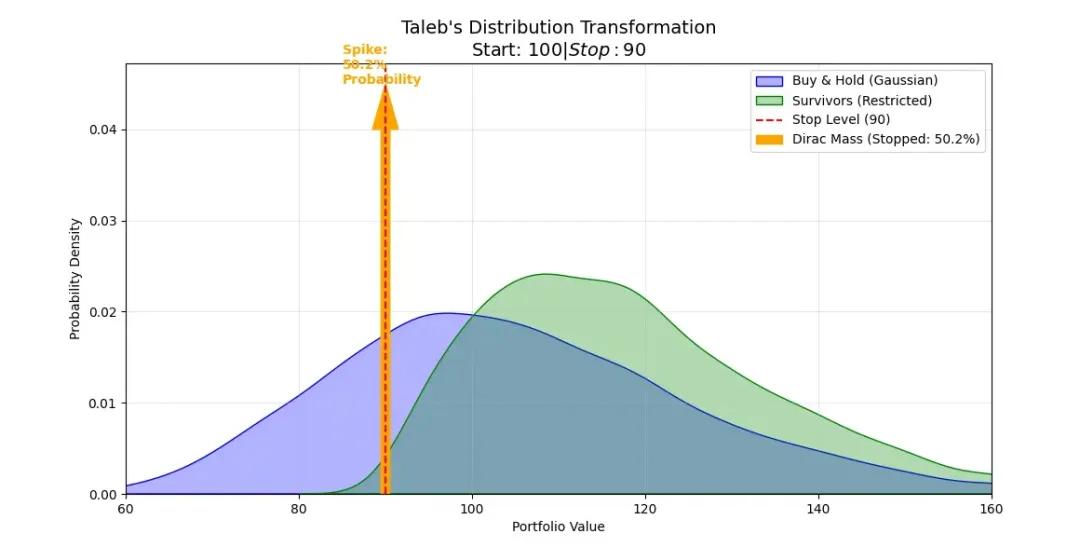
Core Viewpoint - The article discusses the controversial topic of "stop-loss" strategies in investing, highlighting a recent paper by Nassim Nicholas Taleb that quantifies the effects of stop-loss through Monte Carlo simulations, suggesting that stop-loss may lead to more losses rather than preventing them [1][2]. Summary by Sections Stop-Loss Strategy Analysis - The paper presents a key graph showing the distribution of returns with and without stop-loss, indicating that while stop-loss can reduce the probability of large losses, it also creates a peak of losses at the stop-loss threshold, termed "Dirac Mass" [5][6]. - In a market with a volatility of 20-25%, a fixed 10% stop-loss has a 50% chance of being triggered, which is higher than many investors expect [5][6]. - For A-shares, particularly in small-cap and tech stocks, the annualized volatility can reach 60%, resulting in an 85% chance of triggering a 10% stop-loss [6]. Recommendations for Stop-Loss - The paper suggests that a fixed stop-loss below 20% is ineffective against random noise and should be reconsidered [6]. - Stop-loss levels should be adjusted based on market volatility; in low-volatility markets, a 10% stop-loss may only trigger 15% of the time, making it a viable strategy [6]. - Fixed percentage stop-losses are not ideal; investors should consider their investment strategy and fundamentals to set stop-loss levels that are unlikely to be triggered under normal conditions [7]. Practical Issues with Stop-Loss - The article identifies three main issues that can exacerbate the negative impact of stop-loss on accounts: 1. Poor opportunity selection can lead to unnecessary stop-loss triggers, as illustrated by the trading experiences of Jesse Livermore [11]. 2. Trading in a non-trending, volatile market can result in frequent stop-loss triggers, leading to cumulative losses [12]. 3. High leverage increases the risk of permanent losses, making stop-loss more critical but also amplifying its negative effects [13]. Value Investing Perspective - Value investors, like Warren Buffett, typically do not advocate for stop-loss based on price declines, as they view such declines as opportunities to buy more shares at a discount [17]. - Instead of price-based stop-loss, value investors should focus on fundamental changes in the investment thesis to determine when to exit a position [18][19].