区域协调发展

Search documents
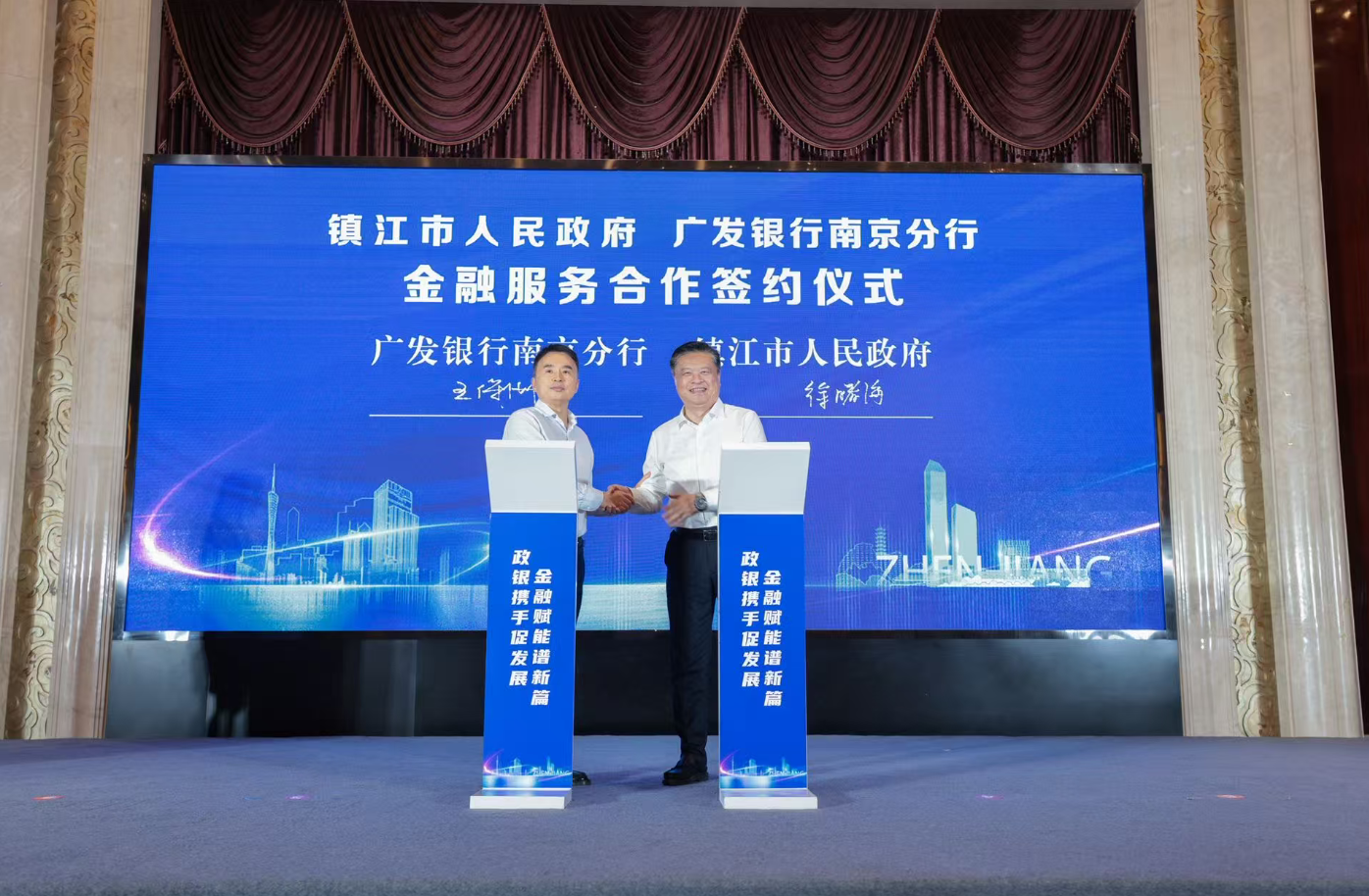
广发银行南京分行与镇江市人民政府签署金融服务合作协议
Jiang Nan Shi Bao· 2025-09-24 09:11
广发银行南京分行党委委员、副行长赵磊代表南京分行致辞,对镇江市政府长期以来的关心与支持表示感谢。赵磊表示,南京分行将以此次金融服务合作协 议的签署为契机,紧密围绕江苏省委省政府关于发展新质生产力、强化科技创新引领、推动产业转型升级、促进绿色低碳转型、构建区域协调发展新格局等 重点部署,与镇江市政府深化合作,引导更多优质金融资源汇聚镇江、服务镇江。 江南时报讯 9月23日,广发银行南京分行与镇江市政府签署金融服务合作协议。镇江市市长徐曙海,广发银行南京分行行长王保洲出席签约仪式。 镇江作为长三角重要的先进制造业基地和区域中心城市,历史悠久、文化厚重、产业兴盛、创新活跃、生态宜居。广发银行是经国务院批准最早设立的具有 央企背景的全国性股份制商业银行,2016年,中央金融企业中国人寿集团增持广发银行股份,成为广发银行单一最大股东,实现强强联合,战略互补。 作为广发银行在江苏的直属省级分行,广发银行南京分行将进一步发挥"银行+保险+投资"协同的综合金融优势和股份制银行的创新优势,做好金融"五篇大 文章",紧密围绕镇江市"四群八链"主导产业和"876"创新工程,精准支持民生项目、城市基建、实体产业与普惠金融发展,推动更 ...

中金:“十五五”的潜在政策动态
中金点睛· 2025-09-21 23:54
Core Viewpoint - The "14th Five-Year Plan" marks a critical period for China's financial cycle and economic transformation, shifting from reliance on real estate and traditional infrastructure to a new economic development model focused on innovation, green development, coordination, openness, and sharing [2][4]. Economic Transformation - The economic development model is transitioning to rely more on new economies, with a notable decline in housing prices and a slowdown in credit growth, leading to increased downward pressure on economic growth [2][4]. - The "14th Five-Year Plan" has seen most major indicators completed ahead of schedule, including GDP growth and labor productivity [6][9]. Innovation and Technology - R&D investment has significantly increased, with total R&D expenditure reaching 3.6 trillion yuan in 2024, up 1.2 trillion yuan from the end of the "13th Five-Year Plan" [10]. - The complexity of China's economy has risen, with advancements in key technologies such as integrated circuits and artificial intelligence [12][21]. Green Development - China has made significant strides in green development, with forest coverage exceeding 25% and a notable reduction in PM2.5 levels [21][22]. - The energy structure is rapidly transforming, with non-fossil energy consumption expected to reach around 20% by 2025 [22]. Regional and Urban-Rural Coordination - The "14th Five-Year Plan" emphasizes balanced development between urban and rural areas, with significant improvements in agricultural infrastructure and rural self-development capabilities [27][28]. - Urbanization rates have increased, with the urbanization rate reaching 67% by 2024, ahead of the planned target [28][45]. High-Level Opening Up - China's exports showed resilience, with total exports reaching 3.58 trillion USD in 2024, an increase of nearly 1 trillion USD from the end of the "13th Five-Year Plan" [30][34]. - The negative list for foreign investment has been continuously reduced, with all restrictions in the manufacturing sector eliminated [38][40]. Shared Development - The "14th Five-Year Plan" prioritizes people's well-being, with a focus on reducing income and public service disparities [43][44]. - The average disposable income per capita increased from 32,200 yuan in 2020 to 41,300 yuan in 2024, reflecting a growth rate of approximately 5.8% [44][46].
从黄河之滨到天山脚下 豫哈民企共赴“发展之约”
He Nan Ri Bao· 2025-09-21 23:43
Core Insights - The event "豫见哈密民企共赢" held in Hami on September 16 aims to deepen cooperation between Henan and Hami, focusing on new development opportunities for private enterprises from both regions [1][2] - The collaboration is seen as a practical step towards enhancing regional coordination and promoting economic integration between the two areas [1][2] Group 1: Event Overview - The event featured representatives from numerous private enterprises in Henan and Hami, discussing potential collaborations and development opportunities [1] - Key companies participating included major players like Yutong, Yidian, Longbai, and Longcheng Group, as well as specialized high-tech firms [1] Group 2: Government Support and Objectives - Hami's government officials emphasized the region's resource advantages and expressed a desire for deeper industrial cooperation and project implementation [2] - The Henan Development and Reform Commission highlighted the importance of the event in promoting understanding of Hami's advantages and facilitating investment from Henan enterprises [2] Group 3: Investment Intentions and Areas of Focus - A list of investment intentions from 31 selected Henan private enterprises was released, covering sectors such as equipment manufacturing, energy, agriculture, and artificial intelligence [2] - Companies expressed interest in sectors like coal chemical, smart grid, and agricultural branding, indicating a proactive approach to investment in Hami [3] Group 4: Future Collaboration and Support - The event marked the beginning of cooperation, with plans for one-on-one follow-up services to convert intentions into concrete projects [3] - Local government representatives provided insights into Hami's economic development and investment policies, aiming to attract more Henan enterprises [3]


联动五市,新晋“顶流”放大招
Mei Ri Jing Ji Xin Wen· 2025-09-19 23:49
Core Insights - The Ninth Hebei Tourism Industry Development Conference was held on September 16-17, promoting the scenic beauty and diverse tourism offerings of the Taihang Mountains to attract visitors [1][2] - Hebei's tourism resources are diverse, featuring various landscapes and several 5A scenic spots, yet it struggles with public perception and recognition compared to other provinces [2][3] - The province aims to significantly increase tourism revenue and visitor numbers by 2027, with ambitious targets set for the development of tourism infrastructure and branding [3] Summary by Sections Event Overview - The conference utilized a "main and sub-venue linkage" model, with Xingtai as the main venue and Shijiazhuang, Zhangjiakou, Baoding, and Handan as sub-venues [1] - Various activities were organized, including investment matching events and cultural festivals, to showcase Hebei's tourism resources [1] Tourism Performance - Hebei's tourism revenue surpassed 1 trillion yuan in 2023, reaching 1,011.62 billion yuan, and is projected to grow to 1,114.83 billion yuan in 2024, with 937 million visitors [2] - Despite strong performance metrics, Hebei's tourism appeal remains low in national rankings, indicating a need for improved marketing and service quality [2] Future Goals - By the end of 2023, Hebei aims to host 1.03 billion tourists and achieve 1.2 trillion yuan in tourism revenue [3] - The long-term goal for 2027 includes reaching 1.36 billion visitors and 1.6 trillion yuan in revenue, with an annual growth rate of at least 15% [3]
城市24小时 | 联动五市,新晋“顶流”放大招
Mei Ri Jing Ji Xin Wen· 2025-09-19 16:22
Group 1: Event Overview - The 9th Hebei Provincial Tourism Industry Development Conference was held on September 16-17, featuring a "main and sub-venue linkage" model with Xingtai as the main venue and Shijiazhuang, Zhangjiakou, Baoding, and Handan as sub-venues [1] - The conference included various activities promoting the scenic beauty and diverse tourism offerings of the Taihang Mountains, aiming to attract more tourists [1][2] Group 2: Tourism Resources and Performance - Hebei is recognized for its diverse geographical features, including grasslands, beaches, deserts, lakes, plateaus, plains, mountains, and forests, making it a "national geographic reader" [2] - In 2023, Hebei's total tourism revenue exceeded 1 trillion yuan, reaching 1,011.62 billion yuan, with a projected revenue of 1,114.83 billion yuan in 2024 and 937 million visitors [2] - Despite strong performance metrics, Hebei struggles with public perception and recognition as a tourist destination compared to southern provinces, indicating a need for improvement in tourism development and service quality [2][3] Group 3: Future Plans and Goals - Hebei aims to achieve 1.03 billion tourists and 1.2 trillion yuan in tourism revenue by the end of this year, with long-term goals set for 2027 to reach 1.36 billion tourists and 1.6 trillion yuan in revenue, targeting an annual growth rate of at least 15% [4]





“要紧紧抓住高质量发展这个首要任务,全面推进中国式现代化”
Ren Min Ri Bao· 2025-09-19 01:47
Group 1 - The core viewpoint emphasizes that high-quality development is the primary task for building a modern socialist country, focusing on meeting the people's growing needs for a better life [1][2] - High-quality development is defined as development that embodies innovation, coordination, green practices, openness, and sharing, aiming to improve the quality of life for citizens [1][2] - China's innovation index has risen to the 10th position globally, and it is recognized as the fastest country in improving air quality, with a per capita GDP of 95,749 yuan [2] Group 2 - The goal of high-quality development is to ensure that the people's aspirations for a better life are met, with a focus on improving living standards and addressing basic needs [3][7] - Xi Jinping has highlighted the importance of addressing issues that hinder high-quality development, such as social equity, public welfare, and community needs [4][6] - The concept of common prosperity is identified as an essential characteristic of Chinese-style modernization, with regional coordinated development being a necessary requirement to achieve this goal [5] Group 3 - The current challenges in promoting high-quality development include unbalanced and insufficient development, particularly between urban and rural areas [6] - Guangdong province has initiated the "Hundred Thousand Project" to address regional disparities and promote economic development in less developed areas [6] - The focus on improving education, elderly care, and opportunities for youth reflects the people's fundamental desires for a better life [7]
总书记的人民情怀 | “要紧紧抓住高质量发展这个首要任务,全面推进中国式现代化”
Ren Min Ri Bao· 2025-09-19 00:07
Core Points - High-quality development is the primary task for building a modern socialist country, emphasizing the need to fully promote Chinese-style modernization [1] - High-quality development aims to meet the growing needs of the people, embodying new development concepts, with innovation as the primary driving force [2] - The path to high-quality development includes addressing public needs, improving living standards, and ensuring sustainable ecological environments [3] - The essence of Chinese-style modernization is common prosperity for all people, with regional coordinated development as a necessary requirement [6] Group 1 - High-quality development is defined as development that meets the people's needs and reflects new development concepts, with innovation, coordination, green practices, openness, and sharing as key elements [2] - The government is focused on improving people's lives through technological innovation and addressing ecological concerns, with GDP per capita reaching 95,749 yuan [3] - The emphasis on common prosperity and regional coordination highlights the need for balanced development across urban and rural areas [6] Group 2 - Current challenges in promoting high-quality development include unbalanced and insufficient development, particularly between urban and rural areas [7] - Guangdong province has initiated the "Hundred-Thousand-Ten Thousand Project" to address these disparities and enhance rural economic development [8] - The government aims to fulfill the people's aspirations for better education, elder care, and development opportunities, reflecting a commitment to improving living standards [8]
“要紧紧抓住高质量发展这个首要任务,全面推进中国式现代化”(总书记的人民情怀)
Ren Min Ri Bao· 2025-09-18 22:12
Core Viewpoint - High-quality development is the primary task for building a modern socialist country, emphasizing the need to meet the growing demands of the people and embodying new development concepts [1][2]. Group 1: Definition and Importance of High-Quality Development - High-quality development is defined as development that meets the people's needs, driven by innovation, characterized by coordination, green practices, openness, and sharing [1]. - The focus on high-quality development aims to improve people's livelihoods, with significant achievements in poverty alleviation and economic growth, as evidenced by a per capita GDP of 95,749 yuan [2]. Group 2: Pathways to Achieve High-Quality Development - A series of practical requirements have been outlined, including addressing public needs, enhancing ecological sustainability, and ensuring that technological innovation benefits the populace [2][4]. - The government is urged to tackle issues that hinder high-quality development, such as social equity, public service improvement, and urban-rural integration [4][6]. Group 3: Common Prosperity and Regional Coordination - Common prosperity is identified as the essence of Chinese-style modernization, with regional coordinated development being essential for achieving this goal [5]. - The government has recognized the imbalance in development, particularly between urban and rural areas, and is implementing strategies to promote balanced growth across regions [6]. Group 4: Commitment to People's Well-Being - The overarching goal of high-quality development is to enhance the quality of life for citizens, ensuring access to education, healthcare, and opportunities for all [7].
“创业中华 侨兴辽宁”暨2025侨商边疆(丹东)行活动举行
Liao Ning Ri Bao· 2025-09-18 01:16
活动期间,侨商走访了边疆特产销全国展销中心、丹东全德高科技包装有限公司、丹东药业有限公 司等地,深入了解当地科技研发、民族医药传承、老字号产业发展情况,并与当地企业家进行座谈交 流。来访侨商侨团与丹东市侨商会、侨商侨企以及元宝区企业签约8个项目,达成长期合作共识。 本次活动由省民族和宗教事务委员会、省归国华侨联合会、中共丹东市委、丹东市人民政府联合主 办,是服务国家战略、促进区域协调发展的具体实践。60余位侨商走进丹东,汇聚侨智、发挥侨力,推 动丹东边疆特色产业加速融入全国大市场,助力打好打赢决胜之年决胜之战。 9月17日,"创业中华 侨兴辽宁"暨2025侨商边疆(丹东)行活动在丹东举行。 ...

这些城市,正在集体“降门槛”
Mei Ri Jing Ji Xin Wen· 2025-09-17 16:47
Core Viewpoint - The new round of household registration system reform is accelerating, focusing on facilitating the orderly flow of human resources in ten pilot regions approved by the State Council [3][4]. Group 1: Pilot Regions and Reforms - Ten regions, including key cities in southern Jiangsu, Hangzhou-Ningbo-Wenzhou, Chang-Zhu-Tan, the Guangdong-Hong Kong-Macao Greater Bay Area, and Chongqing, are exploring or implementing mutual recognition of residency requirements for household registration [3][4]. - Fuzhou, Xiamen, and Quanzhou propose to fully lift household registration restrictions based on urban carrying capacity [3][5]. - The reform aims to establish a household registration system based on the place of residence, which is seen as the ultimate goal of the household registration system reform [3][11]. Group 2: Historical Context and Trends - The current reform can be traced back to the National Development and Reform Commission's 2019 key tasks for new urbanization, which called for the removal of household registration restrictions in cities with populations between 1 million and 3 million [5][6]. - Despite the push for reform, many cities have been slow to implement these changes due to economic constraints and the need for public service resources [6][8]. - The recent pilot initiatives indicate that cities are accelerating their efforts to relax household registration restrictions, as seen in Huizhou's new policy for graduates [7][8]. Group 3: Implementation and Challenges - The implementation of a household registration system based on the place of residence is expected to enhance the legal rights of the floating population, allowing them to access basic public services [12][14]. - However, the actual implementation will require careful design and exploration of specific policies to ensure that the floating population can enjoy urban public services [14][15]. - The reform may face challenges related to funding for public services, as local governments will need to invest significantly to accommodate the increased population [15][20]. Group 4: Regional Development and Resource Allocation - The reform aims to balance regional development by breaking down barriers to population mobility, which can lead to more efficient resource allocation across regions [16][20]. - There is a concern about the potential for resource imbalances, particularly as economically weaker regions may experience a drain of talent to more developed areas [19][20]. - The government is also cautious about talent poaching from less developed regions, as highlighted by the measures to prevent cities like Shenzhen from excessively attracting high-level talent from the central and western regions [18][19].