
制度型开放

Search documents
中央经济工作会议部署对外开放,重点来了
2 1 Shi Ji Jing Ji Bao Dao· 2025-12-12 04:49
Group 1: Economic Policy and Openings - The Central Economic Work Conference held on December 10-11 analyzed the current economic situation and outlined economic work for 2026, emphasizing the importance of maintaining openness and promoting win-win cooperation across multiple fields [1][3] - The conference proposed a steady advancement of institutional openness, orderly expansion of autonomous service sector openings, and optimization of the layout of free trade pilot zones, particularly focusing on the construction of Hainan Free Trade Port [1][6] Group 2: Hainan Free Trade Port Development - Hainan Free Trade Port is set to enter a new phase of full island closure operations on December 18, with a preliminary establishment of the "4321" institutional system, significantly enhancing economic openness [7] - Over the past five years, Hainan has seen an average annual growth of 14.6% in actual foreign investment, with total foreign investment exceeding 100 billion yuan, and the economic openness degree rising to 35% [7] Group 3: Service Trade and Digital Trade - The conference highlighted the need to steadily advance institutional openness and orderly expand autonomous openings in the service sector, encouraging support for service exports and actively developing digital and green trade [11][12] - In the first ten months of 2025, China's total service import and export volume reached 65,844.3 billion yuan, with exports growing by 14.3% and imports by 2.6% [11] Group 4: Foreign Trade Development - The conference proposed promoting trade and investment integration and the integration of domestic and foreign trade, which is expected to enhance the overall competitiveness of the economy [14] - In the first eleven months of this year, China's total goods import and export value increased by 3.6%, indicating stable volume and improved quality [15]

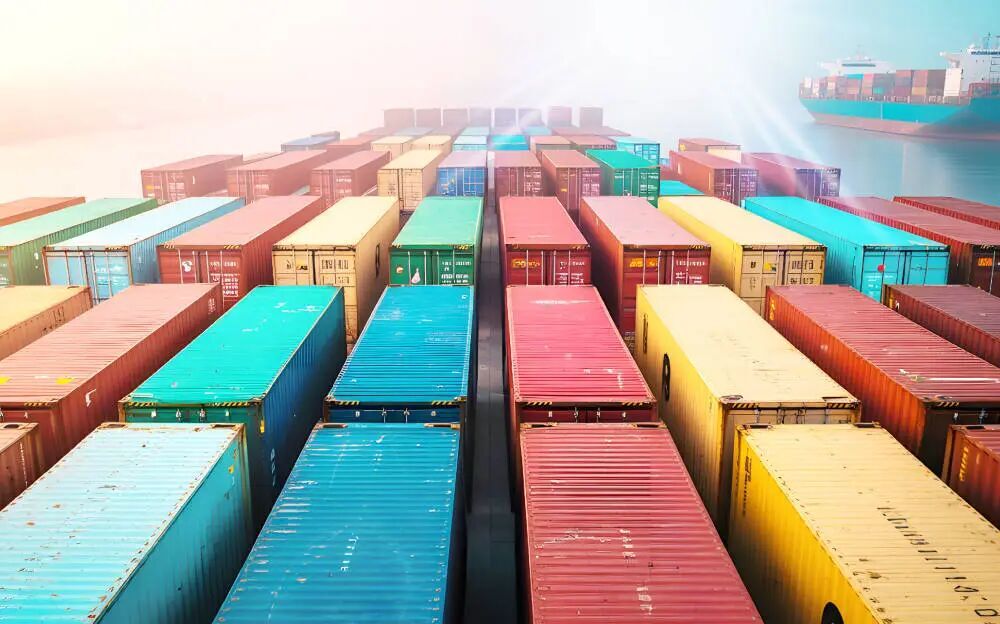
中央经济工作会议部署对外开放,重点来了
21世纪经济报道· 2025-12-12 04:38
Group 1 - The central economic work conference emphasized the importance of maintaining openness to the outside world and promoting win-win cooperation across multiple fields, including advancing institutional openness and expanding autonomous service sector access [1][5][7] - The shift in China's openness model is moving from a "goods trade type" to a "rules-institution-service system type," indicating an upgrade in the approach to international trade and investment [3][6] - The Hainan Free Trade Port is set to enter a new phase of full island closure operations, with a preliminary establishment of the "4321" institutional system, significantly enhancing the economic openness of the region [6][7] Group 2 - The service trade sector is encouraged to expand, with a focus on digital and green trade, as well as support for service exports [9][10] - In the first ten months of 2025, China's service trade totaled 65,844.3 billion yuan, with exports growing by 14.3% and imports by 2.6%, indicating a positive trend in service trade despite existing challenges [9][12] - The integration of trade and investment is crucial for enhancing competitiveness, allowing for a more flexible adjustment of market layouts in response to global supply chain changes [12][13] Group 3 - Green trade is emerging as a new driving force for foreign trade, with significant growth in exports of wind power equipment, photovoltaic products, and electric vehicles, indicating a strong market potential [13] - The international market for green products is projected to reach $2.1 trillion by 2030, five times its current size, highlighting the importance of green trade for China's foreign trade stability and structural optimization [13]

海南六天后封关
第一财经· 2025-12-12 03:58
Core Viewpoint - The article emphasizes the imminent launch of the Hainan Free Trade Port's customs operation, which is set to officially begin on December 18, 2025, marking a new phase in its development [4]. Group 1: Hainan Free Trade Port Development - The central economic work conference held on December 10-11 outlined the need for steady progress in institutional openness and the construction of the Hainan Free Trade Port, highlighting a pragmatic and methodical approach to development [3]. - The concept of "one line" and "two lines" is introduced, where "one line" refers to the open policies between Hainan and foreign countries, while "two lines" involves precise management of the relationship between Hainan and the mainland [5]. - Risk prevention is identified as a critical factor for the success of the Free Trade Port, with preparations made to address key risk areas such as smuggling, taxation, and environmental concerns [5]. Group 2: Operational Readiness and Policy Framework - A third round of pressure testing for the customs operation was conducted from December 2-10, with positive evaluations on the coordination among customs, police, and other departments, indicating readiness for the upcoming launch [5]. - Policy documents related to import taxation, restricted items, and tax exemptions for value-added processing have been issued, with ongoing support from the National Development and Reform Commission to enhance the policy framework [5]. - Experts suggest that the Hainan Free Trade Port's development will not only benefit the region but also serve as a model for higher levels of openness across the country, aligning with global trends in trade and investment liberalization [6].
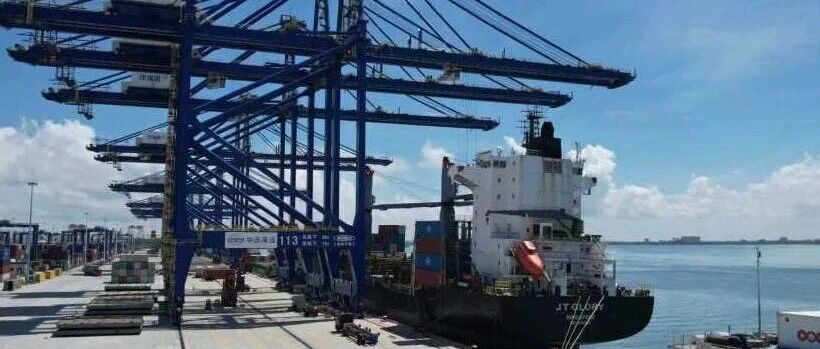
我国金融业迈向“制度型开放”阶段
Jin Rong Shi Bao· 2025-12-12 03:36
Core Viewpoint - The opening of the International Monetary Fund's Shanghai Center marks a significant milestone in China's participation in global financial governance, transitioning to a more institutionalized and normalized phase of financial governance [1] Group 1: Financial Market Connectivity - Financial authorities have been promoting high-level openness in the financial services sector and expanding market connectivity, optimizing mechanisms like Shanghai-Hong Kong Stock Connect and Bond Connect to facilitate investment [2] - As of August 2025, nearly 1,170 foreign investors from around 80 countries have entered China's bond market, with total bond holdings reaching approximately 3.9 trillion yuan, a nearly fourfold increase since the launch of Bond Connect [2] - The People's Bank of China and other regulatory bodies have announced support for foreign institutional investors to engage in bond repurchase transactions, enhancing the attractiveness of RMB-denominated bonds [2][3] Group 2: Cross-Border Payment Improvements - The launch of the Cross-Border Payment Link in June 2025 has significantly improved the efficiency of small cross-border remittances between mainland China and Hong Kong, processing over 700,000 transactions by July 2025 [3] - The removal of restrictions on Hong Kong and Macau financial institutions investing in mainland insurance assets has been implemented, further facilitating market access [3] Group 3: RMB Internationalization - The RMB has become the largest currency for cross-border payments in China and ranks among the top three currencies for trade financing globally, with its share in the International Monetary Fund's Special Drawing Rights basket ranking third [5][6] - As of September 2025, the RMB maintained its position as the fifth most traded currency globally, with a market share of 8.5%, reflecting a 1.5 percentage point increase from 2022 [6] Group 4: Foreign Exchange Reform and Opening Up - The State Administration of Foreign Exchange has introduced a series of measures to enhance cross-border trade and investment facilitation, including the issuance of $30.8 billion in Qualified Domestic Institutional Investor (QDII) investment quotas [7] - The foreign exchange management reform has expanded the coverage of facilitation policies to include over 23,000 quality clients, significantly improving the efficiency of foreign exchange transactions for businesses [8]
商务部介绍海南自贸港封关运作准备工作
Hai Nan Ri Bao· 2025-12-12 03:29
Core Viewpoint - The Ministry of Commerce aims to leverage the full island closure of Hainan Free Trade Port as an opportunity to promote institutional openness and establish Hainan as a key gateway for China's new era of opening up to the outside world [2]. Group 1: Preparation for Closure Operations - The Ministry of Commerce has been preparing for the closure operations since 2025, in line with the decisions made by the Central Committee, to enhance trade management transparency and openness [2]. - A list of prohibited and restricted import and export goods for Hainan Free Trade Port has been released, easing import management for 98 product codes, and optimizing trade management models [2]. - Following the release of the list, Hainan will implement supporting regulatory measures and conduct simulation exercises to refine policy execution details and strengthen risk identification and prevention [2]. Group 2: Support for Open Innovation Development - The Ministry will promote pilot projects in Hainan that align with international high-standard economic and trade rules, including temporary import repair and remanufactured products [2]. - Hainan will establish a cross-border e-commerce comprehensive pilot zone and implement a negative list for cross-border service trade, contributing to a 23.1% growth in service trade and a 42.2% increase in actual foreign investment in the first three quarters [2]. Group 3: Future Policy Implementation - The Ministry will ensure the effective implementation of closure policies, coordinating trade management policies with "zero tariffs" and processing value-added tax exemptions [3]. - There will be an emphasis on expanding autonomous openness and aligning with international high-standard economic and trade rules, particularly in the service sector [3]. - The Ministry plans to host significant events like the China International Consumer Products Expo to enhance Hainan Free Trade Port's development and expand international cooperation opportunities [3].
中国口岸协会自由贸易港分会助力海南自贸港启航新征程
Zhong Guo Jin Rong Xin Xi Wang· 2025-12-12 03:17
封关在即 精耕口岸新阶段 转自:新华财经 在海南自由贸易港全岛封关运作启动在即的关键节点,中国口岸协会自由贸易港分会(以下简称"自由贸易港分会")换届大会暨海南自贸港口岸发展交 流会12月10日在海南海口举行。会议以"以高标准口岸建设 推进自贸港高水平对外开放"为主题,汇聚政府、国际组织、行业专家与企业代表,共商口岸 发展大计,共绘开放合作蓝图。 会上,中国口岸协会副会长兼秘书长沈威宣读自由贸易港分会换届决议,海南机场集团当选为新一届会长单位。在与会嘉宾的共同见证下,中国口岸协 会自由贸易港分会揭牌仪式隆重举行,这标志着自由贸易港分会正式开启服务自贸港开放发展的新征程。 图为中国口岸协会自由贸易港分会揭牌仪式现场。 国际视野 共话开放新机遇 联合国系统驻华协调员常启德指出,海南自贸港的启动是中国深化高水平开放、推动全球治理的重要实践。他强调,在地缘政治摩擦和经济碎片化加剧 的时代,开放、可预期的规则体系仍是实现共享繁荣的核心动力。海南自贸港以其零关税、低税率、强开放、促创新的制度设计,不仅彰显了中国推进 制度型开放的决心,也为重建全球信任、提升共同韧性及国际合作注入新活力。 常启德进一步提出,海南可通过深化开 ...

前三季度海南实际使用外资增长42.2%
Sou Hu Cai Jing· 2025-12-12 01:23
Core Insights - Hainan Free Trade Port will commence its closure operation on December 18, with significant growth in service trade and foreign investment in the first three quarters of the year [1][2] - The Ministry of Commerce has prepared various policies to ensure smooth implementation of the closure operation, including a list of prohibited and restricted import/export goods [1] - The focus will be on enhancing trade management transparency and optimizing import regulations for 98 product codes [1] Group 1 - Hainan's service trade grew by 23.1% and actual foreign investment increased by 42.2% in the first three quarters [1] - The Ministry of Commerce has released a list to improve trade management and has initiated simulation exercises to ensure policy execution [1] - Support for innovative development in Hainan includes pilot programs for international trade rules and cross-border e-commerce zones [1] Group 2 - The Ministry of Commerce aims to leverage the closure operation to promote institutional openness and position Hainan as a key gateway for China's new era of foreign trade [2] - There will be a focus on aligning trade management policies with zero tariffs and tax exemptions for processing and value-added activities [2] - The Ministry plans to expand market access in the service sector and improve the management of the negative list for cross-border service trade [2]
中央经济工作会议解读:2026年高水平对外开放划重点
Yin He Zheng Quan· 2025-12-12 00:29
Group 1: Key Signals for 2026 Opening Up - The overall keyword shifts from "stability" to "diversity" and "win-win" in international cooperation[2] - Emphasis on institutional opening, particularly in the service sector and free trade pilot zones, transitioning from "quantitative" to "qualitative" changes[9] - "Integration" in trade and investment is identified as the future development direction[11] Group 2: Key Support Points for Implementation - Strengthening the construction of Hainan Free Trade Port as a new high ground for institutional opening, with a focus on financial and trade investment openness[18] - Promoting synchronization of domestic and foreign trade policies, standard recognition, and smooth capital flow to facilitate integrated development[19] - Enhancing the level of China's service industry while reasonably reducing opening restrictions to promote service trade and exports[19]
破壁突围推进内外贸一体化
Jing Ji Ri Bao· 2025-12-11 21:36
内外贸一体化对促进经济发展、扩大内需、稳定企业具有重要作用。这不仅是应对复杂国际经贸环境的 策略,更是构建新发展格局的战略选择。着力推动内外贸一体化发展,用好国内国际两个市场,增强两 个市场的联动性,对于打通经济内外循环的堵点卡点,实现"十五五"规划建议提出的"全国统一大市场 建设纵深推进"目标具有重要意义。 新市场新挑战 推动内外贸一体化,不仅需要支持外贸企业拓展国内市场实现"出口转内销",也需要引导内贸企业拓展 国际市场实现"蓝海扬帆"。 进入新市场,寻找新客户,对每个企业来说都是机遇和挑战并存。 例如,市场转换过程中的沟通协调成本,是企业最关心的问题。做出口,外贸企业通常只需与进口商沟 通;做内贸,则绕不开产供销一体化经营网络。部分企业"不想转""转不动"的主要理由,就是做外贸订 单的可控性相对较强,生产效率相对固定,"不去工厂看,也知道产量是多少"。而换做内贸,企业要直 接面对消费者,有企业直言"直播8小时,也不清楚消费者想不想下单、退不退货、复不复购"。换言 之,做外贸,企业大概能预估出订单数量;做内贸,"没办法告诉你,今天晚上一共卖出多少件衣服"。 中国创新跑出加速度,知识产权保护日趋完善。知识产 ...
海南实际使用外资增长42.2%
Ren Min Ri Bao· 2025-12-11 20:43
Core Points - Hainan Free Trade Port will commence its closure operation on December 18, with significant growth in service trade and foreign investment in the first three quarters of 2023, showing increases of 23.1% and 42.2% respectively [1] - The Ministry of Commerce has prepared for the implementation of closure policies, including the release of a list of prohibited and restricted import/export goods, and the relaxation of import management for 98 product codes [1] - The Ministry aims to enhance trade management transparency and has conducted simulations to ensure smooth policy execution [1] Group 1 - The Ministry of Commerce will leverage the closure operation to promote institutional openness and position Hainan Free Trade Port as a key gateway for China's new era of opening up [2] - The focus will be on integrating trade management policies with zero tariffs and tax exemptions for processing and value-added activities, maximizing the benefits of openness [2] - There will be an emphasis on expanding market access in the service sector and improving the management system for the negative list of cross-border service trade [2]