粮食安全

Search documents
行业周报:中美关税扰动再起,农业板块防守价值凸显-20251012
KAIYUAN SECURITIES· 2025-10-12 07:13
Investment Rating - The investment rating for the agriculture, forestry, animal husbandry, and fishery industry is "Positive" (maintained) [1] Core Views - The agriculture sector shows defensive value amid renewed US-China tariff disturbances, with the sector currently at a relatively low level, suggesting improved investment logic and a recommendation for increased allocation [5][14] - The pig farming sector is experiencing losses, with both pigs and piglets facing declining prices, leading to accelerated liquidation. The average price of pigs is reported at 11.24 yuan/kg, marking a year-low [15][34] - The beef and poultry sectors benefit from improved domestic demand and tariff disturbances, with beef prices at 66.04 yuan/kg, showing a month-on-month increase of 0.41% and a year-on-year increase of 8.32% [22][19] - The seed and planting sector is positively impacted by the escalation of US-China agricultural product tariffs and domestic food security needs, with corn prices rising to 2304 yuan/ton, an increase of 8.54% since the beginning of the year [29][31] Summary by Sections Weekly Observation - The agriculture sector's defensive value is highlighted due to renewed US-China tariff disturbances, with the sector benefiting from tariff countermeasures and food security logic [5][14] Weekly Insights - The pig farming sector is facing significant losses, with prices continuing to decline, suggesting a potential golden opportunity for investment as liquidation accelerates [34][15] - Recommendations include companies such as Muyuan Foods, Wens Foodstuff Group, and others in the pig farming sector [34] Market Performance (10.6-10.10) - The agriculture index outperformed the market by 0.67 percentage points, with notable gains in stocks like Aonong Biological and Xuelong Biological [38][45] Price Tracking (10.6-10.10) - The average price of pigs was reported at 11.18 yuan/kg, down 1.08 yuan from the previous week, while the price of piglets was 18.72 yuan/kg, down 1.65 yuan [48][50] - The average price of yellow feathered chickens reached 13.80 yuan/kg, marking a new high for 2025 [22][49] Key News (10.6-10.10) - The Ministry of Agriculture and Rural Affairs issued a notice on promoting agricultural product consumption, aiming to enhance supply and market channels [46]



垄上行·秋收日记丨烘干塔昼夜轰鸣 守护秋粮黄金粒
He Nan Ri Bao· 2025-10-11 23:23
Core Insights - The article highlights the urgent efforts in grain drying due to continuous rainy weather affecting corn harvests, emphasizing the importance of food security in the region [1][4]. Group 1: Grain Drying Operations - The grain drying center in Dong Village operates a negative pressure low-temperature drying tower, capable of processing up to 450 tons of corn daily, ensuring continuous operation even during adverse weather conditions [1]. - The drying process effectively reduces the moisture content of corn from 35% to safe levels within three hours, preventing spoilage and mold risks for approximately 800 to 900 acres of corn [1]. Group 2: Challenges Faced - This year's corn harvest has a higher moisture content compared to previous years, leading to extended drying times and increased overall costs due to rising fuel prices [3]. - Despite the challenges, the center remains committed to accepting all grain deliveries from farmers, highlighting the critical nature of food security [4]. Group 3: Support and Coordination - The local agricultural bureau has established 88 grain drying points and 136 drying machines, providing guidance to farmers for nearby drying services [1]. - The city has organized machinery repair teams to assist with harvesting and drying equipment, ensuring that all grain is collected and processed [4].
徐州:“粮”“邮”携手聚合力 金融活水润三农
Yang Zi Wan Bao Wang· 2025-10-11 08:39
Core Insights - The meeting focused on the collaboration between financial institutions and agricultural enterprises to enhance food security and support rural revitalization through financial policies and market analysis [1][5]. Group 1: Market Dynamics - The meeting highlighted the importance of food security and collaboration between banks and enterprises, with discussions on the expected production, quality, costs, and planting area changes for the autumn 2025 rice crop [2]. - Representatives from the grain industry shared firsthand experiences and challenges, providing valuable insights for market analysis and decision-making across the supply chain [2]. Group 2: Financial Support - The Postal Savings Bank of China introduced various credit products tailored for the entire grain industry chain, including "Grain Purchase Loans" and "Grain-Post Loans," addressing financing needs from planting to processing [3]. - The bank emphasized its commitment to serving the agricultural sector by exploring innovative service models and enhancing business integration to support new operational entities [4]. Group 3: Collaborative Efforts - The meeting established a communication bridge among banks, enterprises, and farmers, facilitating information exchange and resource integration to address challenges collaboratively [5]. - The Postal Savings Bank plans to deepen cooperation with the China Grain Reserves Corporation to foster high-quality development in the grain industry and implement rural revitalization strategies [5].

新华时评丨迎战连阴雨,秋收秋种抓好“抢”和“保”
Xin Hua She· 2025-10-11 08:03
新华社记者王悦阳、胡璐 目前全国秋粮收获过五成。根据农业农村部和中国气象局联合发布连阴雨和农田渍涝灾害风险预警,后 期部分地区仍有连阴雨和农田渍涝风险。打好这场秋粮抢收抢烘"保卫战",各地各部门还需提高警惕、 细化政策,从气象预警、田间抢收、麦播备耕到秋粮收储全面发力。 新华社北京10月11日电 题:迎战连阴雨,秋收秋种抓好"抢"和"保" 近期黄淮地区特别是河南、山东、安徽等地出现连阴雨天气,一些地方农田渍涝、农机难下,影响秋收 进度,也给秋种带来一定困难。全力以赴抢收抢种,确保秋粮丰收到手、秋播不误农时,成为当前"三 秋"生产最紧迫的任务。 无论是作物生长,还是粮食收获、储存,粮食安全的弦时刻都要绷紧。今年以来,我们克服干旱、洪涝 等自然灾害影响,实现夏粮稳产、早稻增产,秋粮长势正常偏好。有效应对连阴雨天气影响、抓好秋收 秋种服务保障,是确保今年秋粮丰收到手、打好明年夏粮生产基础的重要举措,必须高度重视,把各项 措施落实落细。 众人同心,其利断金。为应对连阴雨,各地各部门正在积极行动。农业农村部成立工作专班,跨省份调 剂调运履带式收割机、烘干机等应急机具,并与财政部门进一步明确救灾机具补贴事项。受灾地区利用 ...
新华时评|迎战连阴雨,秋收秋种抓好“抢”和“保”
Xin Hua She· 2025-10-11 07:41
要抓好一个"抢"字。紧盯天气预报,抓好每一个抢收抢晒的黄金窗口。加大对应急机具购置、改装、作 业支持,加强农机需求信息发布、顺畅通行、作业用油等服务,全力强化机具保障,加快秋收进度。 要突出一个"保"字。协调做好粮食收购、保险理赔等工作,稳定秋粮价格,保障种粮农民合理收益。及 早谋划冬小麦播种,加强种子、肥料等物资供应,指导农民落实好抗湿晚播技术措施,稳住播种面积, 提高播种质量。 着眼长远,还要进一步提升农业防灾减灾救灾能力。此次应对连阴雨,反映出一些地方在粮食烘干、仓 储等方面的短板。针对极端天气多发频发趋势,要加快补上沟渠连通、烘干仓储等短板,加强农事综合 服务中心建设,为粮食等重要农产品稳产保供提供有力支撑。 近期黄淮地区特别是河南、山东、安徽等地出现连阴雨天气,一些地方农田渍涝、农机难下,影响秋收 进度,也给秋种带来一定困难。全力以赴抢收抢种,确保秋粮丰收到手、秋播不误农时,成为当前"三 秋"生产最紧迫的任务。 无论是作物生长,还是粮食收获、储存,粮食安全的弦时刻都要绷紧。今年以来,我们克服干旱、洪涝 等自然灾害影响,实现夏粮稳产、早稻增产,秋粮长势正常偏好。有效应对连阴雨天气影响、抓好秋收 秋种服 ...
第二届全球食品周将聚焦全球粮食安全与可持续发展
Shang Wu Bu Wang Zhan· 2025-10-11 05:58
阿通社10月8日消息,阿布扎比国家展览公司将携手阿布扎比农业与食品安全局,于2025年10月21日至 23日举办第二届"全球食品周"。本届活动将汇聚全球农业与食品领域专家,共同探讨粮食安全、农业可 持续与技术创新等重大议题,进一步巩固阿布扎比作为全球粮食可持续对话与合作重要平台的地位。本 届全球食品周还将呈现丰富的配套活动,包括阿布扎比国际食品展、全球食品政策圆桌会议等,为来自 世界各地的政府代表、企业领袖、科研机构与创新团队提供深入交流的平台,共同推动构建更加可持 续、公平与安全的全球粮食体系。 ...
林武调研“三秋”农业生产工作时强调 全力以赴抓好秋粮抢收 奋力夺取全年粮食丰产丰收
Da Zhong Ri Bao· 2025-10-11 01:03
省委常委江成、范波,省直有关部门主要负责同志参加。(记者 李子路 于新悦) 林武来到福山区门楼街道崇义村福润众耕合作社,深入田间地头察看玉米成熟情况,仔细询问秋粮 收获进度、农机装备调配、农田排涝、烘干收储、秋种准备等情况。林武指出,近期,我省出现大面积 连续阴雨天气,给农业生产带来严峻考验,秋收进度受到影响。当前,秋粮抢收是最紧迫的任务,必须 坚持"抢"字当头,抓住一切有利时机、有利条件进行抢收,确保应收尽收、颗粒归仓。要统筹调配履带 式收割机、烘干机等紧缺农机装备,千方百计抓好烘干晾晒,有序推进收购收储,确保价格稳定。要压 茬推进秋种,稳定种植面积,提高播种质量,提升管理水平,为明年夏粮丰收打好基础。 林武强调,各级党委和政府要坚定扛牢粮食安全政治责任,县和乡镇党委要把主要精力投入到保秋 收秋种上来,推进县乡帮包、干部下沉,深入田间地头,充实抢收力量,帮助种粮大户、人手缺少的农 户等解决困难问题。要充分发挥基层党组织战斗堡垒作用和党员先锋模范作用,注重在基层一线考察和 检验干部,调动各方面积极性和主动性,广泛组织群众互帮互助,想方设法抢收抢烘抢种。省赴各市督 导服务组要加强工作统筹,强化设备和力量调配,确 ...
赵一德在调研“三秋”农业生产工作时强调不误农时扎实做好抢收抢种工作 确保秋粮颗粒归仓秋播种足种好
Shan Xi Ri Bao· 2025-10-10 22:40
Core Insights - The article emphasizes the importance of ensuring food security and effective agricultural practices during the autumn harvest and sowing season, highlighting the need for timely actions to mitigate the impact of adverse weather conditions on crop production [1][2]. Group 1: Agricultural Production and Food Security - The provincial secretary stressed the political responsibility of ensuring food security and the need to effectively manage the autumn harvest and sowing activities to secure grain production [1]. - Continuous rainfall has led to severe waterlogging in certain agricultural areas, prompting the need for immediate drainage and crop recovery efforts [1]. - The article highlights the importance of a multi-layered agricultural insurance system to enhance production security and improve compensation efficiency for affected farmers [1]. Group 2: Agricultural Technology and Infrastructure - The article discusses the implementation of high-standard farmland and new agricultural technologies aimed at improving efficiency and productivity in crop management [2]. - The use of smart agricultural management platforms and irrigation facilities is recognized as beneficial for optimizing resource use in farming [2]. - The provincial secretary called for the enhancement of agricultural supply channels and market regulation to ensure stable and quality agricultural inputs for farmers [2]. Group 3: Policy and Community Engagement - The article underscores the need for effective organization of market-based purchasing and policy-driven storage to encourage farmers' willingness to cultivate crops [2]. - It emphasizes the role of grassroots party organizations in supporting agricultural production and improving farmers' livelihoods [2]. - The implementation of strong agricultural support policies and the establishment of comprehensive agricultural service centers are deemed essential for bolstering autumn agricultural production [2].
摩洛哥-法国经济论坛在达赫拉举办
Shang Wu Bu Wang Zhan· 2025-10-10 18:02
Core Points - The Morocco-France Economic Forum opened on October 9 in Dakhla, organized by the General Confederation of Moroccan Enterprises (CGEM) and the Movement of French Enterprises (MEDEF) [1] - The forum aims to deepen bilateral economic partnerships and explore new trade cooperation opportunities, attracting over 300 entrepreneurs [1] - Key focus areas of the forum include the Atlantic Initiative, food security, energy transition and decarbonization, tourism, and talent development [1] - This event follows French President Macron's visit to Morocco and aims to continue the positive momentum established at the Rabat Economic Forum in 2024 [1]
建信基金:夏去秋来,投资“换季”正当时!
Xin Lang Ji Jin· 2025-10-10 09:42
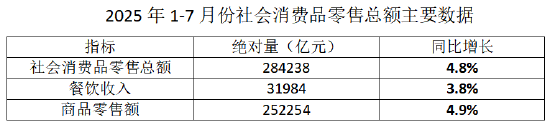
Group 1: Consumer Sector - The consumer market is experiencing a boost due to seasonal changes and government policies, with a notable increase in demand during the "Golden September and Silver October" period [2][6] - From January to July this year, the total retail sales of consumer goods increased by 4.8% year-on-year, with dining revenue up by 3.8% and retail goods sales up by 4.9% [3] - Seasonal transitions are driving new consumption trends, with increased interest in autumn clothing, skincare products, and seasonal food and beverages [5] Group 2: Healthcare Sector - The change in seasons is expected to create new investment opportunities in the healthcare sector, particularly due to increased health demands as respiratory diseases become more prevalent [8][9] - The World Health Organization reports approximately 1 billion seasonal flu cases annually, highlighting the rising health protection needs during the autumn [9] Group 3: Agriculture Sector - The agricultural sector is poised for investment opportunities as the autumn harvest signals increased grain production, supported by advancements in agricultural mechanization and smart farming [14][15] - In 2024, the total area for autumn grain planting is projected to be 87,951.2 thousand hectares, with a yield of 6,008.3 kg per hectare, leading to a total production of 52,843.4 million tons [15] Group 4: Energy Sector - The autumn season marks a peak for construction activities and energy storage, with traditional energy demand rising and new energy sources entering efficient operational phases [20][21] - The construction season is expected to boost energy consumption, particularly in high-energy industries like steel and cement, while traditional energy procurement is increasing in preparation for winter [22][23] - As temperatures drop, solar and wind energy generation is expected to see significant growth, with solar power capacity reaching 1,111 million kilowatts, a 50.8% year-on-year increase [24]