耐心资本

Search documents
浙江大手笔,成立三大百亿级基金集群
母基金研究中心· 2025-08-24 04:02
Core Viewpoint - The article discusses the launch of three major fund clusters in Zhejiang Province aimed at enhancing industrial investment and supporting technological innovation, with a total initial scale of approximately 150 billion yuan [2][3]. Fund Clusters Overview - The "Technology Innovation New Quality Productivity Fund" focuses on early to mid-stage hard technology projects in strategic emerging industries such as integrated circuits, high-end equipment, new materials, and medical technology [2]. - The "State-Owned Enterprise Industrial Structure Optimization Adjustment Fund" aims to optimize the layout of state-owned capital and promote the transformation and upgrading of state-owned enterprises [2]. - The "High-Quality Development Fund for Listed Companies" seeks to stabilize and strengthen the capital market in Zhejiang by participating in IPO strategic placements and supporting mergers and acquisitions [2]. Market Mechanism and Lifecycle Support - All three fund clusters adopt market-oriented mechanisms to ensure efficient operation, including independent fundraising and innovative management practices [3]. - The funds are designed to cover the entire lifecycle of enterprises from startup to maturity, providing comprehensive support for modern industrial innovation [3]. Zhejiang's Fund Model - Zhejiang has established a "Zhejiang Model" for mother funds, demonstrating significant activity in the VC/PE fundraising landscape [3][8]. - The provincial mother funds have been actively recruiting sub-fund management institutions, with the Zhejiang Provincial Science and Technology Innovation Mother Fund (Phase II and III) recently announced [3][8]. Local Fund Activity - Various cities in Zhejiang, such as Hangzhou and Huzhou, have launched substantial mother funds, with Hangzhou's three major funds totaling over 1 billion yuan each [7]. - The "4+1" special fund model has been introduced, focusing on four major trillion-yuan industrial clusters and a specialized mother fund for "specialized, refined, unique, and innovative" enterprises [8][9]. Investment Performance and Future Outlook - By April 2025, the fund clusters had invested in 279 projects, with total investments amounting to 270.69 million yuan, leveraging over 1,881.94 million yuan in total project investments [9]. - The Zhejiang Provincial Science and Technology Innovation Mother Fund has committed to supporting early-stage investments in hard technology, with a total scale of 11 billion yuan across three phases [10]. Policy Innovations - The Zhejiang government has introduced new regulations to enhance the operation of government investment funds, emphasizing market-oriented management and long-term capital support [11][12]. - The new policies aim to address key issues in the government investment fund sector, including risk tolerance and management fee structures, promoting a more sustainable investment environment [15][17].


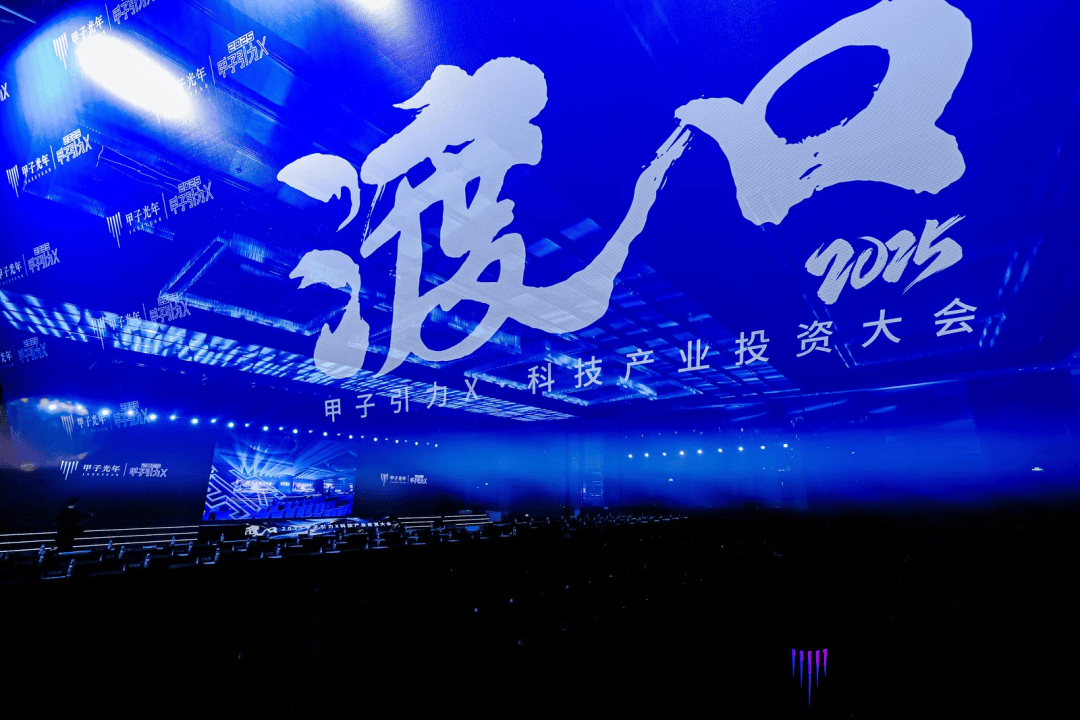
投资人们都在看!「甲子引力X2025科技产业投资大会」都透露了哪些新机会? | 甲子引力X
Sou Hu Cai Jing· 2025-08-22 12:21
Core Insights - The conference "渡口——甲子引力X2025科技产业投资大会" highlighted the challenges and transformations in the technology investment sector for 2025, emphasizing a shift from opportunity-driven to value-driven investment logic [2][6] - The market is experiencing a recovery phase, with significant growth in fundraising and exits, marking the first positive growth in four years [6][7] - Seven key trends were identified, including the rise of hard technology, changes in AI investment logic, and the emergence of new institutional forms [7][19] Investment Trends - Trend 1: Hard technology leads the investment narrative, creating "strategic value premiums" [7] - Trend 2: Changes in AI technology stack investment logic, with a focus on robotics, AI applications, and AI chips [7] - Trend 3: Differences in AI investment logic between China and the US, leading to an "AI dual-core model" [7] - Trend 4: International capital reassessing the investment value of China's technology industry [7] - Trend 5: Redefinition of GP capabilities, transitioning from "catchers" to "partners" [7] - Trend 6: Patient capital shifting from policy-driven to market-responsive [7] - Trend 7: Emergence of a new generation of institutional forms, with investment becoming a tool for industry chain integration [7] Market Data - In the first half of 2025, the equity investment market raised 728.3 billion yuan, a 12% year-on-year increase, with 2,172 new funds and 3,389 billion yuan invested across 5,612 cases, marking a recovery [6] - There were 935 exits, with 583 IPOs, representing a nearly 40% year-on-year increase [6] Key Discussions - The conference featured a peak dialogue among top investors discussing market trends, disruptive innovation, and globalization [20][22] - Investors emphasized the importance of technology breakthroughs and the need for long-term commitment in the face of market fluctuations [22][23] Sector-Specific Insights - AI and embodied intelligence are seen as key areas for new opportunities, with a focus on vertical niches and the integration of AI into various applications [24][26] - The healthcare sector is increasingly leveraging AI for drug development and diagnostics, with a strong emphasis on data-driven approaches [48][50] - The semiconductor industry is viewed as critical, with AI driving demand and the need for domestic innovation in chip design and manufacturing [41][43] Awards and Recognition - The conference concluded with the release of the "2024-2025 Annual China Technology Industry Investment Rankings," recognizing outstanding contributions from investment institutions and companies [4][51]
对话君龙人寿董事长王文怀:中小险企更要作为“耐心资本”入市,进行长周期股权类配置
Xin Lang Cai Jing· 2025-08-22 11:37
Core Viewpoint - Junlong Life Insurance has officially opened its Shanghai branch, marking a significant step for the company as a cross-strait joint venture in the insurance sector, aiming to enhance its market presence and capitalize on Shanghai's unique advantages [10][11]. Company Overview - Junlong Life Insurance is headquartered in Xiamen and is the first and only cross-strait joint venture life insurance company in Fujian Province, with equal shareholding from Xiamen Jianfa Group and Taiwan Life [1]. - The company has adopted a dual-driven model of "insurance + healthcare" and "equity investment empowerment" to build a robust anti-cyclical capability amid industry-wide downward pressure on interest rates [1]. Financial Performance - In the first half of 2025, Junlong Life Insurance achieved an investment return rate of 4.67%, ranking first among 57 non-listed life insurance companies [1]. - The company's net profit reached 220 million yuan, setting a historical record for the firm [1]. Investment Strategy - The company emphasizes the importance of asset allocation to achieve positive interest spreads, especially in a low-interest-rate environment [1]. - Junlong Life Insurance plans to allocate a portion of its assets to low-risk long-term interest rate bonds and REITs in data centers and energy assets to match the yield spread [2]. Market Focus - The company is optimistic about sectors aligned with national strategic directions, particularly in technology, healthcare, and energy [5][7]. - Junlong Life Insurance sees significant potential in the digitalization and smart technology sectors, particularly in chip demand and domestic substitution trends [6]. - The healthcare sector is also a key focus, with innovations in medical devices and pharmaceuticals expected to drive growth [6][8]. Product Development - The company recognizes the growing popularity of participating insurance products and believes that strong investment capabilities are essential for their development [9]. - Junlong Life Insurance aims to expand its total asset scale through these products while ensuring that they align with the company's investment capabilities [9]. Strategic Expansion - The establishment of the Shanghai branch is viewed as a strategic move to leverage Shanghai's market potential and resources, enhancing the company's ability to innovate insurance products and services [10][11]. - The company plans to deepen its market presence in Shanghai, contributing to the development of the international financial center and promoting high-quality growth in the insurance industry [11].
广州推动国有资本赋能“硬科技”新赛道
Zhong Guo Jing Ji Wang· 2025-08-22 08:40
Group 1 - Guangzhou is actively promoting the construction of a financial strong city, guiding financial resources to serve technological and industrial innovation, and injecting continuous financial support into the "hard technology" sector [1] - As of the end of last year, the total assets of state-owned enterprises in Guangzhou exceeded 7.3 trillion yuan, with 391 high-tech enterprises and 280 specialized and innovative enterprises [1] - Key investments in "hard technology" projects include Weidu Microelectronics, Yinnuo Medical, and Weiguang Medical, with established projects like Funeng Battery and Inpai Battery [1] Group 2 - Guangzhou is focusing on cultivating patient capital to support the high-quality development of the "hard technology" industry, aiming to set a benchmark for the national development of patient capital [2] - The city is exploring special policies and long-term assessment mechanisms for state-owned patient capital, enhancing its integration with high-tech industries [2] - A long-term incentive mechanism for state-owned patient capital is being established to ensure its value preservation and appreciation [2] Group 3 - Various districts in Guangzhou are leveraging their unique characteristics to accelerate the development of innovative capital linked to advantageous industries, with Huangpu District attracting venture capital and private equity [3] - Huangpu District has formed a system of "state-owned investment + industrial fund guidance + social capital participation," with over 800 venture capital institutions and a funding scale exceeding 240 billion yuan [3] - The total scale of green loans in Guangzhou surpassed 1.32 trillion yuan, with a year-on-year growth rate of 24%, accounting for 16.2% of the city's total loans [3]
金融“顶流”集结!共赴一场关乎高质量发展的“思想远征” ——2025年深圳市金融领军人才研修班成功举办
Zheng Quan Shi Bao Wang· 2025-08-22 02:29
Core Insights - The training program for financial leaders in Shenzhen aims to enhance the quality of financial talent and contribute to the development of a globally influential industrial financial center [2][3]. Group 1: Training Program Overview - The Shenzhen Municipal Financial Office and the Municipal Financial Work Committee organized a training program from August 18 to 21, focusing on high-quality financial development [1]. - The program included 17 specialized lectures and 3 thematic discussions over four days, emphasizing practical and relevant content [3]. - Experts from various financial institutions and universities were invited to share insights on financial empowerment, regulatory compliance, and industry trends [2][3]. Group 2: Key Themes and Discussions - The training emphasized the importance of reform and innovation, compliance in operations, and comprehensive development to enhance competitiveness [4][5]. - Participants engaged in discussions on financial technology, patient capital, and cross-border finance, fostering collaborative learning and idea exchange [4]. - The program aimed to align participants' understanding of macro trends with Shenzhen's financial mission, encouraging a balance between risk management and innovation [4][5]. Group 3: Future Talent Development - Shenzhen is enhancing its multi-level financial talent development system, implementing the "Million Talents Gather in South Guangdong" initiative to attract and cultivate financial professionals [6]. - The city is focused on creating a high-quality, professional financial workforce and establishing a supportive ecosystem for talent to thrive [6].
TCL科技:会考虑引入匹配的资金属性来发展
Jin Rong Jie· 2025-08-22 01:40
Group 1 - The core viewpoint of the article emphasizes the importance of long-term capital support for companies like TCL Technology, particularly in the context of developing advanced technologies such as printed OLEDs, which could position China ahead of South Korean competitors [1] - TCL Technology acknowledges the long-cycle, high-tech, and heavy asset nature of its business and expresses consideration for introducing matching capital attributes to support its development [1]

多地探索扩大专项债券投向领域 撬动社会资本助推产业升级
Zheng Quan Shi Bao Wang· 2025-08-21 13:08
Core Viewpoint - The injection of special bonds into government investment funds may become a new norm for local fiscal policies, aimed at leveraging social capital to support strategic emerging industries and urban renewal projects [1][2][3]. Group 1: Special Bonds Allocation - Guangzhou's fiscal plan includes an allocation of 72.5 billion yuan in special bonds, with 20 billion yuan specifically directed towards government investment funds [2]. - The total new local government bond quota for Guangzhou is set at 376.7 billion yuan, with 72.5 billion yuan earmarked for city-level special bonds [2]. - Other allocations from the special bonds include 6.6 billion yuan for education and sports facilities, 0.9 billion yuan for affordable housing, and 8.1 billion yuan for hospital construction [2]. Group 2: Policy Changes and Implications - Recent policy adjustments have shifted from a strict prohibition of using special bonds for government investment funds to a more innovative integration approach [1][3]. - The introduction of a "negative list" management model allows for greater flexibility in funding allocation, enabling special bonds to be used for projects not explicitly banned [3][4]. - This change aims to address structural contradictions in the investment of special bonds, which previously favored high-yield projects, leading to a scarcity of suitable investment opportunities [3][4]. Group 3: Expert Insights - Experts suggest that using special bonds to fund government investment funds can alleviate the impact of fiscal constraints on project investments, thereby amplifying available capital and diversifying risks [5][6]. - The government investment funds are seen as "patient capital" that can support industry upgrades and innovation, despite the inherent risks of potential losses [6]. - Recommendations for risk management include setting quantitative project criteria, monitoring government funds closely, and establishing a profit-sharing structure that prioritizes recovery of investments [6].
精耕时代,潮涌嘉禾:产业未来大会邀您共赴产业变革新浪潮
36氪· 2025-08-21 13:07
Core Viewpoint - The article emphasizes the transition to a "precision farming era" in the global economic landscape, highlighting the importance of long-term value creation and ecological collaboration in business practices [3][4]. Group 1: Event Overview - The 2025 36Kr Industry Future Conference will be held in Xiamen from September 10 to 11, focusing on five core sectors: artificial intelligence, low-altitude economy, advanced manufacturing, new energy, and consumer goods [5][11]. - The conference aims to gather top minds from government, capital, and industry to collaboratively outline the future of China's industrial development [5][11]. Group 2: Market Dynamics - The Chinese venture capital market has shown remarkable resilience over the past year, with hard technology and advanced manufacturing emerging as dominant themes [7]. - The role of capital is shifting from mere supply to ecosystem builders, with "patient capital" becoming a cornerstone for driving industrial innovation [7][8]. Group 3: Capital and Collaboration - Local state-owned assets and government-guided funds are leading the charge in transforming capital's role from financial return to creating a sustainable ecosystem for innovative enterprises [8]. - The 2025 venture capital market is entering a new cycle characterized by "hard technology + scene landing + patient capital," necessitating a meticulous approach to grasp industrial development trends [8]. Group 4: Conference Activities - The conference will feature a "9.8-mile run" event designed to connect participants with Xiamen's scenic landmarks, symbolizing the integration of "patient capital and long-term companionship" [12]. - The agenda will focus on how government, capital, and industry can collaborate to address pain points and bottlenecks in industrial development [12]. Group 5: Symbolism and Call to Action - "Jiahe," the ancient name for Xiamen, symbolizes hope, resilience, and harvest, reflecting the need for meticulous efforts in the current market environment [13]. - The conference serves as a declaration and call to action for industry builders, capital enablers, and policy guides to witness and shape a brighter future for China's industry [13].

超长待机的“耐心资本” 出炉,这些城市政府基金发力了
Sou Hu Cai Jing· 2025-08-21 06:36
Core Viewpoint - Multiple local government guidance funds are extending their duration to meet the investment needs of technological innovation, with many extending to over 10 years, and some even reaching 15-20 years [1][2]. Group 1: Government Fund Initiatives - Shanghai has established a future industry fund with a total scale of 10 billion yuan, featuring a 15-year duration that can be extended by 3 years [3][4]. - Guangdong's second phase of the semiconductor and integrated circuit industry equity investment fund has a duration of 17 years, with an initial capital of 11 billion yuan [5]. - Shenzhen is also extending the duration of its guiding funds, with a new 2 billion yuan technology innovation seed fund extending its duration from 5-10 years to 15 years [6]. Group 2: Policy Implications - The extension of fund durations aims to address the "mismatch" between capital cycles and industry cycles, particularly for long-cycle industries like hard technology [9]. - The shift in fund duration reflects a correction in the ecosystem of RMB funds, which previously had short durations due to the liquidity demands of early-stage investors [10]. - The adjustment in government fund assessment logic will focus more on long-term industry value rather than short-term returns, indicating a shift towards nurturing industry development [11]. Group 3: Economic Context - Government funds are positioned to provide counter-cyclical adjustments during economic transitions, stabilizing industry expectations when market capital is hesitant [12]. - The effectiveness of these initiatives will depend on the gradual improvement of supporting mechanisms and will require time for evaluation [13].
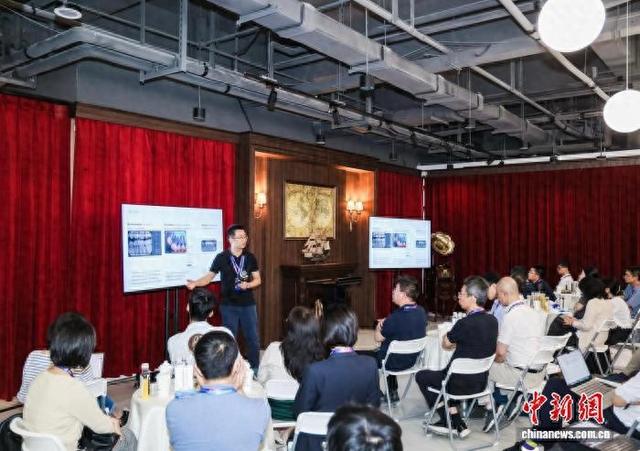
空间机器人航天领域有妙用 学者沪上科学沙龙“论AI”
Zhong Guo Xin Wen Wang· 2025-08-20 14:33
Group 1 - The event "Cape of Good Hope Science Salon" focused on the application of artificial intelligence and robotics in space exploration, highlighting potential uses such as space debris collection and satellite maintenance [1][3] - The event attracted over 20 young scholars from prestigious UK universities and representatives from Chinese research institutions, emphasizing international collaboration in technology transfer [1][3] - The development of artificial intelligence is accelerating the "AI-ization" of various sectors, with expectations of driving economic growth and the need for patient capital in China's tech investment landscape [3] Group 2 - Shanghai is positioning itself as a hub for artificial intelligence development and is actively promoting patient capital through initiatives like the launch of three major guiding industry mother funds totaling 100 billion yuan [3] - The Future Industry Fund in Shanghai, announced earlier this year, aims to support the transformation of technological achievements from "0 to 1" and is designed as a counter-cyclical patient capital with a 15-year investment period [3]