
可再生能源

Search documents
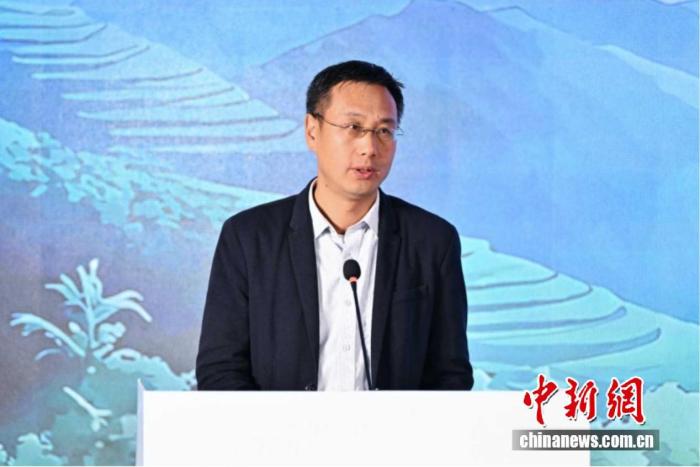
王志高:农村在“双碳”战略中扮演着重要角色
Zhong Guo Xin Wen Wang· 2025-10-24 11:37
Core Viewpoint - The construction of zero-carbon rural areas is essential for China's economic and social development, aligning with the "dual carbon" strategy and promoting national modernization and common prosperity [2]. Group 1: Importance of Rural Areas in Carbon Strategy - Rural areas play a significant role in China's "dual carbon" strategy, with rural carbon emissions accounting for nearly 30% of the national total, and per capita emissions exceeding those of urban residents [2][3]. - Improving the living standards and economic development in rural areas is crucial for promoting energy transition and reducing carbon emissions [2]. Group 2: Opportunities in Rural Development - The process of building zero-carbon rural areas presents numerous opportunities in sectors such as roads, housing, energy storage, microgrids, biomass, and renewable energy [3]. - The potential for investment in rural housing, including the installation of 2 billion kilowatts of photovoltaic systems, is estimated to exceed 4 trillion yuan, transforming rural areas from traditional agricultural producers to significant green electricity producers [3]. Group 3: Systematic Solutions for Zero-Carbon Future - A systematic approach is necessary to achieve the "livable rural zero-carbon future," as fragmented policies can lead to inefficiencies; collaboration across spatial, industrial, energy, and environmental dimensions is essential [3]. - An example of a successful project is the ultra-low energy consumption housing demonstration in Xing Sheng Village, which illustrates the potential for comprehensive planning and energy system integration [3]. Group 4: Enhancing Rural Housing and Energy - The transformation should leverage rural residents' core asset—housing—using energy as a key driver to enhance housing quality [5]. - The integration of photovoltaic systems, energy storage, and heat pumps can improve living conditions while generating stable green electricity income, thereby increasing the value of farmers' assets [5]. Group 5: Challenges and Future Prospects - Despite challenges such as aging population, unclear investment positioning, and cultural transformation, the historical trend towards rural development and energy revolution is unstoppable [5].

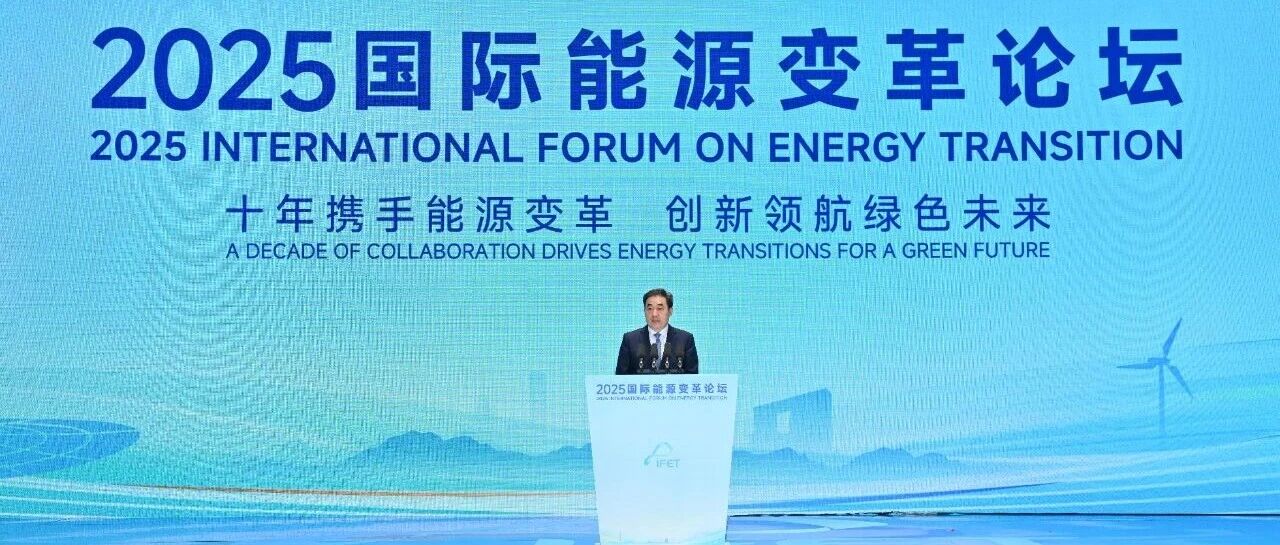
2025国际能源变革论坛在苏州成功召开
国家能源局· 2025-10-24 06:03
Core Viewpoint - The 2025 International Energy Transformation Forum emphasizes the importance of global cooperation in energy transformation and the need for innovative approaches to achieve a sustainable energy future [1][3]. Group 1: Achievements and Initiatives - The forum highlighted China's historical achievements in energy transformation over the past decade, guided by the "Four Revolutions and One Cooperation" strategy, which focuses on green development and the establishment of the world's largest and fastest-growing renewable energy system [3]. - A series of outcomes were released during the forum, including the "Global Energy Low Carbon Transformation Development 2030 Suzhou Vision" and the "Energy Transformation Index Blue Book 2025," which showcase China's advancements in energy transition and technology innovation [7]. Group 2: Participation and Collaboration - The forum attracted over 2,000 representatives from 36 countries and regions, including energy ministers, ambassadors, and leaders from international energy organizations, facilitating discussions on clean energy innovation and international cooperation [5]. - Participants recognized that global energy transformation is an inevitable trend and that accelerating green and low-carbon energy development presents a common opportunity for all nations [5]. Group 3: Future Directions - The forum aims to strengthen international cooperation to address climate change challenges and promote sustainable energy development, establishing a platform for flexible and mutually beneficial green energy cooperation [5]. - Various sub-forums and thematic activities were organized, focusing on renewable energy development and empowering youth and women in the energy sector, indicating a comprehensive approach to energy transformation [7].
非洲电网滞后制约可再生能源发展
Shang Wu Bu Wang Zhan· 2025-10-24 04:27
日内瓦Agence Ecofin通讯社10月20日报道,截至2024年,撒哈拉以南非洲地区仍有近6亿人无法获得电 力供应,能源短缺严重制约了经济发展和民生改善。非洲各国正积极发展太阳能、风能等可再生能源以 缓解电力短缺,但输配电网络设施建设长期以来未得到足够重视,未能与可再生能源发展实现同步推 进。 然而,非洲电力行业面临突出挑战。一是电力基础设施建设资金短缺。非洲开发银行与国际货币基金组 织指出,超过60%的非洲国有电力公司处于亏损状态,融资能力有限,难以承担大型输电项目投资。二 是电网扩张速度明显落后于可再生能源装机增长,导致部分新增产能无法并网或被充分利用,从而影响 项目回报率并削弱投资者信心。国际能源署警示称,若输电网络建设持续滞后,可再生能源产能将出 现"被动闲置"风险,不仅削弱能源投资效益,也可能延缓整个大陆的电气化进程。 为应对上述问题,国际能源署提出三项建议:一是优化能源投资结构,提升输配电领域比重,推动公私 合作模式,吸引社会资本参与基础设施建设;二是加强区域电网互联,提升跨国电力调度与输送能力; 三是改革各国国有电力企业管理体制,改善财务状况和运营可持续性。 非洲能源转型的未来不仅取决于可 ...
中德能源工作组第十三次会议在苏州召开
Zheng Quan Shi Bao Wang· 2025-10-24 02:04
Core Insights - The meeting between the National Energy Administration of China and the German Federal Ministry for Economic Affairs and Energy took place on October 22, focusing on energy policy and development transformations [1] - A work plan for the China-Germany Energy Working Group for 2025-2026 was approved, emphasizing collaboration in various energy sectors [1] Group 1: Meeting Overview - The meeting reviewed the outcomes of cooperation since the last working group meeting in July 2024 [1] - Both parties presented updates on their respective energy policies and transformation developments [1] Group 2: Future Collaboration - The approved work plan includes discussions and research in areas such as energy legal frameworks, energy and electricity markets, power systems, sustainable heating/cooling, renewable energy, hydrogen, and energy storage [1]
中德能源工作组第十三次会议在苏州召开
国家能源局· 2025-10-24 01:58
Core Viewpoint - The meeting between China's National Energy Administration and Germany's Federal Ministry for Economic Affairs and Energy focused on energy policy updates and collaboration outcomes since the last meeting in July 2024, highlighting the commitment to enhance bilateral cooperation in various energy sectors [2] Group 1: Meeting Overview - The 13th meeting of the China-Germany Energy Working Group took place in Suzhou on October 22, 2025 [2] - Both parties presented their latest energy policies and transformation developments [2] - The meeting reviewed the cooperation achievements since the last meeting [2] Group 2: Future Collaboration Plans - A work plan for 2025-2026 was approved, outlining areas for future collaboration [2] - The agreed areas for exchange and research include energy legal frameworks, energy and electricity markets, power systems, sustainable heating/cooling, renewable energy, hydrogen, and energy storage [2] - Representatives from both countries' energy authorities, the German Embassy in China, and project execution agencies participated in the meeting [2]
美国政府打压海上风电行业 冲击本国造船业和港口发展
Zhong Guo Xin Wen Wang· 2025-10-23 12:00
Core Points - The current U.S. government has intensified its crackdown on the offshore wind energy sector, leading to significant repercussions for the domestic shipbuilding industry and port development [1] - The U.S. Department of Transportation has canceled financing for offshore wind port projects, totaling over $679 million, including a $34 million grant for a facility in Massachusetts that was expected to generate $75 million in tax revenue and create 800 jobs over 20 years [1] - Industry organization Oceantic reports that orders for new offshore wind service vessels have disappeared, with at least 10 vessels originally scheduled for launch in 2024 now affected [1] - Major companies such as Maersk and Equinor have had to cancel orders and delay project construction related to U.S. offshore wind due to these developments [1] - Despite the government's view of offshore wind as unattractive and inefficient, it aims to support the U.S. maritime industry, claiming that the shipbuilding and port sectors can be revitalized without offshore wind support [1] - The shipbuilding and port industry has faced long-standing issues of cost inflation and insufficient government support [1]
中国水业集团(01129) - 自愿公告合作协议
2025-10-23 11:26
香 港 交 易 及 結 算 所 有 限 公 司 及 香 港 聯 合 交 易 所 有 限 公 司 對 本 公 告 之 內 容 概 不 負 責,對其準確性或完整性亦不發表任何聲明,並明確表示概不就因本公告全部或 任何部份內容而產生或因依賴該等內容而引致之任何損失承擔任何責任。 自願公告 合作協議 本公告乃中國水業集團有限公司(「本公司」,連同其附屬公司,統稱「本集團」)自 願作出,以向本公司股東(「股東」)及有意投資者提供有關本集團最新業務發展的 情況。 背景 誠如本公司日期為二零二五年三月二十日的公告所披露,於二零二五年三月二十 日,本公司與印度尼西亞三寶瓏縣地方政府(「三寶瓏縣政府」)訂立諒解備忘錄, 內容有關位於三寶瓏縣的填埋場管理之潛在合作,包括但不限於利用填埋場的填 埋氣發電、填埋場的營運及管理,以及滲濾污水處理。 合作協議 本公司董事(「董事」)會(「董事會」)欣然宣佈,於二零二五年十月二十三日,本公 司間接非全資附屬公司PT Blondo Lestari Energi(「PT Blondo」)與三寶瓏縣政府訂 立合作協議(「合作協議」),內容有關在印度尼西亞中爪哇省北部三寶瓏縣實施、 管理及營運位於 ...
贝莱德旗下Vena集团拟向韩国可再生能源项目投资140亿美元
Xin Lang Cai Jing· 2025-10-23 06:34
韩国政府周四表示,亚太地区最大的可再生能源开发商之一Vena集团已提交投资意向书,计划在太阳 能、风能等可再生能源解决方案开发、电池储能系统等多个韩国项目上投资20万亿韩元(约合140亿美 元)。Vena集团是全球最大投资管理公司贝莱德的全资子公司。上个月,韩国总统李在明会见了贝莱德 CEO拉里·芬克,讨论了在人工智能和可再生能源领域的合作。 ...

中国变压器,出口杀疯了
投中网· 2025-10-23 06:30
Core Viewpoint - The transformer industry is experiencing a significant surge in demand due to global energy transitions and the increasing need for electric vehicles and AI data centers, leading to a supply crisis and substantial export growth from China [5][10][25]. Export Growth - In the first eight months of 2025, China's transformer exports reached 29.711 billion yuan, marking a year-on-year increase of 51.42%. August alone saw exports of 4.718 billion yuan, up 57.90% year-on-year [7][8]. - Exports to Asia, Africa, Europe, and North America grew by 65.39%, 28.03%, 138.03%, and decreased by 4.35% respectively, indicating strong demand from most regions [7]. Market Demand - The global transformer market is projected to reach $103 billion by 2031, with a compound annual growth rate (CAGR) of 6.1% from 2021 to 2031 [15][16]. - The demand for transformers is driven by the growth of renewable energy sources, which require 1.5 to 3 times more transformers compared to traditional power generation systems [10]. Supply Crisis - The average delivery time for transformers has increased to 115-130 weeks, with large transformers taking 120-210 weeks, significantly longer than previous timelines [26]. - Since 2020, transformer prices have risen by over 60%, with some categories increasing by more than 80% due to supply-demand imbalances [27]. Opportunities for China - China is the largest transformer manufacturing base, accounting for over 60% of global production in 2023, and has a complete and self-sufficient supply chain [37][40]. - Chinese companies like TBEA, Xidian, and Baobian Electric are consistently ranked among the top ten global transformer manufacturers [38]. - The recent global supply shortages present a valuable opportunity for Chinese manufacturers to expand their market share internationally [43].



工业硅:仓单去化,盘面较抗跌,多晶硅:关注现货成交价格
Guo Tai Jun An Qi Huo· 2025-10-23 01:42
2025 年 10 月 23 日 商 品 研 究 工业硅:仓单去化,盘面较抗跌 多晶硅:关注现货成交价格 张 航 投资咨询从业资格号:Z0018008 zhanghang2@gtht.com 泰 君 安 期 货 研 究 所 请务必阅读正文之后的免责条款部分 1 期货研究 工业硅、多晶硅基本面数据 | | | 指标名称 | T | T-1 | T-5 | T-22 | | --- | --- | --- | --- | --- | --- | --- | | | | Si2511收盘价(元/吨) Si2511成交量(手) | 8,485 | -20 | -85 | -260 | | | | | 105,522 | -83,120 | -119,546 | -198,321 | | | | Si2511持仓量(手) | 96,554 | -10,964 | -45,827 | -181,434 | | 工业硅、多晶硅期货市场 | | PS2511收盘价(元/吨) | 50,715 | 375 | 725 | - | | | | PS2511成交量(手) | 100,492 | -21,378 | -175,684 ...