
二十四节气

Search documents
视频丨在陶寺遗址 看4000多年前古人观测到的“冬至”
Xin Lang Cai Jing· 2025-12-21 05:18
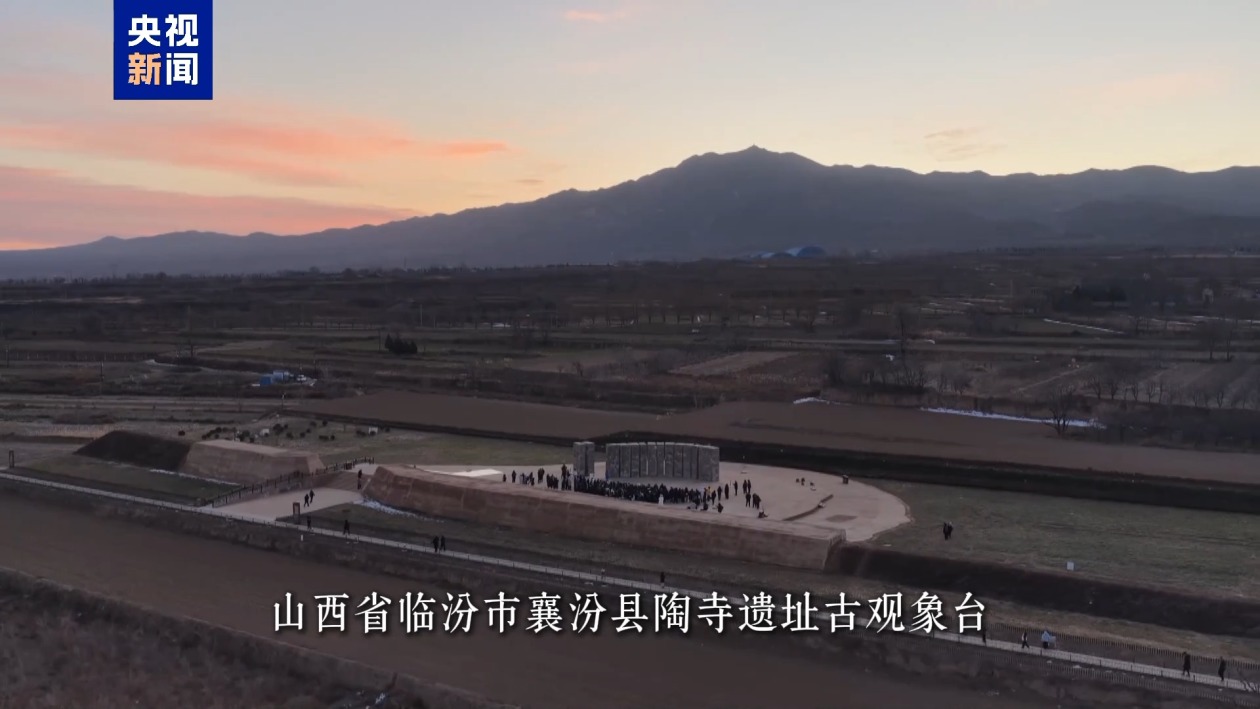
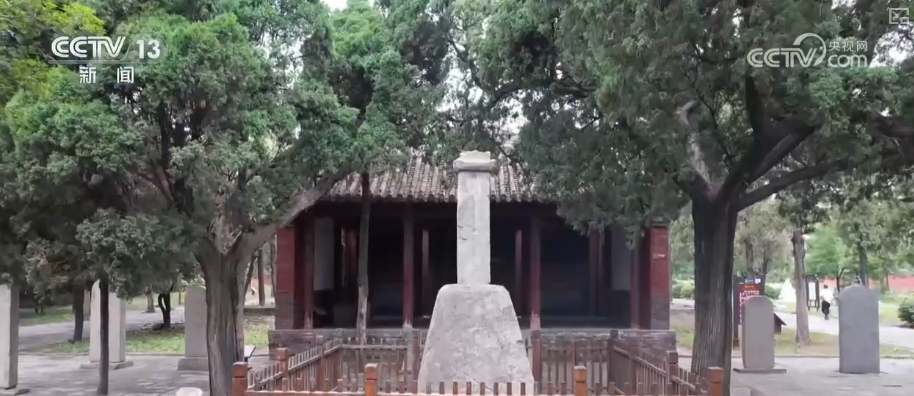
陶寺观象台由夯土中心点和东南方向呈圆弧形分布的13段夯土墙构成,夯土柱间的缝隙经过精密测算,形成天然的观测准线。 观测者站在中心点,可通过不 同缝隙观测东方塔儿山(古崇山)的日出方位,以此标定节气 。 来源:央视新闻客户端 12月21日,我们迎来冬至节气。这是二十四节气中的第二十二个节气,也是冬季的第四个节气。 冬至作为二十四节气中最早被确定的节气之一,承载着古人对自然节律的深刻洞察。位于山西临汾陶寺遗址的古观象台,正是这份智慧最古老的实物见证 —— 这座距今 4000 余年的建筑,不仅是中国最早的观象台遗址,更将冬至观测的历史追溯到了上古尧帝时期 。 先民们这一精妙设计吸引了许多游客清晨来到这里,沉浸式观看这一天文奇观。 (总台记者 赵伟东 张玉阶) ...

“数九”,因何从冬至开始?
Xin Lang Cai Jing· 2025-12-21 05:18
Group 1 - The concept of "Shu Jiu" (Counting the Nines) begins on the Winter Solstice, marking the start of a period that lasts for 81 days, culminating in the arrival of spring [2] - The "Shu Jiu" method is particularly relevant to northern China, especially the Yellow River's middle and lower reaches, as it symbolizes the transition from winter to spring [2] - The 2026 Spring Festival falls on February 17, which is relatively late compared to previous years, due to the occurrence of a leap month in 2025 [2] Group 2 - The "Shu Jiu" folk song describes seasonal changes and agricultural life, reflecting the cultural significance of this period [5] - The phenomenon of "river opening" typically occurs when temperatures stabilize above 0 degrees Celsius, which may align with the timing of the Spring Festival in 2026 [5] - Traditional practices emphasize the importance of warmth and appropriate clothing during the cold winter months, highlighting health considerations during this season [5]
酷玩推荐官・人间好时节:冬至
人民网-国际频道 原创稿· 2025-12-21 04:31
Group 1 - The article highlights the significance of the winter solstice, marking the shortest day and longest night of the year in the Northern Hemisphere, symbolizing a new cycle and family reunion [2] - It discusses traditional foods associated with the winter solstice in China, such as dumplings in the north and glutinous rice balls in the south, each carrying cultural meanings of warmth and reunion [2] - The winter solstice is recognized not only in China but also globally, with various customs reflecting a shared longing for light, warmth, and togetherness, such as eating red bean porridge in South Korea and gathering at Stonehenge in England [2] Group 2 - The article describes the winter solstice celebration in Xi'an, showcasing a blend of ancient architecture and modern cultural activities, such as young people wearing traditional Hanfu [3] - It includes a poetic reference that emphasizes the cyclical nature of seasons, indicating that the arrival of winter solstice heralds the coming of spring [4] - The article mentions notable landmarks in Xi'an, including the Big Wild Goose Pagoda and the city wall, which are part of the cultural backdrop for winter solstice celebrations [4]
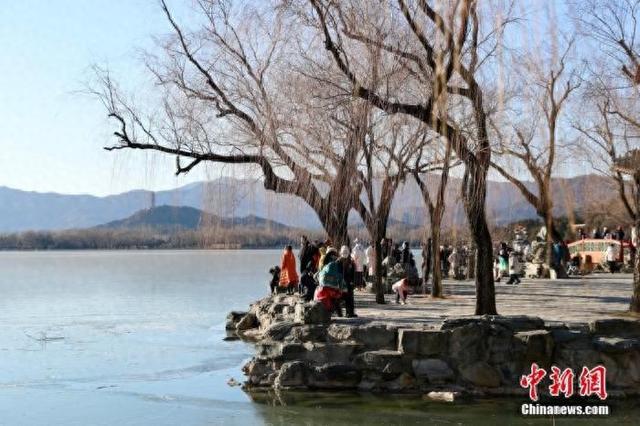
“数九”,为何从冬至开始?
Zhong Guo Xin Wen Wang· 2025-12-21 01:56
Core Viewpoint - The article discusses the traditional Chinese counting method of "Shu Jiu" (数九), which begins on the winter solstice and marks the transition from winter to spring, highlighting its cultural significance and the timing of the 2026 Spring Festival [1][3][4]. Group 1: "Shu Jiu" Overview - "Shu Jiu," also known as "Winter Jiu," starts from the winter solstice and counts every nine days as a unit, culminating in 81 days, which signifies the arrival of spring [3][6]. - The folk song associated with "Shu Jiu" illustrates weather characteristics and agricultural activities during this period, emphasizing its cultural relevance [3][6]. Group 2: 2026 Spring Festival Timing - The 2026 Spring Festival falls on February 17, 2026, which is relatively late compared to previous years, as it coincides with the "Seven Jiu" period from February 13 to February 21 [3][4]. - The delay in the Spring Festival's timing is attributed to the occurrence of a "leap June" in 2025, affecting subsequent festivals like the Mid-Autumn Festival and the Spring Festival [4]. Group 3: Weather and Agricultural Implications - The "Seven Jiu" period is expected to align with the warming trend, potentially allowing for the phenomenon of "river opening" to occur if temperatures remain above zero degrees Celsius [6]. - The article emphasizes the importance of traditional knowledge in understanding seasonal changes and agricultural practices, as reflected in the "Shu Jiu" counting method [6].
21日冬至:不同地区的夜长不同,有什么门道?
Xin Hua She· 2025-12-19 08:08
可能有人认为,冬至之日,是北半球全年夜长最长的一天,理应也是日出最迟、日落最早的一天。实则 不然。这是因为地球的自转轴倾斜约23.5度,并以椭圆轨道绕太阳公转,导致每日的正午时间略有偏 差,称为均时差。 新华社天津12月19日电(记者周润健)12月21日迎来冬至,这是北半球白昼时间最短、夜晚最长的一 天。这一天我国各地的夜晚到底有多长?这一天是日出最晚且日落最早的时候吗?听天文科普专家一一 道来。 冬至是二十四节气中的第二十二个节气,也是冬季的第四个节气。中国天文学会会员、天津科学技术馆 天文科普专家刘仲利介绍,冬至这天,各地的夜长时间从南到北呈递增趋势。越是靠北,黑夜越长;越 是靠南,黑夜越短。这是因为地球围绕太阳公转,地轴是倾斜的,导致太阳直射点在地球的南北回归线 之间往复运动,进而表现为各地的昼夜长短不一。 昼短夜长的这种变化,纬度越高的地区越明显。福建省天文学会会员、天文科普专家许长榕通过不同城 市在今年冬至日的日出、日落时间计算出各城市当天的黑夜长度,可以明显看到这种效应,例如哈尔滨 夜长约15时20分、北京夜长约14小时40分、南京夜长约13小时57分、海口夜长约13小时05分。 "以此推算,我国 ...
二十四节气里的养生密码:冬季养生为啥要吃梨?
Zhong Guo Xin Wen Wang· 2025-12-13 01:40
Core Viewpoint - The article emphasizes the importance of traditional Chinese solar terms in guiding modern health practices, particularly in winter, highlighting the benefits of consuming specific fruits like pears for nourishment and hydration [1][2]. Group 1: Seasonal Health Practices - During winter, daily routines should align with natural rhythms, advocating for early sleep and late rising to conserve internal energy [2]. - Key areas for warmth include the head, neck, and feet, with recommendations to wear hats, scarves, and warm socks to prevent energy loss and cold exposure [2]. - Consuming warming foods such as lamb and chicken is encouraged, with lamb paired with radish to balance its heat [2]. Group 2: Dietary Recommendations - Fruits that provide hydration and nutrition, such as pears, apples, and kiwis, are recommended for winter, with pears noted for their high water content and vitamin C [2][4]. - It is advised to control fruit intake to avoid excessive sugar consumption, especially for sensitive individuals and the elderly, who may benefit from consuming warmed fruit [3]. Group 3: Cultural Significance of Solar Terms - The solar terms serve as a reminder to adapt lifestyle and dietary choices according to seasonal changes, promoting health and well-being [4]. - Traditional customs associated with solar terms enhance daily life with a sense of rhythm and cultural richness, contributing to a more meaningful existence [5].
文化中国行丨二十四节气·大雪 严寒的注脚 丰年的序章
Yang Shi Xin Wen Ke Hu Duan· 2025-12-08 02:16
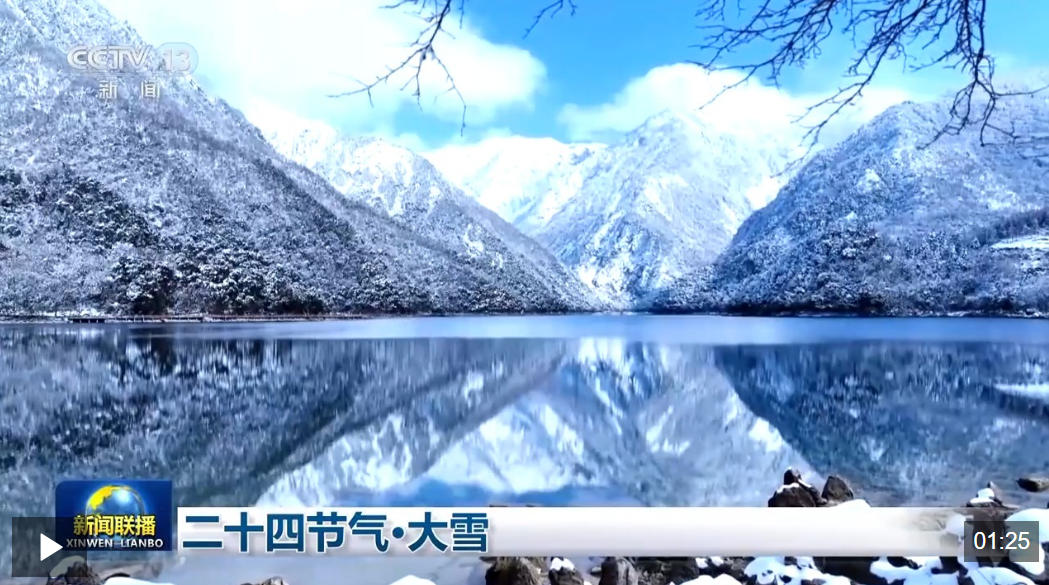
Group 1 - The "Great Snow" is the 21st solar term in the 24 solar terms, marking the third solar term of winter, indicating a significant drop in temperature and an increase in snowfall probability across most regions of China [2] - Traditional customs during the Great Snow season include dietary supplements, and there is a cultural appreciation for the beauty of snow, such as enjoying the clear skies after snowfall or seeking the fragrance of plum blossoms in the snow [4] - The saying "A timely snow promises a good harvest" reflects the agricultural significance of snow, as it acts like a blanket for winter wheat, preserving moisture and providing water for growth in the following year [6]
文化中国行 | “究天人之际,通古今之变” 华夏儿女向着星辰大海逐光而行
Yang Shi Wang· 2025-11-24 11:12
Core Insights - The article highlights the historical significance of the Guanzingtai site in Dengfeng, Henan, as one of the oldest astronomical observatories in China, showcasing ancient Chinese cultural philosophies and the pursuit of natural laws [1][9][23] Group 1: Historical Significance - The Guanzingtai site is recognized as a crucial location for the development of the 24 solar terms, which served as a guide for agricultural practices in ancient China [9][21] - The site features the Zhou Gong Measuring Shadow Platform, which was used to determine the summer solstice, marking the longest day of the year [3][5][7] Group 2: Innovations by Guo Shoujing - Guo Shoujing, a prominent astronomer of the Yuan Dynasty, significantly improved the accuracy of time measurement by constructing a giant measuring platform, reducing measurement errors to one-fifth of previous methods [11][16] - He developed the "shadow symbol" device, which allowed for precise measurements of shadow lengths within a 2-millimeter range, enhancing the understanding of time [16][18] Group 3: Cultural and Educational Impact - The Guanzingtai site has undergone systematic protection and restoration, transforming into a cultural and educational hub with a planetarium and interactive exhibits [19][21] - Modern activities, such as "starry sky camping" and traditional observation ceremonies, connect ancient astronomical practices with contemporary lifestyles [21][22] Group 4: Legacy and Modern Applications - The ancient principles of astronomical observation have influenced modern astronomical research, as seen in projects like the "Chinese Sky Eye" and advancements in telescope technology [22][23] - The enduring spirit of exploration and understanding of the cosmos continues to inspire contemporary scientific endeavors, reflecting a legacy that spans millennia [23]
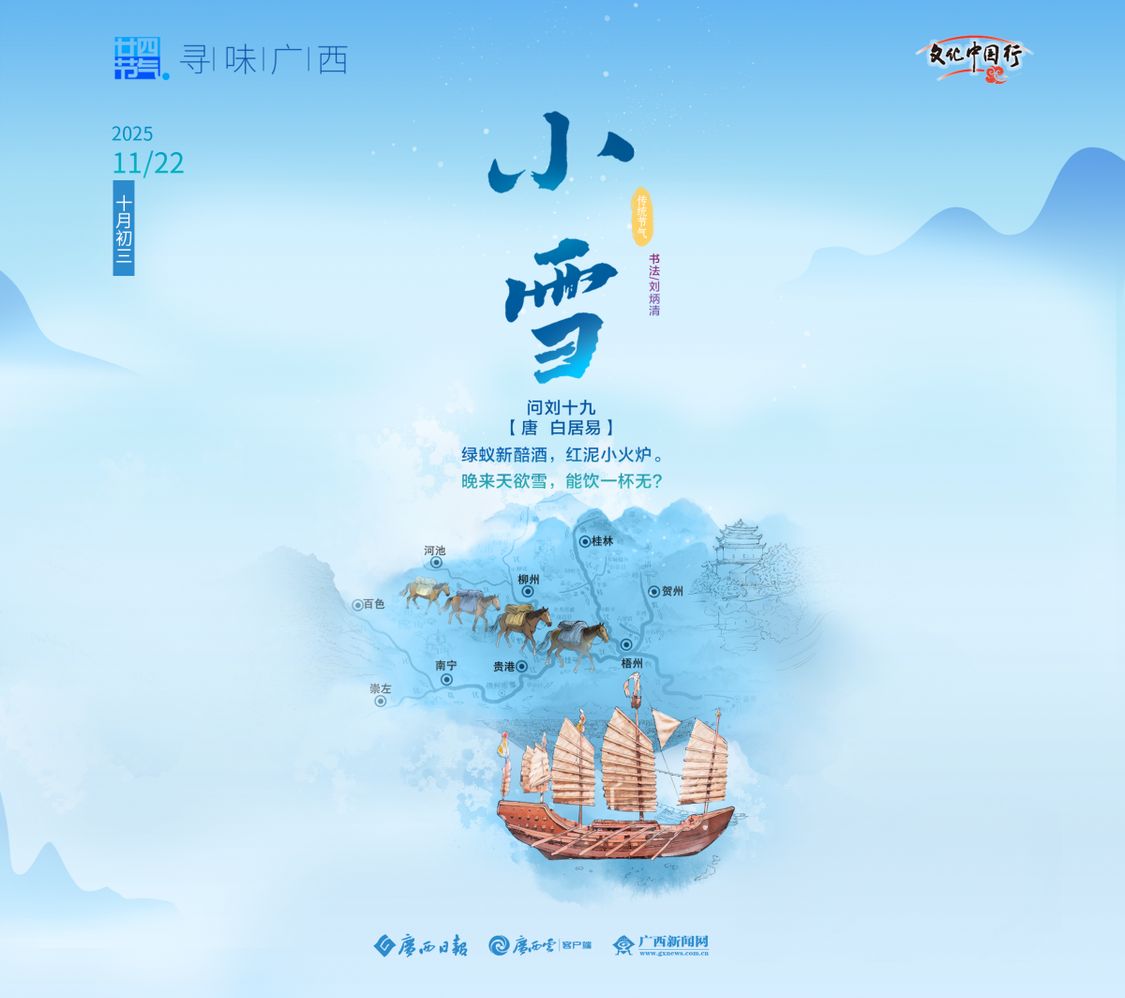
二十四节气·寻味广西丨小雪
Guang Xi Ri Bao· 2025-11-22 12:18
Group 1 - The article highlights the significance of the 24 solar terms in Chinese agricultural history and culture, emphasizing their connection to nature and the wisdom of the Chinese people [1] - Guangxi Daily has launched a special column "Taste Guangxi · 24 Solar Terms" to explore the meteorological aspects of Guangxi and delve into the profound connotations of this world-class intangible cultural heritage [1] Group 2 - Hepu is identified as one of the starting ports of the ancient Maritime Silk Road, where fishermen have thrived for centuries due to their connection to the sea [3] - The modern fishing industry in the Beibu Gulf has developed into a global marine industry chain, supported by advanced production technologies and stable electricity supply [5] - The construction of a comprehensive energy security zone is accelerating, providing stable electricity to support the high-quality development of the marine economy in Guangxi [7] Group 3 - The article discusses the historical significance of the tea transportation routes in Guangxi, particularly the "Tea Boat Ancient Road," which symbolizes the region's transition from an isolated inland area to a broader maritime economy [14] - The upcoming completion of the Pinglu Canal is expected to enhance the tea industry by creating a new "river-sea combined transport" channel [16] Group 4 - The article reflects on the historical paths of the Xiaojie Ancient Road and the Wanli Tea Road, emphasizing their roles in trade and cultural exchange [17] - The ongoing development of the Xiaojie Ancient Road Economic Belt aims to create a platform for cultural integration and regional cooperation [19] Group 5 - The article describes the customs and practices associated with the "Small Snow" solar term in Guangxi, including traditional food preparations like making glutinous rice cakes [32] - It emphasizes the importance of adapting to seasonal changes and maintaining health through appropriate lifestyle choices during the winter months [35]
酷玩推荐官·人间好时节:小雪
人民网-国际频道 原创稿· 2025-11-22 02:56
Core Points - The article discusses the significance of the "Minor Snow" solar term in Chinese culture, emphasizing its connection to agricultural practices and preparations for winter [2] - It highlights the importance of soil preparation and winter irrigation for crops like wheat, reflecting the traditional wisdom of farmers [2] - The article also notes the cultural practices related to food preservation during this period, such as pickling vegetables and curing meats, which are common in various countries [2] Agricultural Practices - "Minor Snow" marks a critical time for farmers to prepare for winter, ensuring that crops are well-protected before the soil freezes [2] - The use of smart greenhouses that adjust temperature and humidity according to solar terms is mentioned, showcasing the integration of modern technology with traditional farming wisdom [2] Cultural Significance - The article points out that while "Minor Snow" is a traditional Chinese solar term, similar practices of food preservation and preparation for winter are observed in countries like South Korea and Japan [2] - It emphasizes the shared cultural values across borders regarding the preparation for winter and the importance of food security [2]