
住房可负担性

Search documents
美国楼市月度跟踪:新屋成屋表现分化,成屋库存有所增加-20250611
HTSC· 2025-06-11 07:19
Investment Rating - The industry investment rating is "Overweight" for both Real Estate Development and Real Estate Services [6]. Core Insights - The U.S. housing market is experiencing a mixed performance between new and existing homes, with new home sales showing improvement while existing home sales continue to decline [1][2]. - Housing affordability remains low, and the recovery of the U.S. housing market faces uncertainties due to high prices and interest rates [1][4]. - The inventory of existing homes has increased, alleviating some pressure, but this has not led to a decrease in home prices [1][3]. Summary by Sections New Home Sales - In April, new home sales reached 62,000 units, with year-on-year growth of 10.9% and month-on-month growth of 3.3% [2]. - The median price for new homes was $407,000, showing a year-on-year decrease of 2.0% but a month-on-month increase of 0.9% [3]. Existing Home Sales - Existing home sales totaled 333,000 units in April, reflecting a decline of 2.4% year-on-year and a slight decrease of 0.5% month-on-month [2]. - The existing home sales contract index was 71.3, down 6.3% month-on-month, indicating ongoing challenges in the market [2]. Inventory and Prices - As of April, the inventory of new homes was 497,000 units, and existing homes stood at 1,450,000 units, representing increases of 3.1% and 27.2% respectively compared to the end of 2024 [3]. - The median price for existing homes was $414,000, with year-on-year growth of 1.8% and month-on-month growth of 2.7% [3]. Mortgage Rates - The average 30-year mortgage rate in May was 6.82%, reflecting a month-on-month increase of 7 basis points, and is at the 87th percentile since 2000 [4]. - The outlook for mortgage rates remains uncertain, with expectations that they will stay high in the short term due to economic resilience and inflation concerns [4].
工资涨了,房价疯了!澳洲人的买房梦还有救吗?
Sou Hu Cai Jing· 2025-06-09 09:43
前言 澳大利亚独立工资制定机构(FWC)本周宣布了一个看似振奋人心的消息: 自7月1日起,全国最低工资标准将上调3.5%。这意味着每小时最低工资将达到24.94澳元,意味着一名 全职最低工资工人每年可多领1,670澳元。 超过260万最低工资工人将从中受益。对于一个通胀压力正在缓解的国家而言,这似乎是双重喜讯。 然而,随着通胀步伐放缓、基础薪资继续攀升,澳大利亚人的荷包略有宽松,却依旧难以撬动寸步难行 的高房价,这一矛盾心态在今年最为突出。 与此同时,一季度总体消费者价格通胀率已回落至2.4%,处于澳储行(RBA)2%至3%目标区间,与 2022年底高达7.8%的峰值相比,已有明显回落。 看似美好改变的背后,却难遮掩房市咄咄逼人的气势:5月全国房价创下831,288澳元的历史新高,通胀 放缓并未拯救摇摇欲坠的住房可负担性。 实质增收还是杯水车薪? 在年度工资审查中,公平工作委员会(FWC)主席亚当·哈彻(Adam Hatcher)指出: " 如果不借助年度工资审查机会,过去几年因高昂生活成本造成的工资实际价值损失将成为永久性损失, 从而导致社区最低收入人群生活水平下降。 事实也确实如此:2022年至今,大宗商 ...

凯德北京投资基金管理有限公司:美国大部分消费者对经济的长期走势仍抱有疑虑
Sou Hu Cai Jing· 2025-05-30 10:37
Group 1 - The core viewpoint of the article indicates that while the financial situation of American consumers remains stable, their outlook on the future economy is cautious, reflecting a mix of stability and concern [1][3][7] - Approximately 73% of American adults reported their financial situation as "fair" or "comfortable," a figure that remains consistent with 2023 but slightly lower than the 78% recorded in 2021, indicating a stable yet not historically high perception of financial health [1][3] - The percentage of adults able to cover an unexpected expense of $400 remains stable at 63%, similar to previous years, highlighting ongoing economic vulnerability despite a relatively high percentage [1][3] Group 2 - Only 29% of respondents believe the economic situation in 2024 will be "good" or "excellent," a slight increase from 2023 but significantly lower than the 50% recorded in 2019, suggesting persistent long-term economic concerns among consumers [3][7] - The proportion of adults who feel their financial situation has worsened compared to the previous year is 29%, down from a peak of 35% in 2022, yet still above pre-pandemic levels, indicating ongoing economic pressure [3][7] - Inflation remains a significant challenge for consumers, particularly with rising prices for food and everyday goods, although the percentage of those affected has decreased compared to 2023, suggesting improved adaptability among consumers [7] Group 3 - Housing affordability continues to be a pressing issue, with median rent increasing by approximately 10% annually since 2022, leading to greater financial strain on many households [7] - The survey reflects complex consumer emotions in the face of an uncertain economic environment, with stable financial conditions juxtaposed against low confidence in future economic prospects [7] - High prices and housing pressures are identified as the most prominent challenges in the current economy, emphasizing the need for policymakers to address these issues while maintaining economic growth [7]

美国生活成本最低且失业率低的十大城市
财富FORTUNE· 2025-05-29 11:44
Core Insights - The article discusses the impact of rising rental costs and inflation on housing affordability in the U.S., particularly affecting recent college graduates [1][5] - It highlights a list of cities deemed most suitable for recent graduates to rent, based on factors like rental income ratio and job availability [2][3] Rental Market Overview - Rental prices have surged approximately 30% since the pandemic, with the average monthly rent in the U.S. reaching $2,100 as of May 25 [1] - The average salary is slightly above $63,000, leading to a situation where some individuals spend about 40% of their income on rent, exceeding the recommended 30% [1] Best Cities for Recent Graduates - Realtor.com released a ranking of the top ten cities for recent graduates to rent, considering rental affordability and job opportunities [2][3] - Austin, Texas, ranks first with a rental income ratio of 18.9%, indicating lower rent relative to income [2] - The top ten cities and their median rents are as follows: 1. Austin, Texas ($1,504) 2. Raleigh, North Carolina ($1,524) 3. Overland Park, Kansas ($1,351) 4. Minneapolis, Minnesota ($1,528) 5. St. Louis, Missouri ($1,335) 6. Richmond, Virginia ($1,502) 7. Pittsburgh, Pennsylvania ($1,461) 8. Scottsdale, Arizona ($1,530) 9. Richardson, Texas ($1,472) 10. Atlanta, Georgia ($1,604) [3][4] Economic Considerations - Renters in these cities can save about 7% on rental costs compared to other markets, with the number of recent graduates in these areas being double that of the top 50 metropolitan areas in the U.S. [4] - Despite the favorable rankings, potential renters must weigh the availability of rental properties against affordability, job market strength, and lifestyle convenience [5] Long-term Rental Trends - A study indicates that typical American renters may spend over $333,000 during their rental period, factoring in bills and additional costs [5] - The delay in major life milestones, such as marriage and home buying, is expected to prolong the duration of renting for many individuals [6]

悉尼房价飙升,已涨至平均工资13倍!年轻人直呼“买房难”
Sou Hu Cai Jing· 2025-05-27 15:00
Core Insights - The article highlights the severe housing affordability crisis faced by young people in Sydney, where the median price of independent houses has reached 13 times the average salary, marking a significant increase in housing costs over the past decades [1][3]. Housing Affordability - The median house price in Sydney is now approximately AUD 1.34 million, while the average salary is slightly below AUD 103,000, resulting in a ratio of 13 times the annual salary needed to purchase a home [3][10]. - Historical data shows that 50 years ago, the ratio was only 4.2 times the average salary, and it has steadily increased over the decades, reaching 11.1 times by 2015 [3][5]. Price Trends - Over the past 20 years, Sydney's house prices have increased by 171%, with apartment prices rising by 98% during the same period [7][10]. - In comparison, other Australian cities like Melbourne and Brisbane have also seen significant increases, with Melbourne's ratio rising from 3.5 times to 8.4 times and Brisbane from 2.9 times to 8.3 times [5][10]. Supply Shortage - The report indicates a significant shortfall in housing supply, with New South Wales projected to complete only 21,214 new homes in the year leading up to June 2024, which is 17.8% lower than the average of the previous five years [12][14]. - By 2028-29, it is estimated that only 172,900 new homes will be built in Greater Sydney, which is 10.2% lower than the total completions in the previous six years [12]. Economic Impact - The rising housing costs and supply shortages have created unprecedented challenges for the younger generation, making home ownership seem increasingly unattainable [10][12]. - The Australian residential real estate market is now valued at over AUD 11 trillion, approximately five times the total value of the national economy [15]. Generational Concerns - Young individuals, particularly those from Generation Z, express significant anxiety about their ability to purchase homes, with many feeling that they will not be able to afford a house without parental support [15][19]. - The sentiment among young people is one of uncertainty and concern regarding their future housing prospects, with many feeling pressured by the current market conditions [17][19].
关税风暴下的楼市困局!经济学家警告:2025或成美国房地产“迷失之年”
智通财经网· 2025-05-15 03:51
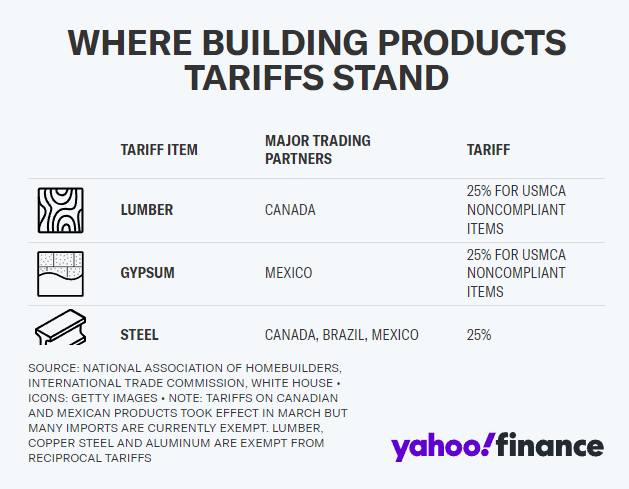
Group 1: Economic Impact on Real Estate - Trump's tariff policies may reignite inflation and lead to a recession in the U.S., putting significant pressure on the real estate market [1] - Redfin's chief economist, Daryl Fairweather, predicts that 2023 could be another lost year for the real estate market due to supply-demand imbalances [1] - Housing inventory remains tight, and developers face challenges due to rising construction material costs and labor shortages caused by immigration policies [1][2] Group 2: Construction Costs and Affordability - The cost of building materials has increased, with key items like bathroom fixtures and tiles affected by a 10% global tariff [2] - Although some materials like copper and lumber have tariff exemptions, the additional costs for imported appliances will ultimately be borne by consumers [3] - The affordability crisis in housing is exacerbated by rising costs, making homeownership increasingly unattainable for many Americans [2] Group 3: Regional Insights and Solutions - Fairweather suggests that the Midwest may represent the last "price valley" for potential homeowners, but relocation is not feasible for those needing to settle in high-cost areas [4] - The responsibility for housing policy lies primarily with local governments, allowing citizens to influence housing supply through participation in local planning committees [5] - Engaging in local planning hearings is seen as a constructive step towards improving housing affordability for all social classes [5]
IBP(IBP) - 2025 Q1 - Earnings Call Transcript
2025-05-08 15:00
Financial Data and Key Metrics Changes - Consolidated net revenue for Q1 2025 decreased by 1% to $685 million compared to $693 million in the same period last year [14] - Same branch sales were down 4% for the first quarter, with a 1.5% increase in price mix offset by a 5.6% decrease in job volumes [14][15] - Adjusted gross margin decreased to 32.7% from 33.9% in the prior year, impacted by higher vehicle insurance and depreciation expenses [15] - Adjusted EBITDA for Q1 2025 decreased to $102 million, reflecting an adjusted EBITDA margin of 15% [16] - Adjusted net income decreased to $58 million or $2.08 per diluted share [16] Business Line Data and Key Metrics Changes - New single-family installation sales were down relative to the same period last year, partially due to one less selling day and adverse weather conditions [7][8] - Multifamily sales in the installation segment decreased by 5% on a same branch basis, following a strong 13% increase in the previous year [9] - Commercial sales in the installation segment declined modestly, with heavy commercial business showing strong growth driven by data center construction [9][65] Market Data and Key Metrics Changes - Single-family starts year-to-date through March 2025 decreased by 6% [11] - Units under construction for multifamily are down 20% from their peak last year, but multifamily starts year-to-date are up 9% [28] - The company noted that Florida is weak, while Texas, the West Coast, Northeast, and Midwest markets remain solid [36] Company Strategy and Development Direction - The company aims to expand its geographic presence and diversify its product mix through acquisitions, targeting over $100 million in annual revenue from acquisitions in 2025 [11] - The business model focuses on geographic end product and end market growth with disciplined capital allocation [6] - The company remains committed to investing in growth and returning capital to shareholders, having paid $57 million in cash dividends and repurchased $34 million of common stock in Q1 [7][19] Management's Comments on Operating Environment and Future Outlook - Management expects housing demand to remain connected to affordability and macroeconomic conditions, with long-term trends in residential and commercial markets remaining favorable [5] - The company is navigating market uncertainty from a strong financial position, with homebuilding customers also in a healthy position [5] - Management remains optimistic about the prospects for the insulation and building product installation business despite headwinds from tariffs, inflation, and consumer sentiment [12] Other Important Information - Cash flow from operating activities increased by 9% to $92 million, primarily due to effective working capital management [10] - The company has a net debt to trailing twelve-month adjusted EBITDA leverage ratio of 1.17 times, well below the target of two times [18] - The second quarter dividend was approved at $0.37 per share, representing a 6% increase over the prior year [19] Q&A Session Summary Question: How is the company managing its labor force in the current demand environment? - The company adjusts install labor based on job volume, holding crews during temporary situations like severe weather but reducing labor during prolonged volume declines [24][25] Question: Can you discuss the impact of the CQ team on managing multifamily revenue? - The CQ team has helped manage multifamily revenue effectively, with only a 5% decline despite a 20% drop in units under construction [27][28] Question: What was the estimated impact of weather and lost selling days on revenue? - The lost selling day is estimated to have cost $10 million to $12 million, with weather impacts adding another $10 million to $20 million [30][31] Question: How do you view trends in single-family markets across different builders? - The regional and local builder business performed slightly better than production builders, with expectations for single-family revenue to be flat or down mid to low single digits this year [35][38] Question: What are the expectations for material prices moving forward? - The material cost environment is expected to remain stable, with no significant declines anticipated despite potential increases in supply [39][40] Question: What is the company's approach to optimizing SG&A costs? - The company is targeting at least $15 million in SG&A cost reductions, with steps already taken to realize these savings [87][100]

美国春季购房季低迷,高利率与关税不确定性拖累楼市
Di Yi Cai Jing· 2025-04-25 08:49
Core Viewpoint - The U.S. housing market is experiencing significant declines in existing home sales, with March 2023 seeing a 5.9% month-over-month drop, the largest since November 2022, attributed to economic uncertainty and high mortgage rates [1][3]. Sales Performance - March 2023's annualized sales rate for existing homes was 4.02 million units, below the expected 4.13 million units, marking a 2.4% year-over-year decline [1]. - The typical home stayed on the market for 36 days in March, an increase from 33 days in the same month last year [3]. - The inventory of homes for sale rose by 8.1% in March, reaching 1.33 million units, a 19.8% increase year-over-year [3]. Market Dynamics - Increased inventory is providing buyers with more negotiation power, with approximately 44% of transactions in Q1 2023 involving seller concessions [3]. - About 25% of listed homes in March saw price reductions, the highest percentage for March since 2018 [3]. - Foreign investor interest in the U.S. housing market is declining, with Asian buyers shifting focus to countries like Thailand, Malaysia, and Australia [4]. Economic Outlook - The Oxford Economics report predicts that the annualized sales rate for existing homes will be 4.13 million units in Q1 2025, lower than the baseline forecast of 4.17 million units [4]. - The report indicates that economic growth will be hampered by tariff increases and policy uncertainty, leading to a further slowdown in sales throughout 2025 [4]. Affordability Issues - The median price of existing homes reached $403,700 in March 2023, a 2.7% year-over-year increase, marking the highest March median price recorded by NAR [5]. - Housing affordability remains at historical lows, with families earning around $80,000 needing an additional $30,000 in income to afford the median-priced home [5]. - Rising property taxes and insurance costs are exacerbating the affordability crisis, with insurance premiums expected to rise by approximately 12% in 2023 and 2024 [6].

美国住宅市场2024年回顾及展望
HTSC· 2025-03-12 05:16
Investment Rating - The report indicates a cautious outlook for the U.S. residential market in 2025, suggesting potential price softening for existing homes and a stable increase in new home market share [1]. Core Insights - The "rate lock effect" continues to be a core issue affecting the supply and sales of existing homes, with a need to monitor the impact of interest rate cuts on the market [1]. - Existing home transactions may gradually shift from a seller's market to a buyer's market, potentially leading to price adjustments and marginal improvements in housing affordability [1]. - Developers are expected to increase the supply of lower-priced housing to enhance affordability, with new home sales and market share projected to grow steadily in 2025 [1]. Sales & Prices - In 2024, U.S. home sales slightly declined under the dual pressures of high prices and high interest rates, with total transactions at 4.746 million units, down 0.4% year-on-year [3]. - New home sales remained relatively stable at 682,000 units, up 2.4% year-on-year, while existing home sales fell to 4.064 million units, marking a historical low [8]. - The median price for new homes was $420,000, a 1.2% decrease from 2023, while existing home prices reached a median of $401,000, up 4.5% year-on-year [15]. Supply & Interest Rates - By the end of 2024, total housing inventory in the U.S. increased by 14.3% year-on-year, with existing home inventory remaining tight at 1.15 million units, up 16.2% year-on-year [21]. - Despite the Federal Reserve's interest rate cuts, the 30-year fixed mortgage rate remained high at 6.96% as of January 2025, indicating ongoing pressure on potential homebuyers [27][28]. Challenges in the Market - The U.S. housing market faces significant challenges, including a supply gap of 3.7 million units and a high percentage of homeowners unwilling to sell due to low existing mortgage rates [5][33]. - The affordability crisis is exacerbated by high home prices and interest rates, with the housing purchase index nearing historical lows [20]. 2025 Outlook - The report anticipates that existing home prices may soften, transitioning the market dynamics towards a buyer's market, influenced by the lengthening transaction periods and increasing new listings [37][40]. - The share of new homes is expected to increase as builders focus on smaller, more affordable units, with a projected 13.8% growth in single-family home starts in 2025 [42].