多边贸易体制

Search documents
对话合作不是奢侈品,而是必需品(权威论坛)
Ren Min Ri Bao· 2026-01-26 03:39
1月19日晚,在瑞士达沃斯,人们在世界经济论坛2026年年会活动上交流。 新华社记者 连漪 摄 2025年10月7日,在秘鲁钱凯港,中远海运港口秘鲁钱凯公司中外员工进行作业监控。 玛丽安娜·巴索 摄 雅努什·皮耶霍钦斯基(波兰前副总理、波兰亚洲工商会主席) 孙立鹏(中国现代国际关系研究院美国所副所长、研究员) 丁 纯(复旦大学经济学院世界经济研究所教授) 1月12日,在浙江义乌市国际商贸城一区玩具销售区,芬兰外商与"哭哭马"小马公仔玩具合影。 吕斌 摄 1月1日,一列装有汽车配件的火车从中哈(连云港)物流合作基地发往哈萨克斯坦。 王健民 摄 近日举行的世界经济论坛2026年年会以"对话的精神"为主题,吸引全球130多个国家和地区近3000名不 同领域的代表参加。各方普遍认为,尽管全球合作的图景与以往截然不同,但协作路径与对话精神依然 至关重要;对话合作不是奢侈品,而是这个世界的必需品。 本期邀请6位中外嘉宾,共同探讨在单边主义、保护主义抬头,全球贸易持续承压,世界经济动荡前行 的当下,如何以对话增进信任、以合作促进共赢。 迪安·贝克(美国经济与政策研究中心高级经济学家) 马科斯·皮雷斯(巴西圣保罗州立大学政治 ...

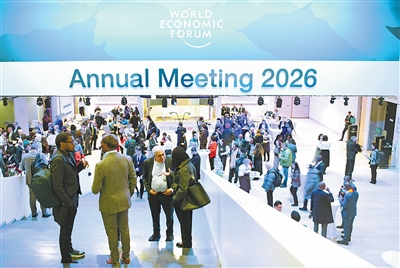
国际形势变乱交织,各国尤需坚持对话协商、增强合作韧性—— 对话合作不是奢侈品,而是必需品(权威论坛)
Ren Min Ri Bao· 2026-01-25 22:51
迪安·贝克(美国经济与政策研究中心高级经济学家) 马科斯·皮雷斯(巴西圣保罗州立大学政治经济学教授) 近日举行的世界经济论坛2026年年会以"对话的精神"为主题,吸引全球130多个国家和地区近3000名不 同领域的代表参加。各方普遍认为,尽管全球合作的图景与以往截然不同,但协作路径与对话精神依然 至关重要;对话合作不是奢侈品,而是这个世界的必需品。 本期邀请6位中外嘉宾,共同探讨在单边主义、保护主义抬头,全球贸易持续承压,世界经济动荡前行 的当下,如何以对话增进信任、以合作促进共赢。 雅努什·皮耶霍钦斯基(波兰前副总理、波兰亚洲工商会主席) 孙立鹏(中国现代国际关系研究院美国所副所长、研究员) 丁纯(复旦大学经济学院世界经济研究所教授) 田代秀敏(日本无限合同会社首席经济师) (一) 世界经济的大海需要相互联通。各国的目标应该是实现更加开放的贸易 丁纯:习近平主席在世界经济论坛2017年年会开幕式上指出:"让世界经济的大海退回到一个一个孤立 的小湖泊、小河流,是不可能的,也是不符合历史潮流的。"这一重要论断,深刻揭示了经济全球化的 内在规律。 从经济学视角看,人类对发展与福祉的追求,本质上就是不断突破地域限制 ...
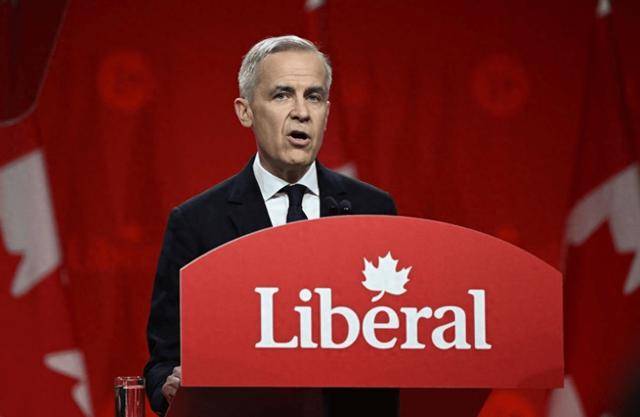
2000亿协议刚到手,面对镜头卡尼向西方喊话:中国比美国可靠得多
Sou Hu Cai Jing· 2026-01-17 11:19
Group 1 - Canada is experiencing a significant economic adjustment, with global GDP growth slowing from 3.3% in Q2 2025 to 2.9% in Q3 2025 [3] - The average tariff rate in the U.S. has risen to 11.2%, the highest level since the 1940s, impacting Canadian exports and highlighting its dependency on the U.S. market [5] - The recent visit of Canadian Prime Minister to China is seen as a strategic economic diplomacy move, resulting in the signing of the first high-level cooperation document in Canada-China trade relations [7] Group 2 - The agreement between Canada and China includes a quota of 49,000 electric vehicles per year for Canada, with a reduced tariff rate of 6.1%, replacing the previous 100% additional tax [9] - Canada is adjusting its anti-dumping measures on Chinese canola and certain agricultural products, indicating a mutual willingness to resolve trade issues [9] - The shift in Canada's perception of China, with Prime Minister stating that China is more stable and predictable than the U.S., reflects a broader change in global attitudes towards China [11][13] Group 3 - The warming of Canada-China relations is part of a larger trend where Western countries are recognizing the importance of cooperation with China [15] - Both countries are set to enhance collaboration in various fields, including macroeconomics, energy, finance, public safety, and cultural exchanges, laying a solid foundation for long-term relations [17] - Canada supports China's hosting of the 2026 APEC meeting and appreciates China's application to join the CPTPP, indicating a willingness to engage in multilateral cooperation [18][20]
商务部:加拿大将给予中国电动汽车每年4.9万辆配额,配额内关税降至6.1%
Sou Hu Cai Jing· 2026-01-17 07:45
Group 1 - The core point of the news is the formal visit of Canadian Prime Minister Carney to China, during which both countries reached a broad consensus on deepening economic and trade cooperation and signed the "China-Canada Economic and Trade Cooperation Roadmap" [1][2] - The "China-Canada Economic and Trade Cooperation Roadmap" is the first high-level cooperation document in the history of bilateral economic relations, marking an important milestone in the new strategic partnership between the two countries [2] - The roadmap includes specific arrangements to address trade issues in electric vehicles, steel and aluminum products, canola, and agricultural products, as well as agreements to increase direct flights and improve the business environment [2][3] Group 2 - Both parties agreed to elevate the China-Canada Economic and Trade Joint Committee from a vice-ministerial to a ministerial-level cooperation mechanism, enhancing dialogue on intellectual property and trade remedies [5] - The roadmap outlines cooperation in eight areas, including agriculture, food security, green and sustainable trade, e-commerce, and economic and financial cooperation, proposing 28 specific initiatives [5] - There is a mutual commitment to support a rules-based multilateral trading system centered around the WTO, with both sides expressing support for the upcoming APEC meeting hosted by China in 2026 [5] Group 3 - Canada will adjust its measures regarding the export of electric vehicles from China, providing an annual quota of 49,000 vehicles that will enjoy a 6.1% most-favored-nation tariff rate, eliminating the previously imposed 100% additional tax [4] - Both sides have reached a preliminary consensus on adjusting anti-dumping measures for canola and other agricultural products, indicating a spirit of cooperation to address trade concerns [6]
商务部:加拿大将给予中国电动汽车每年4.9万辆配额 配额内关税降至6.1%
Xin Lang Cai Jing· 2026-01-17 01:15
Group 1 - The core point of the news is the formal visit of Canadian Prime Minister Carney to China, during which both countries reached a broad consensus on deepening economic and trade cooperation and signed the "China-Canada Economic and Trade Cooperation Roadmap" [1][2] - The roadmap includes the elevation of the China-Canada Economic and Trade Joint Committee from a vice-ministerial to a ministerial-level cooperation mechanism, enhancing dialogue on intellectual property and trade remedy issues [1][2] - The roadmap outlines cooperation in eight areas, including agriculture, food security, green trade, e-commerce, and economic and financial cooperation, proposing 28 specific measures for collaboration in both traditional and new sectors [2] Group 2 - Both sides reached a preliminary joint arrangement to address trade issues concerning electric vehicles, steel, aluminum products, and agricultural products, indicating a significant step towards resolving bilateral trade concerns [2][4] - Canada announced a positive adjustment regarding tariffs on Chinese electric vehicles, providing an annual quota of 49,000 vehicles with a 6.1% most-favored-nation tariff rate, eliminating the previously imposed 100% additional tax [3] - Initial consensus was reached on adjusting anti-dumping measures on canola and agricultural products, with both sides committed to making positive adjustments to facilitate deeper industrial cooperation [4]
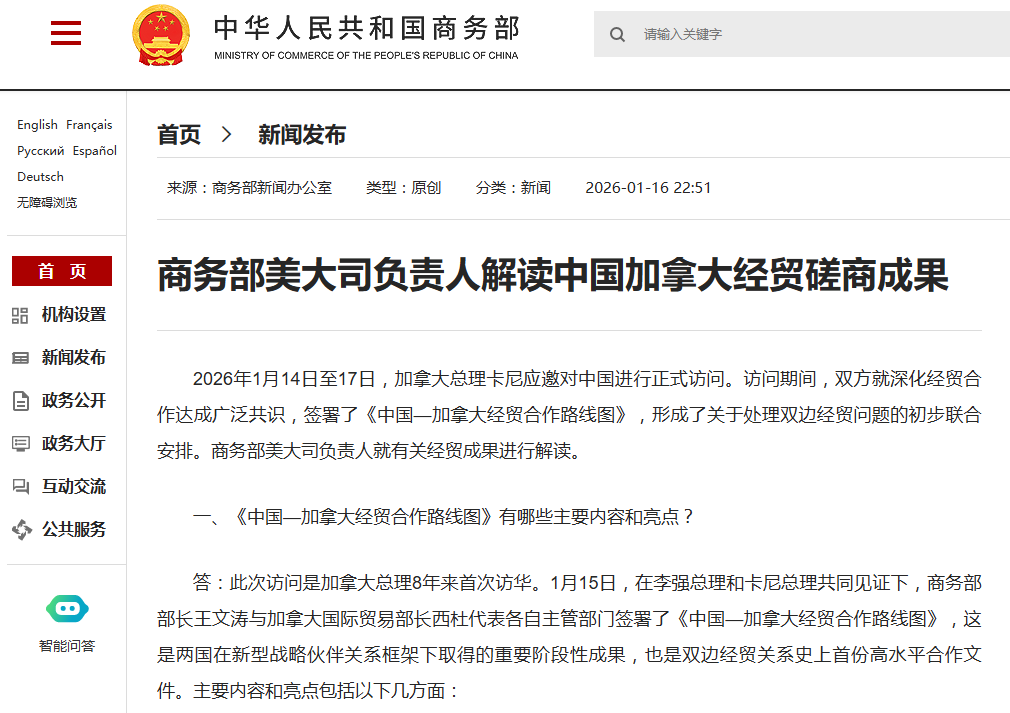
加拿大将给予中国电动汽车每年4.9万辆配额,配额内关税降至6.1%
Jin Rong Jie· 2026-01-17 00:33
Core Points - Canadian Prime Minister Carney's visit to China from January 14 to 17 resulted in a broad consensus on deepening economic and trade cooperation, culminating in the signing of the "China-Canada Economic and Trade Cooperation Roadmap" [1][3] Group 1: Economic and Trade Cooperation Roadmap - The roadmap is the first high-level cooperation document in the history of China-Canada bilateral trade relations, marking a significant achievement under the new strategic partnership framework [3] - Both parties agreed to elevate the China-Canada Economic and Trade Joint Committee from a vice-ministerial to a ministerial-level cooperation mechanism, enhancing dialogue on intellectual property and trade relief [3] - The roadmap outlines cooperation in eight areas, including agriculture, food security, green trade, e-commerce, and economic and financial cooperation, proposing 28 specific measures for collaboration [4] Group 2: Multilateral and Regional Cooperation - Both sides expressed support for a rules-based multilateral trading system centered around the WTO, aiming for practical outcomes in WTO reform during the upcoming 14th Ministerial Conference [4] - Canada has positively responded to China's hosting of the 2026 APEC meeting and its participation in the Comprehensive and Progressive Agreement for Trans-Pacific Partnership [4] Group 3: Specific Trade Issues - The two countries have engaged in multiple rounds of consultations to address trade issues concerning electric vehicles, steel, aluminum products, canola, and agricultural products, leading to preliminary arrangements [5] - Canada plans to adjust its measures on Chinese electric vehicle exports, offering a quota of 49,000 vehicles annually with a 6.1% most-favored-nation tariff, eliminating the previous 100% additional tax [6][7] - Both parties have reached a preliminary consensus on adjusting anti-dumping measures on canola and addressing concerns related to agricultural products, aiming to enhance bilateral industrial cooperation [8]
加拿大将给予中国电动汽车每年4.9万辆配额,配额内关税降至6.1%
21世纪经济报道· 2026-01-17 00:15
Group 1 - The core viewpoint of the article highlights the significant outcomes of Canadian Prime Minister Carney's visit to China, which resulted in the signing of the "China-Canada Economic and Trade Cooperation Roadmap" and a broad consensus on deepening economic and trade cooperation between the two countries [1][2]. - The "China-Canada Economic and Trade Cooperation Roadmap" is the first high-level cooperation document in the history of bilateral economic relations, marking an important milestone in the new strategic partnership [1][3]. - The roadmap includes specific arrangements to address trade issues in sectors such as electric vehicles, steel and aluminum products, canola, and agricultural products, indicating a proactive approach to resolving bilateral trade concerns [1][4]. Group 2 - Both parties agreed to elevate the China-Canada Economic and Trade Joint Committee from a vice-ministerial to a ministerial-level cooperation mechanism, enhancing dialogue on intellectual property and trade remedies [3]. - The roadmap outlines cooperation in eight areas, including agriculture, food security, green and sustainable trade, e-commerce, and financial cooperation, proposing 28 specific initiatives to boost collaboration in both traditional and emerging sectors [3]. - There is a mutual commitment to support a rules-based multilateral trading system, with both sides aiming to achieve practical outcomes at the upcoming WTO Ministerial Conference [3]. Group 3 - Canada plans to adjust its measures regarding the export of electric vehicles from China, offering an annual quota of 49,000 vehicles with a 6.1% most-favored-nation tariff, eliminating the previous 100% additional tax [4]. - Initial consensus has been reached on adjusting anti-dumping measures for canola and other agricultural products, reflecting a spirit of cooperation and a willingness to address trade barriers [4].

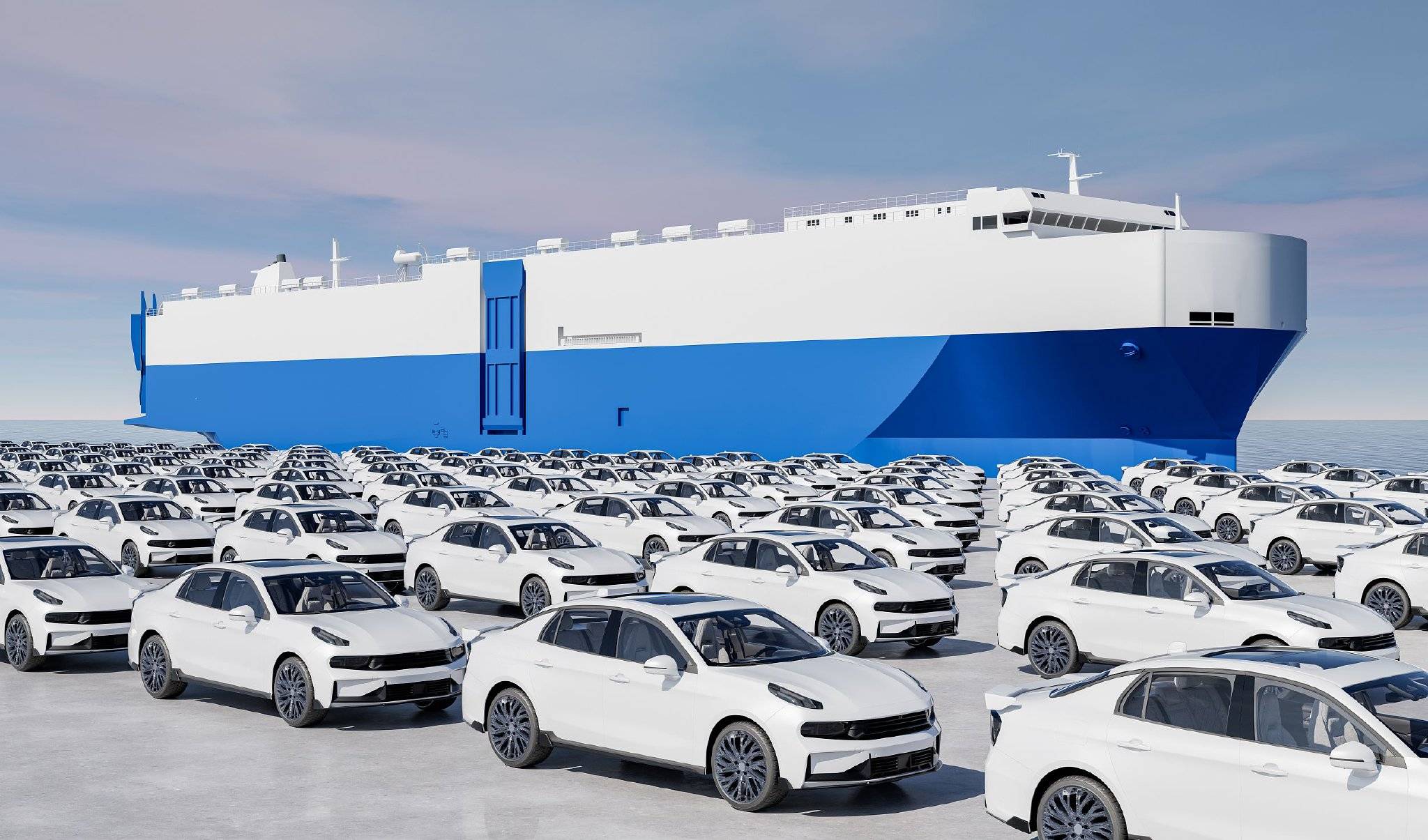
商务部解读中国加拿大经贸磋商成果
Xin Hua Wang· 2026-01-16 17:09
Core Points - The visit of Canadian Prime Minister Carney to China from January 14 to 17, 2026, resulted in a broad consensus on deepening economic and trade cooperation, culminating in the signing of the "China-Canada Economic and Trade Cooperation Roadmap" [1][2] Group 1: Economic Cooperation Framework - The "China-Canada Economic and Trade Cooperation Roadmap" is the first high-level cooperation document in the history of bilateral economic relations, marking a significant milestone [1] - Both parties agreed to elevate the China-Canada Economic and Trade Joint Committee from a vice-ministerial to a ministerial-level cooperation mechanism, enhancing dialogue on intellectual property and trade remedies [1][2] Group 2: Areas of Cooperation - The roadmap outlines cooperation in eight areas, including agricultural food security, green and sustainable trade, e-commerce, and economic and financial cooperation, proposing 28 specific initiatives [2] - The agreement aims to facilitate cooperation in traditional sectors like energy and agriculture, as well as new sectors such as advanced manufacturing and clean energy [2] Group 3: Multilateral Cooperation - Both sides expressed support for a rules-based multilateral trading system centered around the WTO, aiming for practical outcomes in WTO reform [2] - Canada has positively responded to China's hosting of the 2026 APEC meeting and its participation in the Comprehensive and Progressive Agreement for Trans-Pacific Partnership [2] Group 4: Bilateral Trade Issues - Recent discussions have led to preliminary arrangements to address bilateral trade issues, including electric vehicles, steel, aluminum products, and agricultural products [2][3] - Canada will adjust its measures on Chinese electric vehicle exports, providing an annual quota of 49,000 vehicles with a 6.1% most-favored-nation tariff rate, eliminating the previous 100% additional tariff [3] Group 5: Adjustments and Future Steps - Both parties are committed to finalizing details and action plans to implement the agreements, ensuring the outcomes are realized promptly [3] - Canada will make positive adjustments regarding its unilateral measures on electric vehicles and steel, while China will adjust anti-dumping measures on canola and certain agricultural products [4][5]
税率从100%降至6.1%,加拿大总理宣布进口4.9万辆中国电动汽车
Sou Hu Cai Jing· 2026-01-16 15:58
Group 1 - The economic and trade relationship between China and Canada is rapidly warming, with Canada agreeing to allow up to 49,000 Chinese electric vehicles into its market at a 6.1% most-favored-nation tariff rate, reverting to pre-trade friction levels [1] - Canadian Prime Minister Carney's visit to China aims to reinforce the principles and policies guiding China-Canada relations, emphasizing mutual respect and benefit [1] - A joint statement from the leaders of China and Canada highlights the importance of providing a fair and open business environment for enterprises and the commitment to address each other's economic concerns through constructive consultations [1] Group 2 - Both countries agreed to support cooperation in the clean energy sector and enhance collaboration in the development of traditional energy resources such as oil and natural gas [3] - The leaders reaffirmed their commitment to multilateralism and maintaining a rules-based multilateral trading system centered around the World Trade Organization, ensuring the stability of global supply chains [4] - Carney's background as an economist and former central bank governor underscores the significance of his visit, which includes cabinet members from various sectors, indicating a comprehensive approach to strengthening bilateral ties [4]
商务部美大司负责人解读中国加拿大经贸磋商成果
证券时报· 2026-01-16 15:25
Core Viewpoint - The article discusses the recent official visit of Canadian Prime Minister Carney to China, highlighting the signing of the "China-Canada Economic and Trade Cooperation Roadmap" and the broad consensus reached on deepening economic and trade cooperation between the two countries [1][2]. Group 1: Key Contents of the "China-Canada Economic and Trade Cooperation Roadmap" - The visit marks the first trip to China by a Canadian Prime Minister in eight years, resulting in the signing of a high-level cooperation document that strengthens the bilateral economic relationship [2]. - Both parties agreed to elevate the China-Canada Economic and Trade Joint Committee from a vice-ministerial to a ministerial-level cooperation mechanism, enhancing dialogue on intellectual property and trade remedies [2]. - The roadmap outlines cooperation in eight areas, including agriculture, food security, green trade, e-commerce, and financial cooperation, proposing 28 specific initiatives to boost collaboration in traditional and emerging sectors [3]. Group 2: Initial Joint Arrangements on Economic Issues - The two sides have engaged in multiple rounds of consultations to address trade issues concerning electric vehicles, steel, aluminum products, and agricultural products, leading to specific arrangements [4]. - There is a consensus on increasing direct flights, improving the business environment, and adjusting inspection and quarantine measures for agricultural products, marking a significant step towards deeper economic cooperation [4]. Group 3: Adjustments to Trade Measures - Canada plans to adjust its measures on Chinese electric vehicle exports, offering an annual quota of 49,000 vehicles with a 6.1% most-favored-nation tariff, eliminating the previous 100% additional tax [5]. - Both countries are working towards adjusting anti-dumping measures on canola and other agricultural products, reflecting a spirit of cooperation and aiming to enhance bilateral industry collaboration [6].