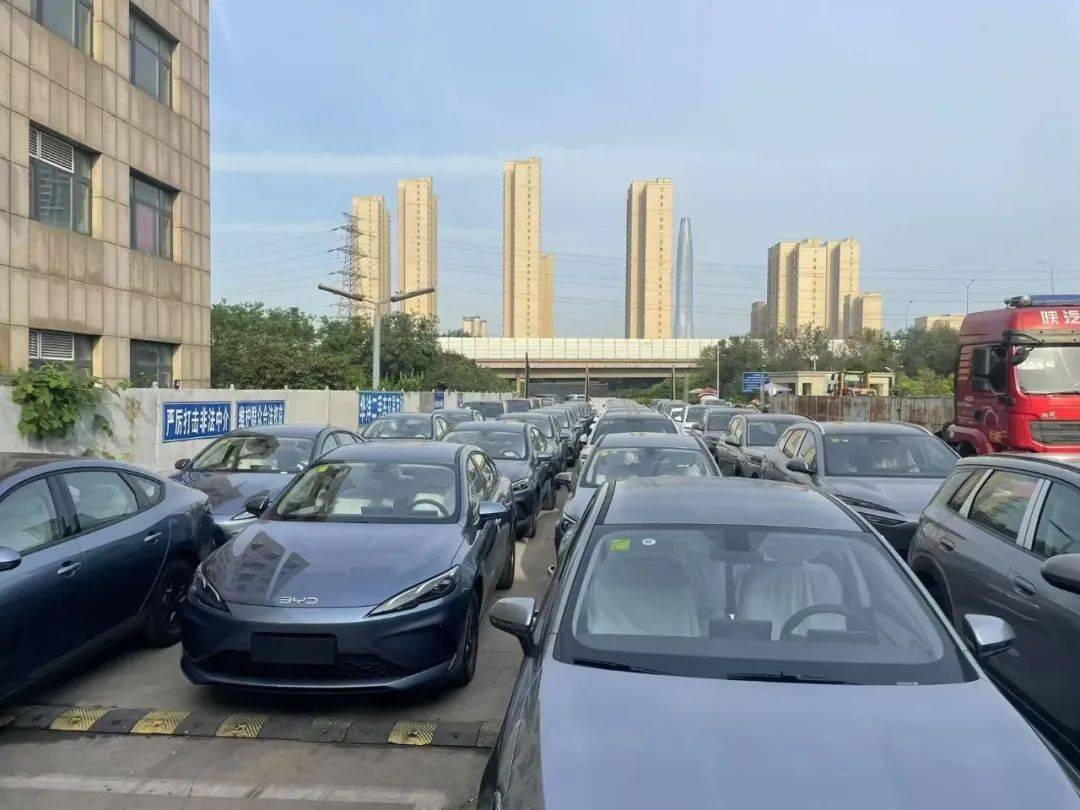
新能源汽车出海

Search documents
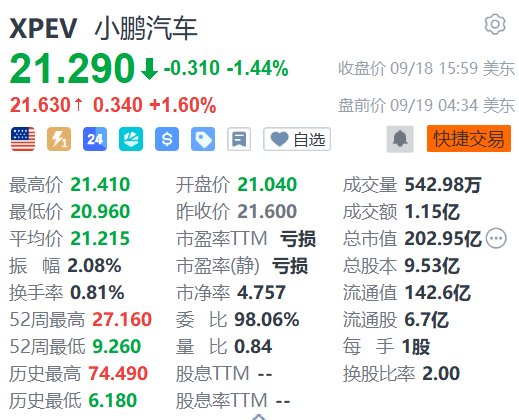
美股异动|小鹏汽车盘前涨超1% 1-8月小鹏境外交付量同比增长137%
Ge Long Hui· 2025-09-19 08:49
Group 1 - The core message highlights that Xiaopeng Motors (XPEV.US) has achieved significant sales milestones, ranking first in the new energy vehicle market in 12 countries and regions from January to August this year [1] - Xiaopeng's overseas delivery volume has increased by 137% year-on-year, indicating strong international demand for its electric vehicles [1] - The company has nearly doubled its number of overseas stores, reflecting its expansion strategy in international markets [1] Group 2 - Xiaopeng's pre-market stock price rose by 1.6% to $21.63, following the positive news about its sales performance [1] - The company's market capitalization stands at approximately $20.295 billion, with a total share capital of 953 million [1] - The stock has experienced a 52-week high of $27.16 and a low of $9.26, indicating significant volatility in its market performance [1]

加速出海、深耕本地,中国车企在欧洲打开新局
Zhong Guo Xin Wen Wang· 2025-09-15 14:59
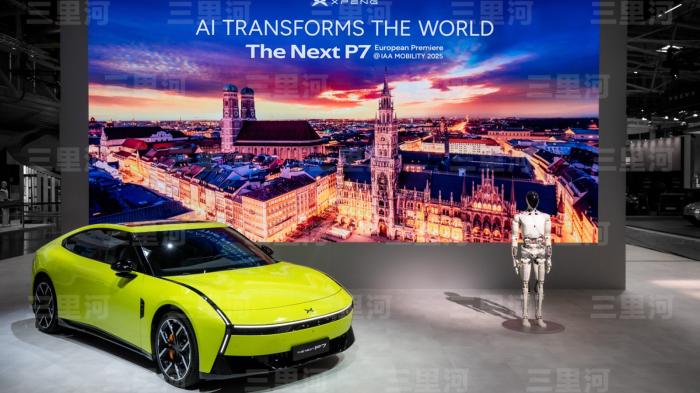
Core Insights - Chinese electric vehicles are making significant inroads into the European market, particularly highlighted at the Munich Auto Show, where they showcased advanced models and technologies [1][3][4] Group 1: Market Presence - At the Munich Auto Show, China had the largest number of exhibitors among foreign participants, accounting for nearly one-third of the total, indicating a strong presence in the European automotive market [3] - Major Chinese automakers like Xpeng, GAC, and BYD are launching new models specifically designed for the European market, showcasing their commitment to local adaptation [1][4] Group 2: Strategic Shifts - Chinese automakers are shifting from a "domestic production + vehicle export" strategy to a more localized approach, emphasizing "in Europe, for Europe" to better integrate into the European market [4] - The focus is now on technological innovation rather than just competitive pricing, with Chinese companies emerging as technology leaders and standard-setters in the electric vehicle sector [5] Group 3: Investment Trends - According to a report by the Rhodium Group, in 2024, Chinese investments in the overseas electric vehicle sector are projected to reach $16 billion, surpassing domestic investments for the first time [6] - The battery sector is a significant focus, accounting for 74% of the total overseas investment in the Chinese electric vehicle industry, with companies like CATL leading the charge [6] Group 4: Export Growth - From January to August this year, China exported 4.292 million vehicles, a year-on-year increase of 13.7%, with electric vehicle exports reaching 1.532 million, up 87.3% [6] - The overseas expansion is expected to yield higher returns and strategic value for Chinese companies, marking a shift in the global automotive landscape [6][7]

中德车企慕尼黑对弈
Zhong Guo Xin Wen Wang· 2025-09-15 13:28
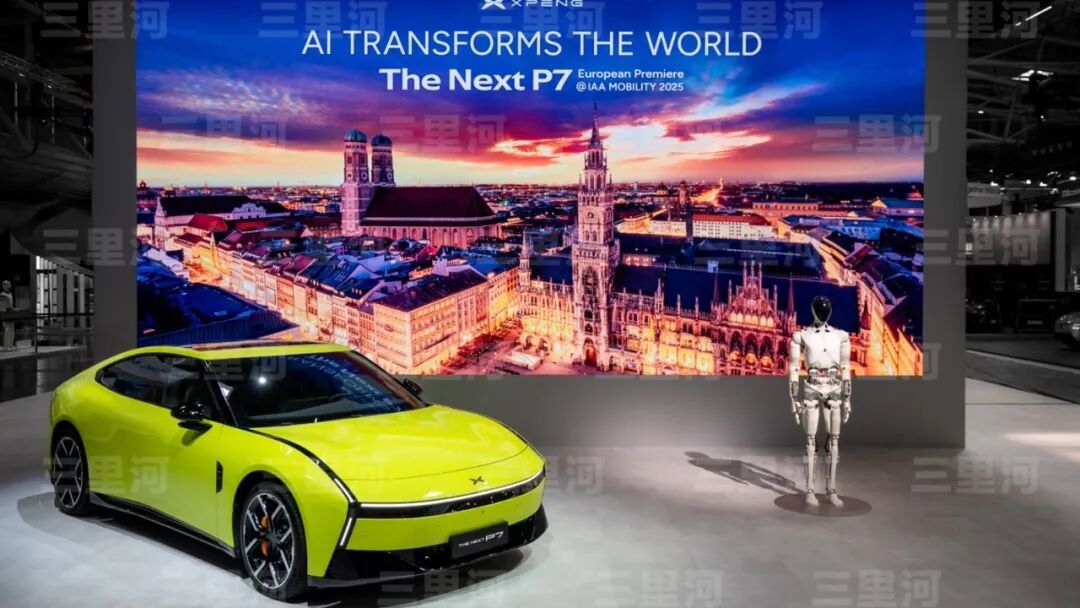
Core Insights - Chinese electric vehicles (EVs) are making significant inroads into the European market, particularly highlighted at the Munich Auto Show where they became the focal point [1][2][4] Group 1: Market Presence - At the Munich Auto Show, Chinese brands like Xpeng, GAC, and BYD showcased new models and announced production plans in Europe, indicating a strong commitment to the market [2][4] - China had the largest number of exhibitors after Germany, accounting for nearly one-third of foreign participants, showcasing a systematic approach to entering the European market [4] Group 2: Strategic Shifts - Chinese automakers are shifting from a "domestic production + vehicle export" model to a localized strategy, emphasizing "in Europe, for Europe" to better integrate into the European market [6][7] - This shift mirrors the earlier strategies of German automakers in China, indicating a role reversal in the global automotive landscape [7] Group 3: Technological Advancements - Chinese companies are transitioning from competing on price to focusing on technology, with significant innovations in battery and smart driving technologies [8][9] - Many foreign exhibits at the Munich Auto Show utilized Chinese technology, highlighting China's emerging role as a technology exporter and standard setter in the automotive industry [10] Group 4: Investment Trends - A report from Rhodium Group indicates that in 2024, China's overseas investment in the EV sector is projected to reach $16 billion, surpassing domestic investments for the first time [12] - The growth in overseas investment is reflected in the establishment of factories globally by Chinese automakers, such as Chery in Spain and Great Wall in Brazil [13] - Battery manufacturers are leading the charge in overseas investments, accounting for 74% of the total, driven by companies like CATL and others expanding their global footprint [13] Group 5: Challenges and Future Outlook - Despite the progress, challenges remain in local adaptation, compliance management, and operational efficiency as Chinese companies navigate deeper into international markets [14] - The structural transformation driven by technology, capital, and branding is redefining the competitive landscape of the global automotive industry [14]


车车科技(CCG.US)上半年新能源车险保费暴涨150%,股价三天飙升40%,加码全球出海计划
智通财经网· 2025-09-12 02:19
Core Insights - Car Car Technology (CCG.US) reported a total premium of 11.5 billion yuan (approximately 1.6 billion USD) for the first half of 2025, a 4% increase from 11.1 billion yuan in the same period last year [1] - The company has made significant progress in the new energy vehicle insurance sector, with platform transaction volume exceeding 810,000 orders, a year-on-year increase of 135.5% [1] - The stock price surged by 40% over three consecutive days following the financial report, reflecting strong market confidence [7] Financial Performance - Total premium scale reached 11.5 billion yuan, with new energy vehicle insurance premiums accounting for 22.6% of the total [1] - New energy vehicle insurance premiums reached 2.6 billion yuan, a 150.6% increase year-on-year, marking three consecutive years of over 100% growth [1][2] - Adjusted losses narrowed by 56.9% year-on-year, indicating a potential for overall profitability in 2025 [6] Strategic Partnerships and Market Position - The company has established strategic partnerships with 15 mainstream new energy vehicle manufacturers and integrated products from 80 insurance companies [2] - Car Car Technology is positioned as a digital insurance solution partner for major brands like Xiaomi, Tesla, and Li Auto, replacing traditional insurance sales models [2] - The company aims to serve approximately 30% to 40% of China's new energy vehicle market in the next 3-5 years [1] Technological Advancements - The company has implemented AI-driven solutions to enhance operational efficiency, achieving a 30% improvement in customer service metrics and a nearly 50% increase in monthly order efficiency [5] - The AI-driven risk control system has improved fraud detection accuracy and reduced claims risk for partner insurance companies by approximately 20% [5] Future Growth and Expansion - The overseas strategy is expected to accelerate, with projections indicating that overseas business will become a major growth engine starting in 2026 [3] - The new energy vehicle insurance market is projected to reach 285.6 billion yuan by 2027, representing a 103% growth from 2024 [2] - The company plans to gradually reduce investments in traditional fuel vehicle insurance and focus on smart connected new energy vehicles [4]
电厂丨承接东风集团的希望,岚图上市有什么底气?
Xin Lang Cai Jing· 2025-09-02 07:18
Core Viewpoint - Dongfeng Group is betting its future on its electric vehicle brand, Voyah, as it announces plans for a public listing in Hong Kong and initiates privatization procedures, reflecting a significant shift in its capital market strategy [1] Group 1: Market Reaction and Performance - Following the announcement, Dongfeng Group's stock surged nearly 70%, reaching a peak of HKD 10.10, indicating strong market enthusiasm for electric vehicle brands despite existing sales gaps [1] - Voyah's projected delivery volume is expected to grow by approximately 70% year-on-year in 2024, with consistent monthly sales exceeding 10,000 units since 2025, which has garnered market recognition [1] Group 2: International Expansion Strategy - Voyah's listing in Hong Kong is anticipated to attract overseas capital, facilitating its export strategy, with plans to cover European markets by 2026 and expand to 60 countries by 2030 [2] - As of 2025, Voyah has exported 3,905 vehicles, with 99% of sales directed to Europe, particularly Russia, which accounts for 88% of its total export volume [4] Group 3: Market Positioning and Challenges - Voyah's choice to enter the European market is surprising given the preference for smaller vehicles among European consumers, as Voyah's models are generally larger than the best-selling electric vehicles in the region [6] - Despite the challenges, Europe remains an attractive market due to its advanced charging infrastructure and high acceptance of electric vehicles, presenting a significant market gap for Voyah [8] Group 4: Technological Advancements - Voyah emphasizes technological innovation and an internet-driven approach, launching the "Tianyuan Smart Architecture" aimed at L3 autonomous driving, integrating advanced features like steer-by-wire and distributed electric drive [10] - The introduction of the "Lanhai Smart Hybrid" technology positions Voyah among the industry's leaders, combining an 800V high-voltage system with a 63kWh battery, set to be available in new flagship models by late 2025 [13] Group 5: User-Centric Development - Voyah adopts a user-centric approach in vehicle development, involving customers in the design and testing phases, which has led to significant improvements in product iterations based on user feedback [15] - The rapid iteration process has resulted in strong sales performance, with the Voyah FREE+ model achieving over 10,000 pre-orders shortly after its launch, positioning it among the top three hybrid SUVs in its price range [15]

零跑野心加码
Hua Er Jie Jian Wen· 2025-09-01 10:09
Core Insights - Leap Motor has significantly increased its sales, achieving a delivery volume of 57,000 units in August, up from 25,000 units in January, and aims to surpass 100,000 annual sales next year [2][3] - The company has become the second new force in the electric vehicle market to achieve profitability, outpacing competitors like NIO and Xpeng [2] - Leap Motor's competitive strategy focuses on high-quality features at lower prices, which has allowed it to capitalize on market opportunities amid intense price competition [2][4] Sales and Production Strategy - Leap Motor's Vice President, Cao Li, outlined a strategic blueprint for achieving the ambitious sales target of over 1 million units annually, with expectations for the B series to reach monthly sales of 30,000 to 40,000 units and the C series contributing around 40,000 units [3][24] - The company plans to introduce a new product line, LAFA, aimed at the personalized market, with the first model, LAFA5, set to debut at the Munich Auto Show [4][25] Market Positioning - Leap Motor aims to capture the mainstream market segment priced between 100,000 to 300,000 yuan, indicating a strategic shift towards more personalized offerings while maintaining a focus on volume [4][24] - The D series is positioned in the 300,000 yuan and above segment, which is highly competitive, but the company believes there is significant market potential as consumer spending trends upward [8][20] Brand Development and International Expansion - The company is working to enhance its brand recognition in international markets, particularly in Europe, where it has established nearly 600 sales outlets through partnerships [9][10] - Leap Motor emphasizes the importance of localizing production to meet market demands and reduce costs, with plans to localize production of the B10 model in Europe by next year [12][15] Financial Performance and Profitability - Leap Motor's gross margin has reached 14.1%, with a focus on maintaining reasonable margins to support sustainable growth while aiming for a larger market share [20][21] - The company prioritizes scaling its operations over pursuing high margins, with a long-term goal of becoming a top global automotive brand [20][23]


商用车“出海”热潮正起,潍柴动力上半年新能源重卡销量同比增255%
Di Yi Cai Jing· 2025-08-30 13:40
Core Insights - The growth of Weichai Power is primarily driven by two main lines: new energy and exports [1][3] Company Performance - In the first half of 2025, Weichai Power achieved operating revenue of 113.15 billion yuan and a net profit attributable to shareholders of 5.64 billion yuan [1] - The company's commercial vehicle segment showed robust performance, with Shaanxi Heavy Duty Truck's sales reaching 73,000 units, a year-on-year increase of 14.6% [1] - New energy vehicle sales exceeded 10,000 units, reflecting a significant year-on-year growth of 255% [1] - Export performance was notable, with 27,000 heavy trucks exported, achieving year-on-year sales growth of over 100% in markets such as Guinea, Saudi Arabia, and Algeria [1] Industry Trends - The Chinese new energy vehicle sector is expanding its international presence, with the production and sales of new energy vehicles reaching 6.968 million and 6.937 million units respectively in the first half of 2025, marking year-on-year growth of 41.4% and 40.3% [2] - Exports of new energy vehicles surged to 1.06 million units in the first half of 2025, representing a year-on-year increase of 75.2% [2] - From January to July 2025, the cumulative export of new energy commercial vehicles reached 54,000 units, a year-on-year increase of 200% [3] - The overseas orders for Weichai Power significantly supported its performance, with its subsidiary KION Group reporting revenue of 5.5 billion euros and a net profit of 47.9 million euros, alongside new orders of 6.21 billion euros, a year-on-year increase of 22% [3] - The new energy commercial vehicle export model has evolved from simple vehicle trade to a comprehensive ecosystem that includes vehicles, chassis, power batteries, charging stations, financial leasing, and after-sales services [3] Future Outlook - Weichai Power anticipates a development opportunity period for the commercial vehicle industry in the second half of the year [4]
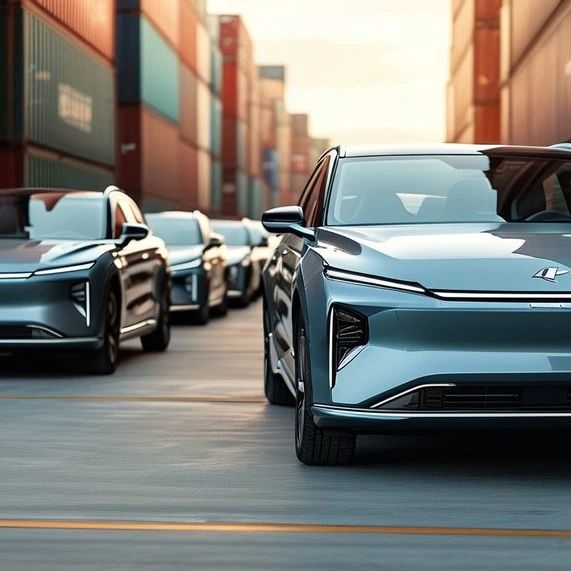
新能源车出海“暗战”:毛利几乎砍半
虎嗅APP· 2025-08-28 13:54
Core Viewpoint - The article discusses the challenges and opportunities faced by Chinese electric vehicle manufacturers as they expand into international markets, highlighting the significant growth in exports and the competitive landscape they encounter [4][5]. Summary by Sections Export Growth - In 2023, Chinese electric vehicle exports reached 1.203 million units, a year-on-year increase of 77.6%. Projections for 2024 suggest exports will rise to 1.284 million units, a growth of 6.7% [4]. - From January to May 2025, exports totaled 855,000 units, marking a 64.6% increase compared to the same period in 2024, establishing a solid foundation for the full year [4]. Market Expansion - The article notes the increasing marketing activities for electric vehicles in regions like South America, South Africa, and Egypt, with Brazil being a significant market where Chinese brands captured 91.4% of the imported electric vehicle market in the first half of 2024, amounting to $1.2 billion in sales [7]. - Great Wall Motors reported sales of 229,800 units in Russia in 2024, accounting for approximately 12% of the local passenger car market [7]. Challenges in International Markets - The article highlights the challenges faced by manufacturers, including intense competition, patent disputes, and stringent certification requirements [5][14]. - In Russia, high taxes and tariffs on imported vehicles have led to inflated prices, making it difficult for potential consumers to afford these vehicles [9]. Parallel Export Strategy - The "parallel export" method, where vehicles are registered domestically before being exported as used cars, has gained traction among dealers due to lower costs compared to traditional export methods [11]. - This approach allows for quicker market entry, reducing the export process time significantly, but it also raises concerns about brand integrity and profit margins, which have reportedly halved due to increased competition [12][13]. Patent and Certification Issues - The article discusses recent patent lawsuits faced by companies like BYD and Geely, which could hinder their market access and operations in foreign countries [14]. - The certification process for entering markets like the EU is complex and costly, requiring compliance with numerous technical standards, which can deter companies from pursuing these markets [17]. Competitive Landscape - Companies are investing heavily in R&D to enhance product differentiation and are actively engaging in marketing efforts to boost brand recognition and product reputation [17]. - The article concludes that while the global electric vehicle market presents significant opportunities, it also poses substantial challenges that require strategic navigation to succeed [18].
毛利几乎砍半,经销商揭开新能源车出海的“暗战”
3 6 Ke· 2025-08-28 12:11
Core Insights - The article highlights the significant growth of Chinese electric vehicle (EV) exports, with 1.203 million units exported in 2023, marking a 77.6% year-on-year increase [1] - The expansion of the EV market is evident in various regions, including South America, the Middle East, and Russia, where Chinese brands are gaining popularity [2][4] - Challenges such as increased competition, patent disputes, and stringent certification requirements are emerging as obstacles for companies in the international market [10][13] Group 1: Export Growth and Market Expansion - In 2023, Chinese EV exports reached 1.203 million units, a 77.6% increase from the previous year, with projections of 1.284 million units in 2024, a 6.7% growth [1] - South America, particularly Brazil, is becoming a key market, with Chinese brands accounting for 91.4% of imported EV sales in the first half of 2024, generating $1.2 billion in sales [2] - Companies like Great Wall Motors are successfully penetrating various international markets, with 229,800 units sold in Russia, capturing approximately 12% of the local passenger car market [2][4] Group 2: Regional Market Characteristics - South American consumers show a preference for larger EVs with advanced technology features, while markets like Egypt favor smaller vehicles due to road conditions [4][5] - The demand for EVs in regions like the Middle East and Russia is driven by the need for spacious vehicles and long-range capabilities, with local consumers valuing these attributes [5] Group 3: Challenges in International Expansion - Patent disputes are a growing concern, with companies like BYD and Geely facing lawsuits over alleged patent infringements in markets like Brazil and Germany [10][12] - Certification processes in international markets, particularly in the EU, are complex and costly, posing additional barriers for Chinese manufacturers [13] - The emergence of "parallel exports," where vehicles are sold as used cars to avoid high tariffs, is becoming a common practice, although it raises concerns about brand integrity [6][7] Group 4: Competitive Landscape and Strategies - The competitive landscape is intensifying, with profit margins shrinking due to increased competition among exporters, leading to a reduction in gross margins from 15% to nearly half [8] - Companies are investing in localizing their products and improving logistics to enhance competitiveness in foreign markets [5][8] - To navigate the challenges, firms are focusing on technological innovation, patent strategies, and enhancing market presence through various promotional activities [13]


新能源车出海“暗战”:毛利几乎砍半
Hu Xiu· 2025-08-28 11:28
Core Viewpoint - The article highlights the rapid expansion of Chinese electric vehicle (EV) exports, showcasing significant growth in international markets while also addressing the challenges faced by companies in this competitive landscape [2][3][23]. Export Performance - In 2023, Chinese EV exports reached 1.203 million units, marking a year-on-year increase of 77.6%. Projections for 2024 estimate exports at 1.284 million units, a growth of 6.7%, and for the first five months of 2025, exports totaled 855,000 units, up 64.6% [2]. - In Brazil, Chinese brands accounted for 91.4% of the total imported EV sales in the first half of 2024, generating sales worth $1.2 billion [4]. Market Expansion - Chinese EV manufacturers are increasingly targeting markets in South America, the Middle East, and Africa, with companies like BYD, Great Wall, and Geely leading the charge [5][6]. - The demand for EVs in South America is bolstered by favorable weather conditions and ongoing infrastructure development, such as charging stations [6]. Challenges Faced - The industry is experiencing intensified competition, patent disputes, and stringent certification requirements, which pose significant hurdles for companies [3][17]. - In Russia, high import taxes and localization requirements for vehicle systems have complicated market entry for Chinese EVs, leading to inflated prices and consumer hesitance [7][8]. Innovative Export Strategies - The "parallel export" model has emerged as a cost-effective method for entering foreign markets, allowing vehicles to be registered domestically before being exported as used cars, thus reducing costs [9][10]. - This model has gained popularity among dealers, despite concerns from manufacturers about brand integrity [10][12]. Legal and Certification Issues - Chinese EV manufacturers face legal challenges, including patent lawsuits from companies like Nokia and LG, which could hinder market access and sales [18][19]. - The certification process for entering markets like the EU is complex and costly, requiring compliance with numerous technical standards [21][22]. Conclusion - The journey of Chinese EVs into global markets is marked by both opportunities and challenges, necessitating a focus on technological innovation, patent management, and market adaptability to thrive in the competitive landscape [23].