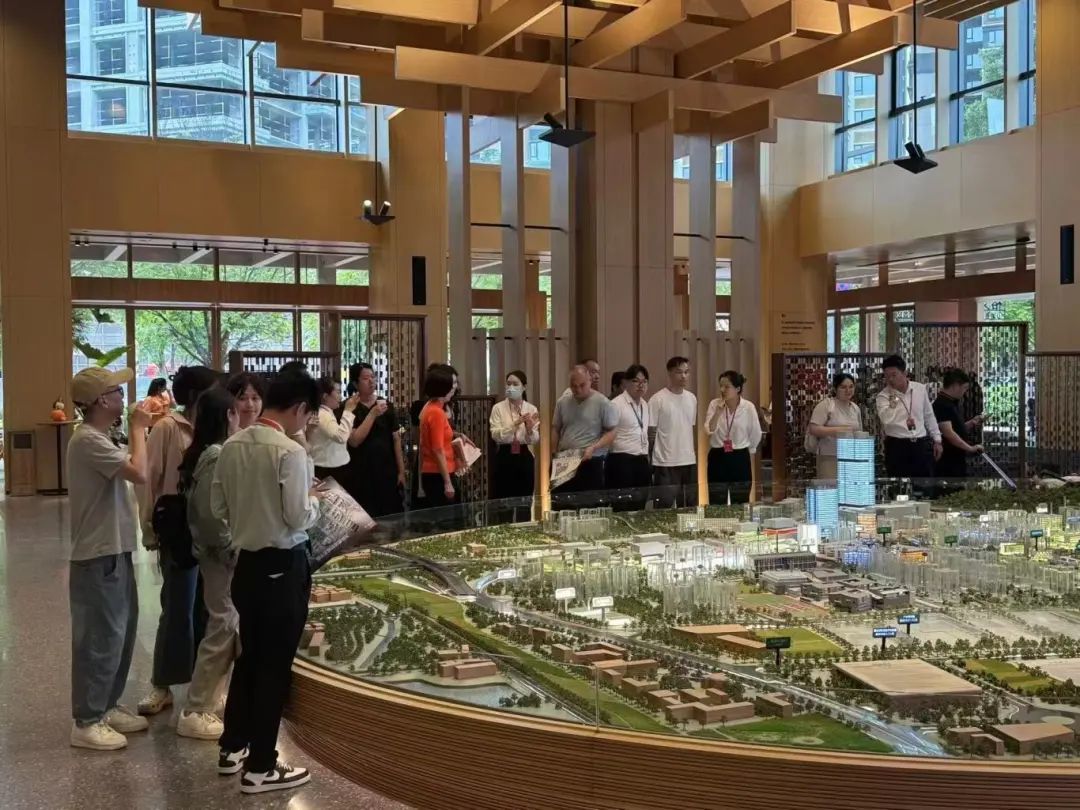
楼市分化

Search documents
5年后,现在200万的房子还能值多少钱?王健林“2句话”讲清楚了
Sou Hu Cai Jing· 2025-07-29 07:22
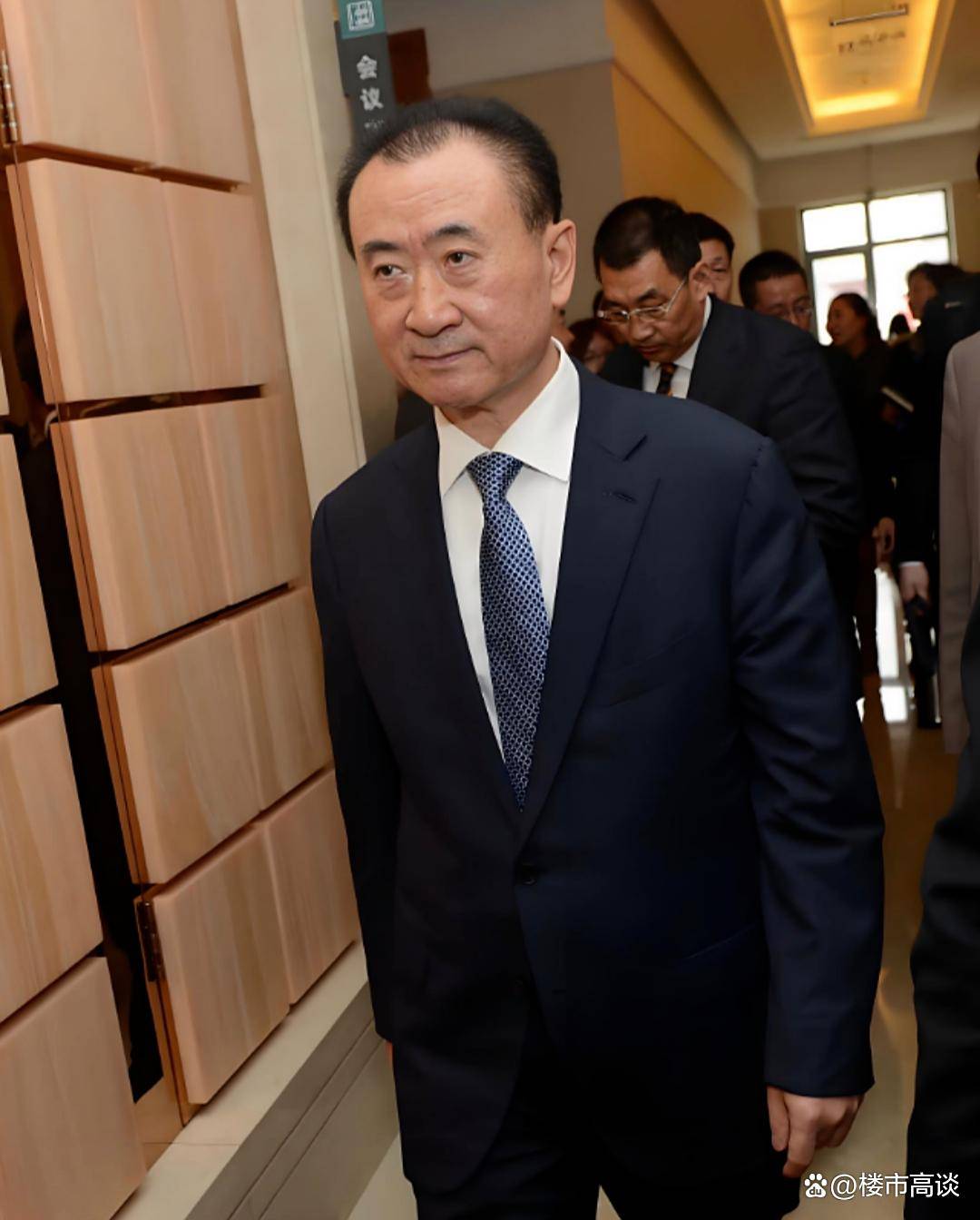
Core Viewpoint - The article discusses the drastic changes in the real estate market over the past five years, highlighting the significant decline in property values and the shift in investment strategies, as predicted by Wang Jianlin, who emphasized the importance of understanding real estate as a living space rather than a speculative asset [1][2]. Group 1: Market Trends - The real estate market is experiencing a stark division, with core assets in first-tier cities remaining relatively stable, while properties in third and fourth-tier cities are suffering severe value depreciation, with some areas seeing declines of up to 54.67% [2]. - Wang Jianlin's prediction from 2006 about the cyclical nature of real estate markets is being realized, as he noted that the prosperity of any country's real estate industry would not exceed 50 years, with China having approximately 20 years left [1][2]. Group 2: Property Valuation and Financial Implications - A hypothetical scenario for a property valued at 2 million yuan shows that after five years, costs could exceed 2.4 million yuan when accounting for interest, taxes, and maintenance fees, leading to significant financial losses [3]. - For properties purchased with a mortgage, the total expenditure could surpass 2.5 million yuan, resulting in a potential loss of 400,000 to 500,000 yuan if the property value remains stagnant [3]. Group 3: Investment Strategies - Investors are advised to act decisively in selling properties in third and fourth-tier cities, particularly those lacking quality attributes, to mitigate losses [5]. - Maintaining ownership of high-quality properties located in core areas with good rental yields is recommended, as these assets are more resilient to market downturns [7].

买房可以等等,但现金流一定要控制好
Sou Hu Cai Jing· 2025-07-27 16:48
Core Viewpoint - The real estate market in China is experiencing a continuous decline in housing prices across first, second, and third-tier cities, as indicated by the June data released by the National Bureau of Statistics [1][3]. New Housing Prices - In June, the sales prices of newly built residential properties in first-tier cities decreased by 0.3% month-on-month, with the decline widening by 0.1 percentage points compared to the previous month [3]. - Among first-tier cities, only Shanghai saw a month-on-month increase of 0.4% in new housing prices, while the other three cities experienced declines [3]. - The increase in Shanghai's new housing prices is attributed to a rise in the supply of high-end properties in core areas, despite significant inventory pressure in peripheral regions [3]. - New housing prices in second and third-tier cities fell by 0.2% and 0.3% respectively, indicating a consistent downward trend that has persisted for two months [3]. Second-Hand Housing Prices - In June, the sales prices of second-hand residential properties in first-tier cities dropped by 0.7%, maintaining the same decline rate as the previous month [4]. - In Beijing, the month-on-month decline reached 1%, translating to a decrease of 50,000 yuan for a property priced at 5 million yuan [4]. - Second-hand housing prices in second and third-tier cities also fell by 0.6%, with the decline rate increasing by 0.1 percentage points, reflecting a broader downward trend [4]. Market Sentiment and Recommendations - The current real estate market conditions suggest that potential buyers should exercise caution and consider waiting before making purchases, as many properties are not resilient to price declines [5][6]. - The sentiment in the market indicates that cash is becoming increasingly valuable, and those with liquidity will have more leverage in negotiations [8]. - The expectation of future price increases due to policy relaxations may not materialize as strongly as before, leading to a more cautious outlook among buyers [8].
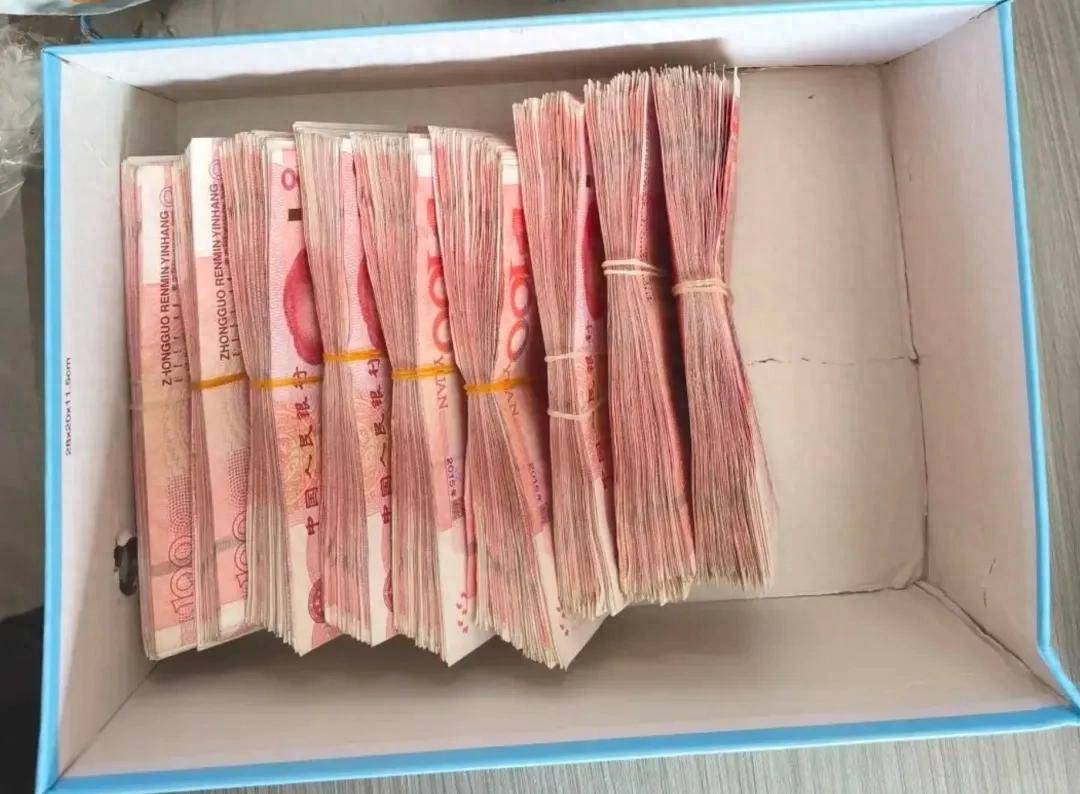
阴跌、有价无市,已经成为不少地方楼市的常态!
Sou Hu Cai Jing· 2025-07-21 02:49
Core Insights - The era of blindly purchasing real estate has ended, and buyers must now focus on the fundamentals of the city they are investing in [1][3] Market Overview - The real estate market is experiencing a divergence, with major cities like Beijing, Shanghai, Guangzhou, and Shenzhen showing signs of recovery, while smaller cities continue to struggle [3][4] - Policy changes since late last year have led to increased transaction volumes and stabilization in prices in major cities, but smaller cities are still facing challenges [3][4] Demand and Supply Dynamics - Major cities attract a continuous influx of people due to better job opportunities, educational institutions, and healthcare facilities, creating a strong demand for housing [4][6] - The supply of housing in major cities is limited due to urban planning regulations, leading to a natural scarcity that supports property values [6][7] Comparison of City Types - Smaller cities lack the same level of attractiveness and economic vitality, resulting in a population outflow, particularly of younger, wealth-creating individuals [9][10] - The oversupply of housing in smaller cities, combined with declining demand, leads to a significant imbalance in the real estate market [10][11] Historical Context - Historical trends in mature real estate markets globally indicate that vibrant metropolitan areas see long-term price increases, while areas with declining populations face stagnation [11][12] Investment Considerations - Investors must evaluate the potential of the city, including its ability to attract and retain talent, the strength of its industries, and the quality of public services [12][13] - The focus should be on cities that are experiencing population growth and have robust economic fundamentals, as these factors will influence future property values [13]
半月追踪 | 7月京沪深杭热度转降,穗汉津等转化率低位持稳
克而瑞地产研究· 2025-07-19 01:00
Core Viewpoint - The new housing market in July is experiencing a seasonal decline in transactions, with differentiated expectations across various cities [3][34]. Group 1: Market Overview - Since 2025, the overall real estate market has shown signs of stabilization after a period of decline, with a traditional "small spring" in March-April, followed by sustained market activity in May-June [3]. - In the first half of July, the average sales rate for projects in 30 key cities was 30%, reflecting an 11 percentage point decrease from June 2025 and a 5 percentage point increase compared to July 2024 [4][5]. Group 2: City Classification - Cities are categorized into three types based on market performance: 1. Core first and second-tier cities (e.g., Beijing, Shanghai, Shenzhen, Hangzhou, Chengdu) are experiencing a significant decline in sales rates due to the quality of new supply [6]. 2. Weak recovery cities (e.g., Guangzhou, Wuhan, Tianjin) are seeing a notable slowdown in visitor and purchase growth, leading to stable but low customer conversion rates [6]. 3. Cities like Xi'an, Nanjing, and Zhengzhou are facing a decline in customer conversion rates, with a persistent wait-and-see attitude among buyers [6]. Group 3: Performance of Hot Cities - In July, the enthusiasm for new launches in hot cities like Beijing, Shanghai, Shenzhen, and Hangzhou has decreased, with each city launching fewer than 10 projects [8]. - The sales rate in these cities has dropped by over 20% compared to June, with only Beijing and Hangzhou showing slightly better performance than the previous year [8]. Group 4: Weak Recovery Cities - In cities like Guangzhou, Tianjin, and Wuhan, both visitor and purchase numbers have significantly declined, with Guangzhou experiencing a 17% drop in visitors and a 47% drop in purchases in the first week of July [12][14]. - Despite the decline, Wuhan's sales rate has increased due to the introduction of suitable properties, with a notable decrease in the number of new launches [16]. Group 5: Other Cities - Cities such as Xi'an, Nanjing, and Zhengzhou are witnessing a continuous decline in customer conversion rates, with Xi'an's conversion rate dropping from 6.33% at the end of June to 3.74% [24]. - Nanjing's market heat is also declining, with a significant drop in purchase numbers compared to visitor numbers, leading to a conversion rate of only 4.55% [27]. Group 6: Conclusion - Overall, the new housing market in July is facing a seasonal decline, with insufficient supply and general quality issues contributing to a lack of growth momentum [34]. - Differentiated expectations persist across cities, with hot cities experiencing a significant drop in market enthusiasm, while weak recovery cities show fluctuating trends [34].
楼市新房二手房价格冰火两重天
Huan Qiu Wang· 2025-07-03 06:47
Core Viewpoint - The Chinese real estate market in the first half of 2025 shows a stark contrast between new and second-hand housing prices, with new home prices rising while second-hand home prices continue to decline, leading to renewed market confidence challenges [1][2]. New Homes - In June, the average price of new residential properties in 100 cities reached 16,847 yuan per square meter, with a month-on-month increase of 0.19% and a year-on-year increase of 2.59%, marking the sixth consecutive month of price increases [1]. - Despite the price increase, the transaction volume of new homes did not experience the expected mid-year surge, with a total transaction area of 10.34 million square meters in 30 key cities, showing a decline compared to previous periods [2]. - Major cities like Shanghai, Hefei, and Beijing led the price increases, with Shanghai seeing a 0.94% rise. High-end properties are driving this trend, with significant sales recorded in luxury projects [2]. - The overall market is expected to continue its differentiated performance in the second half of the year, with stable prices in first-tier and strong second- and third-tier cities, while third- and fourth-tier cities are gradually adjusting [2]. Second-hand Homes - The second-hand housing market is struggling with a "price for volume" strategy, with prices in 100 cities declining, and 17 cities experiencing a drop of over 1% [4]. - The average price of second-hand homes has fallen for 28 consecutive months, with a year-on-year decline for 30 months, indicating a significant lack of market confidence [4]. - Despite the price drop, transaction volumes for second-hand homes are outperforming new homes, particularly in first-tier cities, with Beijing recording a 6.04% month-on-month increase in transactions [4]. - The market shows a structural differentiation, with lower-priced homes being more liquid and stable in price, while improved housing options remain scarce [4]. - The growth momentum for second-hand home transactions has begun to slow down, particularly in some third- and fourth-tier cities [4]. Market Outlook - The overall product quality of new homes is improving, which is squeezing the market space for second-hand homes, indicating that the "price for volume" strategy will remain dominant in the short term [5]. - The future direction of the real estate market will depend on whether the sustained heat in core first- and second-tier cities can extend to a broader market [5].
6月中国百城新房均价小涨,二手房均价下跌
Zhong Guo Xin Wen Wang· 2025-07-01 23:54
Group 1 - In June, the average price of new residential properties in 100 cities in China was 16,847 yuan per square meter, with a month-on-month increase of 0.19% and a year-on-year increase of 2.59% [1] - The average price of second-hand residential properties in the same cities was 13,691 yuan per square meter, showing a month-on-month decrease of 0.75% and a year-on-year decrease of 7.26% [1] - The rental market saw a slight recovery in June, with the average rent in 50 cities down by 3.71% year-on-year, influenced by increased demand during the graduation season [1] Group 2 - In the first half of the year, core cities like Beijing, Shanghai, and Shenzhen experienced active real estate transactions, with Beijing's new home registrations up by 25% year-on-year and second-hand home registrations up by 17.7% [2] - Shenzhen saw a significant increase in both new and second-hand home registrations, with a total increase of 38.8% year-on-year, including a 41.8% rise in new homes [2] - The real estate market in China is expected to continue its structural differentiation, with "good cities + good properties" presenting opportunities, while a comprehensive market stabilization will require further policy support [2]
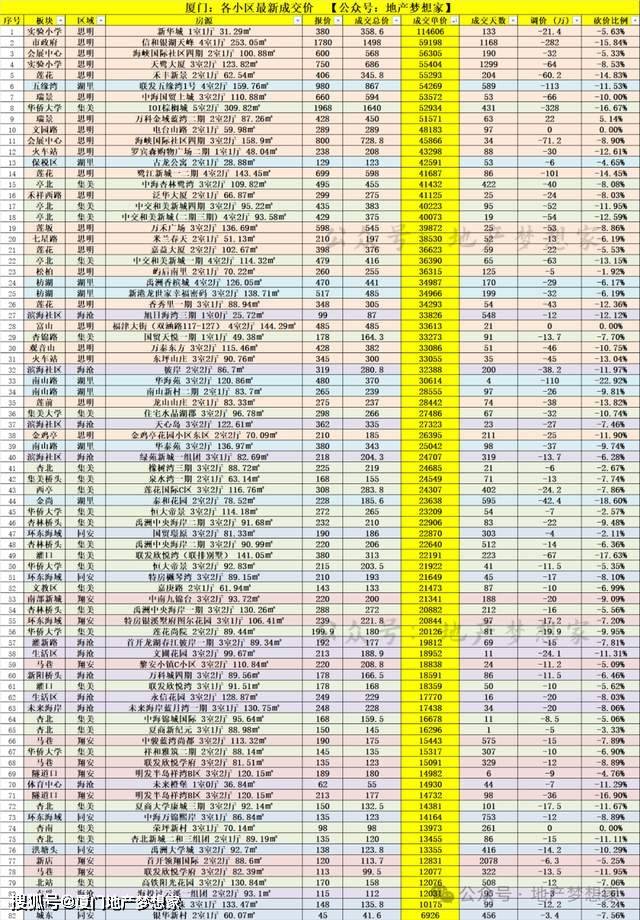
厦门:反向买房的人,赢麻了
Sou Hu Cai Jing· 2025-06-18 23:56
Core Insights - The recent trends in second-hand housing prices in Xiamen indicate potential investment opportunities for those who can interpret these movements effectively [1] Group 1: Recent Transaction Prices - The latest transaction prices for second-hand homes in Xiamen show a range from 5.15万/㎡ to 11.46万/㎡, with notable properties like Xinhua City maintaining high prices due to its status as a school district [3][4] - The highest transaction price recorded was 1640万 for a large flat in Jimei, indicating a shift in demand towards larger, scenic properties outside the island [9][10] - Properties in prime locations such as Xinhua City and Xinhe Silver Lake Tianfeng are seeing stable or increasing prices, while other areas are experiencing fluctuations [3][5] Group 2: Market Trends - There is a noticeable recovery in the luxury real estate market, with high-end properties seeing increased activity despite broader market challenges [6] - The overall trend suggests that buyers are willing to pay a premium for scarce resources, particularly in desirable locations [6][10] - The demand for larger flats and properties with good views is rising, driven by factors such as proximity to tech parks and a balanced work-live environment [10]
楼市“红五月”行情分化 房企年中冲刺押注“好房子”
Mei Ri Jing Ji Xin Wen· 2025-06-12 13:58
Market Overview - The real estate market experienced a "red May" with noticeable differentiation in performance across cities, particularly in hotspots like Shanghai, Beijing, and Guangzhou [1][2] - In May, the new housing transaction area in 30 key cities was 10.58 million square meters, a month-on-month decrease of 2% and a year-on-year decrease of 9% [1][4] - The sales revenue of the top 100 real estate companies fell by 17.3% year-on-year in May, with a slight increase in the rate of decline compared to April [1][7] City-Specific Performance - Shanghai saw a significant increase in new housing transactions, with 620,000 square meters sold in May, representing a 20% month-on-month increase and a 24% year-on-year increase [2] - Guangzhou's new housing sales reached 6,572 units in May, marking a 32% month-on-month increase and a 26% year-on-year increase [2] - In Beijing, new housing transactions totaled 3,917 units in May, reflecting a 14% month-on-month increase and a 38% year-on-year increase [2] Differentiation in Sales - The market showed clear differentiation, with some core areas in Shenzhen achieving a project sell-through rate exceeding 80%, while non-core areas struggled with rates below 50% [3][4] - The average sell-through rate for new projects in 30 key cities was 39% in May, up 1% month-on-month and 12% year-on-year, indicating a stable market trend [4] Company Performance - Major real estate companies are under pressure, with many launching new products to boost sales amid declining overall performance [1][8] - Poly Developments achieved a sales revenue of 28.512 billion yuan in May, a 15.8% month-on-month increase but a 19.3% year-on-year decrease [7] - Greentown China reported a sales revenue of 25.5 billion yuan in May, with a 37.1% month-on-month increase and a 9.4% year-on-year increase [7] Strategic Adjustments - Companies are focusing on high-quality products that meet the "good housing" standards, with a shift towards fourth-generation residential projects [6][8] - Developers are utilizing strategies such as significant discounts and enhanced marketing efforts to drive sales in weaker second and third-tier cities [6][8] - The supply structure in June is expected to focus more on improvement-type housing, with a balanced approach to meeting both demand and performance targets [9]

多地继续发力提振楼市,6月迎来房企年中冲刺
2 1 Shi Ji Jing Ji Bao Dao· 2025-06-03 12:35
Core Viewpoint - The real estate market in key cities is entering a stable phase after the peak season of "March and April" with varying performance across different cities [1][5] Group 1: Market Performance - In May, Shenzhen's total residential transactions decreased by 16.7% month-on-month to 7,849 units, but still showed a 20% year-on-year increase [1] - Guangzhou's new residential transactions rose to 6,573 units, a 41% month-on-month increase and a 29.34% year-on-year increase [1] - Beijing's second-hand housing transactions fell by approximately 8.3% month-on-month to 14,277 units, but showed a year-on-year increase [1] - Shanghai's total housing transactions reached 223 million square meters in May, a 17% year-on-year increase [1][4] Group 2: Market Trends - The second-hand housing market is experiencing a seasonal decline, with growth rates slowing down despite year-on-year increases [2] - In Shanghai, nine projects sold out quickly in May, indicating strong demand, with one project achieving sales of 1.45 billion in just 36 minutes [3][4] - The overall performance of second-tier cities is mixed, with some cities like Wuxi and Qingdao performing above average, while others like Zhengzhou saw significant declines [5] Group 3: Pricing Dynamics - The average price of new residential properties in 100 cities rose by 0.30% month-on-month to 16,815 yuan per square meter, while second-hand residential prices fell by 0.71% to 13,794 yuan per square meter [6] - The price trends reflect a divergence between new homes, which are primarily improvement-oriented, and second-hand homes, which cater to first-time buyers [6] Group 4: Policy Support - In May, the People's Bank of China lowered the LPR for five-year loans by 10 basis points to 3.50%, potentially reducing first-time home loan rates below 3% [7] - Various cities have introduced measures to stimulate the real estate market, including tax incentives and support for families with multiple children [9][10] - The upcoming mid-year sales push is expected to be supported by these policies, with real estate companies preparing promotional offers [10]
龙舟赛现场搭台推盘、高铁站设置咨询点⋯⋯多地官方密集“声援”楼市
Mei Ri Jing Ji Xin Wen· 2025-06-03 12:28
Group 1 - During the Dragon Boat Festival, Hubei province focused on various housing demands, leading to a 14.9% year-on-year increase in commercial housing sales area [2] - Various cities in Hubei, including Wuhan and Xiangyang, organized promotional activities to boost the real estate market, showing signs of stabilization [2][3] - The Central Index Research Institute indicated that June marks a critical period for real estate companies, with increased promotional efforts expected to support new home sales in core cities [2][3] Group 2 - Wuhan implemented a "policy + service + scenario" approach to reduce housing costs, with popular projects offering unique experiences during the holiday [3] - Xiangyang introduced subsidies for first-time homebuyers and families with multiple children, with potential rewards up to 110,000 yuan [3] - Ten cities, including Shiyan, set up consultation points in high-traffic areas and offered educational fund subsidies to attract homebuyers [3] Group 3 - In Nanjing's Lishui District, a new housing policy called "Lishui 7 Purchase" was promoted during the Dragon Boat Festival, targeting various buyer categories [4] - In Kunshan, a themed bus service was launched to attract potential buyers, indicating a focus on first-time and improved housing needs [4] - Several key projects in Guangzhou reported significant sales, with one project exceeding 10 million yuan in daily sales [5][6] Group 4 - High postal transaction volumes were recorded in various cities, with Shanghai seeing a 87.4% year-on-year increase in new residential sales during the holiday [7] - Despite the overall positive trend, some regions experienced lower visitor numbers due to adverse weather conditions, indicating market variability [9] - The real estate market is expected to maintain a loose policy environment in June, with increased promotional activities anticipated as companies aim to boost sales [9]