生成式引擎优化(GEO)

Search documents
AI概念再度集体飙涨,微盟集团涨超9%,迈富时涨8%
Ge Long Hui· 2026-01-14 04:30
Group 1 - The AI concept stocks in the Hong Kong market have shown strong performance, with notable increases in share prices for companies such as Lion Group, which surged over 44%, and Zhipu, which rose nearly 17% [1][2] - A significant number of AI industry chain companies have been listed in the Hong Kong market since the beginning of 2026, sparking a new wave of AI investment enthusiasm and potentially leading the industry into an expansion cycle [1][2] - Open Source Securities has indicated that leveraging capital markets to enhance financing capabilities will benefit the industry by increasing investment in model research and development, thereby driving demand for computing power and accelerating the commercialization of AI applications [1] Group 2 - Institutions are increasingly optimistic about the new track of "Generative Engine Optimization" (GEO) within the AI sector, which is seen as a catalyst for the current market trend [1] - AI search is gradually transforming user decision-making paths, with implications for digital marketing, e-commerce, and the content and experience economy, all of which are expected to provide real-world scenarios for large models [1]

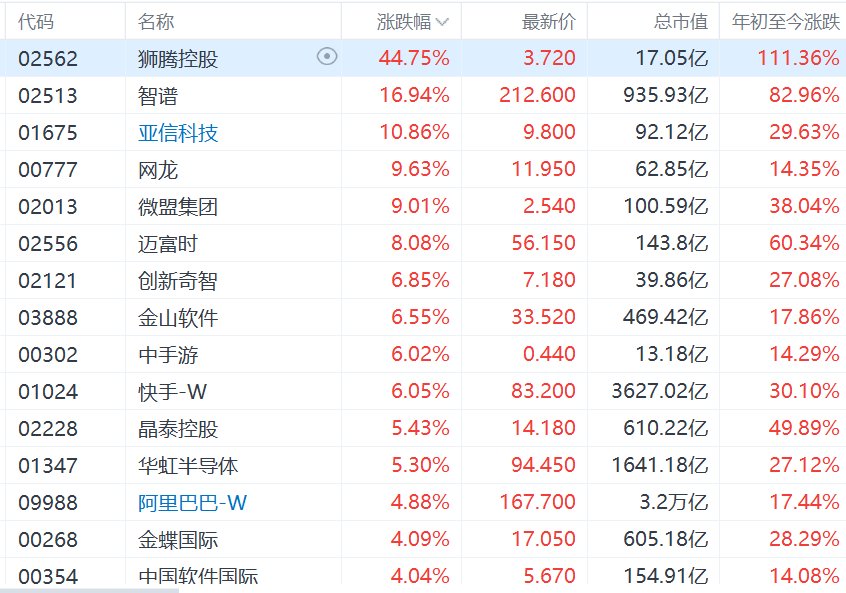
港股异动 | 微盟集团(02013)再涨超8% GEO终局市场体量大 微盟作为头部较早布局玩家或率先受益
智通财经网· 2026-01-14 02:01
Core Viewpoint - Weimob Group (02013) has seen a significant stock increase of over 8%, currently trading at 2.52 HKD with a transaction volume of 274 million HKD, following the launch of its Generative Engine Optimization (GEO) solution, Weimob Star Initiation, aimed at enhancing brand visibility in the AI ecosystem [1] Group 1 - Weimob officially launched its GEO solution, Weimob Star Initiation, on January 12, which utilizes self-developed GEO technology to systematically improve brand visibility in the AI ecosystem [1] - The GEO solution is designed to help businesses build AI cognitive assets in the AGI era and establish a leading advantage in the AI-driven consumer decision-making process [1] - Northeast Securities released a report indicating that the increase in GEO penetration and the natural traffic entry provided by AI will give GEO a competitive edge, predicting that the market size for GEO will surpass that of SEO [1] Group 2 - Weimob is recognized as a leading AI + SaaS service provider within the WeChat ecosystem in China, and the current rollout of AI products combined with the GEO upgrade is expected to enhance customer numbers, customer stickiness, and ARPU [1] - The report expresses optimism about the potential for GEO to open up growth opportunities for Weimob as a first-mover in this space [1]
软件ETF狂飙后急跌!资金调仓信号明显,是上车良机还是陷阱?
Hua Xia Shi Bao· 2026-01-13 14:19
Core Viewpoint - The A-share market experienced a significant surge in artificial intelligence (AI) and related sectors on January 12, with many ETFs rising over 10%, but the momentum showed signs of divergence just a day later [2][5]. Group 1: Market Performance - On January 12, a total of 20 ETFs saw their prices increase by more than 10%, particularly in software, AI, and media sectors, indicating a heated trading atmosphere [2][5]. - The software sector remained active on January 13, but the momentum was noticeably reduced, with a representative software ETF (515230) closing down by 1.87% despite a trading volume of 14.23 million yuan, suggesting structural adjustments within the sector [2][9]. - High turnover rates were observed in certain ETFs, with a startup software ETF exceeding 330% and another reaching 172%, reflecting significant short-term trading enthusiasm and intense competition among investors [3][5]. Group 2: Industry Catalysts - Multiple catalysts have driven the recent enthusiasm in the AI sector, including Elon Musk's announcement to open-source the content recommendation algorithm, which is seen as a pivotal event [5][6]. - The shift from "black box search" to "transparent generation" in content distribution is anticipated to revolutionize the industry, with the rise of Generative Engine Optimization (GEO) indicating a fundamental change in how traffic distribution is managed [5][6]. - The integration of health dialogue features in OpenAI's ChatGPT has boosted market confidence in the rapid deployment of AI applications in healthcare, with many companies targeting this market for personalized medical advice [6][10]. Group 3: Future Outlook - The market's enthusiasm may enter a "layered period," where companies lacking core competitiveness may face significant valuation corrections, while those successfully converting AI capabilities into revenue could maintain an upward trend [9][10]. - Ongoing discussions about the "AI bubble" highlight concerns that some software stocks may have overextended their valuations, with the sustainability of AI sector enthusiasm dependent on continuous and disruptive innovation [9][10]. - Investors are advised to monitor key performance indicators such as user engagement, subscription conversion rates, and customer repurchase rates to gauge the long-term viability of AI products [9][10].

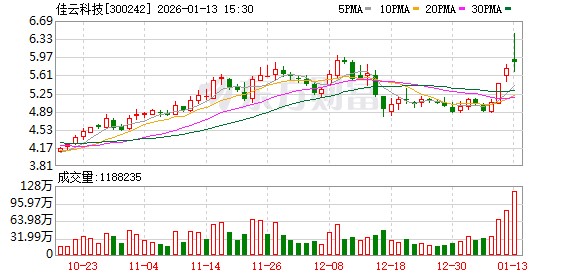
佳云科技:公司暂不涉及GEO相关业务
Mei Ri Jing Ji Xin Wen· 2026-01-13 13:49
Group 1 - The company does not currently engage in the GEO (Generative Engine Optimization) field [2] - The company expressed gratitude for the investor's interest in their business [2]

AI重塑互联网流量格局,推动营销战略加速向GEO转型,聚焦传媒ETF华夏(516190)和游戏ETF(159869)布局机遇
Mei Ri Jing Ji Xin Wen· 2026-01-13 07:41
Group 1 - The core viewpoint of the article highlights that artificial intelligence is reshaping the internet traffic landscape, accelerating the marketing strategy transition towards GEO (Generative Engine Optimization) [1] - According to Semrush, AI-driven search is expected to capture 52% of the market share by January 2028, surpassing traditional search methods for the first time and continuing to expand its dominance [1] - The "2025 China GEO Industry Development Report" indicates that the global GEO market is projected to reach $11.2 billion by 2025 and soar to $100.7 billion by 2030, with the Chinese market also experiencing rapid growth, expected to reach $2.9 billion by 2025 and climb to $24 billion by 2030 [1] Group 2 - Zheshang Securities points out that the focus on Generative Engine Optimization (GEO) is primarily due to service providers planning to launch products or strategies in the first half of 2026, with major model manufacturers expected to introduce new policies in source governance and GEO optimization governance [1] - AI is catalyzing fundamental changes in traffic acquisition and content production, with a focus on GEO and AI-generated content (AIGC) as key themes, indicating that GEO is rapidly evolving from a technical concept to a marketing necessity [1] - The Media ETF Huaxia (516190) closely tracks the CSI Cultural and Media Index, with its constituent stocks highly overlapping with "GEO concepts"; the Gaming ETF (159869) tracks the CSI Animation and Gaming Index, leading the market in AI application content and accurately covering the overall performance of the A-share animation and gaming industry [1]
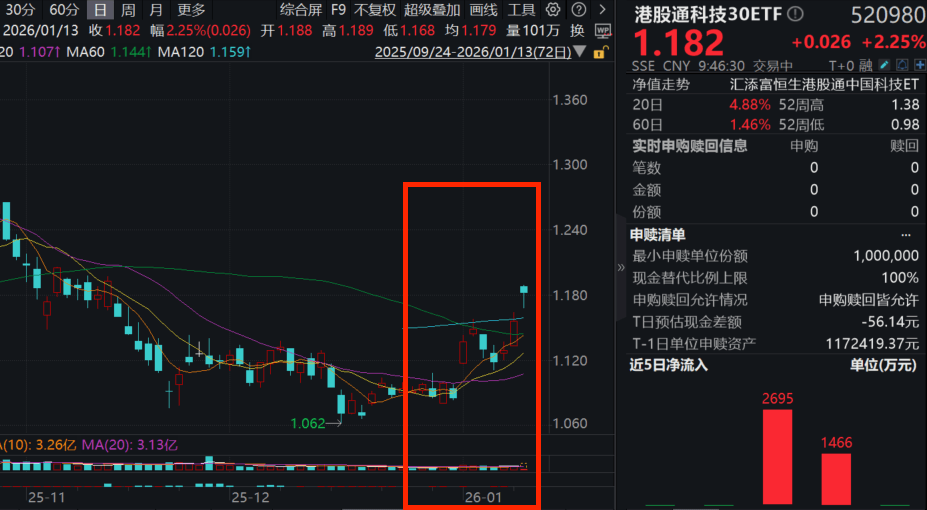
阿里巴巴大涨超4%,云收入增长预期猛增!港股通科技30ETF(520980)、恒生科技ETF基金(513260)涨超2%!
Xin Lang Cai Jing· 2026-01-13 02:01
Group 1 - The core viewpoint of the news highlights a significant increase in Hong Kong technology stocks, driven by positive developments in overseas Chinese concept stocks, with the Hong Kong Stock Connect Technology 30 ETF (520980) rising over 2% and achieving a trading volume exceeding 100 million HKD [1][3] - The Hang Seng Technology ETF (513260), which has the lowest management fee in its category at 15 basis points, also saw an increase of nearly 2%, with a trading volume surpassing 1.6 billion HKD and a net inflow of over 180 million HKD in the last 20 days [3] - Overseas, the Nasdaq Golden Dragon China Index rose over 4%, with notable increases in stocks such as Kingsoft Cloud (up over 21%) and Alibaba (up over 10%), driven by Morgan Stanley's expectations of accelerated revenue growth for Alibaba Cloud due to the expansion of generative AI workloads [5] Group 2 - In the Hong Kong technology sector, Alibaba's stock rose over 4%, while BYD and Xpeng Motors increased by over 3%, and Tencent and Kuaishou saw gains of over 1% [6] - Recent data indicates that southbound funds have consistently flowed into Hong Kong stocks, with Xiaomi Group leading with a net buy of 6.1 billion HKD, followed by Kuaishou and Tencent [8][9] - The report from Western Securities suggests that the Hong Kong market is expected to outperform the A-share market in 2025, with a potential rebound in 2026 driven by a weaker US dollar, appreciation of the RMB, and recovery in the Chinese economy [10][11] Group 3 - The "three doors" concept for the Hong Kong market includes international capital, Chinese capital, and the recovery of the Chinese economy, which are expected to drive significant investment opportunities in 2026 [10][11] - The report emphasizes that the inflow of Chinese capital into Hong Kong will not be limited to mainland southbound funds, as a substantial amount of Chinese capital currently overseas may also invest in Hong Kong stocks [11] - The anticipated recovery in corporate earnings and the potential for a favorable economic environment in 2026 could lead to a significant rebound in the Hong Kong technology sector, which has been relatively stagnant [10][11]

AI应用带火!一只基金一天“吸金”120亿元
Sou Hu Cai Jing· 2026-01-12 13:17
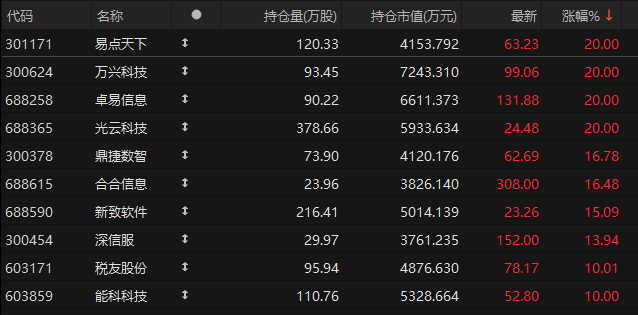
Group 1 - The core point of the article highlights the significant sales performance of the Debon Fund's Debon Stable Growth Flexible Allocation Mixed Fund, which sold at least 12 billion yuan in a single day through the Ant Fund channel [1] - The fund, managed by renowned fund managers Lei Tao and Lu Yang, was established on March 10, 2017, and had an asset size of 724 million yuan as of September 30, 2025 [1] - The top ten holdings of the fund are concentrated in the AI application sector, with stocks such as Yidian Tianxia, Wanxing Technology, Zhuoyi Information, and Guangyun Technology all hitting a 20% daily limit up on January 12 [1][2] Group 2 - The Debon Stable Growth Flexible Allocation Mixed Fund achieved a one-year return of 33.84% as of January 9, with other funds managed by Lei Tao showing even higher returns of 121.57%, 90.88%, and 80.32% [2] - The AI application sector has recently experienced a surge, with the Generative Engine Optimization (GEO) concept gaining widespread market attention [3] - GEO aims to enhance the visibility and authority of brand or product information in AI-generated answers, differing from traditional SEO by optimizing the knowledge sources and information structure for AI models [3] Group 3 - The market is expected to see a concentration of product launches or strategies from service providers in the first half of 2026, with major model manufacturers introducing new policies related to information governance and GEO optimization [3] - The future of AI traffic is anticipated to become a competitive space for internet products, marking a new phase in the evolution of internet profitability driven by traffic [3][4] - According to GARTNER, by 2028, 50% of search engine traffic is predicted to be consumed by AI searches, making GEO technology crucial for brands to be discovered and recommended in this new information landscape [4]
迈富时(02556.HK):GEO赛道\"领跑者\"锋芒尽显,股价与技术双轮驱动价值攀升
Xin Lang Cai Jing· 2026-01-12 12:29
回溯其股价逻辑,不难发现与GEO行业热度的强关联性——马斯克1月10日的开源算法公告,被市场解 读为"巨头入局GEO"的信号,直接点燃赛道情绪;而迈富时此前已落地GEO业务的消息,成为资金追捧 的核心逻辑。对比2024年5月上市首日18.46%的涨幅、2025年5月因"AI Agent驱动扭亏为盈"实现11.26% 的单日上涨,此次股价爆发更具基本面支撑:不再是单纯的"概念炒作",而是GEO业务从"技术布局"走 向"价值兑现"的市场反馈。 来源:同壁财经 GEO核心优势:从"链路打通"到"效果闭环",构建差异化竞争力 2026年初,AI广告营销领域的"生成式引擎优化(GEO)"概念正以燎原之势席卷资本市场。从马斯克宣 布一周内开源X平台内容推荐算法引发行业震动,到中证传媒指数单日涨超8%、传媒ETF(512980)早 盘涨停,GEO作为"AI时代的SEO进化体",已成为推动传媒与科技板块行情的核心动力。在此浪潮中, 港股上市公司迈富时(02556.HK)凭借前瞻性的GEO布局与扎实的技术落地,不仅收获了超18%的增 长,更凸显出其在这条千亿赛道上的独特竞争优势。 在GEO赛道仍处于早期发展阶段时,迈富时已通过 ...
“填权预期”升温!创业板人工智能ETF(159363)爆量猛涨7.85%!AI应用火力全开,20CM涨停潮来袭
Xin Lang Cai Jing· 2026-01-12 11:18
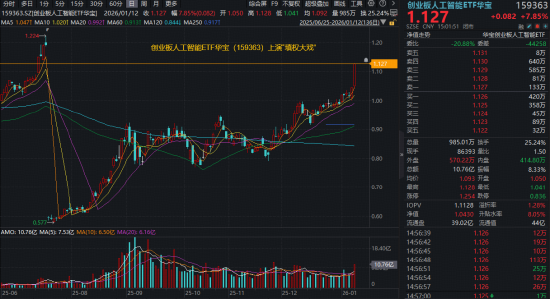
Core Viewpoint - The AI application sector is experiencing a significant surge, with many stocks in the ChiNext AI index hitting the 20% daily limit up, indicating strong market enthusiasm and potential for further growth [1][7]. Group 1: Market Performance - The ChiNext AI index has seen a cumulative increase of over 12% since the beginning of the year, outperforming the communication equipment index [10]. - Eight stocks, including BlueFocus, Toprays, and Han's Information, achieved the 20% limit up, with Epoint and Kunlun Wanwei showing particularly strong performance [1][7]. - The ChiNext AI ETF (159363) experienced a price increase of 7.85%, reaching a new high, with a trading volume exceeding 1 billion yuan and a net subscription of 352 million units [1][7]. Group 2: Industry Catalysts - Recent developments in AI, such as the rise of "Generative Engine Optimization" (GEO) and Elon Musk's announcement to open-source the latest content recommendation algorithm, are seen as catalysts for the AI application market [3][9]. - A report from招商证券 highlights the rapid improvement in LLM reasoning and multimodal capabilities, along with reduced training costs, accelerating the commercialization of AI applications [10]. Group 3: Investment Strategy - The current market is transitioning to a new phase where application-driven investments are prioritized, moving from infrastructure to practical applications of AI technology [5][12]. - The ChiNext AI ETF is positioned to benefit directly from the commercialization of AI technology, making it an attractive investment option for capturing growth in this sector [12].



放量,大涨!
Zhong Guo Ji Jin Bao· 2026-01-12 10:38
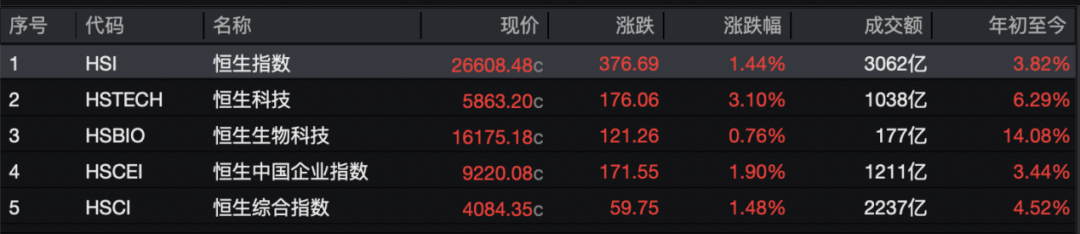
Market Performance - On January 12, Hong Kong stocks saw a significant increase in trading volume, with total turnover exceeding 300 billion HKD, reaching 306.22 billion HKD, a substantial rise from the previous trading day [2] - The Hang Seng Index closed up 1.44% at 26,608.48 points, while the Hang Seng Technology Index surged 3.10% to 5,863.20 points [1][2] Sector Highlights - The technology sector experienced a collective surge, with 23 out of 28 constituents of the Hang Seng Technology Index rising, including Kingdee International, which increased by 12.16%, and SenseTime, which rose by 6.88% [3] - Alibaba-W saw a notable increase of 5.87%, with a trading volume of 25 billion HKD [7] AI and Strategic Developments - The Chinese government has initiated a "Special Action Implementation Opinion" for "Artificial Intelligence + Manufacturing," aiming for significant advancements in AI technology by 2027, including the application of 3 to 5 general large models in manufacturing [5] - Global model leader, Zhiyuan, experienced a dramatic rise of 31.40%, with its market capitalization briefly surpassing 100 billion HKD [6] Strategic Partnerships - Zhiyuan announced a strategic partnership with Didi to explore the implementation of AI in travel scenarios, focusing on enhancing AI capabilities in complex business environments [9] Short Selling Activity - On January 12, a total of 701 Hong Kong stocks were short-sold, with a total short-selling amount of 36.24 billion HKD, including significant amounts for Xiaomi Group-W and Alibaba-W [12][13]