电动化

Search documents
佑驾创新:与宁德时代附属公司时代智能达成战略合作
起点锂电· 2026-03-08 10:37
Group 1 - The second "Starting Point Lithium Battery Cylindrical Battery Technology Forum" will be held on April 10, 2026, in Shenzhen, focusing on advancements in all-tab technology and the leadership of the large cylindrical battery market [1] - The event is organized by Starting Point Lithium Battery and Starting Point Research Institute (SPIR), with sponsorship from various companies including Penghui Energy and Dofluorid [1] - The countdown to the event is 33 days, indicating a significant upcoming industry gathering [1] Group 2 - Youjia Innovation has signed a strategic cooperation agreement with a subsidiary of CATL, aiming to integrate core capabilities in smart driving, chassis, and battery technology to create competitive solutions in the global market [2] - Additionally, Youjia Innovation has formed partnerships with Di Shang Tie Green Technology and Shenzhen Wall Gecko New Energy Technology to develop unmanned logistics vehicles, addressing market gaps through resource integration [2][3] - The collaboration focuses on a full-chain cooperative system from technology research and development to mass production and market implementation, emphasizing the urgent need for efficient and cost-effective logistics solutions [3] Group 3 - The logistics industry is increasingly demanding efficiency and cost control, with unmanned logistics vehicles offering advantages such as 24/7 operation and reduced labor costs, making them a key solution to industry challenges [3] - Current market offerings lack mature, scalable, and vehicle-grade products, and the new partnerships aim to fill this gap and create significant scale effects [3] Group 4 - Previous reports indicate that Penghui Energy expects to ship nearly 400 million cylindrical batteries in 2025, with full production and sales of small cylindrical batteries [4] - Noda Wisdom anticipates shipping 300 million multi-tab cylindrical batteries in 2025, also achieving full production and sales [4] - Bluejing New Energy plans to reach a production capacity of 5 GWh in 2026, with mass shipments of all-tab and stacked large cylindrical batteries [4]


从废墟中爬出来的它,如今成了110岁的跨界造车鼻祖!
电动车公社· 2026-03-07 15:53
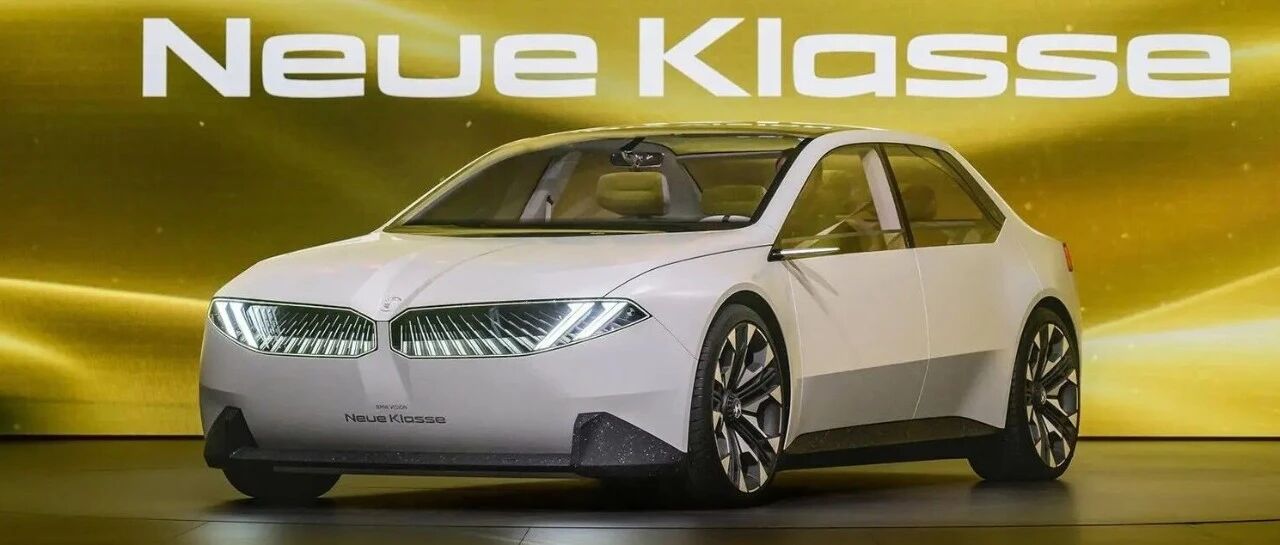
Core Viewpoint - The article discusses the challenges and successes of BMW as a pioneer in the automotive industry, emphasizing its resilience and ability to adapt through various historical crises, including two world wars and market fluctuations. It highlights BMW's evolution from a manufacturer of aircraft engines to a symbol of "sporty luxury" in the automotive sector, while also addressing the criticisms and changes in its product line over the years [1][64]. Group 1: Historical Background - BMW was founded in 1916 as the Bavarian Aircraft Factory, initially focusing on aircraft engines before transitioning to motorcycles and eventually automobiles due to historical circumstances [5][14]. - The company faced significant challenges during and after both World Wars, including being forced to pivot from luxury vehicles to basic industrial products and suffering extensive damage to its facilities [24][25][29]. - BMW's survival through these crises was marked by strategic decisions, such as acquiring existing production lines and focusing on motorcycle manufacturing before entering the automotive market [14][29]. Group 2: Product Evolution - BMW's first motorcycle, the R32, launched in 1923, set the stage for its dominance in the motorcycle industry, leading to a successful transition into car manufacturing [12][14]. - The introduction of the 320 series in 1932 marked BMW's first major foray into automobiles, followed by the iconic 328 sports car, which established BMW's reputation in motorsports [15][17]. - The 1500 sedan, launched in 1962, initiated the "New Class" platform, which differentiated BMW from competitors by emphasizing sporty luxury and performance [34][36]. Group 3: Market Position and Strategy - BMW's strategy has evolved to focus on a balance between luxury and sportiness, appealing to a broad consumer base while maintaining a distinct brand identity [34][36]. - The introduction of the 3 Series in 1975 became a cornerstone of BMW's lineup, with multiple generations adapting to market demands while retaining core performance characteristics [39][41]. - Recent models, including the seventh generation of the 3 Series, have faced criticism for shifting towards comfort over sportiness, yet they continue to perform well in sales, indicating a successful adaptation to consumer preferences [59][63]. Group 4: Innovation and Future Directions - BMW has a history of innovation, being an early adopter of electric vehicle technology and continuously evolving its product offerings to include hybrid and fully electric models [66][68]. - The upcoming "Neue Klasse" platform aims to further enhance BMW's electric vehicle lineup, showcasing the company's commitment to sustainability and technological advancement [66][68]. - The article suggests that BMW's ability to adapt while maintaining its core values serves as a lesson for new entrants in the automotive industry, emphasizing the importance of innovation and resilience [68].

地平线、鸿蒙智行智驾双雄再攀高峰,比亚迪闪充终结电动化上半场
Ju Chao Zi Xun· 2026-03-07 06:49
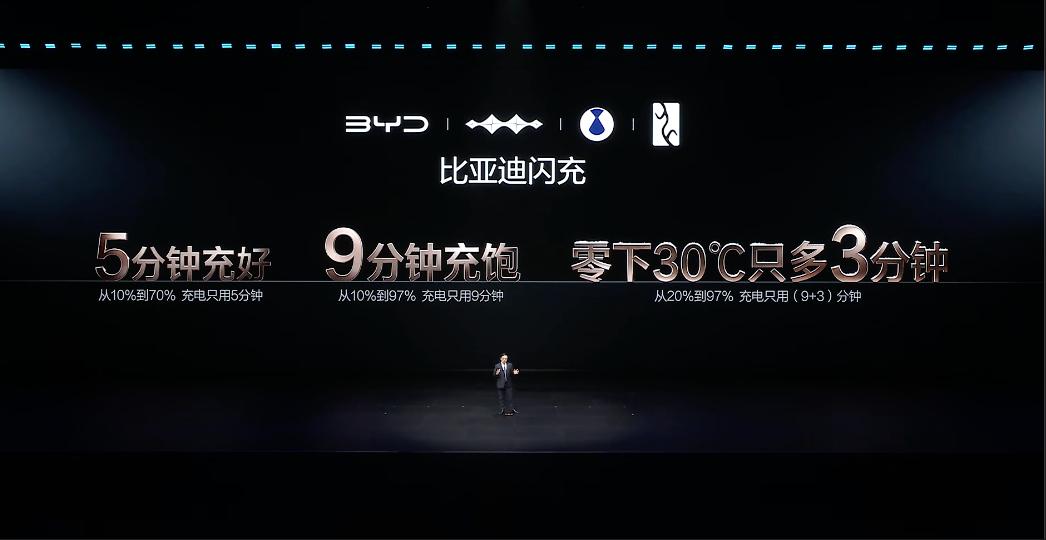
Core Insights - The domestic electric vehicle industry in China is experiencing a wave of technological releases, showcasing strong innovation driven by electrification and intelligence [2] - Horizon and HarmonyOS represent two distinct paths in the smart driving sector, with Horizon focusing on widespread adoption and HarmonyOS pushing the boundaries of smart driving capabilities [3][4] - BYD has announced the completion of the first half of electrification with its second-generation blade battery and fast-charging technology, marking a significant milestone in the transition from fuel vehicles [5][6] Smart Driving Developments - Horizon has launched the HSD (Horizon SuperDrive™) system, featuring a single chip with 560 TOPS of computing power and 27 high-precision sensors, achieving ultra-low latency and a response speed 42% faster than humans [3] - The HSD system reduces poor driving behaviors by over 90% and supports a full-scenario driving experience without relying on high-definition maps [3] - HarmonyOS has introduced a new generation of laser radar with 896 lines, enhancing imaging resolution by four times and significantly improving active safety capabilities [4] Electrification Milestones - BYD's second-generation blade battery allows for rapid charging, achieving 10% to 70% in just 5 minutes and 10% to 97% in 9 minutes, even in extreme cold [5][6] - The energy density of the second-generation blade battery has increased by over 5%, with vehicles like the Tengshi Z9GT achieving a range of over 1000 kilometers [6] - BYD plans to establish 20,000 fast-charging stations across China, enhancing the charging infrastructure and user experience [6] Industry Trends - The recent product launches signal a shift in the electric vehicle industry from merely existing to focusing on quality and user experience [7] - The advancements in smart driving and charging technologies are expected to redefine the competitive landscape, diminishing the advantages of fuel vehicles [7] - The Chinese electric vehicle industry is positioning itself as a global leader, leveraging technology to enhance human experience and redefine future mobility [7]

比亚迪发布第二代刀片电池及闪充技术 年内将建设落成2万座闪充站
Zheng Quan Ri Bao Wang· 2026-03-06 12:44
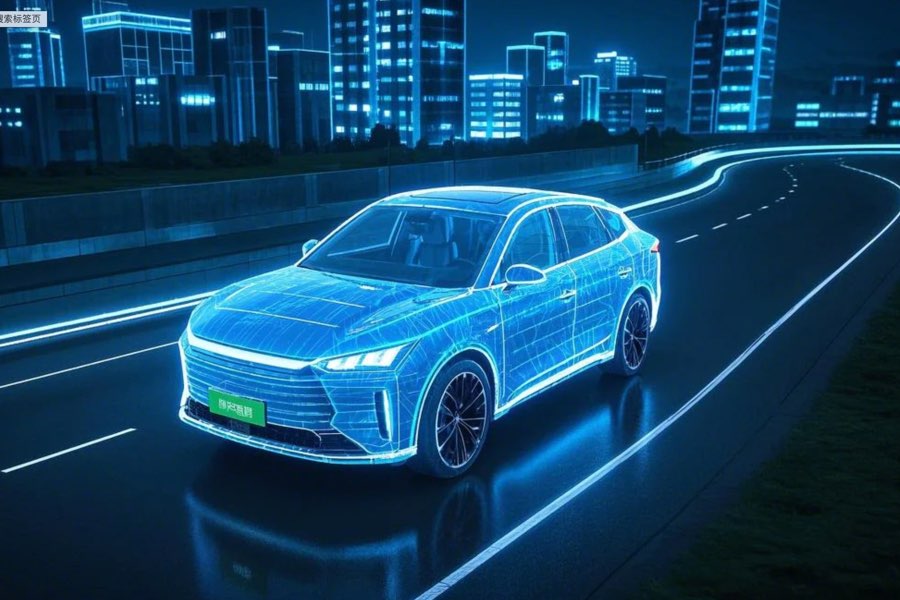
Core Insights - BYD has achieved a breakthrough in electrification with the launch of its second-generation blade battery and fast-charging technology, allowing charging from 10% to 70% in just 5 minutes and from 10% to 97% in 9 minutes [1][2] - The second-generation blade battery has improved energy density by over 5% compared to the first generation, enabling the Tengshi Z9GT to achieve a range of 1036 kilometers [1] - BYD's new fast-charging stations, designed with a "sliding rail suspension T-type" structure, can deliver charging power of 1500 kW, overcoming grid capacity limitations [2] Company Developments - BYD plans to build 20,000 fast-charging stations across China by the end of the year, with 18,000 expected to be completed in collaboration with national charging network operators [3] - The fast-charging stations will be strategically located within 3 kilometers in first and second-tier cities, 5 kilometers in third and fourth-tier cities, and 6 kilometers in fifth and sixth-tier cities [3] - BYD has already established 4,239 fast-charging stations in the past two months, aiming to become the leading Chinese automaker in fast-charging station deployment [3] Industry Impact - The introduction of the second-generation blade battery and fast-charging technology is expected to alleviate consumer anxiety regarding charging efficiency, compressing the refueling experience from hours to minutes [2] - This technological advancement is anticipated to accelerate the unification of charging standards and push for upgrades across the industry, potentially reducing the market space for fuel vehicles [3]
把油车往死里干,比亚迪王炸黑科技:满电只需5分钟,10万级也标配,建闪充就像装空调
3 6 Ke· 2026-03-06 01:26
Core Insights - BYD is focusing on enhancing its electric vehicle (EV) technology with the introduction of the second-generation blade battery and megawatt fast charging, aiming to eliminate range anxiety and charging time issues for consumers [4][10][36] - The company plans to standardize these technologies across all new models, making them accessible to a wider range of consumers, including those in the lower price segments [11][16][39] - BYD's ambitious goal for 2026 includes building 20,000 fast charging stations, significantly increasing the availability of charging infrastructure without requiring extensive upgrades to the existing power grid [22][24][27] Group 1 - BYD's strategy for 2026 emphasizes the transition from traditional fuel vehicles to electric vehicles, with a focus on rapid charging capabilities [1][4] - The second-generation blade battery increases capacity from 100 kWh to 120 kWh, allowing for a record range of 1,036 km on the latest model [8][10] - The megawatt fast charging technology can charge from 10% to 70% in just 5 minutes and from 10% to 97% in 9 minutes, addressing common consumer concerns about charging times [10][12] Group 2 - The company has tested its charging technology in extreme cold conditions, achieving full charges in under 12 minutes at temperatures as low as -30 degrees Celsius [13][14] - BYD's charging stations are designed to be low-cost and easy to install, allowing for rapid deployment and widespread accessibility [24][27] - The integration of advanced battery technology and charging infrastructure positions BYD to compete effectively against traditional fuel vehicles, potentially leading to a significant increase in EV adoption [16][36] Group 3 - BYD's new models, including the Tengshi Z9GT and the flagship SUV Datang, feature the latest battery and charging technologies, with ranges exceeding 800 km [37][39] - The company aims to achieve an annual sales target of 5.6 million vehicles, leveraging its technological advancements to regain its position as the top seller in the automotive market [36][42] - BYD's approach to democratizing advanced EV technology across various price points is expected to reshape the competitive landscape in the automotive industry [41][42]
机械设备行业快评报告:1月挖掘机与装载机销量同比高增
Wanlian Securities· 2026-03-05 14:24
Investment Rating - The industry investment rating is "Outperform the Market" [6] Core Insights - In January, excavator sales in China reached 18,708 units, a year-on-year increase of 49.5%, while loader sales totaled 11,759 units, up 48.5% year-on-year [2][3] - Domestic excavator sales grew by 61.4% to 8,723 units, and exports increased by 40.5% to 9,985 units. For loaders, domestic sales rose by 42.8% to 5,293 units, and exports surged by 53.4% to 6,466 units [3] - The growth in sales is attributed to a low base from the previous year and the acceleration of special bond issuance, alongside the commencement of major infrastructure projects [4] - The industry is entering a new growth phase, driven by domestic demand recovery and strong export performance, with electric loaders becoming a significant growth driver [5] Summary by Sections Excavator Sales - January sales of excavators reached 18,708 units, with domestic sales at 8,723 units and exports at 9,985 units, marking increases of 61.4% and 40.5% respectively [3] - Electric excavator sales were 35 units, with 24 sold domestically and 11 exported [3] Loader Sales - January sales of loaders totaled 11,759 units, with domestic sales at 5,293 units and exports at 6,466 units, reflecting increases of 42.8% and 53.4% respectively [3] - Electric loader sales reached 2,990 units, with a domestic penetration rate of approximately 51% [3] Market Dynamics - The industry is characterized by a cyclical nature, with a current focus on equipment replacement and upgrades, supported by policies aimed at phasing out old equipment [4] - Export demand remains strong, with excavator and loader exports accounting for over 53% and 54% of total sales respectively, indicating robust overseas market penetration [4] Investment Recommendations - The report suggests focusing on high-quality companies with market advantages and active overseas expansion strategies, as both domestic and international demand are expected to improve [5]
吉利汽车:2026年2月份销量点评:总销量同比持续增长,海外表现亮眼-20260305
Changjiang Securities· 2026-03-05 00:40
Investment Rating - The investment rating for Geely Automobile is "Buy" and is maintained [6]. Core Views - Geely Automobile reported a total sales volume of 206,000 units in February 2026, representing a year-on-year increase of 0.6% but a month-on-month decrease of 23.7%. Cumulative sales for January and February 2026 reached 476,000 units, up 1.0% year-on-year [2][4]. - The company is expected to enter a new product era supported by the GEA architecture, with positive developments across its brands including Zeekr, Lynk & Co, and Galaxy. The transition to new energy vehicles is progressing smoothly, and the scale effects are expected to enhance profitability [2][8]. - Geely's strong foundation in fuel vehicles and innovative overseas expansion strategies are opening new markets. The company is set to accelerate its smart driving capabilities as part of its intelligent strategy, indicating significant profit elasticity in the new vehicle cycle [2][8]. Summary by Relevant Sections Sales Performance - In February 2026, Geely's sales included 155,000 units from the Geely brand, 27,000 units from Lynk & Co, and 24,000 units from Zeekr, with year-on-year changes of -10.8%, +58.7%, and +70.0% respectively. The export volume was 61,000 units, showing a year-on-year increase of 138.3% [8]. - The new energy vehicle sales reached 117,000 units in February, up 19.4% year-on-year, accounting for 57.0% of total sales, which is a 9.0 percentage point increase year-on-year [8]. Strategic Outlook - Geely aims for a total sales target of 3.45 million units in 2026, representing a 14% year-on-year increase. The breakdown includes 2.75 million units from the Geely brand, 400,000 from Lynk & Co, and 300,000 from Zeekr [8]. - The company is focusing on brand strategy, with simultaneous efforts in electrification and intelligence, supported by a strong new vehicle cycle [8].

吉利汽车(00175.HK):总销量同比持续增长 海外表现亮眼
Ge Long Hui· 2026-03-04 23:11
Group 1 - The core viewpoint of the articles highlights Geely Automobile's sales performance in February 2026, showing a slight year-on-year increase but a significant month-on-month decline [1] - In February 2026, Geely's total sales reached 206,000 units, representing a year-on-year growth of 0.6% but a month-on-month decrease of 23.7% [1] - Cumulative sales for January and February 2026 amounted to 476,000 units, reflecting a year-on-year increase of 1.0% [1] Group 2 - Geely aims for a total sales target of 3.45 million units in 2026, which is a 14% increase year-on-year, with specific targets of 2.75 million for the Geely brand, 400,000 for Lynk & Co, and 300,000 for Zeekr [2] - The company is focusing on electrification and intelligence, with a new product cycle supported by the GEA architecture, leading to a positive outlook for its brands [2] - Geely's strategy includes expanding its high-end offerings and overseas markets, with a projected net profit of 17 billion yuan for 2025, corresponding to a PE ratio of 9.1X [2]
奔驰、宝马、奥迪集体换帅
21世纪经济报道· 2026-03-04 15:08
Core Viewpoint - The recent leadership changes in the German luxury car brands (BBA) in China are a response to significant sales and profit declines, indicating a need for strategic restructuring in the face of intense competition and market shifts [1][2][10]. Group 1: Sales Performance - In 2025, Mercedes-Benz's global sales fell by 10% to 2.16 million units, with a 19.5% drop in China to 575,000 units, returning to 2017 levels [1][2]. - BMW's global sales slightly increased by 0.5% to 2.4637 million units, but in China, sales dropped by 12.5% to 625,500 units [1][2]. - Audi's sales in China were 617,500 units, down 5%, marking the third consecutive year of negative growth [1][2]. Group 2: Profitability Issues - Mercedes-Benz's adjusted EBIT for 2025 plummeted by 40% to €8.2 billion, with net profit nearly halving to €5.331 billion [2]. - BMW's EBIT for the first three quarters of 2025 fell by 16.2% to €8.06 billion, with net profit dropping to €5.7 billion [2]. - Audi's operating profit for the first three quarters of 2025 was only €1.6 billion, with bleak full-year profit expectations [2]. Group 3: Market Challenges - The luxury brands are facing a "double whammy" in the Chinese market, with price wars eroding profits in the fuel vehicle sector and a lack of competitive electric vehicle offerings [7][12]. - Mercedes-Benz's sales profit margin has dropped to 5.0%, down from previous double-digit figures, due to increased competition and cost pressures [6]. - BMW's product line is experiencing a structural imbalance, with significant sales declines in higher-margin SUV models [6][7]. Group 4: Strategic Shifts - The leadership changes signal a shift from a "remote control" approach to a more localized strategy that emphasizes understanding and responding to Chinese consumer needs [10][11]. - Mercedes-Benz plans to introduce over 15 new and updated models in China in 2026, focusing on local demand and collaboration with tech companies [11]. - BMW and Audi are also ramping up their electric vehicle offerings to regain market share, with new models set to launch in 2026 [12]. Group 5: Competitive Landscape - Chinese luxury brands are gaining ground, with significant sales figures and a new definition of luxury that emphasizes technology and smart features [12][13]. - The shift in consumer perception towards "technology equals luxury" poses a challenge for BBA, which historically defined luxury through materials and brand heritage [12][13]. - The urgency for BBA to adapt is underscored by the rapid rise of domestic brands and the need for a fundamental rethinking of their market strategies in China [13].

日立建机携 75 年积淀亮相 CONEXPO 2026,电动化新品吸睛全场
工程机械杂志· 2026-03-04 09:23
Core Viewpoint - Hitachi Construction Machinery showcases its commitment to innovation and leadership in the construction machinery industry at the CONEXPO-CON/AGG 2026 exhibition, emphasizing its advanced products and solutions for future construction sites [2][8]. Group 1: Exhibition Highlights - The exhibition features over 20 machines and more than 15 types of attachments, with a focus on the ZX-7 series mini hydraulic excavators and ZW-7 series wheel loaders, demonstrating Hitachi's manufacturing excellence [4]. - Electric and intelligent technologies are the core highlights of the exhibition, including a 1.7-ton battery-swappable excavator developed in collaboration with Dimaag-AI, which addresses the operational challenges of small electric construction machinery [5]. - Hitachi also presents various intelligent solutions, such as the 3D mechanical assistance kit "Solution Linkage MG" and the asset management system "LANDCROS Connect," which have received positive feedback since their launch [6]. Group 2: Innovation and Collaboration - The exhibition showcases collaborative innovations with three startup winners from the "Hitachi Construction Machinery Challenge 2024," focusing on remote operation and digital access technologies [6]. - Jointly developed technologies with partners like Teleo and Gravis Robotics are also highlighted, showcasing advancements in remote operation and automation for construction machinery [6]. Group 3: Industry Context - The construction machinery industry is experiencing a potential recovery, with improved operating rates and a significant increase in exports, indicating a positive outlook for the sector [10][16]. - The transition to "National IV" standards for construction machinery is set to begin on December 1, which may further influence market dynamics [10].