私域流量

Search documents
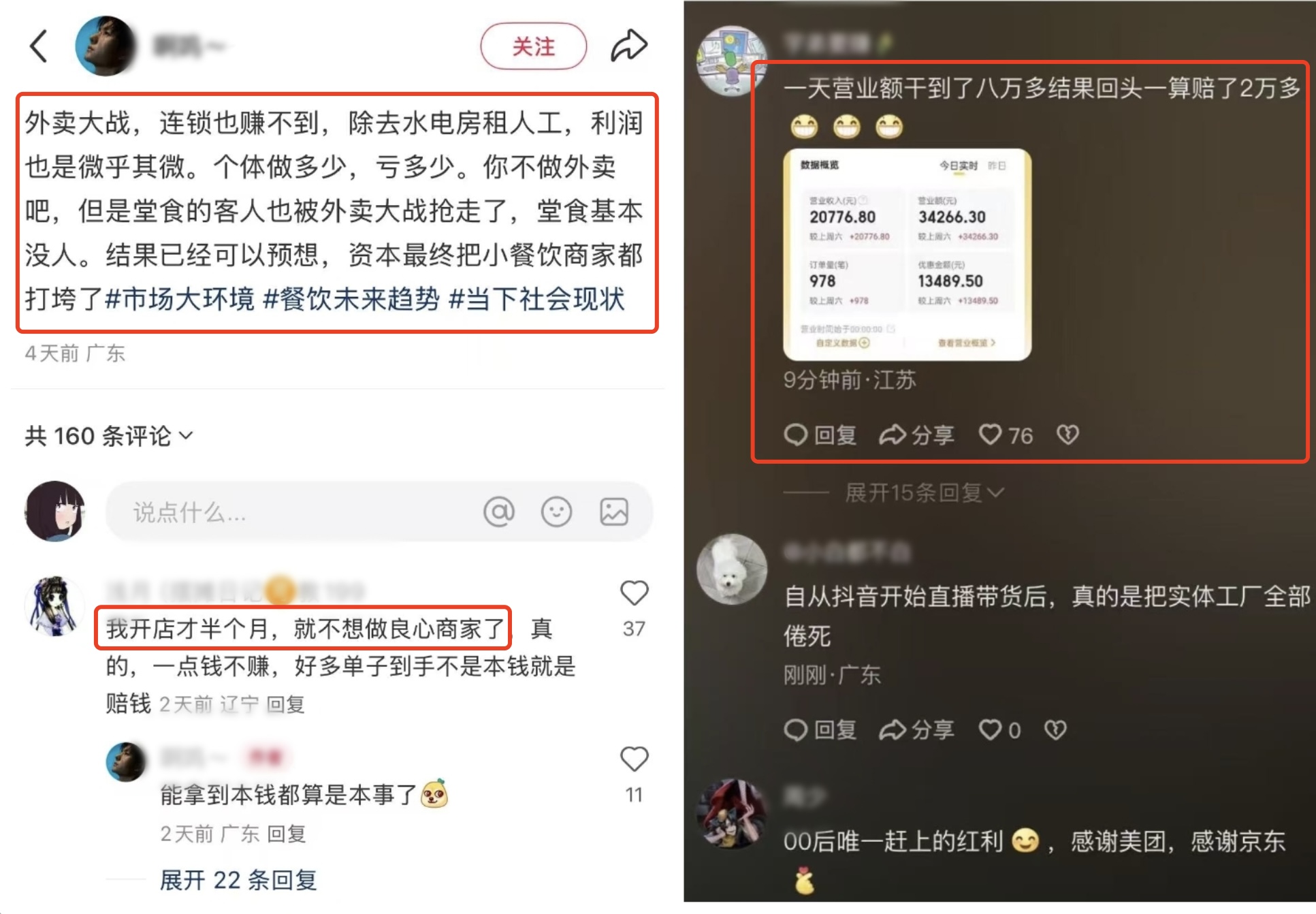
外卖大战背后:火锅店老板的流量困局与川菜馆的私域突围之战
第一财经· 2025-07-25 15:29
Core Viewpoint - The article discusses the ongoing "takeout subsidy war" in the restaurant industry, highlighting how traditional dining establishments are struggling to maintain pricing power and customer visibility amidst aggressive discounting by delivery platforms [2][4][5]. Group 1: Impact of Subsidy Wars - The subsidy wars have led to a significant decline in profits for the restaurant industry, with some businesses reporting that they receive as little as 1.69 yuan from a 19 yuan drink after accounting for various subsidies and fees [5]. - Many restaurant owners are forced to use cheaper ingredients to maintain profit margins, which compromises food quality as they compete in a price-driven market [6]. - Some industry players believe that the subsidy wars can have positive effects, such as educating consumers and increasing brand visibility for larger chains [6]. Group 2: Strategies for Survival - Some restaurant owners, like He, have opted out of the subsidy wars by leveraging direct customer relationships through platforms like WeChat, allowing them to bypass high commission fees from delivery platforms [9][11]. - He’s restaurant has successfully built a customer base of over 3,000 WeChat contacts, demonstrating a shift towards direct sales and customer engagement [11]. - The article emphasizes the importance of regaining pricing power and customer relationships, suggesting that businesses should focus on building their own channels rather than relying on third-party platforms [14][15]. Group 3: Industry Dynamics - The article notes that the competition for customer traffic has shifted, with delivery platforms now serving as primary channels for customer acquisition, similar to past strategies used by retail giants [13]. - Some brands, like Starbucks, have managed to maintain lower dependency on third-party platforms by utilizing their own apps for delivery, thus retaining more control over pricing and customer relationships [14]. - The article concludes that the ongoing struggle between leveraging platform benefits and maintaining independent operations is a critical challenge for many small to medium-sized enterprises in the restaurant sector [15].

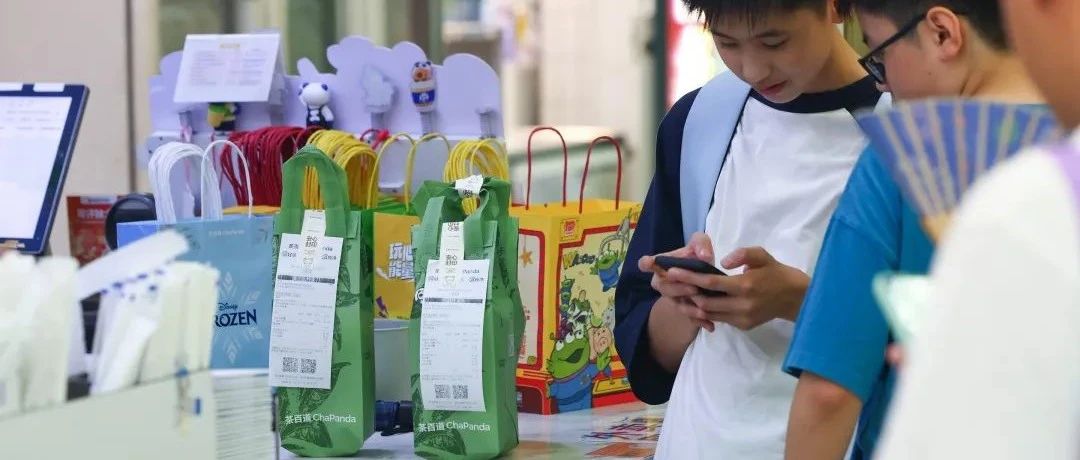
外卖大战背面故事:举步维艰的火锅店与倔强反抗的川菜馆
Di Yi Cai Jing· 2025-07-25 13:31
Core Viewpoint - The ongoing food delivery subsidy war is significantly impacting the pricing power of restaurant businesses, leading to a struggle for survival in a highly competitive environment [1][4]. Group 1: Impact on Traditional Dining - Restaurant owners are facing challenges as low-priced delivery options are eroding the customer base for dine-in services, with some customers opting for cheaper delivery meals even when dining nearby [3]. - High average order values in certain food categories, like hot pot, make it difficult for these businesses to compete with lower-priced items offered through delivery platforms [3][4]. - The pressure to participate in delivery platform promotions creates a vicious cycle where restaurants must sacrifice profitability to gain visibility [3]. Group 2: Profitability Concerns - The profit margins for restaurants are declining due to heavy subsidies, with some businesses reporting that they receive as little as 1.69 yuan from a 19 yuan drink after accounting for various costs [4]. - Some restaurant owners are resorting to using cheaper ingredients to maintain profitability, which raises concerns about food quality [4]. - Despite the challenges, some businesses see potential benefits in consumer education and increased brand visibility through delivery platforms [4]. Group 3: Alternative Strategies - Some restaurant owners are opting out of the delivery platform wars and instead focusing on direct customer relationships through private channels like WeChat [6][8]. - By reducing reliance on third-party platforms, businesses can regain pricing power and control over customer interactions, leading to a more sustainable business model [8][12]. - The shift towards direct sales and building a private customer base is seen as a viable path for restaurants to navigate the current market challenges [8][13]. Group 4: Industry Dynamics - The competition among delivery platforms is reshaping consumer behavior and may lead to a long-term shift in shopping habits from physical stores to online platforms [11]. - The ongoing subsidy wars are prompting calls from industry associations for more sustainable practices and a reduction in aggressive competition among delivery platforms [12]. - The balance between leveraging platform benefits and maintaining independent operations is a critical challenge for many small and medium-sized enterprises in the industry [13].

微商的「罗曼蒂克」消亡史
雷峰网· 2025-07-25 12:41
Core Viewpoint - The article discusses the rise and fall of the micro-business (WeChat business) model, highlighting its initial success driven by social media and the subsequent decline due to market changes and regulatory pressures [6][32]. Group 1: Rise of Micro-Business - The micro-business model thrived due to the emergence of WeChat and the concept of "private traffic," allowing individuals to leverage personal networks for sales [13][14]. - In 2015, the number of micro-business practitioners in China exceeded 12 million, with a significant portion being stay-at-home parents and students seeking income opportunities [18]. - The rapid growth of disposable income in lower-tier cities (38% CAGR from 2010 to 2018) fueled the micro-business boom, as these markets were more receptive to the model [21]. Group 2: Challenges and Decline - The micro-business landscape faced challenges from regulatory scrutiny, particularly after the introduction of the E-commerce Law in 2019, which mandated business licenses for operators [32]. - Issues such as the proliferation of counterfeit products and unsustainable business practices led to a decline in consumer trust and the eventual downfall of many micro-businesses [27][32]. - The article notes that many former micro-business operators have transitioned to other platforms like Douyin and Kuaishou, or have adopted new models such as community group buying [41]. Group 3: Evolution and Future Directions - The introduction of the "Tuike" model by WeChat represents a shift towards a more structured and sustainable business environment, allowing users to promote products without the need for inventory [44][51]. - The "Tuike" model aims to leverage social connections for sales while ensuring product quality and compliance with regulations, marking a significant evolution from the chaotic micro-business era [50][51]. - Experts suggest that the future of social commerce will focus on quality over speed, with platforms like WeChat seeking to create a more reliable ecosystem for both consumers and sellers [50].

云姨夜话丨这么“热”,“户外”市场有多大?
Qi Lu Wan Bao· 2025-07-24 11:18
Group 1 - The Danish outdoor equipment brand Nordisk has partnered with South Korea's K2 Group and China's Black Ant Capital to establish a joint venture in China, marking its official entry into the Chinese market [2] - Anta Group has completed the acquisition of the German outdoor brand Jack Wolfskin, which is now a wholly-owned subsidiary of Anta [2] - The ISPO SHANGHAI 2024 event showcased the professional outdoor brand "Himalaya" under CAMEL, featuring a diverse product line for various outdoor activities [2] Group 2 - CAMEL launched a special event called "CAMEL Super Product Day," featuring nearly 1,800 products, with over 40% being new items, achieving sales exceeding 10 million yuan [3] - The outdoor equipment market in China is experiencing explosive growth, driven by the rising popularity of healthy lifestyles and outdoor activities [3] - According to a report, the market size of China's outdoor equipment is projected to reach approximately 90.8 billion yuan in 2024, with a compound annual growth rate of 11.86% over the past five years [3][4] Group 3 - The summer tourism peak has led to increased consumer interest in outdoor activities such as hiking and camping, contributing to strong growth in outdoor equipment sales [4]

既要平台流量,更要自主话语权,外卖大战下半场的突围之道
Sou Hu Wang· 2025-07-21 03:37
Core Insights - The restaurant industry is facing significant challenges due to the aggressive subsidy wars among delivery platforms, leading to substantial losses for many businesses [1][2] - Despite initial boosts in order volume from low-price promotions, the long-term sustainability of restaurant brands is at risk as they struggle with high operational costs and reduced profit margins [1][2][8] Group 1: Impact of Subsidies - Many restaurants report monthly losses of up to 45% in their delivery business, with some tea shops earning less than 0.2 yuan per order while still participating in the competition [1][2] - For example, a 46.9 yuan order results in only 27.83 yuan for the merchant after accounting for subsidies and fees, highlighting the pressure on average order values [2] - The forced participation in subsidies and rising delivery costs are squeezing profit margins, pushing many businesses to the brink of loss [2][6] Group 2: Platform Dependency Risks - The reliance on delivery platforms mirrors past retail industry failures, such as Toys "R" Us, which suffered from over-dependence on a single platform, leading to its eventual bankruptcy [4][5] - The current situation in the restaurant industry shows that many small brands are similarly vulnerable to algorithm changes and rising commission fees imposed by platforms [5][6] Group 3: Strategies for Independence - To combat platform dependency, restaurant brands are encouraged to build their own private traffic channels and establish independent delivery capabilities [8][12] - Successful examples include Luckin Coffee and major fast-food chains that have developed their own membership systems and private ecosystems to enhance customer loyalty and data ownership [8][10] - Third-party delivery services are emerging as viable alternatives, providing flexibility and reducing reliance on single platforms, thus empowering brands in their operational strategies [10][12] Group 4: Future Outlook - The balance between leveraging platform advantages and maintaining operational independence is crucial for sustainable growth in the restaurant sector [12][13] - Brands must focus on enhancing product quality and service experience while utilizing platforms as effective customer acquisition channels [13]
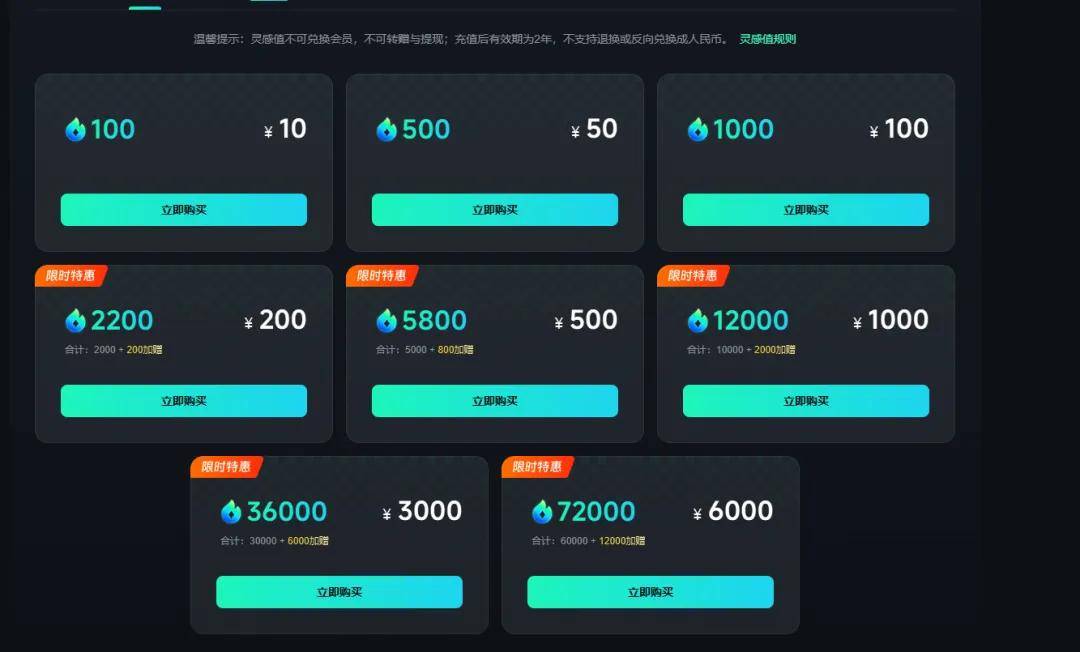
网上创业项目推荐:运用官方折扣政策赚取八万元利润
Sou Hu Cai Jing· 2025-07-18 02:36
Core Insights - The article discusses a "low-cost dividend" opportunity in the AI video sector, highlighting a potential arbitrage project that leverages bulk purchasing discounts from a specific AI service provider [1][14]. Group 1: Market Opportunity - The AI video market is experiencing significant demand, with many users seeking cost-effective solutions [9]. - A specific AI service, 可灵, offers bulk purchasing options that can reduce costs by up to 50% for large orders, creating a potential profit margin for resellers [5][6]. Group 2: Business Model - The proposed business model involves purchasing gift cards in bulk at a discounted rate and reselling them at a markup, with potential profits estimated at 15% to 20% [6][14]. - The strategy includes utilizing online platforms like闲鱼 and 淘宝 for sales, as well as building private traffic channels to enhance conversion rates [8]. Group 3: Challenges and Considerations - The initial investment requirement of at least 100,000 yuan poses a barrier for novice entrepreneurs, indicating that this opportunity is more suited for those with existing capital [9]. - The resale of gift cards must be executed within a year due to expiration, necessitating effective sales strategies and quick turnover [11]. - Competition is noted to be fragmented, suggesting that consolidating a stable low-cost supply could provide a competitive edge in pricing [13].

海外独立站建设要怎么运营
Sou Hu Cai Jing· 2025-07-03 06:41
Core Viewpoint - Amazon is intensifying its crackdown on fake reviews, which poses challenges for businesses relying on the platform, pushing them to explore independent website construction as a new growth avenue [1] Group 1: Challenges in E-commerce - The traditional methods of manipulating reviews for product exposure and sales are becoming ineffective due to stricter platform regulations [1] - Many foreign trade companies are experiencing "traffic anxiety" as platform traffic growth slows and competition intensifies, leading to rising advertising costs, with average click costs increasing by 30% to 50% over the past two years [1] - The need for businesses to diversify their sales channels and not rely solely on third-party platforms is becoming increasingly evident [1] Group 2: Advantages of Independent Websites - Independent websites allow companies to create their own online sales platforms with greater freedom from third-party platform rules, enhancing brand image and customer engagement [4] - Companies can collect comprehensive visitor behavior data on independent sites, enabling better understanding of customer needs and optimization of products and marketing strategies [4] - Independent websites open up various marketing channels, allowing businesses to build a loyal customer base through private traffic [5] Group 3: Steps for Building Independent Websites - Companies should clarify the purpose and positioning of their independent website before construction, tailoring strategies based on market understanding and customer preferences [8][9] - Selecting the right platform for building the independent site is crucial, with options like Shopify, WooCommerce, and Magento catering to different business needs [10] - Designing an appealing and user-friendly website is essential for creating a positive first impression and enhancing user experience [11] - Optimizing website functionality and user experience, including reliable payment systems and customer service, is key to retaining customers [12] - Enriching website content with valuable information helps build trust and improve search engine visibility [13] Group 4: Marketing Strategies for Independent Websites - Employing SEO strategies to improve organic search rankings and attract free traffic is vital for independent websites [14] - Utilizing SEM for paid advertising can quickly generate traffic and exposure, with careful keyword selection and ad content [15] - Social media marketing on platforms like Facebook, Instagram, and TikTok can effectively promote independent websites and engage customers [16] - Content marketing through blogs, videos, and reports can establish a company's expertise and attract potential customers [16] - Email marketing allows for targeted communication with customers, fostering long-term relationships and encouraging repeat purchases [17] Conclusion - In the context of tightening platform regulations and diminishing traffic benefits, building independent websites is becoming essential for foreign trade companies to achieve sustainable growth and global brand presence [17]

不做KTV,做娱乐新物种:星聚会的逆势增长方法论
36氪· 2025-07-02 12:39
Core Viewpoint - The article discusses the emergence of Xing Juhui, a KTV brand, in Tokyo's Shibuya, highlighting its resilience in a declining industry and questioning whether it is gambling or creating a new business model that can withstand market cycles [1][5]. Industry Overview - The KTV industry in China has seen a significant decline, with over 70,000 KTV stores disappearing since 2015, and major players exiting the market [3]. - Despite the industry's struggles, Xing Juhui has opened over 900 stores in 14 years without any closures due to losses, indicating a shorter investment return period than the industry average [4]. Business Model Innovation - Xing Juhui redefines KTV as an entertainment social space rather than just a singing venue, focusing on social interaction and emotional release [6][9]. - The brand has transformed the traditional KTV revenue model by creating a multi-scenario, multi-revenue source environment, enhancing customer experience and increasing average spending [11][14]. Operational Efficiency - Xing Juhui adopts a lightweight operational model, with smaller store sizes (300-800 square meters) and reduced staffing (around 6-10 employees), significantly lowering rental and labor costs [21][23]. - The brand's investment return period for new stores is typically around two years, which is competitive compared to traditional KTV models [24]. Growth and Expansion Strategy - Xing Juhui aims to expand to 2,000 stores domestically and 300 internationally within three years, with a focus on leveraging its unique service model to attract customers in Japan and other markets [4][37]. - The brand has a high franchisee retention rate, with an 83% rate of franchisees opening additional locations, indicating a successful and replicable business model [30]. Competitive Advantages - Xing Juhui has established three key competitive advantages: prime location access, complex regulatory approval processes for KTV openings, and a robust digital system that standardizes operations across its locations [34]. - The brand's investment in technology and data collection allows for continuous improvement and operational efficiency, setting it apart from traditional KTV competitors [35]. Future Outlook - The company is optimistic about its growth trajectory, with plans to enhance its presence in first and second-tier cities while also targeting emerging markets [31]. - Xing Juhui's approach to creating a new demand for social entertainment positions it well for future success, both domestically and internationally [38][39].

植物医生冲击主板,单店模式能否撑起未来?
Zhong Guo Ji Jin Bao· 2025-07-01 13:55
Core Viewpoint - Beijing Plant Doctor Cosmetics Co., Ltd. has been accepted for IPO on the Shenzhen Stock Exchange, aiming to raise approximately 9.98 billion yuan, but faces challenges due to its heavy reliance on offline channels and declining online sales [2][3][4]. Group 1: IPO Details - The IPO application was accepted on June 27, 2025, with CITIC Securities as the sponsor [3]. - The company has been preparing for the IPO since 2023, indicating a long-term strategy to enter the public market [3]. Group 2: Business Model and Performance - Plant Doctor operates over 4,000 offline stores but has seen a decline in total store count from 4,664 to 4,328 in 2024, losing 336 stores [4][7]. - In 2024, online direct sales accounted for only 9.3% of total revenue, with the revenue from the "Xiaozhi Mall" declining from 843.9 million yuan in 2022 to 623.3 million yuan in 2024 [6][7]. - The company’s revenue growth has been minimal, increasing from 215.5 billion yuan to 215.57 billion yuan despite store optimization efforts [8]. Group 3: Financial Metrics - The comprehensive gross margin for 2024 was 58.9%, down from 60.35% in 2023, indicating pressure on profitability [9]. - The company’s inventory turnover efficiency decreased from 4.96 times in 2022 to 4.27 times in 2024, with inventory balance at 223 million yuan, representing 16% of current assets [10][11]. Group 4: Market Position and Competition - Plant Doctor's reliance on a high proportion of the distribution model (over 63% of revenue) has negatively impacted its gross margin compared to competitors like Proya and Marubi, which have higher margins due to a focus on direct sales [9]. - The online market share in China's cosmetics sector reached 52.45% in 2024, highlighting the risk of falling behind in digital transformation [8]. Group 5: Future Outlook - The company emphasizes the importance of private traffic and plans to integrate online and offline channels through its "Xiaozhi Mall" platform, although recent revenue trends suggest challenges in achieving this goal [12][14]. - The effectiveness of the private traffic strategy and its potential to drive sustainable revenue growth remains uncertain, requiring further data and strategic clarity from the company [14].

植物医生冲击主板,单店模式能否撑起未来?
中国基金报· 2025-07-01 13:37
Core Viewpoint - The article discusses the IPO application of Beijing Plant Doctor Cosmetics Co., Ltd., highlighting its challenges in transitioning from a predominantly offline retail model to a more balanced online presence in the beauty industry [1][3]. IPO Details - Beijing Plant Doctor's IPO has been accepted by the Shenzhen Stock Exchange, with a projected fundraising amount of approximately 9.98 billion yuan [2]. - The company signed an IPO counseling agreement in 2023 and has only recently received acceptance from the exchange [2]. Business Model and Market Position - Plant Doctor operates over 4,000 offline stores and is considered a strong competitor for the title of "first beauty single brand stock" [3]. - The company has been criticized for its heavy reliance on offline channels, which has led to missed opportunities in the online market [3]. - In 2024, online direct sales accounted for only 9.3% of total revenue, indicating a significant lag behind competitors [6]. Revenue and Store Performance - The total number of stores decreased from 4,664 to 4,328 in 2024, with a net reduction of 336 stores [7]. - Despite the reduction in store count, revenue growth was minimal, increasing from 21.55 billion yuan to 21.557 billion yuan [7]. - The company has been optimizing its store network by closing underperforming locations, but this has not translated into revenue growth [7]. Online Sales and Competitor Comparison - Plant Doctor's online sales growth is significantly behind competitors like Proya, whose online direct sales accounted for over 75% of its revenue in 2024 [6]. - The company's online retail platform, "Xiaozhi Mall," has seen a decline in revenue from 839 million yuan in 2022 to 623 million yuan in 2024 [6]. Gross Margin and Distribution Model - The company primarily uses a distribution model, with over 63% of its revenue coming from this channel over the past three years, which has negatively impacted its gross margin [9]. - In 2024, Plant Doctor's overall gross margin was 58.9%, compared to Proya's 71.41% [9]. Inventory and Financial Metrics - As of May 31, 2025, 32 subsidiaries and stores have not obtained the necessary health permits for providing in-store services [10]. - The company's inventory turnover efficiency has declined from 4.96 times to 4.27 times from 2022 to 2024, with inventory balance at 223 million yuan [10]. - Key financial metrics include a current ratio of 2.21 and a debt-to-asset ratio of 44.97% [11]. Private Traffic Strategy - Plant Doctor emphasizes the importance of private traffic in its growth strategy, aiming to integrate offline and online channels through its private platform [13]. - The company claims that its private traffic team has developed standardized procedures that have generated significant revenue, although recent data shows a decline in revenue from its online platform [14].