高质量充分就业

Search documents
真知灼见献良策
Xin Lang Cai Jing· 2026-01-21 00:01
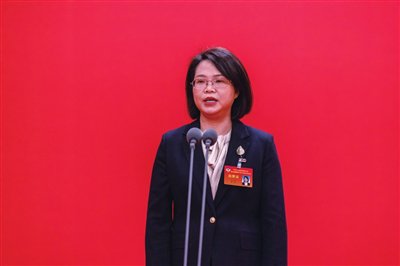
Group 1 - The article emphasizes the importance of high-quality employment and the need for continuous research and proposals to address employment issues in the region [4][5] - A proposal was made to enhance public employment services, encouraging universities to connect with businesses to facilitate job opportunities for graduates [4] - The article highlights the need for innovative approaches to support youth entrepreneurship and project development in line with local industry characteristics [5] Group 2 - The article discusses the transformation of a company from construction to higher value-added sectors such as pharmaceuticals and daily chemicals, enhancing its resilience [6] - It mentions the importance of policy alignment with industry needs, suggesting improvements in infrastructure and logistics to optimize the business environment [6][7] - The article outlines strategies for attracting investment, including specialized and scenario-based approaches to enhance the region's appeal for quality projects [7] Group 3 - The article highlights the integration of sports and education, promoting the development of sports-oriented schools to foster a well-rounded education [8] - It discusses the importance of community engagement in sports and the need for policy support to enhance the integration of sports and education [8] Group 4 - The article focuses on the development of high-quality elderly care services, emphasizing the integration of healthcare and wellness in the elderly care sector [9][10] - It suggests leveraging digital technology to improve elderly care services and enhance the quality of life for seniors [10]

权威数读|这五个“新”,概括了2025年经济工作“成绩单”
Xin Hua She· 2026-01-20 13:22
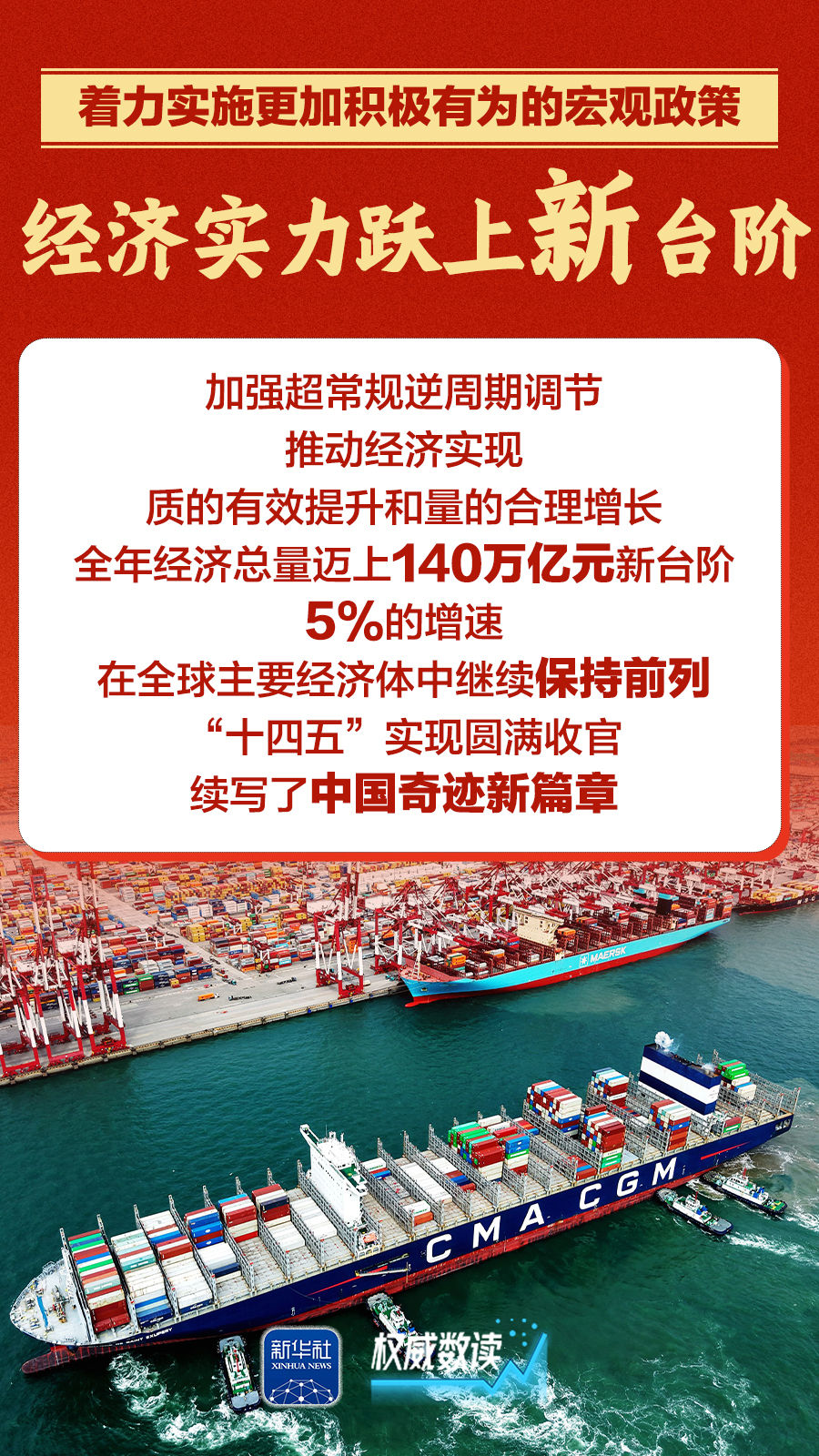
Economic Strength and Development - The core viewpoint of the article emphasizes the significant advancements in economic strength, production capabilities, reform and opening-up, regional development, and improvements in public welfare as outlined by the National Development and Reform Commission [1] Economic Work for 2025 - The economic work for 2025 is summarized with five "new" aspects: new economic strength, breakthroughs in new production capabilities, new steps in reform and opening-up, new developments in regional and urban-rural areas, and new enhancements in public welfare [1] Technological Advancements - There is a strong focus on accelerating high-level technological self-reliance, with key areas such as artificial intelligence, biomedicine, and robotics leading in research and application globally [6] - The manufacturing value added has ranked first globally for 16 consecutive years, indicating robust industrial growth [6] Reform and Opening-Up - Efforts are being made to eliminate economic circulation bottlenecks, with significant reforms in key areas and the promotion of a unified national market [8] - The introduction of the Private Economy Promotion Law and regular communication with private entrepreneurs are part of the ongoing reform initiatives [8] Trade and Export Growth - In 2025, there is an expected 6.1% growth in goods exports, with total imports reaching 18.48 trillion yuan, establishing China as a major export destination for 79 countries and regions [9] Regional Development - The article highlights the importance of coordinated regional strategies and urbanization, with the urbanization rate reaching 67.89% by year-end, an increase of 0.89 percentage points from the previous year [13] - Over 10 million people have transitioned to modern urban living, showcasing the success of urbanization efforts [13] Public Welfare Improvements - There is a commitment to enhancing public welfare through inclusive and foundational social services, promoting high-quality employment, and implementing childcare subsidies and free preschool education [16] - The optimization of holiday arrangements is also part of the strategy to improve the quality of life for citizens [16]
“十五五”新开局 怎样更好保障和改善民生?人社部回应
Xin Hua She· 2026-01-20 12:49
Core Viewpoint - The article emphasizes the importance of promoting high-quality and sufficient employment, as well as improving the social security system, as part of the "14th Five-Year Plan" and the upcoming Central Economic Work Conference in 2025 [1] Group 1: Investment in Human Resources - The Central Economic Work Conference highlights the need to combine investments in physical assets with investments in human resources to enhance the country's economic resilience and vitality [2] - The focus will be on promoting high-quality employment, improving lifelong vocational training systems, and reforming the social security system to support comprehensive development and common prosperity for all [2] Group 2: Employment Stability Measures - In 2025, the target is to create 12.67 million new urban jobs, with an average urban survey unemployment rate of 5.2%, indicating overall employment stability [3] - The government plans to adopt an employment-friendly development approach, coordinating policies across various sectors to ensure job stability [3] Group 3: Actions for Job Retention and Expansion - The government will implement actions to stabilize and expand job opportunities, utilizing policies like wage subsidies and tax reductions to support labor-intensive industries [4] - New industries such as digital and green economies will be cultivated to enhance employment potential, alongside promoting entrepreneurship through various models [4] Group 4: Employment Policy Support - New employment policies will be developed for youth and migrant workers, including recruitment activities and job training programs to enhance job opportunities [4] - Continuous support will be provided for vulnerable groups, including veterans and those at risk of poverty, to ensure stable employment and income [4] Group 5: Enhancing Employment Services - A large-scale vocational skills training initiative will be launched, focusing on demand-driven training projects to improve service quality [5] - The establishment of a comprehensive employment public service system will be prioritized, including the development of local employment service stations [5] Group 6: Skills Training Initiatives - The government aims to address structural employment issues through extensive vocational training, with over 11 million subsidized training sessions conducted [6] - Training programs will be tailored to meet the specific needs of different groups, such as youth and migrant workers, to ensure alignment with industry demands [6] Group 7: Social Security System Optimization - The government plans to expand social insurance coverage for flexible and new employment forms, ensuring better protection for these workers [8] - Key reforms will be implemented to ensure timely pension payments and to enhance the social security system's sustainability [8] Group 8: Streamlining Social Security Services - Efforts will be made to optimize the national social security service platforms, making it easier for individuals to access services and information [9] - The government will enhance policy communication and support to ensure equitable access to social security benefits for all citizens [9]
全力以赴稳就业 扩大社保覆盖面——访人力资源社会保障部党组书记、部长王晓萍
Xin Hua Wang· 2026-01-20 12:48
Group 1: Core Insights - The "14th Five-Year Plan" emphasizes promoting high-quality and full employment, as well as improving the social security system, with specific measures to be discussed at the Central Economic Work Conference in 2025 [1] - Investment in human resources is crucial for enhancing economic resilience and vitality, aligning with the goal of meeting high-quality living standards and fostering new economic growth points [2] - The employment situation remains stable, with a target of 12.67 million new urban jobs and an average urban survey unemployment rate of 5.2% for 2025 [3] Group 2: Employment Stability Measures - The government aims to establish an employment-friendly development model, coordinating policies across various sectors to support job creation and monitor employment trends [3][4] - Actions will include implementing policies to stabilize jobs, particularly in labor-intensive industries, and promoting entrepreneurship through various models [4] - Enhanced support for youth employment and migrant workers will be prioritized, with initiatives like job fairs and targeted training programs [4][5] Group 3: Skills Development - A large-scale vocational skills training initiative is underway, with over 11 million subsidized training sessions conducted, focusing on aligning training with market demands [6] - Training programs will be tailored to specific groups, such as recent graduates and migrant workers, addressing the skills mismatch in the labor market [6][7] - The upcoming World Skills Competition in Shanghai aims to inspire more individuals to pursue skill development and contribute to national growth [7] Group 4: Social Security System Enhancements - The government plans to expand social insurance coverage for flexible and new employment forms, ensuring better protection for these workers [8] - Key reforms will focus on improving the pension system, ensuring timely payments, and enhancing the social security framework for low-income groups [8][9] - Efforts will be made to streamline social security services, making them more accessible and efficient for the public [9]
人力资源社会保障部党组书记、部长王晓萍:全力以赴稳就业 扩大社保覆盖面
Xin Lang Cai Jing· 2026-01-20 12:20
Core Viewpoint - The article emphasizes the importance of investing in human resources to promote high-quality employment and improve the social security system as part of the "15th Five-Year Plan" [1][10]. Group 1: Employment Stability - The goal for 2025 is to create 12.67 million new urban jobs, with an average urban unemployment rate of 5.2%, indicating overall employment stability [3][12]. - In 2026, measures will be implemented to ensure employment stability, focusing on creating an employment-friendly development model and enhancing policy coordination across various sectors [3][12]. - Actions will include supporting industries with strong employment absorption capacity and establishing a monitoring system for employment impacts, particularly in the context of artificial intelligence [3][12][13]. Group 2: Skill Development - The "Skills Illuminate the Future" training initiative aims to address structural employment issues by providing targeted vocational training, with over 11 million subsidized training sessions conducted [6][15]. - Training will be tailored to meet the specific needs of different groups, such as recent graduates and migrant workers, to ensure alignment with market demands [6][15][16]. - The focus will also be on enhancing the quality and accessibility of training services, including the establishment of a 30-minute training service radius and improving the skill evaluation system [6][15][16]. Group 3: Social Security System - The social security system will be optimized to include flexible and new employment forms, ensuring better coverage and quality of social insurance for these groups [8][17]. - Key reforms will include expanding the coverage of unemployment and work injury insurance, as well as ensuring timely pension payments [8][18]. - Efforts will be made to streamline social security services through a unified platform, enhancing accessibility and fairness for the public [8][18][9].
权威访谈·开局“十五五”丨全力以赴稳就业 扩大社保覆盖面——访人力资源社会保障部党组书记、部长王晓萍
Xin Hua Wang· 2026-01-20 12:15
Core Viewpoint - The article emphasizes the importance of stabilizing employment and expanding social security coverage as part of China's "14th Five-Year Plan" and the upcoming economic strategies for 2026 [1][3]. Group 1: Employment Stability Measures - The goal for 2025 is to create 12.67 million new urban jobs, maintaining an average urban unemployment rate of 5.2%, indicating a stable employment situation [3]. - In 2026, measures will focus on creating an employment-friendly development model, enhancing policy coordination across various sectors, and establishing a monitoring system for employment impacts [3][4]. - Actions will include implementing policies to support labor-intensive industries, promoting new industries like digital and green economies, and encouraging entrepreneurship through various models [4][5]. Group 2: Skills Development and Training - The "Skills Illuminate the Future" training initiative aims to address structural employment issues by providing targeted training for over 11 million participants, enhancing the effectiveness of training programs [6][7]. - Training will be tailored to meet the specific needs of different groups, such as recent graduates and migrant workers, focusing on high-demand sectors like artificial intelligence and elder care [6][7]. - The establishment of a comprehensive training service network and the promotion of new occupational standards will enhance the value and recognition of skills training [7]. Group 3: Social Security System Optimization - The plan includes expanding social insurance coverage for flexible and new employment forms, ensuring these workers have access to quality social security [8][9]. - Key reforms will focus on national coordination of pension systems, timely payment of benefits, and enhancing support for low-income groups [9]. - Efforts will be made to streamline social security services through unified platforms and improve public access to information and support [9].
国家发展改革委:着力解决群众急难愁盼
2 1 Shi Ji Jing Ji Bao Dao· 2026-01-20 06:29
(文章来源:21世纪经济报道) 1月20日,国新办举行新闻发布会,介绍落实中央经济工作会议精神,推动"十五五"实现良好开局有关 情况。国家发展改革委副主任王昌林表示,着力解决群众急难愁盼,民生福祉实现新提升。面对人民群 众新期待,我们进一步加强普惠性、基础性、兜底性民生建设,努力促进高质量充分就业,全年城镇调 查失业率平均为5.2%,有序实施育儿补贴制度,逐步推行免费学前教育,推动优化节假日安排,让千 家万户有实打实的获得感,以惠民生为牵引,打开发展新空间。 ...
国家发改委:推动优化节假日安排
新华网财经· 2026-01-20 05:41
Group 1 - The core viewpoint of the article emphasizes the successful completion of the main economic and social development goals for 2025, showcasing steady economic performance and resilience in development [2] - The government aims to enhance the welfare of the people by addressing urgent public concerns and improving living standards, with a focus on inclusive and foundational social policies [2] - The average urban survey unemployment rate for the year is projected to be 5.2%, indicating efforts to promote high-quality and sufficient employment [2] Group 2 - The implementation of a childcare subsidy system and the gradual promotion of free preschool education are part of the government's strategy to improve public welfare [2] - The government is also working on optimizing holiday arrangements to enhance the sense of gain for families, thereby opening new avenues for development [2]

国家发改委:推动优化节假日安排
财联社· 2026-01-20 03:08
王昌林表示, 着力解决群众急难愁盼,民生福祉实现新提升。面对人民群众新期待,我们进一步加强普惠性、基础性、兜底性民生建设,努力促进 高质量充分就业,全年城镇调查失业率平均为5.2%,有序实施育儿补贴制度,逐步推行免费学前教育,推动优化节假日安排,让千家万户有实打实 的获得感,以惠民生为牵引,打开发展新空间。 国务院新闻办公室今日上午10时举行新闻发布会,请国家发展改革委副主任王昌林介绍落实中央经济工作会议精神,推动"十五五"实现良好 开局有关情况,并答记者问。 王昌林在会上表示,2025年经济社会发展主要目标顺利完成,经济运行稳中有进,发展韧性进一步彰显,民生政策更有温度,交出了一份高 质量答卷。 ...

制定实施城乡居民增收计划正当时
第一财经· 2026-01-19 15:24
Core Viewpoint - The article emphasizes the importance of increasing residents' disposable income as a means to enhance consumption and improve the distribution system, reflecting the benefits of national development for all citizens [3][6]. Group 1: Economic Data and Trends - In 2025, the national per capita disposable income reached 43,377 yuan, marking a nominal growth of 5.0% from the previous year, with the same percentage for real growth after adjusting for price factors [2]. - Over the "14th Five-Year Plan" period, the per capita disposable income has steadily increased from 35,128 yuan in 2021 to 43,377 yuan in 2025 [3]. Group 2: Employment and Income Growth - The foundation for implementing the "income increase plan" is to promote high-quality and full employment, which is crucial for the well-being of the populace and the healthy development of the economy [4]. - The average urban survey unemployment rate in 2025 was 5.2%, which is below the expected target of around 5.5%, indicating overall stability in the employment situation [5]. - The "15th Five-Year Plan" highlights the need for synchronized growth in residents' income and economic growth, as well as improvements in labor remuneration and productivity [6]. Group 3: Strategies for Income Increase - The implementation of the "income increase plan" requires efforts in both increasing income and reducing burdens [7]. - Establishing a more reasonable wage growth mechanism is essential for increasing labor remuneration, which relies on the continuous development of enterprises [9]. - In rural areas, activating property income through land reform and developing key industries such as specialty agriculture and rural e-commerce are vital for increasing farmers' income [10]. Group 4: Distribution Mechanism Reform - The future direction involves improving the initial distribution mechanism based on market evaluations of contributions, promoting a system where more labor, skills, and innovation lead to higher rewards [12]. - The reform of the distribution mechanism is a gradual and systematic process that requires coordinated efforts across initial, redistributive, and third distributions [13].