产教融合

Search documents
聚焦城市发展,完善高素质应用型人才培养机制
Xin Hua Ri Bao· 2025-10-24 22:33
人才是经济社会发展的第一资源,在推动地方经济发展过程中具有极其重要的作用。城市的发展仰赖于 人才的推动,而人才的培育则离不开高校的贡献。随着人工智能、云计算、大数据等新技术的不断涌 现,我国正不断迈向高质量发展的新时代,同时也对应用型人才培养提出了更高要求。正是这种人才需 求的逐步转变,催生了近些年应用型本科院校的快速发展。应用型本科高校作为培养高素质应用型人才 的核心基地,其对城市经济社会发展的贡献十分显著。同时,城市的持续发展也愈发依赖这类人才的不 断涌入。 聚焦城市发展,明确高校定位 一座城市要持续发展,离不开源源不断的人才供给;城市发展对人才的需求,也为高校指明了人才培养 的方向。作为常州土生土长的高校,长久以来,常州工学院始终将常州视为学校发展的根基与沃土。自 建校以来,学校持续打造"产教深度融合、校城一体发展"办学特色,整体优化设计人才培养体系,着力 营造"全员、全过程、全方位"的育人环境,全面提高学生的综合素质,致力于与这座城市血脉相连、命 运同频,全力培养契合地方经济社会发展需求的应用型人才。如今,学校已发展成为一所以工科为主、 多学科协调发展的特色鲜明的地方应用型本科高校,为常州的经济社会发 ...

国脉科技:子公司拟6000万元内与国脉集团开展产教融合合作
Xin Lang Cai Jing· 2025-10-24 09:14
Core Viewpoint - The announcement indicates that Guomai Technology's subsidiary, the Institute of Technology, will engage in an industry-education integration cooperation with Guomai Group, constituting a related party transaction [1] Summary by Categories Company Overview - Guomai Group is controlled by the major shareholder Chen Guoying, with Chen Wei serving as both the chairman of Guomai Technology and a director of Guomai Group [1] Financial Performance - Guomai Group reported a revenue of 1.036 billion yuan and a net profit of 169 million yuan for the year 2024 [1] Transaction Details - The board approved a contract with a total amount not exceeding 60 million yuan, with pricing not exceeding market comparable prices, and the execution period is limited to three years without requiring shareholder meeting approval [1] - Prior to the announcement, the cumulative related party transactions between the two entities amounted to 22.295 million yuan [1]

无锡高新区:人才与城市的“双向奔赴”
Yang Zi Wan Bao Wang· 2025-10-23 11:43
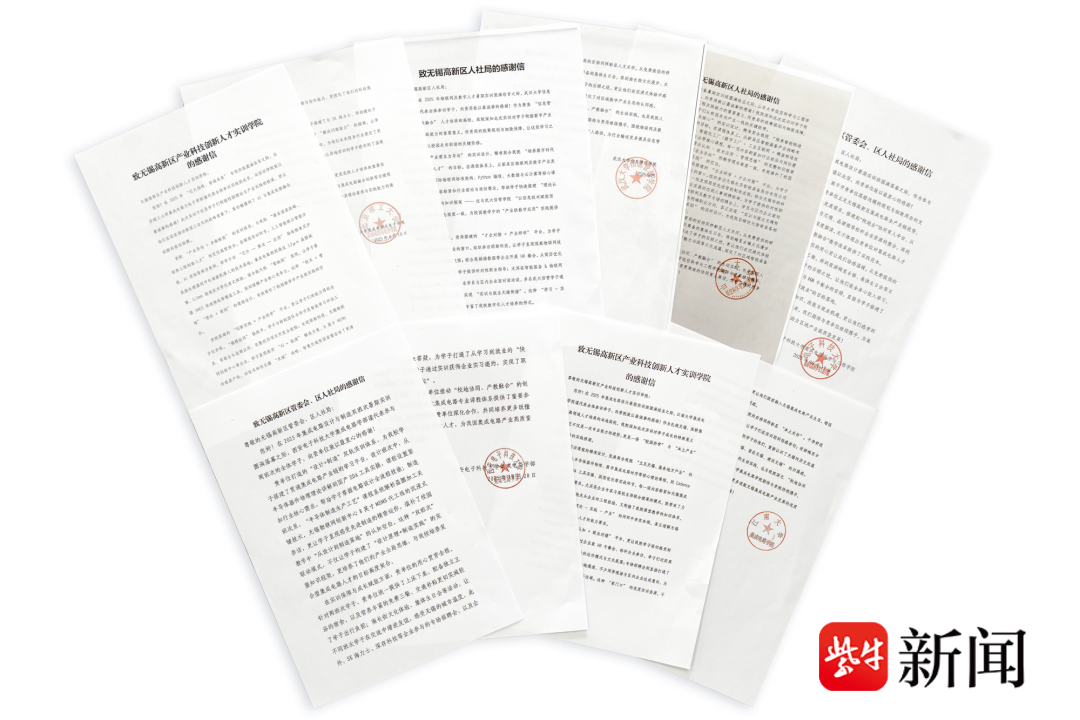
Core Insights - The Wuxi High-tech Zone's Talent Training Institute has received widespread appreciation from renowned universities and key local enterprises, highlighting the effectiveness of its innovative model that combines government support, market leadership, and collaboration between schools and enterprises [1][5][10]. Group 1: Talent Development and Education - Since 2022, the Talent Training Institute has focused on the development needs of the Wuxi High-tech Zone's "6+2+X" modern industrial cluster, optimizing talent cultivation mechanisms and offering 21 training sessions that attracted over 19,000 students from 1,078 universities worldwide [5][7]. - The institute has successfully created a practical and efficient platform connecting the supply side of universities with the demand side of enterprises, ensuring that young talents can be attracted, retained, and effectively utilized [5][7]. Group 2: Industry Collaboration and Employment - The institute's collaboration with universities has been validated by thank-you letters from partner institutions, which emphasize that the institute effectively integrates classroom learning with the industrial chain [7]. - Through specialized recruitment events and unique talent attraction activities, students have achieved seamless transitions from training to employment, facilitating direct pathways from campus to the workplace [7][8]. Group 3: Enterprise Feedback and Talent Supply - Key local enterprises, including Dayun Technology and Longxin Technology Group, have expressed gratitude for the institute's efforts in preemptively attracting talent, which has alleviated their demand for skilled personnel [8][10]. - The systematic organization of the institute has provided enterprises with a pool of high-quality young talents, establishing a new "green channel" for talent acquisition [10]. Group 4: Future Directions and Goals - Looking ahead, the Talent Training Institute aims to deepen multi-dimensional cooperation with universities and enterprises, exploring more precise educational models to create a one-stop talent service ecosystem from training to employment integration [11]. - The Wuxi High-tech Zone is committed to enhancing its role in integrating industry and education, contributing to the establishment of a globally influential industrial technology innovation center [11].

威海“十四五”教育事业交出亮眼答卷,全域义务教育达优质均衡
Qi Lu Wan Bao Wang· 2025-10-23 04:26
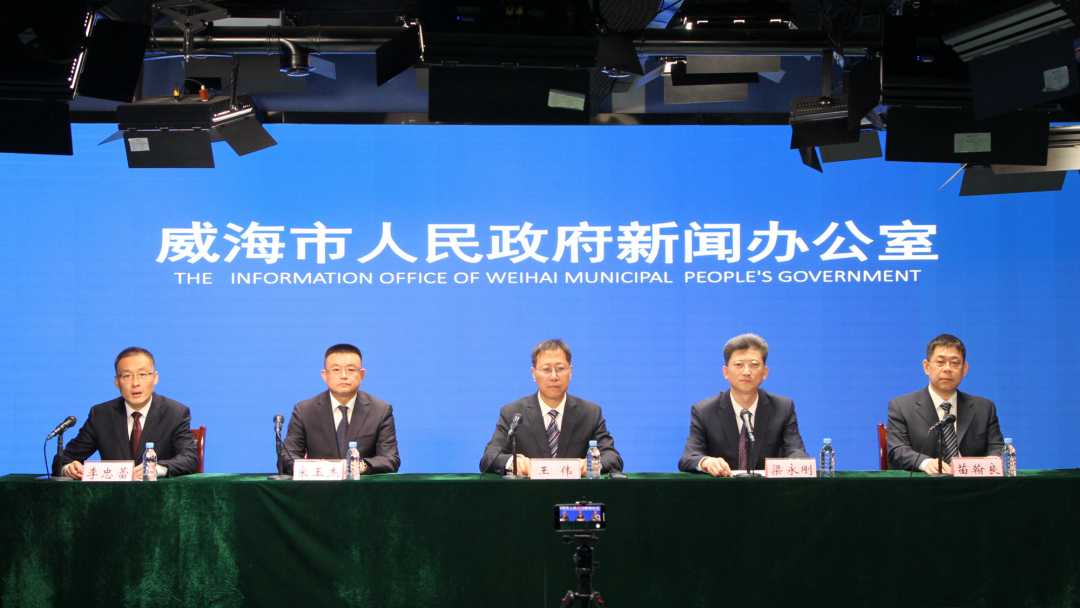
Core Viewpoint - The article discusses the progress and achievements of Weihai City in the education sector during the "14th Five-Year Plan" period, highlighting reforms and improvements in various aspects of education, including quality, equity, and integration with social needs [3][5][9]. Group 1: Educational Reform and Development - Weihai City has implemented comprehensive reforms in the education sector, focusing on transforming educational methods, innovating school management models, and optimizing support mechanisms [3][4]. - The city has achieved significant milestones in early childhood education, with over 52 new public kindergartens established and a gross enrollment rate exceeding 100% for preschool education [5][6]. - The development of high-quality education has progressed, with 38 new or expanded primary and secondary school projects completed, adding 24,000 new student places [5][6]. Group 2: Moral and Comprehensive Education - The integration of ideological and political education across all educational levels has been strengthened, with initiatives such as the "Same City Big Classroom" and the establishment of a teaching guidance committee [4][6]. - A comprehensive development system for moral, intellectual, physical, aesthetic, and labor education has been established, with significant achievements in sports and arts education [4][6]. Group 3: Vocational Education and Industry Integration - The city has made strides in vocational education, establishing a connected training system and offering 55 specialized programs that align with higher education [7][8]. - Collaboration between education and industry has been enhanced, with the establishment of multiple industry-education integration platforms and joint training initiatives [7][8]. Group 4: Public Service and Community Engagement - The "Double Reduction" reform has been implemented to alleviate students' academic burdens and improve after-school services, with over 5,470 course resources made available [9][10]. - A comprehensive enrollment service platform has been developed to address issues related to school admissions, ensuring transparency and accessibility for families [9][10]. Group 5: Future Planning - The education system in Weihai City aims to summarize the achievements of the "14th Five-Year Plan" and strategically plan for the "15th Five-Year Plan" to align educational development with community expectations and economic growth [10].
三年近百人次!镇江公交校企合作助江大学子成长
Yang Zi Wan Bao Wang· 2025-10-22 07:12
Core Insights - The article highlights the successful collaboration between Zhenjiang Public Transport and Jiangsu University, focusing on the immersive internship program for students in the field of new energy buses [5][9]. Group 1: Internship Program - The immersive internship program lasts for three weeks and aims to deepen the cooperation between Zhenjiang Public Transport and Jiangsu University, promoting the integration of industry and education [5]. - Since 2022, Zhenjiang Public Transport has provided internship opportunities for nearly 100 students from Jiangsu University over three consecutive years [5]. - The program addresses the gap in practical experience with large new energy vehicles, as students primarily learn about small passenger cars in school [5]. Group 2: Curriculum and Training - A specialized teaching team composed of experienced technicians was established to create a tailored internship curriculum that combines theoretical knowledge with practical skills [5]. - The internship employs a dual-track approach of "theory + practice," allowing students to fully grasp the structural characteristics, maintenance standards, and industry development trends of new energy buses [5][9]. - Students receive hands-on training in maintenance workshops, observing and participating in the maintenance processes of new energy buses, which enhances their understanding of safety protocols and troubleshooting techniques [9]. Group 3: Outcomes and Future Plans - Students expressed that the internship not only solidified their professional knowledge but also provided valuable insights into the development of new productivity in the public transport sector, aiding in their career planning [9]. - Zhenjiang Public Transport plans to continue optimizing the internship platform to provide more quality practical resources, contributing to the cultivation of versatile talents suited for the public transport industry [9].
一碗粉搭建中泰院校产教融合合作桥梁
Zhong Guo Xin Wen Wang· 2025-10-21 23:26
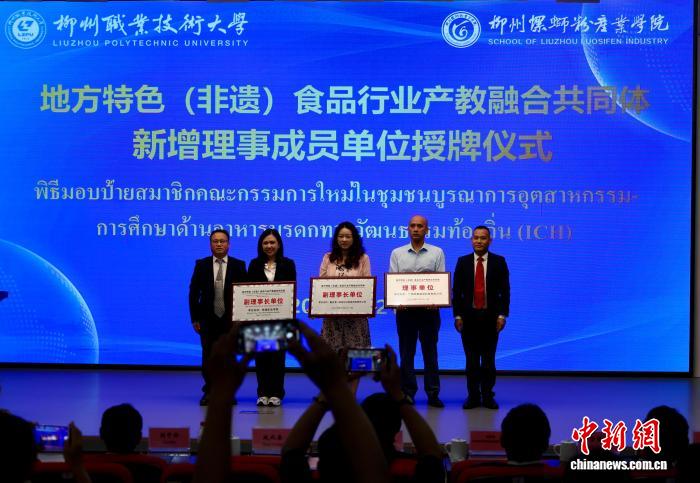
Core Points - The establishment of a collaborative framework between Chinese and Thai educational institutions and enterprises, focusing on the integration of industry and education in the local specialty food sector, particularly centered around Liuzhou snail rice noodles [1][3] Group 1: Collaboration and Membership - Thai Li Yi Vocational College and Chongqing Qingyi Zhen Import and Export Trade Co., Ltd. have joined the local specialty food industry integration community led by Liuzhou Vocational and Technical University [1][3] - The community aims to leverage Liuzhou snail rice noodles as a medium for cooperation, emphasizing government, enterprise, and academic collaboration for talent cultivation [1][3] Group 2: Market Expansion and Internationalization - Liuzhou snail rice noodles have targeted the ASEAN market for expansion, with physical stores established in Singapore, Malaysia, and Thailand [3] - The Liuzhou Snail Noodle Industry Development Center aims to facilitate overseas certification for local enterprises, enhance export convenience, and strengthen logistics and platform cooperation [3][4] Group 3: Educational Initiatives - The community plans to host an innovation and entrepreneurship competition in Thailand themed around Liuzhou snail rice noodles and establish an "International Entrepreneurship Academy" [4] - Initiatives include launching a cross-border e-commerce order class combining skills and Thai language, as well as student exchange programs with credit recognition [4]
微生物学正成为创新策源地
Ren Min Ri Bao· 2025-10-21 20:52
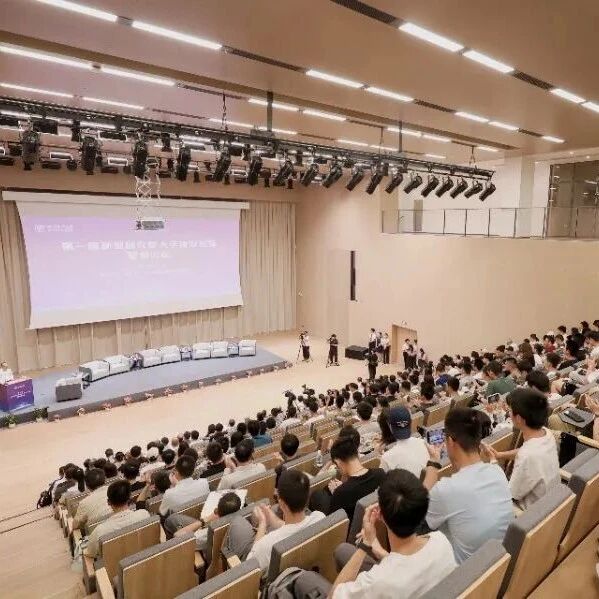
Core Insights - The first Microbiology Discipline Development and Industry-Education Integration Conference was held at Shandong University, aiming to summarize 75 years of microbiology development and 30 years of achievements from the National Key Laboratory of Microbial Modification Technology, while promoting the integration of academic, innovation, industry, and talent chains [1][2] Group 1: Conference Objectives and Achievements - The conference focused on the achievements of Shandong University's microbiology discipline and its key laboratory, emphasizing the importance of deep integration among various chains to support high-quality industrial development in Shandong Province [1] - Academicians and representatives from research institutions and local government discussed the increasing trend of interdisciplinary integration, highlighting microbiology as a source of innovation in many cutting-edge fields [1] Group 2: Support and Future Development - The Shandong Provincial Department of Education expressed commitment to further support the development of the microbiology discipline and laboratory, aiming to position it as a "super engine" for industrial upgrading [2] - Strategic cooperation agreements were signed between Shandong University and several companies, including Shenzhen BGI Genomics Co., Ltd., to enhance the integration of education and industry [2]
重磅!江门“民营经济十条”来了→
Sou Hu Cai Jing· 2025-10-21 07:32
Core Viewpoint - The "Ten Measures to Promote the Development of Private Enterprises in Jiangmen" aims to provide systematic support for the growth and high-quality development of private enterprises in the region, addressing key challenges and fostering a conducive environment for innovation and market expansion [1][2]. Group 1: Systematic Policy Measures - The policy outlines 20 specific measures across ten dimensions, focusing on nurturing private enterprises, expanding investments, driving innovation, ensuring resource availability, protecting rights, and creating a favorable environment [2]. - Emphasis is placed on building a comprehensive nurturing ecosystem for private enterprises, enhancing their growth throughout their lifecycle, and promoting the upgrading of business entities [4][6]. - The policy targets 15 key industrial chains for precise investment attraction, aiming to create resilient and competitive industrial clusters through dynamic updates of "investment maps" and "industrial maps" [4][6]. Group 2: Financial and Talent Support - The policy addresses long-standing issues faced by private enterprises, such as financing difficulties and talent shortages, by enhancing financial services and talent support systems [9][10]. - It encourages innovative financial solutions, including government investment funds and supply chain finance, to facilitate easier access to capital for private enterprises [9]. - Talent development initiatives include promoting dual education systems and establishing human resource platforms to support skill development for private enterprises [9][10]. Group 3: Innovation and Market Expansion - The policy encourages private enterprises to enhance their core competitiveness through technological innovation and market expansion, focusing on key areas like artificial intelligence and new materials [11][14]. - It supports the establishment of technology innovation alliances and the creation of various research and development platforms to accelerate the transition of technological achievements to production [11]. - Initiatives to promote brand and quality enhancement are also included, aiming to increase product value and support international brand registration [11][14]. Group 4: Government and Business Relations - The policy aims to foster a supportive government-business relationship and a social environment that respects and values entrepreneurship [16][19]. - It emphasizes the importance of regular communication between government and enterprises, establishing platforms for addressing business needs effectively [16]. - The promotion of entrepreneurial spirit and social responsibility among private entrepreneurs is encouraged, with initiatives to highlight their contributions to society [19].
人工智能重塑MBA教育 产教融合助力数智时代发展——第二十三届中国MBA发展论坛在西安举行
Huan Qiu Wang· 2025-10-21 05:54
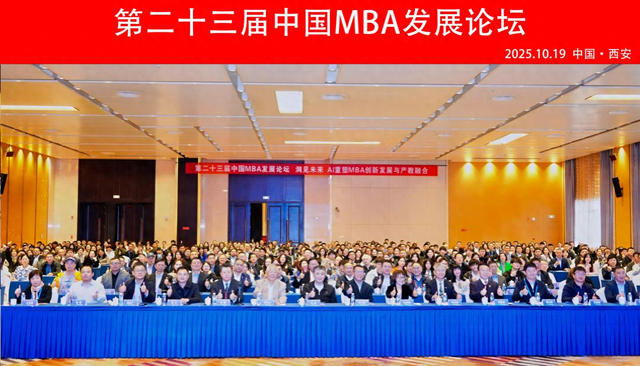
Core Insights - The 23rd China MBA Development Forum, hosted by Xi'an University of Electronic Science and Technology, focuses on the theme "Insight into the Future: AI Reshaping MBA Innovation Development and Industry-Education Integration" to explore the transformation of MBA education in the AI era and propose new paths for high-quality development in Chinese MBA education [1][6][15] Group 1: Forum Opening and Key Participants - The forum's opening ceremony featured notable attendees including academicians, university leaders, and industry experts, emphasizing the importance of collaboration between academia and industry [3][4][6] - Keynote speeches were delivered by leaders from various institutions, highlighting the integration of technology and management in MBA education [3][6][8] Group 2: Educational Innovation and AI Integration - The forum discussed the impact of AI on productivity and the restructuring of corporate logic, presenting both challenges and opportunities for MBA education [7][10] - Six academic reports were presented, addressing the integration of AI in MBA education and its implications for value reconstruction and industry practices [7][8][9] Group 3: Sub-Forums and Discussions - Four parallel sub-forums were held, focusing on topics such as AI-enabled MBA education, regional economic development, and industry-education integration, fostering in-depth discussions among experts and practitioners [10][11][13] - The discussions aimed to provide new insights and strategies for adapting MBA education to the demands of the digital economy [10][11] Group 4: Awards and Recognition - An awards ceremony recognized outstanding contributions in MBA education, innovation, and industry practice, reinforcing the importance of excellence in the field [14][15] - The forum has evolved into a significant annual event in the MBA education sector, contributing to the innovation and development of MBA programs across China [14][15]
制造强市期待更多一流大学
21世纪经济报道· 2025-10-21 05:21
Core Viewpoint - The emergence of new research-oriented universities is reshaping higher education in China, demonstrating a competitive yet complementary relationship with traditional universities, and aiming to drive educational reform through innovative practices and flexible mechanisms [1][4][5]. Group 1: New Research-Oriented Universities - New research-oriented universities like Shenzhen University of Technology and Fuyou University have surpassed traditional universities in admission scores, indicating their growing influence [1]. - These universities are seen as "sharp knives" in educational reform, focusing on specific missions that align with societal needs and innovation [1][5]. - Fuyou University emphasizes a flexible management structure, allowing it to respond quickly to social demands, which is a significant advantage over traditional public universities [5][6]. Group 2: Leadership and Management - Fuyou University has appointed a professional president, Wang Shuguo, who advocates for a management style akin to that of private enterprises, enhancing the university's responsiveness to market needs [5][9]. - The introduction of professional leadership in new universities is a trend, as seen with Ningbo Oriental University of Technology, which has also appointed a renowned academician as its president [8][9]. Group 3: Curriculum and Industry Integration - Fuyou University has adopted an integrated eight-year program for undergraduate and postgraduate education, focusing on fields like artificial intelligence and robotics, which require rapid knowledge updates and interdisciplinary research [6][9]. - Both Fuyou University and Ningbo Oriental University are establishing partnerships with leading enterprises to create joint laboratories, enhancing practical training and aligning academic programs with industry needs [9][10]. Group 4: Regional Economic Context - Shenzhen and Ningbo are both manufacturing powerhouses with aspirations for top-tier universities, reflecting a broader trend of cities investing in higher education to support economic growth [10][11]. - The establishment of new universities in these regions is seen as a critical step towards achieving high-quality development and addressing the gap in higher education resources compared to other cities [10][11][15].