贸易保护主义

Search documents
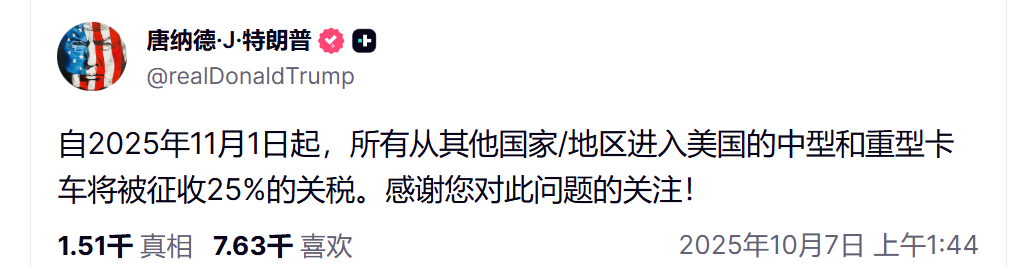
突发!特朗普宣布:25%关税!
Zhong Guo Ji Jin Bao· 2025-10-06 23:29
Group 1 - The U.S. will impose a 25% tariff on medium and heavy trucks imported from other countries starting November 1, 2023, as part of an expanding tariff system aimed at protecting domestic industries [1][2] - The tariff proposal has been strongly lobbied by traditional automakers in Detroit, and the initial implementation date was pushed back due to concerns raised by businesses [2] - The investigation leading to this tariff is based on the Trade Expansion Act, focusing on medium and heavy trucks with a gross weight exceeding 10,000 pounds, citing "predatory trade practices" by foreign suppliers [2][3] Group 2 - The new tariff is expected to increase costs for various industries that rely on these vehicles, including shipping, construction, and municipal services [2][3] - Companies such as Stellantis NV have requested exemptions or relaxations on tariffs affecting their production in Mexico, while competitors like General Motors and Ford oppose this, arguing it would give Stellantis a cost advantage [2][3] - Supporters of the tariff believe it will strengthen domestic manufacturing and protect American manufacturers from unfair foreign competition [3] Group 3 - In 2022, the U.S. imported approximately 245,000 medium and heavy trucks, with a trade value exceeding $20 billion [3] - The tariff could significantly impact companies like Daimler Trucks, Volvo Group, and PACCAR, with varying degrees of reliance on imports [3] - Ongoing investigations under the Trade Expansion Act may also affect other sectors, including solar panels, commercial aircraft, semiconductors, critical minerals, robotics, medical devices, and industrial machinery [3]

中产消费和美国“霸权”:我们要如何超过美国?
Sou Hu Cai Jing· 2025-10-06 08:16
Core Viewpoint - The article argues that the foundation of American hegemony lies not only in military and technological superiority but significantly in the vast consumer market created by the American middle class [5][8]. Group 1: American Hegemony - The U.S. has maintained its hegemonic status for decades, supported by a large middle class and the consumer market they generate [5]. - The Bretton Woods system established the dollar's status as the global currency, which continues to influence global economics even after its collapse [5][8]. - The U.S. government has imposed over $340 billion in fines on foreign companies through long-arm jurisdiction over the past decade [6]. Group 2: Characteristics of the Middle Class - Approximately 50%-60% of the U.S. population belongs to the middle class, with household incomes ranging from $52,200 to $156,600 for a family of three in 2021 [8]. - The middle class primarily consists of office workers, technical staff, teachers, and nurses, with annual incomes between $50,000 and $150,000 [8][9]. - Most middle-class families own homes but may carry mortgages or car loans, reflecting their economic status and consumption patterns [9]. Group 3: Economic Impact of the Middle Class - The middle class's spending focuses on education and healthcare, which are less sensitive to economic fluctuations, providing stable market demand [10]. - Regional differences in the middle class's economic standards are significant, with higher income thresholds in states like California compared to Mississippi [13]. - The large consumer market supports U.S. companies, enabling them to remain competitive globally [14]. Group 4: Global Influence and Trade - The U.S. is the world's largest importer, with imports reaching $3.2 trillion in 2023, giving it leverage in trade negotiations [15]. - The U.S. often uses market access as a bargaining chip, threatening to restrict access to compel concessions from trading partners [16]. - American consumer culture and lifestyle are disseminated globally, shaping perceptions of the "American Dream" [18]. Group 5: Future Considerations - The article suggests that to surpass the U.S., other countries must enhance their consumer capabilities and address potential financial risks within the U.S. economy [19][20].

近7年头一遭,美国遭致命危机!特朗普彻底失算,回旋镖扎回老巢
Sou Hu Cai Jing· 2025-10-05 08:06
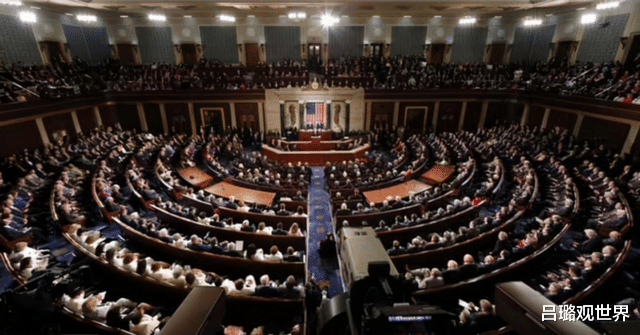
Core Points - The recent U.S. government shutdown is the first in nearly seven years, caused by a failure of bipartisan agreement on a temporary funding bill, leading to a funding shortfall [1] - The shutdown affects 750,000 federal employees who may face forced leave, with potential direct layoffs from the Trump administration [3] - The economic impact of the shutdown is expected to spread quickly, affecting various sectors including education and environment [3] Economic Impact - The previous government shutdown during Trump's administration lasted over a month and resulted in losses exceeding $10 billion, highlighting the significant economic consequences of such events [3] - Trump's trade war and tariff policies have imposed higher costs on U.S. businesses and consumers, disrupting supply chains and leading to increased production costs and profit reductions for many companies [3] - The ongoing economic pressures have intensified political divisions, with Republicans blaming Biden's policies for inflation, while Democrats attribute the economic difficulties to Trump's protectionist measures [5] Political Climate - The escalating partisan conflict has created uncertainty in the U.S. economic outlook and increased the risk of social unrest [7] - If Trump continues to pursue aggressive policies against China, the negative repercussions may deepen, exacerbating both domestic and international crises [7]
2025年三边经济报告
Sou Hu Cai Jing· 2025-10-05 07:44
Core Insights - The 2025 Trilateral Economic Report highlights the resilience and opportunities of the East Asian economic circle amid global uncertainties, emphasizing the importance of trilateral cooperation among China, Japan, and South Korea [1][6]. Economic Scale and Trade - In 2024, the combined GDP of China, Japan, and South Korea reached USD 24.21 trillion, a 2.7% increase from 2023, accounting for over 24% of global GDP [2][40]. - The total population of these three countries is approximately 1.584 billion, representing nearly 20% of the global population, making it one of the most promising consumer markets [2][40]. - The goods trade volume among the three countries is estimated at USD 8.93 trillion in 2024, which is 18.8% of global trade, highlighting their role as stabilizers in global supply chains [2][40]. Demographic Challenges - The aging population is a significant challenge, with Japan having 30% of its population aged 65 and older, South Korea at 18%, and China nearing 14%, all exceeding the global average of 10% [3]. - Fertility rates are critically low, with South Korea at 0.7, Japan at 1.2, and China at 1.0, indicating potential long-term population decline [3]. Economic Outlook - The report predicts that the economic growth rate for the ASEAN+3 region may fall below 4% in 2025 due to global trade shocks, with growth for China, Japan, and South Korea expected to decrease from 4.1% in 2024 to 3.7% [3][40]. - Long-term projections suggest that potential economic growth for ASEAN+3 and the CJK economies could decline to 2.8% and 3.0% by 2050, respectively [3][40]. Regional Economic Integration - The Regional Comprehensive Economic Partnership (RCEP) has shown positive impacts on trade and investment, with the trade volume reaching USD 13 trillion in 2023, accounting for 30% of global exports [4]. - However, challenges remain, such as small and micro enterprises struggling to benefit from RCEP, and the need for improved customs facilitation [4]. Semiconductor Industry Collaboration - The semiconductor industry is highlighted as a critical area for trilateral cooperation, with South Korea leading in memory chips, Japan dominating in manufacturing equipment, and China rapidly advancing [5]. - Recommendations include establishing a trilateral semiconductor supply chain dialogue platform and joint research initiatives to enhance regional supply chain resilience [5]. Future Cooperation Directions - The report emphasizes the need for accelerated negotiations on the China-Japan-Korea Free Trade Agreement (CJKFTA) and collaboration in emerging sectors like electric vehicles and renewable energy [5]. - Strengthening regional cooperation is deemed essential to navigate uncertainties and promote sustainable growth across the region [6].

中方一单不买,还决定加税100%!加拿大高官公开表态要来中国,想当面求放过?
Sou Hu Cai Jing· 2025-10-05 04:18
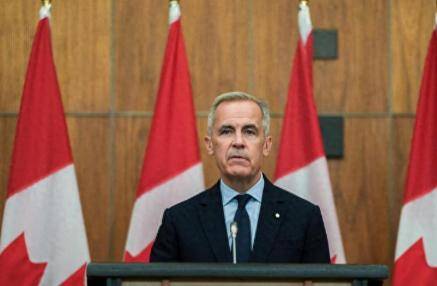
Core Viewpoint - Canada has shifted its stance towards China, recognizing the economic repercussions of its previous confrontational approach and seeking dialogue to address trade issues [1][3][5]. Group 1: Historical Context - Since 2018, the Canadian government, under Trudeau, closely collaborated with the U.S. on a strategy to "contain China," imposing tariffs on Chinese electric vehicles and steel products [3]. - Canada underestimated China's swift and decisive retaliatory measures, which included imposing 100% tariffs on Canadian canola oil and peas, leading to significant economic distress for Canadian farmers [3][5]. Group 2: Economic Impact - The imposition of tariffs by China has severely impacted the Canadian canola oil industry, which relied heavily on the Chinese market, resulting in plummeting prices and potential bankruptcies among farmers [3][5]. - Canada's trade relationship with the U.S. remains strained, with ongoing high tariffs on steel and aluminum products, further complicating its economic situation [3][5]. Group 3: Shift in Strategy - The Canadian government is now reflecting on its previous strategies, with Foreign Minister Anand announcing plans to visit China to resolve economic differences through direct dialogue [5][6]. - The pressure from farmers and businesses, coupled with rising unemployment, has compelled the Canadian government to reconsider its approach and seek cooperation with China [6]. Group 4: Future Considerations - China's response to Canada's overtures will depend on Canada's willingness to abandon discriminatory tariffs, as China emphasizes cooperation based on equality and mutual benefit [8]. - If Canada continues to pursue a confrontational stance, it risks further deterioration of bilateral relations, as China is capable of finding alternative markets and maintaining a consistent foreign policy [8].
为换美国一句话,欧盟要对华加税50%?德企急呼:别引火烧身
Sou Hu Cai Jing· 2025-10-04 10:46
Core Viewpoint - The EU is taking measures to address steel imports from China, planning to cut foreign steel import quotas to half of 2024 levels and significantly increase tariffs, potentially up to 50% [1][3]. Group 1: EU Measures and Support - The EU plans to reduce foreign steel import quotas to 50% of 2024 levels and increase tariffs, following the examples of the US and Canada [1]. - France and 10 other member states support strict "melting and pouring" origin rules to limit Chinese steel imports, citing high cost pressures on their steel industries [3]. - France aims to leverage this measure to encourage the US to lower tariffs on EU steel, alleviating export pressures [3]. Group 2: Germany's Position - Germany, as the largest economy and steel importer in the EU, has a conflicting stance; while supporting free trade, it is cautious about the implications of increased tariffs on its industries that rely heavily on Chinese steel [3]. - Approximately 60% of Germany's imported steel comes from China, raising concerns about production cost increases and competitiveness [3]. Group 3: Impact on Industries - The German Automotive Industry Association (ACEA) warns that rising steel costs could increase production costs by about €2000 per vehicle and calls for temporary tariff measures [5]. - Major German companies like Siemens and BASF express concerns about potential retaliatory actions from China, which could disrupt global supply chains [5]. Group 4: Eastern European Concerns - Eastern European countries like Poland and the Czech Republic, which rely on low-cost steel imports, fear that increased tariffs will raise costs for infrastructure and manufacturing, weakening their economic competitiveness [7]. - Poland imports about 30% of its steel from China, and these countries prefer to maintain existing protective measures rather than increase tariffs [7]. Group 5: Broader Economic Implications - Organizations like ACEA and Orgalime indicate that rising steel prices will have a cascading effect on downstream industries such as automotive and construction, ultimately impacting consumers and taxpayers [9]. - Research from Bruegel suggests that halving EU steel imports could lead to a GDP decline of approximately 0.2% [9].

扛不住美国收割!欧盟调转矛头对准中国,殊不知正加速衰退
Sou Hu Cai Jing· 2025-10-04 04:44
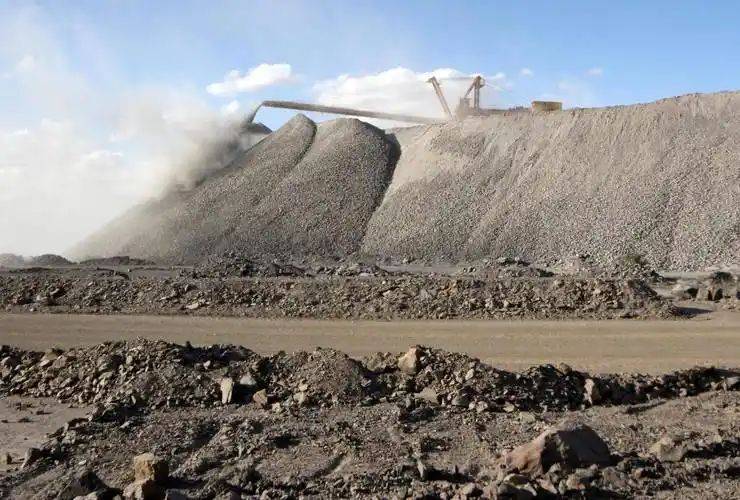
Group 1 - The EU is facing severe economic challenges due to the prolonged impact of the Russia-Ukraine conflict and the increasing pressure from the US, which has led to a heavy financial burden on member states [1] - The EU Commission plans to impose tariffs of 25% to 50% on Chinese steel and related products to counteract competition and the isolation from the US market, indicating a fundamental shift from its previous free trade policies [1][3] - The EU's industrial decline is attributed to structural issues and the influence of US policies, with rising energy costs and technological lag in key sectors exacerbating the situation [3] Group 2 - The EU's move towards trade protectionism may accelerate its own decline, as it fails to address its internal competitiveness issues and instead blames China for its industrial challenges [3][5] - The EU may underestimate China's ability to retaliate against its trade measures, which could harm the benefits gained from globalization and lead to a dual economic pressure from both the US and China [5] - The EU's reliance on China for essential resources, such as rare earth materials, poses a significant risk to its industrial revival if China decides to restrict supply in response to EU tariffs [5]
APEC峰会,将是特朗普对全球发起关税战后最重要的一次会议
Sou Hu Cai Jing· 2025-10-04 03:54
Group 1 - The APEC 2025 summit is significant for South Korea, with President Yoon Suk-yeol emphasizing the importance of avoiding a financial crisis similar to 1997 due to potential U.S. investment demands [2] - The APEC summit in October is seen as a critical moment for global economic discussions, particularly in light of the ongoing trade war initiated by the Trump administration [1][2] - President Yoon's portrayal in a promotional video as an air traffic controller symbolizes South Korea's orderly return to the international community amidst domestic political challenges [1] Group 2 - Trump's participation in the APEC summit is anticipated to address not only U.S.-Korea trade issues but also broader economic discussions with East Asian countries [5] - The potential absence of Trump from the summit due to U.S. government shutdown concerns raises questions about the future of U.S.-East Asia relations [2][3] - The evolving trade dynamics and Trump's previous absence from the 2018 APEC summit highlight the shifting landscape of U.S. engagement in international trade negotiations [3]
释放人质!哈马斯提交对特朗普“20点计划”回应;原油全周重挫7%;台风“麦德姆”5日将登陆华南沿海;小米回应“汽车突然自己开走”丨每经早参
Mei Ri Jing Ji Xin Wen· 2025-10-03 22:46
Market Overview - US stock indices closed mixed, with the Dow Jones up 0.51%, the Nasdaq down 0.28%, and the S&P 500 up 0.01% [4] - Major tech stocks mostly declined, with AMD down nearly 3%, Meta down over 2%, and Tesla down over 1% [4] - The Nasdaq Golden Dragon China Index fell 1.15%, with most Chinese concept stocks declining [4] - International precious metals futures generally rose, with COMEX gold futures up 1.14% and COMEX silver futures up 3.45% [4] - US oil futures rose slightly, with the main contract up 0.35% to $60.69 per barrel, while Brent crude rose 0.42% to $64.38 per barrel [4] - European stock indices closed mixed, with Germany's DAX down 0.18% and France's CAC40 up 0.31% [4] Trade Relations - The Chinese Ministry of Commerce expressed strong opposition to Mexico's recent anti-dumping investigations against Chinese products, emphasizing the need to protect Chinese enterprises' rights [5] - China has initiated a trade and investment barrier investigation in response to Mexico's proposed increase in import tariffs [5] Safety and Environmental Measures - The State Council's Work Safety Committee has launched a nationwide inspection and closure of abandoned mines to combat illegal mining activities [6] - The Ministry of Transport has activated a level three response to prepare for Typhoon "Maidum," which is expected to strengthen and make landfall in southern China [6] Entertainment Industry - The total box office for the 2025 National Day holiday period has surpassed 900 million yuan, including pre-sales [5] Corporate News - Xiaomi addressed a viral video claiming that a Xiaomi car drove away on its own, confirming that the incident was due to a user-initiated parking command and not a vehicle malfunction [11] - OpenAI responded to Elon Musk's legal threats, asserting its commitment to protecting employee rights and rejecting any attempts to intimidate staff [12][13] - Boeing is facing another delay in the delivery of its 777X aircraft, potentially resulting in losses of billions of dollars, with the new delivery date pushed to early 2027 [14] - Chevron's refinery in California experienced an explosion, raising safety concerns in the refining industry [15] - Apple has removed an app that tracked immigration enforcement personnel, highlighting its commitment to user privacy and safety [16]


中方:坚决反对,将密切关注进展
Sou Hu Cai Jing· 2025-10-03 15:20
Core Viewpoint - The Ministry of Commerce of China expresses strong opposition to Mexico's recent anti-dumping investigations against Chinese products, emphasizing the need to adhere to WTO rules and protect the legitimate rights of Chinese enterprises [2][2][2] Summary by Relevant Sections Anti-Dumping Investigations - Mexico has initiated four anti-dumping investigations against Chinese products including float glass, self-adhesive tape, PVC coated cloth, and steel bolts, following requests from domestic companies [2][2] - This marks a significant increase in anti-dumping investigations against Chinese products, with a total of 11 cases reported this year, nearly double the total from the previous year [2][2] China's Response - The Chinese side has stated its commitment to closely monitor the progress of Mexico's investigations and urges compliance with WTO regulations to safeguard the rights of Chinese companies [2][2] - In light of the current context of U.S. tariff impositions, China calls for collective opposition to unilateralism and protectionism among nations [2][2] Trade Barrier Investigation - The Ministry of Commerce has initiated a trade barrier investigation based on Mexico's proposed increase in import tariffs and other trade restrictions against China [2][2] - China will take necessary measures across trade and investment sectors based on the investigation results to protect the legitimate rights of its enterprises [2][2]