量子计算

Search documents
AI 交易:2025 年完整指南
Xin Lang Cai Jing· 2025-12-02 11:59
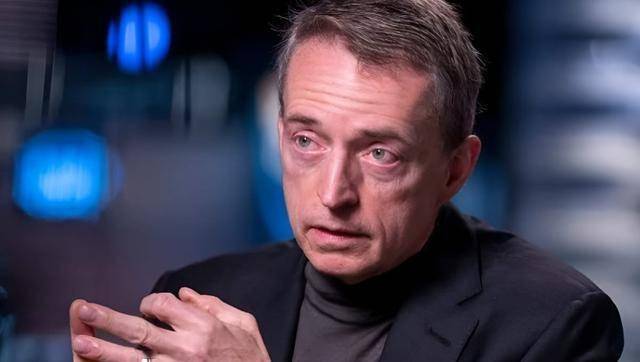
Core Insights - Artificial Intelligence (AI) is revolutionizing the trading landscape, bringing unprecedented efficiency, accuracy, and speed to financial markets. By 2025, AI is expected to handle nearly 89% of global trading volume, impacting everything from high-frequency stock trading to decentralized cryptocurrency ecosystems [1][10]. Group 1: Evolution of AI in Trading - The adoption of AI in trading is driven by the need for automation, reducing human errors, and executing trades at record speeds [10]. - Current markets generate and process over 2.5 million terabytes of data daily, including news, social media, satellite images, and blockchain transactions, creating a data explosion that AI can help manage [13]. Group 2: Core Technologies Driving AI Trading - Key technologies include machine learning, deep learning, natural language processing, and quantum computing, which enhance trading strategies and decision-making [13][14]. - AI systems can achieve nanosecond-level trading responses, significantly faster than human reaction times, improving overall market efficiency [13]. Group 3: AI Trading Platforms and Strategies - AI trading strategies encompass quantitative trading, algorithmic trading, sentiment analysis, and reinforcement learning, all aimed at maximizing returns and managing market risks [14][15]. - The regulatory landscape is evolving, with institutions like the SEC approving new AI-driven order types, legitimizing autonomous trading systems [13].

十大概念板块,去伪存真,一个是历史性机会!
Sou Hu Cai Jing· 2025-12-02 10:00
Market Overview - The market is currently experiencing weakness, with major indices falling below the 60-day moving average, indicating a lack of upward momentum [1] - Despite a favorable monetary environment, there are signs of weakness in the real economy, leading to cautious investor sentiment [1][2] Investment Strategy - Investors are advised to stabilize their positions and avoid leveraging, focusing instead on technology and new economy sectors rather than cyclical stocks [2] - The emphasis should be on long-term opportunities in leading AI companies, as the AI and computing chip sector is seen as a historic opportunity despite potential short-term valuation risks [4][5] Technology Sector Insights - AI and computing chips are identified as transformative technologies that could significantly enhance productivity over the next 20 years [4] - Brain-computer interfaces are viewed as a bubble, with current technology only providing limited functionality for disabled individuals [5][6] - Satellite internet is recognized as a genuine opportunity due to its proven technology and demand in remote areas, particularly in China [7][8] Emerging Technologies - Blockchain is considered a bubble, with concerns over the security of cryptocurrencies like Bitcoin, which may lead to a collapse in their valuation [8] - Human-like robots and low-altitude electric manned flying vehicles are also categorized as bubbles, with significant regulatory and technical challenges hindering their development [9][10] - Quantum communication and quantum computing are still uncertain, with significant technical hurdles to overcome [10][11] Established Technologies - 3D printing is seen as having potential for growth, especially as AI lowers design barriers, making it more accessible for home use [11] - Lithium batteries, particularly solid-state batteries, are viewed as having opportunities, although traditional lithium battery technology is reaching maturity [11]
AI算力主权之争全面升级,皮查伊如何终结英伟达垄断叙事
Xin Lang Cai Jing· 2025-12-02 02:27
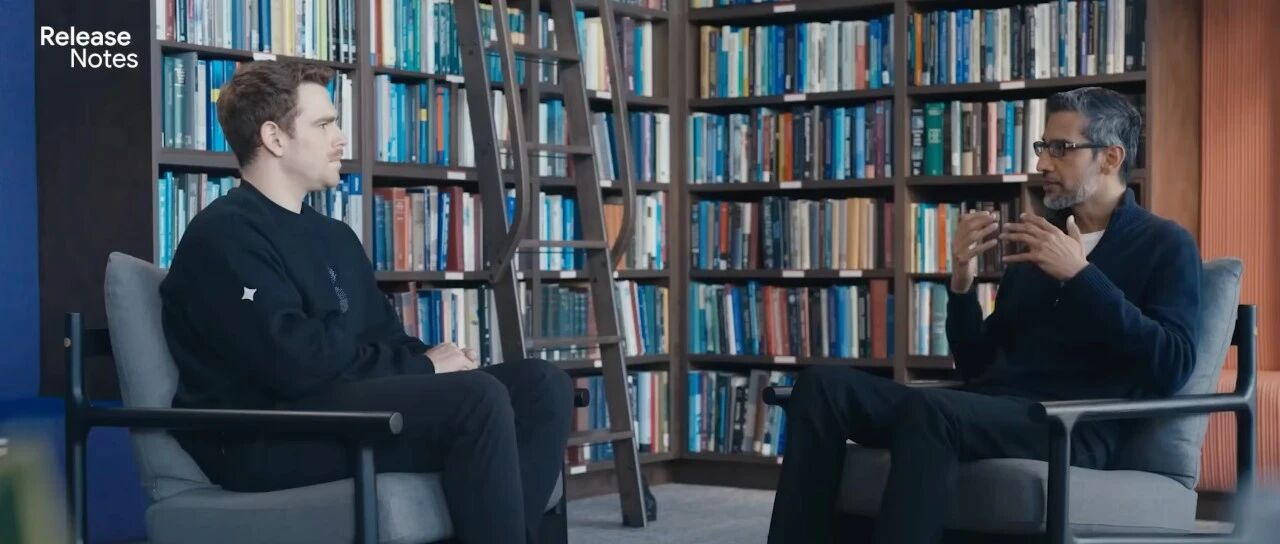
Group 1 - The core narrative of AI computing is shifting from Nvidia's dominance to a dual-track competition between GPUs and TPUs, as Google increases its investment in self-developed TPUs, attracting interest from major tech companies like Meta [1] - Nvidia's stock has declined from its peak, while Alphabet's stock has reached new historical highs, indicating a reevaluation of the next phase of AI winners in the capital market [1] - Google's self-developed TPU allows for "computing autonomy," giving it complete control from the underlying chips to upper-layer applications, moving beyond being just a customer of Nvidia [1] Group 2 - Google's CEO Sundar Pichai emphasized the importance of a full-stack strategy, which has been in place since 2016, integrating AI-first strategies and TPUs across all layers of innovation, creating a multiplier effect [2] - The Gemini model is not just an upgrade but serves as a common foundation across all Google services, enabling rapid "SIM shipping" for synchronized releases of models, products, and tools across its ecosystem [2] - Pichai highlighted "Vibe Coding" and Nano Banana Pro as initiatives that democratize programming and creativity, similar to the early days of blogging and YouTube, unlocking significant creative potential [2] Group 3 - Google is making long-term bets not only on AI but also on quantum computing and projects like "Project Suncatcher," aiming for preliminary deployment of space data centers by 2027 [3] - While Nvidia's technological advantage remains, the next phase of AI computing will focus on the competition for "computing standards" and "ecosystem interpretation rights," marking the emergence of a dual-giant era driven by both GPUs and TPUs [3]


早报 | 乌美就领土问题讨论达6.5小时;宁德时代基层员工涨薪150元;孙正义回应清仓英伟达;DeepSeek发布两款新模型
虎嗅APP· 2025-12-02 00:01
Group 1 - Ukraine's President Zelensky discussed territorial issues with the US for 6.5 hours, indicating that the current proposal appears more promising [2] - Zelensky emphasized the importance of European partners for funding and reconstruction efforts, as financial resources are primarily concentrated in Europe [2] - The Ukrainian delegation is set to meet with the Irish Prime Minister to report on negotiations with the US [2] Group 2 - The cryptocurrency market experienced a significant downturn, with Bitcoin dropping 8% to $83,824, marking a nearly 30% decline since early October [4] - Ethereum fell by 10%, reaching a low of $2,719, with a total decline of 36% over the past seven weeks [5] - Over 260,000 traders were liquidated in a 24-hour period, resulting in a total liquidation amount of $941 million [5] Group 3 - Nvidia announced a strategic investment of $2 billion in Synopsys, a leader in electronic design automation (EDA), to integrate AI computing technology into industrial design [7] - Following the announcement, Synopsys' stock price surged over 11% in pre-market trading [7] Group 4 - Apple is facing potential fines up to $38 billion as it challenges India's antitrust fine laws, which consider global revenue in penalty calculations [8][9] Group 5 - CATL announced a salary increase of 150 yuan for employees at levels 1-6, effective January 1, 2026, to attract and retain talent [12] - As of the end of 2024, CATL's total employee count is projected to be 132,000, with an average salary of 236,300 yuan, reflecting an increase of 10,600 yuan from the previous year [13] Group 6 - Vanke proposed a one-year extension for the repayment of a 2 billion yuan bond due to ongoing operational challenges [14] Group 7 - Donations for the recent Hong Kong fire have reached nearly 3 billion yuan, with over 1.2 billion yuan contributed by enterprises with mainland backgrounds [15]


变应用场景为科创“胜景”
Jing Ji Ri Bao· 2025-12-01 22:21
近期,国务院办公厅发布《关于加快场景培育和开放推动新场景大规模应用的实施意见》,旨在充分发 挥我国超大规模市场和丰富应用场景优势,推动更多应用场景转变为科创"胜景"。 (文章来源:经济日报) 当前,我国在人工智能、5G通信、量子计算等领域已形成一定的技术优势,但许多创新成果仍困于实 验室阶段,未能有效转化为市场竞争力。通过场景培育,能让技术在应用中迭代、在实战中完善,真正 完成从"技术供给"到"市场价值"的转变。面对制造业成本攀升、交通物流效率瓶颈等现实挑战,场景创 新以"问题导向"精准切入,成为撬动产业升级的有力杠杆。例如,一个"智慧矿山"场景就能系统性地拉 动感知设备、控制系统、工业软件等一整条产业链的创新。场景创新以"点"上的应用牵引"链"上的协 同,最终带动"面"上的产业生态优化。 以场景打造新质生产力,绝非简单的"技术+产业"的物理叠加,而是技术、产业与生产要素的系统性重 构。它打破了技术供给与市场需求之间的单向传导,构建起"需求牵引供给、供给创造需求"的双向循 环。试想,掌握数据的医院与擅长算法的科技公司共创智慧诊疗,拥有庞大供应链的央企与灵活创新的 中小民营企业共建产业互联网,这种"大企业搭台、 ...
取代GPU!量子计算将是AI泡沫的终结者
Xin Lang Cai Jing· 2025-12-01 14:28
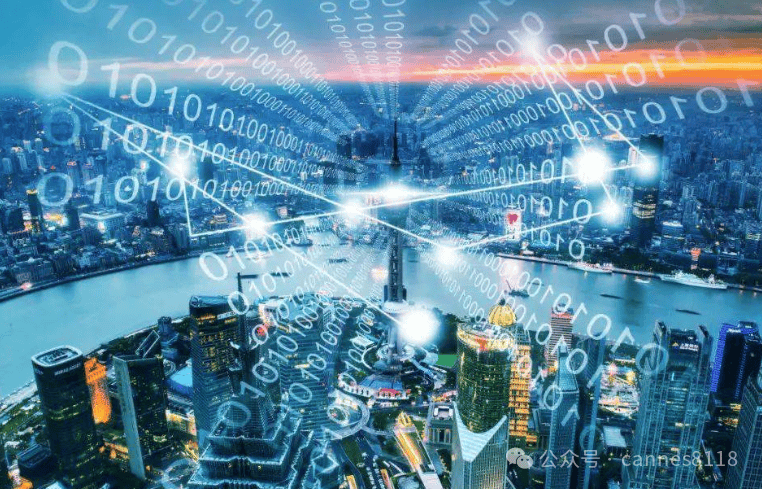
11月30日消息,据报道,英特尔前首席执行官帕特·基辛格(Pat Gelsinger)近日接受采访时,对当前人 工智能热潮提出不同看法。他认为,AI产业的快速膨胀可能因"量子技术的重大突破"而面临泡沫破裂, 并预言量子计算机将比市场预期更早成为主流。 量子计算将加速AI泡沫破裂 基辛格将传统运算、AI运算与量子运算并称为"运算领域的神圣三位一体"。尽管英伟达首席执行官黄仁 勋曾表示量子计算普及至少还需二十年,基辛格却认为这一进程可能仅需两年左右。 他进一步指出,AI泡沫虽不会立即破裂,但量子技术的突破将成为关键转折点,并预计当前AI产业依 赖的GPU芯片将在本世纪末前逐步被量子技术取代。 对微软与OpenAI合作的看法 (转自:电子技术应用ChinaAET) 特别声明:以上文章内容仅代表作者本人观点,不代表新浪网观点或立场。如有关于作品内容、版权或其它问 题请于作品发表后的30日内与新浪网联系。 回顾英特尔任职期间的困境 此外,基辛格也回顾了他在英特尔任职期间所面临的困境。他表示,接手公司时意识到英特尔已出 现"比想象中更深、更严重的衰败"。在他回任前的五年中,英特尔"没有任何产品准时交付",基本工程 纪律严 ...

Open AI危?劈柴哥独家揭秘Gemini 3为何将改写AI战局:谷歌的长期主义与半年重大突破节奏
AI前线· 2025-12-01 09:27
作者 | 木子、高允毅 "谷歌的新人工智能模型,正在让 OpenAI 的处境变得更加岌岌可危。 " 这是华尔街著名评论员、CNBC 资深评论员 Jim Cramer ,近日在分析文章中给出的一个耐人寻味的判断。 "我们所在的行业需要快速行动、快速迭代,我也很享受这种节奏。但与此同时,能够抽身而出,做出长期投注,并在这段时间里专注于这些长 期目标,我认为这始终至关重要。" 劈柴哥深入揭秘,谷歌为何能杀出重围 这场对谈,第一次透过内部视角,讲述了 Gemini 3 是如何在谷歌生态中迅速铺开,以及谷歌为何能在竞争激烈的 AI 赛道上坚持极少数公司才能做到的" 长期主义工程 "。 劈柴哥强调,如今 Gemini 的爆发并非突发奇想,而是谷歌多年埋头铺路、重仓投入后水到渠成的结果。在一个被"快速迭代"主导的行业里,这种耐心反 而显得珍贵。 回顾 谷歌的 AI 发展史 ,他捋出了一条清晰的时间线: 早在 2016 年正式提出"AI-First"战略之前,谷歌已在悄然完成多项深度铺垫。 他认为,不同于当年 ChatGPT 石破天惊的技术突破,谷歌把 AI 系统性地塞进了搜索、广告、云服务等已经能赚钱的业务里,长期来看,这 ...

雪人集团(002639.SZ):生产的“兆瓦级”大型氦气压缩机组主要用于创造并维持低温实验环境
Ge Long Hui· 2025-12-01 08:28
Core Viewpoint - The company, Xue Ren Group, has developed a "megawatt-level" large helium compressor unit that is primarily used to create and maintain low-temperature experimental environments, with applications in various advanced scientific fields [1] Group 1 - The helium compressor technology can be widely applied in aerospace, controlled nuclear fusion, quantum computing, clean energy, nuclear waste treatment, and cancer treatment [1]

国家航天局设立商业航天司,持续推动商业航天高质量发展;量子模拟迈向量子优势,国内量子纠错技术有望迎来重要突破——《投资早参》
Mei Ri Jing Ji Xin Wen· 2025-12-01 00:12
Important Market News - China successfully launched the Shijian-28 satellite using the Long March 7 rocket on November 30, 2025, marking the 611th flight of the Long March series [1] - The establishment of the Commercial Space Administration by the National Space Administration signifies dedicated regulatory oversight for China's commercial space industry, which is expected to drive high-quality development across the industry chain [2] Industry Insights - The National Space Administration has announced a plan to promote high-quality and safe development in the commercial space sector from 2025 to 2027, integrating commercial space into the national space development framework [2] - There are currently over 600 commercial space enterprises in China, with potential for growth as safety measures are prioritized [2] - The satellite internet market is projected to grow from approximately 40-50 billion yuan to over 200-400 billion yuan by 2030, with an annual compound growth rate of 10%-28% [3] - The brain-computer interface (BCI) medical application market is expected to reach $40 billion by 2030 and $145 billion by 2040, indicating significant potential for treating neurological disorders [4] - Quantum computing is seen as a transformative technology with the potential to create a market exceeding $100 billion by 2030, driven by technological breakthroughs and market demand [5]
英特尔前CEO:量子计算将刺破AI泡沫 GPU寿命不到十年
Sou Hu Cai Jing· 2025-11-30 17:20
Group 1 - Gelsinger predicts that quantum computing will surpass industry expectations and could be the key trigger for the end of the current AI bubble [3][4] - He believes that the mainstream adoption of quantum computing will occur within two years, contrasting with Nvidia CEO Jensen Huang's estimate of twenty years [4] - Gelsinger forecasts that the dominance of GPUs will be challenged by new computing paradigms by the end of this century [5] Group 2 - Gelsinger compares the partnership between Microsoft and OpenAI to the historical relationship between Bill Gates and IBM, suggesting that OpenAI acts as a "distribution partner" supported by Microsoft's computing power [6] - He acknowledges significant internal management issues at Intel, admitting that the company had lost "basic discipline" during his tenure [8] - Gelsinger reveals that no products were delivered on time in the five years prior to his return, highlighting a severe lack of engineering capability [9]