
ESG

Search documents
中国企业“出海”迈出新步伐
Ren Min Wang· 2026-01-01 21:56
Group 1 - The forum emphasized the importance of Chinese brands transitioning to "high-quality overseas expansion," focusing on integrating into global sustainable development [3][4] - The 2025 China Outbound Brand Top 100 and Emerging 20 Index report was released, highlighting three paradigms of overseas expansion: high-end manufacturing and hard technology, industrial ecosystem, and global brand trust [3][4] - Notable case studies of successful overseas communication by Chinese brands were presented, showcasing a shift from mere product export to a collaborative approach involving technology and brand integration [4][7] Group 2 - ESG (Environmental, Social, and Governance) has evolved from a supplementary aspect to a prerequisite for Chinese companies going global, with 48.3% of companies deploying environmental monitoring systems [6][7] - The report indicated that 42.3% of companies identified a shortage of ESG professionals as a major barrier to ESG practice, highlighting the need for skilled talent in this area [7][8] - The forum initiated a service platform for sustainable development among outbound Chinese enterprises, aiming to enhance the global presence of Chinese brands [9][10]

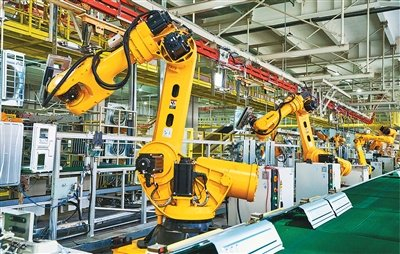
2025上市公司ESG发展论坛圆满举办 赋能产业升级与城市高质量发展
Jin Tou Wang· 2026-01-01 01:39
Core Viewpoint - The forum emphasizes the importance of ESG (Environmental, Social, Governance) in driving industrial upgrades and urban innovation, aligning with China's dual carbon strategy and the 14th Five-Year Plan [1][38]. Group 1: Forum Overview - The 2025 ESG Development Forum and the 12th China Urban Innovation High-Quality Development Forum were held in Beijing, focusing on ESG practices and urban innovation [1]. - The event gathered leaders from various sectors including real estate, energy, technology, and finance to discuss core pathways for ESG implementation [1]. - The forum was co-hosted by multiple organizations, highlighting its significance as an influential annual event in the industry [1]. Group 2: Key Speakers and Insights - Notable speakers included former vice president of the China Real Estate Association, Miao Leru, who provided insights on the real estate market outlook for 2026 and the industry's ESG transformation [6]. - Li Xiaolin, chairman of Lindar Group, discussed the symbiotic relationship between social responsibility and high-quality development, emphasizing a cycle of "responsibility empowering development" [8][9]. - Zhang Peng, chairman of Contemporary Real Estate, shared the company's exploration in ESG system construction and highlighted the upcoming IPO of 51WORLD on the Hong Kong Stock Exchange [11]. Group 3: Industry Collaboration and Innovation - The forum featured discussions on the integration of ESG principles into various industries, with a focus on collaborative efforts for high-quality development [30]. - The establishment of the All-Domain Digital Huabiao Industry Development Center was announced, aiming to merge technological advancements with industry resources for enhanced data security and innovation [22][24]. - The event also highlighted the importance of digital transformation in addressing industry pain points and fostering sustainable development [26]. Group 4: Awards and Recognitions - The 12th China Real Estate Huabiao Awards recognized outstanding contributions in various categories, including lifetime achievement and innovation in real estate [35][37]. - Awards were given to companies and individuals who demonstrated excellence in ESG practices and high-quality development, reflecting the industry's commitment to sustainable growth [35][37]. Group 5: Future Directions - The forum concluded with a call for continued collaboration and innovation in ESG practices, positioning it as a key driver for future urban development and industrial upgrades [38]. - The emphasis on ESG as a core competitive advantage for companies and a critical factor for urban development was reiterated, setting the stage for future initiatives [38].

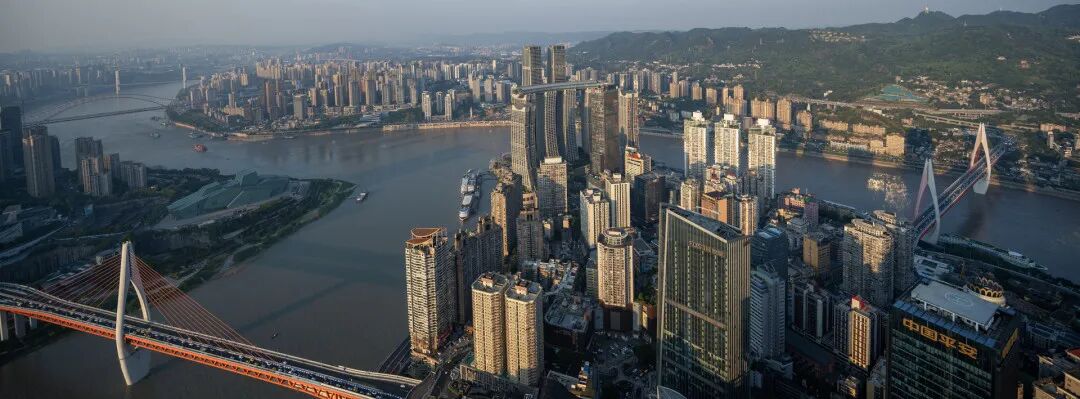
回望“十四五” | 破解“内陆困局” 构筑“价值高地”——“十四五”期间重庆辖区上市公司蝶变观察
Xin Lang Cai Jing· 2025-12-31 16:01
Core Insights - As of September 2025, the number of listed companies in Chongqing reached 78, an increase of 20 from early 2021, with a total market capitalization exceeding 1.25 trillion yuan, representing a growth of 28.87% from the end of 2020 [2][11] - The "14th Five-Year Plan" period has seen Chongqing's securities regulatory authority implement policies to enhance both the quantity and quality of listed companies, contributing to high-quality economic development in the region [2][12] - Chongqing is leveraging capital to drive a structural revolution, with significant increases in core indicators such as revenue, R&D investment, and tax contributions, with R&D investment surging by 127.45% over five years [2][11] Group 1: Structural Changes and Innovations - The transformation of Chongqing's listed companies from quantity to quality is facilitated by institutional innovations, including government-guided funds and bankruptcy restructuring, providing a replicable model for inland cities [4][13] - Notable examples include the integration of resources between China National Pharmaceutical Group and Taiji Group, breaking down barriers in the pharmaceutical industry and fostering deep integration between central enterprise capital and local market networks [4][13] - The shift towards a light-asset model by companies like China Communications Construction Company has improved asset turnover rates by 37%, prompting a transition from land development to urban operations [4][13] Group 2: Bankruptcy Restructuring - For companies facing operational difficulties, Chongqing has adopted a challenging path of market-oriented bankruptcy restructuring to rebuild corporate value, as exemplified by Jinke Group's transformation into a comprehensive real estate operator [5][14] - The regulatory authority emphasizes that bankruptcy restructuring should not be seen as an endpoint but as a process that tests the long-term governance capabilities of the capital market [5][14] Group 3: Innovation Ecosystem - Chongqing's innovation has evolved from a focus on input quantity to an ecosystem approach, integrating "institution + scenario" to embed technological innovation deeply within the industrial landscape [6][15] - Leading companies like Changan Automobile have established significant research facilities, enhancing technology transfer rates to 42%, surpassing the national average of 28% [6][15] - The city is actively developing systemic support for innovation, including the establishment of technology transfer research institutes and specialized technology incubators [6][15] Group 4: Green Transformation - The green transformation of Chongqing's listed companies has integrated ESG (Environmental, Social, and Governance) principles into core competitive advantages, with the number of companies disclosing sustainability reports doubling to 41 since 2021 [7][16] - Companies like Seres have achieved high ESG ratings, which not only attract international capital but also facilitate market entry into the EU, reducing export costs by an average of 8% due to carbon tariffs [7][16] - Innovations in green finance, such as the issuance of green bonds linked to carbon reduction, have transformed financing into a dynamic value creation mechanism [7][16] Group 5: Strategic Positioning - Chongqing's listed companies have found a clearer positioning within national strategies, actively participating in regional development and international trade initiatives, becoming key players in the Chengdu-Chongqing economic circle and the Western Land-Sea New Corridor [8][17] - Financial innovations have significantly reduced the time for enterprise financing approvals, enhancing regional collaboration and serving as a vital link in the national strategy [8][17] - The successful establishment of automotive research and manufacturing bases by companies like Changan and Seres is paving the way for Chongqing's transition from domestic leadership to international competitiveness [8][17] Group 6: Future Outlook - The achievements during the "14th Five-Year Plan" lay a solid foundation for Chongqing's listed companies in the upcoming "15th Five-Year Plan," with ambitions to evolve from an "industrial highland" to an "innovation source" [8][18] - Future plans include the establishment of a Western Science and Technology Innovation Financial Reform Pilot Zone and the creation of a "green technology international certification center" to lower compliance costs for companies entering global markets [8][17][18]

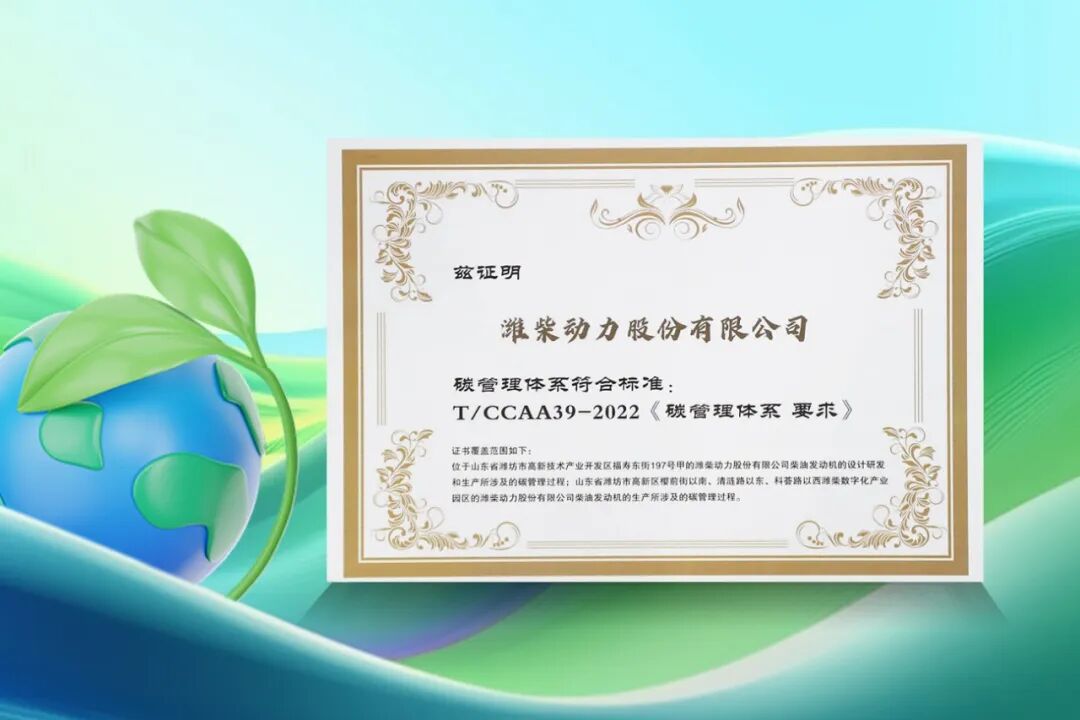
内燃机行业首家!潍柴碳管理体系获权威认证
Xin Lang Cai Jing· 2025-12-31 15:54
Core Viewpoint - Weichai has successfully obtained the carbon management system certification from the China National Certification Center, becoming the first company in the internal combustion engine industry to achieve this certification, marking a new phase in systematic green transformation and the implementation of the national "dual carbon" strategy [1][6]. Group 1: Certification and Significance - The carbon management system certification is a recognized evaluation based on the group standard "Requirements for Carbon Management System" issued by the China Certification and Accreditation Association, providing a comprehensive assessment and recognition of the company's carbon emission management, reduction measures, and sustainable development strategies [3][8]. - This certification enhances Weichai's carbon management efficiency and data credibility, serving as an important credential for expanding into international markets, improving ESG performance, and building green brand competitiveness [3][8]. Group 2: Carbon Management System Development - As an industry leader, Weichai has established a carbon management system based on a full lifecycle concept, creating a comprehensive carbon management framework that covers research and development, production, and supply chain, facilitating a shift from "passive emission reduction" to "active carbon asset management" [7]. - The carbon management system has developed replicable and promotable solutions, demonstrating a leading role in the industry [7]. - Looking ahead, Weichai plans to deepen the construction of zero-carbon factory pilot projects and steadily advance towards the carbon peak target set for 2028, aiming to lead the green transformation of the industry [7].
佳鑫国际资源:谢文波获委任为执行董事及ESG委员会主席
Zhi Tong Cai Jing· 2025-12-31 14:59
因董事会对ESG委员会组成作出相应调整,邱怀智先生不再为ESG委员会成员,自2025年12月31日起生 效。 汪中伟先生已由公司执行董事调任为非执行董事及获委任为调任审核委员会成员,且其已不再为ESG委 员会成员及公司首席执行官,自2025年12月31日起生效。 佳鑫国际资源(03858)发布公告,查克兵先生已因工作调动原因辞任非执行董事及公司审核委员会成 员,自2025年12月31日起生效。谢文波先生已获委任为公司执行董事及公司环境、社会及管治委员会 (ESG委员会)主席,并同时担任公司首席执行官,自2025年12月31日起生效。公云帆先生已获委任为非 执行董事及ESG委员会成员,自2025年12月31日起生效。 ...
2026年ESG有何发展趋势?他们这样说
Xin Lang Cai Jing· 2025-12-31 14:50
Group 1 - The core viewpoint emphasizes the importance of sustainable information disclosure as a compliance baseline for public companies in China, Hong Kong, and other major capital markets, driven by regulations like the EU's CSRD and China's sustainable development disclosure standards [1] - ESG disclosure is becoming increasingly critical for Chinese companies as they expand internationally, particularly in the EU and Belt and Road regions, presenting new challenges for compliance [1] - ESG is identified as a driver for three key actions that create value: influencing long-term financial performance, affecting financing costs and valuations in debt and capital markets, and impacting supply chain competitiveness and brand reputation [1] Group 2 - The year 2025 is marked as a pivotal point for ESG in China, transitioning from quantity to quality of disclosures and from policy-driven to market-driven approaches [2] - Current structural shortcomings in Chinese ESG practices include inadequate biodiversity disclosure, low carbon footprint reporting rates, and weak social issues representation, with only 8% of companies meeting female board member standards [2] - The trend in ESG standards is expected to align with ISSB's dual materiality concept, moving towards a market-driven model over the next 3-5 years [2] Group 3 - China's approach to ESG is characterized by a focus on adding standards while Western countries are seen as reducing them, with a clear direction in policy and practice [3] - The integration of international and domestic ESG indicators is emphasized, ensuring that standards are both applicable locally and comparable internationally [3] - Future ESG standards in China are expected to reflect the country's industrial structure, prioritizing energy management and clean production in manufacturing [3] Group 4 - The global sustainable fashion sector is experiencing a shift from localized actions to systemic transformations, with significant changes in environmental management practices [5] - The introduction of the Ecodesign for Sustainable Products Regulation (ESPR) in the EU aims to enhance product sustainability throughout their lifecycle, promoting circular economy principles [5] - The regulation will require products to meet standards for durability, reparability, and recyclability, while also introducing digital product passports for tracking carbon and water footprints [5] Group 5 - The prohibition of destroying unsold textiles and footwear has raised the challenge of recycling and reuse, leading to a notable increase in the adoption of recycled fibers [6] - New regulations related to responsible textile recycling and the CSRD are pushing the fashion and textile industry towards mandatory compliance with ESG requirements [6] - Key trends in the fashion ESG sector for the next three years will focus on circular economy, artificial intelligence, and nature-based solutions [6]
正泰集团零碳产业园为智造业转型提供范本
Xin Lang Cai Jing· 2025-12-31 14:50
Core Insights - The article highlights the successful implementation of a highly automated and sustainable energy measurement industrial park by Zhejiang Chint Electrics, showcasing its commitment to ESG principles and sustainable growth [1][2][4] Group 1: Project Overview - The Chint Intelligent Energy Measurement Industrial Park has an annual production capacity of 35 million smart meters and aims to be a model for zero-carbon manufacturing [1][2] - The project aligns with Chint's "2030 Sustainable Development Strategy" and China's dual carbon strategy, having received certifications for "Organizational Carbon Neutrality" and "Zero Carbon Factory" [1][2] Group 2: Technological Innovations - The park utilizes a digital twin technology-based integrated smart energy management system, which serves as the "brain" of the facility [2][3] - A distributed photovoltaic system with a capacity of approximately 1 MW has been installed, reflecting Chint's extensive experience in renewable energy development [2] Group 3: Economic Benefits - The project has achieved over 50% annual investment return since its completion in the second half of 2023, generating approximately 2 million yuan annually through various energy management strategies [3] - The average electricity cost for production has significantly decreased, saving around 3 million yuan annually, with additional savings from smart water management reaching approximately 3.4 million yuan [3] Group 4: Broader Impact - The industrial park serves as a prototype for a zero-carbon solution that can be replicated and exported, contributing to the advancement of high-end, intelligent, and green manufacturing in China [4][5] - Chint plans to enhance its capabilities in carbon footprint accounting and international certifications to comply with market access mechanisms like the EU's Carbon Border Adjustment Mechanism (CBAM) [5]

浙江沪杭甬拟注资2.26亿元收购浙江交投中碳环境科技11.67%股权
Zhi Tong Cai Jing· 2025-12-31 14:36
Core Insights - The target company is a digital integrated energy service provider focusing on solar power generation, grid, energy storage, and flexible load systems, aiming to create a smart ecosystem [1] - The strategic core includes integrated energy services and investment in new energy assets, with a focus on distributed photovoltaic systems for industrial and residential rooftops, electric vehicle charging networks, and energy storage systems [1] - The company plans to develop low-carbon demonstration projects in high-value scenarios such as transportation hubs and industrial parks, utilizing long-term service contracts and energy-as-a-service models for stable returns [1] Investment Agreement - The signing of the investment agreement will enable the group to quickly enter the high-growth green energy sector, diversifying revenue through flexible cash inflows and creating operational synergies with existing transportation assets [2] - The investment amounts to RMB 226 million for an 11.6733% equity stake in the target company, which will not become a subsidiary of the group after the investment [3]
佳鑫国际资源(03858):谢文波获委任为执行董事及ESG委员会主席
Zhi Tong Cai Jing· 2025-12-31 14:00
(原标题:佳鑫国际资源(03858):谢文波获委任为执行董事及ESG委员会主席) 智通财经APP讯,佳鑫国际资源(03858)发布公告,查克兵先生已因工作调动原因辞任非执行董事及公司 审核委员会成员,自2025年12 月31日起生效。谢文波先生已获委任为公司执行董事及公司环境、社会 及管治委员会(ESG委员会)主席,并同时担任公司首席执行官,自2025年12月31日起生效。公云帆先生 已获委任为非执行董事及ESG委员会成员,自2025年12月31日起生效。 汪中伟先生已由公司执行董事调任为非执行董事及获委任为调任审核委员会成员,且其已不再为ESG委 员会成员及公司首席执行官,自2025年12月31日起生效。 因董事会对ESG委员会组成作出相应调整,邱怀智先生不再为ESG委员会成员,自2025年12月31日起生 效。 ...
浙江沪杭甬(00576.HK)拟注资2.26亿元收购浙江交投中碳环境科技11.67%股权
Ge Long Hui· 2025-12-31 13:54
Core Viewpoint - The company has signed a capital injection agreement to invest RMB 226 million to acquire an 11.6733% stake in Zhejiang Jiaotou Zhongtan Environmental Technology Co., Ltd., which aligns with national strategies for green energy and low-carbon transformation [1][2]. Group 1: Investment Details - The investment will allow the company to hold an 11.6733% stake in the target company after the completion of the capital injection agreement [1]. - The target company, a wholly-owned subsidiary of Zhejiang Provincial Commercial Group, focuses on digital comprehensive energy management, new energy asset investment and operation, distributed photovoltaics, energy storage, and electric vehicle charging [1]. Group 2: Strategic Alignment - The capital injection is expected to accelerate the company's green low-carbon transformation and enhance its ESG performance and policy responsiveness [1]. - The target company is anticipated to have clear growth visibility, flexible cash flow characteristics, and advantages in execution, digital operations, and risk control [1]. Group 3: Market Positioning - The agreement enables the company to quickly enter and establish a presence in the high-growth green energy sector, diversifying revenue streams and creating operational synergies with existing transportation assets [2]. - The company aims to strengthen its capital market strategy by exploring green energy assets, growth prospects, and investor recognition through this investment [1].