
数字孪生

Search documents
东华软件的前世今生:2025年三季度营收84.88亿行业第五,高于行业平均3倍多
Xin Lang Zheng Quan· 2025-10-31 12:10
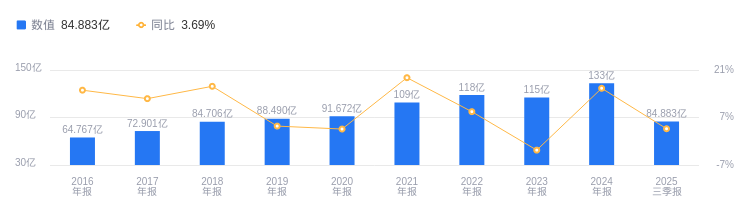
Core Insights - Donghua Software, established in 2001 and listed in 2006, is a leading industry application software and computer information system integrator in China, with a strong technical foundation and a broad customer base [1] Financial Performance - In Q3 2025, Donghua Software achieved a revenue of 8.488 billion, ranking 5th among 131 companies in the industry, while the industry leader, Digital China, reported a revenue of 102.365 billion [2] - The company's net profit for the same period was 395 million, also ranking 5th, with the industry leader, Unisplendour, reporting a net profit of 1.723 billion [2] Financial Ratios - As of Q3 2025, Donghua Software's debt-to-asset ratio was 50.99%, higher than the previous year's 50.11% and above the industry average of 38.93% [3] - The company's gross profit margin in Q3 2025 was 20.88%, down from 23.10% year-on-year and below the industry average of 29.96% [3] Shareholder Information - As of September 30, 2025, the number of A-share shareholders decreased by 2.68% to 315,200, while the average number of circulating A-shares held per shareholder increased by 2.76% to 9,226.34 [5] - Notable changes among the top ten circulating shareholders include an increase in holdings by Huabao Zhongzheng Financial Technology Theme ETF and a decrease by Southern CSI 500 ETF [5]


英伟达(NVDA.US)深化韩国AI版图:协助三星、SK、现代建设AI工厂 三星或为其供应HBM4芯片
智通财经网· 2025-10-31 11:50
Core Insights - Nvidia has announced partnerships with Samsung Electronics, SK Group, and Hyundai Motor Group to advance AI factory construction in South Korea, supplying over 260,000 accelerated chips for AI projects [1][6] Group 1: Samsung Electronics - Nvidia will collaborate with Samsung to build a next-generation AI factory, integrating smart computing with chip manufacturing, featuring over 50,000 Nvidia GPUs [2] - Samsung is in close discussions with Nvidia regarding the supply of next-generation high-bandwidth memory chips (HBM4), with plans to launch the new chip next year [2] - The partnership has a 25-year history, with significant milestones including the first commercial HBM chip and the latest HBM3E and HBM4 supply collaboration [2] - Samsung is utilizing Nvidia's Omniverse platform to create digital twin systems for global wafer fabs, enhancing predictive maintenance and operational optimization [3] Group 2: SK Group - Nvidia is partnering with SK Group to establish an AI factory aimed at semiconductor R&D and cloud infrastructure development, with over 50,000 Nvidia GPUs planned for the facility [4] - The first phase of the AI factory is expected to be completed by the end of 2027, providing GPU-as-a-service to SK Hynix and other subsidiaries [4] - SK Telecom plans to deploy an industrial AI cloud platform in Asia, featuring over 2,000 Nvidia RTX PRO 6000 Blackwell GPUs to support semiconductor manufacturing and digital twin applications [4] Group 3: Hyundai Motor Group - Nvidia and Hyundai will collaborate on an AI factory based on the new Blackwell architecture, focusing on autonomous vehicles and smart factory innovations, deploying 50,000 Nvidia Blackwell GPUs [5] - The total investment for advancing physical AI development in South Korea is approximately $3 billion, in response to the government's initiative [5][6] - Hyundai is exploring the use of Nvidia's Omniverse and Cosmos platforms to develop digital twins for automotive factories and robotic systems [6]

26万张GPU、100亿美元,黄仁勋在韩国搞“Boss直卖”
3 6 Ke· 2025-10-31 11:03
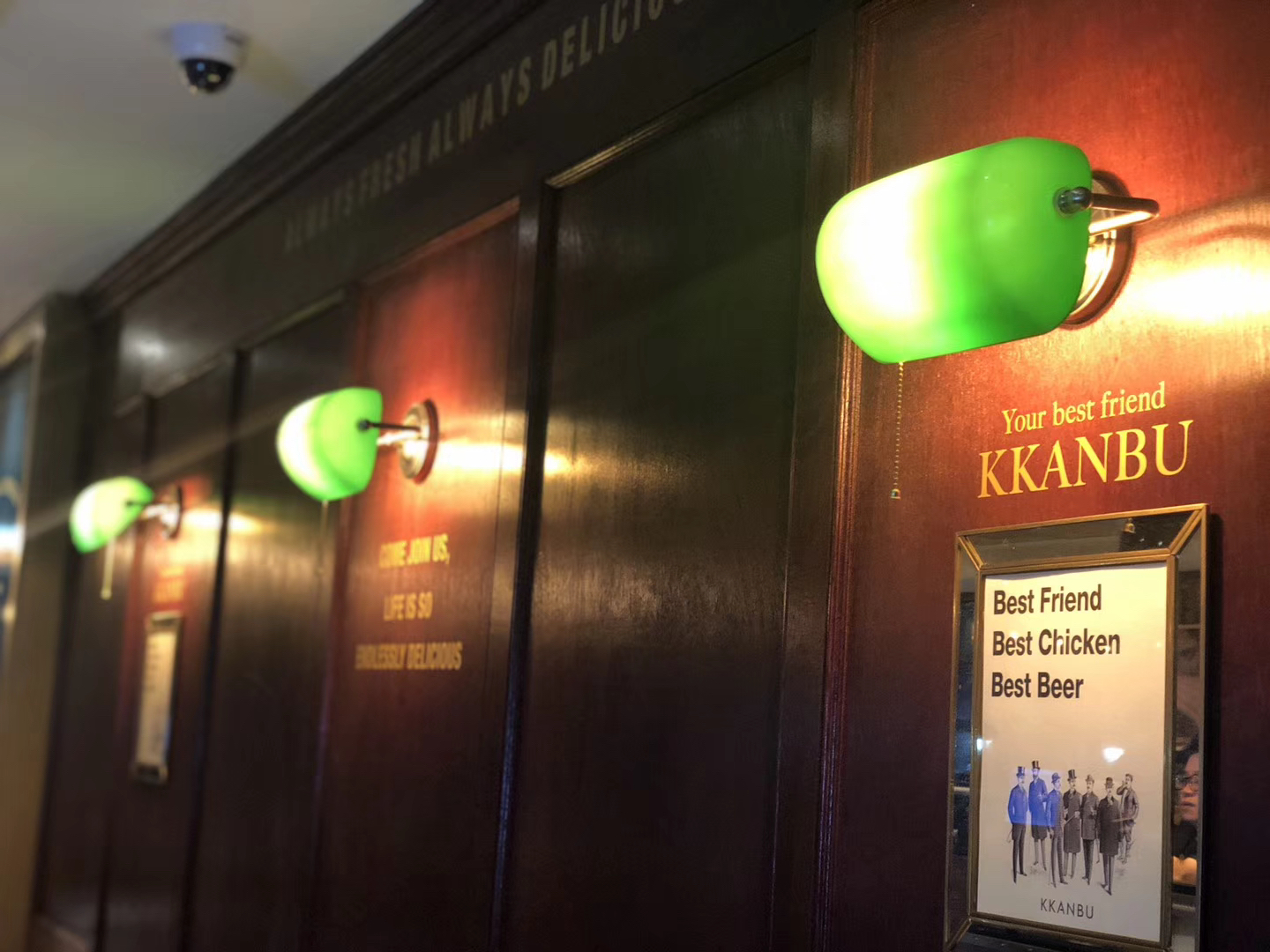
黄仁勋亲自下场,在韩国拿下超过100亿美元大单。 韩联社透露,此次订单为英伟达GB200,按照GB200 NVL72单机架300万美元的价格估算,这笔订单总 计超过100亿美元。 根据英伟达官网披露的信息,其中一笔50000张GPU的订单来自于韩国政府旗下的科学与信息技术部, 相关GPU将被部署到韩国国家AI计算中心、云服务商 NHN Cloud、NAVER Cloud和Kakao的基础设施当 中。 英伟达表示,这笔订单将会分期交付,首批将包括1.3万张GPU,在NHN Cloud和Kakao的基础设施中 部署。 除了与韩国官方的合作,这两天最热的就是黄仁勋与三星集团、三星电子会长李在镕、现代汽车会长郑 义宣在韩国喝啤酒、吃炸鸡、高喊"全场免单"的画面,期间黄仁勋还向二人赠送了英伟达最新的DGX Spark计算机。 上述行程之后,英伟达、三星等均官宣了相互之间的进一步合作,包括三星电子、现代汽车、以及未现 身"啤酒炸鸡局"的SK集团和NAVER Cloud四家机构,总计向英伟达下了的21万张GPU的订单。 其中,三星电子正在建设配备超5万颗GPU的AI超级工厂,推进智能制造并将AI深度整合至产品与服务 中。 ...
英伟达一口气卖了26万颗GPU
半导体芯闻· 2025-10-31 10:18
Core Viewpoint - Nvidia's CEO Jensen Huang announced the supply of 260,000 GPUs to South Korea, enhancing the AI alliance between Nvidia and the South Korean government and companies, which is expected to accelerate AI development in the country [2][3]. Group 1: Nvidia's GPU Supply - Nvidia plans to supply 260,000 GPUs to the South Korean government and major companies, including Samsung, SK Group, Hyundai, and Naver, significantly increasing the current GPU stock in South Korea [2][3]. - The total value of this GPU supply is estimated to be between $7.8 billion and $10.4 billion, considering the price range of the latest GPU model, Blackwell B200, which is between $30,000 and $40,000 [2]. Group 2: AI Development in South Korea - The GPUs will be utilized to integrate AI technology into various sectors, including semiconductors, automotive, robotics, and autonomous driving, aiming to create "AI factories" [3]. - South Korea aims to focus on vertical AI capabilities in manufacturing rather than general-purpose AI models like ChatGPT, to catch up with the US and China in the AI field [3]. Group 3: Impact on Local Companies - Samsung plans to introduce over 50,000 Nvidia GPUs in the coming years to enhance its semiconductor manufacturing processes, aiming to create the world's largest and most advanced "semiconductor AI factory" [5][6]. - SK Group is developing a "manufacturing AI cloud" and is working on a 100 MW AI data center project, while SK Hynix is applying AI in semiconductor design and digital twin technology [6]. - Hyundai Motor Group is investing approximately $3 billion to develop AI models for vehicles and autonomous driving, collaborating with Nvidia and the South Korean government [7]. Group 4: AI Infrastructure and Collaboration - The South Korean government will use 50,000 GPUs to develop independent AI models and establish a national AI computing center, enabling access for universities, research institutions, and startups [5][9]. - Naver is expanding its AI infrastructure to develop a Korean language-specific large language model and is collaborating with Nvidia to create a next-generation "physical AI" platform [7]. - LG Electronics is also partnering with Nvidia to innovate in physical AI and digital twin technologies, aiming to develop smart factory solutions [7]. Group 5: HBM Supply and Future Prospects - The increase in GPU shipments is expected to benefit local HBM (High Bandwidth Memory) suppliers, with SK Hynix and Samsung being key players in the HBM market [9]. - Nvidia is collaborating with Samsung on HBM3E and HBM4, with expectations of Samsung playing a crucial role in the HBM4 supply chain [9].
吃炸鸡、喝啤酒,黄仁勋在韩国谈下超26万块英伟达GPU的合作
Di Yi Cai Jing· 2025-10-31 09:13
Core Insights - Nvidia is collaborating with the South Korean government and major companies to build AI infrastructure, deploying over 260,000 GPUs for sovereign AI initiatives [1][3] - The partnership includes significant investments from Samsung, SK Group, and Hyundai Motor Group, each establishing AI factories with more than 50,000 Nvidia GPUs [3][4] - Nvidia's market capitalization reached $5.13 trillion, making it the first company to surpass this milestone [6] Group 1: AI Infrastructure Development - The South Korean government will invest in sovereign AI, deploying over 50,000 new Nvidia GPUs at national AI computing centers and cloud service providers [3] - Samsung, SK Group, and Hyundai will each build AI factories with over 50,000 Nvidia GPUs to enhance AI capabilities in various sectors [3][4] - The deployment of over 200,000 GPUs aims to expand South Korea's AI infrastructure [3] Group 2: Collaborative Projects - SK Group is developing Asia's first industrial AI cloud using Nvidia RTX PRO 6000 GPUs for physical AI and robotics workloads [4] - Samsung will utilize Nvidia technology to create digital twins, improving semiconductor manufacturing processes and advancing home robotics [5] - The Korean Ministry of Science and ICT is promoting a sovereign AI foundational model project in collaboration with Nvidia [5] Group 3: Global Expansion and Market Impact - Nvidia is actively pursuing sovereign AI projects globally, with plans for AI labs and factories in Europe, aiming to increase AI computing power significantly [5] - The company's stock price saw a significant increase, reflecting its strong market position and investor confidence [6]
影视ETF(516620)盘中涨超3%,技术升级与内容回暖或驱动行业修复
Mei Ri Jing Ji Xin Wen· 2025-10-31 05:00
Group 1 - The media industry is undergoing a critical transformation from "manual modeling" to "intelligent generation," with 3D generation technology accelerating into cutting-edge fields such as digital twins, embodied intelligence, and virtual reality [1] - The ability to generate high-quality automated 3D content is becoming the core driving force behind the digital upgrade and large-scale application of the industry [1] - The film and cinema industry is currently under short-term pressure, but improvements in content supply are expected to lead to a recovery in the future [1] Group 2 - The industry is characterized by three core directions: technological empowerment, IP value release, and film recovery [1] - The Film ETF (516620) tracks the CSI Film Index (930781), which selects listed companies involved in film content production, distribution, and channel operation from the Shanghai and Shenzhen markets [1] - The index covers multiple related fields, including communication services and consumer discretionary, to comprehensively reflect the overall performance and development trends of listed companies in China's film industry [1]
英伟达,全球首个5万亿美元公司诞生!「GPU帝国」超日本德国GDP
猿大侠· 2025-10-31 04:11
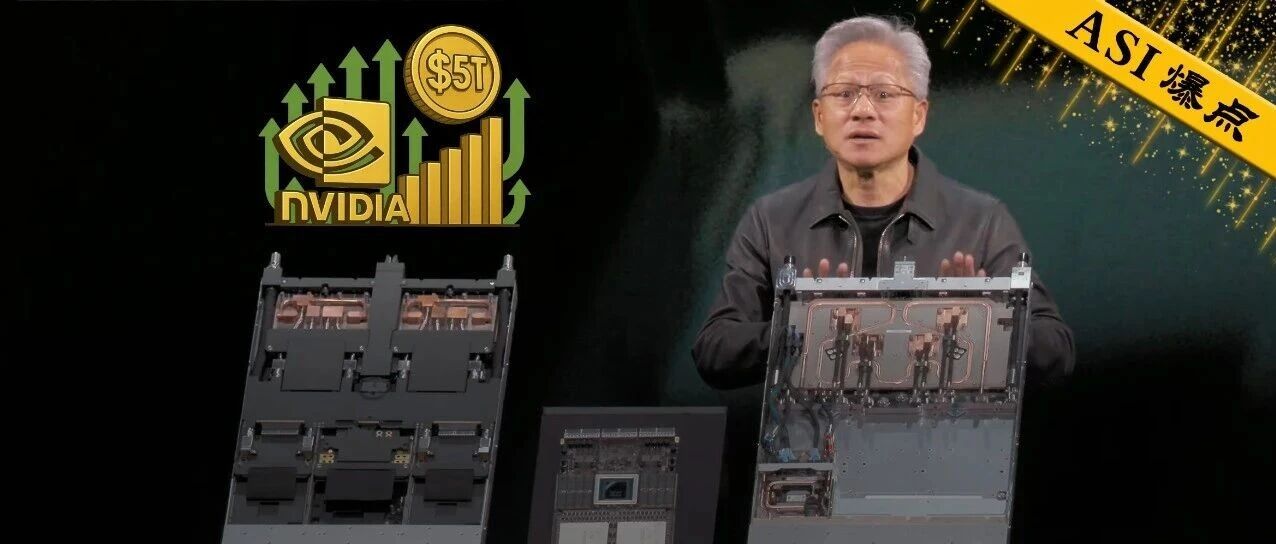
Core Insights - NVIDIA has become the first company in the world to surpass a market capitalization of $5 trillion, marking a significant milestone not only for the company but also for the GPU industry and the AI era [2][11][19]. Market Performance - NVIDIA's market capitalization reached $5.062 trillion, with a stock price of $207.94, reflecting a 4.15% increase following the GTC conference [3][10]. - The speed of NVIDIA's market cap growth has accelerated significantly: it took 6138 days to reach $1 trillion, but only 78 days to go from $4 trillion to $5 trillion [3][8]. - Since the launch of ChatGPT in late 2022, NVIDIA's stock has surged by 1087%, indicating a tenfold increase [4]. Financial Performance - For the fiscal year 2024, NVIDIA reported revenues of $60.922 billion, a 126% increase from the previous year's $26.974 billion [9]. - The gross margin improved to 72.7%, up from 56.9%, while operating income surged by 681% to $32.972 billion [9]. - Analysts project NVIDIA's data center revenue to reach $400-500 billion over the next five quarters, with an expected EPS of $9-11 by 2026 [9]. Industry Position - NVIDIA's market cap now exceeds the GDP of Germany and Japan, positioning it as the third-largest economy globally, behind the US and China [19][22]. - The company is seen as a foundational builder and rule-maker in the AI infrastructure space, moving beyond merely selling GPUs [51]. Future Outlook - NVIDIA's CEO Jensen Huang announced a target of $500 billion in GPU sales by 2026, indicating strong future growth potential [6]. - The company is also collaborating with major cloud computing giants, with projected capital expenditures reaching $632 billion by 2027 [17]. Technological Innovations - NVIDIA is pioneering the concept of "AI factories," where data serves as raw material, and data centers act as production lines to generate intelligent outputs [30][32]. - The company is enhancing 6G networks with AI capabilities, allowing for smarter resource allocation and network management [35]. - NVIDIA's Omniverse platform is enabling companies to create digital twins of factories, revolutionizing manufacturing processes [42]. Competitive Advantage - The CUDA programming language is highlighted as NVIDIA's significant competitive advantage, fostering a robust ecosystem for AI developers [48][50].
德马科技的前世今生:2025年三季度营收12.16亿行业排16,净利润1.07亿行业排18
Xin Lang Cai Jing· 2025-10-30 14:53
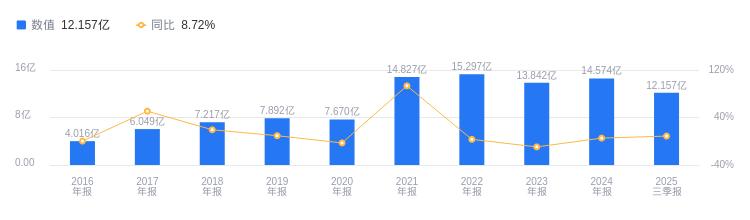
Core Insights - Demar Technology, established in April 2001 and listed on the Shanghai Stock Exchange in June 2020, is a leading smart logistics equipment company in China, with a strong global market presence in core logistics equipment components [1] Financial Performance - For Q3 2025, Demar Technology reported revenue of 1.216 billion yuan, ranking 16th among 51 companies in the industry, with the industry leader, Juxing Technology, generating 11.156 billion yuan [2] - The revenue breakdown includes 989 million yuan from core logistics sorting components (67.85%), 450 million yuan from smart automated logistics systems (30.86%), and 12.98 million yuan from after-sales and other services (0.89%) [2] - The net profit for the same period was 107 million yuan, placing the company 18th in the industry, while the industry average net profit was 141 million yuan [2] Financial Ratios - As of Q3 2025, Demar Technology's debt-to-asset ratio was 57.27%, an increase from 47.75% year-on-year, exceeding the industry average of 38.24% [3] - The company's gross profit margin was 30.67%, up from 29.76% year-on-year, and higher than the industry average of 26.36% [3] Management and Shareholder Information - The chairman and general manager, Zhuo Xu, received a salary of 1.0788 million yuan in 2024, an increase of 150,800 yuan from the previous year [4] - As of September 30, 2025, the number of A-share shareholders increased by 28.86% to 13,900, while the average number of shares held per shareholder decreased by 19.66% to 18,200 shares [5] Strategic Developments - Demar Technology has formed a strategic partnership with Zhiyuan Robotics to establish the first intelligent humanoid robot training and data collection factory in the industry, enhancing its capabilities in diverse logistics scenarios [5] - The company has secured significant overseas contracts, indicating a solid and stable fundamental outlook, with projected revenues of 1.913 billion, 2.075 billion, and 2.252 billion yuan for 2025-2027, and net profits of 171 million, 199 million, and 232 million yuan for the same period [5]

A股晚间热点 | 中美关税大消息!双方暂停部分出口管制
智通财经网· 2025-10-30 14:53
Group 1 - The US will cancel the 10% "fentanyl tariff" on Chinese goods, while the 24% tariffs will remain suspended for another year, leading to a significant easing of trade tensions between the two countries [1] - The Chinese government will adjust its countermeasures in response to the US tariff changes, providing a buffer for both economies and potentially boosting exports [1] - The Hong Kong stock market reacted positively, showing a sharp rebound following the announcement of these trade agreements [1] Group 2 - A new policy to enhance duty-free shop regulations will be implemented starting November 1, 2025, aimed at boosting consumption and attracting foreign spending [2] - The policy is expected to stimulate the economy by encouraging overseas consumption to return and promoting healthy development in the duty-free retail sector [2] - The Chinese duty-free operator has seen a significant rise in stock prices, indicating market optimism regarding the new policy [2] Group 3 - A total of 500 billion yuan in new policy financial tools has been fully deployed, expected to drive total project investments exceeding 7 trillion yuan [3] - This financial support is targeted at key sectors and projects that require investment, indicating a proactive approach to stimulate economic growth [3] Group 4 - The China Securities Regulatory Commission has approved the IPO registration application for Moore Threads, a company focused on high-performance computing solutions [4] - The approval aligns with national strategies to advance the integrated circuit industry and reflects a deep collaboration between capital markets and industrial innovation [4] - Other high-tech companies are also preparing for IPOs, which may benefit related firms in the sector [4] Group 5 - China Merchants Securities has raised its margin trading limit from 150 billion yuan to 250 billion yuan, reflecting strong demand in the margin trading market [5] - This increase is part of a broader trend among several securities firms to expand their financing capabilities in response to a booming market [5] - The move is seen as a positive development for the market, although recent stock performance has been mixed [5] Group 6 - The Chinese government is increasing support for the health and elderly care industries, with a focus on promoting sustainable development in these sectors [10] - The elderly care industry is projected to grow significantly, potentially exceeding 12 trillion yuan by 2025, indicating a strong market opportunity [10] - The demand for diverse and specialized services in the elderly care sector is expected to rise, reflecting changing consumer needs [10] Group 7 - The global demand for gold reached a record high in the third quarter, with investment surging by 47% and ETF inflows totaling 26 billion dollars [12] - This trend indicates a growing interest in gold as a safe-haven asset amid economic uncertainties [12] - The increase in demand for gold could present investment opportunities in related sectors [12] Group 8 - The iPhone 17 series is set for increased production, with supply chain orders reportedly surging [13] - This expansion in production capacity may have positive implications for companies involved in the supply chain [13]

城市机场“跃升”机场城市!白云机场重新定义广州的全球坐标
Nan Fang Du Shi Bao· 2025-10-30 14:01
Core Insights - The opening of the T3 terminal and the fifth runway at Guangzhou Baiyun International Airport marks a significant milestone in the airport's evolution, transitioning into a "3.0 era" and becoming the first airport in China to operate five commercial runways [2][5][15] - Baiyun Airport is positioned as a key player in the development of a world-class airport cluster in the Guangdong-Hong Kong-Macao Greater Bay Area, enhancing its global resource allocation capabilities [3][6] Infrastructure Development - Baiyun Airport has undergone continuous upgrades since its relocation in 2004, evolving from a dual-runway system to a five-runway and three-terminal operation, with passenger traffic ranking first in China for four consecutive years from 2020 to 2023 [3][5] - The T3 terminal is designed to accommodate an annual passenger throughput of 120 million and a cargo throughput of 3.8 million tons, with a maximum capacity of 140 million passengers and 6 million tons of cargo [5][15] Connectivity and Transportation - The T3 terminal will serve as a multi-modal transportation hub, integrating air, road, and rail services, with plans to introduce six high-speed rail lines, five intercity lines, two metro lines, and two highways [6][15] - Baiyun Airport aims to create a "railway airport cluster" by connecting with major airports in the Greater Bay Area, enhancing functional collaboration within the airport group [6] Architectural and Cultural Significance - The T3 terminal features a design that embodies "Chinese style, Lingnan flavor, international appeal, and contemporary aesthetics," aiming to create a cultural space that resonates with travelers [7][8] - The construction of T3 has set multiple national records, including the largest stainless steel continuous welding roof and the first airport to incorporate an ancient tree park, promoting environmental harmony [9][14] Technological Innovation - Baiyun Airport's expansion incorporates advanced technologies such as BIM (Building Information Modeling) for intelligent construction, aiming to establish a digital twin airport that enhances operational efficiency and predictive capabilities [10][13] - The cargo facilities at T3 will utilize automated processes and smart logistics solutions, significantly improving operational efficiency and positioning Guangzhou as a competitive international logistics center [13][15] Future Outlook - Baiyun Airport is set to enhance its role as a comprehensive international aviation hub, optimizing its route network and expanding international connections, particularly with countries involved in the Belt and Road Initiative [15][16] - The airport's development strategy includes fostering economic integration with surrounding areas, transforming the airport into a growth engine for urban economic development [16]

