
产教融合

Search documents
华南职业教育:收入同比增长7.8% 政策红利+校企协同多维度夯实投资价值
Zhi Tong Cai Jing· 2025-09-26 11:18
Core Viewpoint - The company, South China Vocational Education, reported a strong interim performance with revenue reaching 362 million RMB, a year-on-year increase of 7.8%, reflecting robust growth in its core business and market influence [1][2]. Financial Performance - The revenue growth is primarily driven by an increase in student enrollment and optimization of the program structure [2]. - Other income rose by 21.6% to 33.85 million RMB, mainly due to additional revenue from school-enterprise cooperation [2]. - Administrative expenses decreased by 4.7% to 41.83 million RMB, indicating improved operational efficiency [2]. - Financing costs fell by 18.7% from 6 million RMB to 4.88 million RMB, showcasing effective debt structure optimization [2]. - The enrollment data shows that the Guangdong Lingnan Vocational Technical College admitted 11,978 students, an increase of 1,701 from the previous year, with a 200% surge in enrollment for several programs [2]. Market Position and Expansion - The company's colleges have expanded their enrollment coverage to 15 provinces nationwide, enhancing brand influence and attracting quality students [3]. - The establishment of partnerships with over 3,000 enterprises has created a robust ecosystem for industry-education integration, which is a core competitive advantage [4][5]. - The company has received national-level qualifications, further solidifying its industry position [6]. Growth Strategy - The company has significant internal growth potential through improved campus capacity utilization, steady tuition fee increases, and continuous program optimization [7]. - External expansion conditions are favorable due to enhanced brand recognition and social influence, facilitating brand-based operational model output [7]. - The company plans to expand into vocational skill certification and adult continuing education, with existing partnerships with renowned international institutions [7]. Investment Value - The company's development model of "academic education + vocational training + technical services" is creating investment value across multiple dimensions [8]. - The strong financial performance and strategic positioning through industry-education integration establish a long-term competitive advantage [8].
上海高校探索“住企培养”模式 助学生提升工程实践与创新能力
Zhong Guo Xin Wen Wang· 2025-09-26 11:18
当天,记者了解到,由上海锅炉厂有限公司(简称:上海锅炉厂)供货的青海省投3×660MW火电项目1号 机组顺利启动168小时满负荷试运行,即将投入商业运营。在这一国家重大能源项目中,来自上海电机 学院机械学院的2024级研究生倪凯杰,作为上海锅炉厂的驻企培养代表,跟随企业导师全程参与项目调 试工作。这正是上海电机学院推行"卓越工程师培养计划"、深化产教融合的生动缩影。 自今年7月起,机械学院卓工班的研究生们陆续从学校"住"进企业,开展为期一年的驻企学习。学生们 在企业导师指导规划下,制定实践计划,开展课题研究、技术攻关。有学生感慨:"亲眼见到大型设备 时远比自己根据图纸、模型分析时来得震撼!""现场追随制造过程能更深刻地理解一些需求的工程应用 背景。""生产一线的经历为我后续开展课题研究提供了真实案例和数据支撑,奠定了坚实的工程实践基 础。"企业导师表示,这种沉浸式学习,能有效打通理论与实践的壁垒,使学生能够更深刻地理解工程 背景与技术需求。 在采访中,记者了解到,近日,该校机械学院2024级研究生杨申奥在马鞍山经纬支承公司的校企联合项 目中,针对企业传统生产排产方式存在的依赖人工、响应不及时、瓶颈设备识别不足 ...
打通AI人才“供给侧”与“需求侧”:南京大学合合信息携手打造产业实践基地
Yang Zi Wan Bao Wang· 2025-09-26 11:08
Core Insights - The collaboration between Nanjing University and Shanghai Hehe Information Technology Co., Ltd. aims to address the growing demand for high-quality technology talent in the AI sector, emphasizing the integration of education and industry [1][2] - The establishment of an employment internship base is a strategic move to create a deep and lasting partnership between academia and industry, focusing on innovative talent cultivation [1] Group 1 - The signing ceremony included key representatives from both Nanjing University and Hehe Information, highlighting the importance of industry-driven educational integration [1] - Nanjing University aims to develop a collaborative community that focuses on creating a curriculum aligned with industry needs and fostering practical experiences [1] Group 2 - Technical experts from both parties engaged in academic discussions on cutting-edge topics such as intelligent document processing methods, financial risk control driven by large models, and detection of image and document tampering [2] - Future research will focus on exploring new solutions for industry-relevant issues through in-depth studies of these topics [2]

金融助力扣好大学“第一粒扣子” 中行上海市分行守护莘莘学子青春启航
Zhong Guo Jin Rong Xin Xi Wang· 2025-09-26 09:48
Group 1 - The core viewpoint of the articles emphasizes the commitment of the Bank of China Shanghai Branch to support education through comprehensive financial services for students, particularly during the new school year [1][2][3] Group 2 - The Bank of China Shanghai Branch has developed a financial service system that covers all stakeholders in education, including families, teachers, students, and schools, aiming to support over 100,000 new students [1] - The bank has introduced a "financial service welcome package" and a "consumption package" to meet the diverse needs of new students, providing essential services such as health insurance policy explanations and social security card applications [1] - The bank has organized financial consumer protection knowledge activities in universities to enhance students' awareness of financial safety and good consumption habits, focusing on preventing telecom and online fraud [2] - The bank collaborates with universities to implement a "financial talent cultivation action plan," which includes a comprehensive career planning training system to help students develop their potential and prepare for their careers [3] - The bank aims to strengthen cooperation with educational institutions and innovate financial products and services to contribute to the high-quality development of education [3]

技能大赛给职业教育带来了什么
Zhong Guo Xin Wen Wang· 2025-09-26 09:00
Core Insights - The third National Skills Competition concluded in Zhengzhou, with 348 participants winning medals across 106 events, highlighting the importance of skill competitions in talent development [1] - Beijing Industrial Technician College achieved notable results, emphasizing that winning is not the ultimate goal but rather understanding new requirements for skill talent cultivation [1][2] - The competition serves as a benchmark for educational reforms, pushing vocational schools to align their curricula with industry standards and competition requirements [2][5] Group 1: Educational Reforms - Beijing Industrial Technician College has implemented significant educational reforms, aligning its training facilities and curricula with national and world-class competition standards [2] - The college has established training bases for key projects, such as CNC machining and mechatronics, to enhance students' practical skills [2] - The introduction of new technologies, such as Industry 4.0, into competition assessments has prompted schools to update their teaching content [2][4] Group 2: Curriculum Integration - Henan Technician College has integrated competition standards into its course design, ensuring that all students can enhance their skills in line with competition requirements [3] - The college has added specialized training modules to its jewelry processing program, preparing students to meet high standards from the outset [3][5] Group 3: Talent Development Standards - The competition has prompted vocational schools to update their talent cultivation standards, focusing on quality awareness and comprehensive skills beyond technical proficiency [5][6] - Emphasis on teamwork, emergency response, and professional communication skills has led to a dual cultivation model of "skills + qualities" in teaching [5] Group 4: Industry Collaboration - Vocational schools are increasingly collaborating with leading companies like Huawei and DJI to incorporate real-world projects and standards into their curricula [6] - The competition has facilitated deeper industry involvement in event design and technical support, acting as a connector for education and industry needs [6] Group 5: Career Opportunities - Participation in competitions has enhanced the employability of skilled students, with many securing job offers before graduation [7] - The recognition gained from competition awards serves as a strong recruitment tool for vocational schools, leading to increased enrollment [7] - The competition has also contributed to the development of high-quality teaching staff, with many educators receiving promotions and recognition through their involvement [7] Group 6: Youth Engagement - The competition has significantly increased the recognition and aspiration for skills among youth, encouraging more young talents to pursue skill development [8]
百度智能云司南正式发布,违规内容审核效率提升10倍
Sou Hu Cai Jing· 2025-09-26 04:57
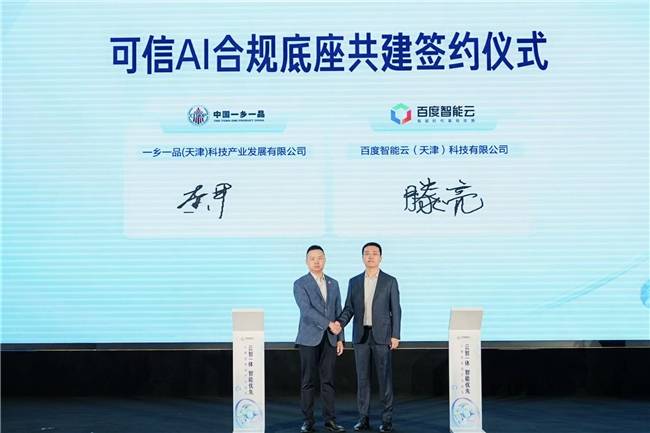
百度与天津战略合作正在从"筑巢引凤"迈向"开花结果"的全新阶段,9月23日在由天津市津南区人民政府 与百度智能云联合主办的"云智一体,智能优先——大模型智领产业论坛"上,百度智能云与一乡一品、工 研科技两大本地企业确立战略合作,同时发布了百度智能云千帆大模型产业创新基地的首批创新成果。 自今年1月百度数字产业创新基地落户天开津南园以来,双方合作已展现出强大的"加速度"。基地依托百 度智能云"云智一体"的核心战略,聚焦人工智能数据与算法两大核心,构建起数据标注、模型训练及智能 体开发的完善工具链。在短短数月内,人工智能基础数据产业基地成功孵化了十余家数据服务企业,创造 了超过二百个就业岗位,天津市数据局数据标注基地在此正式挂牌。千帆大模型产业创新基地也吸引了 众多企业入驻,新增就业数百人,产业集聚效应正日益凸显。 天津市对人工智能产业的发展寄予厚望。天津市政府副秘书长杨坡在致辞中表示,大模型是培育新质生 产力的核心引擎,期待各方力量协同,共同打造"AI+行业"的标杆案例,推动生成式AI从"可用"向"好用"实 现关键跨越。津南区委副书记、区长杨灏也表示,津南区将持续优化营商环境,以更加开放的姿态推动人 工智能与实 ...


【晶采观察·解码“十四五”】从“中国制造”到“中国创造” 高技能人才助力产业提质升级
Yang Guang Wang· 2025-09-26 01:54
Group 1 - The third National Skills Competition, known as the "Skills National Competition," was held in Zhengzhou, Henan, with new industries, new occupations, and new technology events accounting for over 50% of the competition, indicating a high demand for skilled and composite talents in the context of accelerated industrial digitalization and intelligent development in China [1] - During the "14th Five-Year Plan" period, vocational education is expected to supply over 70% of the newly added high-quality skilled talents for modern industries, highlighting its crucial role in supporting the transition from "Made in China" to "Created in China" [1] - The emergence of "national craftsmen" has gained public recognition, with figures like Xu Zhenchao and Gao Fenglin exemplifying the spirit of craftsmanship and dedication to excellence in their respective fields [1] Group 2 - China has established the world's largest vocational education system, which serves as fertile ground for cultivating skilled talents essential for various key sectors [2] - The "14th Five-Year Plan" focuses on high-level educational capabilities and high-quality integration of industry and education, implementing the second phase of the "Double High" construction plan to build a "national team" of skilled colleges [2] - The next steps involve accelerating the construction of a vocational education system that integrates general and vocational education, ensuring that talent cultivation aligns closely with market demands [3] Group 3 - The vocational education system aims to create a virtuous cycle where education empowers industrial upgrades, industries drive employment growth, and employment promotes social development, thereby injecting continuous momentum into economic and social development [3] - The goal is to ensure that every course aligns with industry frontiers, every major responds to market needs, and every student has opportunities for growth, thereby continuously supplying skilled craftsmen for "Chinese creation" [3]
入学即入职?一场招聘会背后的产教融合密码
Huan Qiu Wang· 2025-09-25 09:50
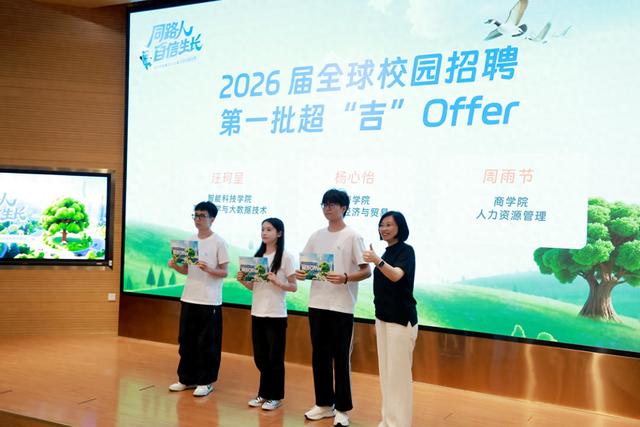
来源:中国网 "特别激动,能进入到吉利,这可是世界500强啊。"丁媛媛是吉利学院网络与新媒体专业大四学生,在 这个秋天,迎来了属于她的高光时刻。她在暑期通过"基石计划"中的"繁星项目"进入到吉利集团实习, 近日在吉利控股集团2026届全球校园招聘会上,正式拿到了录用通知。 在这场招聘会上,像丁媛媛一样提前拿到offer的学生还有三位。他们都有一个共同的成长印记:经历 了"基石计划"这一产教融合体系的完整培养。"基石计划",是吉利学院与吉利控股集团深度合作的产教 融合项目,包括繁星项目、星耀项目、数智项目、曙光项目等。 吉利学院,坐落于成都东部新区的龙泉湖畔,作为吉利控股集团创办的非营利性普通本科高校,自诞生 起就深深烙印着产教融合的基因。当前,学校凭借与产业的深度对接,正为学生构建一条从课堂到岗位 的无障碍通道,真正实现"毕业即就业"的无缝衔接。 "自建校以来,学校始终秉承李书福董事长提出的'走进校园是为了更好地走向社会'的校训,"校长阙海 宝表示,"我们以'三个校园'破格局、'千人千面'育专长,'产教六部曲'练真功、'三实'回应'三创'的教育 理念为核心,不断深化产教融合,深入推进校企协同和校地合作,致力于 ...

3420名选手同台竞技 348名选手获奖牌
Zheng Zhou Ri Bao· 2025-09-25 00:45
Core Insights - The third National Vocational Skills Competition showcased a record scale with 106 competition items and 3,420 participants, attracting 183,000 on-site spectators [2][3] - The event emphasized a new model combining technology and skills, implementing an integrated management system for competition [2] - The competition aimed to promote skill development and employment through a structured approach, focusing on key demographics and industries [4][5] Event Overview - The competition featured 348 medal winners across various categories, including 35 "Best Contestant Awards" and 21 "Outstanding Contribution Awards" [2] - The event attracted international representatives and skill elites, promoting a broader societal view of vocational skills [3] Strategic Framework - The "1234" work framework was introduced, focusing on one theme, two key areas, three stakeholder roles, and four action plans to enhance skill talent development [4] - The framework aims to create a supportive environment for skill development, targeting specific employment groups like graduates and migrant workers [4] Action Plans - Four major actions were outlined: promoting skill talent development, supporting enterprise growth, enhancing skill talent incentives, and fostering international skill exchanges [5] - The goal is to cultivate high-skilled talents and promote a society that values skills [5] Future Initiatives - The competition serves as a catalyst for improving training models, evaluation mechanisms, and incentive measures to build a robust skill workforce in Henan [6] - Emphasis on deepening industry-education integration to ensure that training meets the needs of the labor market [7] Policy Development - Plans to optimize the growth environment for high-skilled talents include improving management systems and expanding career development pathways [8] - The introduction of a new occupational skill level system aims to facilitate the career progression of skilled workers [8] Upcoming Events - The 48th World Skills Competition is scheduled to be held in Shanghai in 2026, marking a significant international event for showcasing skill development achievements [9] - Preparations for this major event are already underway, focusing on communication, infrastructure, training, and creating a conducive atmosphere [9]
南邮两学院在红枫科技园正式开学 边上课边实践,从头参与产学研链条
Nan Jing Ri Bao· 2025-09-25 00:09
Group 1 - The opening of the Jiangsu Provincial Excellence Engineer College and Artificial Intelligence College at Nanjing University of Posts and Telecommunications marks a significant step in integrating education with industry, allowing 99 new students to collaborate with over 400 companies for technology research and development [1] - Nanjing Economic and Technological Development Zone is highlighted as a key area for the city's real economy, focusing on advanced industries such as artificial intelligence, optoelectronic displays, and new energy [1] - The collaboration between Nanjing University of Posts and Telecommunications and Nanjing Economic Development Zone aligns with the provincial government's initiative for "dual high" (high education and high-tech zones) cooperation, emphasizing a targeted approach to industry development [1] Group 2 - Graduate students will engage in a three-year "immersive" learning experience, participating in corporate internships and research projects from the start of their studies, breaking away from traditional theoretical learning [2] - Industry mentors from companies like Zhongxin Ke Fenghuo Cloud Technology will integrate real-world challenges into the educational process, aiming to cultivate engineers who are technically proficient and innovative [2] - The opening ceremony featured a lecture on "The Future of Large Model Applications," indicating a focus on cutting-edge technology and its applications in the curriculum [2] Group 3 - The collaboration between Nanjing Economic Development Zone and Nanjing University of Posts and Telecommunications aims to foster innovation and nurture talent, creating a vibrant ecosystem for technological advancement [3] - The development zone will provide support in terms of living conditions and resource connections, ensuring that students gain practical skills to address industry challenges [3]